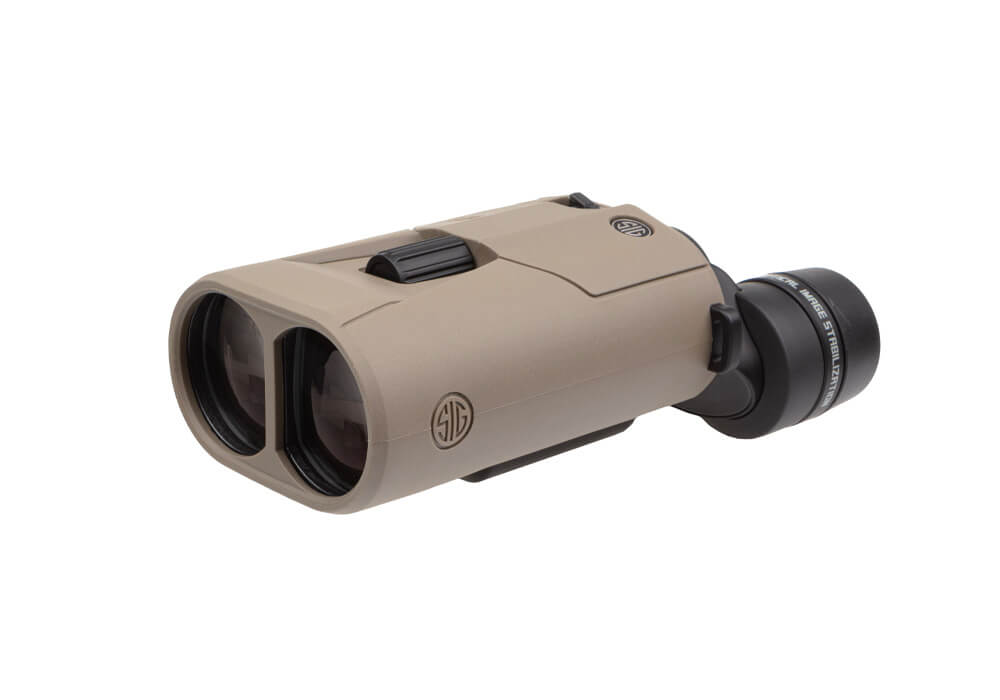
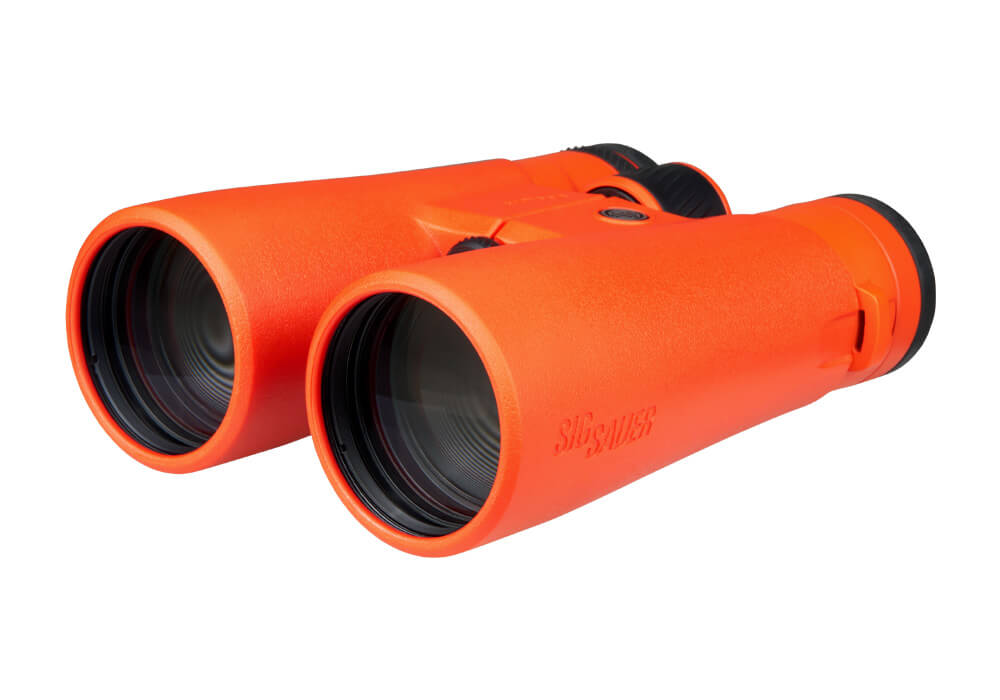
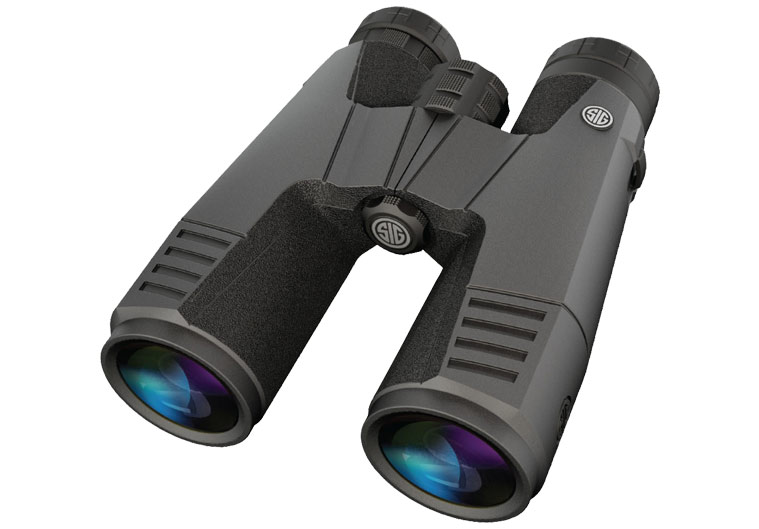
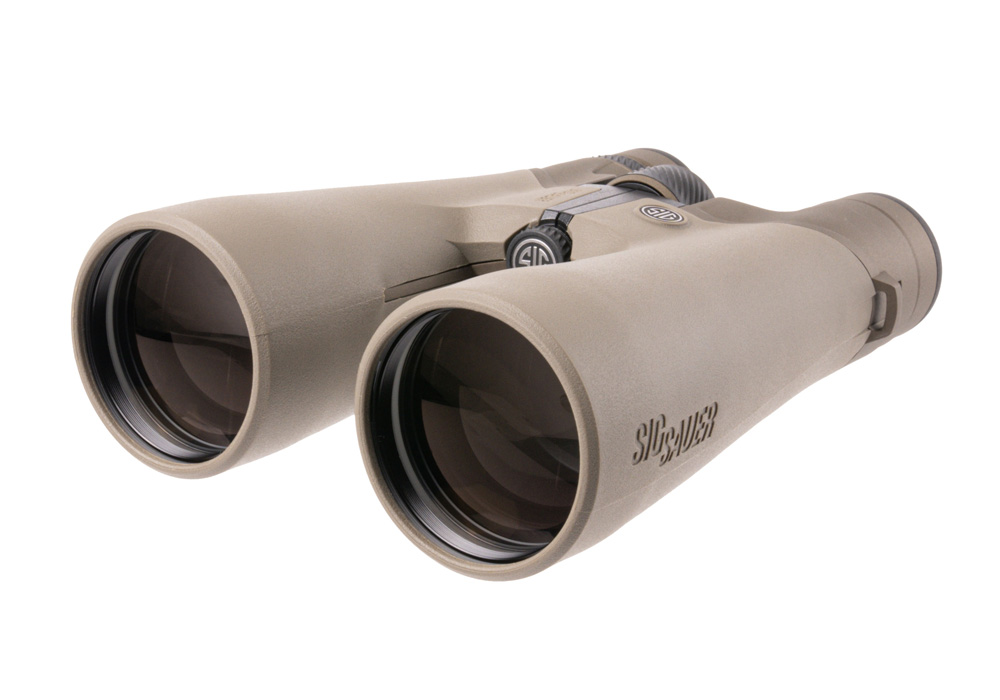
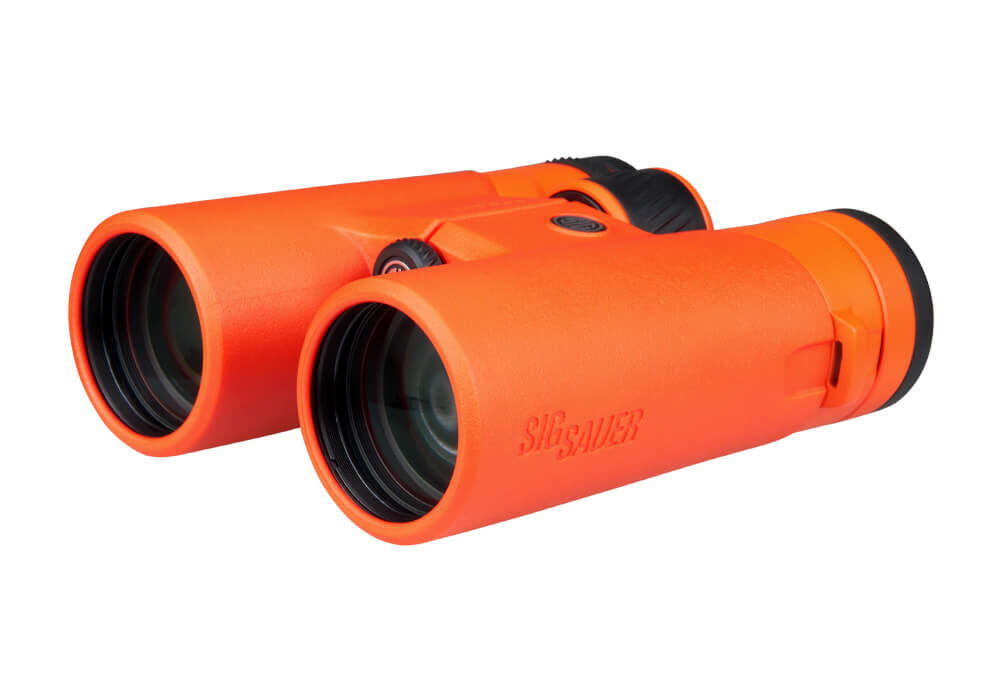
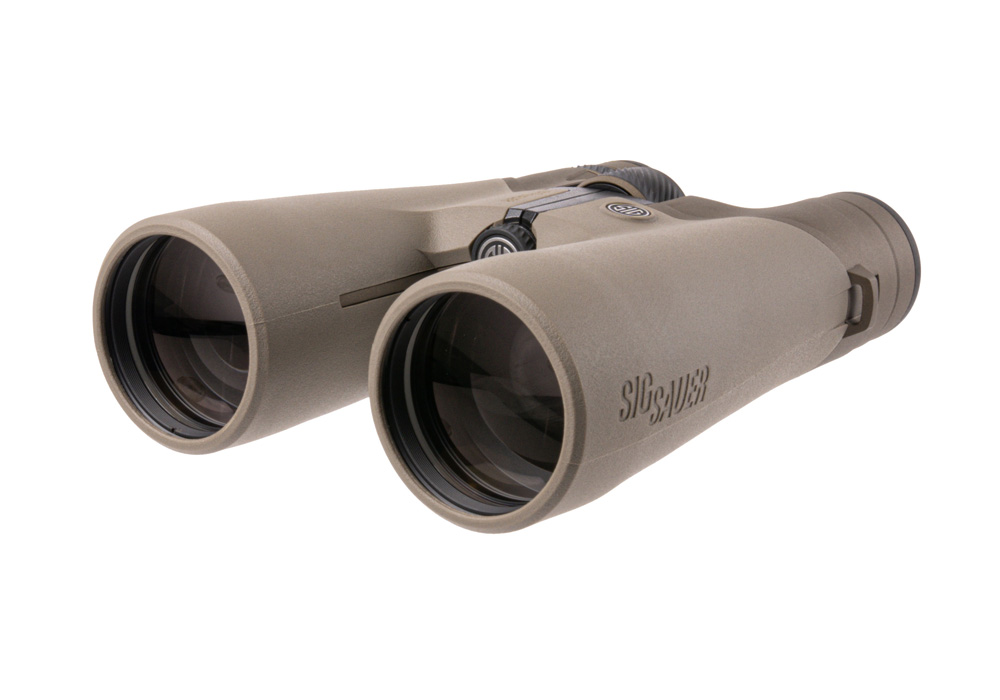
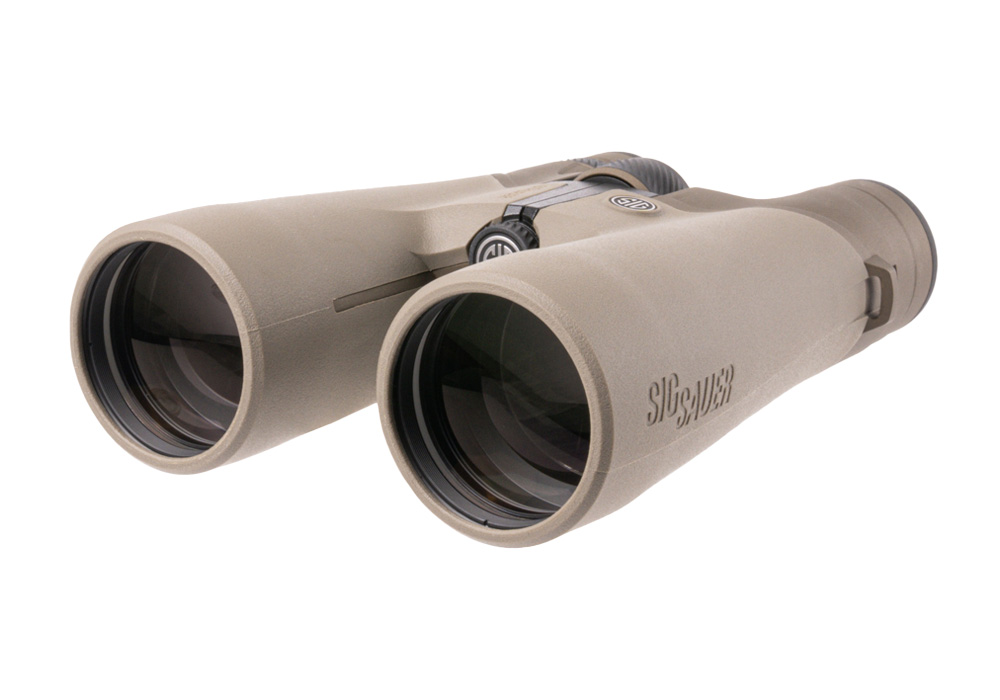
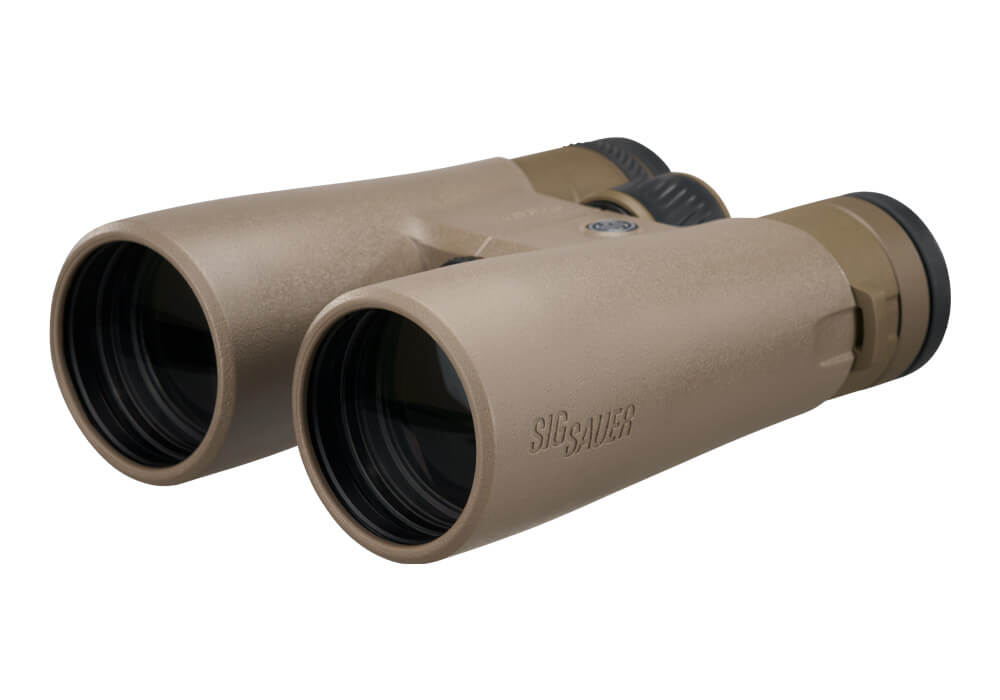
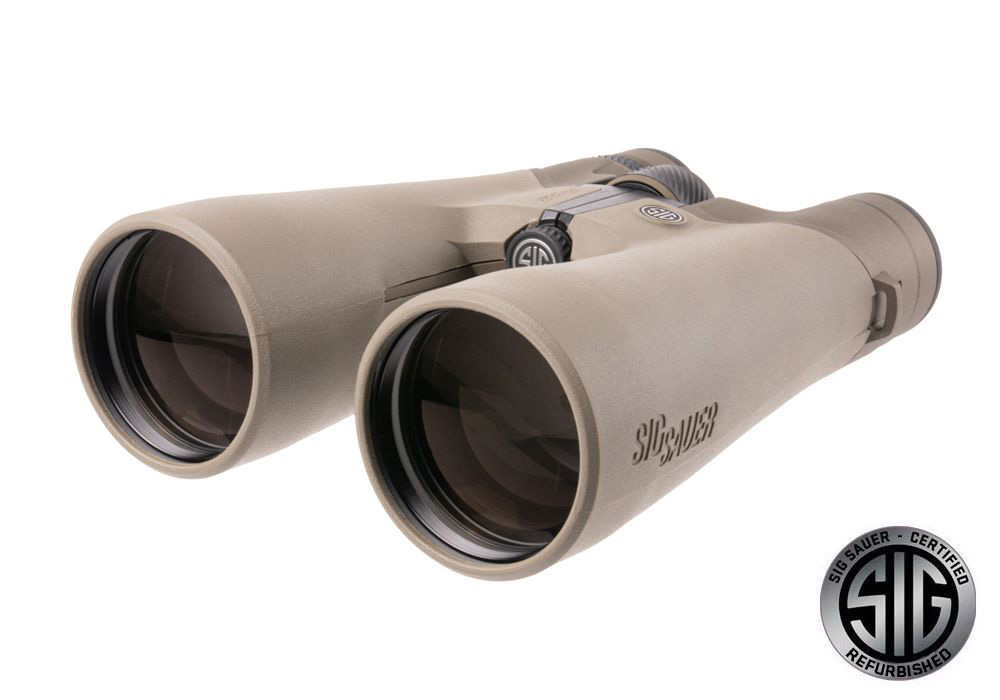
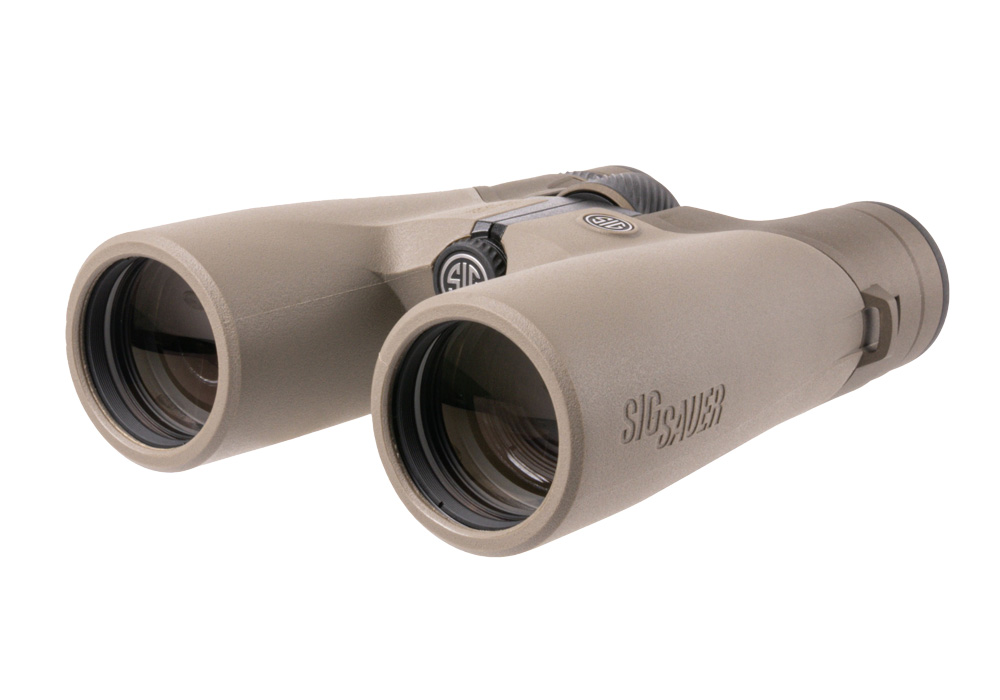
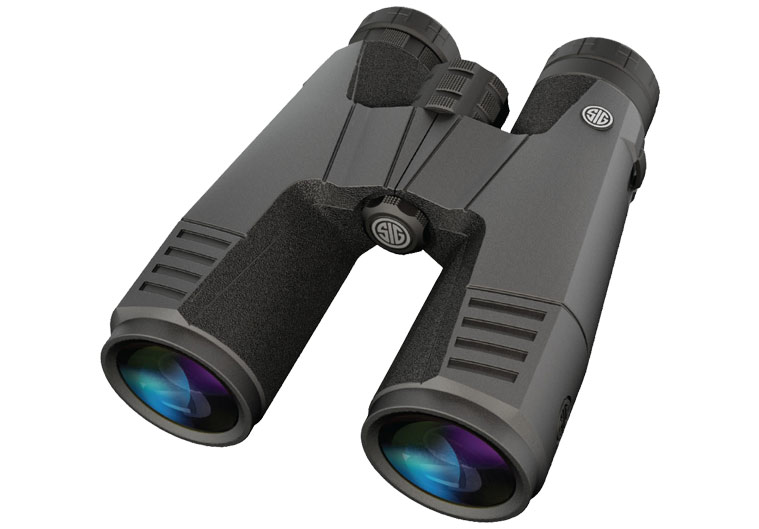
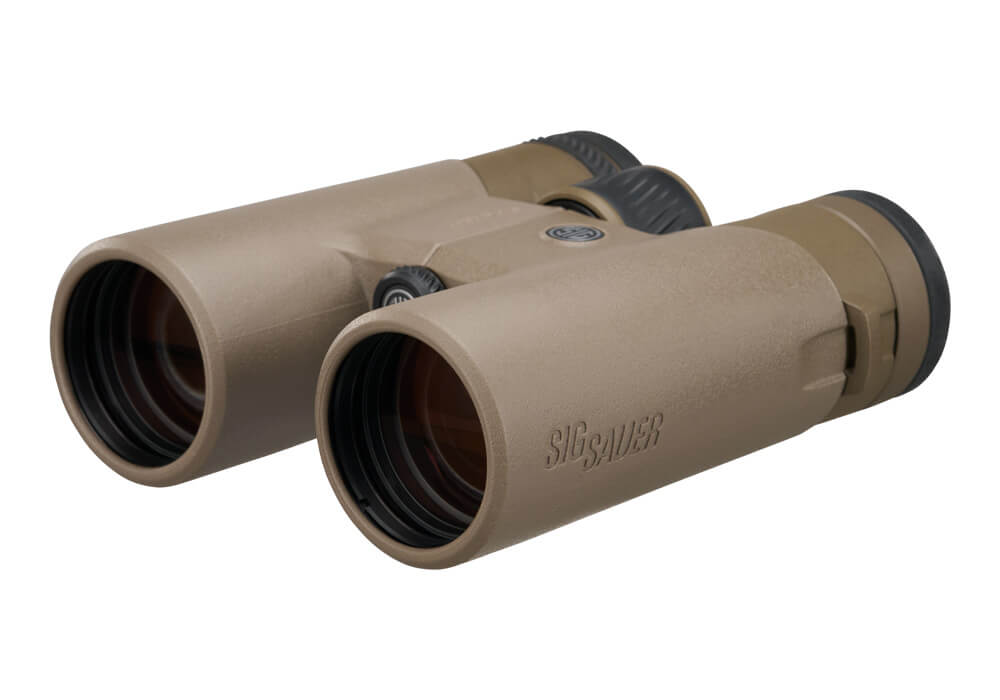
High magnification binoculars are designed for viewing distant subjects with greater detail than standard binoculars can provide, making them a practical choice for long-range observation, wildlife viewing, astronomy, sporting events, and open-country glassing. Models in this category commonly begin around 15x magnification and may extend considerably higher, bringing faraway ridgelines, birds, celestial objects, and field activity into a closer view. The tradeoff is that increased magnification also makes every movement more noticeable. Even a steady pair of hands can produce a trembling image at 15x or above, especially when observing for more than a few seconds. For that reason, many high magnification binoculars are best used with a tripod, monopod, or compatible binocular mount. A stable support lets the viewer study fine details comfortably instead of constantly correcting the view. When comparing options, consider how and where the binoculars will be used. A compact design may be easier to carry during a long walk, while larger binoculars with objective lenses around 60mm or more can gather additional light for a brighter image in low-light conditions. Larger lenses can be especially helpful during dawn and dusk wildlife activity, under a dark sky, or when viewing distant terrain on an overcast day, but they also add weight and may make a tripod setup more important. Magnification, objective lens size, field of view, focusing controls, eye relief, and overall balance should be considered together rather than evaluated in isolation. A powerful optic with a narrow field of view may excel at examining a fixed point in the distance, while a slightly wider view can make it easier to locate moving animals, follow athletes, or scan a broad section of sky.
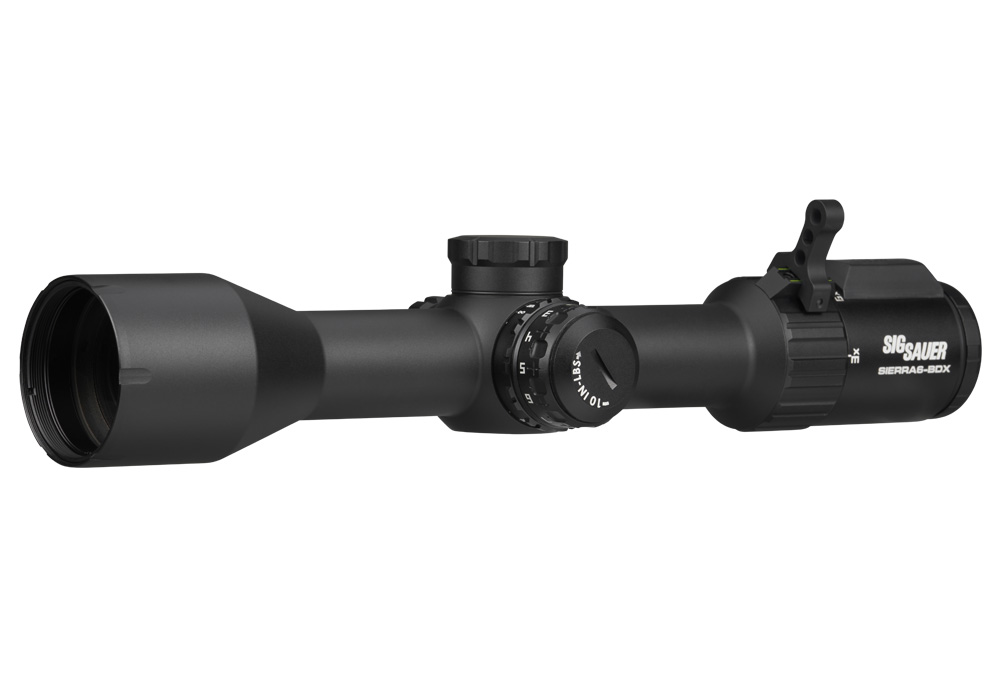
The right high magnification binoculars can serve several different types of observers. Birders and wildlife enthusiasts may use them to identify a raptor circling above a valley, inspect an animal across a meadow, or watch shorebirds from a respectful distance without disturbing their behavior. Hunters and outdoor observers can use them to study remote slopes, timber edges, and open country, particularly when a stable glassing position is available. Astronomy enthusiasts often choose high-powered binoculars as an approachable way to explore the moon, star fields, bright planets, and larger deep-sky objects while retaining the natural depth and two-eyed viewing experience that binoculars provide. They can also be useful for watching sailing events, field sports, air shows, and performances from distant seating. During the cooler months, a tripod-mounted pair near a window or on a sheltered deck can make a thoughtful gift for someone who enjoys watching backyard birds, tracking changing weather, or spending clear evenings beneath the stars. For a first-time buyer, ease of use may matter as much as maximum magnification. Look for smooth focusing, comfortable eye relief, adjustable eyecups, and a design that feels balanced when mounted. Eyeglass wearers should pay close attention to eye-relief specifications so the full image remains visible without pressing glasses against the eyepieces. A simple, intuitive setup is also valuable for families or gift recipients who may want to begin observing without learning a complicated system. Those comparing binocular viewing with a single-eye optic for more specialized long-range applications may also wish to explore High Magnification Riflescopes as a separate category, keeping in mind that each optic is designed around a different viewing experience and intended use.
Image quality depends on more than the number printed before the “x.” Quality glass, lens coatings, internal baffling, and precise alignment all influence contrast, color fidelity, edge sharpness, and performance in changing light. At higher powers, small optical shortcomings become easier to notice, so clear detail and a well-controlled image are important purchasing considerations. Pay attention to the exit pupil, which is calculated by dividing objective lens diameter by magnification; a larger exit pupil can make an optic more forgiving and comfortable, while a smaller exit pupil may require more precise eye placement. A wide field of view can help with tracking, although it may be accompanied by a larger or more complex optical design. Weather-resistant construction is another practical feature for anyone who spends time outdoors. Sealed housing, protective armor, and durable exterior finishes can help an optic stand up to damp grass, light rain, dust, and frequent handling, while lens covers and a padded case make transport and storage easier. Weight should be considered honestly: a binocular that looks impressive on a specification sheet may be less enjoyable if it is too tiring to carry or difficult to mount securely. For stationary viewing, larger high magnification binoculars can deliver a compelling, immersive image; for mobile use, a lighter model may be the better fit. Whether they are being selected for a seasoned sky watcher, an outdoor enthusiast, a wildlife-loving family member, or someone building a long-range observation setup, high magnification binoculars offer a detailed way to connect with distant subjects. Choose the magnification and objective size according to the intended viewing conditions, plan for a stable support at stronger powers, and prioritize optical clarity, comfort, and dependable handling for an experience that remains rewarding across bright afternoons, crisp evenings, and the changing light of the seasons.