High magnification riflescopes are designed for shooters who need a clear, stable view of distant targets and the precision to make carefully measured adjustments at extended ranges. Often grouped with high-power variable optics, these scopes commonly begin around 4.5-27x or 5-25x and may extend to 6-24x, 7-35x, or beyond, while fixed-power options of 15x and higher serve specialized benchrest and extreme-distance applications. At the lower end of the zoom range, the field of view is generally wider and target acquisition is easier; at the upper end, small targets, steel plates, and groups on paper become easier to inspect. This versatility makes a high magnification riflescope useful for long-range target shooting, precision rifle competition, varmint hunting, and hunting across open country where a responsible shot may require careful observation at substantial distance. A first focal plane reticle is a popular choice for shooters who dial through the magnification range because the reticle scales with the image, keeping its subtensions accurate at every power setting. Second focal plane designs can also be a strong fit, particularly when the shooter prefers a consistent reticle appearance and typically uses one magnification setting for aiming. The right choice depends on the rifle, ammunition, distance, and the way the scope will be used, rather than on magnification alone. Shooters moving between wooded terrain and broad fields may appreciate a versatile variable-power range, while a dedicated bench shooter may prioritize maximum resolution and a fine aiming point over a wide viewing angle. For applications that do not require extreme magnification, exploring 9x Magnification Riflescopes can provide a more compact and flexible alternative.
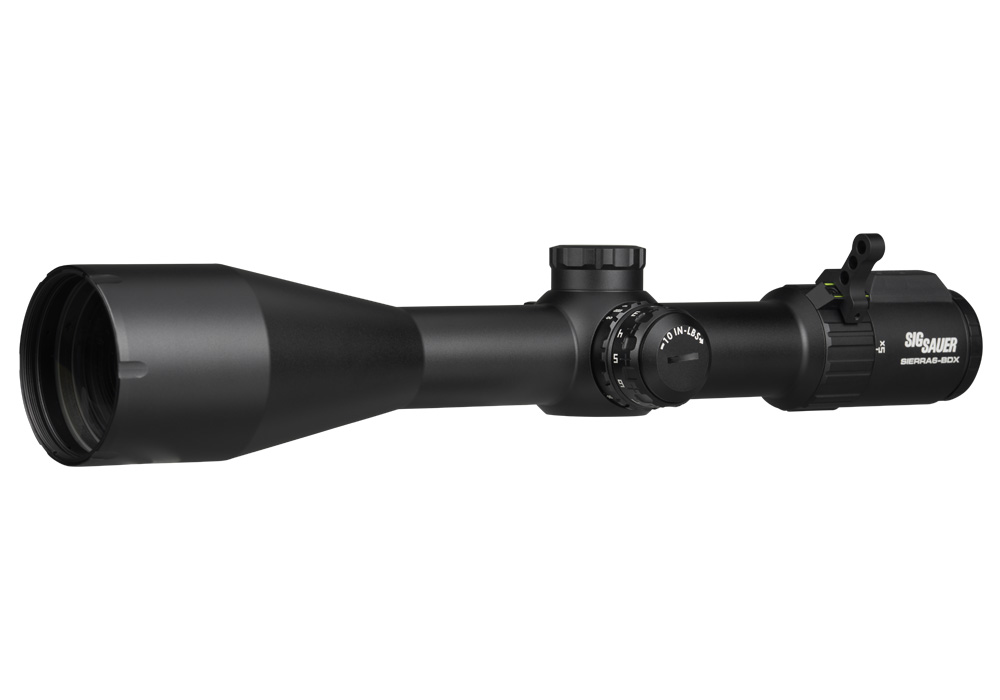
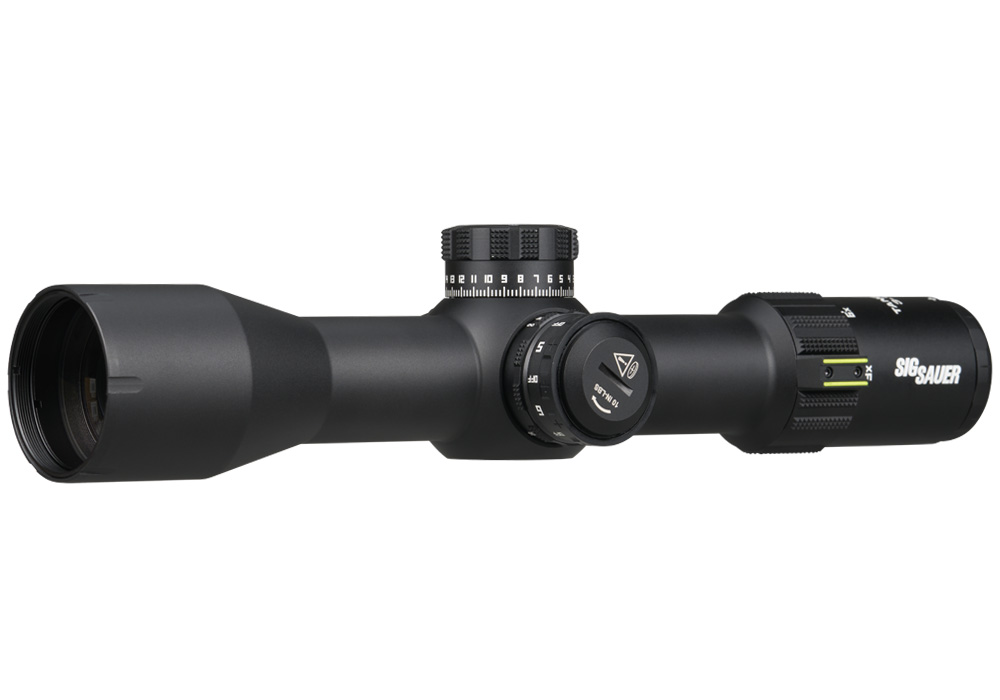
When comparing high magnification riflescopes, begin with the optical and mechanical features that affect performance behind the rifle. Objective lenses in the 50mm to 56mm range can gather more available light and support a brighter image at higher settings, although their larger diameter may require taller mounting hardware and can add weight to the overall setup. A generous, consistent eye box and adequate eye relief are especially valuable when shooting from practical field positions, where the rifle may not be perfectly aligned on every shot. Adjustable parallax helps the shooter minimize apparent reticle movement and maintain a precise point of aim at varying distances, while a fast-focus eyepiece keeps the reticle sharp. Turrets should offer tactile, audible clicks and repeatable tracking, with elevation and windage systems suited to the shooter’s preferred method of making corrections. Exposed tactical-style turrets are convenient for dialing elevation and windage in a match or at the range, while capped turrets may better suit a hunting rifle that will travel through brush, gear, and changing weather. A zero stop can make it simple to return to a confirmed baseline setting after dialing for distance, an advantage when conditions change or a follow-up shot requires a quick return to the original zero. Reticle design deserves equal attention: detailed Christmas-tree and grid patterns can support holdovers and wind calls, while a clean center aiming point may be preferable for deliberate target work. Illumination can improve reticle visibility against dark backgrounds or in low-contrast conditions, but it should complement, not replace, a well-defined unilluminated aiming point. Shooters should also consider tube diameter, mounting height, total length, and scope weight before choosing rings and a rifle. A large optic may provide excellent performance at distance, yet its bulk can affect balance, transport, and comfort during a long walk to a firing position. Before purchase, confirm that the scope’s adjustment range, reticle subtensions, and mounting dimensions are compatible with the rifle, cartridge, rail, and intended zero distance.
These scopes reward a deliberate approach. At the range, a shooter may begin at a moderate magnification to establish a stable position, confirm eye relief, and locate the target quickly before increasing power for a closer look at the aiming point. At extreme magnification, the narrow field of view can make moving targets difficult to track, so maximum power is usually best reserved for stationary targets, careful observation, and final shot placement. Atmospheric conditions also matter. Heat rising from the ground can create mirage that becomes more pronounced as magnification increases, making a distant target appear to shimmer or shift. In low light, the smaller exit pupil produced by high magnification may make the image appear dimmer, even when the objective lens is substantial. These are normal tradeoffs and part of selecting the appropriate power for the conditions rather than leaving the scope at its highest setting. A stable bipod, rear support, solid cheek weld, and properly leveled mount help the optic perform as intended, while consistent ammunition and a verified zero make adjustments meaningful. During the cooler months, hunters and range shooters may appreciate the ability to inspect distant terrain, identify a target with care, and make precise corrections without relying on guesswork, provided they follow all applicable laws, safe firearm-handling practices, and ethical shot-placement standards. High magnification riflescopes can also be a thoughtful gift for an experienced marksman who is building a dedicated long-range rifle, preparing for precision rifle competition, or upgrading a setup for open-country hunting. The best match balances optical clarity, magnification range, reticle style, adjustment system, durability, and manageable size so the scope supports the shooter’s complete setup from the firing line to the field.