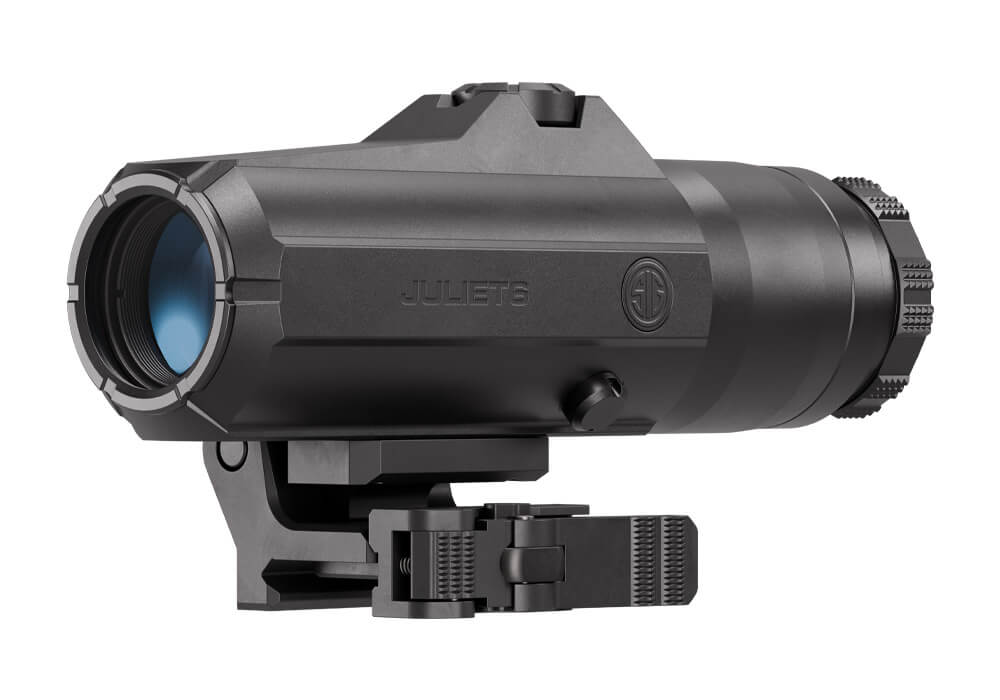
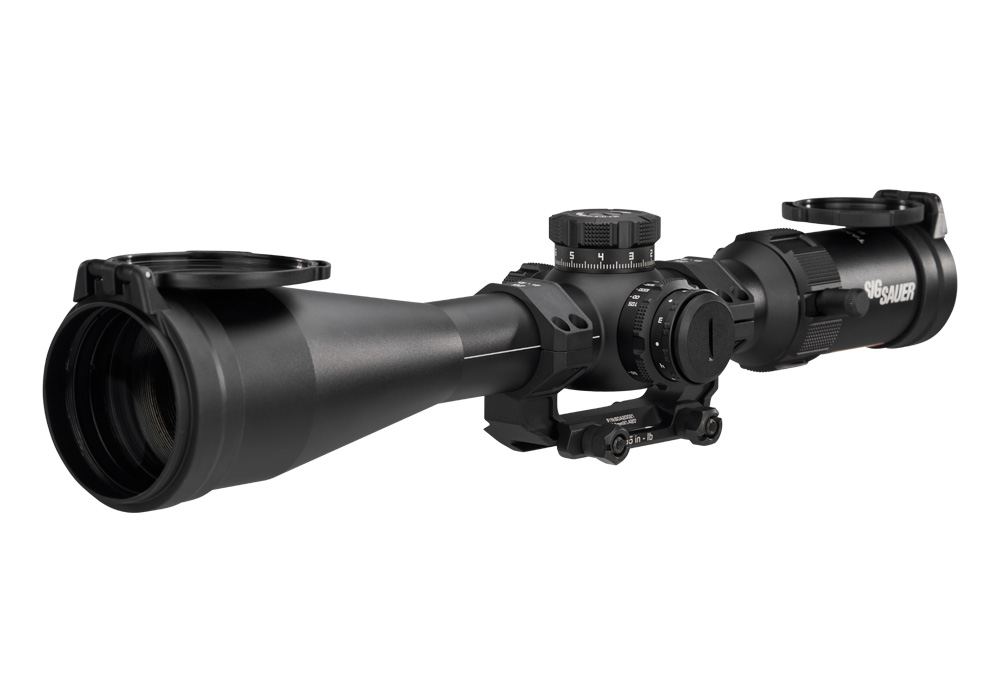
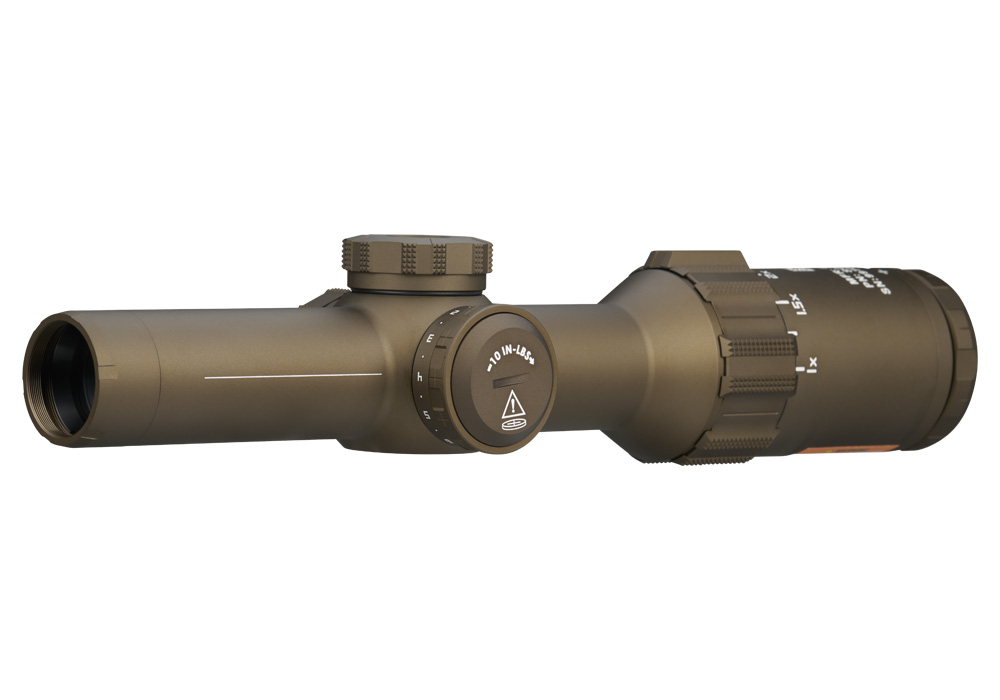
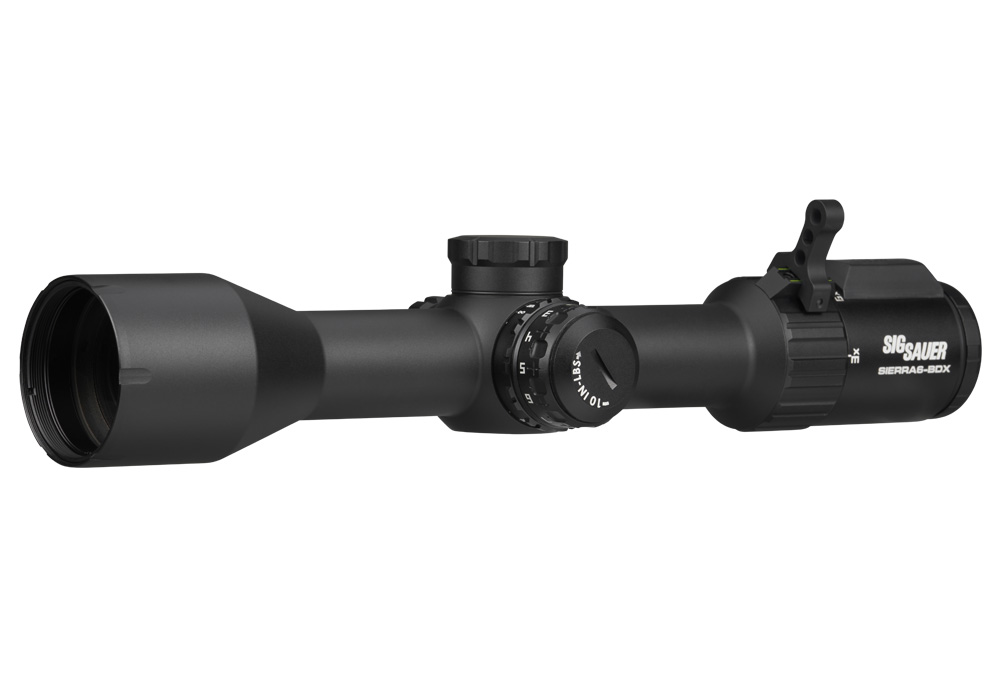
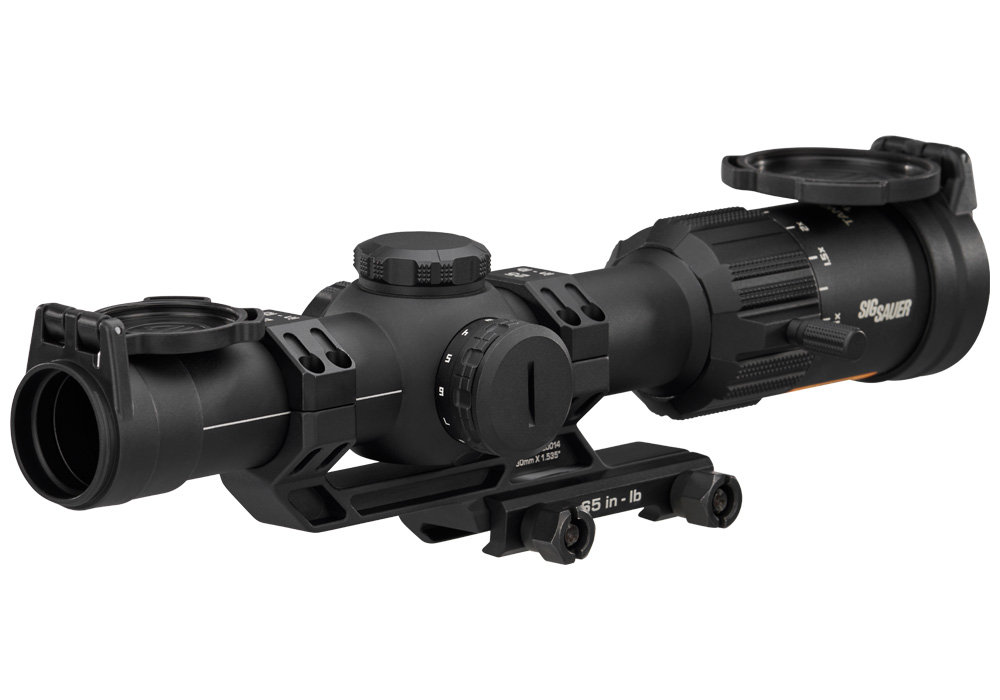
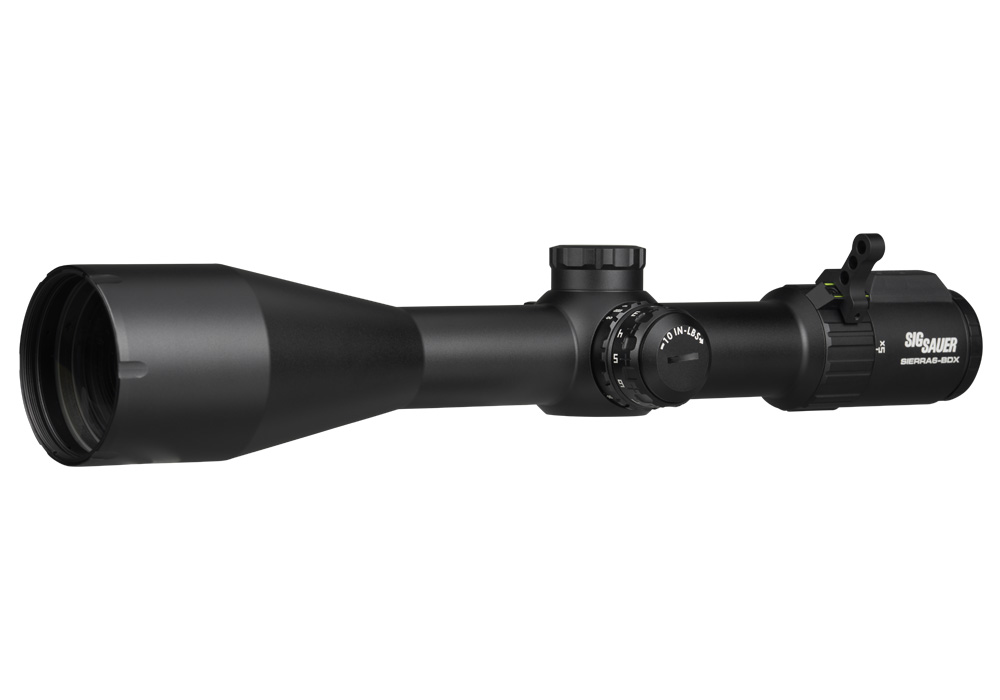
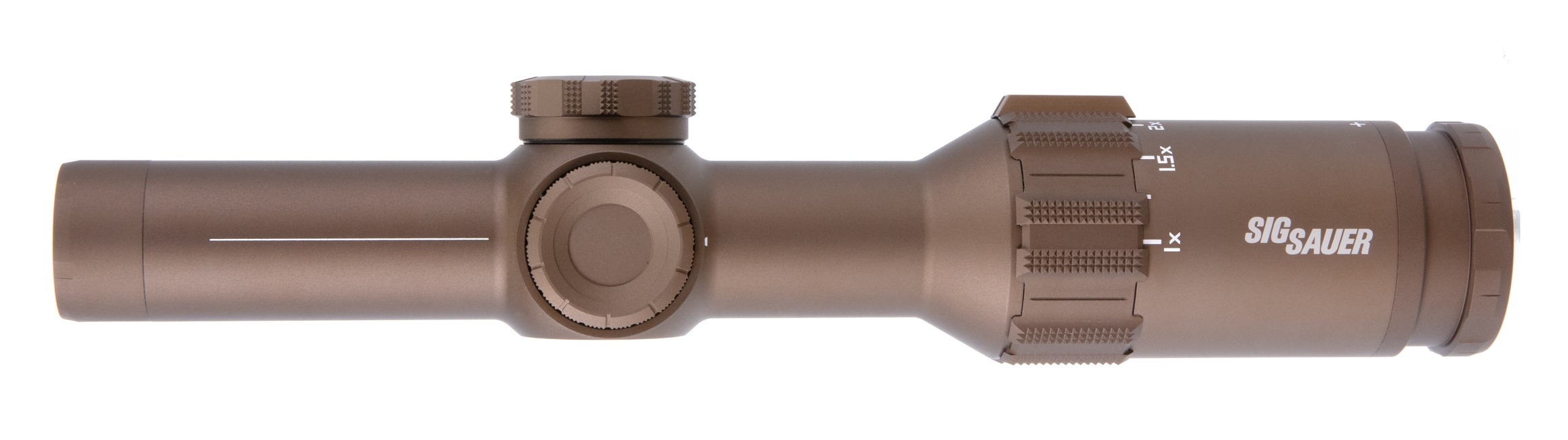
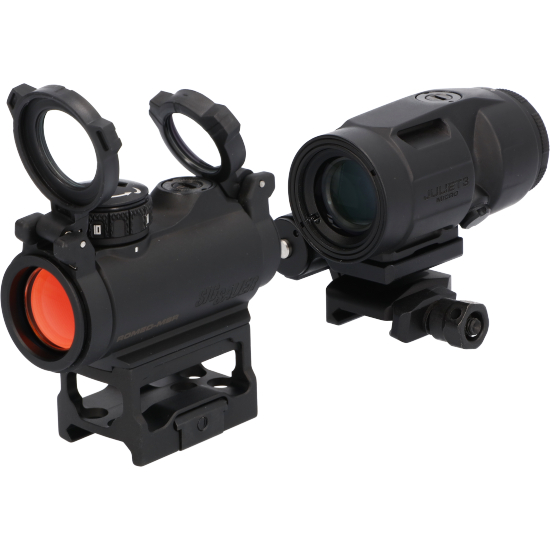
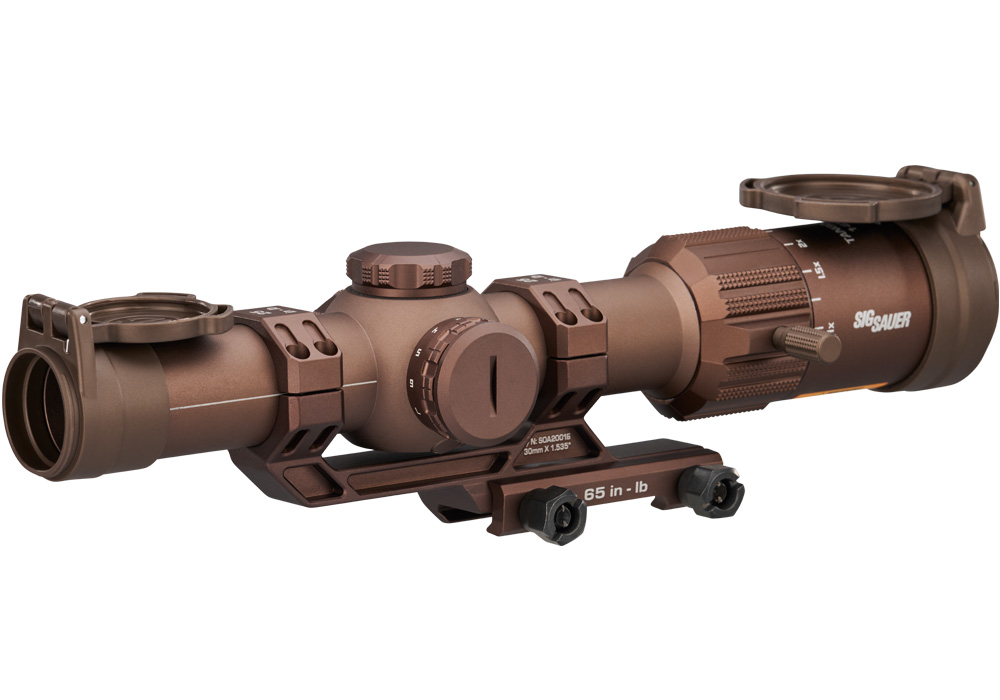
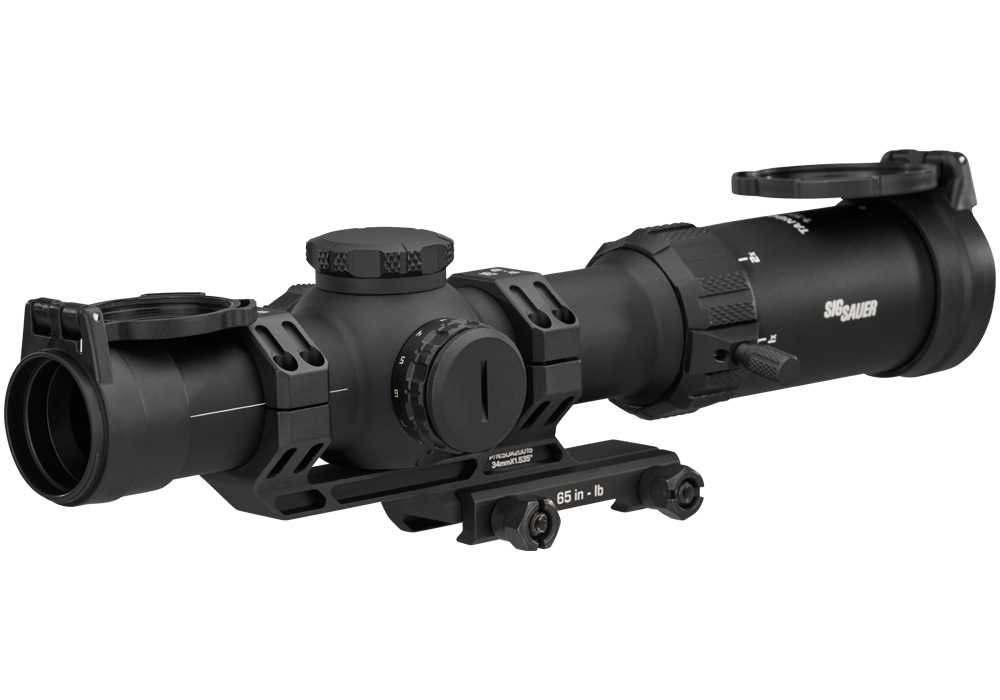
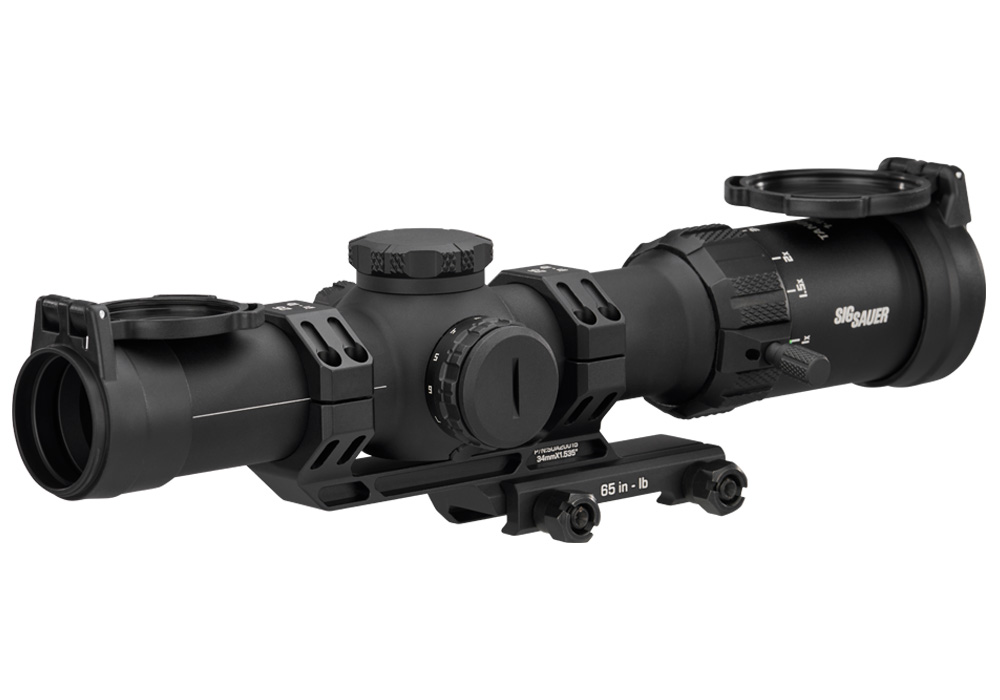
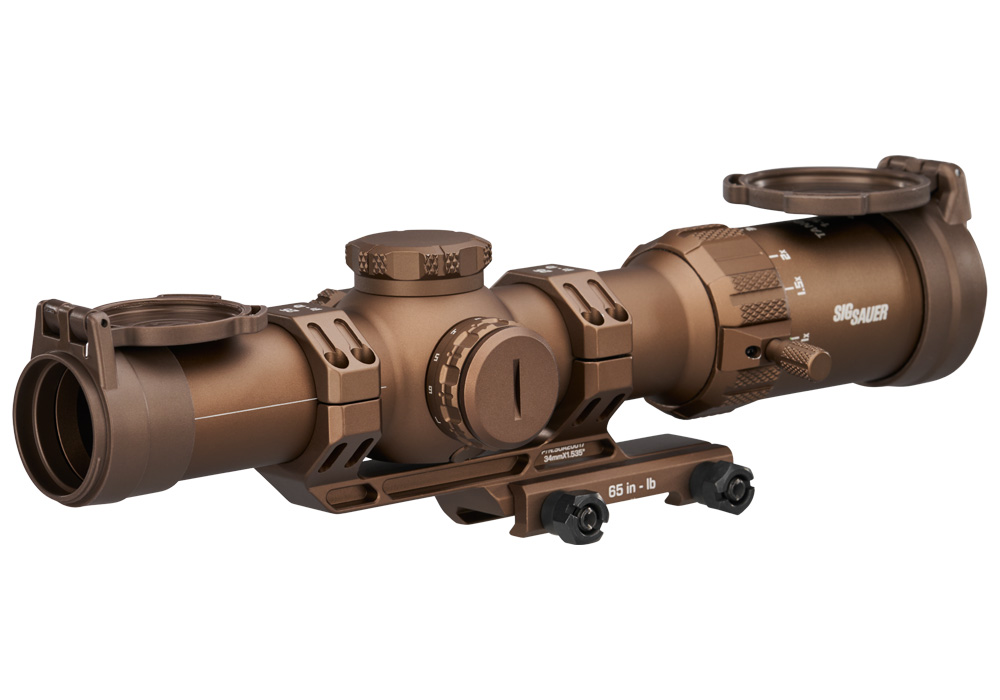
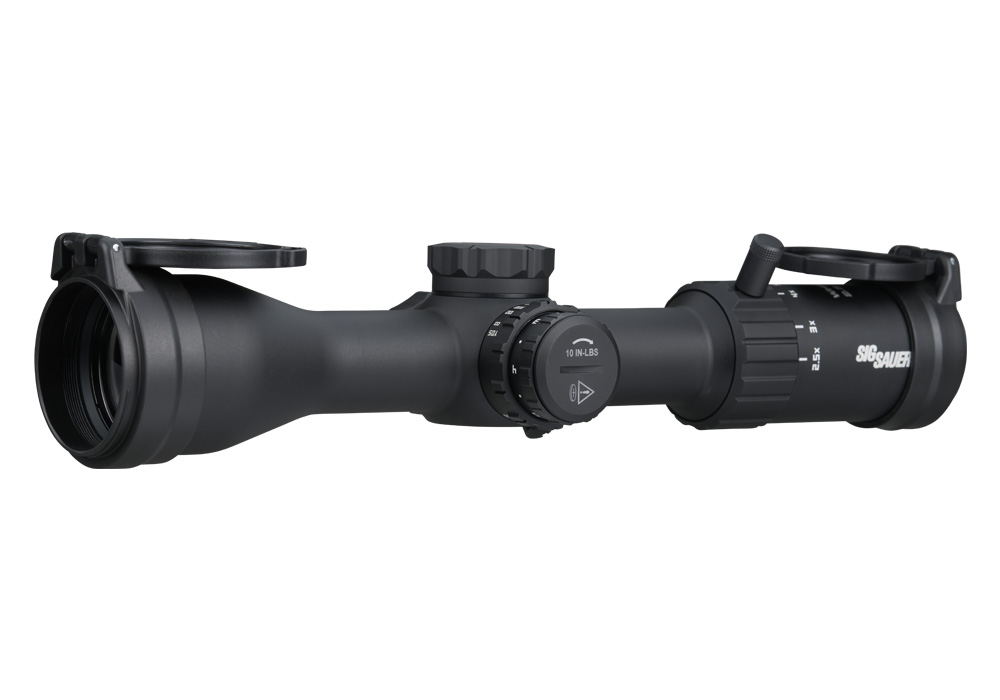
Magnification scopes help shooters see more detail and make more informed aiming decisions when a target is farther away, smaller, or set against a complex background. Unlike a non-magnifying sight, a scope enlarges the viewed image so the shooter can better distinguish target features, identify an aiming point, and judge a shot within the limits of their training and equipment. The broad category includes traditional rifle scopes, low-power variable optics, and compact magnifiers designed to work behind a red dot or reflex sight. Fixed-power scopes provide one consistent magnification level, often with a simple sight picture, fewer controls, and a streamlined setup. They can be a practical choice for shooters who regularly work within a familiar distance range and value straightforward operation. Variable-power scopes allow the magnification to be adjusted for changing conditions, such as a wide field of view for a nearby target and increased detail for a more distant one. A low-power variable optic generally begins at or near 1x and increases to a moderate magnification, providing a flexible option for close-range practice, outdoor recreation, competition, and hunting applications. A red dot magnifier is a separate optical unit mounted behind a compatible red dot sight. With the magnifier moved into position, the shooter gains additional image detail; when it is not needed, a suitable mount may allow it to move aside while leaving the non-magnified sight available. These configurations serve different needs, and the best choice depends on the firearm, intended distance, target size, shooting position, and the amount of flexibility desired. Shooters comparing options in this category can explore High Clarity Magnifier Scopes for optical solutions built around clearer viewing and practical field use.
Choosing a magnification scope starts with an honest look at how and where it will be used. A hunter moving through dense timber may place greater value on a generous field of view, forgiving eye relief, and a low starting magnification than on extreme zoom. Someone practicing from a bench or preparing for longer-range target work may prefer a variable scope with a wider magnification range, precise adjustment controls, and a reticle that supports careful holdover decisions. For a general-purpose rifle, a low-power variable optic can offer a useful balance: near-1x settings help the shooter maintain awareness and acquire a target quickly, while higher settings make it easier to inspect distant targets and refine the aiming point. A red dot magnifier setup can be especially appealing to someone who already uses a compatible reflex sight and wants additional reach without replacing the entire sighting system. Magnifiers are typically positioned behind the primary optic, so eye relief, mounting height, alignment, and available rail space deserve close attention. The mount should lock securely and return to position consistently after movement, while the optic should sit at a height that matches the primary sight and the shooter’s natural cheek weld. For any scope, compare the magnification range, objective lens size, reticle design, illumination options, adjustment style, and parallax features. More magnification is not automatically better; at the upper end, a narrow field of view and increased sensitivity to movement can make target acquisition slower. A bright, clear image matters, but so does a reticle that remains useful in changing light and against backgrounds ranging from sunlit brush to dark woodland. Eye relief becomes particularly important on rifles that produce noticeable recoil, and a durable, weather-resistant housing is valuable when equipment may encounter dust, rain, cold air, or the occasional bump against a vehicle or tree stand. Before purchasing, confirm tube or mount compatibility, rail dimensions, ring height, and the firearm’s intended use. A properly installed scope should be checked at the range, adjusted for the chosen ammunition, and rechecked after transport or any change to the mounting system.
Magnification scopes are used by a wide range of responsible shooters, from new owners learning the fundamentals of sight alignment to experienced hunters and precision-minded range users refining their equipment. They can also make thoughtful gifts for an outdoorsman, competitive shooter, or recreational marksman when the recipient’s firearm, mounting system, and preferred shooting distance are known. Optics are personal equipment: one shooter may favor a compact fixed-power design, while another may need variable magnification for changing terrain or a magnifier that works with an existing red dot. When giving one as a gift, a gift card or a conversation about the intended setup can be more useful than choosing based on appearance alone. During the cooler months, magnified optics can be especially helpful for outdoor sessions when lower-angle light, bare branches, and shifting backgrounds change the way a target appears through the sight picture. Clear lenses should be protected with appropriate covers, and exterior surfaces should be cleaned with materials intended for coated optics rather than household paper products that may scratch or leave residue. Shooters should take time to learn the reticle and controls before relying on the scope in the field, then practice from realistic positions rather than only from a bench. A few deliberate sessions can reveal whether the eye relief feels natural, whether the magnification ring is easy to adjust with gloved hands, and whether the reticle remains visible against the terrain where the optic will be used. Follow all applicable laws and range rules, store firearms and ammunition securely, and treat every firearm as loaded while mounting, adjusting, or testing an optic. With the right combination of magnification, clarity, mounting compatibility, and handling familiarity, a scope can become a dependable part of a carefully configured shooting system.