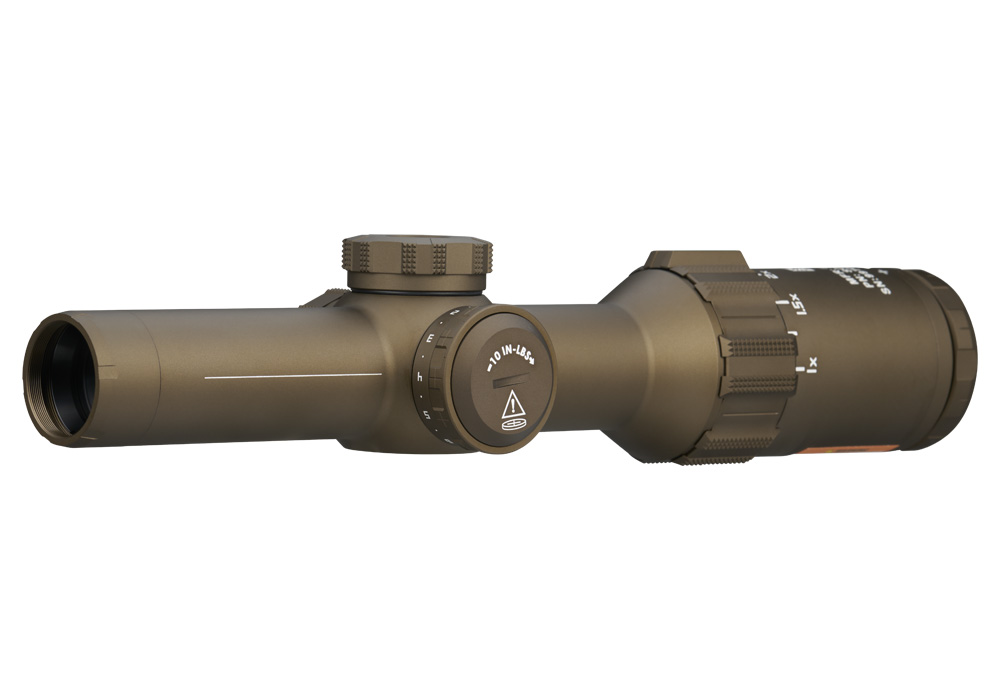
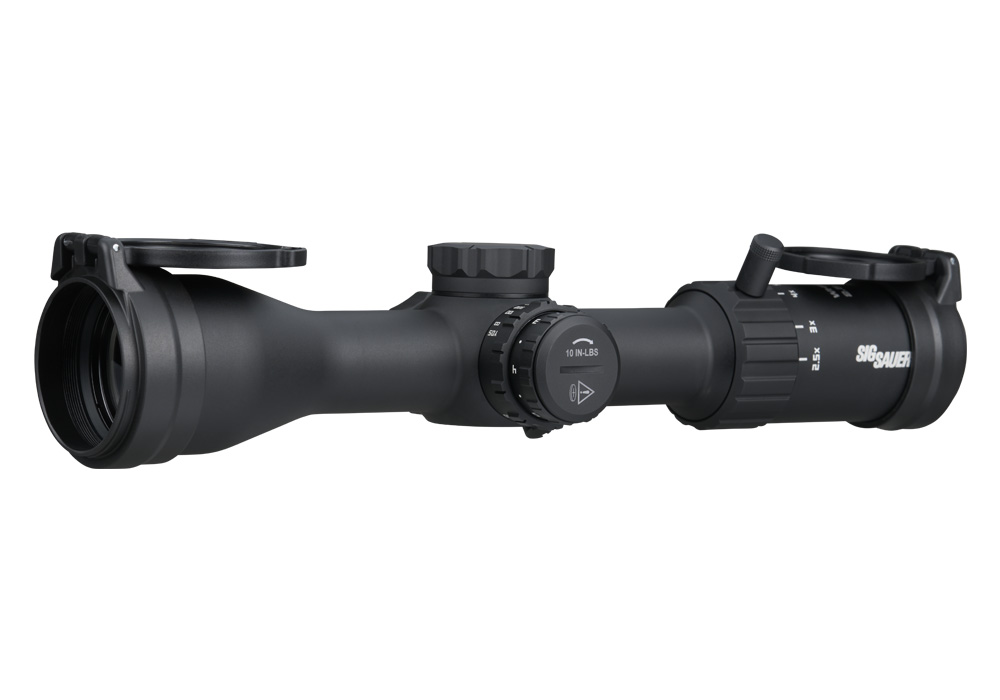
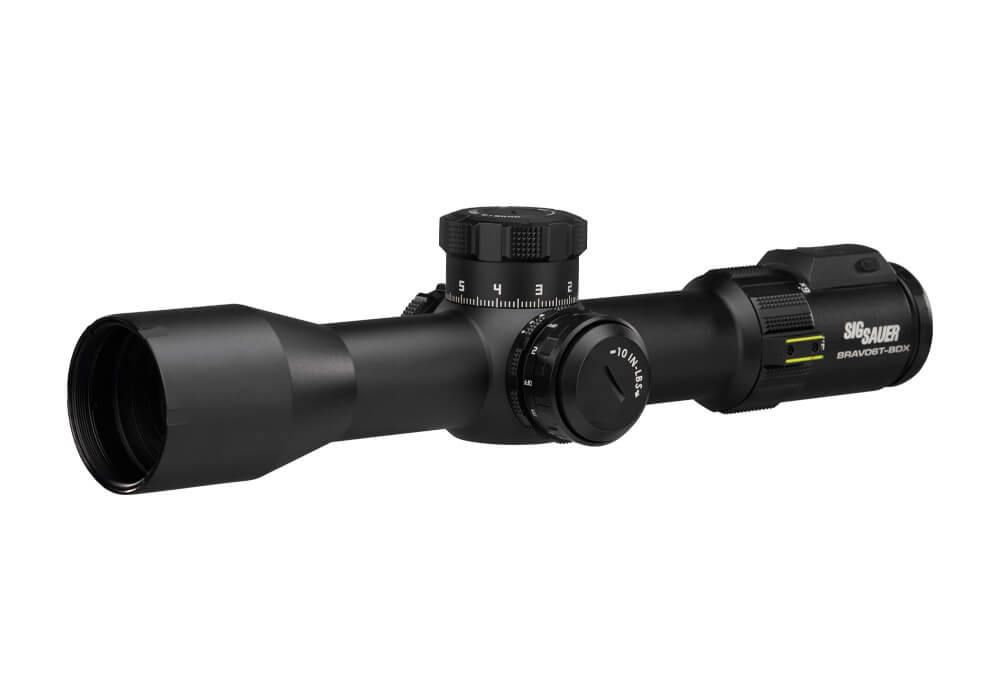
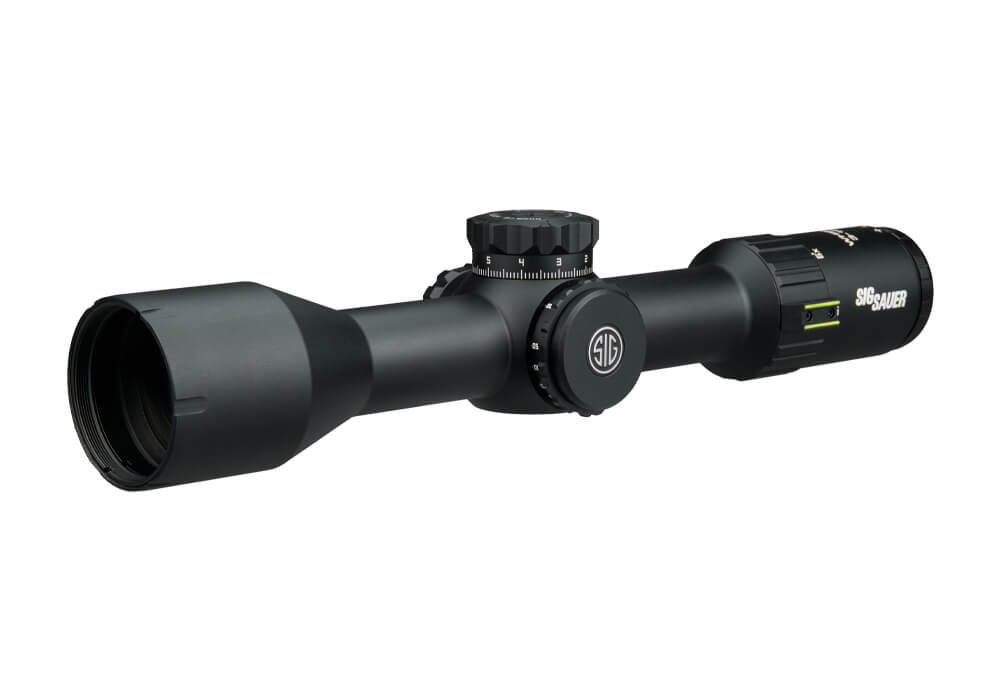
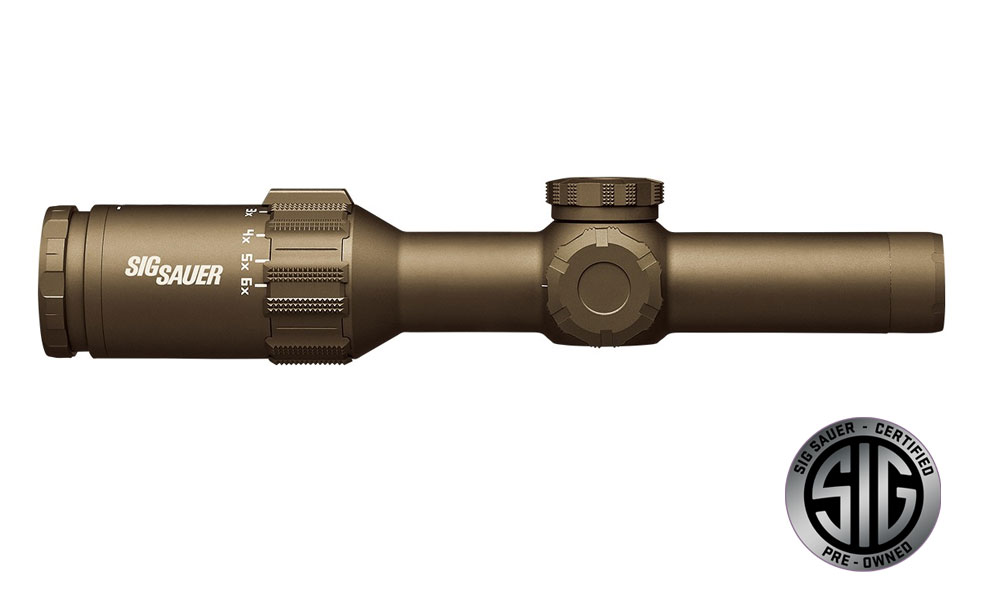
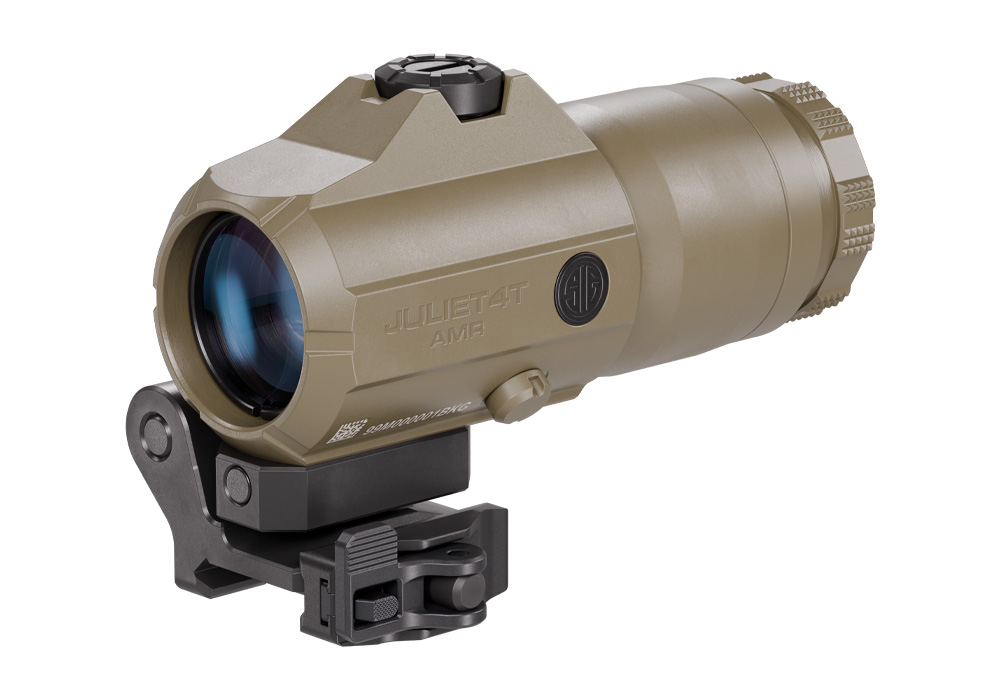
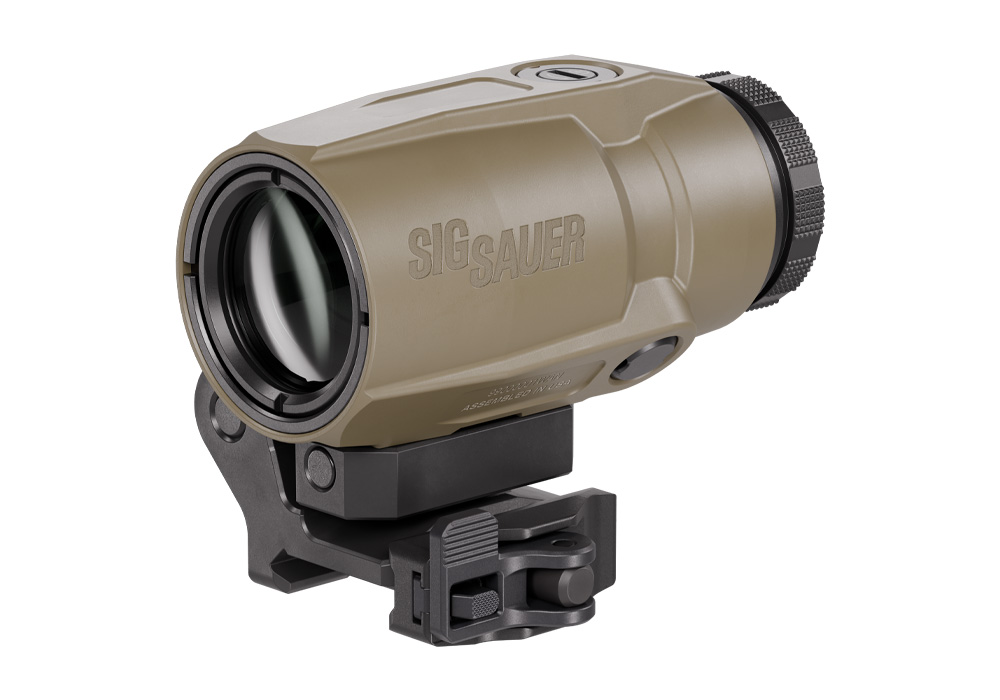
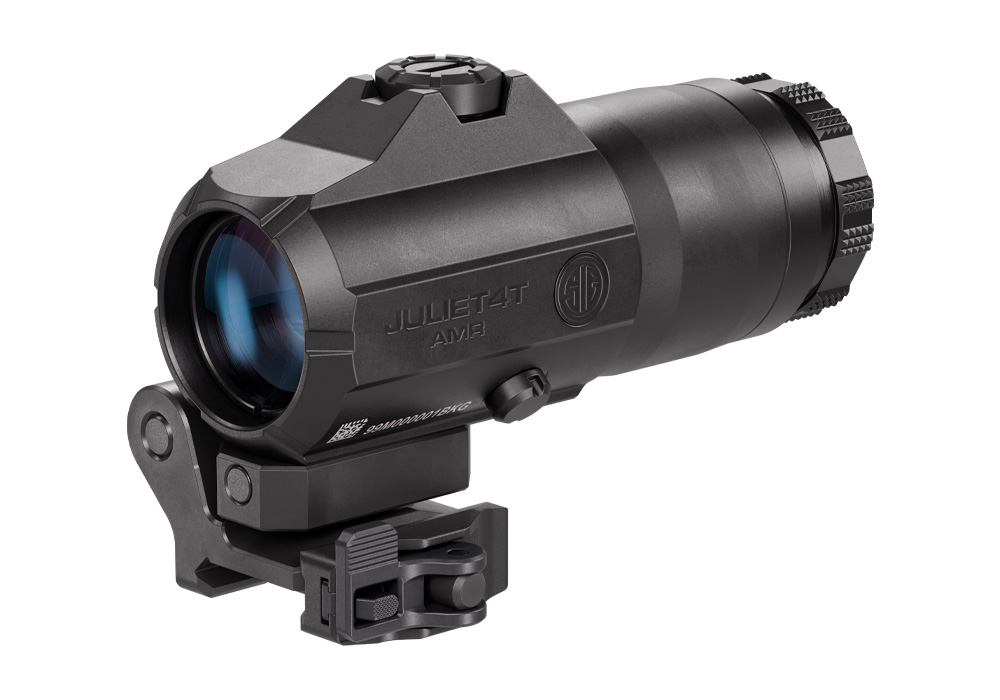
High clarity magnifier scopes are optical accessories that sit behind a compatible red dot or holographic sight, adding magnification for a more detailed view of targets at intermediate distances. Unlike a conventional riflescope, a magnifier generally does not provide its own aiming reticle; it enlarges the image and aiming point supplied by the sight in front of it. That arrangement suits recreational target shooting, organized shooting sports, and range sessions that involve targets at different distances. A small scoring ring or the outline of a steel plate can become easier to distinguish, while a movable mount allows the shooter to return to an unmagnified view when additional detail is unnecessary. Optical clarity depends on more than the magnification number. Well-controlled lens alignment, quality optical glass, and effective lens coatings contribute to contrast, resolution, and a useful sight picture. Multi-coated lenses reduce reflections at glass surfaces and improve light transmission, helping preserve detail that glare can obscure. A crisp central image matters, but so does how well the image holds together toward the edges, particularly when viewing a target against a busy background. An adjustable diopter helps bring the viewed aiming point into focus for the individual shooter; it is an eyesight adjustment, not a control for increasing magnification. Fixed-power options such as 3x, 5x, and 6x offer different balances of detail and viewing comfort. Higher power can reveal more target detail, but it generally narrows the field of view and may demand more consistent eye placement. Magnification also enlarges the appearance of the aiming dot along with the target, so it does not turn a broad dot into a finer aiming point. For many shooters, the most useful magnifier is the one that provides a clear, repeatable view without making the overall setup unnecessarily bulky or difficult to use.
Fit deserves as much attention as glass quality because a magnifier operates as part of a complete sighting system. The magnifier’s optical center needs to align with the sight ahead of it, and the mount must suit the firearm’s rail interface and the sight’s installed height. A combination that looks compatible in separate photographs may still require a different mounting height or more rail space than expected. Housing dimensions, mount placement, and room for other accessories all affect whether the arrangement feels natural. Eye relief is especially important: unlike an unmagnified red dot sight, a magnifier requires the shooter’s eye to remain within a defined viewing distance and alignment range. A comfortable stock position should provide a full image without forcing the head forward or creating an awkward cheek position. The eye box, or the range of positions from which the image remains usable, influences how forgiving that setup feels during a long range session. Flip-to-side mounts let the magnifier move out of the sight line while remaining attached, and their hinge direction should suit the surrounding controls and the shooter’s preferred handling. Positive engagement in both positions helps keep the accessory from moving when it should remain stationary. Some designs use a different pivoting arrangement or a removable mount, so the mounting style deserves a close look alongside the optical specifications. Where provided, image-centering adjustments position the sight’s dot within the magnifier’s view rather than replacing the primary sight’s zeroing controls. A properly aligned magnifier generally does not require a separate zero, though confirming the sighting system after installation or a configuration change remains sensible. Total weight matters, too: the mount contributes to the feel of the firearm just as the optic does. The broader selection of Magnification Scopes offers a useful point of comparison for magnification levels, dimensions, and mounting features when considering how an optical accessory will fit an existing setup.
Durability and straightforward care help a clear optical system stay useful beyond its first outing. Aluminum housings are common because they offer structural strength without excessive weight, while protective finishes help resist surface wear from handling and transport. A compact housing can leave more room around the sighting system, although smaller dimensions alone do not guarantee lighter weight, longer eye relief, or a more comfortable view. Construction details such as secure lens retention, consistent adjustment movement, and a mount with minimal unwanted play are worth considering alongside the material itself. Sealed construction and stated water-resistance ratings can provide useful information about protection, but those ratings should be evaluated according to the individual optic’s specifications rather than assumed across an entire category. Recoil compatibility also matters, particularly when the accessory will be fitted to a firearm with different operating characteristics from the setup previously used. Follow the manufacturer’s mounting requirements, including specified hardware and tightening values, and check the attachment periodically during normal maintenance. For lens care, remove loose grit with a suitable blower or soft optical brush before wiping; rubbing a dusty lens can drag abrasive particles across its coating. Use an optical cleaning solution and a clean lens cloth when needed, and avoid household cleaners or rough fabric. Keeping fingerprints off the glass, protecting exposed lenses during transport, and storing the accessory in a clean, dry place can help preserve image quality. A range bag compartment that separates the optic from loose tools and other hard objects offers practical protection without complicating routine use. As a gift for an experienced target shooter, a magnifier is most useful when the recipient’s existing sight, mounting height, and preferred shooting activities are known. Whether chosen for a familiar range setup or a new sporting configuration, high clarity magnifier scopes reward a balanced approach: enough magnification to resolve useful detail, an optical system that remains comfortable to view, and a secure mount that works naturally with the equipment already in place.