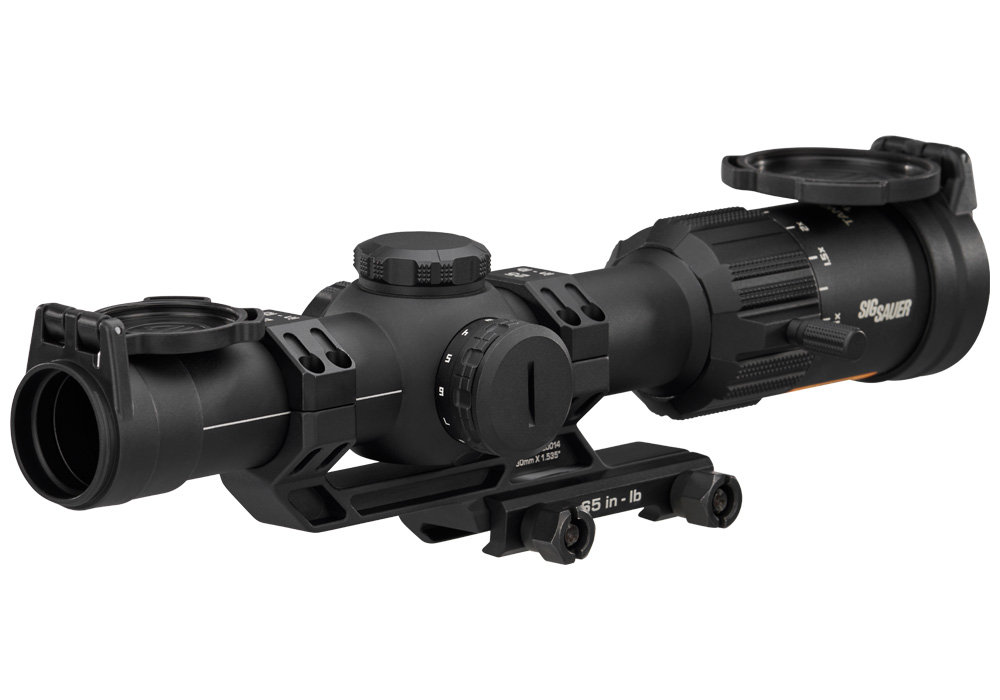
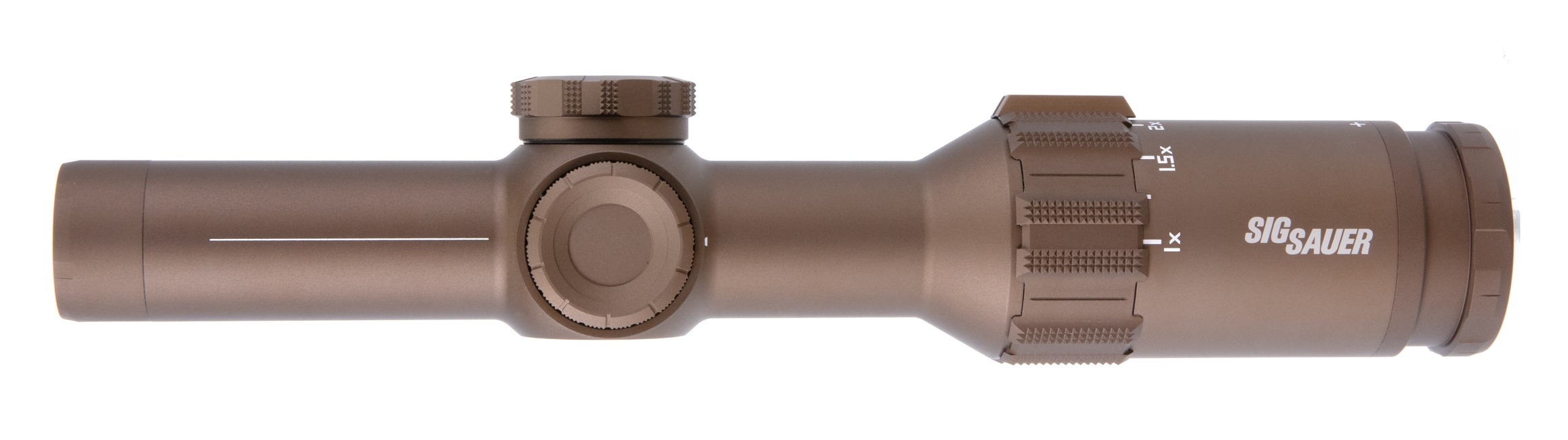
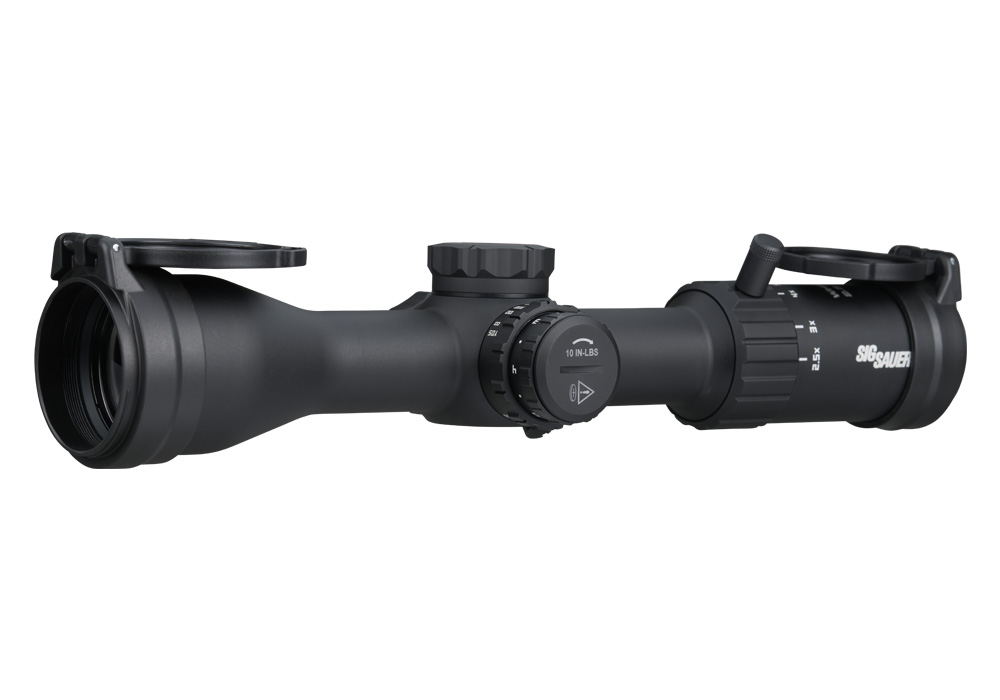
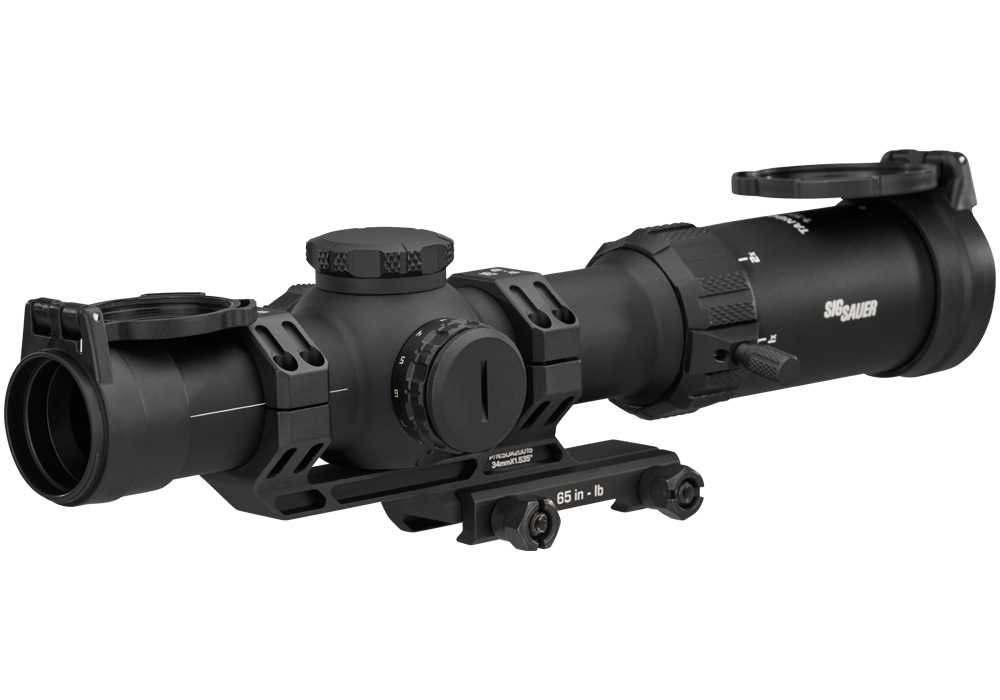
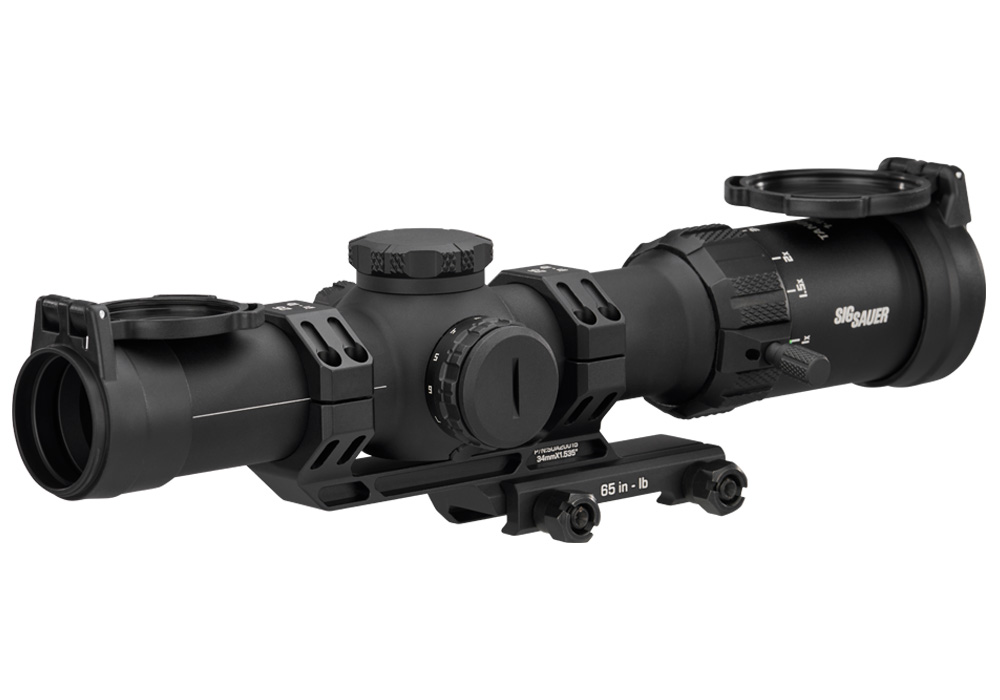
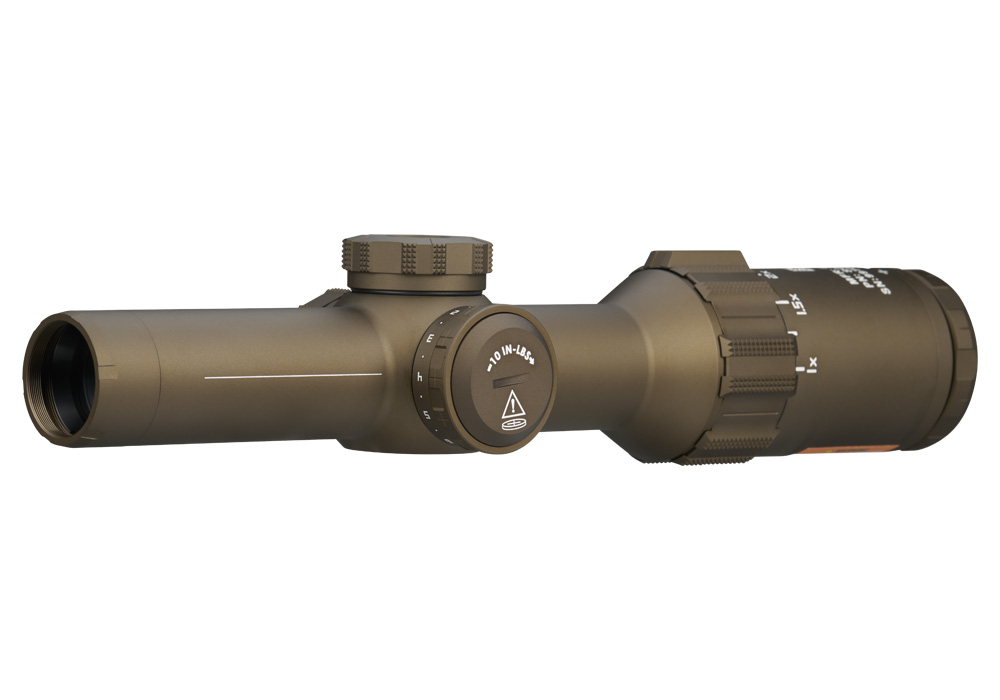
Clarity enhanced scopes are designed for shooters who want a sharper, more dependable sight picture across changing light and atmospheric conditions. The term generally refers to riflescopes and related optical systems that combine high-definition or extra-low dispersion (ED) glass with carefully engineered lens coatings to improve detail, contrast, and color fidelity. ED glass helps reduce chromatic aberration, the colored fringing that can appear around high-contrast edges, while fully multi-coated lenses help transmit more available light through the optical system. The result is a cleaner view of fine details, whether you are inspecting a distant target at the range, identifying a game animal against a shaded tree line, or watching a bullet-impact area through warming air and rising mirage. A scope with strong optical clarity can make the difference between a crisp, confidence-inspiring image and one that appears dim, hazy, or washed out. That benefit is especially noticeable during the softer light of early morning and late afternoon, when contrast is limited and the eye is working harder. Many shooters also appreciate clarity-enhanced optics during the cooler months, when overcast skies, muted landscapes, and low-angle sunlight can challenge lesser glass. Rather than treating clarity as a single specification, consider the complete optical system: glass quality, lens coatings, magnification range, objective-lens size, field of view, reticle design, and the scope’s ability to maintain a sharp image from edge to edge. Together, these features help create a more natural viewing experience and make it easier to stay focused on the intended point of aim.
Choosing among clarity enhanced scopes begins with matching the optic to the way it will be used. A hunter who carries a rifle through timber, brush, and open fields may value a generous field of view at lower magnification, a compact profile, and a reticle that remains easy to see against both dark foliage and pale skies. A long-range target shooter may place greater emphasis on precise adjustment controls, a useful magnification range, repeatable tracking, and a first- or second-focal-plane reticle suited to the distances being practiced. Shooters who spend time in areas where heat waves rise from the ground or barrel may also benefit from an optic that preserves contrast and target definition when mirage begins to distort the image. A zero-stop system can be valuable for anyone who dials elevation, providing a tactile reference that helps return the adjustment to a known zero after making changes for distance or trajectory. Turrets should feel positive and consistent, and the adjustment system should complement the reticle rather than complicate it. Eye relief, exit pupil, mounting height, and overall weight deserve equal attention because an optically excellent scope still needs to be comfortable and practical on the rifle. Before purchasing, review the intended shooting distances, typical lighting, mounting platform, and whether the optic will spend more time in a safe, a blind, a range bag, or on the move. For shooters interested in a compact, fast-acquisition format, Edge Clarity Prism Rifle Scopes offer another category to consider, particularly where a bright aiming reference, durable construction, and a consistent sight picture are priorities.
These optics can serve a wide range of shooters, from someone building a first serious rifle setup to an experienced enthusiast refining equipment for demanding practice sessions. They can also make a thoughtful gift for a hunter, competitive marksman, outdoorsperson, or family member who has recently purchased a compatible rifle and is ready to select an optic that will support years of use. A quality scope is a personal piece of equipment, so gift buyers should confirm the rifle platform, preferred mounting system, expected distances, and the recipient’s favored reticle style before making a selection. When those details are known, clarity enhanced scopes provide a practical way to improve observation without adding unnecessary complexity. At the range, they help shooters read paper, steel, and surrounding conditions with greater confidence. In the field, they can support careful target identification and a more deliberate shot process when light is fading or the background is visually busy. During extended outdoor sessions, durable housing, sealed construction, fog resistance, and reliable controls become just as important as the view through the lenses. Lens caps, a secure mount, and proper cleaning supplies can help protect the investment, while a careful zeroing process ensures the optic and rifle work together as intended. Take time to compare specifications, inspect the reticle illustrations, and consider how the scope feels at the magnification settings used most often. The best choice is the one that delivers a clear, comfortable image, straightforward adjustments, and dependable performance in the real conditions where it will be carried and used.