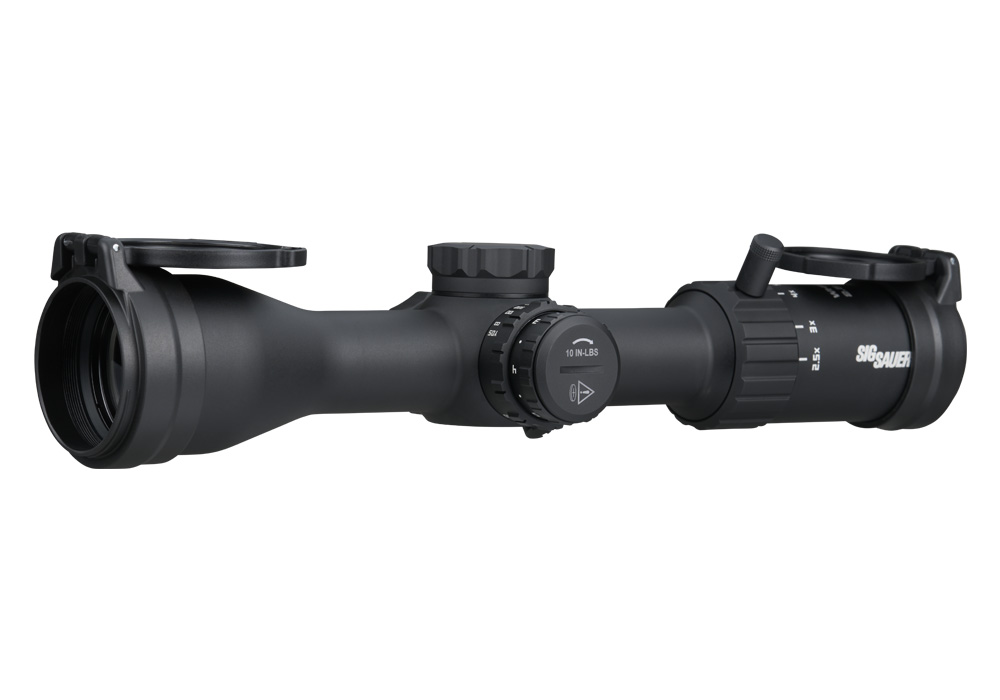
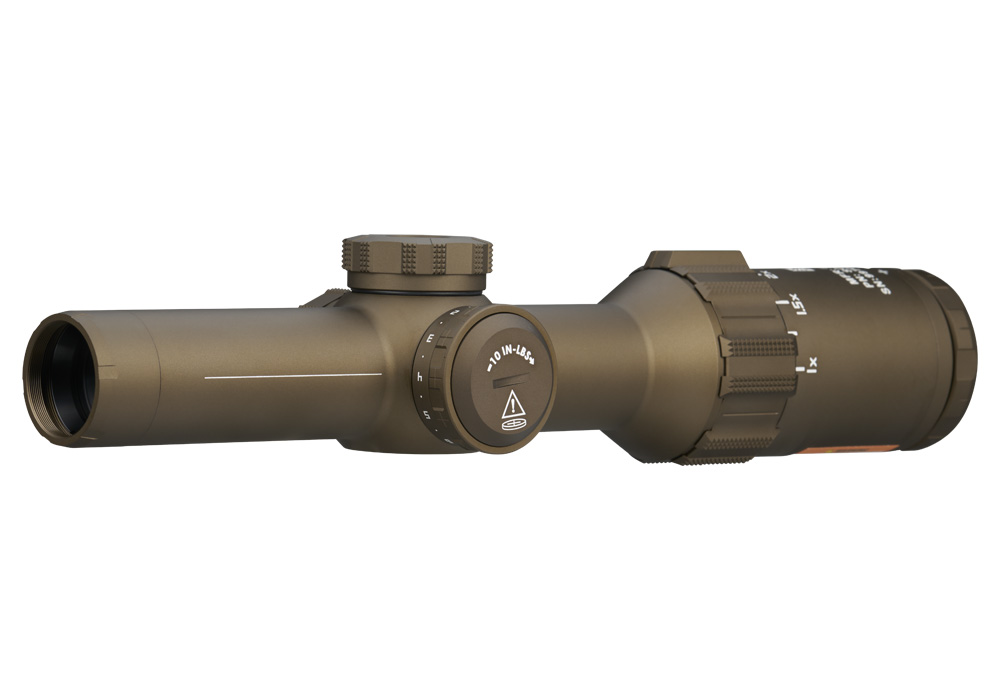
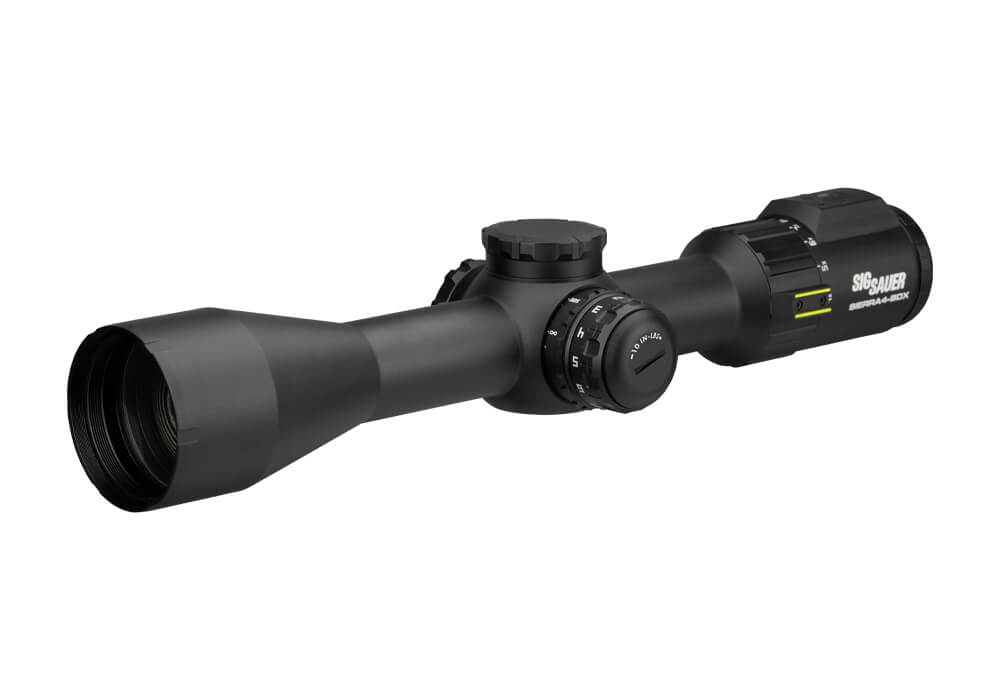
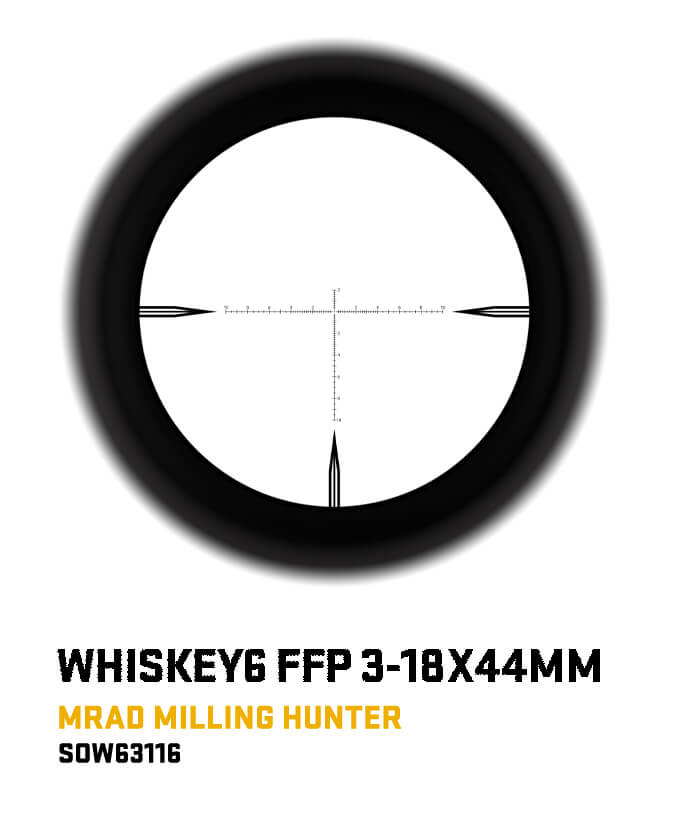
Crystal clear riflescopes combine sharp resolution, balanced contrast, and consistent image quality to make fine details easier to distinguish. Clarity is more than an impression of brightness: it includes the ability to separate closely spaced lines, recognize subtle differences in color, and see a defined image without distracting distortion. On a paper target, that can mean crisp printing rather than a soft blur around each mark. Against a textured background, it can mean clearer separation between overlapping branches and the space beyond them. Optical glass, lens geometry, coatings, and internal light control all contribute to that view. Fully multicoated lenses generally have multiple antireflective coatings on every air-to-glass surface, helping reduce reflected light as it travels through the scope. Glass engineered to limit chromatic aberration can reduce colored fringes along high-contrast edges, although the quality of the complete optical system matters more than any single material designation. Effective internal baffling also helps control stray light that might otherwise wash out detail. Center sharpness is important, but useful clarity extends toward the edges of the field of view, where excessive softness or distortion can make the image feel less natural. Good contrast preserves definition between similar tones instead of presenting a bright but flat picture. A larger objective lens can admit more light, yet its diameter alone does not establish how bright or detailed the view will appear. Magnification, optical transmission, and the viewer’s own eyesight all influence the result. Higher magnification enlarges the image, but it cannot recover detail that the optical system does not resolve. Claims about exceptional clarity are most meaningful when supported by clearly described optical features rather than an impressive magnification range alone. For recreational target shooters, hunters, and competition participants, the appeal is a view that remains comfortable to study, with a readable reticle and enough definition for the intended setting. The strongest overall impression comes from these qualities working together, not from one specification standing apart from the rest.
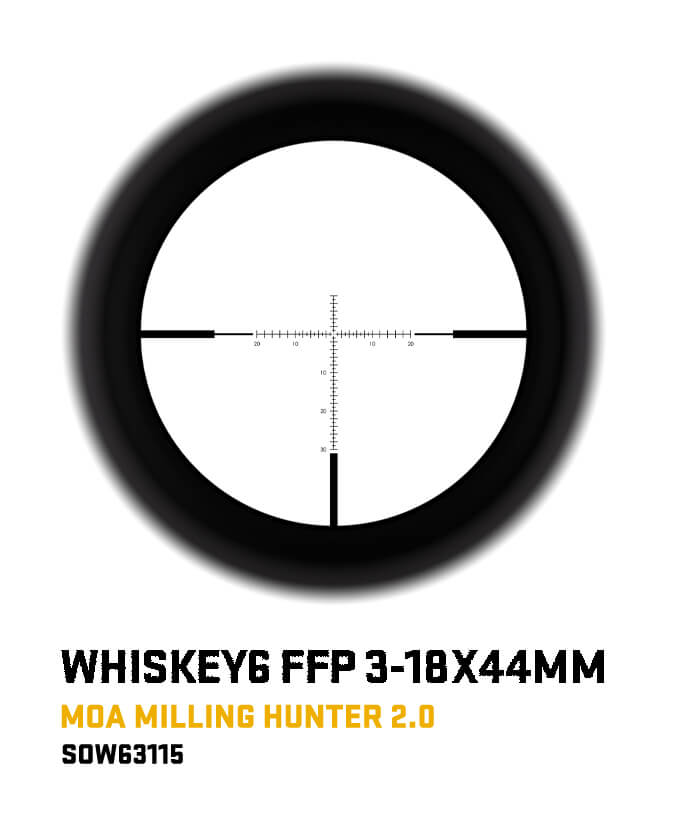
The right riflescope balances that optical quality with a format that suits the rifle and its intended use. Lower magnification generally provides a wider field of view, while higher magnification supports a closer look at distant detail; neither is automatically the better choice for every setting. A variable-power design offers flexibility across different viewing distances, whereas a fixed-power design keeps the optical experience straightforward. For shoppers considering a different optical layout, Edge Clarity Prism Rifle Scopes offer a related category to explore. Prism optics use a prism within the optical system, and many pair a compact housing with fixed magnification and an etched reticle. Across riflescope formats, reticle design deserves as much attention as the image behind it. Fine lines can leave more of a small target visible, while bolder elements can be easier to distinguish against visually busy backgrounds. Illumination can improve reticle visibility, but it does not increase the detail resolved by the glass. First focal plane reticles change apparent size as magnification changes; second focal plane reticles maintain a consistent apparent size. Those differences affect the viewing experience and are worth understanding alongside the reticle’s overall complexity. Eye relief, the distance between the viewing lens and the eye, is another important fit consideration, especially when comparing optics for rifles with different recoil characteristics. The eye box describes the range of eye positions that still provides a usable sight picture, and a forgiving eye box can make extended viewing more comfortable. Tube diameter, objective size, mounting dimensions, and available clearance must match the rifle and mounting system. Weight and overall length also matter: an optic that feels balanced on a supported range rifle may feel cumbersome on a rifle carried for extended periods. Adjustable focus and, where included, parallax adjustment add further considerations, but neither compensates for poor optical quality or an unsuitable physical fit. A well-matched scope feels like a coherent part of the rifle rather than an oversized addition.
Durability helps preserve a clear view through repeated handling, transport, and routine use. Many riflescopes use aluminum housings to balance structural strength with manageable weight, while protective exterior finishes help resist everyday wear. Secure internal components and a recoil rating appropriate to the intended firearm are important because optical alignment must remain stable over time. Sealed construction helps resist moisture intrusion, and inert-gas purging can help limit internal fogging. Waterproof and impact-resistance claims are most useful when accompanied by defined test standards or specific manufacturer ratings; a general description is not a promise of unlimited protection. Exterior lens coatings may help resist scratches or make fingerprints easier to remove, but no exposed optical surface is immune to damage. Lens covers and a protective case help keep abrasive grit away from the glass during storage and travel. Care is generally simple and restrained: loose particles need gentle removal before the surface is wiped, and clean optical tissues or lens cloths help avoid transferring dirt back onto the lens. Cleaning fluids should be suitable for coated optics, with the manufacturer’s care directions taking priority over general cleaning habits. Household glass cleaners, rough fabric, and unnecessary rubbing can compromise surfaces that are essential to image quality. Mounting hardware, adjustment controls, and battery compartments also benefit from periodic attention according to the supplied instructions, without unnecessary disassembly. For someone who spends long sessions at the range, comfortable viewing and dependable controls may matter more than extra features. For a hunter, manageable weight, straightforward operation, and durable construction may carry equal importance alongside optical performance. As a gift, a riflescope is most thoughtful when the recipient’s rifle, mounting requirements, and preferred activities are already understood. Those details help distinguish a genuinely useful addition from an optic that requires a different setup. Lasting satisfaction comes from the combination of clear glass, suitable proportions, reliable construction, and sensible care, with each element supporting a consistent, comfortable view whenever the rifle is used.