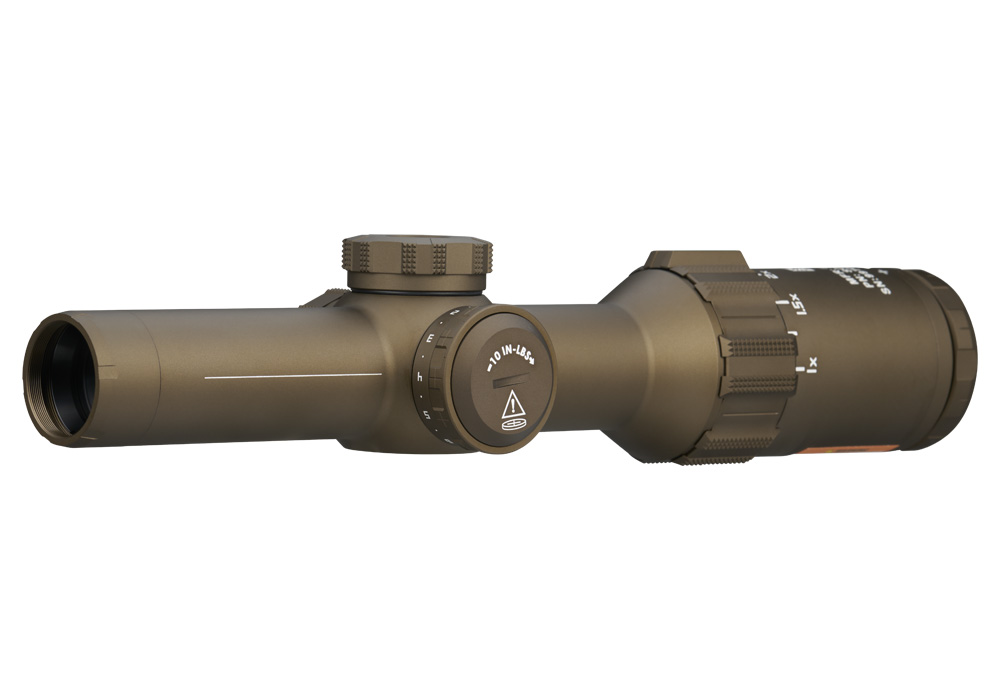
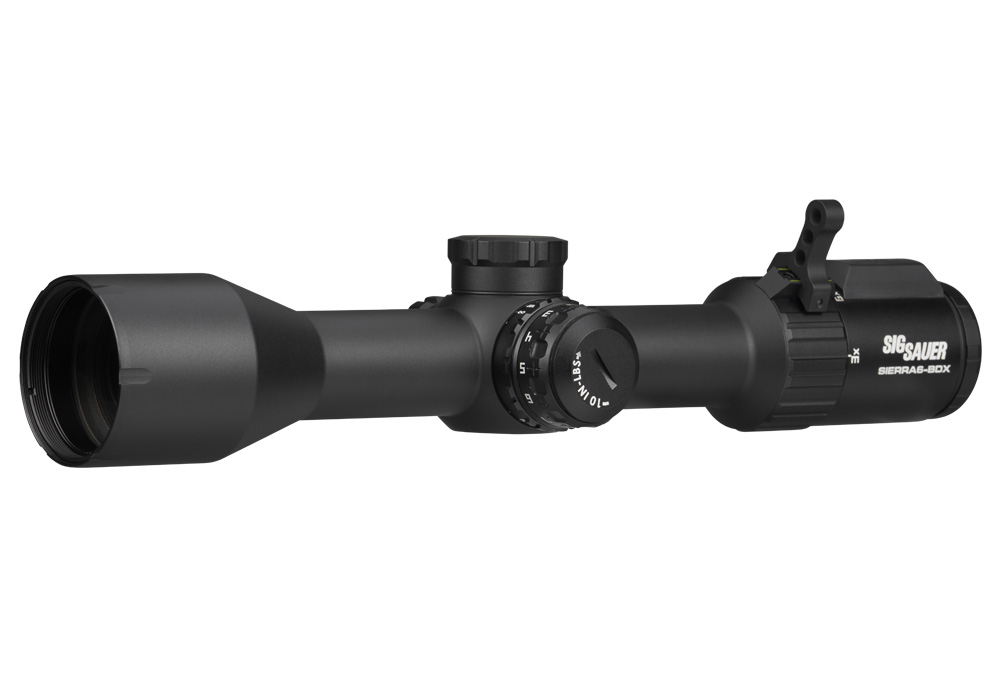
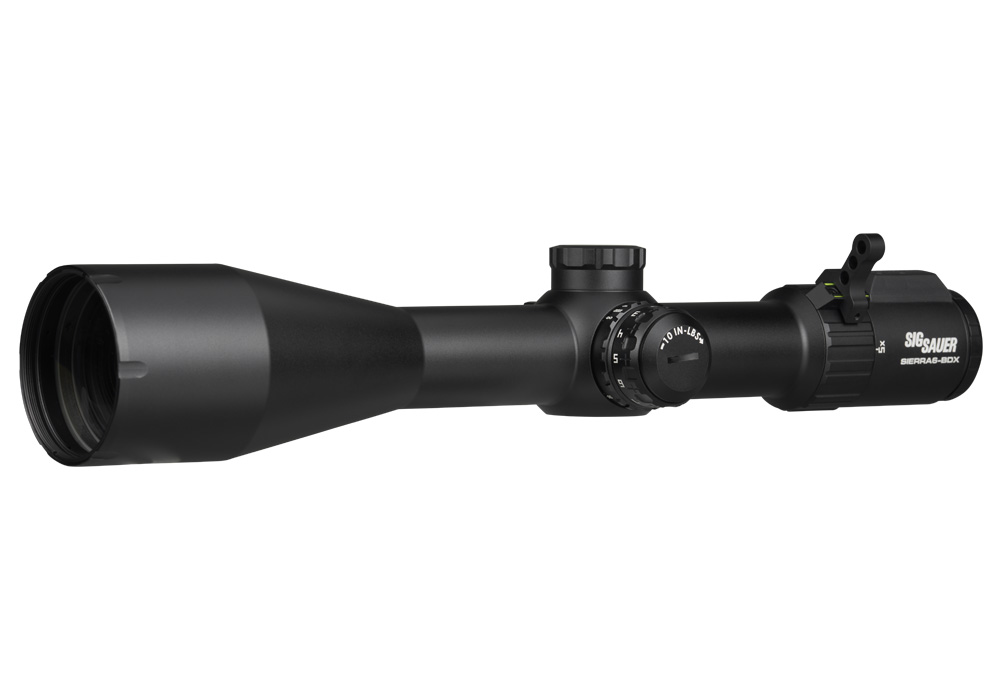
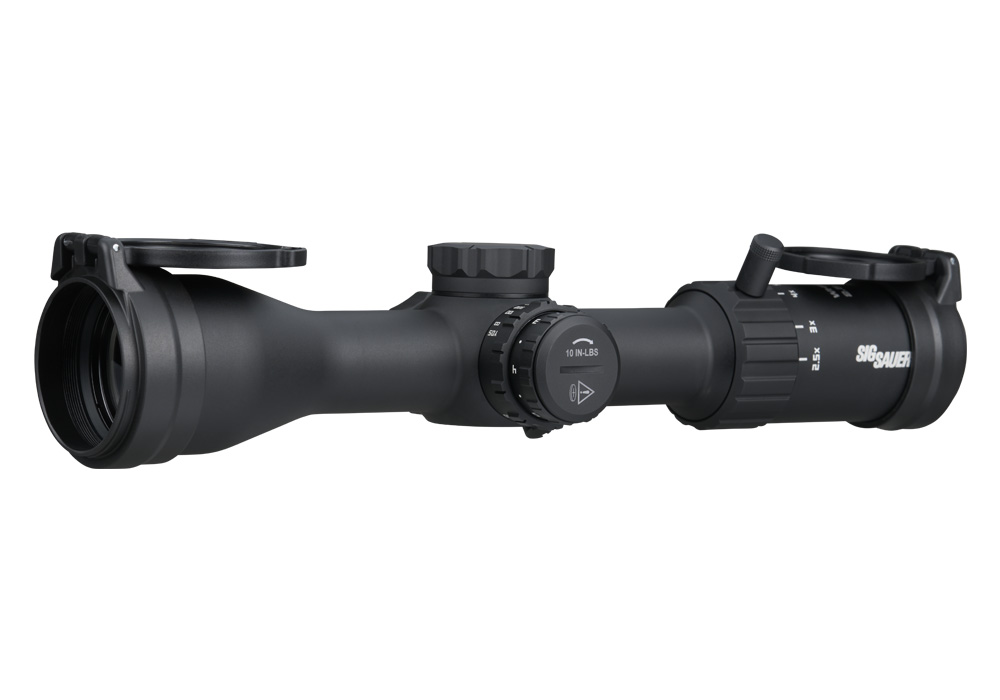
Prism rifle scopes use an internal prism, together with lenses, to redirect light through a compact optical system and present a magnified or unmagnified sight picture. Edge-to-edge clarity describes how well detail remains defined across that picture, from the central aiming point toward the outer boundary. A crisp center is important, but a usable outer field also helps a shooter recognize surrounding detail without constantly repositioning the rifle. On a paper target, that can mean seeing both the central scoring rings and the outline of the target cleanly. Against a textured background, it can mean better separation between the subject and nearby branches, grass, or shadows. The prism layout supports compact dimensions, but it does not guarantee uniform sharpness by itself; lens quality, optical alignment, coatings, magnification, and eye position all influence the view. Strong contrast, controlled reflections, and limited color fringing contribute to a clear image just as much as apparent brightness. Many prism scopes feature an etched reticle, which provides a visible aiming reference without relying entirely on battery-powered illumination. Illumination can add contrast when the reticle would otherwise blend into a dark background, although excessive brightness may obscure fine detail. Reticle appearance also depends on the design, with simple central references offering a different visual experience from more detailed patterns. Fixed magnification is common in this category, with lower magnification favoring a broader view and higher magnification making smaller details easier to distinguish. A larger magnification number does not automatically produce a more useful image, particularly when a narrow field of view or less forgiving eye position works against the intended use. Well-balanced prism rifle scopes bring these characteristics together: a clear aiming reference, useful detail across the viewing area, and an optical layout suited to the rifle and the shooter. For shoppers focused on edge clarity, the meaningful distinction is not merely whether the center looks sharp, but whether the surrounding image remains comfortable and informative during normal viewing.
Fit is especially important with prism optics because the relationship between the eye, eyepiece, and rifle determines how much of that optical performance is accessible. Eye relief is the distance between the eye and the eyepiece at which the full sight picture is visible, while the eye box describes the range of eye positions that still provide a usable view. Neither should be confused with field of view, which describes how much of the scene is visible through the scope. A compact optic can still feel awkward if its mounting position requires an unnatural head position, and greater magnification may make small alignment differences more noticeable. Mount height, rail compatibility, stock geometry, and the space needed for nearby accessories all deserve consideration alongside overall length and weight. A comfortable cheek position and sufficient clearance from the eyepiece under recoil matter more than a streamlined appearance alone. An adjustable diopter, when included, helps bring the reticle into focus for the individual eye; it does not replace prescription eyewear or guarantee that every part of the image will appear equally sharp. Some shooters who see an irregular illuminated dot find an etched reticle easier to resolve, though individual vision and the particular optical design still matter. Construction also affects how well a scope fits its role over time. Aluminum housings are common because they balance weight and structural strength, while protective finishes help resist surface wear from routine handling. A durable housing, secure mount, and sound internal construction work together to support consistent alignment, but suitability for a particular rifle depends on the scope and mount specifications rather than appearance. Sealed construction and protective lens coatings can support dependable use, yet resistance ratings and coating characteristics vary. The distinction between a scope that looks rugged and one whose documented specifications match its intended use is worth attention. A practical setup leaves room for comfortable handling and lens access without adding unnecessary bulk, whether the rifle spends most of its time on a range bench or accompanies a hunter on foot.
Prism rifle scopes appeal to recreational target shooters, hunters, and other lawful firearm owners who value a compact optic with a defined reticle and a consistent viewing experience. At the range, a well-resolved image makes printed lines, target edges, and subtle differences in contrast easier to distinguish. In lawful hunting settings, the useful balance is between enough detail to evaluate the scene and enough surrounding view to maintain awareness; magnification alone cannot replace clear identification or sound judgment. Shooters accustomed to a simple illuminated aiming point may appreciate an etched reference, while those accustomed to larger scopes may value a shorter optical package. These preferences are personal, and a detailed reticle that suits one shooter may feel visually crowded to another. Comparisons with Crystal Clear Riflescopes can help place prism optics within the broader category, especially when weighing image definition, viewing comfort, and overall dimensions rather than concentrating on a single specification. Long-term clarity also depends on ordinary care. Dust and grit on an exposed lens can interfere with the view, and wiping abrasive particles across the glass may damage a coating. A lens-safe brush or air blower, followed by optical cleaning materials appropriate to the finish, offers a gentler approach than a shirt sleeve or household cleaner. Lens covers help protect exposed surfaces during transport, while a padded case limits contact with other equipment. Mounting hardware and exterior surfaces benefit from periodic inspection according to the relevant manufacturer’s recommendations, with any firearm handling or maintenance performed safely on an unloaded firearm. Optics selected as gifts require particular attention to compatibility and the recipient’s preferences, since rail fit, eye relief, reticle layout, and visual comfort are difficult to judge from appearance alone. Across these uses, lasting satisfaction comes from a scope whose optical quality, physical fit, and care requirements match the way it will actually be used. Clear edges are part of that picture, alongside a readable reticle, manageable dimensions, and a comfortable view.