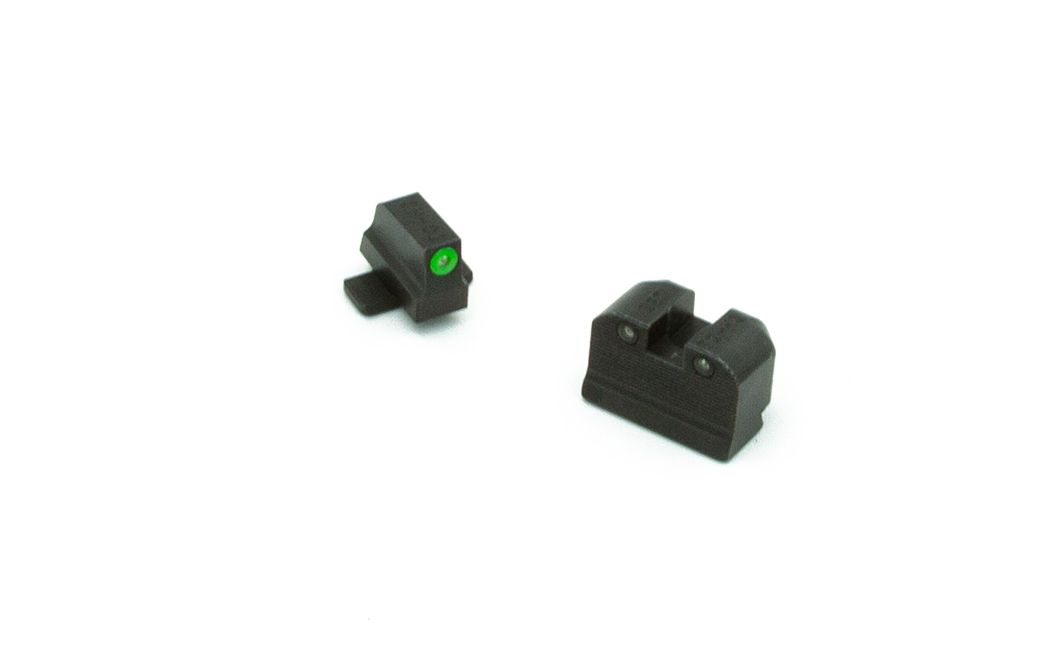
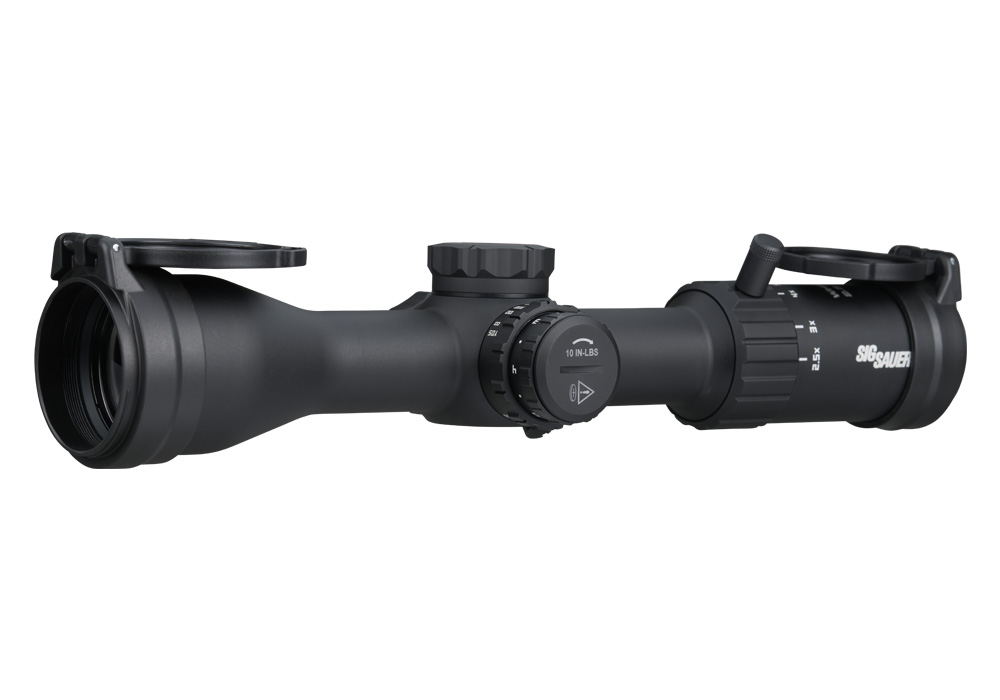
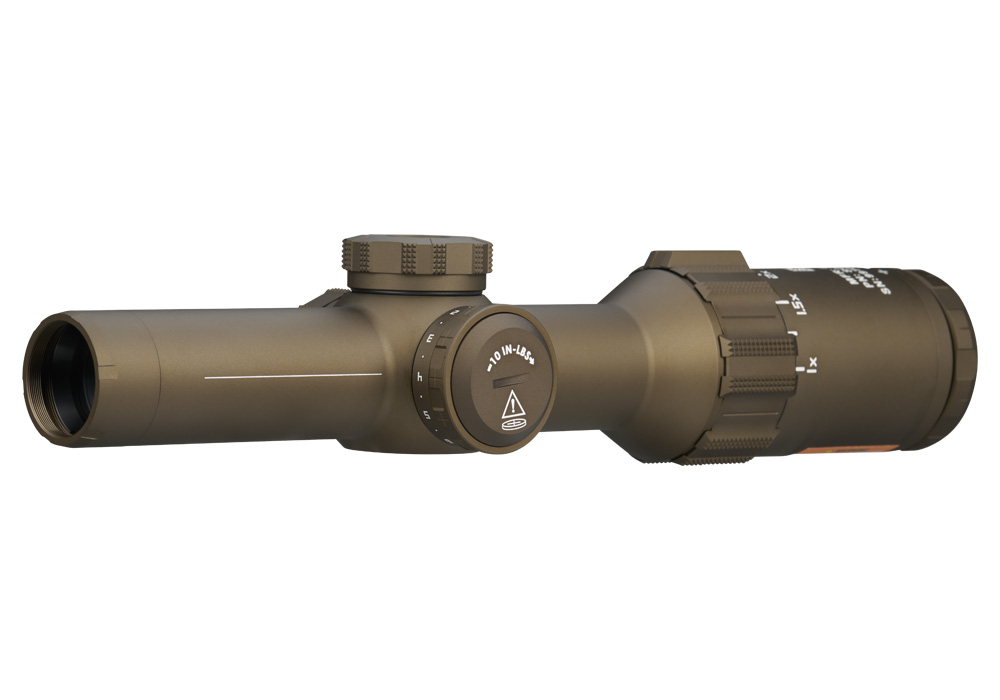
4x magnification scopes occupy a useful middle ground for shooters who want more target detail than a red dot or open sight can provide without giving up the broad sight picture of a low-power optic. A fixed 4x scope is often associated with compact 4x32 configurations, while prism scopes and low-power variable optics may also offer a 4x setting for mid-range shooting. At 4x, a target at 100 yards appears approximately four times closer through the optic, making it easier to identify aiming points, read target markings, and place accurate shots while retaining enough field of view to follow movement through open terrain or light cover. These optics are commonly suited to distances from roughly 50 to 300 yards, depending on the firearm, ammunition, reticle, lighting, and shooter skill. A wide field of view can be especially helpful in wooded areas, rolling fields, and range bays where targets may not remain perfectly still. Compared with high-power scopes, a 4x magnification scope typically feels quicker to bring into use and less demanding when scanning across a broad area. Compared with a non-magnified sight, it can provide a clearer view of distant targets and a more precise aiming reference. That balance makes 4x magnification scopes a practical choice for hunting rifles, modern sporting rifles, rimfire platforms, and general-purpose range setups. They may also appeal to a new shooter receiving an optic as a gift, particularly when the recipient wants a straightforward sighting system that can support practice, field use, and steady improvement over time.
When comparing 4x magnification scopes, start with the firearm and the way it will be used. A fixed-power scope has a simple operating concept and fewer moving parts, which can be appealing for a lightweight hunting rifle or a rifle that will be carried through brush and changing weather. Prism optics use an etched reticle that remains visible even without illumination, and an illuminated aiming point can improve contrast in dim conditions or against a dark background. A variable optic that reaches 4x provides added flexibility, though it may be somewhat larger or heavier than a fixed-power design. Check the mounting system before purchase, including the required rail or rings, tube diameter, height above the bore, and available clearance around the firearm’s action and controls. Eye relief is another important consideration; many standard rifle scopes and low-power optics offer approximately 3 to 4 inches, but the ideal distance depends on the platform, stock dimensions, shooting position, and recoil. A forgiving eyebox makes it easier to obtain a complete sight picture without shifting your head into an uncomfortable position. Reticle design also deserves careful attention. Simple duplex-style patterns can be fast to understand, while bullet-drop or calibrated reticles may provide useful reference points at varying distances when matched to the correct ammunition and zero. Illumination can help with visibility, but it does not replace a clear, uncluttered reticle or proper zeroing. Features such as capped or exposed turrets, adjustable brightness, waterproof construction, fog resistance, and shock resistance should be weighed against how often the optic will be transported, stored, and used outdoors. During the warmer months, a scope may move from a cool vehicle into humid air, while cooler months can bring condensation, low light, and gloves that make small controls harder to operate. Practical details like tactile adjustments, battery access, and lens covers often matter most after the optic has left the workbench and is being used in the field.
A 4x scope is most effective when it is treated as part of a complete shooting system rather than as an isolated upgrade. After mounting, confirm that the optic is level, securely fastened, and positioned for a natural cheek weld and full field of view. Begin zeroing at a short, controlled distance before refining the point of impact at the distance where the rifle will normally be used. Record the ammunition, environmental conditions, and final settings so the setup can be checked after travel or seasonal storage. At the range, practice from several positions and learn how quickly the reticle can be found when the rifle is shouldered; this matters as much as the magnification number itself. Hunters may value a 4x optic for the way it balances target definition with awareness of nearby terrain, especially when a shot presents through timber or across a field. Target shooters can appreciate the added precision on paper and steel without the narrow sight picture of a much stronger scope. For close-range applications, a fixed 4x optic may not be the best fit if the user needs an unobstructed, non-magnified view, while a variable optic with a lower starting power can offer more flexibility. Shooters who expect to move between close and mid-range distances may also want to compare this category with 1 6x Magnification Scopes. Regardless of configuration, responsible use includes following applicable laws, handling the firearm safely, confirming the target and what lies beyond it, and storing the firearm and optic securely. With the right mount, reticle, eye relief, and zero, a 4x magnification scope can provide a clear, dependable view for practice days, field seasons, and the cooler months when steady glass and a familiar sight picture help make every shot deliberate.



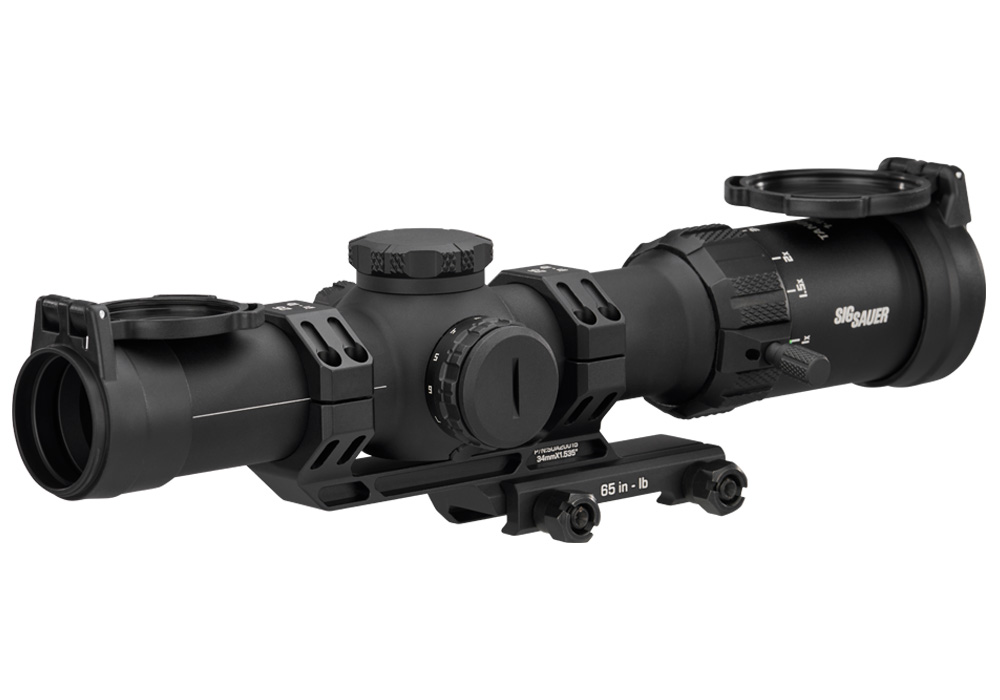


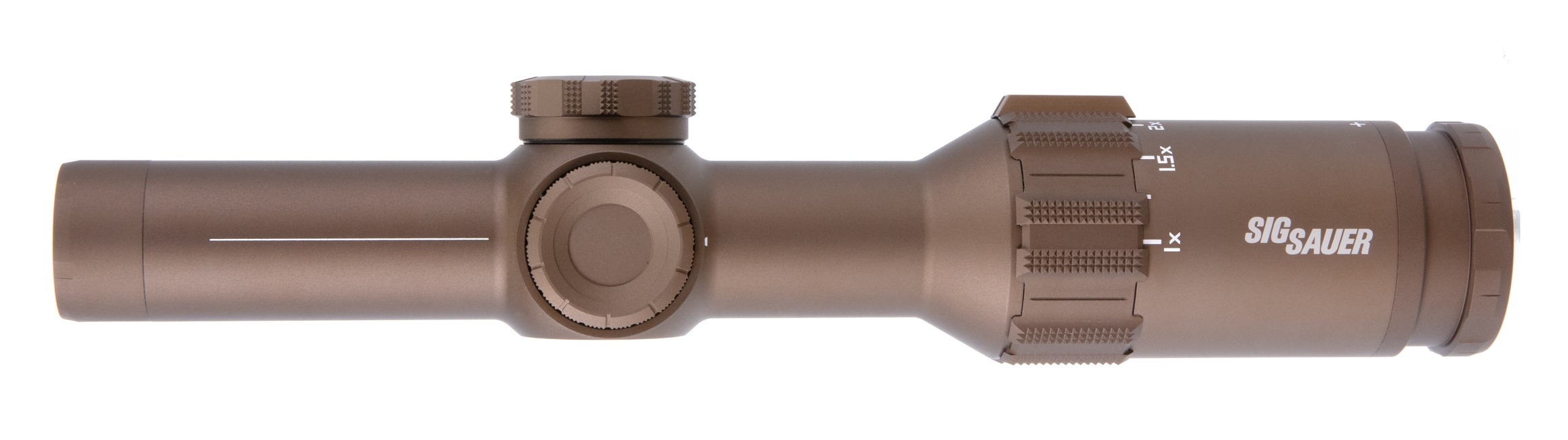


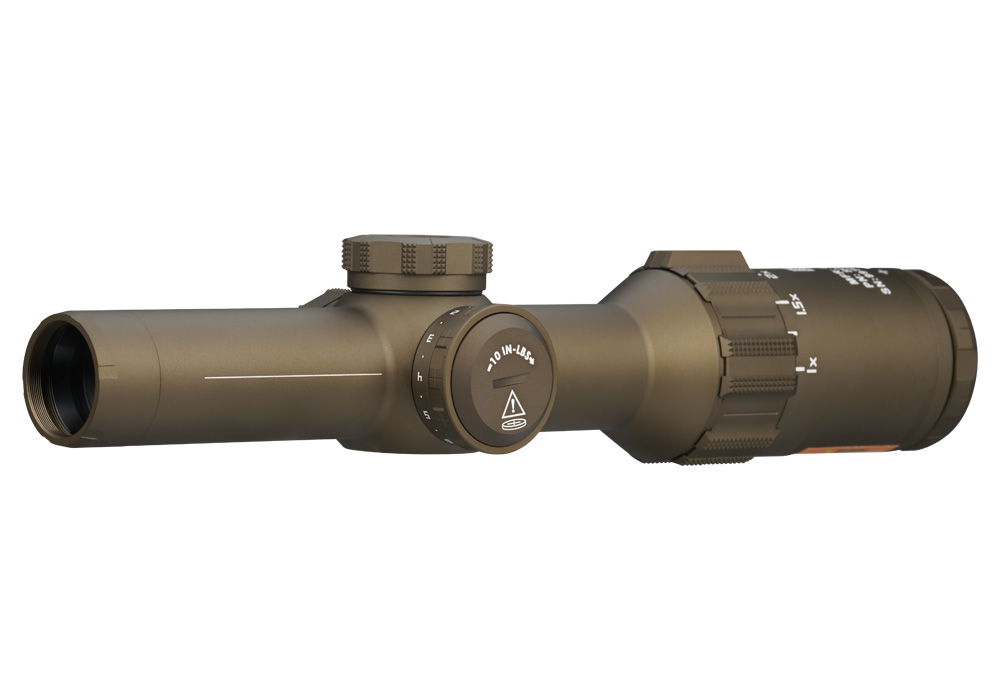
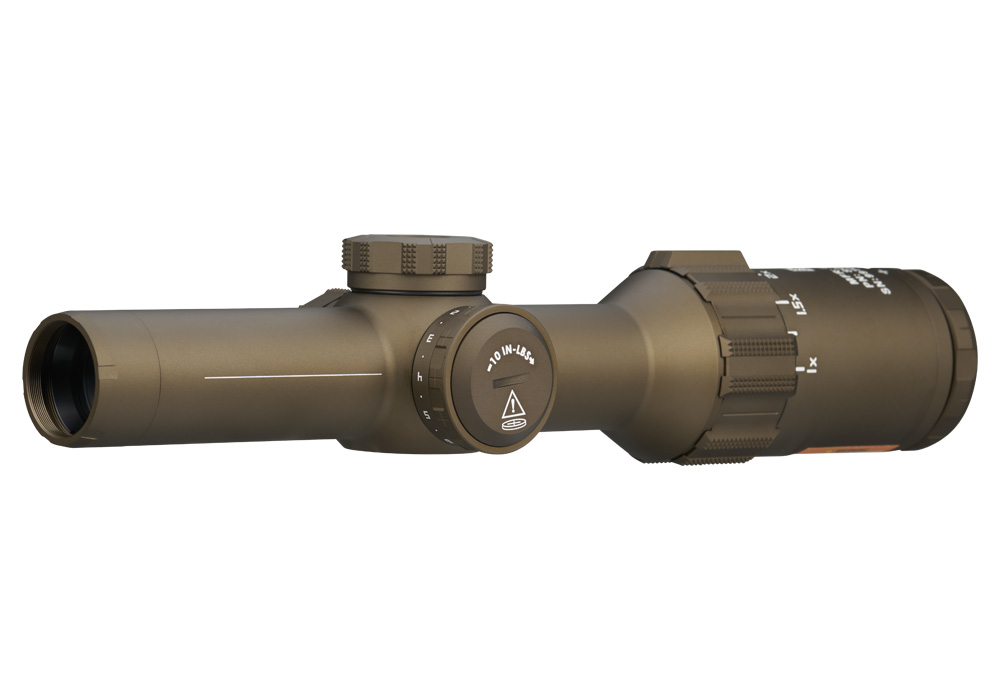
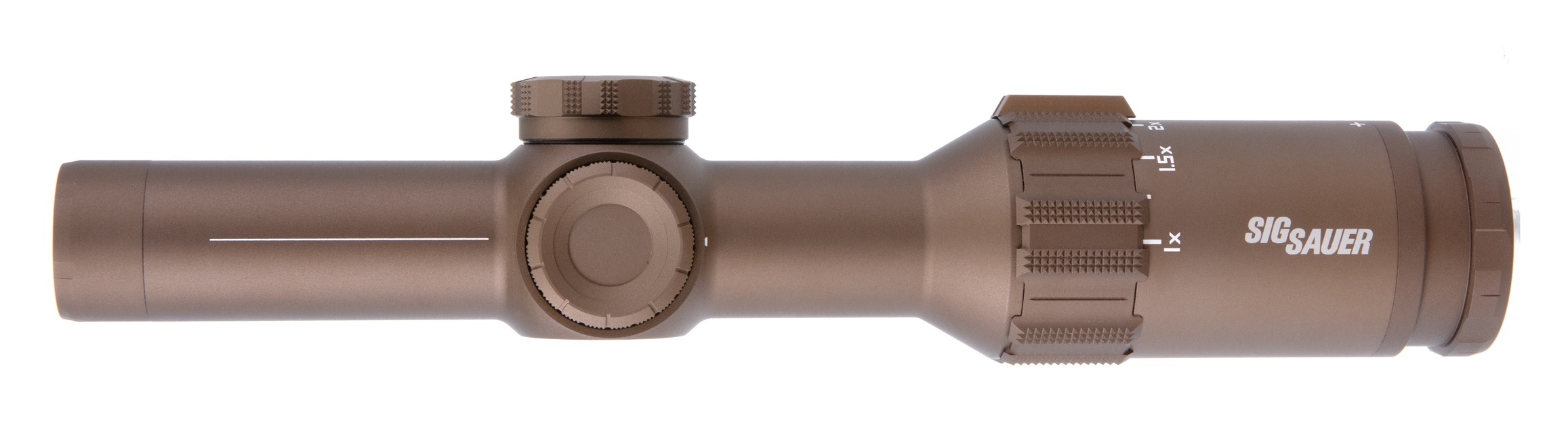
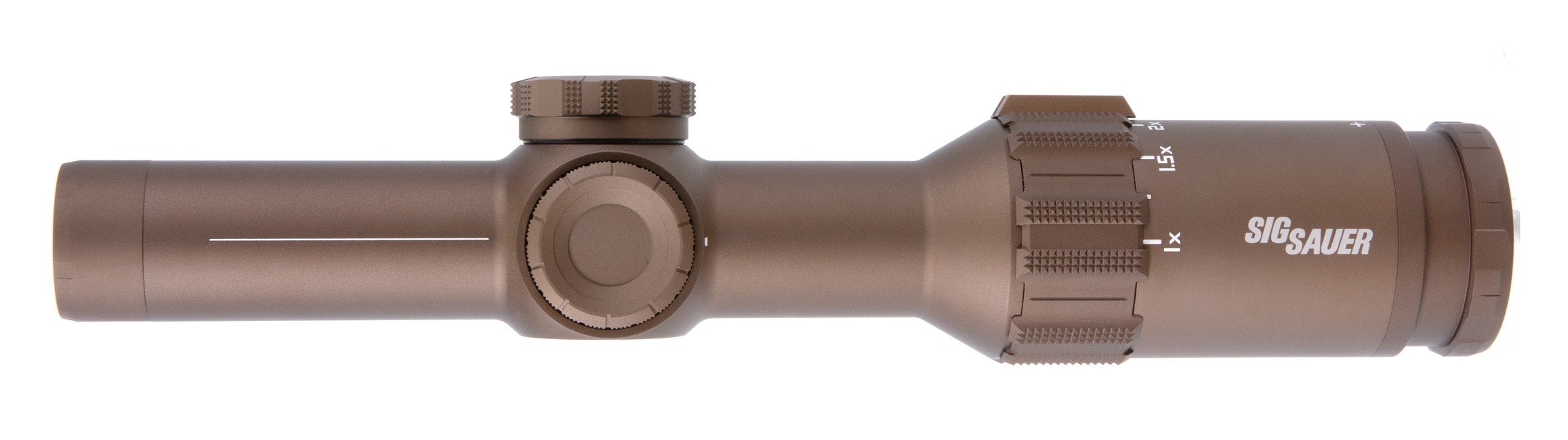
![[["TANGO6T SCOPE, 1-6X24MM, 30MM, FFP, DWLR6 ILLUMINATED RETICLE, 0.2 MRAD, CAPPED TURRET, FDE, SDM","R"]]](http://www.sigsauer.com/media/catalog/product/s/o/sot61230-web0-hero-left-updated_4.jpg)