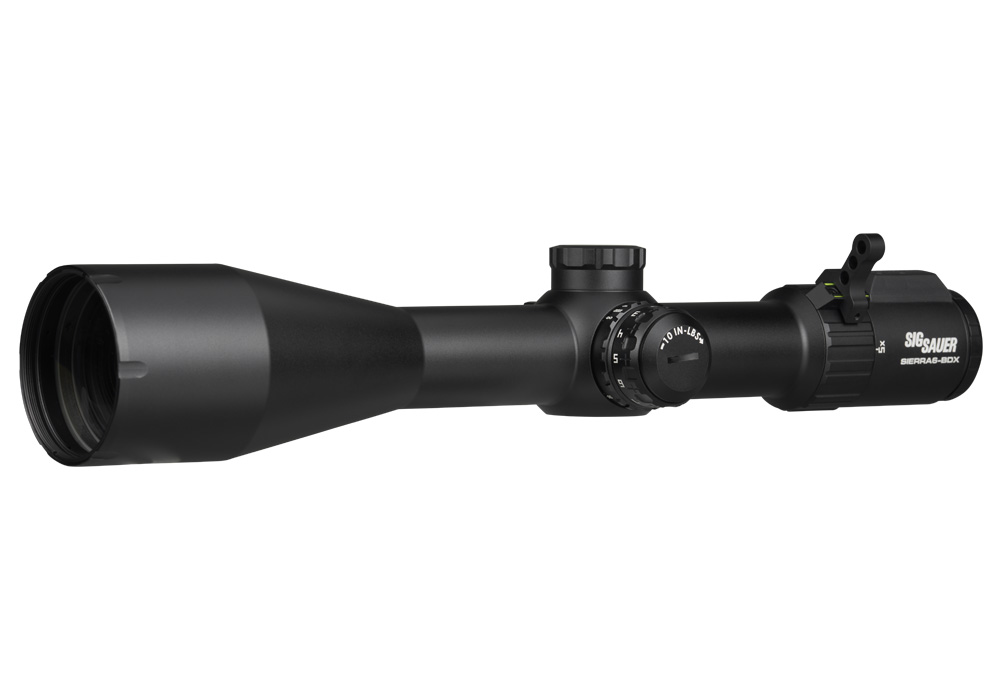
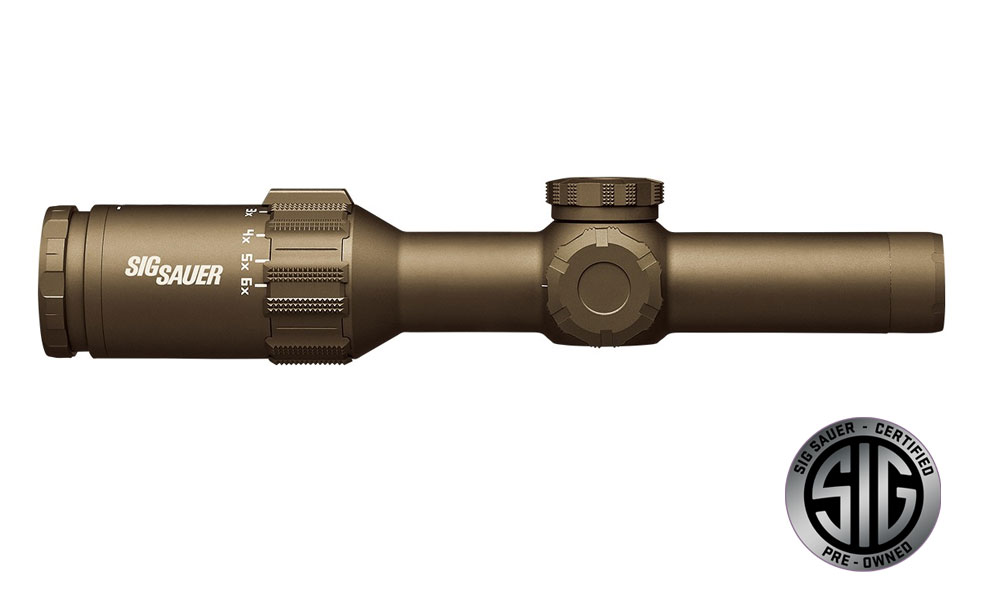
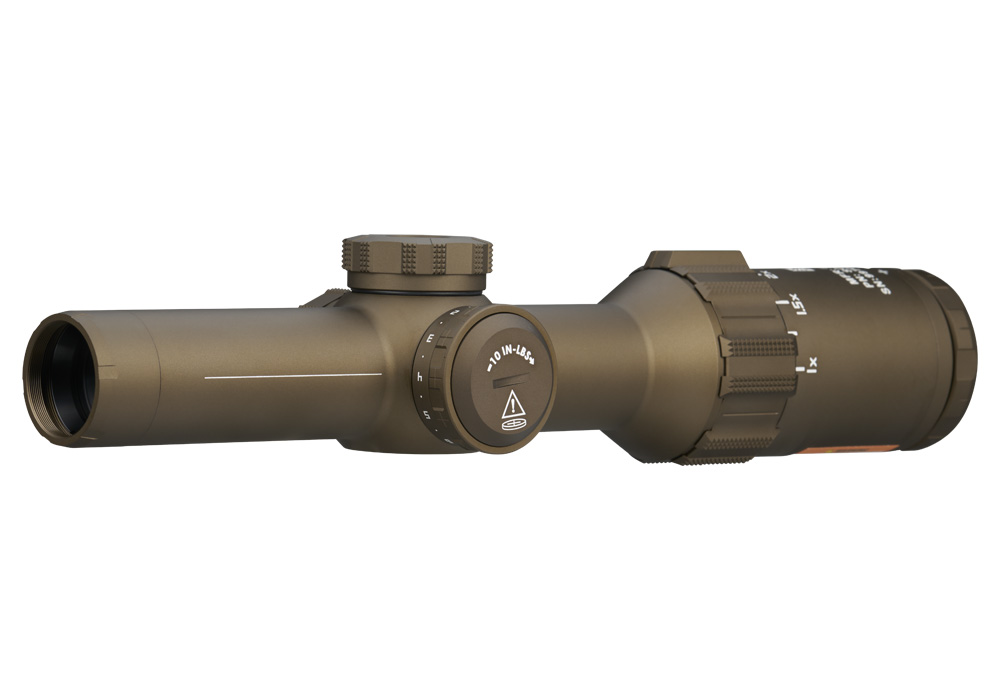
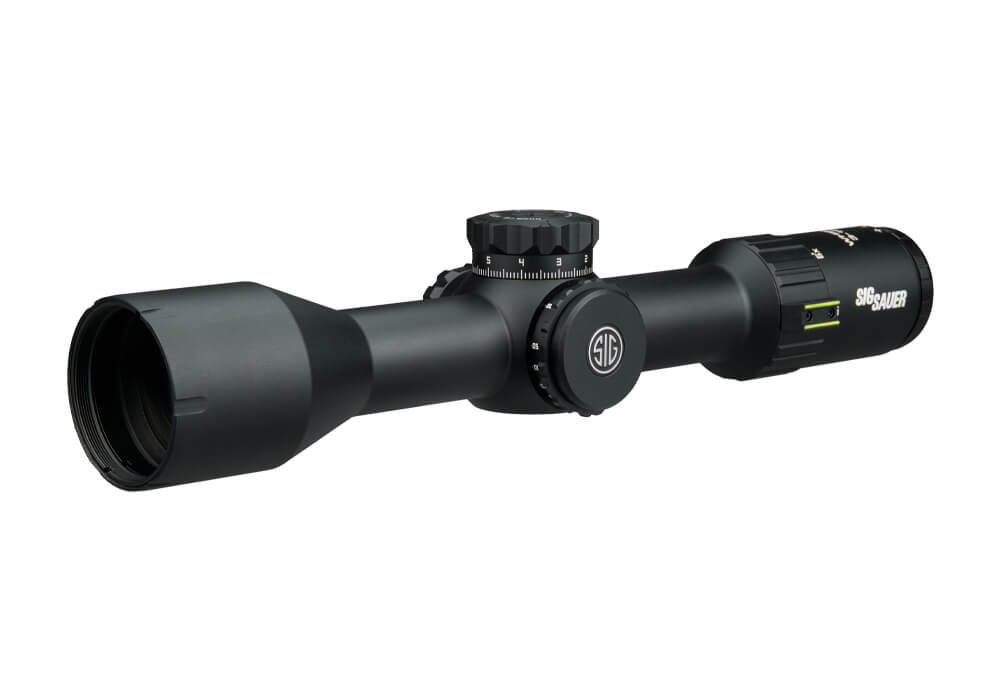
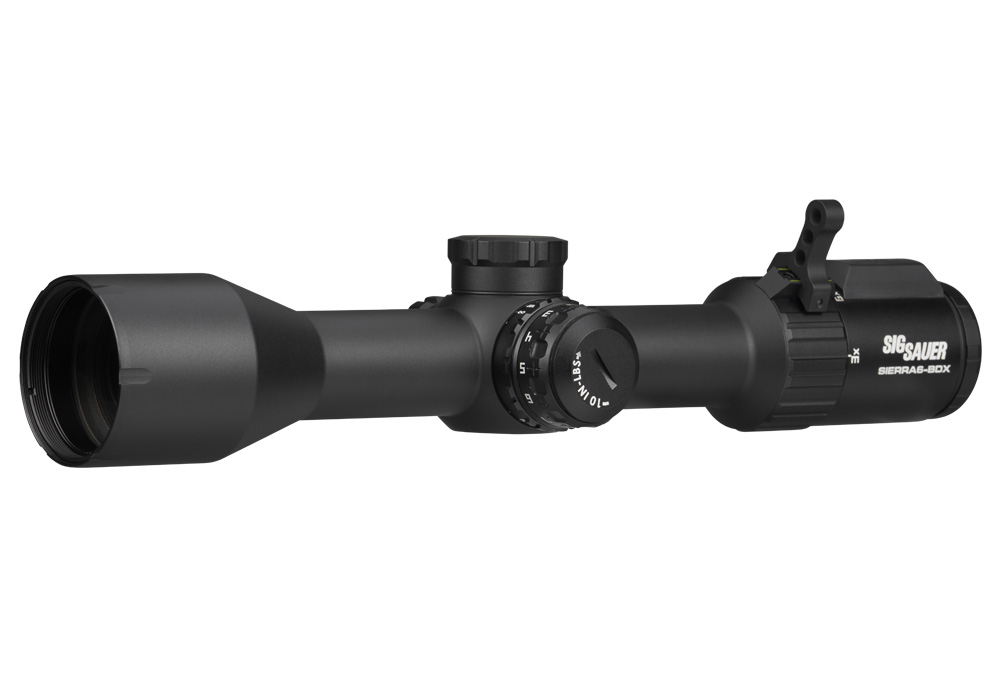
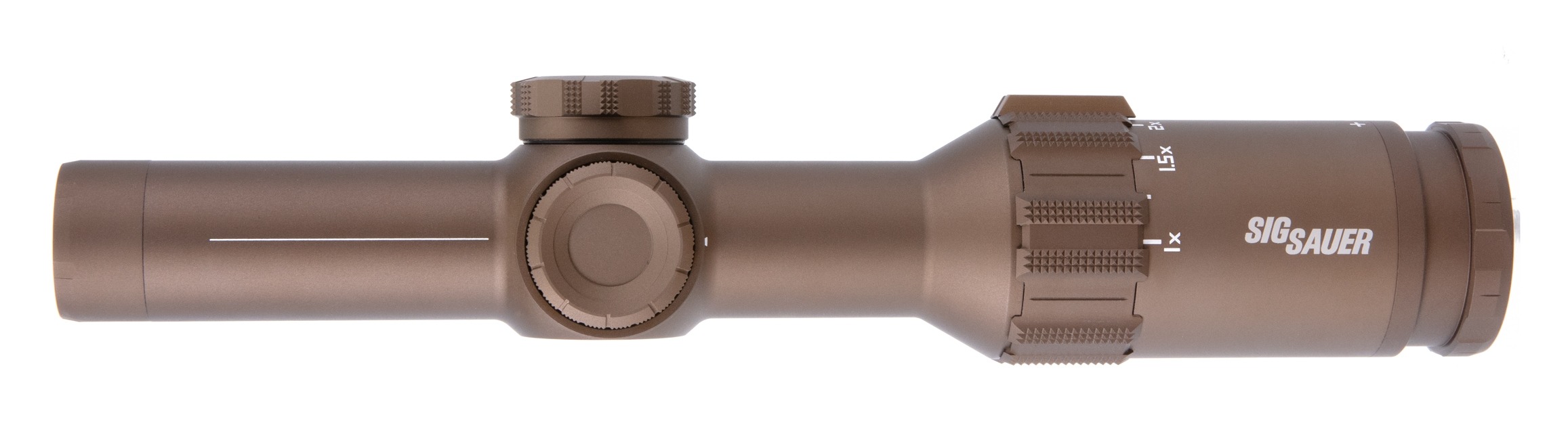
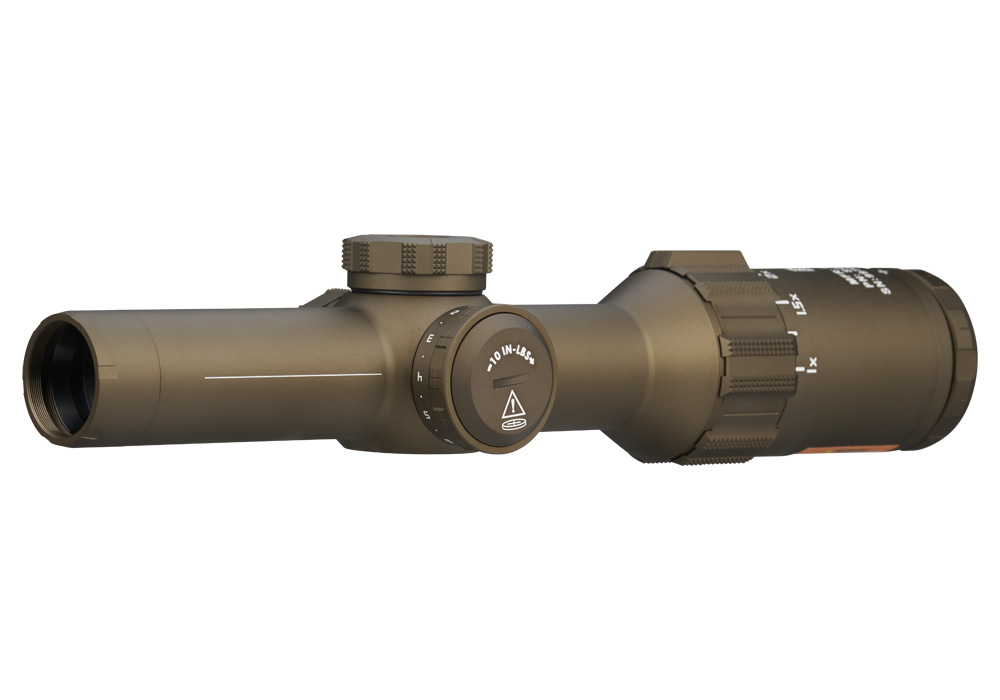
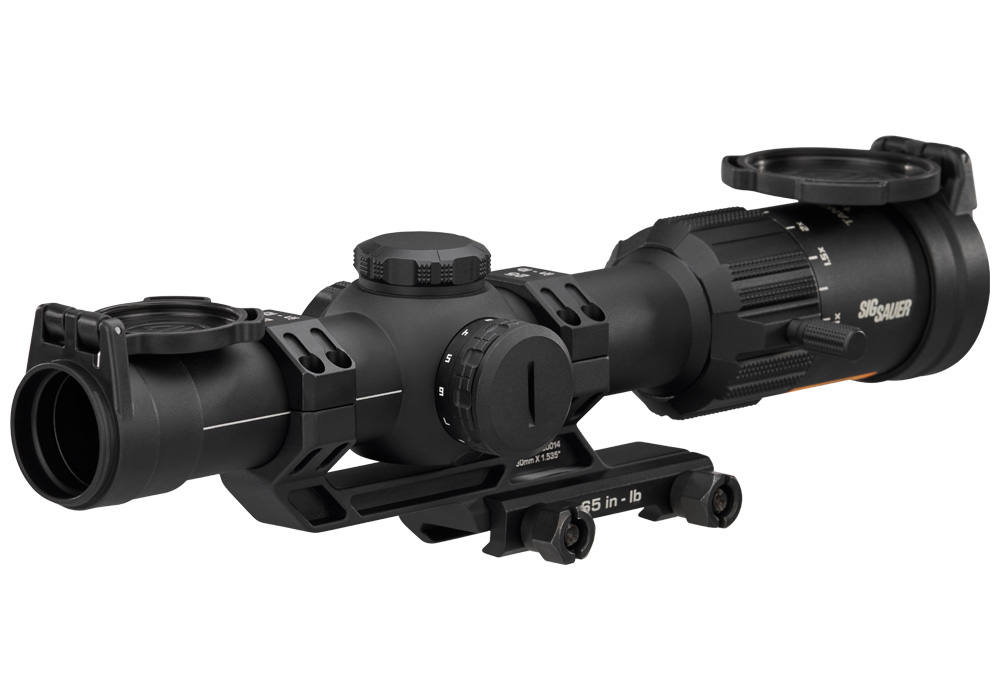
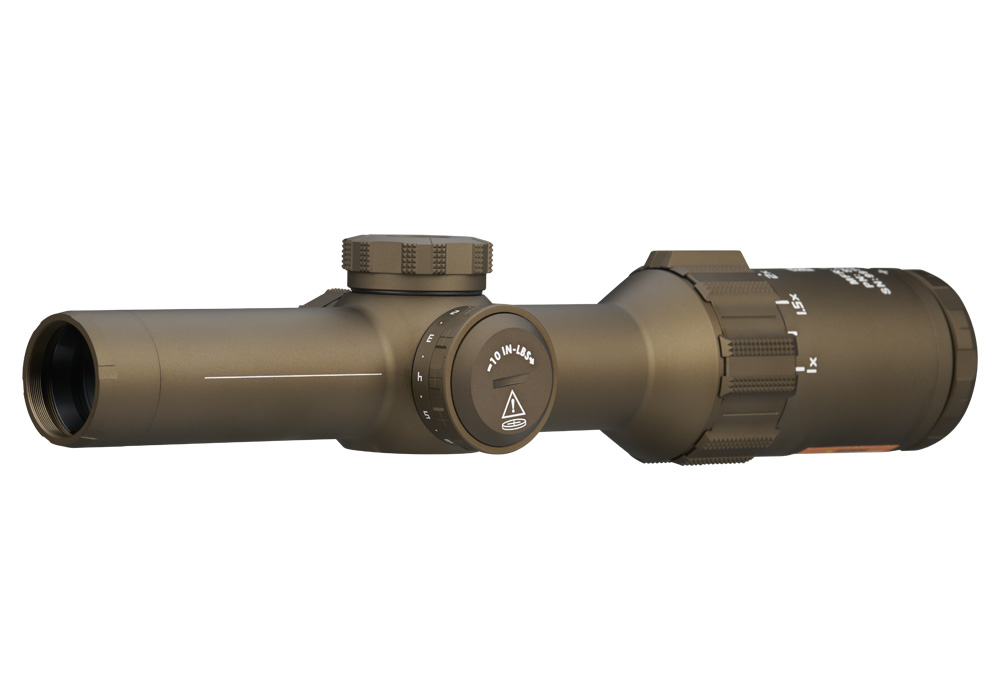
A 6x scope provides six-power magnification, making a target appear six times larger than it does to the unaided eye. That level of magnification offers a practical balance between seeing detail and retaining a useful view of the surrounding area, although the exact field of view depends on the scope’s optical design. For recreational target shooting and hunting, 6x scopes can bring small features into clearer view without the visual restriction often associated with substantially higher magnification. The edge of a paper scoring ring, the contrast between a target and its backing, or the outline of a distant object becomes easier to distinguish when the image is sharp and properly focused. Magnification alone, however, does not determine optical quality or shooting accuracy. Resolution, contrast, eye relief, and a reticle that remains easy to see all contribute to how comfortable and useful a scope feels. The term “6x scope” can describe a fixed-power optic that stays at six-power magnification or a variable-power optic with a range that includes a 6x setting. Those designs serve different preferences: fixed magnification keeps operation straightforward, while variable magnification allows the view to change for different sporting situations. A 6:1 zoom ratio is a separate specification and does not, by itself, mean that a scope has a maximum magnification of 6x. Understanding that distinction helps keep comparisons meaningful. For someone who spends most range sessions viewing similar targets at familiar distances, consistency may matter more than a broad adjustment range. Someone whose sporting use involves different distances may appreciate greater flexibility. Shoppers comparing a less magnified view can also explore 4x Magnification Scopes, which generally show more of the surrounding scene when other design factors are comparable. The most suitable magnification is the one that supports the intended activity without introducing unnecessary complexity or bulk.
Optical specifications become more useful when considered alongside physical fit. An objective lens gathers light, but its diameter is only one part of the image-quality equation. Lens quality, optical alignment, and antireflective coatings influence how much useful detail reaches the eye and how well the view maintains contrast. A larger objective can produce a larger exit pupil at the same magnification, potentially making eye positioning more forgiving, but it can also add size and weight. It does not automatically guarantee a sharper or brighter image in every situation. At 6x, a comfortable view should allow the full image to appear without an unusually restrictive head position. Eye relief—the distance between the eyepiece and the eye—is especially important for compatibility with a rifle’s recoil and the shooter’s normal position. Tube diameter, overall length, objective clearance, and mounting-system compatibility also deserve attention before selecting an optic. Rings and mounts must match the scope and firearm rather than merely look similar, and professional assistance is appropriate when compatibility is uncertain. Reticle design is another practical consideration. A simple pattern can keep the view uncluttered, while a more detailed pattern may suit someone who prefers additional visual references. Fine lines can reveal small target details, but a reticle that is too delicate for the viewer can be difficult to distinguish against a busy background. Illumination, where included, can improve reticle visibility; it does not brighten the target itself. With variable-power scopes, focal-plane design determines whether the reticle appears to change size as magnification changes, so that specification matters even when 6x is the setting used most often. Focus and parallax features also vary by design. Rather than assuming that every six-power optic behaves alike, consider how its controls, viewing comfort, and reticle presentation fit the intended sporting use. A scope should feel compatible with the entire setup, not simply impressive on a specification sheet.
Durability and care help preserve that optical performance over time. Aluminum scope bodies are common because they balance structural strength with manageable weight, while protective exterior finishes help resist routine surface wear. Internal construction, lens retention, and adjustment mechanisms matter just as much as the outer tube, particularly when an optic is intended for a firearm with substantial recoil. Sealed construction can help protect internal components from dust and moisture, but protection claims should be evaluated according to the stated specifications rather than assumed from appearance. Likewise, lens coatings serve different purposes: some improve light transmission, while others help protect exposed surfaces. No coating eliminates the need for careful handling. Lens covers provide useful protection during transport and storage, and a padded case can keep the optic from rubbing against other equipment. For cleaning, remove loose grit before touching the glass, then use lens-safe materials and follow the optic’s care directions. A shirt sleeve or a dry wipe across a dusty lens can grind particles against the surface. Exterior cleaning should also avoid harsh chemicals that could affect finishes, seals, or markings. Controls should remain accessible and legible, and any unusual movement, visible damage, or persistent viewing problem warrants inspection by a qualified professional. These practical details matter to frequent range visitors, hunters, and newer sporting shooters alike. Weight may be a minor concern for a rifle used primarily from a supported position, yet become more noticeable on a setup carried for extended periods. Large controls may feel convenient, but their placement should not interfere with normal handling or protective accessories. As a gift for an adult sporting enthusiast, a scope is most useful when the recipient’s preferences and equipment compatibility are already understood. Magnification, reticle style, mounting requirements, and viewing comfort are personal enough that a thoughtful match matters more than an elaborate feature list. A well-chosen 6x scope brings together clear optics, dependable construction, suitable dimensions, and straightforward care, supporting a comfortable view and consistent sporting use without asking unnecessary compromises of the rest of the equipment.