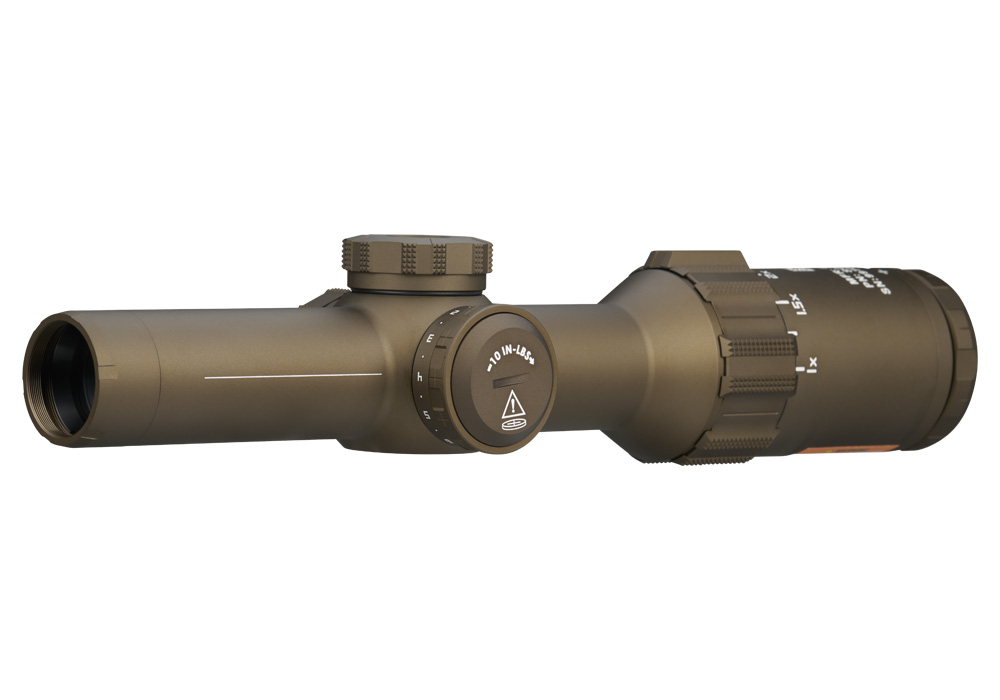
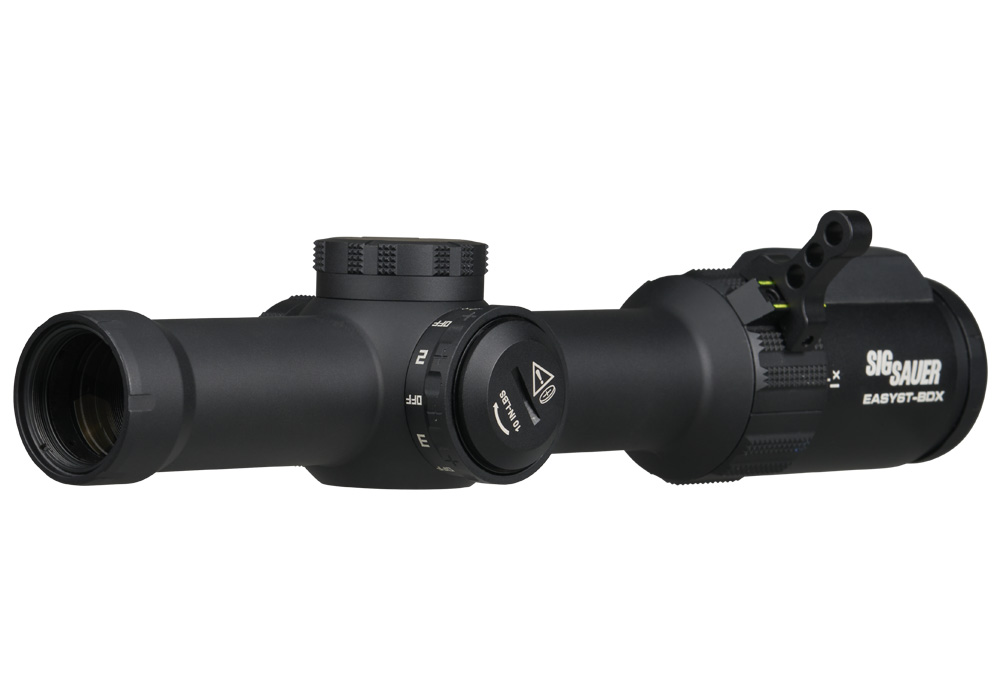
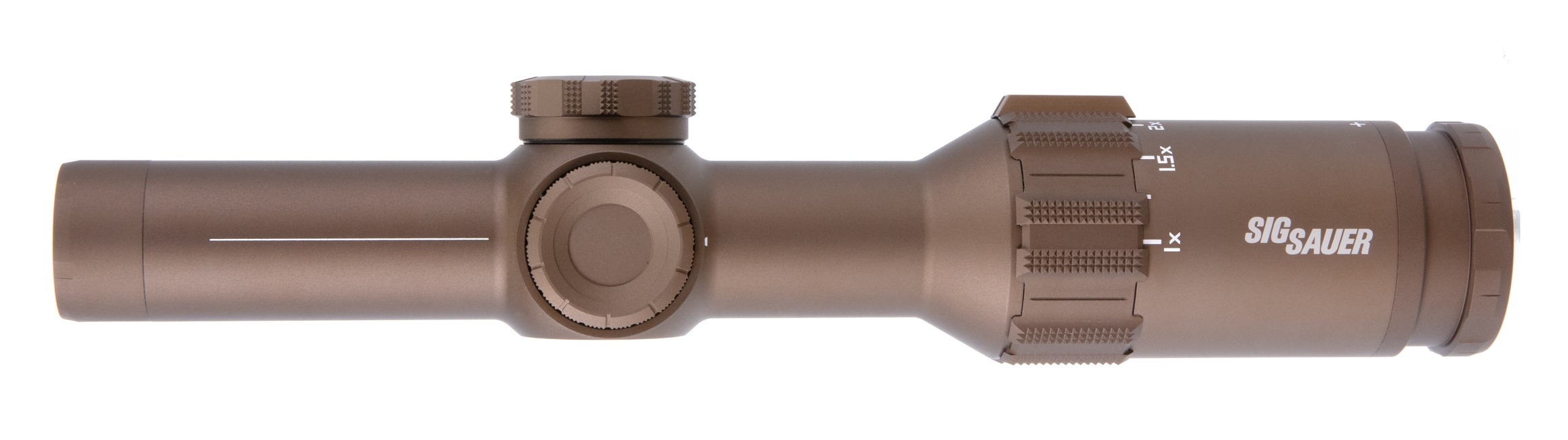
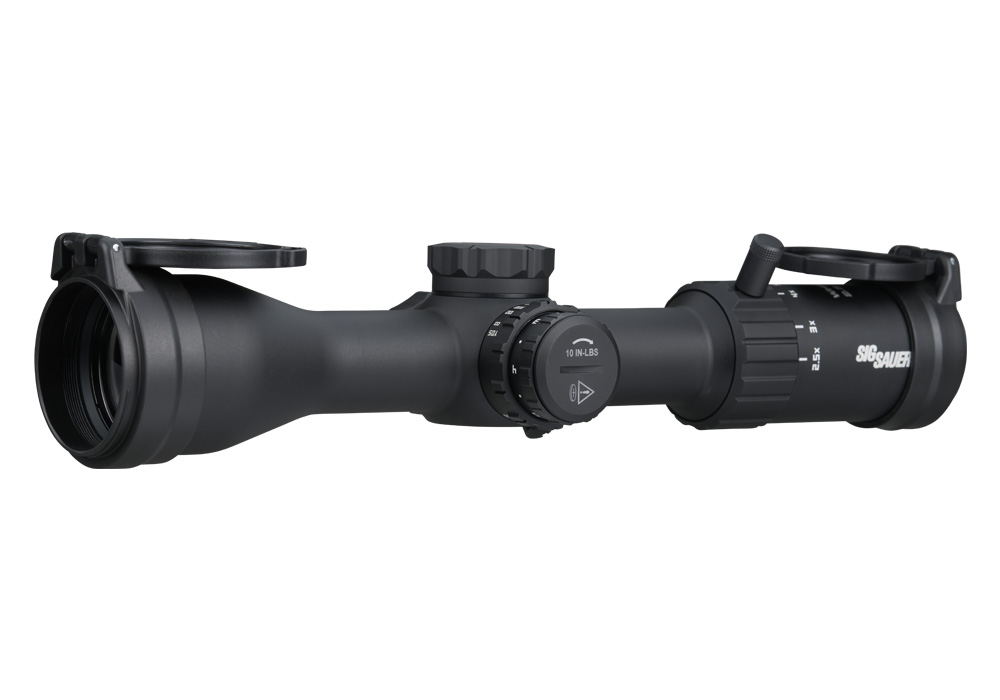
1-6x magnification scopes, often called low-power variable optics or LPVOs, are built for shooters who want one versatile sight to cover a broad range of practical distances. At the 1x setting, a quality optic can provide a wide field of view and a quick, natural sight picture that supports shooting with both eyes open. This makes it useful when targets are close, movement is rapid, or the surrounding environment demands strong awareness. Turn the magnification ring toward 6x, and the optic provides a more detailed view for identifying targets and placing deliberate shots at intermediate distances. That combination makes a 1-6x scope a popular choice for modern sporting rifles, general-purpose carbines, competition firearms, and hunting rifles used in settings that can change from thick cover to open ground within a single outing. A hunter moving along a brush-lined trail may spend most of the morning at 1x or 2x, where a wide field of view helps keep a moving animal in sight, then rotate toward 4x, 5x, or 6x when a clear opening creates a longer, more measured opportunity. On a range, the same optic can support quick transitions between nearby targets and careful work at distance without requiring a separate sighting system. The 6x maximum does not turn every rifle into a long-range platform, and practical results depend on the cartridge, barrel, ammunition, shooter, weather, and target size, but it offers useful reach for many field and range applications. For many hunters, shots inside approximately 300 yards represent the most common practical use, while a capable setup may be used farther under appropriate conditions and with a clear understanding of the rifle’s trajectory.
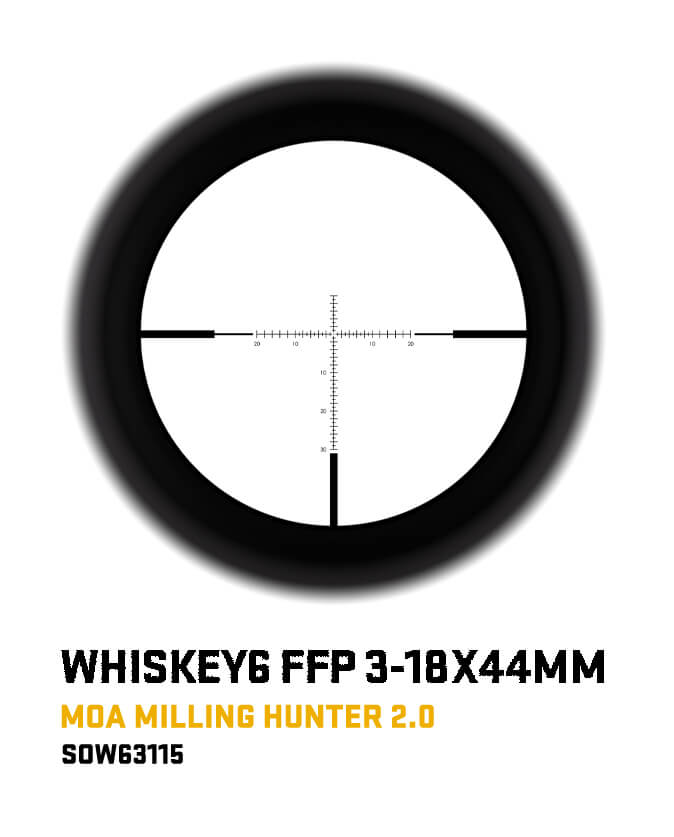
Choosing among 1-6x scopes starts with matching the optic to the rifle, the intended activity, and the way it will be carried and used. Weight and overall length matter, particularly on a rifle that will be carried through wooded terrain, climbed with, or handled through long practice sessions. A compact optic can help preserve balance, while a more substantial design may offer additional adjustment range, a larger objective lens, or a more forgiving eye box. Eye relief should be considered alongside stock fit and mounting position; the sight picture should appear quickly and consistently without forcing the shooter to stretch or crowd the optic. Reticle design is equally important. Some reticles emphasize a bright central aiming point for rapid use at low magnification, while others include holdover references, ranging features, or windage guides that can assist with known ballistic data at higher power. An illuminated reticle can be especially useful in dim timber, shaded terrain, or changing light, although illumination should complement—not replace—a clearly visible etched reticle. First focal plane designs keep the reticle and target relationship consistent as magnification changes, which can be helpful when using holdovers at varying power settings. Second focal plane designs keep the reticle appearing the same size throughout the zoom range, often providing a clean, uncluttered aiming point at 1x and a familiar sight picture at higher magnification. Neither arrangement is universally best; the right choice depends on whether speed, holdover consistency, simplicity, or a particular training style carries the most weight. Also review turret style, adjustment feel, return-to-zero performance, reticle brightness controls, lens coatings, sealing, and the optic’s ability to withstand recoil and rough handling. A solid mount matched to the rifle’s rail system is just as important as the scope itself. After mounting, confirm that the optic is level, establish a proper zero with the ammunition intended for regular use, and verify point of impact at several magnification settings rather than assuming the relationship will remain perfect without testing.
A 1-6x scope can be a thoughtful gift for a hunter, recreational shooter, new rifle owner, or experienced marksman who wants to simplify a versatile setup. It is particularly well suited to someone whose shooting takes place across changing terrain instead of at one fixed distance. A family member preparing for a first deer season may appreciate the ability to keep the view broad in dense cover and add magnification when the landscape opens. A range enthusiast may value an optic that supports both fast drills and slower groups without changing equipment between exercises. For a competition shooter, the balance between a genuinely useful low-power setting and a 6x upper range can support rapid transitions, target identification, and intermediate-distance stages. Before giving an optic as a gift, it helps to confirm the recipient’s rifle platform, rail or mounting system, preferred reticle style, eye-relief needs, and whether a first or second focal plane design suits their practice. The rifle’s intended ammunition and ballistic profile also matter when selecting a reticle with holdover references. Shooters who prefer an especially light setup may want to compare this category with 4x Magnification Scopes, while those who regularly need more reach may consider a different magnification range. During the cooler months, changing daylight, bare branches, low-angle sun, and muted backgrounds can reveal the value of clear glass, dependable illumination, positive controls, and a reticle that remains easy to see without obscuring the target. Whatever the use, safe handling remains central: keep the muzzle pointed in a safe direction, treat every firearm as loaded, identify the target and what lies beyond it, follow applicable laws and range rules, and confirm the optic’s zero before relying on it in the field.