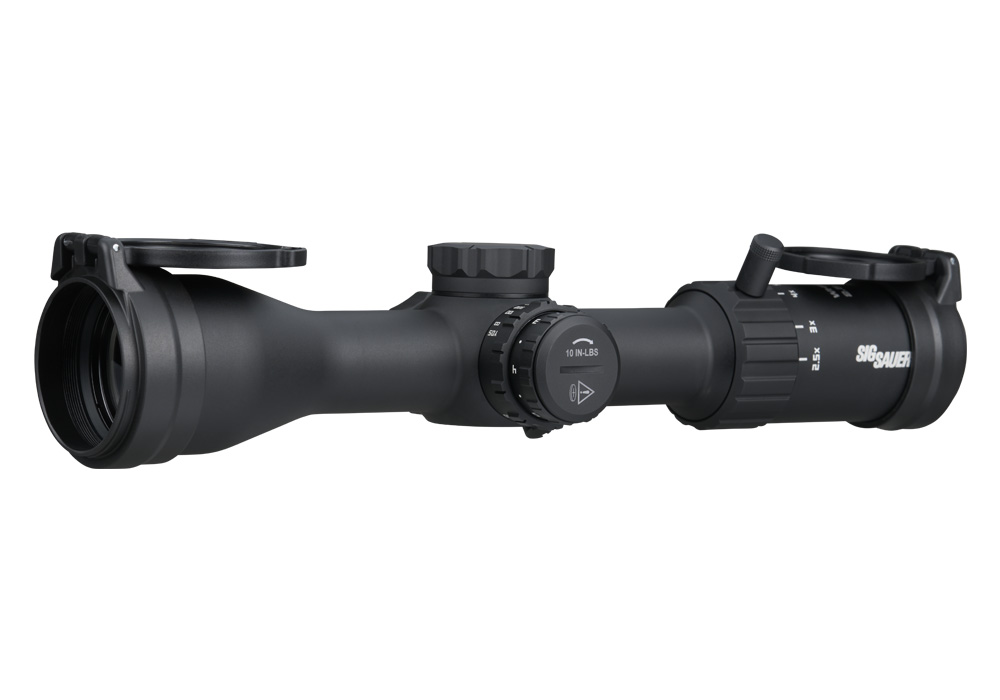
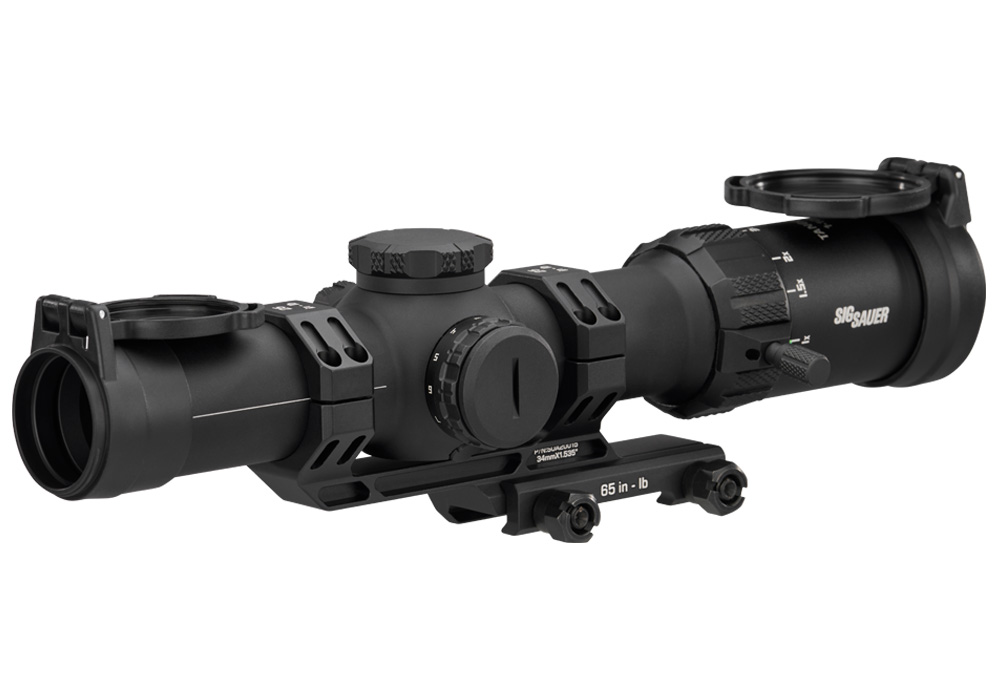
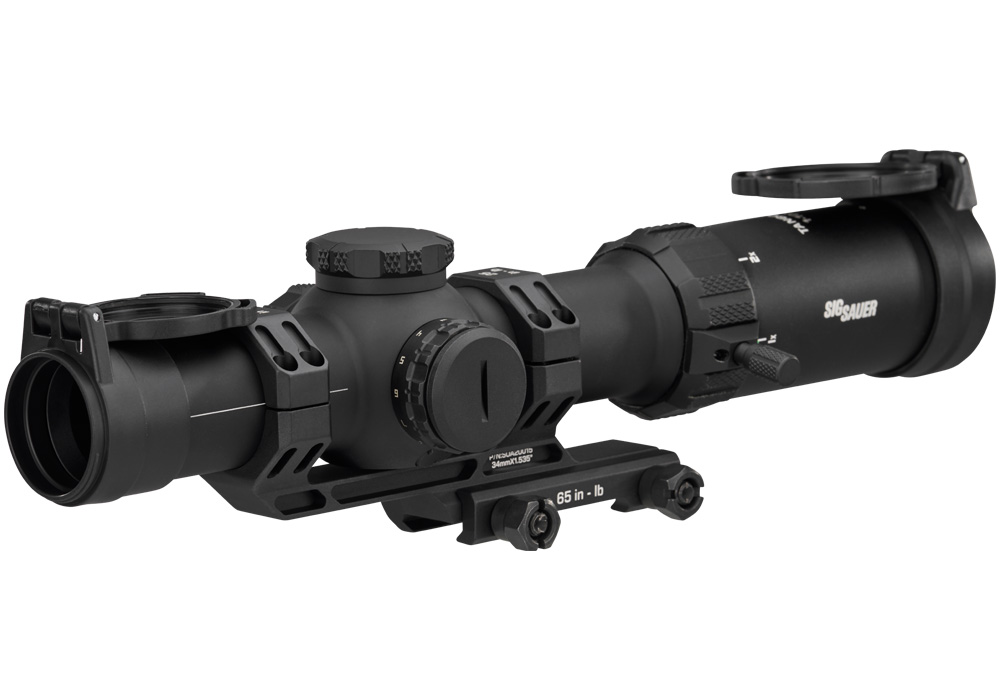
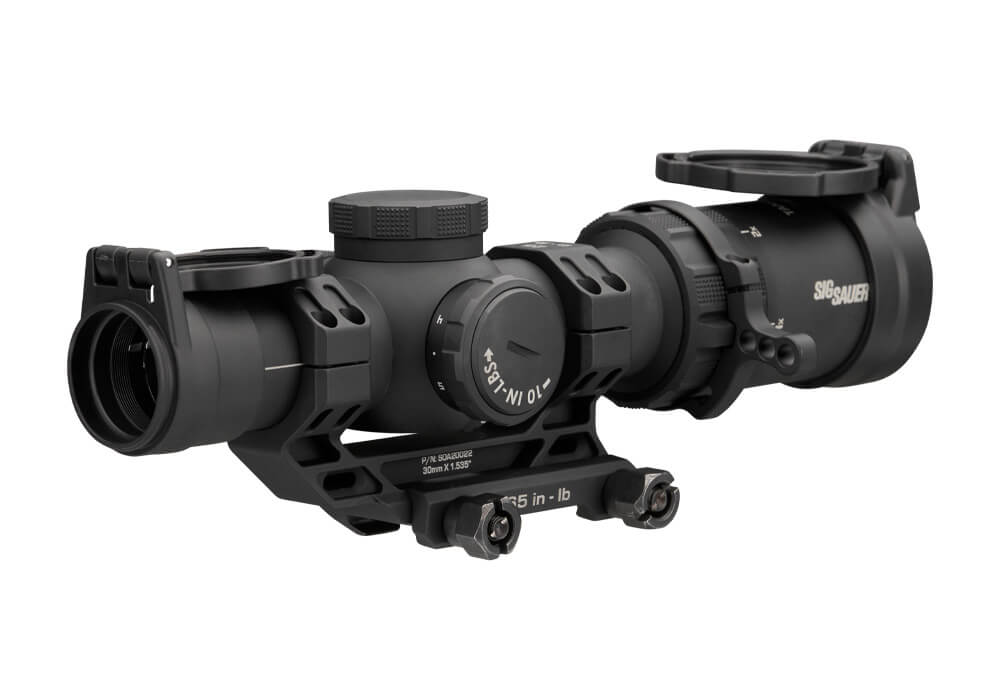
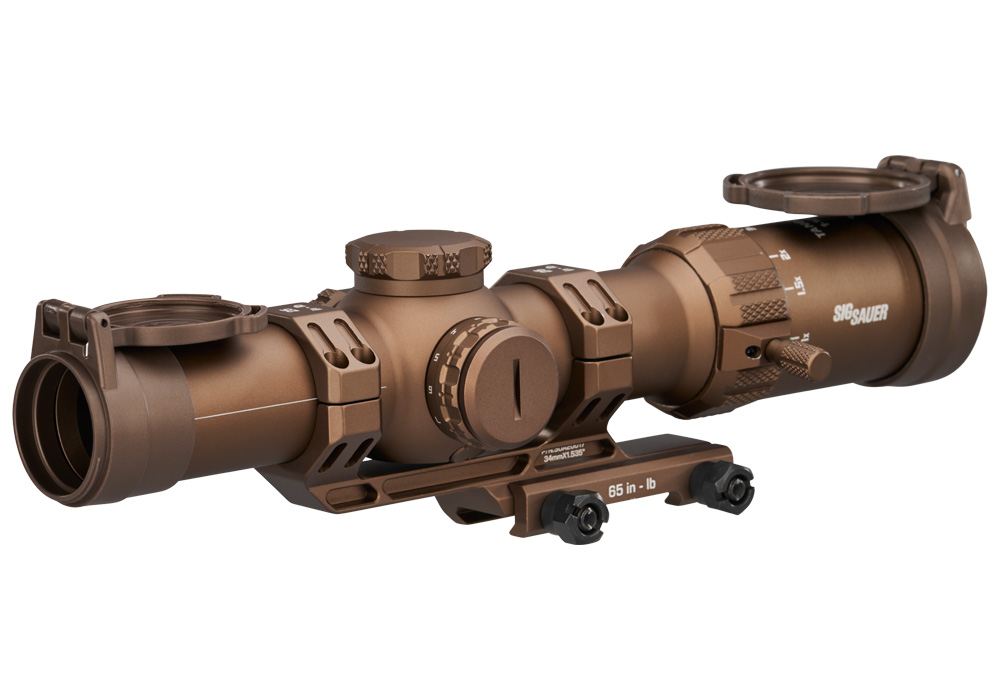
10x magnification scopes include fixed-power optics set at 10x and variable-power riflescopes with a maximum setting of 10x. At this magnification, a subject appears ten times larger than it does to the unaided eye, helping reveal details that can be difficult to distinguish at a distance. Common variable-power configurations include 1–10x low-power variable optics and traditional ranges such as 2.5–10x, 3–10x, and 3.5–10x. The distinction is at the lower end: a 1–10x scope offers a broad magnification range beginning near an unmagnified view, while a scope starting at 2.5x or 3x provides magnification throughout its adjustment range. A nominal 1x setting does not guarantee an identical viewing experience across different optical designs; distortion, eye position, and image presentation still matter. Traditional configurations may pair their narrower magnification range with a larger objective lens, although dimensions and optical performance vary by design. Fixed 10x scopes offer a consistent sight picture without a magnification adjustment, appealing to shooters whose range sessions involve similar target sizes and distances. Variable scopes provide more flexibility when a day includes both larger, nearer targets and smaller details farther away. These differences make the category relevant to recreational target shooters, hunters, and competitors whose activities suit this magnification range. A paper target against a pale backer, a steel plate against dark earth, and an animal partly obscured by brush each place different demands on contrast and detail. Magnification alone does not determine how clearly those subjects appear. Lens quality, optical alignment, coatings, and the relationship between magnification and objective diameter all contribute to the image. A useful 10x riflescope balances that detail with a viewing experience suited to its intended purpose, rather than relying on the magnification number as a complete measure of performance. The result should feel appropriate for the rifle, the setting, and the shooter’s typical routine.
Optical specifications help explain why two scopes with the same maximum magnification can feel quite different behind the eyepiece. Objective diameter influences the size of the exit pupil, the small circle of light visible through the ocular lens. At the same magnification, a larger objective generally produces a larger exit pupil, but overall brightness and clarity also depend on light transmission, coatings, and optical design. Larger objectives can add bulk and affect mounting clearance, so their benefits need to be considered alongside the complete setup. Eye relief describes the distance between the eye and the eyepiece at which the full image is visible. Adequate eye relief matters for comfort and safe clearance, while the eye box describes how much freedom the shooter has to move and still retain a usable view. A scope that feels forgiving at its lowest setting may require more consistent eye placement at 10x. Field of view also narrows as magnification increases, changing how much surrounding area remains visible. Reticle design adds another important distinction. A simple pattern can keep the image uncluttered, while a more detailed pattern offers additional reference markings for shooters who prefer them. In a first-focal-plane scope, the reticle changes apparent size with magnification, keeping its reference measurements proportional to the target image. In a second-focal-plane scope, the reticle maintains a similar apparent size, and measured reference markings generally correspond to a specified magnification. Neither arrangement is automatically the better fit for every application. Reticle visibility against a shaded background, line thickness over a small target, and personal familiarity all influence preference. Illumination can improve reticle visibility in some settings, but it does not replace clear glass or a well-chosen pattern. Parallax adjustment, when included, provides another way to accommodate viewing at different distances. Covered or exposed adjustment controls, tactile feedback, and readable markings round out the handling differences that can become noticeable during repeated range visits.
Materials, construction, and mounting compatibility are just as important as the optical specifications. Aluminum-alloy tubes are common because they combine useful strength with manageable weight, while protective finishes help resist everyday surface wear. Sealed housings and internal gas purging, where specified, help protect the optical system from moisture intrusion and internal condensation. Recoil ratings, testing standards, and warranty terms should be evaluated individually rather than assumed from appearance. Tube diameter must match the mounting rings, and the full scope profile needs suitable clearance around the rifle’s action and barrel. Objective size, eyepiece dimensions, overall length, and adjustment-control placement can all affect fit. A compact scope may suit a rifle carried for extended periods, while a larger optic may feel more appropriate on a setup used primarily from a supported position at the range. Total weight includes the mounting hardware, not just the optic, and that combined weight influences balance. Professional installation can help address fit and alignment concerns, with manufacturer specifications governing hardware compatibility and fastening requirements. Routine care is straightforward but benefits from restraint: loose grit should be removed before lens surfaces are wiped, and cleaning materials should be intended for coated optics. Protective lens covers limit contact with dust during transport, while a padded case helps prevent the scope from rubbing against other equipment. Household glass cleaners, abrasive cloths, and unnecessary disassembly can damage finishes, coatings, or seals. For a gift recipient, compatibility and established preferences are more useful than magnification alone; the rifle’s mounting arrangement, preferred reticle style, and typical use provide meaningful starting points. Shoppers comparing a slightly lower maximum magnification can also explore 9x Magnification Riflescopes, considering the complete magnification range and physical dimensions alongside the upper setting. Across these choices, a well-matched optic offers a clear view, comfortable positioning, practical controls, and construction suited to regular use—the qualities that matter long after the specification sheet has been put aside.