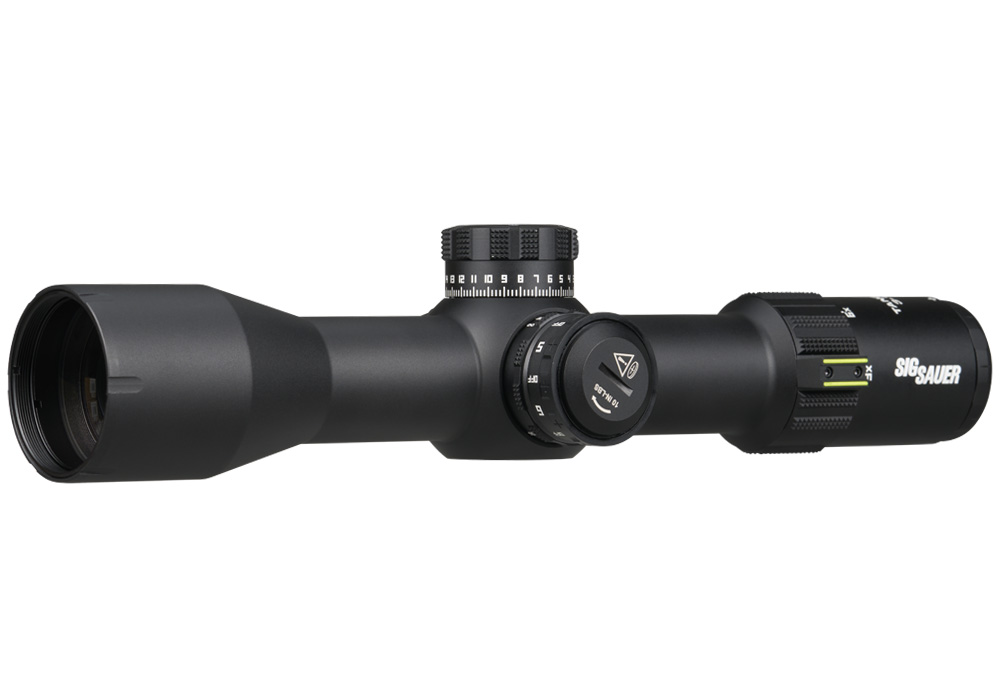
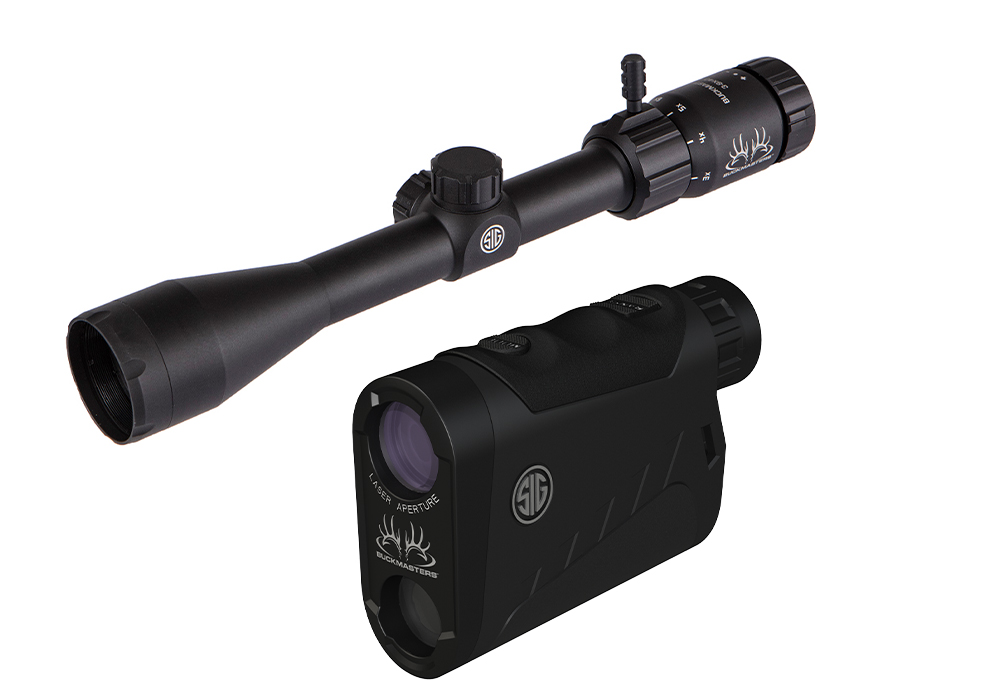
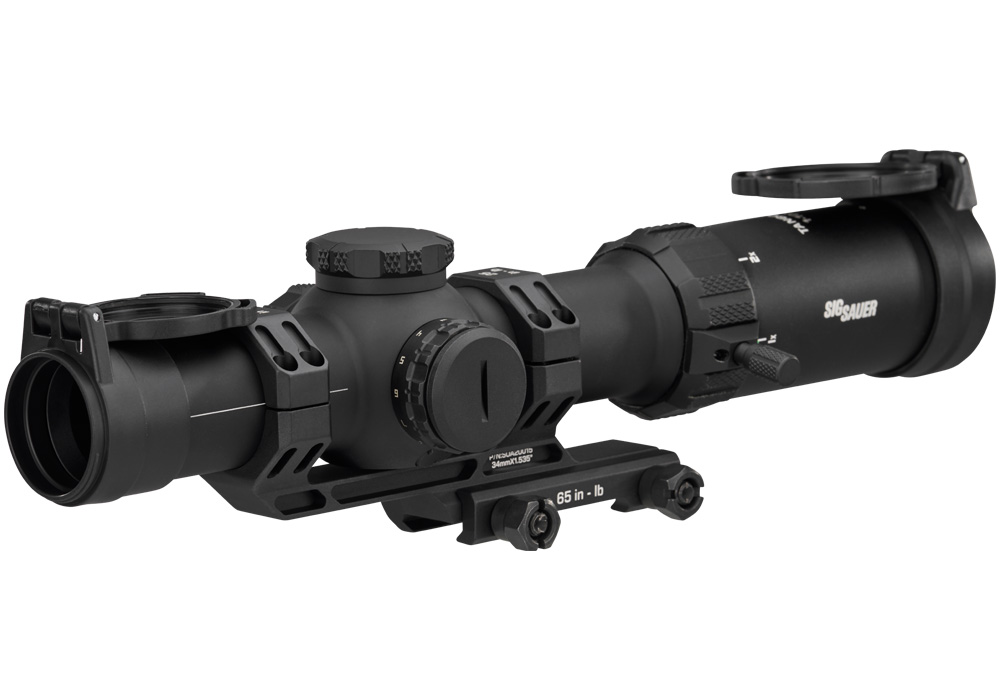
Riflescopes with 9x magnification make a target appear nine times larger than it does to the unaided eye, helping shooters distinguish details that are difficult to resolve without magnification. That number describes the apparent size of the image, not the objective lens diameter or a guaranteed shooting distance. Many 9x magnification riflescopes have a variable 3-9x range, giving hunters and target shooters several viewing options within one optic. At 3x, the wider field of view helps keep the target and its surroundings visible; at 9x, the enlarged image supports a closer look at a paper bull’s-eye or a precise aiming reference on a clearly identified game animal. This flexibility explains the longstanding appeal of the 3-9x configuration for general-purpose sporting rifles. A shooter working from a stable bench may appreciate the extra detail at the upper end, while someone using a supported field position may prefer a lower setting that makes movement less visually distracting. Higher magnification enlarges the appearance of rifle movement as well as the target, so the clearest practical view is not always the most enlarged one. Optical resolution, contrast, reticle visibility, and a comfortable shooting position all influence how useful that image becomes. There is no universal distance limit attached to a 9x scope: target size, visibility, shooting ability, and the demands of the activity matter more than magnification alone. For recreational range sessions and many hunting applications, this category offers a useful balance between an open view and enough detail for deliberate aiming. The appeal is versatility rather than extreme enlargement, with an optical range suited to rifles that serve more than one sporting purpose. A clearly defined aiming point against a dark target face, readable scoring rings, and a sight picture that remains easy to acquire are practical qualities that matter more than a magnification number in isolation.
The construction and optical design of a 9x riflescope shape its performance just as much as its zoom range. Aluminum scope bodies are common because they combine manageable weight with structural strength, while protective exterior finishes help resist the wear associated with transport, mounting, and regular handling. Internal sealing and gas purging can help protect optical surfaces from moisture intrusion and internal fogging, although the level of protection depends on the individual design and its stated specifications. Lens coatings also deserve attention: their purpose may include reducing reflections, improving light transmission, or protecting exposed glass, and those functions are not interchangeable. A larger objective lens can provide a larger exit pupil at the same magnification, but objective diameter alone does not establish image quality. Glass quality, coatings, internal light control, and optical alignment all contribute to contrast and clarity. Objective size also affects mounting clearance, making the relationship between the scope, rings, barrel, and rifle stock an important consideration. Tube diameter must match the mounting rings, and ring height needs to accommodate the optic without forcing an uncomfortable head position. Adequate eye relief provides space between the ocular lens and the shooter’s brow, while a forgiving viewing position makes the full image easier to maintain. These details become apparent when a shooter settles behind the rifle and finds a complete, evenly illuminated sight picture without stretching forward or lifting away from the stock. Reticle design adds another layer of fit. A simple pattern can keep the view uncluttered, while additional reference marks may suit shooters who understand their intended use. On a second focal plane scope, reticle reference values generally correspond to a specified magnification; on a first focal plane scope, those references maintain their relationship to the target across the zoom range. Where present, illumination can improve reticle visibility against some backgrounds, but it does not replace clear glass or sound optical design. Adjustment markings, control feel, and published compatibility information help complete the picture of how an optic will suit a particular rifle and application.
Everyday handling is another reason to look beyond the headline magnification. A magnification ring that turns smoothly, an ocular focus adjustment that stays in place, and adjustment caps that protect the controls can make a scope more pleasant to use over repeated range visits. Weight and overall length influence the balance of a rifle, especially when it is carried between shooting positions or used from a compact rest. For a hunter, a streamlined optic may preserve the handling qualities of a familiar sporting rifle; for a recreational target shooter, a clearly resolved aiming point and predictable controls may take priority. Parallax characteristics also matter. Some scopes have a fixed parallax setting, while others provide an adjustment that helps place the target image and reticle in the same optical plane at different distances. This is distinct from the ocular focus adjustment, which brings the reticle into focus for the shooter’s eye. Consistent head placement remains important with either design. Care is generally straightforward but benefits from a light touch: loose grit should be removed before the glass is wiped, and lens-safe cleaning materials help protect delicate coatings. Lens covers and a padded case can reduce exposure to dust and abrasion during storage and transport. Mounting hardware should follow the applicable manufacturer specifications rather than an assumed universal torque value, and periodic inspection can reveal loose components or contact marks before they interfere with use. For shooters whose activities call for greater image enlargement, high magnification riflescopes offer a related category to consider, with different balances of viewing detail, field of view, and handling. Within the 9x category, the strongest fit is an optic whose viewing characteristics, dimensions, reticle, and durability match the rifle and its intended role. That practical match supports everything from a relaxed afternoon checking groups on paper to the careful observation and deliberate shot placement expected in responsible hunting.