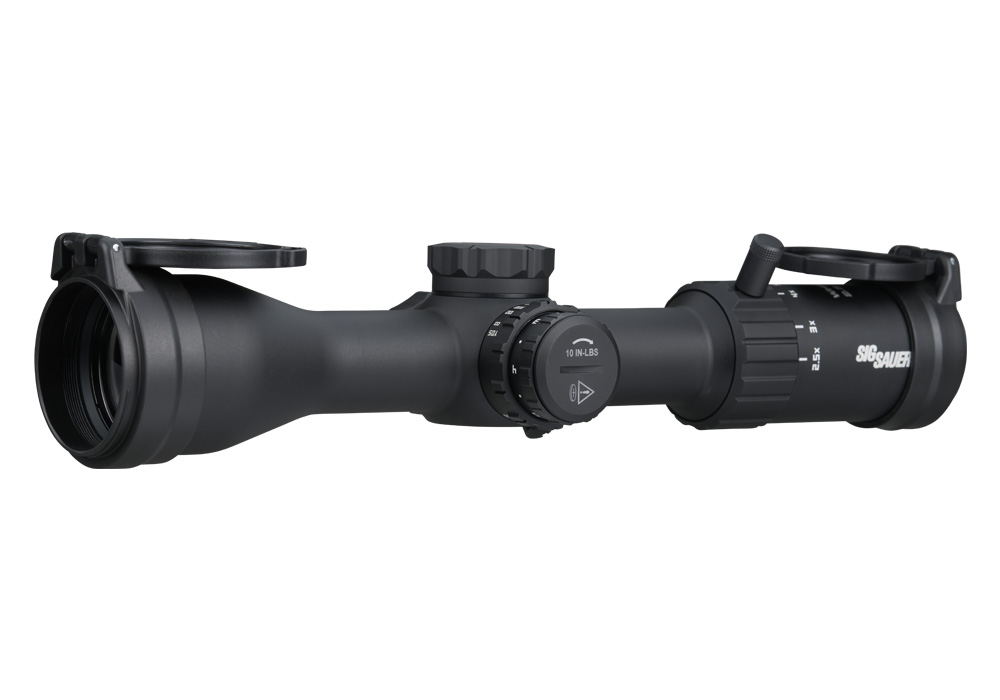
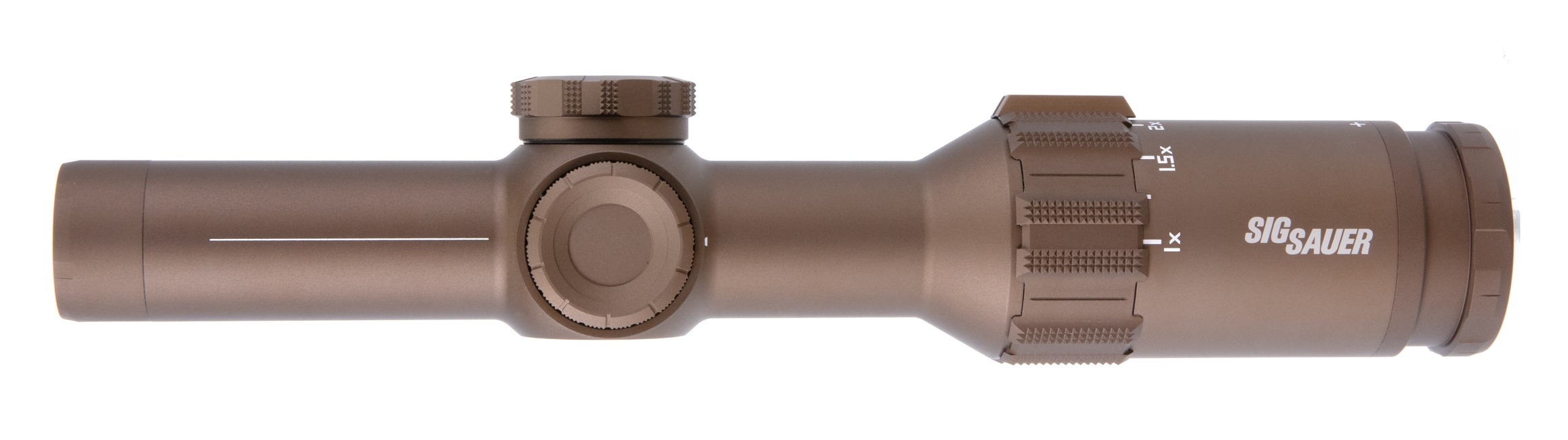
12x magnification hunting optics offer a practical balance between field of view, target identification, and precise aiming for hunters who move between thick cover and more open country. A riflescope with a maximum power of 12x can be especially useful when a shot may develop across a broad meadow, along a timberline, or over a distant ridge, while a lower setting remains available for closer encounters. In general, 3-12x and 4-12x configurations give hunters the flexibility to keep magnification low while tracking movement through brush, then increase power when evaluating antlers, judging an animal’s position, or preparing for a carefully supported shot at a greater distance. Twelve-power optics are often well suited to medium- and large-game hunting at distances from approximately 200 to 600 yards, although the best practical range depends on the firearm, ammunition, weather, shooter skill, and local regulations. Magnification does not replace field experience or stable shooting fundamentals. A clear sight picture, proper support, a consistent cheek weld, and a thorough understanding of bullet trajectory all matter just as much as the number printed on the magnification ring. In dense woods, lower power can make it easier to follow an animal moving between trunks and branches. In open terrain, increasing toward 12x can help distinguish a legal target from surrounding brush or terrain, particularly when the light is soft and the background is visually crowded. Hunters who already use a 9x optic may also want to compare the available features and dimensions in 9x Magnification Riflescopes before choosing the power range that best matches their normal hunting environment.
When comparing 12x magnification hunting optics, start with the conditions in which the scope will actually be carried and used. Objective lens diameter is one of the most noticeable considerations: a 40mm objective can provide a balanced combination of light transmission, compact size, and manageable weight, while a 50mm objective may offer a brighter sight picture in dim conditions but can require higher mounting rings and add bulk to the rifle. During the cooler months, a hunt may begin before sunrise, with frost along the grass and a gray horizon that slowly gains definition. In those moments, quality glass, reliable lens coatings, and a well-designed exit pupil can make the difference between quickly locating an animal and losing valuable time searching through a dim or narrow sight picture. A generous field of view is helpful when scanning a hillside or following movement, while forgiving eye relief is valuable when shooting from an improvised position or wearing layered clothing. Pay attention to the adjustment system as well. Clearly marked, repeatable turrets can simplify zeroing and make deliberate corrections at longer distances, while a capped turret design may be preferable for hunters who want to prevent accidental changes while moving through a sling, scabbard, or dense vegetation. Reticle style is another personal choice. A simple reticle can keep the image uncluttered in bright conditions, while illuminated aiming points or additional hold references may be useful in low light or when estimating elevation and wind corrections. First focal plane and second focal plane designs each have their advantages, so consider whether holdover references should remain proportional throughout the magnification range or stay the same apparent size as power changes. Durability also deserves close attention: a hunting optic should be able to handle recoil, repeated handling, changing temperatures, moisture, and the occasional bump against a vehicle or pack without losing zero. Waterproof, fog-resistant construction and durable external controls are particularly valuable when a calm morning turns into wind-driven rain or when a rifle moves from a cold truck into a warmer shelter.
These optics can serve a wide range of hunters, from someone preparing for a first big-game season to an experienced outdoorsman refining a familiar setup for open-country hunts. They are also a thoughtful gift for a hunter who has recently changed rifles, begun hunting larger landscapes, or wants one versatile scope for both timber edges and longer sightlines. Before purchasing, consider the rifle’s chambering, receiver and mounting system, the intended game, typical terrain, and the distances at which a clear ethical shot is most likely. A scope that is ideal for a lightweight mountain rifle may feel unnecessarily large on a compact woodland setup, while a hunter who spends long hours glassing from a ridge may appreciate additional objective diameter, generous adjustment range, and a design that remains comfortable to carry. It is wise to practice with the optic at every magnification setting rather than sighting in only at maximum power. At the range, confirm the zero from realistic field positions, learn how the reticle appears against dark timber and pale open ground, and test the controls while wearing the gloves or cold-weather layers used during the season. A few minutes spent adjusting the diopter can sharpen the reticle and reduce eye strain, while properly setting eye relief helps create a consistent sight picture and protects against recoil. Before heading out, inspect lens covers, mount screws, and turret settings, and carry a soft lens cloth rather than wiping grit across the glass. In the field, use the lowest practical magnification while scanning, then increase power only after the animal is located and the rifle is steady. That approach preserves awareness of the surrounding terrain and helps prevent the narrow field of view that can make a moving target difficult to track at maximum power. Whether the day involves still-hunting through damp timber, watching a sunlit cut from a blind, or waiting as evening shadows stretch across a distant slope, 12x magnification hunting optics can provide a flexible, dependable view for making careful observations and responsible shot decisions.