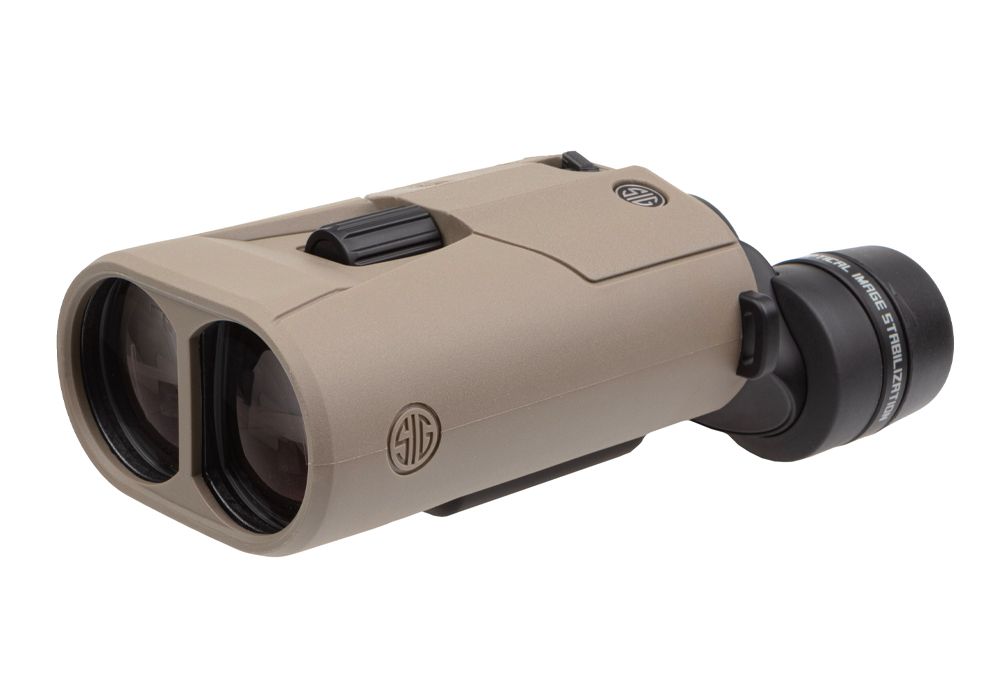
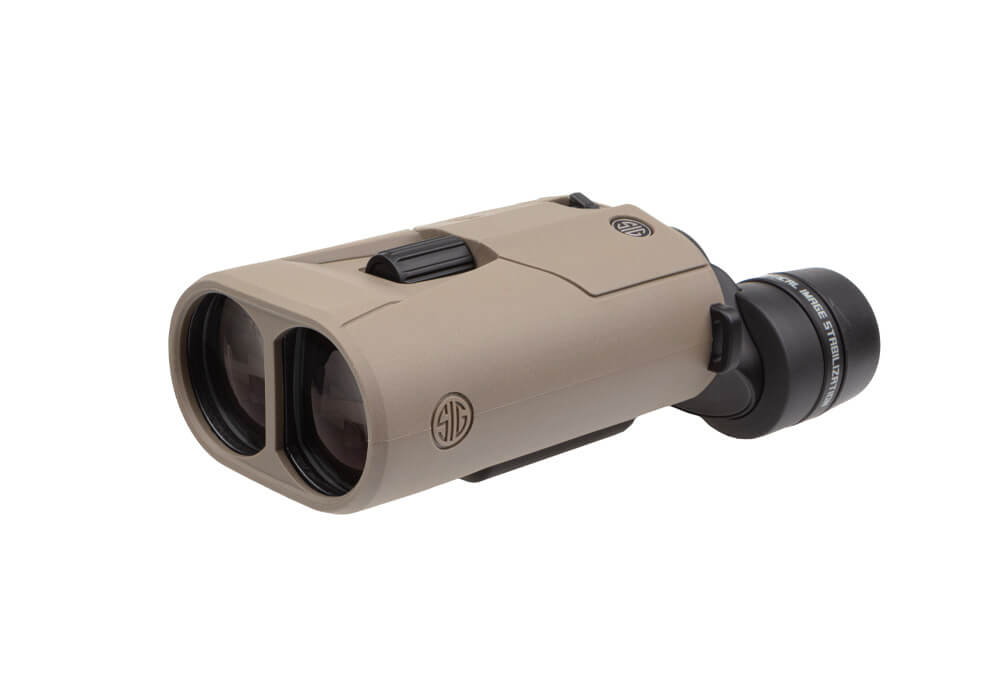
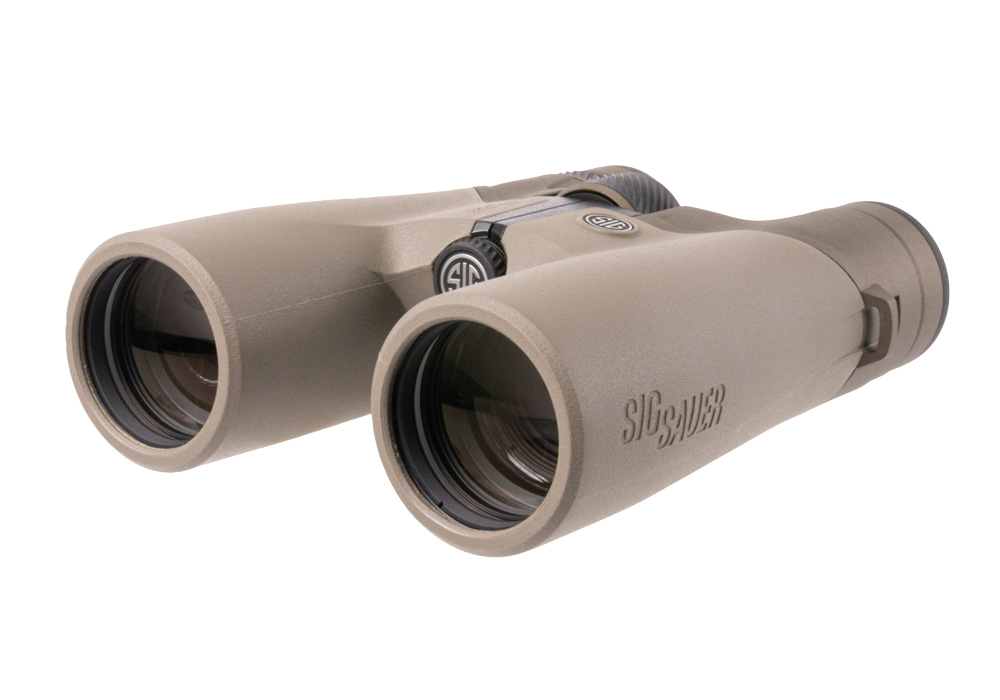
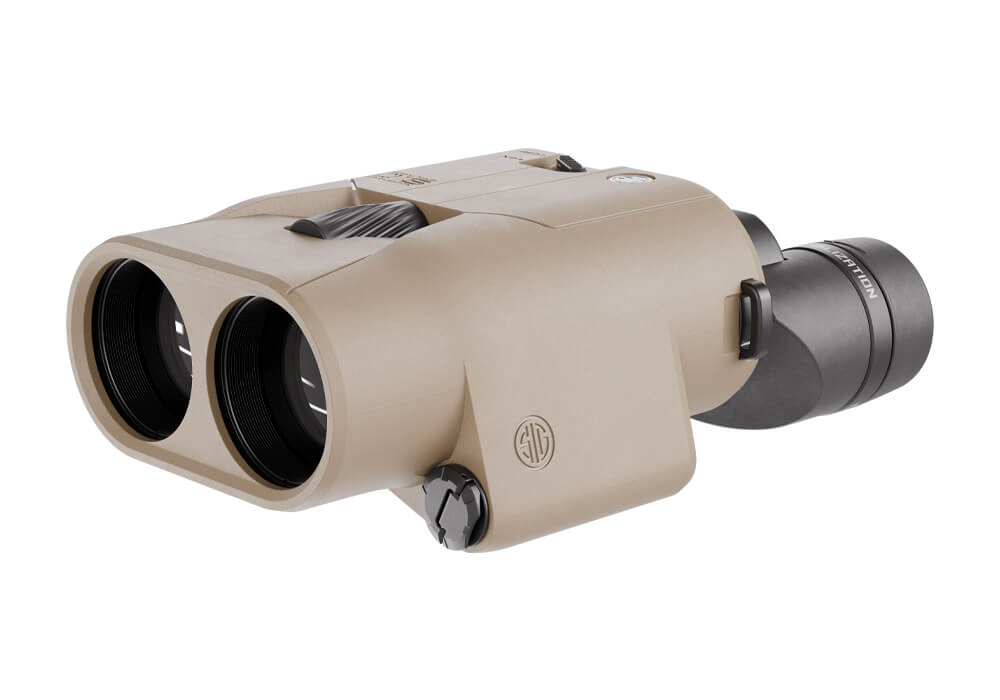
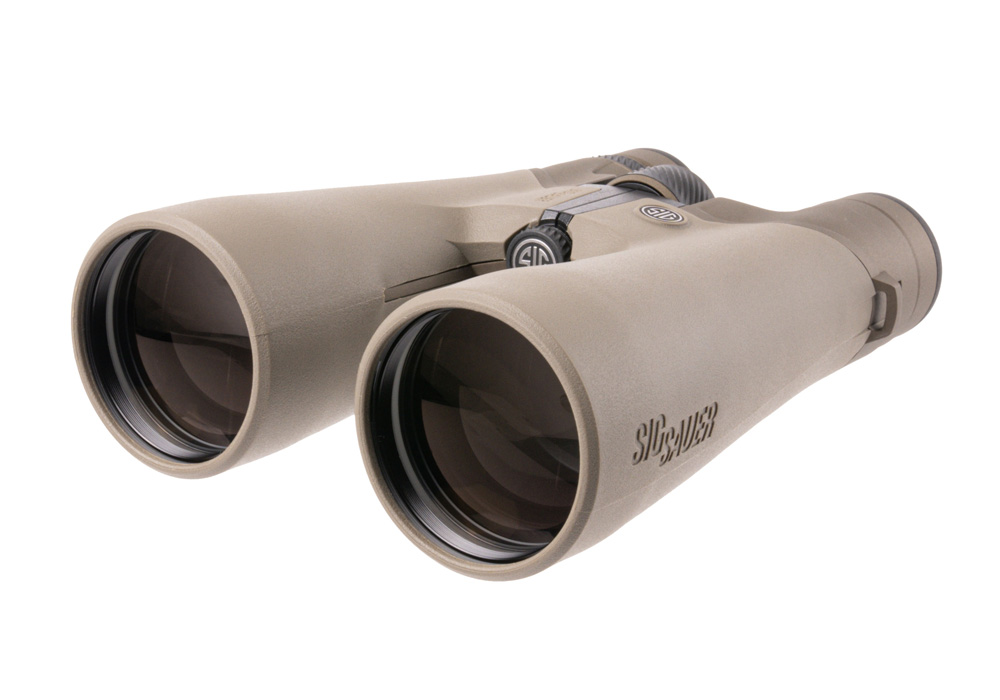
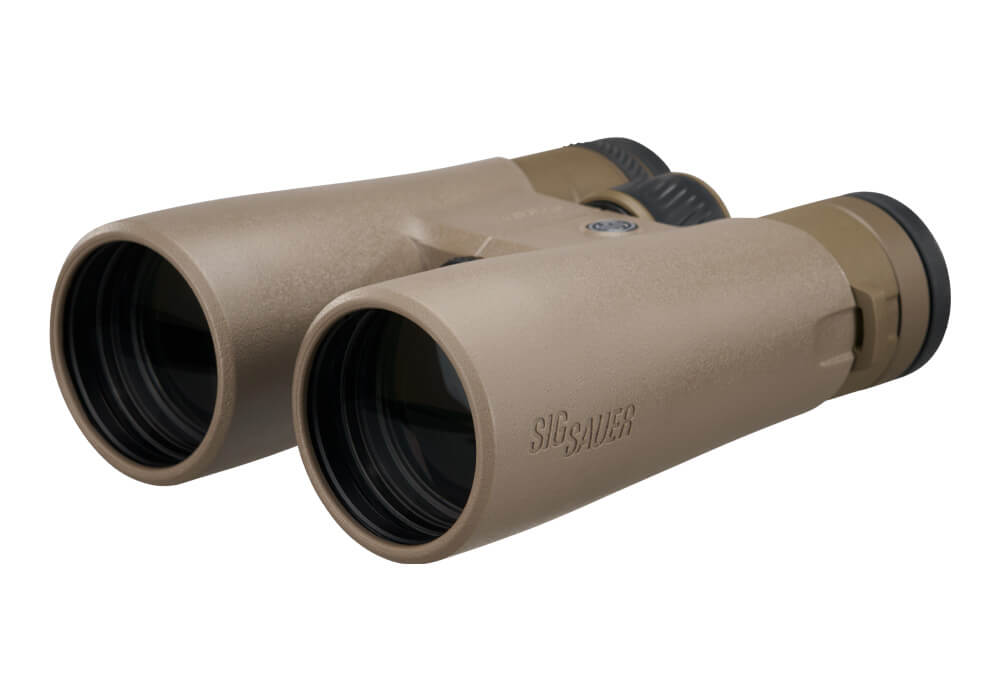
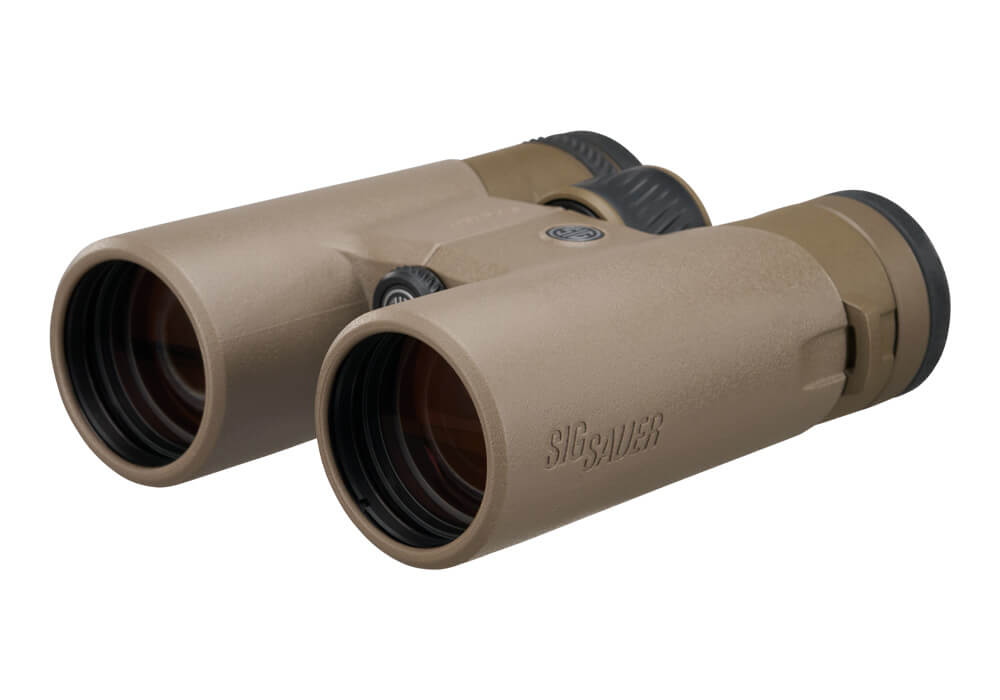
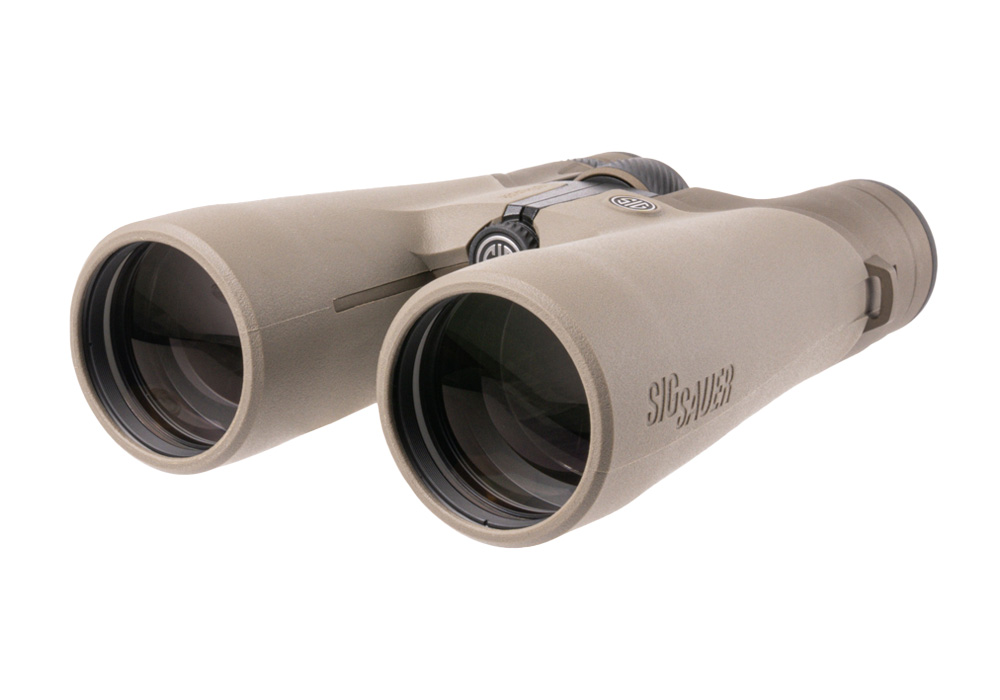
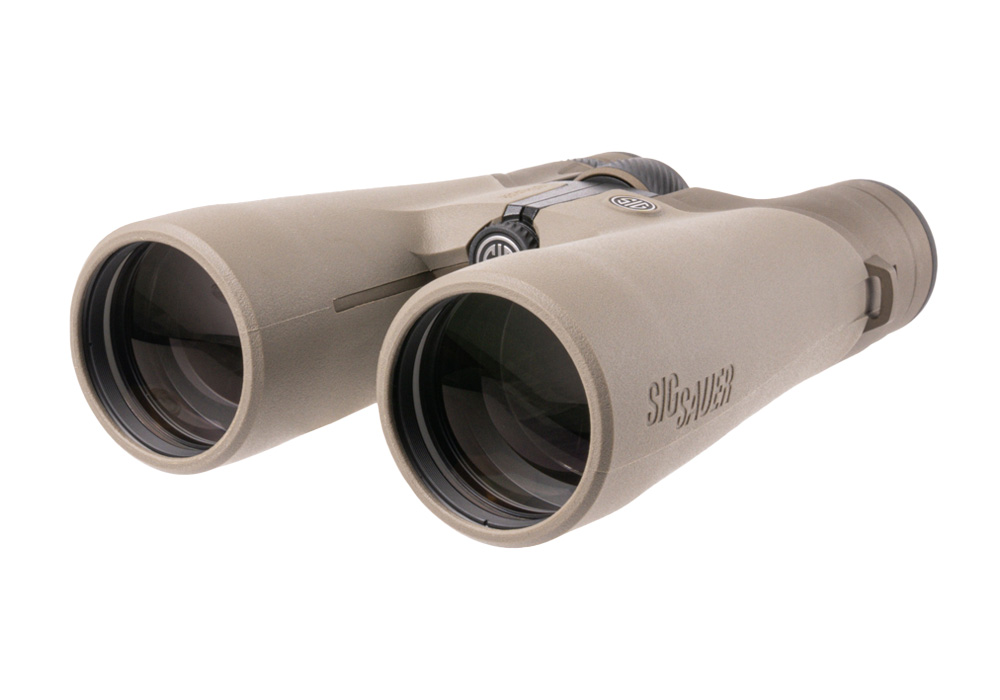
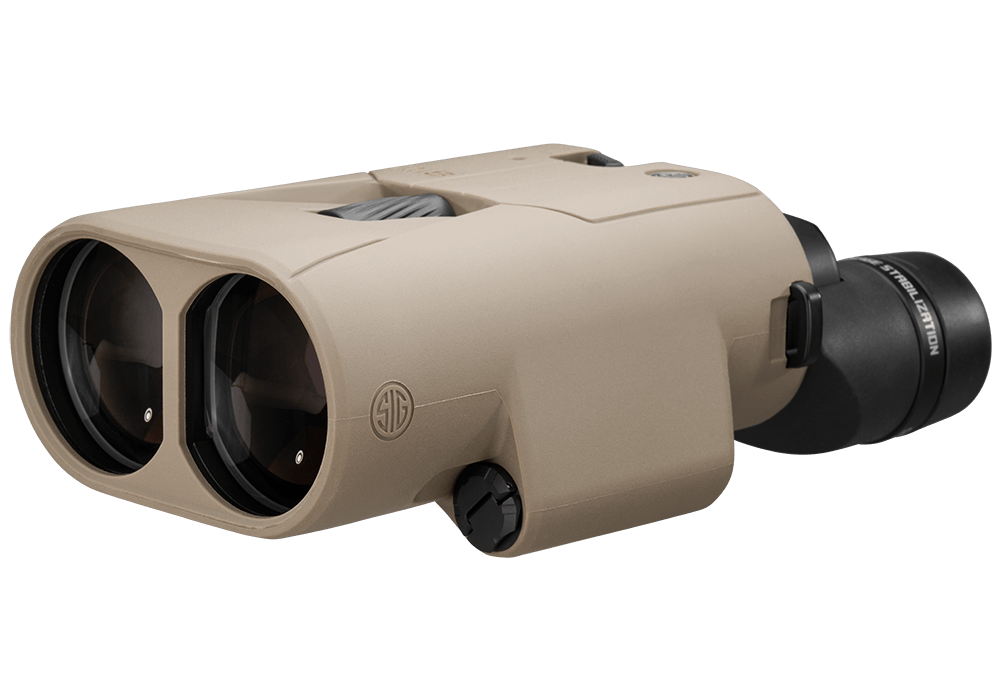
Long-range binoculars bring distant subjects into a closer, more detailed view, helping hunters, wildlife watchers, birders, and outdoor observers study terrain without moving closer to it. Their usefulness comes from a balance of magnification, objective lens size, optical quality, and stability—not magnification alone. Many long-distance designs offer magnification from 12x to 25x or higher, with objective lenses measuring 50mm to 100mm or more, depending on their intended use. The first number in a binocular specification describes magnification; the second gives the objective lens diameter in millimeters. A 15x56 configuration, for example, provides 15-power magnification through 56mm objective lenses. Higher magnification can reveal antler points, feather markings, or movement along a distant ridge, but it also magnifies hand movement and usually narrows the field of view. Larger objective lenses collect more light, although they generally increase size and weight. Image brightness also depends on light transmission and exit pupil, the diameter of the light beam reaching each eye. Dividing objective diameter by magnification gives the exit pupil: a 15x56 configuration produces approximately 3.7mm. That relationship helps explain why increasing power without increasing objective size does not necessarily improve the viewing experience in dim light. Optical coatings, careful alignment, and glass quality contribute to contrast and resolution, allowing subtle details to stand out instead of disappearing into a soft image. Extra-low-dispersion glass can help reduce colored fringes around high-contrast edges, such as a dark branch against a bright sky. For a closer look at optics organized around higher viewing power, High Magnification Binoculars offers a related category to explore. The most useful long-range binoculars are those that suit the viewing distance, subject, and support method. No single magnification guarantees a clear view at a fixed distance, and additional power cannot recover detail that the optical system does not resolve. A broad view may matter more while searching a hillside; a tighter, higher-power view becomes valuable once the subject has been located.
Comfort and fit become especially important when binoculars stay at the eyes for more than a quick glance. Adjustable interpupillary spacing lets the two optical barrels align with the viewer’s eyes, creating one circular image rather than overlapping views. A diopter adjustment compensates for differences between the eyes, while the central focus control brings the subject into focus as viewing distance changes. Smooth, accessible controls are easier to use without shifting grip or losing sight of an animal moving through brush. Eye relief—the distance between the eyepiece and the position where the full image is visible—deserves particular attention for anyone who wears glasses. Adjustable eyecups help position the eyes correctly, and sufficient eye relief allows eyeglass wearers to see more of the field without pressing their lenses against the binoculars. Balance matters as much as total weight: a substantial optic that rests securely in both hands can feel more manageable than one that pulls forward during observation. Aluminum, magnesium, and reinforced composite housings each offer different combinations of strength and weight, while exterior rubber armor can improve grip and help protect against everyday bumps and abrasion. Armor does not make an optic indestructible, so secure carry and careful handling still matter. Sealed construction, stated water-resistance ratings, and internal gas purging are useful features to evaluate for field use, with protection levels varying by design. Lens coatings may also help resist moisture, oil, or dirt, but they still need appropriate care. A hunter carrying binoculars along a trail may favor manageable dimensions and a supportive harness; an observer working from a fixed overlook can give more priority to larger objectives and a stable mount. Birders following a subject between branches may appreciate a wider field of view, while someone studying distant animals in open terrain may value additional magnification. Matching these practical details to the way the binoculars will be carried and used helps turn impressive specifications into a comfortable viewing experience.
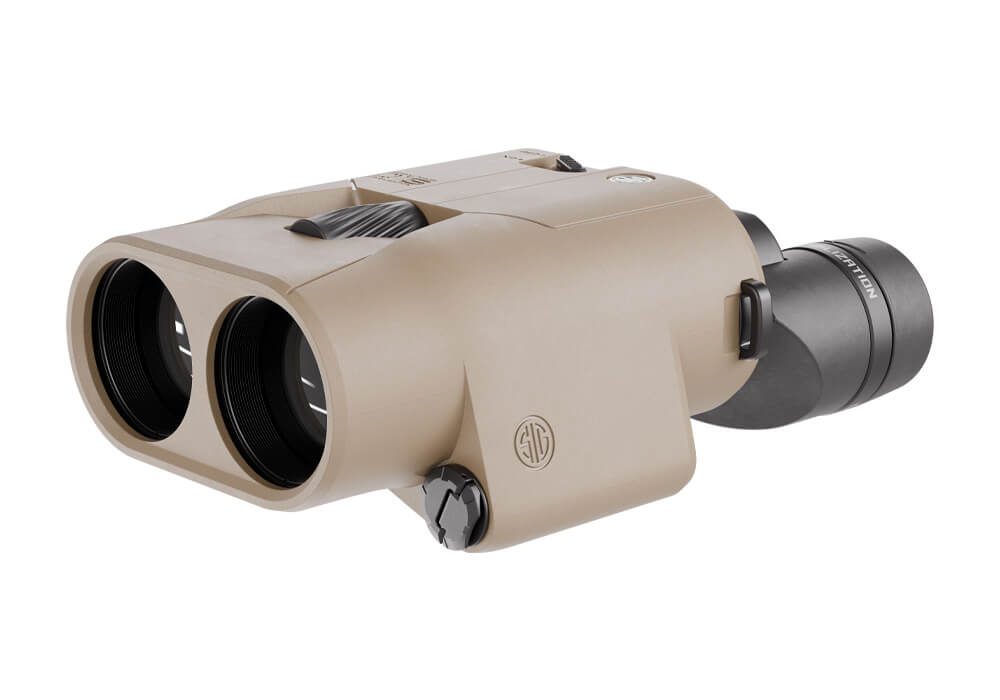
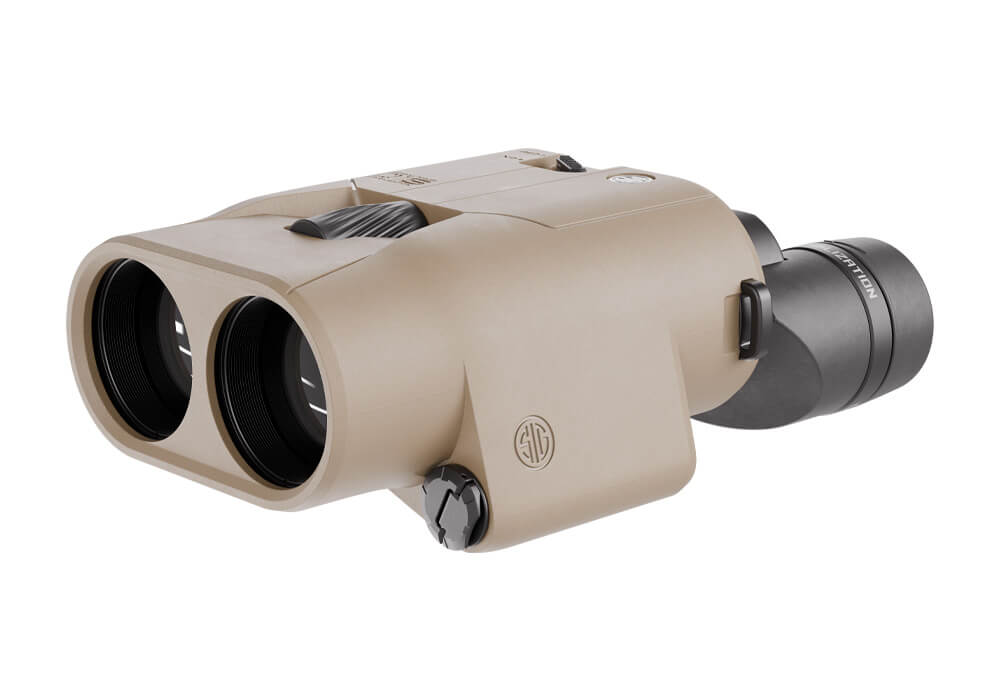
Stable support is often the difference between seeing a distant shape and recognizing its details. At around 15x and above, many observers benefit substantially from a tripod, especially during extended viewing; even lower-power binoculars can show more detail when movement is reduced. Tripod compatibility should be confirmed rather than assumed, since mounting arrangements and adapter requirements vary. A secure adapter, a head that moves smoothly, and a support rated for the optic’s weight help keep the image steady without making it difficult to follow a moving subject. This setup suits glassing from a ridge, watching birds across a broad stretch of water, or observing a distant landscape from a fixed position. Two-eye viewing can feel more natural than looking through a single eyepiece, although comfort depends on proper adjustment and individual preference. For very small subjects at extreme distances, a spotting scope may provide greater useful magnification, while binoculars remain valuable for finding subjects and scanning larger areas. Some binocular designs also incorporate a laser rangefinder, adding distance measurement to observation. With those designs, target size, surface reflectivity, aiming stability, display readability, and battery requirements are relevant considerations alongside optical performance. Care is straightforward but important: use objective covers and a protective case when appropriate, remove loose grit with a blower or soft lens brush before wiping, and clean optical surfaces with suitable lens materials. Rubbing dust across a lens can scratch coatings, and household cleaners may damage optical surfaces or protective finishes. Store binoculars clean and dry, avoid leaving moisture trapped inside a case, and follow the manufacturer’s care directions. Straps and harness attachments deserve regular checks, particularly before a long walk with heavier optics. As a gift, long-range binoculars can suit a dedicated wildlife observer, a hunter who spends time studying terrain, or someone who enjoys viewing distant landscapes and the night sky. The strongest match reflects the recipient’s habits, including whether viewing is handheld or supported, whether glasses are worn, and how much weight is comfortable to carry.