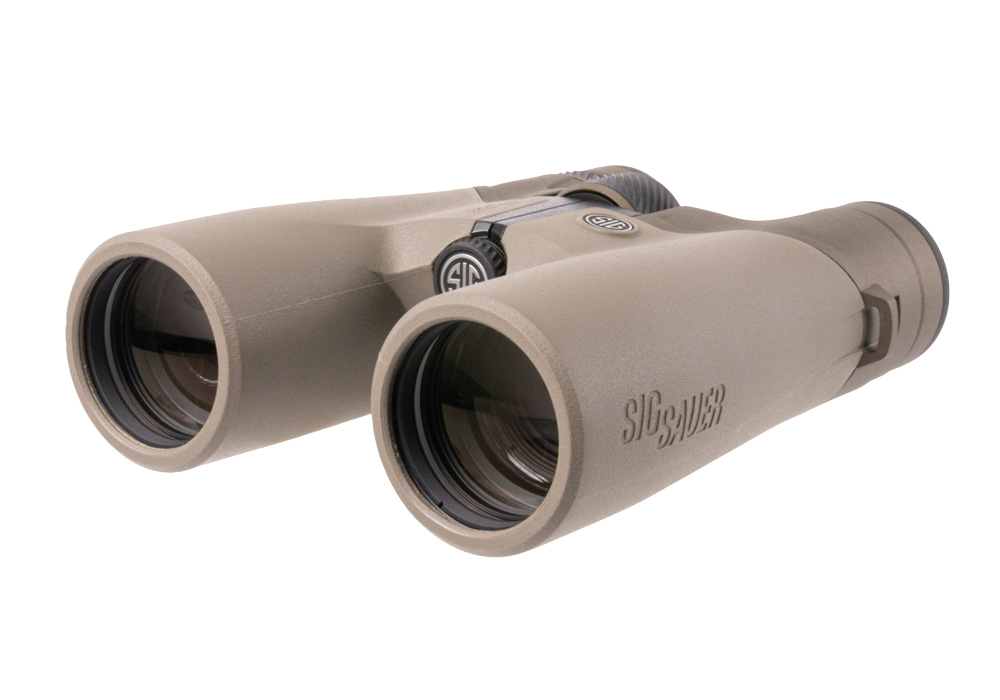
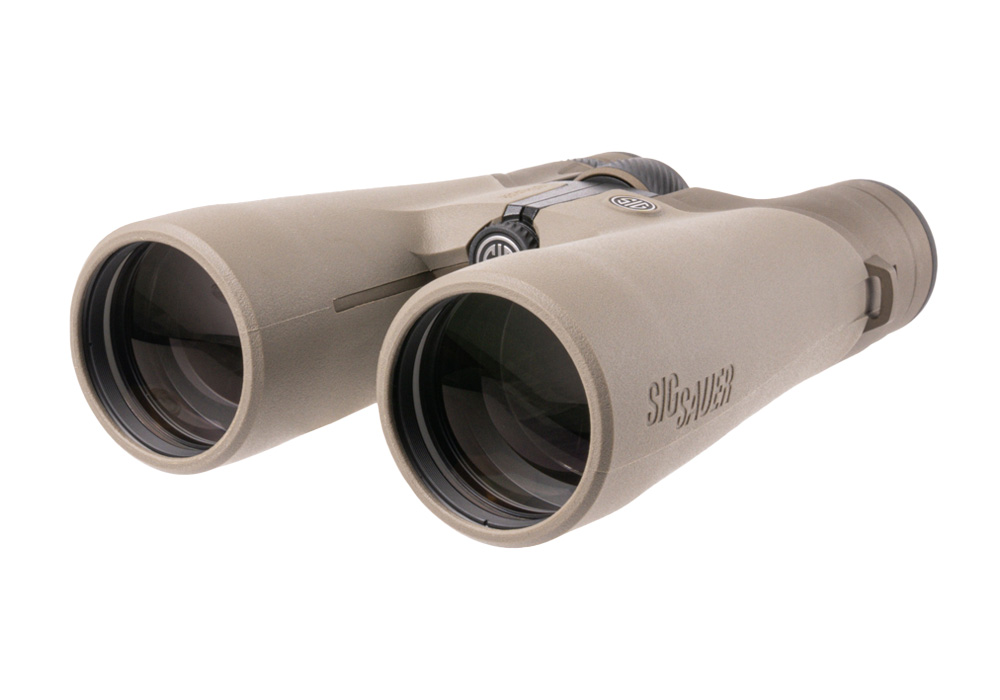
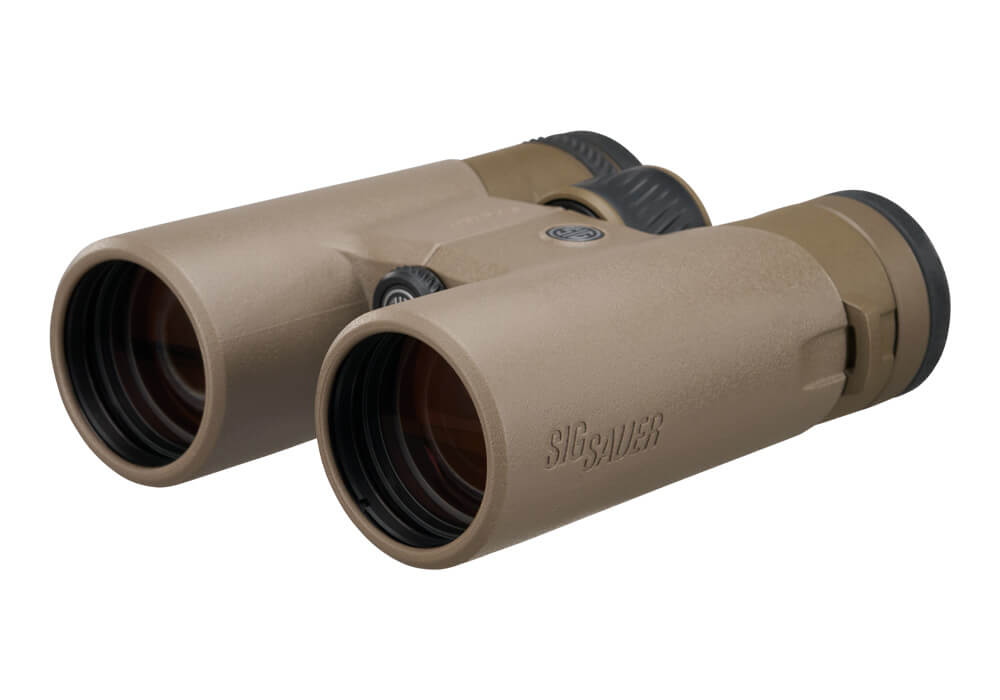
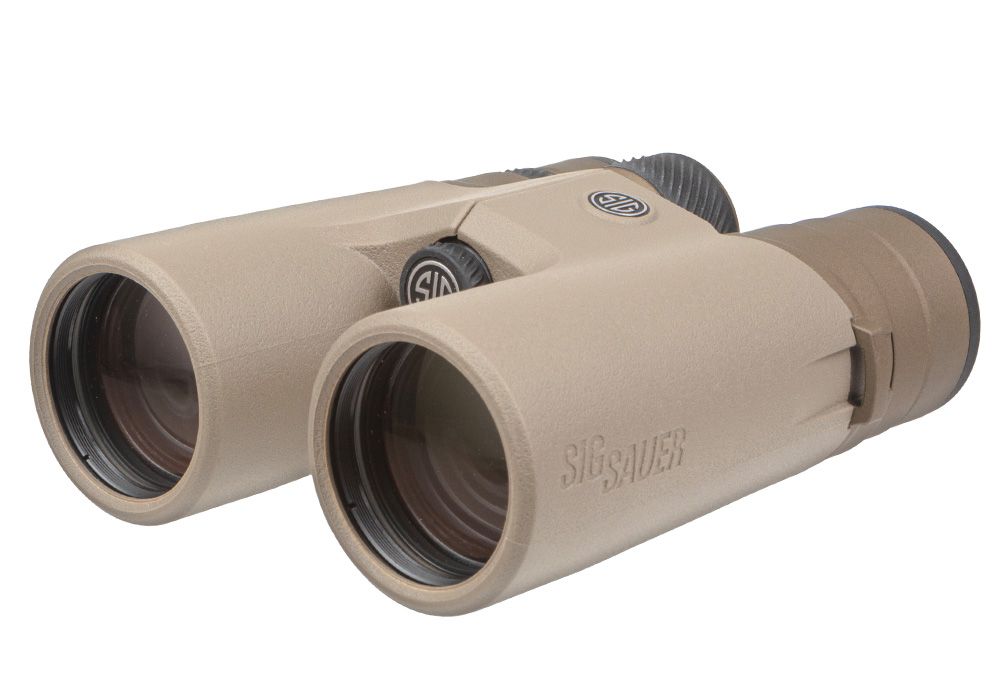
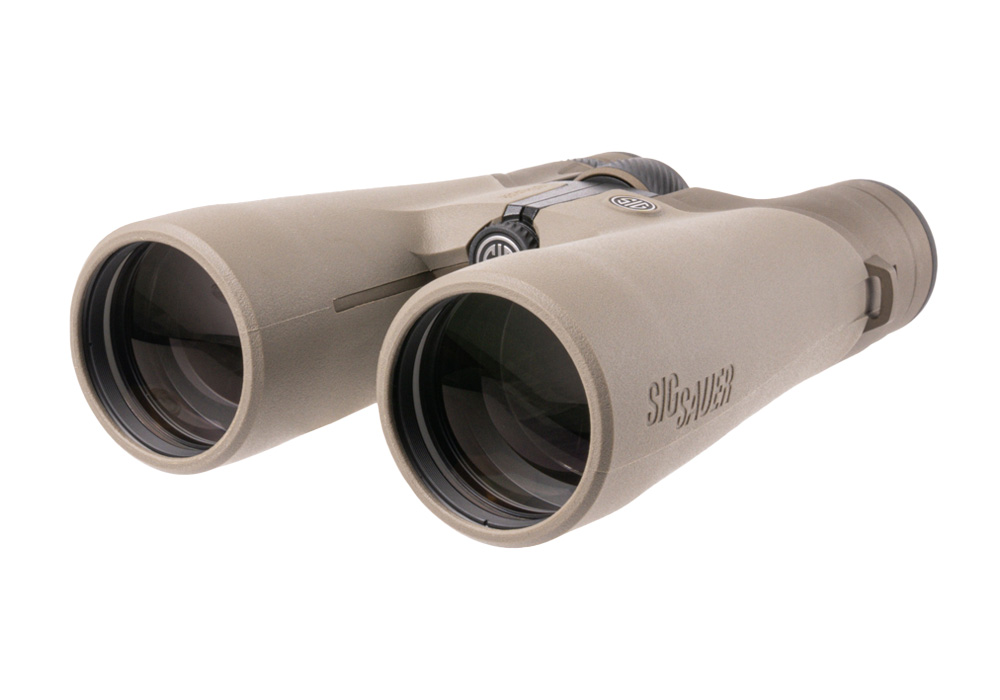
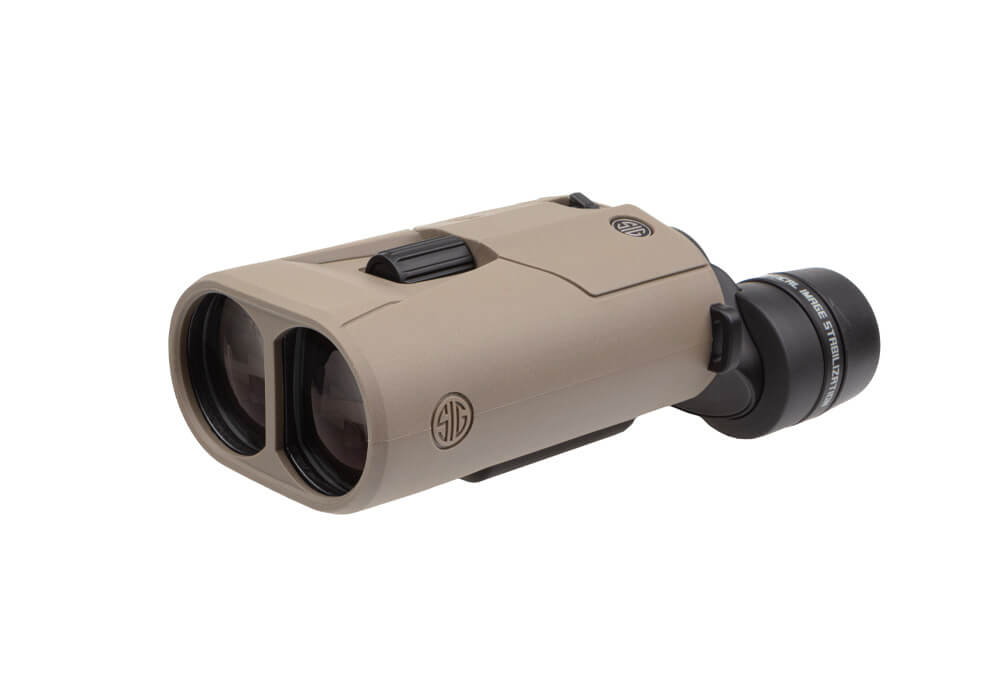
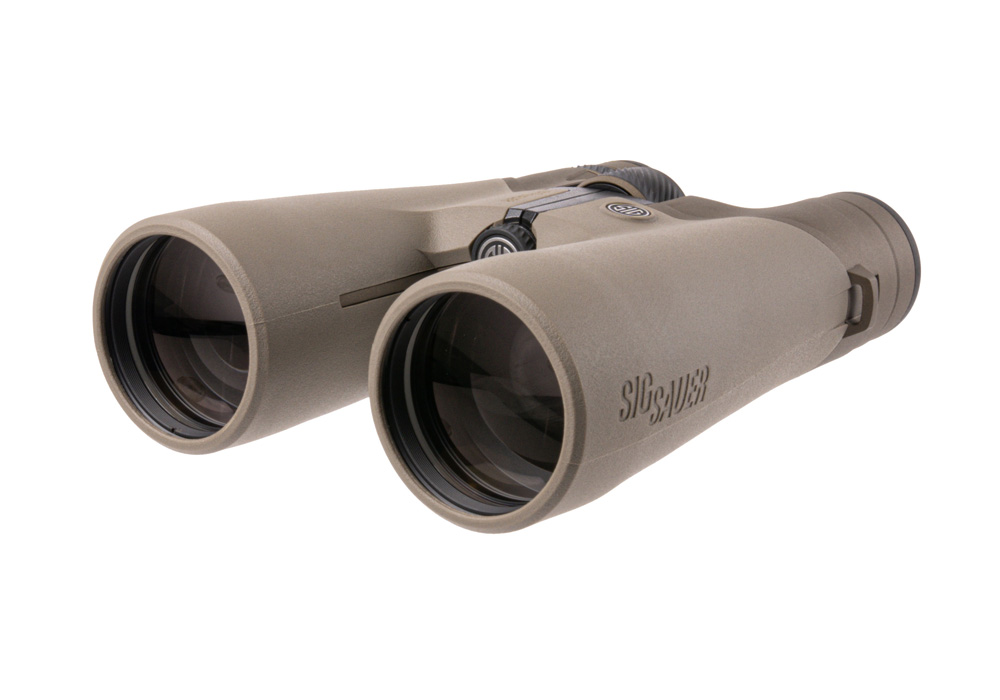
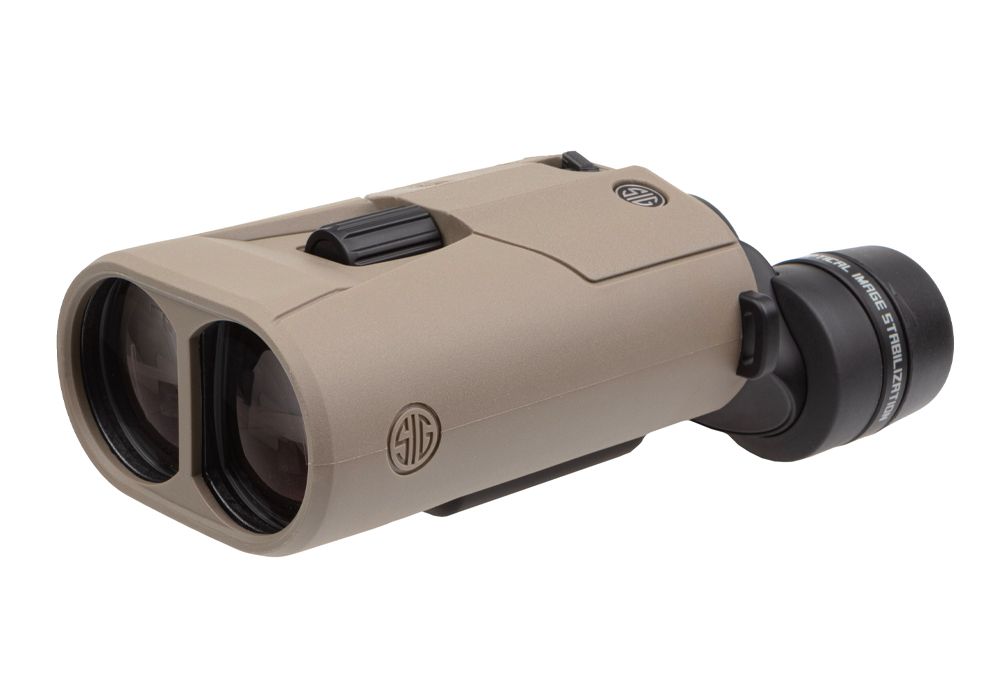
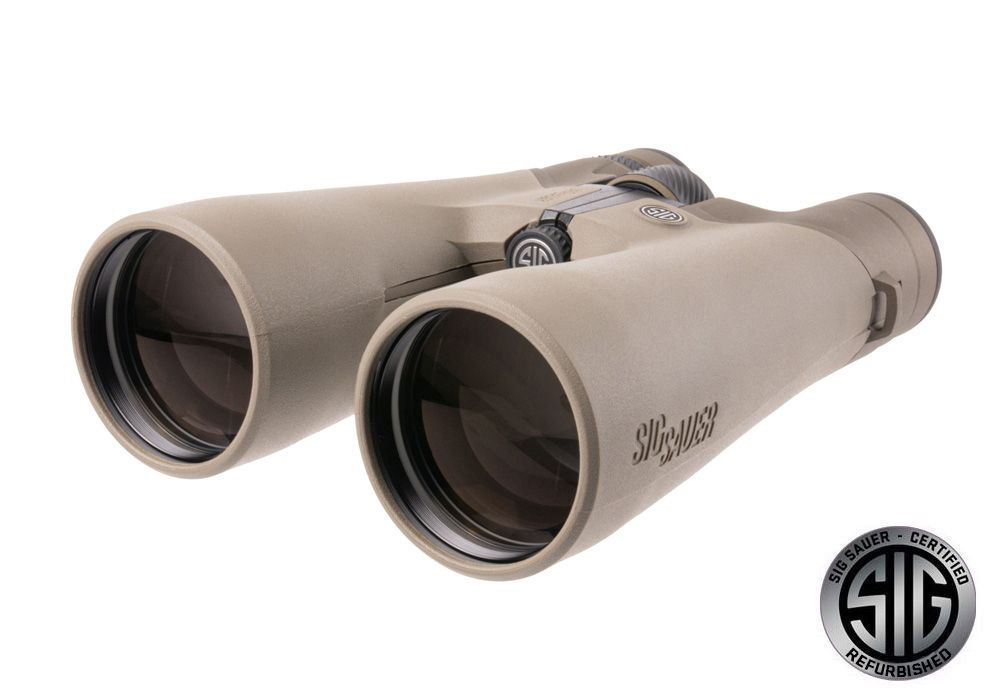
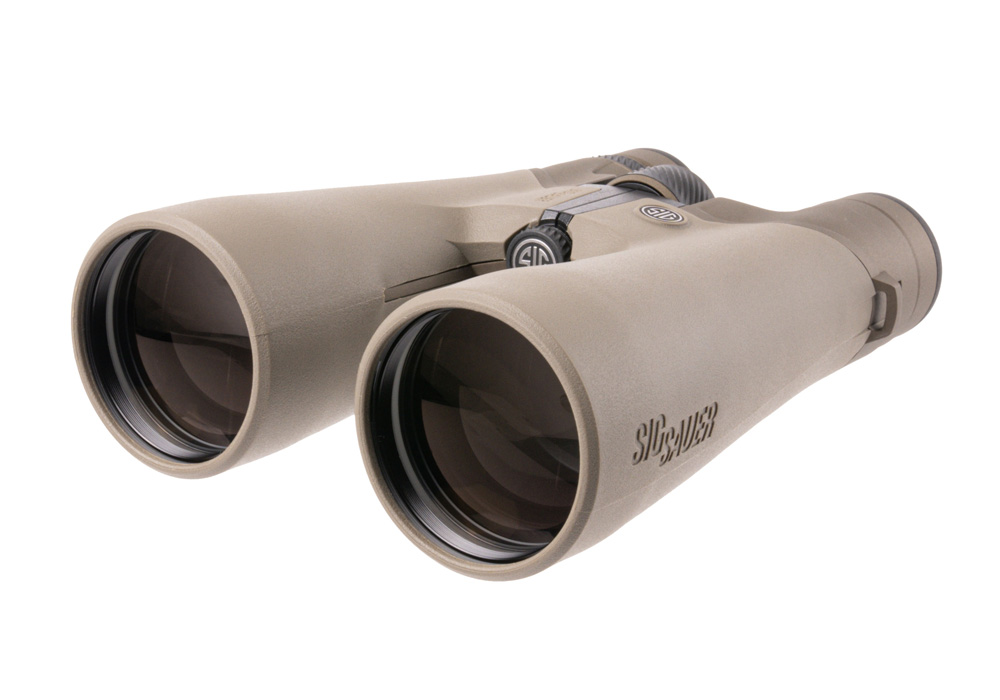
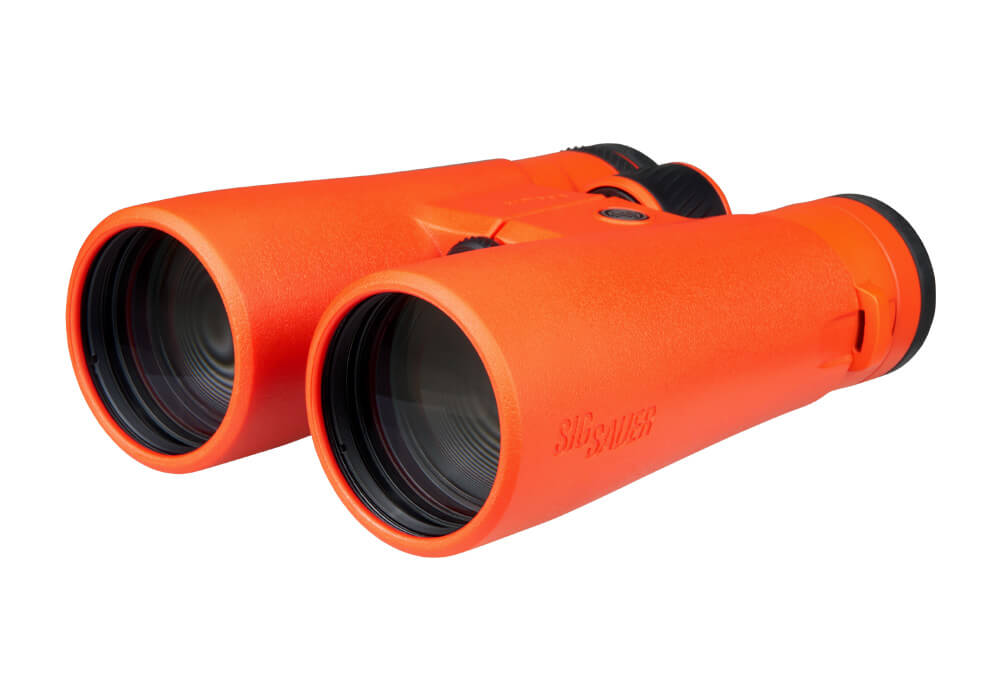
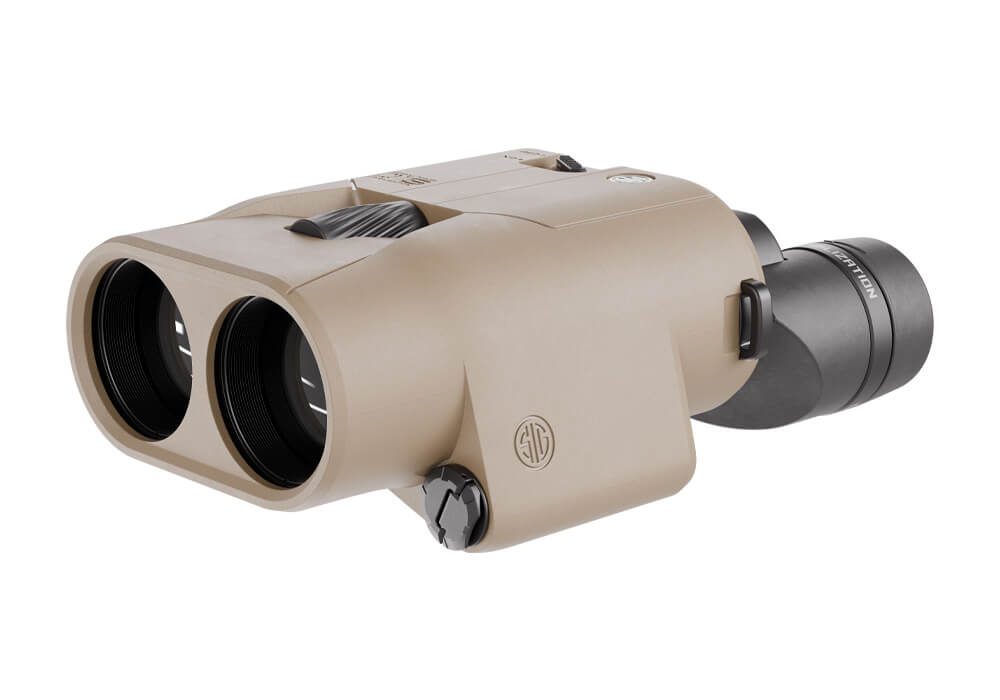
10x binoculars provide ten-power magnification, making distant subjects appear approximately ten times closer than they do to the unaided eye. That level of reach suits birdwatching, hunting, wildlife observation, and watching activity across open spaces, where fine details can be difficult to distinguish without optical assistance. A bird’s wing markings, the outline of an animal near a tree line, or a player’s movement across a distant field can become easier to recognize through a clear, steady view. The number following the magnification describes the objective lens diameter in millimeters: a 10x42 configuration combines ten-power magnification with 42 mm front lenses, while a 10x25 configuration uses smaller 25 mm lenses. Objective size influences the balance between light gathering, overall dimensions, and carrying weight, but it does not change the stated magnification. Larger objectives can support a brighter view in dim light, although lens quality, coatings, and the observer’s eyes also affect the result. Smaller objectives favor portability, particularly when binoculars need to fit alongside other essentials rather than occupy a dedicated compartment. For hunters studying terrain, birders checking distant movement, and travelers observing landmarks, 10x magnification offers useful detail without requiring the bulk associated with much higher-power optics. The tradeoff is that hand movement becomes more noticeable as magnification increases, and locating a moving subject can require more care than with a lower-power binocular. Field of view, commonly expressed as the width visible at 1,000 yards, helps describe how much of a scene fits within the image. A wider view can make it easier to follow a bird moving between branches or keep track of action along a sideline. Close-focus distance matters at the other end of the viewing range, especially for observing butterflies, nearby birds, or details along a trail. These characteristics give binoculars with the same 10x designation different strengths, even before differences in size and construction enter the picture.
Optical quality and personal fit determine how comfortable that magnification feels over a full outing. Lens coatings help reduce reflections at glass surfaces, supporting light transmission and contrast, while optical design influences sharpness, color accuracy, and the visibility of fine edges. Extra-low-dispersion glass, where specified, can help control color fringing around high-contrast subjects, such as a dark branch against a bright sky. Roof-prism designs typically offer a streamlined shape, while other prism arrangements can produce a broader body; neither shape alone establishes image quality. The complete optical system matters more than a single specification. For extended observation, the image should feel easy to settle into, with a clearly defined subject and comfortable alignment between both eyes. Interpupillary adjustment allows the barrels to match the distance between the viewer’s eyes, helping the two images merge into one circular view. Eyecups establish the distance between the eyes and the eyepieces, and adjustable designs can accommodate different viewing preferences. People who wear eyeglasses often benefit from generous eye relief and eyecups that retract far enough to reveal the full field, although the best fit also depends on the glasses themselves. A diopter adjustment compensates for differences between the eyes, while the main focus control brings subjects at varying distances into focus. Smooth focus travel is particularly useful when attention shifts from a nearby fence line to an animal farther across a clearing. Grip shape, hinge resistance, and the position of the focus wheel also influence comfort, especially when binoculars are raised repeatedly throughout the day. Exit pupil adds another useful point of comparison: dividing objective diameter by magnification gives a 4.2 mm exit pupil for 10x42 binoculars and a 2.5 mm exit pupil for 10x25 binoculars. A larger exit pupil can allow more forgiving eye placement and support viewing in dim conditions, while a smaller configuration may be easier to carry. Comfortable fit keeps those optical differences meaningful in practical use.
Construction, protection, and routine care help binoculars remain dependable companions rather than equipment that stays behind. Depending on the design, housings may use aluminum, magnesium, or reinforced polymer, each contributing differently to weight, rigidity, and handling. Rubber armoring can improve grip and provide a protective outer surface, but it does not replace careful handling or establish a waterproof rating. Where water resistance matters, the stated sealing specifications are more informative than appearance alone. Internal gas purging can help limit fogging inside sealed optics; it does not prevent fingerprints, moisture, or dirt from collecting on exterior lenses. Protective caps and a suitable case help keep glass surfaces clean during transport, while a comfortable strap or harness keeps binoculars accessible without leaving them loose against other gear. A harness can distribute weight across the shoulders and hold the binoculars closer to the body during a walk. For long periods of observation from one position, a compatible tripod attachment can steady the image and make small details easier to examine, provided the binoculars support that mounting option. When space is the main concern, Compact Binoculars offer a related category worth considering for a daypack, travel bag, or smaller carrying setup. Lens care is straightforward but benefits from patience: loose grit should be cleared before wiping, and cleaning materials should be intended for coated optics. A clean lens cloth, appropriate lens solution, and storage in a dry, protected place help preserve the viewing surfaces. Binoculars also make a thoughtful gift for someone who spends time identifying birds, watching wildlife, attending outdoor sporting events, or exploring scenic overlooks. For a recipient who wears glasses or carries equipment over long distances, eye relief, weight, and carrying comfort can be more consequential than an impressive specification alone. The most useful 10x binoculars bring distant detail into view while fitting naturally into the way someone observes, travels, and spends time outdoors.