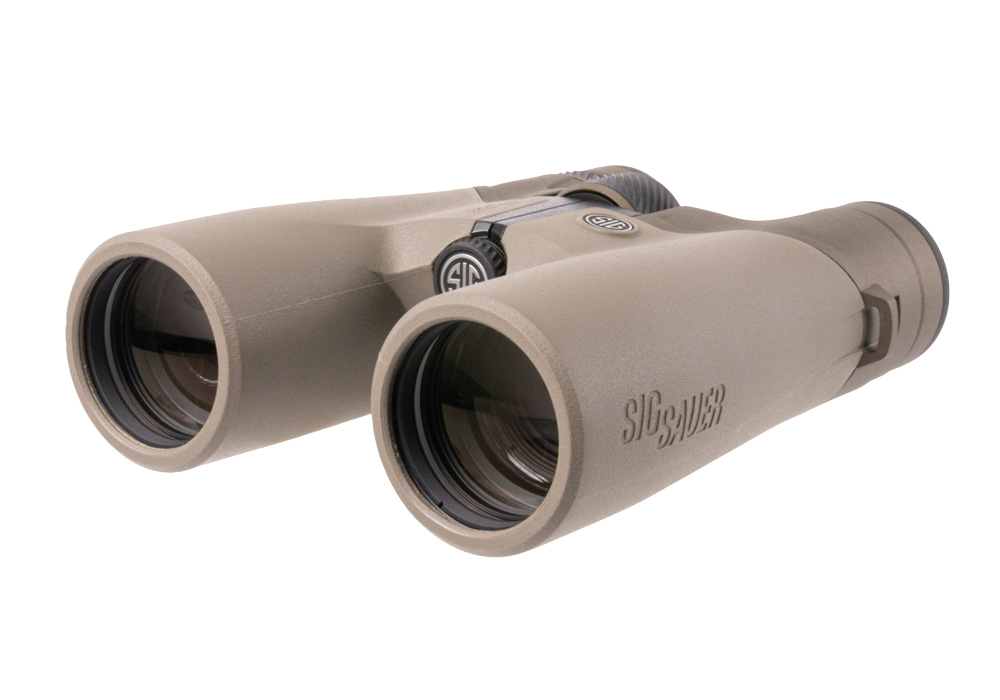
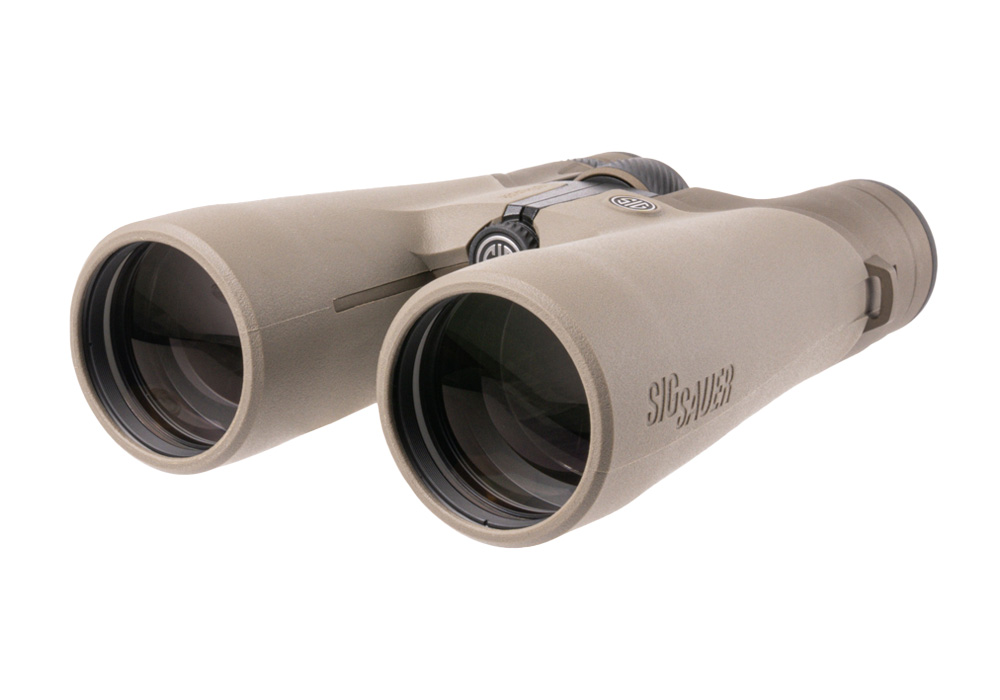
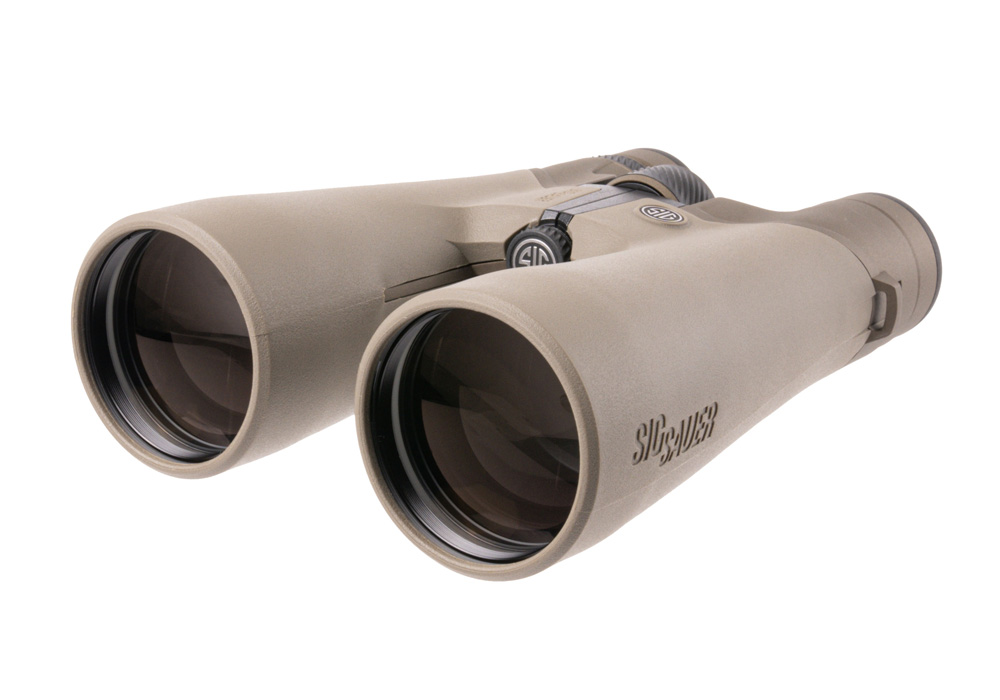
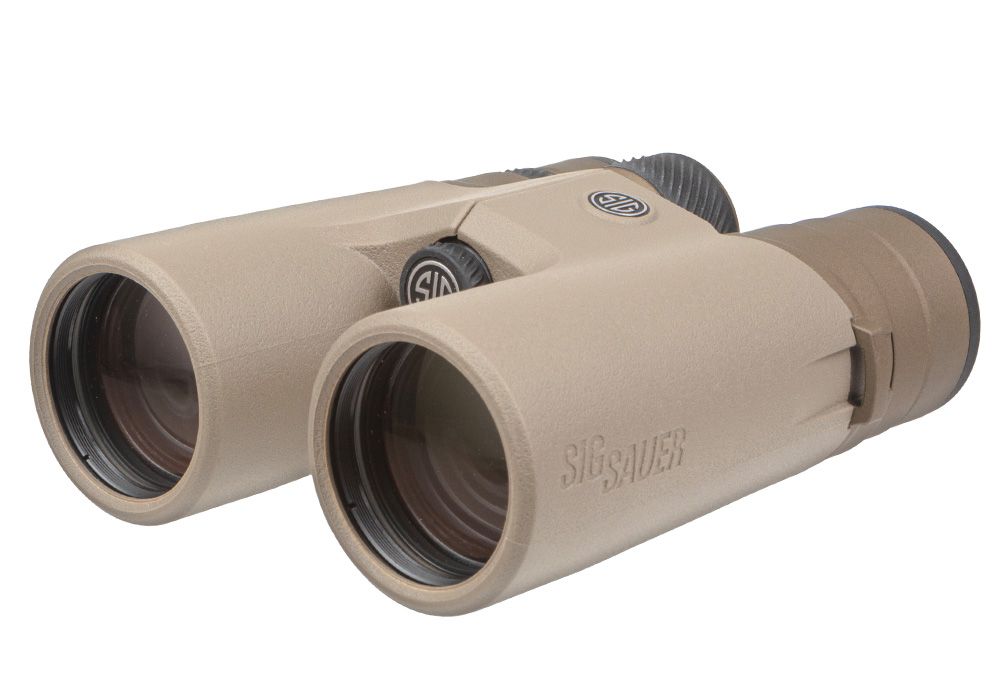
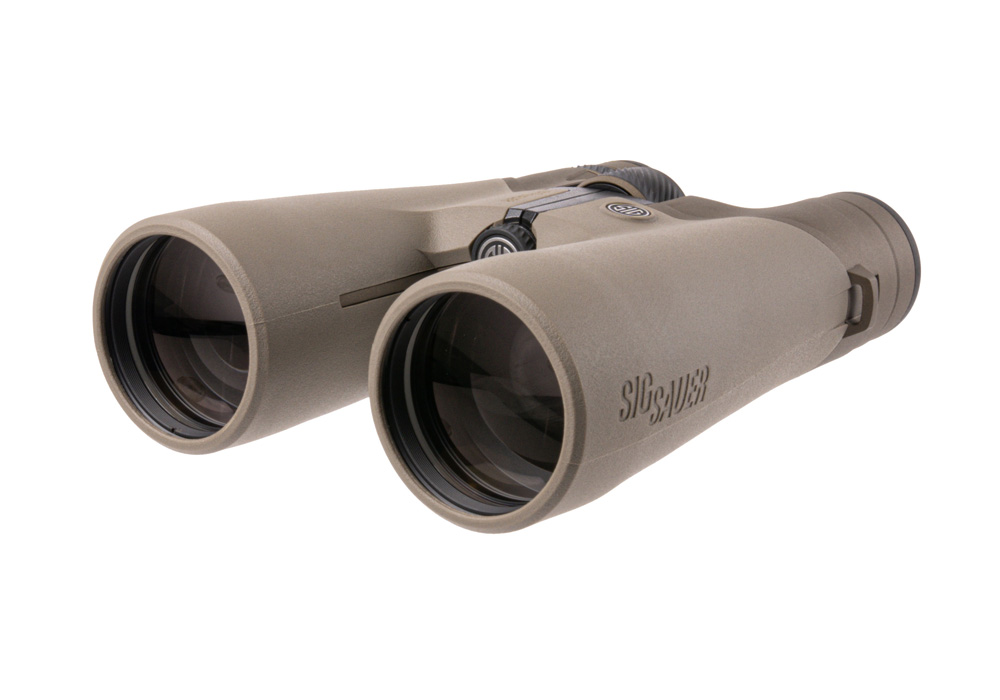
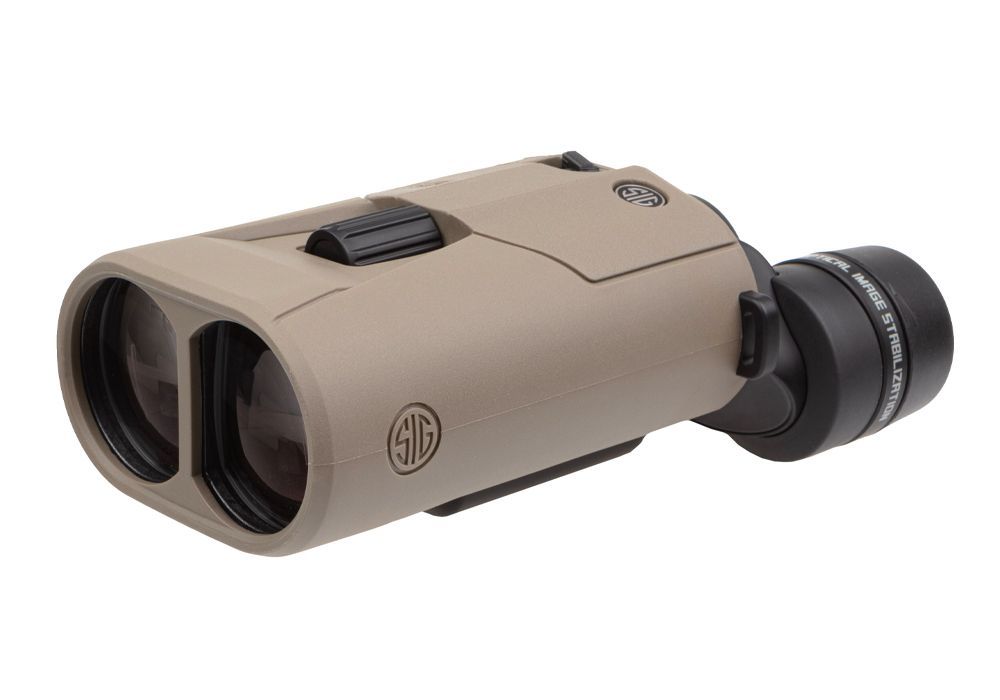
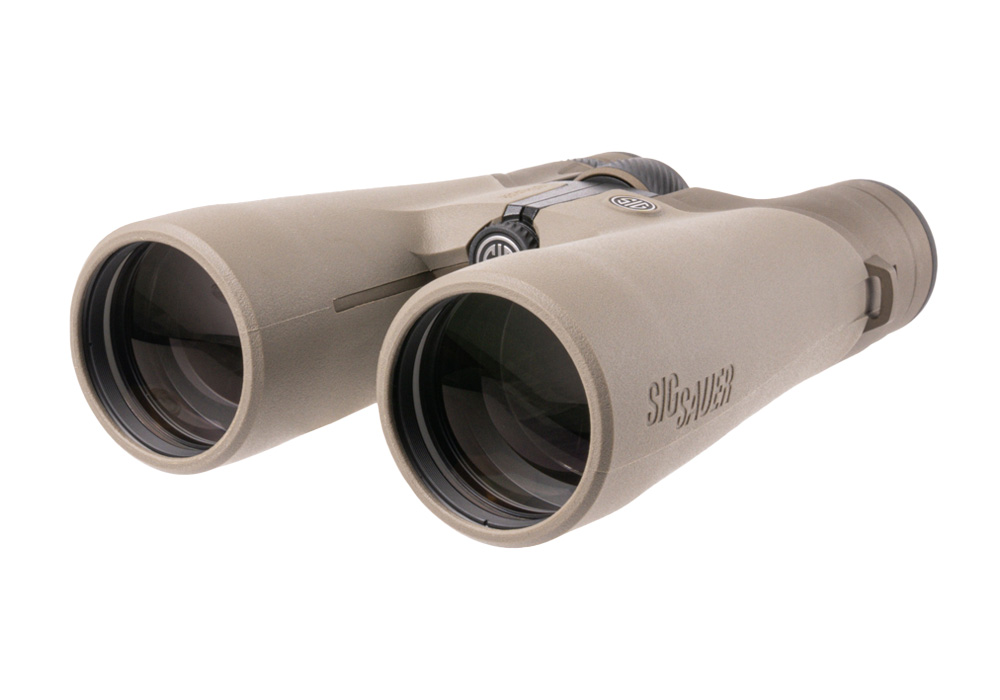
Binoculars for eyeglass wearers combine generous eye relief with adjustable eyecups, allowing glasses to stay on while the viewing area remains comfortably visible. Eye relief is the distance between the eyepiece lens and the position where the eye can see the full image. As a general starting point, 15–17 mm may work for some eyeglass wearers, while 18–20 mm or more often provides additional room for glasses. Those measurements are useful for comparison, but the best fit also depends on frame shape, lens thickness, and how far the glasses sit from the eyes. Recessed eyepiece lenses can reduce the usable space, so a published specification does not tell the entire story. Twist-up eyecups that retract, or flexible eyecups that fold down, help bring prescription lenses closer to the eyepieces without requiring glasses to be removed. With a comfortable fit, the scene appears as a complete circle rather than a narrow view surrounded by a thick dark border. Incorrect eye position can also create black crescents or brief blackouts, especially when the binoculars shift during handheld viewing. Adjustable spacing between the barrels helps align both eyepieces with the eyes, while a smooth central focus wheel keeps attention on a moving bird or an animal crossing an opening. A diopter adjustment balances focus between the eyes within its adjustment range; it does not replace every kind of prescription correction. In particular, ordinary binocular focusing does not correct astigmatism, making comfortable use with glasses especially valuable for people who rely on that correction. Keeping glasses on also makes it easier to move between a magnified view and the surroundings without repeatedly handling frames. On a trail, that might mean watching a woodpecker work along a trunk, then immediately checking a trail marker or looking toward a companion. At a sporting event, it allows an easy transition from following action through the binoculars to reading a program or looking across the stands. These small conveniences contribute to a more relaxed experience over repeated viewing sessions.
Optical performance matters alongside eyeglass compatibility, particularly when the subject rarely stays still. Moderate magnification can offer a reassuringly steady view, with 8x binoculars often providing a useful balance of detail, viewing width, and handheld comfort. A 10x configuration brings distant subjects closer but also magnifies hand movement and may require more careful positioning. Neither magnification guarantees generous eye relief; that measurement remains a separate consideration. Objective lens diameter influences the overall size and weight of the binoculars, as well as the light available to the optical system. Compact designs are convenient for a daypack or a walk through a nature preserve, while larger objectives can support a brighter image in subdued light when other optical factors are comparable. Image brightness also depends on magnification, coatings, optical quality, and the viewer’s own pupils, rather than lens diameter alone. For someone tracking a songbird through tangled branches, a useful field of view makes finding and following the subject less demanding. Eyeglass wearers benefit most when that viewing width remains accessible with their glasses in place. Fully multicoated lenses help reduce reflections at treated air-to-glass surfaces and support light transmission, while well-controlled color fringing can make fine edges easier to distinguish against bright backgrounds. Sharpness across the image, natural-looking color, and easy focus adjustment all contribute to identifying plumage, studying distant terrain, or following a player across a field. Handling can be just as noticeable as the view itself. A balanced body, secure grip, and focus wheel that turns predictably are valuable during prolonged observation. Aluminum, magnesium, and reinforced polymer housings offer different combinations of weight and rigidity, while protective exterior armor can improve grip and help cushion minor bumps. Compact roof-prism designs often suit streamlined carrying, although prism layout alone does not establish optical quality or comfort. The most satisfying pairing brings together a clear image, stable handling, and an eyepiece arrangement that works naturally with the wearer’s frames.
Durability and straightforward care help preserve that comfortable viewing experience. Sealed construction can help protect internal optics from dust and moisture, although any water-resistance claim should be understood according to its stated rating rather than treated as permission for unrestricted exposure. External lens surfaces still need protection from grit, fingerprints, and repeated contact with dirty fabric. Lens caps and a protective case reduce unnecessary exposure between outings, and a neck strap or binocular harness keeps the instrument accessible without occupying both hands. A harness can also distribute weight across the shoulders during longer walks or extended observation. For glasses, gentle positioning is preferable to pressing the eyecups firmly against the lenses; excess pressure can shift frames and make a consistent viewing position harder to maintain. Clean eyecup rims help limit the transfer of dust and skin oils to prescription lenses. Optical care generally begins with removing loose particles using an appropriate blower or soft lens brush before wiping, since rubbing grit across a surface can scratch a lens or damage its coatings. A clean microfiber cloth and cleaning solution suitable for the lens coatings can address remaining marks, following the equipment’s care directions. Binoculars should be dry before being enclosed for storage, with eyecups and adjustment mechanisms kept free of debris. These practical details matter whether the binoculars accompany a dedicated birder, a hunter studying distant terrain, a traveler watching wildlife, or a spectator following action from the stands. They also make fit an important consideration when choosing a gift. Someone who wears glasses throughout the day may appreciate long eye relief and adjustable eyecups more than extra magnification, particularly if the binoculars will be used frequently rather than occasionally. When considering binoculars for adults as a gift or a personal purchase, the strongest match reflects the wearer’s prescription eyewear, preferred activities, carrying habits, and comfort over time.