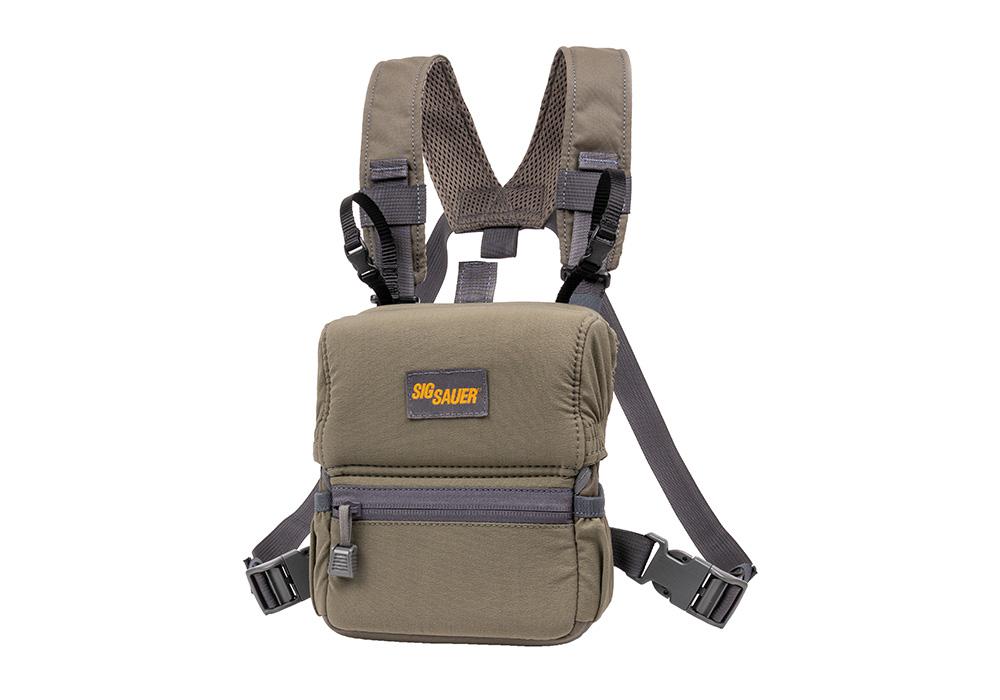
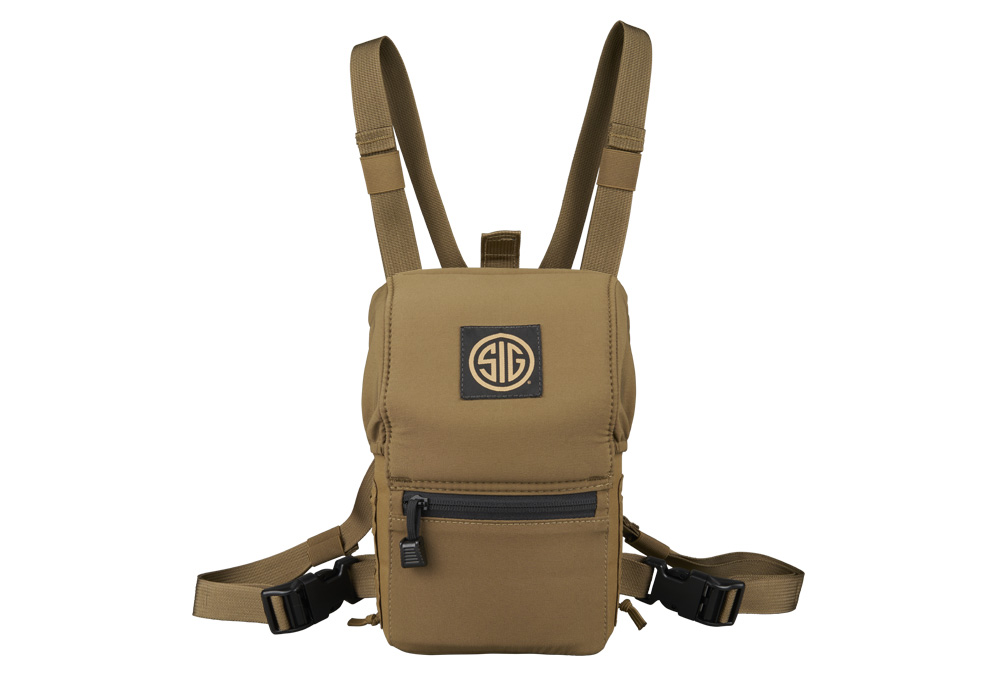
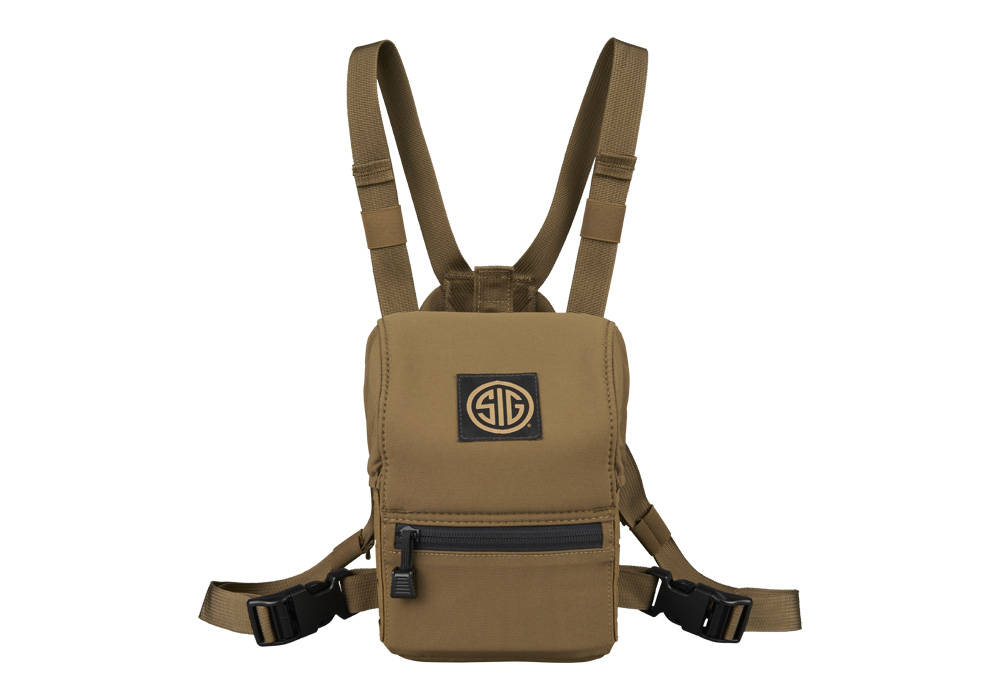
Binocular accessories support three everyday priorities: comfortable carrying, protection for optical surfaces, and a steadier view. Harnesses, straps, cases, lens covers, mounting adapters, and cleaning supplies each address a different part of using and caring for binoculars. For a birder following movement along a wooded trail, a harness can keep the binoculars close to the chest while spreading their weight across the shoulders rather than concentrating it at the neck. A hunter moving between observation points may value the same secure fit, especially when bending, climbing, or carrying other equipment. Harness adjustment matters as much as padding: the binoculars should sit within easy reach without swinging freely or requiring an awkward pull to reach eye level. Broad straps can distribute pressure, while low-profile webbing may fit more comfortably beneath a backpack. Attachment loops, buckles, and connection points should match the binoculars and remain clear of the focusing controls. Chest packs add a protective enclosure and can keep a cleaning cloth or lens covers close at hand, depending on their layout. Interior dimensions deserve particular attention because binoculars with similar magnification can have very different body shapes, objective lens sizes, and eyecup profiles. A snug enclosure should hold the instrument securely without pressing against controls or forcing the hinge out of its preferred position. Soft lining helps limit abrasion, while structured panels provide a buffer against contact with nearby gear. Woven nylon and polyester are common choices for carry accessories because they balance weight with resistance to everyday abrasion; reinforced stitching and secure hardware are equally important to long-term durability. For travelers, wildlife watchers, and spectators, a simple strap and compact case may suit the day better than a larger chest pack. The most useful carrying arrangement is one that fits both the binoculars and the way they are used, leaving the wearer free to walk, pause, and bring the view into focus without rearranging an entire set of gear.
Protective binocular accessories help keep dust, grit, fingerprints, and contact with other equipment from interfering with the view. Objective lens caps shield the front lenses, while an eyepiece cover protects the viewing end between observations. Fit is essential: a cover that is too loose may not stay attached, while one that is too tight can be difficult to remove without shifting the binoculars. Tethered designs keep covers connected to the instrument, though their attachment points should not obstruct the hinge, focus wheel, or strap connections. Flexible rubber and similar pliable materials can conform around lens housings, while padded cases offer broader protection during transport. A case should accommodate the binoculars with their usual strap attachments and covers, with enough clearance to close without squeezing the instrument. For binoculars carried in a shared equipment bag, a separate compartment also helps prevent hard objects from rubbing against the body or lenses. Cleaning accessories serve a different but complementary purpose. A hand-operated air blower or a clean, soft optical brush can lift loose particles before a lens cloth touches the glass. Wiping grit across a coated surface can leave scratches, so removing loose debris first is an important part of routine care. A clean microfiber cloth and an optical cleaning solution approved by the binocular manufacturer can help address fingerprints and smudges; household glass cleaners and rough fabrics are not substitutes for coating-compatible supplies. Cleaning fluid should be applied according to the manufacturer's directions, with care around lens edges and seals. Cloths work best when stored in their own pouch rather than loose beside keys, snacks, or trail debris. Carry accessories need attention too: inspect webbing for fraying, check that buckles close securely, and remove accumulated grit from cases and attachment hardware. These small habits preserve the usefulness of the accessories as well as the instrument they support. For someone who regularly notices a thumbprint after sharing binoculars with a companion, a protected cleaning cloth can be every bit as practical as a more elaborate carrying system.
Stability accessories become especially useful when observation lasts longer than a quick glance. A compatible binocular tripod adapter connects the instrument to a suitable support, reducing hand-induced movement and allowing a more settled view of distant details. This can help when watching a nesting site from an appropriate distance, studying a far hillside, or sharing a fixed view with another observer. Compatibility is more involved than matching a screw size. Some binoculars have a mounting socket at the front of the center hinge, often using a 1/4-inch-20 thread, while others require a different attachment method or do not support direct mounting. Adapter clearance, binocular weight, tripod load rating, and the ability to adjust the barrels to the user's eye spacing all deserve attention. A narrow adapter may preserve hinge movement better than a bulky design, but the correct choice depends on the instrument's construction. The tripod head should support controlled positioning without allowing the binoculars to tilt unexpectedly, and its height should permit a comfortable viewing posture. Smartphone adapters address another purpose by aligning a phone camera with an eyepiece for photographs or video through the binoculars. Their fit depends on the eyepiece dimensions, phone size, camera position, and sometimes the phone case; careful alignment and stable support help keep the image centered. Eyecups and compatible side-light shields can also influence viewing comfort, particularly for people who wear glasses or notice distracting light around the eyepiece. Accessories should complement, rather than restrict, the fit and focusing features of adjustable binoculars. For gift giving, these compatibility details distinguish a thoughtful addition from an accessory that cannot attach or fit correctly. Knowing the recipient's binocular dimensions and preferred activities is more useful than choosing by appearance alone. A frequent walker may appreciate better weight distribution, a patient wildlife observer may benefit from stable support, and a traveler may prefer compact protection. Matching the accessory to a real routine keeps the emphasis on clear viewing, comfortable handling, and dependable care.