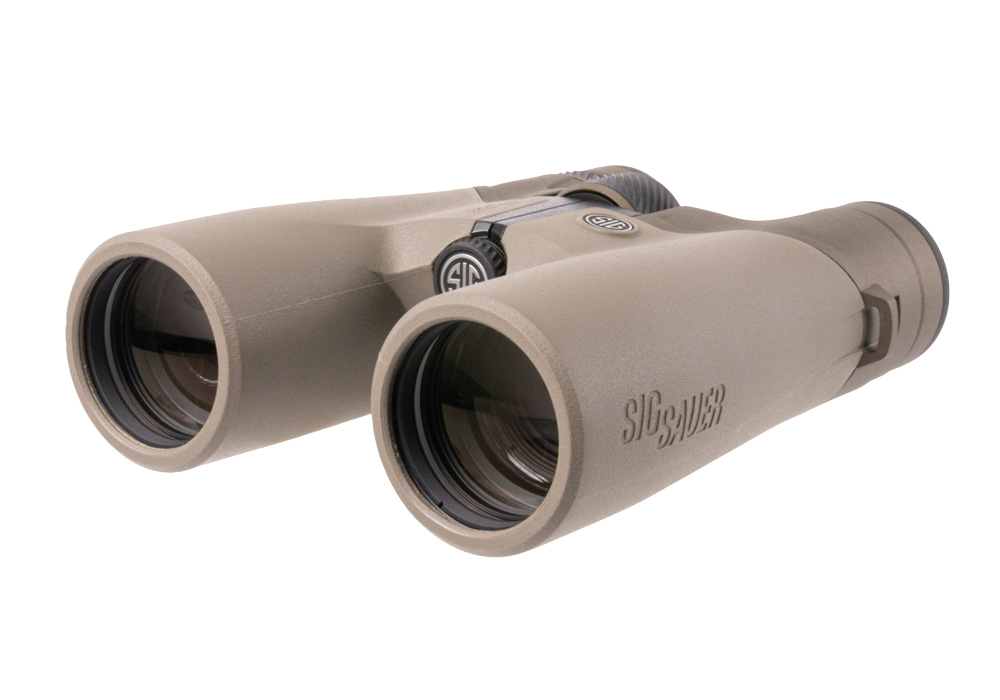
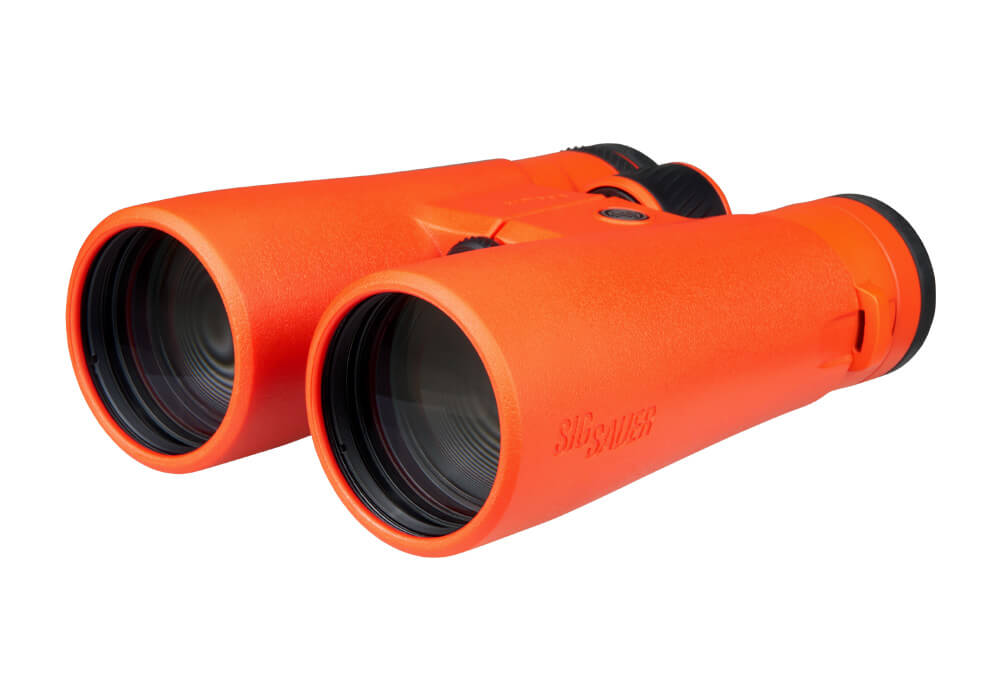
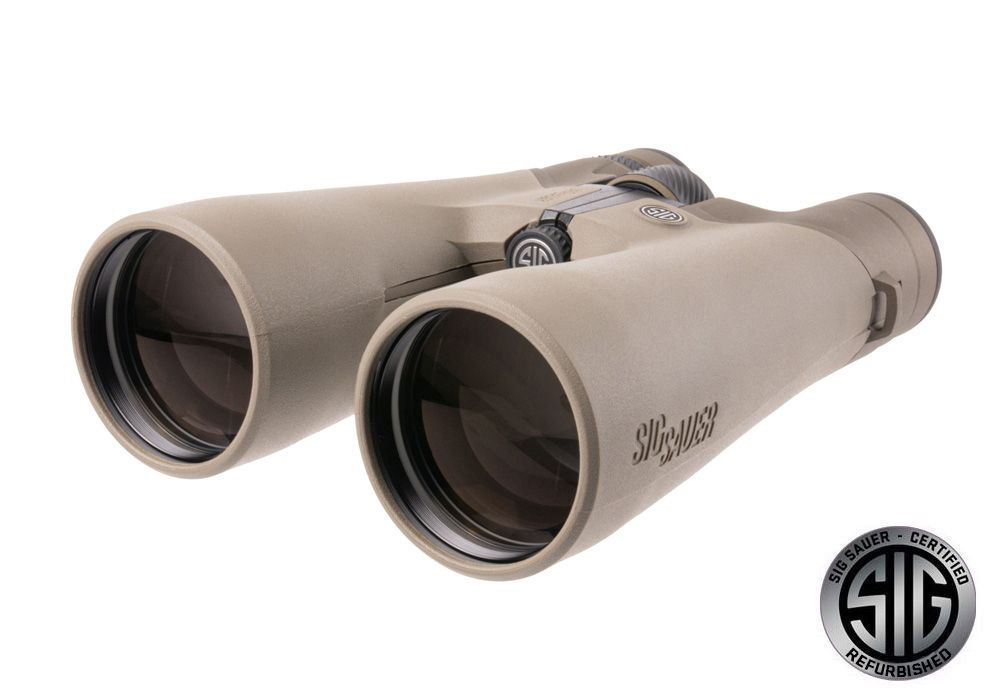
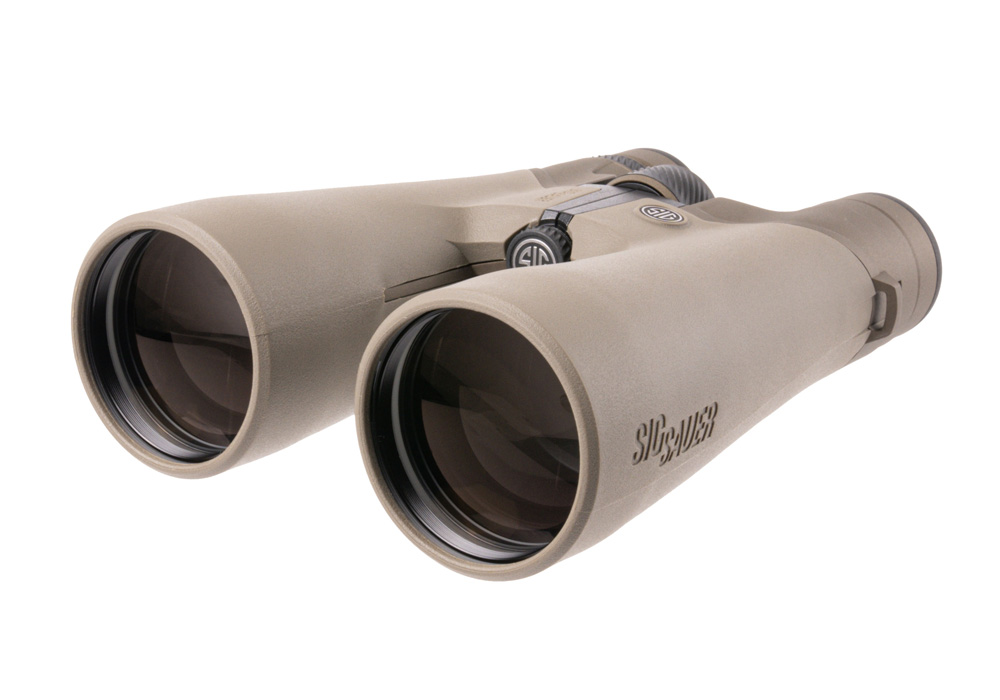
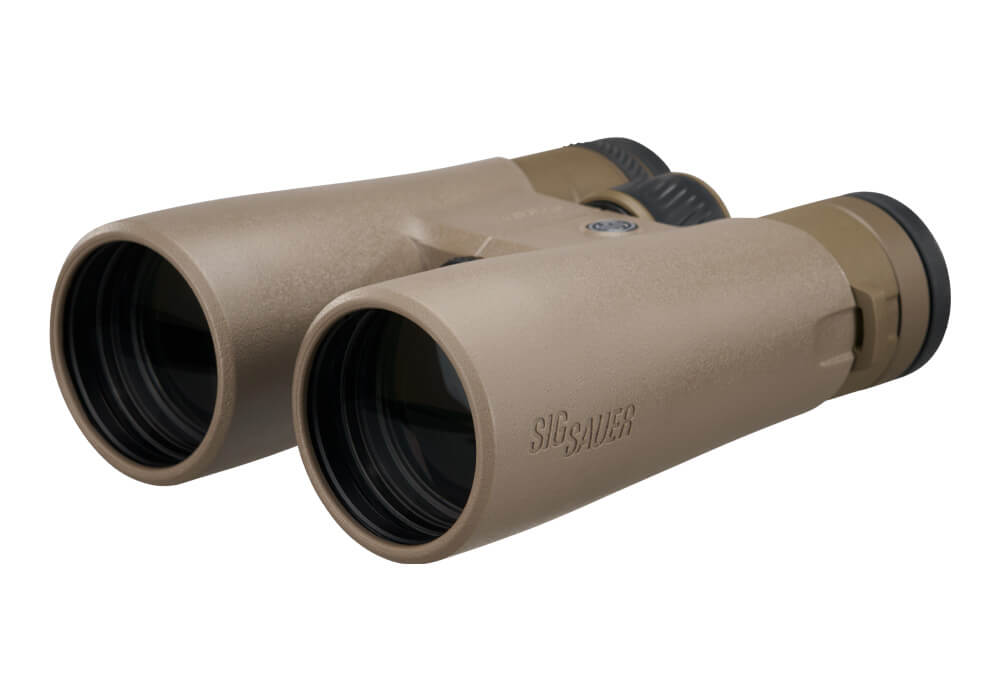
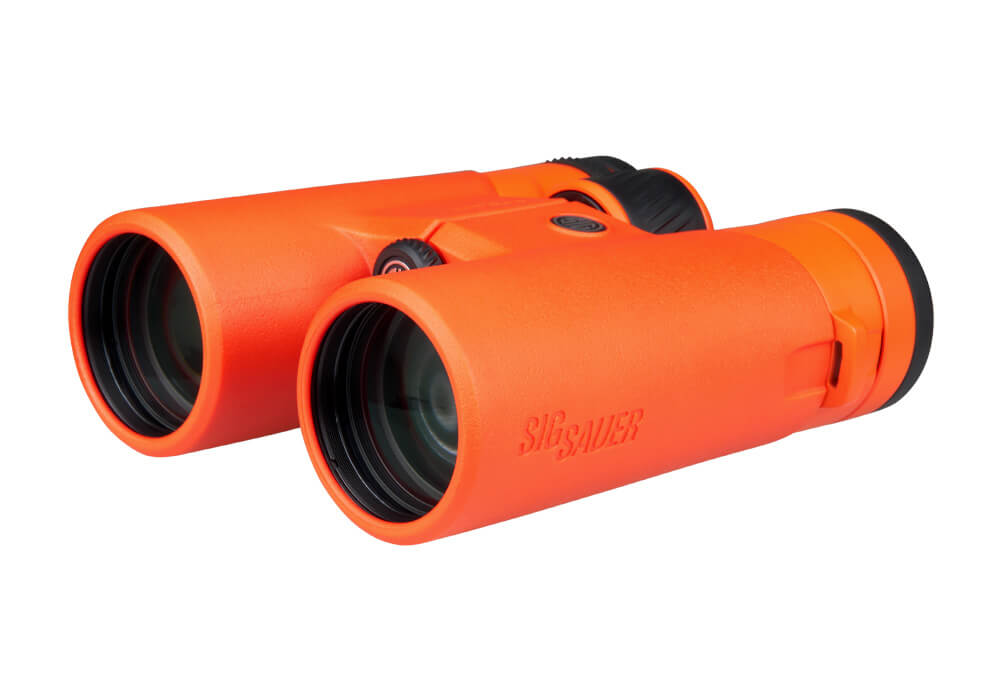
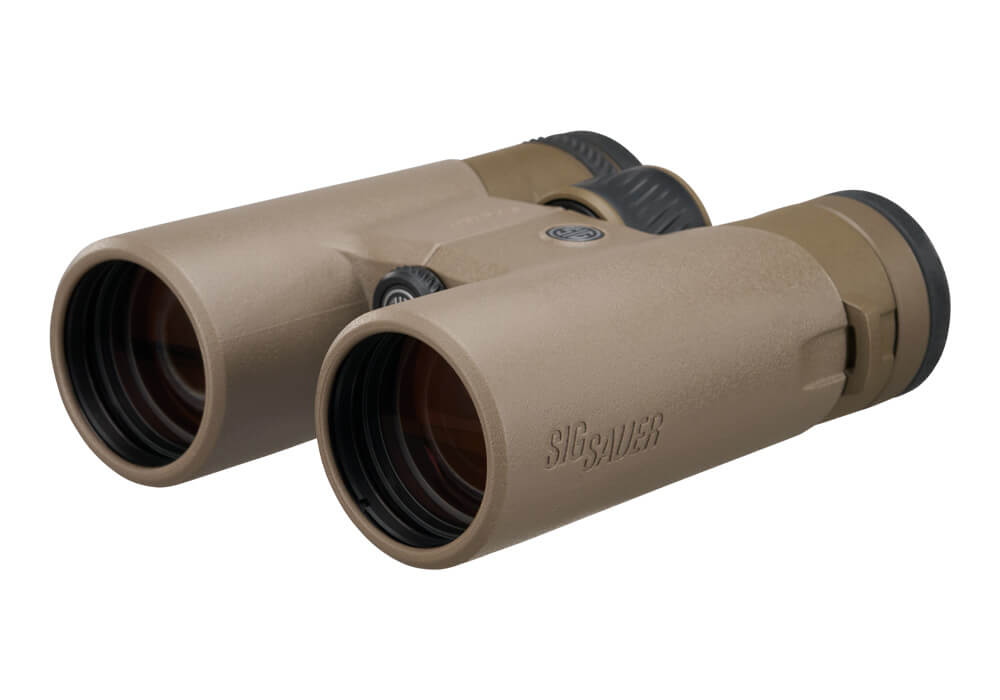
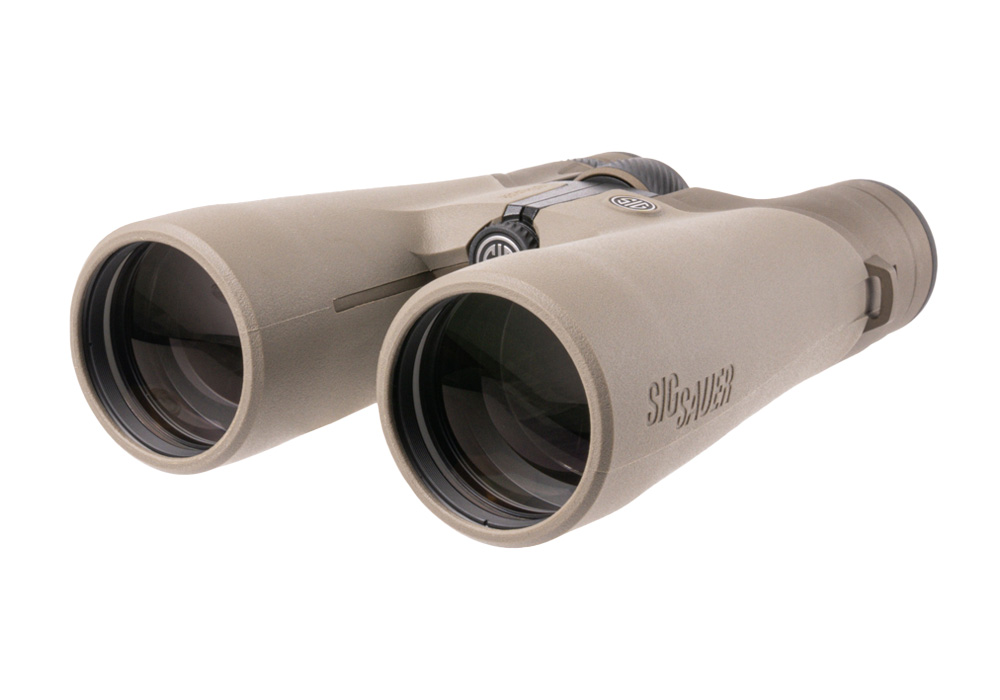
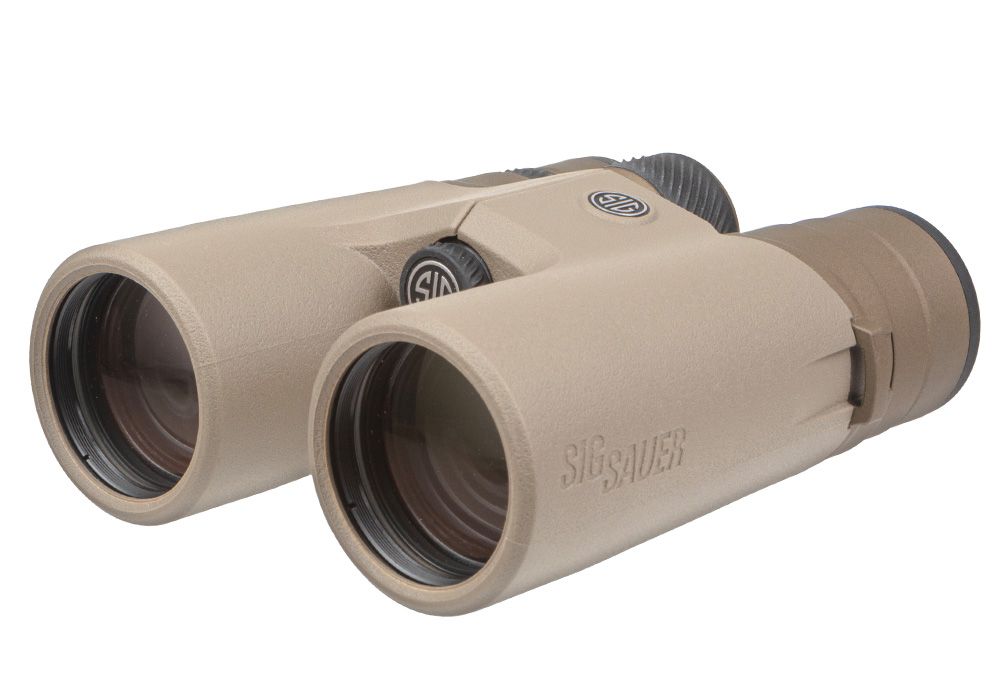
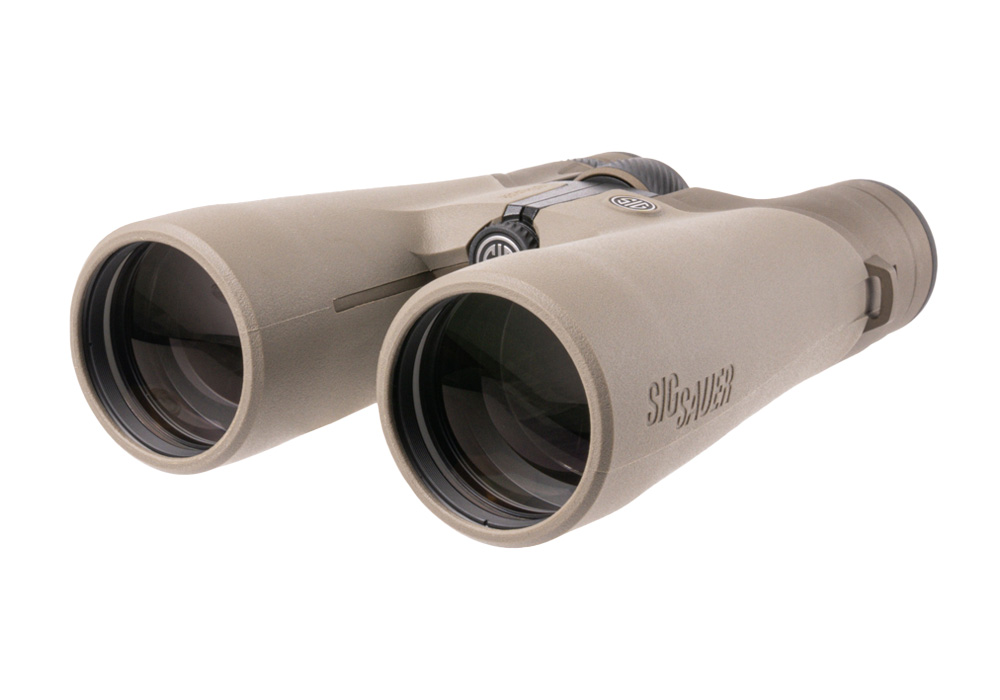
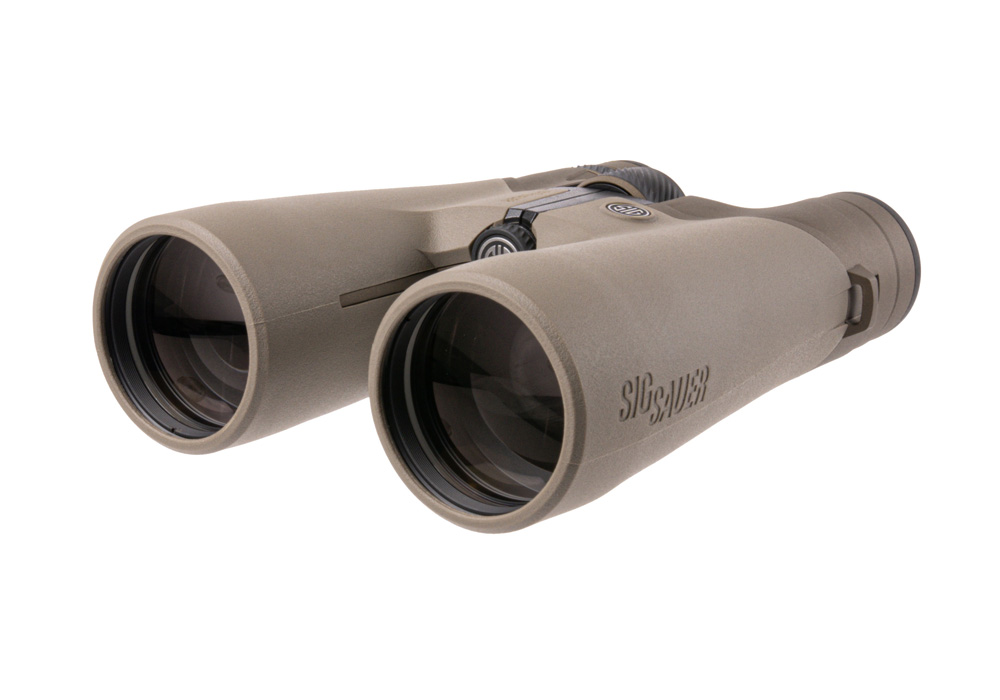
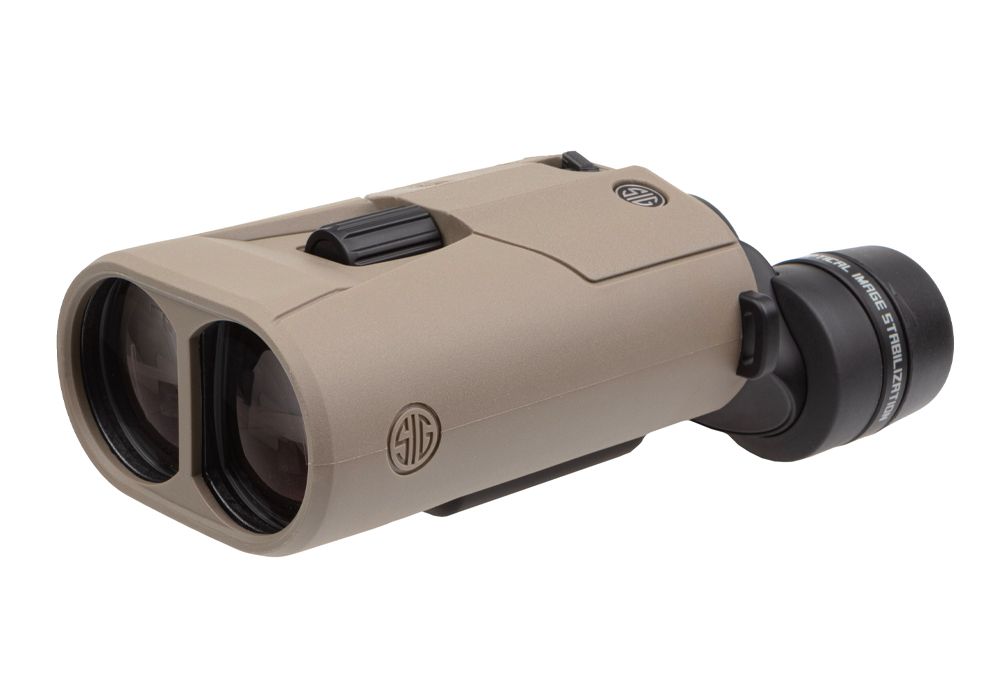
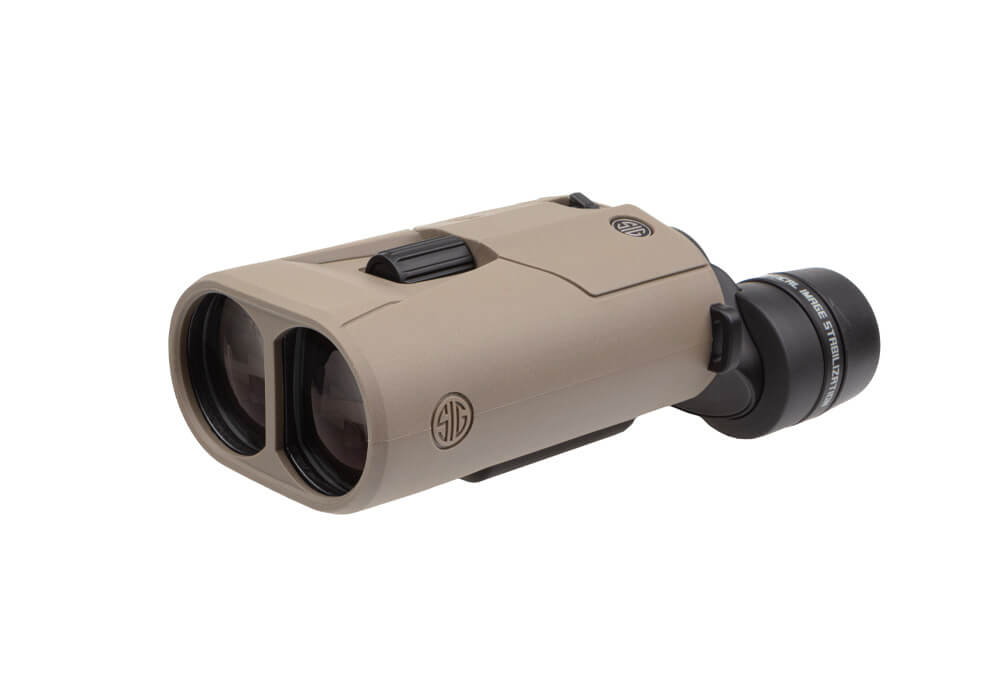
Adjustable binoculars let users tailor the view through changes to barrel spacing, focus, diopter settings, and eyecup position; some designs also offer variable magnification. These adjustments serve different purposes, and adjustable binoculars do not necessarily have zoom. Interpupillary distance is the distance between the centers of the eyes. A hinged binocular body allows the barrels to move closer together or farther apart so the eyepieces align with that spacing, creating a single, comfortable viewing circle rather than two overlapping images. This fit matters when binoculars are shared between adults or used by someone with a narrower face. On many center-focus designs, a central focus wheel sharpens the image as viewing distance changes, while a separate diopter adjustment compensates for differences in focusing between the left and right eye. Once the diopter matches the viewer’s eyes, the central wheel handles most routine focusing. A locking diopter can help preserve that setting during transport and repeated handling. Adjustable eyecups address another part of the fit: the distance between the eyes and the eyepieces. Eyeglass wearers generally benefit from retracted eyecups and sufficient eye relief, while viewers without glasses often find extended eyecups more comfortable. Eye relief describes the distance at which the full field of view remains visible, so it deserves attention alongside magnification and lens size. The most useful adjustment range is one that supports a relaxed viewing position without forcing the viewer to press against the eyepieces or continually reposition the binoculars. A smooth focus wheel, distinct eyecup stops, and a hinge that holds its position contribute to that experience. For a birder following movement through branches, a spectator watching action across a field, or a hunter studying a distant tree line, a properly fitted binocular can make observation feel more natural. These fit and focus features remain valuable even when magnification stays fixed, which is why the word “adjustable” should be understood as a description of several possible controls rather than a promise of zoom.
Magnification and objective lens diameter shape what adjustable binoculars are comfortable doing. In binocular specifications, the first number typically identifies magnification, while the second identifies the objective lens diameter in millimeters. An 8x binocular presents distant subjects at eight times their apparent size compared with unaided viewing. Higher magnification can reveal finer detail, but it also makes hand movement more noticeable and often reduces the field of view within a comparable design. Moderate magnification can be easier to hold steady while following a bird in flight or scanning a broad hillside. More powerful optics may suit deliberate observation from a supported position, especially when identifying small details at greater distances matters more than following movement. Zoom binoculars allow magnification to change within a stated range, but that flexibility brings its own considerations. Field of view, image brightness, and ease of holding the image steady can change as power increases, and refocusing may be necessary. Fixed-power binoculars offer a consistent viewing experience without a magnification control to manage. Objective lens size also affects the balance between light gathering, overall dimensions, and weight. Larger objectives can support a larger exit pupil at the same magnification, although brightness and clarity also depend on optical quality, coatings, and viewing conditions. Exit pupil is the diameter of the light beam leaving each eyepiece; it is calculated by dividing objective diameter by magnification. A generous exit pupil can make eye placement more forgiving. Field of view helps determine how much of a scene fits into the image, while close-focus distance matters when observing nearby butterflies, flowers, or birds beside a trail. Lens coatings help reduce unwanted reflections, and well-designed optics support contrast and useful detail. For stadium viewing, a broad view and manageable size may matter more than maximum power. For wildlife observation from a fixed overlook, steadiness, comfortable eyepieces, and detail recognition may take priority. Matching those characteristics to the intended activity is more useful than treating the largest magnification number as the best choice.
Materials, construction, and handling round out the practical differences among adjustable binoculars. Depending on the design, housings may use aluminum, magnesium, or reinforced polymers to balance rigidity and weight. Exterior armor can improve grip and help protect the housing during ordinary handling, but it does not replace careful storage or a secure carrying method. Compact roof-prism layouts often appeal to people who want binoculars that fit neatly into a daypack, while other prism arrangements can offer different combinations of size, handling, and optical performance. Sealed construction and internal gas filling are features worth considering for moisture control, although protection ratings and care requirements vary by design. Weight distribution matters as much as total weight: binoculars that balance comfortably between the hands can be easier to hold during a long observation session. A textured focus wheel with controlled resistance is useful when attention needs to stay on the subject rather than on finding the control. Carrying straps, harnesses, protective cases, and compatible supports can also influence everyday comfort. Options within Binocular Accessories can help support carrying, storage, or steadier viewing, with compatibility checked against the binocular’s attachment points and specifications. A tripod connection can be especially useful for extended observation or higher magnification, but not every binocular accepts the same adapter. Routine care helps preserve the optical surface and adjustment mechanisms. Loose grit should be removed before wiping lenses, and cleaning materials should be suitable for coated optics. Household cleaners, abrasive fabrics, and excessive pressure can damage delicate surfaces. Lens covers and a protective case help limit contact with dust and hard objects between uses, while the manufacturer’s care directions provide the appropriate cleaning and storage guidance. Adjustable binoculars can be a thoughtful gift for a birdwatcher, outdoor enthusiast, sports fan, or traveler who enjoys examining distant details. When choosing for someone else, a comfortable size, straightforward controls, suitable eye relief, and a useful adjustment range often have more lasting value than extra features that do not match the recipient’s interests.