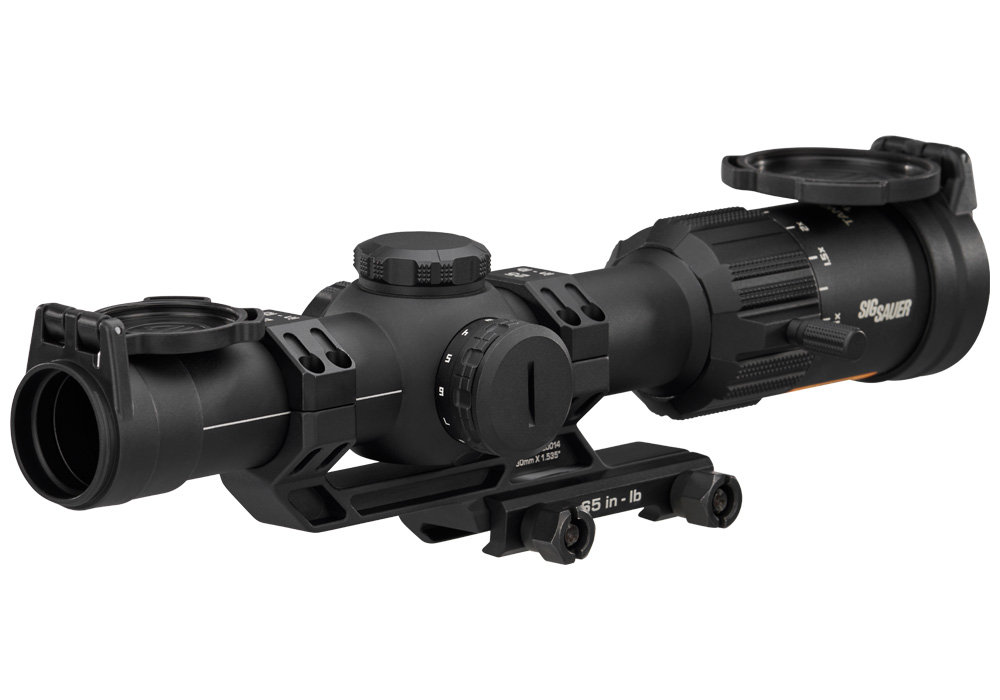
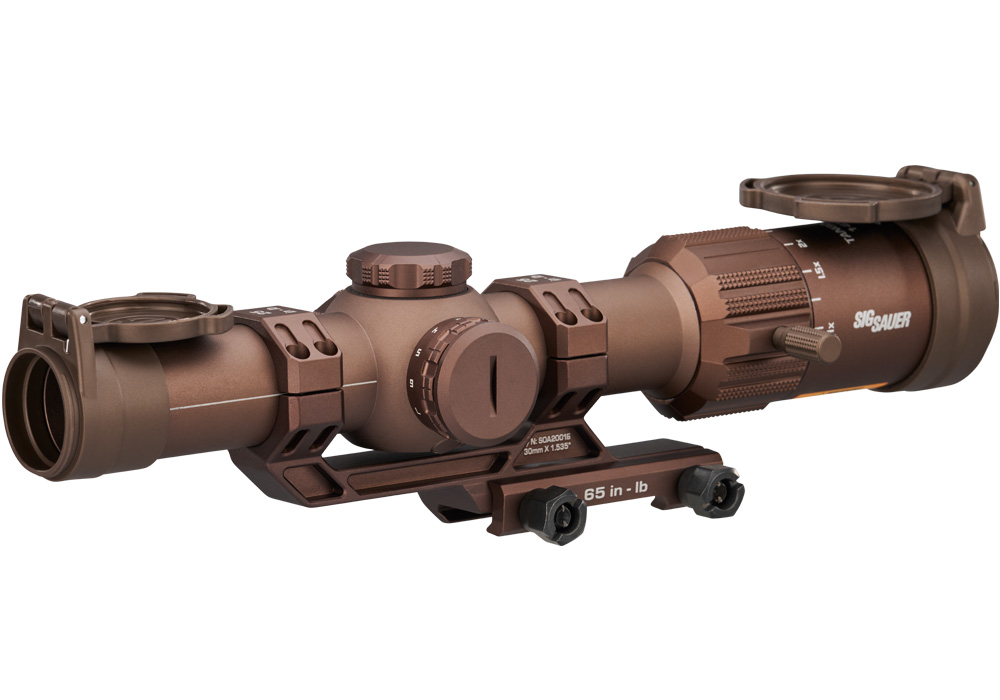
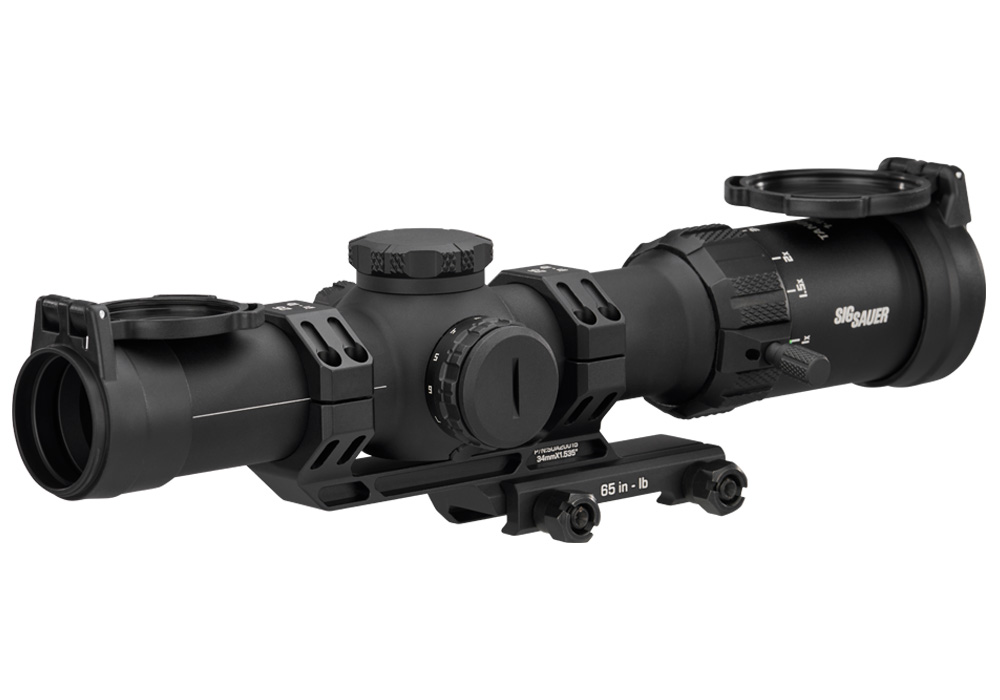
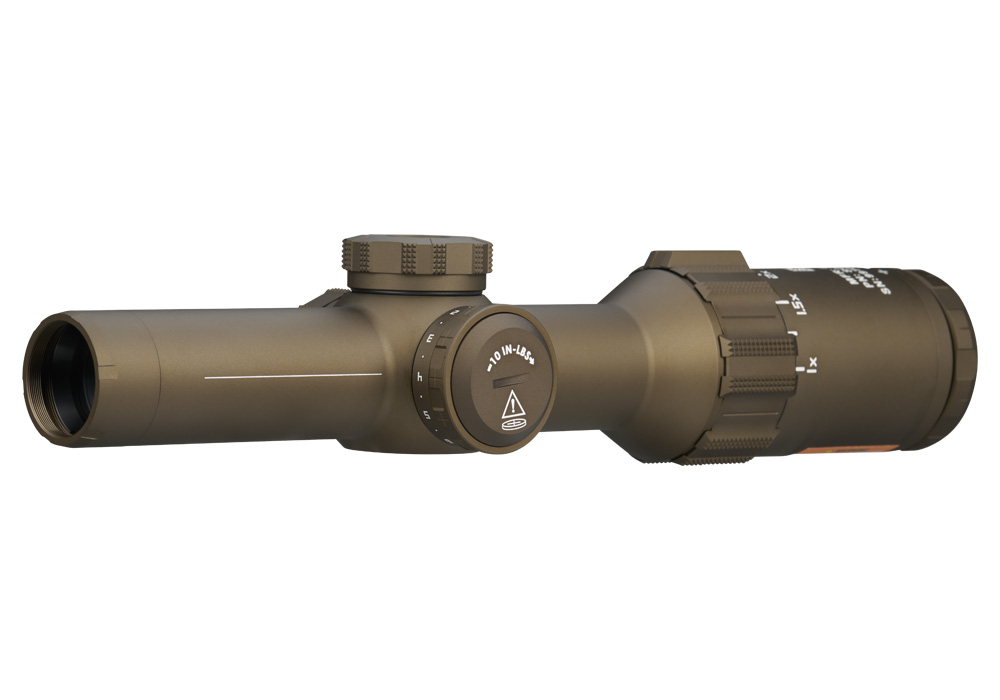
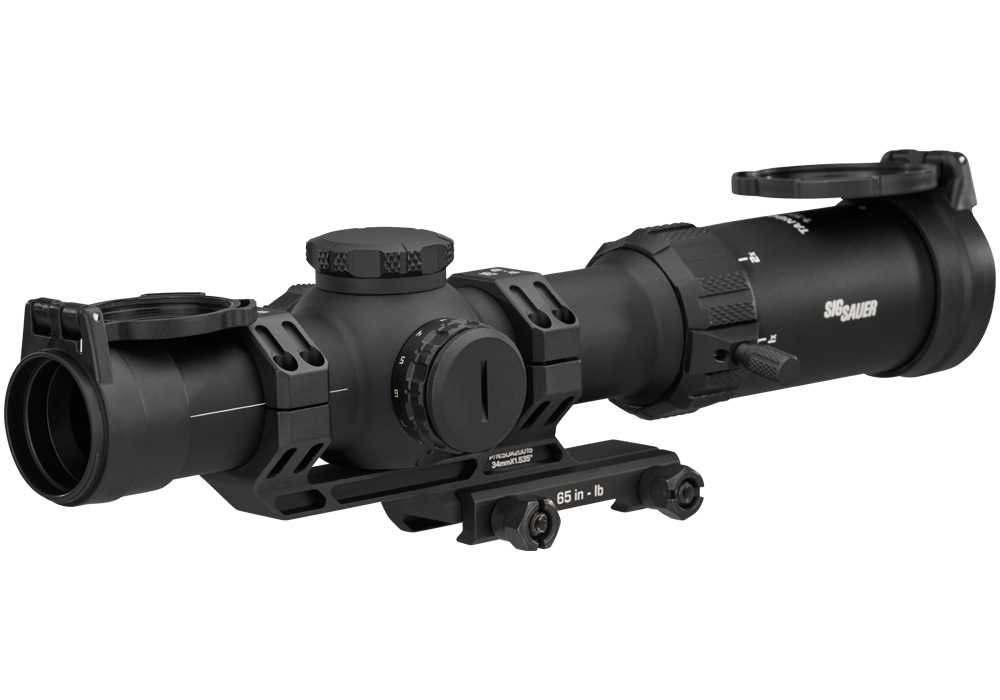
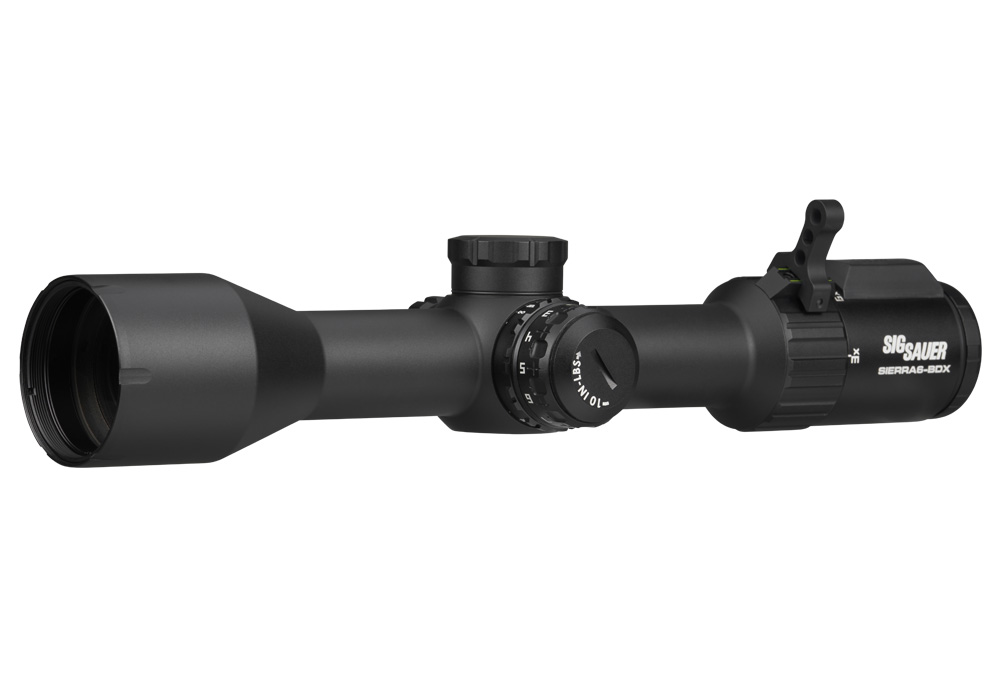
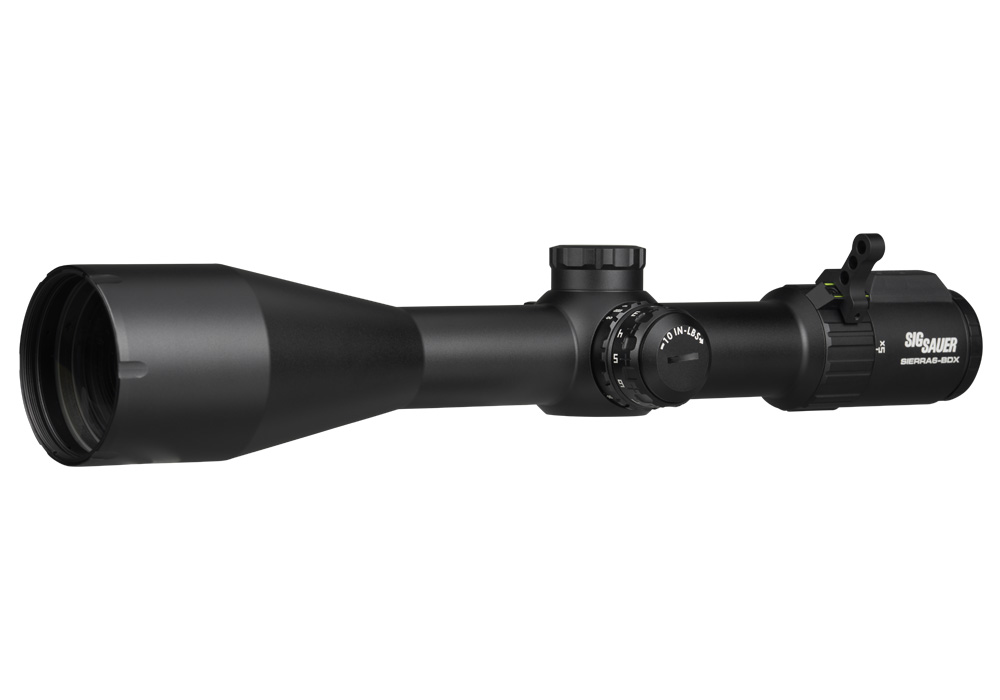
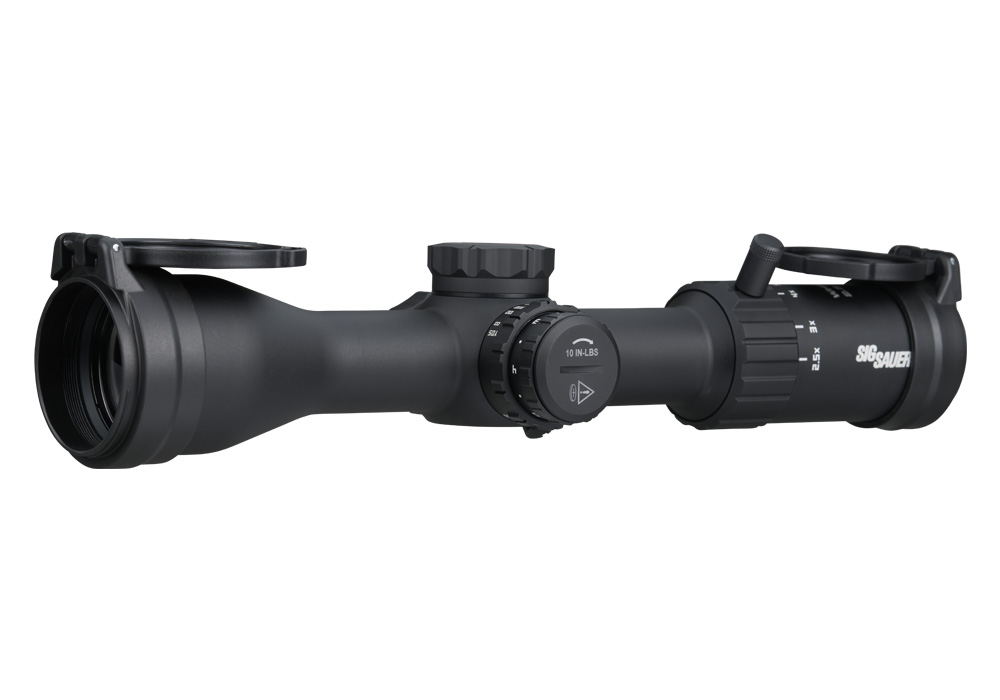
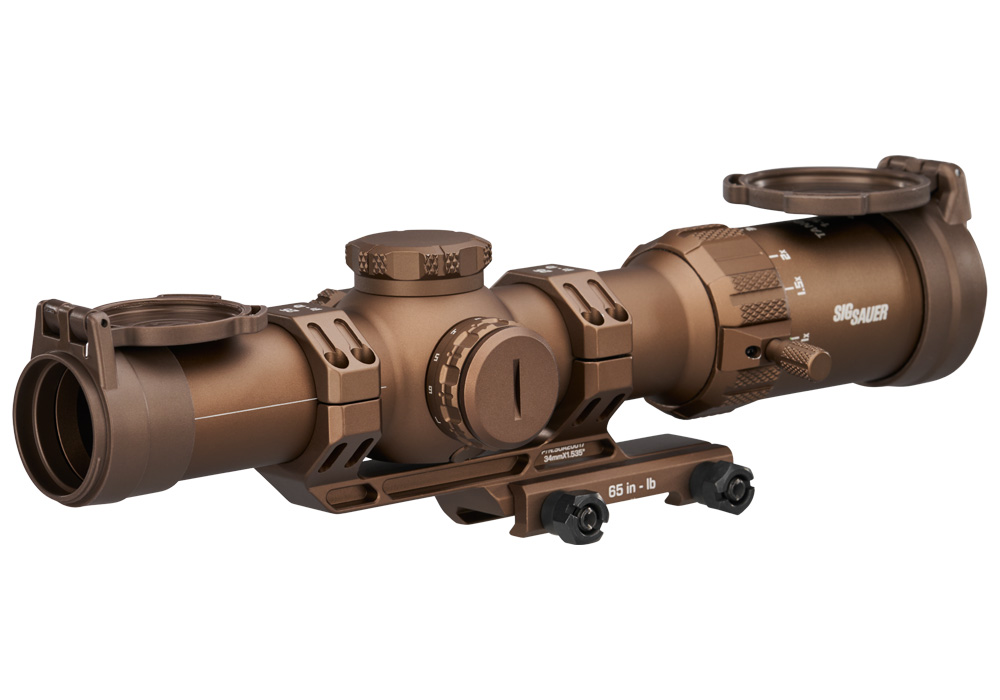
Adjustable scopes give shooters a flexible way to match magnification, sight picture, and aiming conditions to the task at hand. Unlike a fixed-power optic, a variable scope can provide a broad field of view at lower magnification and a more detailed view at higher settings, making it useful across a range of distances and shooting environments. A lower-power setting can help when tracking a moving target through timber, scanning a field, or maintaining awareness around a nearby shooting area, while increased magnification can support careful shot placement on a distant, clearly identified target. Common configurations range from low-power variable optics designed for fast target acquisition to higher-power models intended for precision shooting at extended distances. When comparing adjustable scopes, consider the magnification range, objective lens size, reticle design, tube diameter, overall length, and weight. A larger objective lens may gather more light, but it can also add bulk and may require higher mounting rings. A compact optic may balance neatly on a lightweight rifle and feel more comfortable during a long day outdoors. The best choice depends on the firearm, the distances you expect to shoot, the terrain you frequent, and whether quick handling or fine detail is the priority. For additional ways to compare optics by intended use and features, explore Best Scopes.
The adjustment system is just as important as the magnification range. Windage and elevation turrets allow the point of aim to be refined for bullet drop and wind drift, typically using MOA or MRAD measurements. Tactile, clearly marked turrets are helpful when making deliberate corrections at the range or when confirming a zero after changing ammunition or mounting the optic on another compatible firearm. Some shooters prefer capped turrets for a streamlined profile and added protection against accidental movement, while others value exposed or readily accessible controls for disciplined, repeatable adjustments. Parallax correction is another useful feature, especially at extended distances. A side-focus or adjustable-objective control helps align the reticle and target image on the same visual plane, reducing apparent reticle movement when the shooter’s eye shifts slightly behind the scope. Illumination can also improve reticle visibility in shaded woods, overcast conditions, or the softer light of dawn and dusk. Adjustable brightness is important because excessive illumination may obscure a small target in low light, while a setting that is too faint can disappear against a dark background. Eye relief, glass clarity, exit pupil, and the smoothness of the zoom ring all affect how naturally an optic performs. A scope should provide a crisp image without forcing the shooter into an awkward head position, and controls should be easy to operate while maintaining a stable shooting position. Before purchase, confirm that the optic’s adjustment range and reticle markings suit the ammunition, firearm, and distances involved, and verify that the mounting system is compatible with the rifle’s receiver and available rail space.
Adjustable scopes can serve hunters, range enthusiasts, precision shooters, and anyone building a versatile rifle setup. A hunter moving from open fields into denser cover may appreciate the ability to lower magnification for a wider view, then increase it when conditions provide a safe, unobstructed opportunity at a greater distance. A target shooter may favor a generous magnification range, a refined reticle, and repeatable turret tracking for working through different distances during a structured practice session. Shooters using modern sporting rifles or other platforms may prioritize a compact low-power optic with an illuminated reticle, forgiving eye relief, and controls that support rapid transitions without sacrificing useful precision. These optics can also be thoughtful gifts for a responsible firearm owner, particularly when the recipient’s intended platform and shooting style are known. Because scope mounting height, reticle preference, eye relief, and caliber compatibility are personal choices, a gift card or carefully selected accessory may be more practical when those details are uncertain. Regardless of the intended use, take time to inspect the reticle at both low and high magnification, check that the image remains clear across the adjustment range, and consider how the scope will feel after hours of carrying or shooting. After installation, a qualified professional or experienced range operator can help confirm proper mounting, eye relief, and zeroing. Store the optic with its protective covers in place, keep lenses free of dust and moisture, and follow all applicable firearm safety rules, range requirements, and local regulations. During the warmer and cooler stretches of the outdoor season alike, a well-matched adjustable scope can make a familiar rifle more adaptable, helping the shooter move confidently from broad observation to careful aiming while keeping the equipment suited to the surroundings.