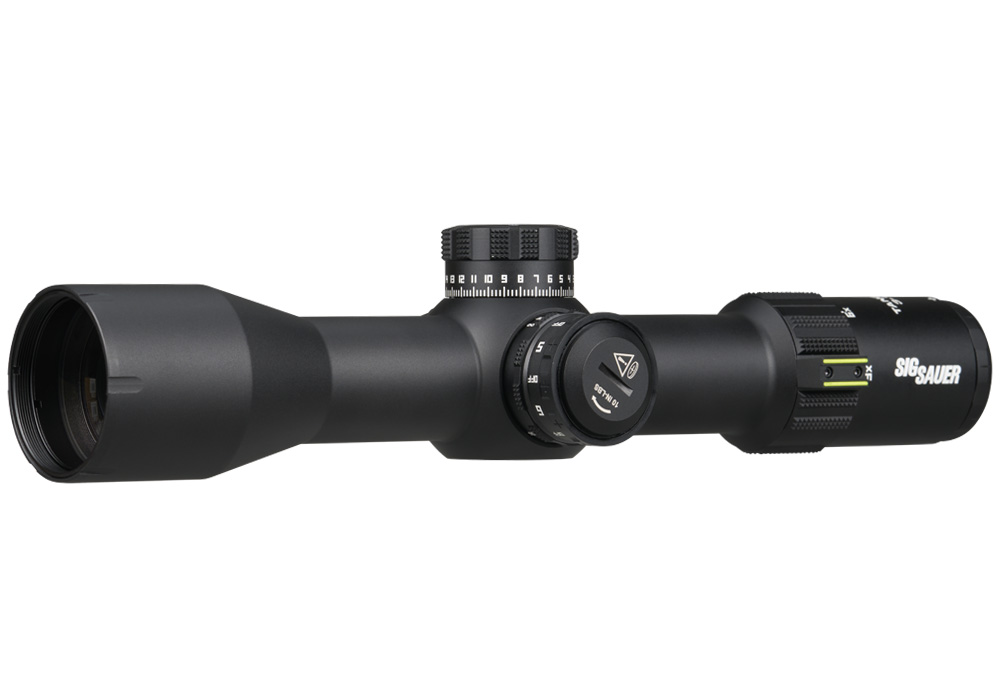
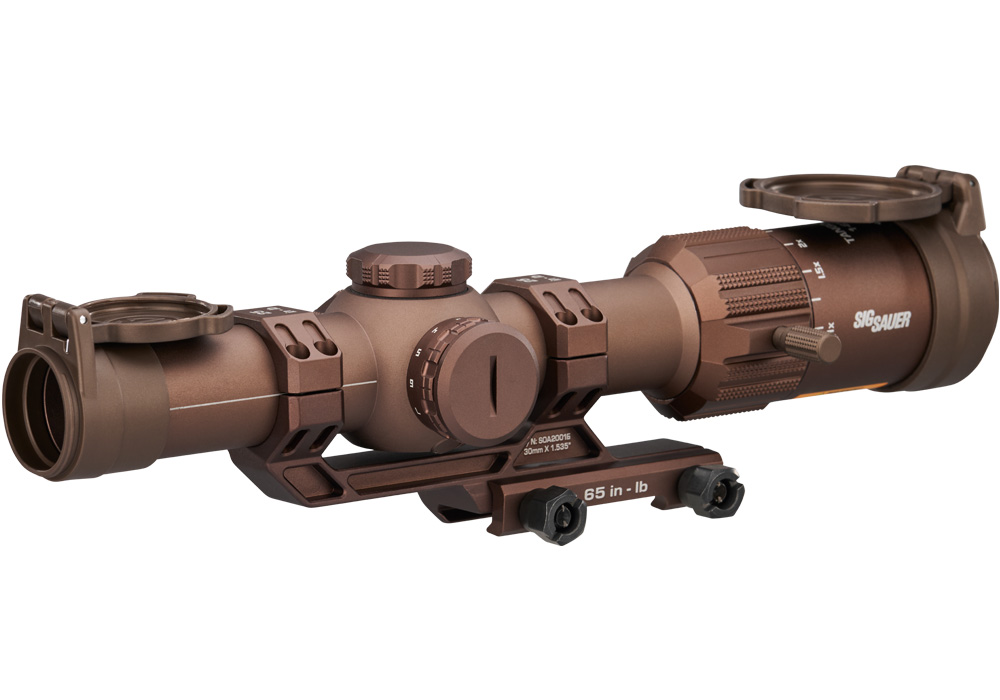
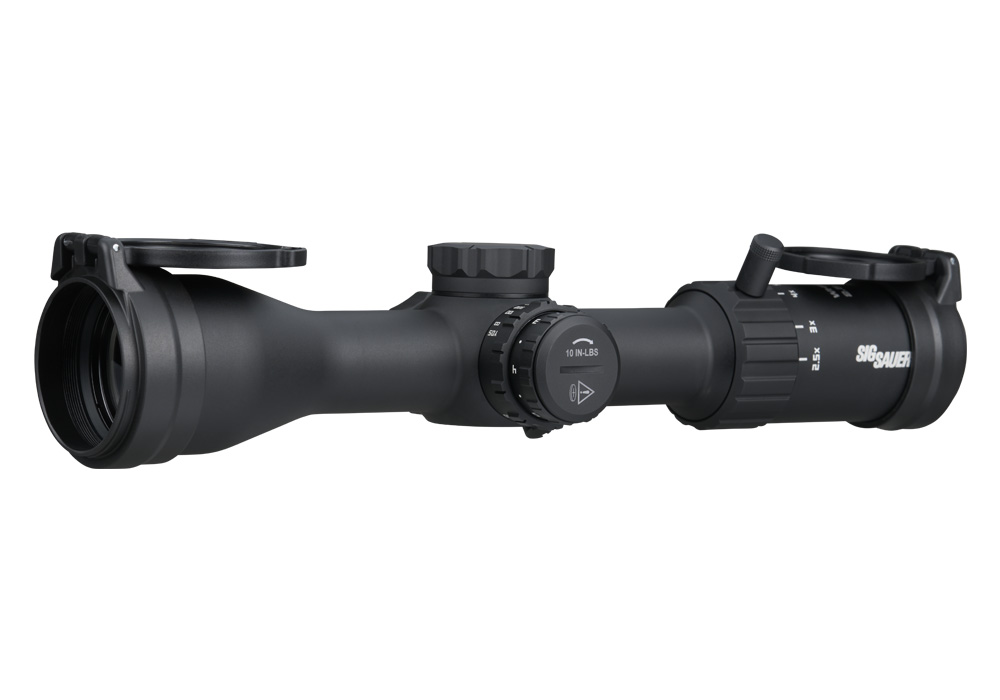
MOA adjustment scopes are riflescopes with elevation and windage turrets calibrated in minutes of angle, an angular unit equal to 1/60 of one degree. One MOA spans approximately 1.047 inches at 100 yards, 2.094 inches at 200 yards, and 3.141 inches at 300 yards. The familiar shorthand of one inch per hundred yards is convenient, but the precise value matters when comparing measurements over longer distances. Because MOA expresses an angle rather than a fixed length, the linear distance represented by each adjustment increases with target distance. This relationship gives hunters, recreational target shooters, and competition participants a common language for describing adjustments and reticle measurements. A common turret increment is 1/4 MOA per click, equivalent to approximately 0.262 inch at 100 yards. Some scopes use finer 1/8 MOA increments, which can suit disciplines where small changes are useful; other designs favor larger increments for a different balance of adjustment speed and resolution. A smaller click value does not automatically indicate better optical quality or more accurate tracking. The important distinction is how consistently the adjustment mechanism corresponds to its markings and returns to a previous setting. Clear numerals, distinct clicks, and readable revolution indicators can make a scope easier to manage at a busy shooting bench. Capped turrets protect the controls when adjustments are infrequent, while exposed turrets provide more direct access for users who regularly change settings. Locking controls and a zero-stop feature, when included, serve different purposes: a lock resists unintended turret movement, while a zero stop provides a mechanical reference for returning to an established elevation zero. These details distinguish MOA scopes that may look similar in a category listing but feel different in use. The right configuration depends less on a single impressive specification than on how the controls, reticle, and magnification range work together for the intended application.
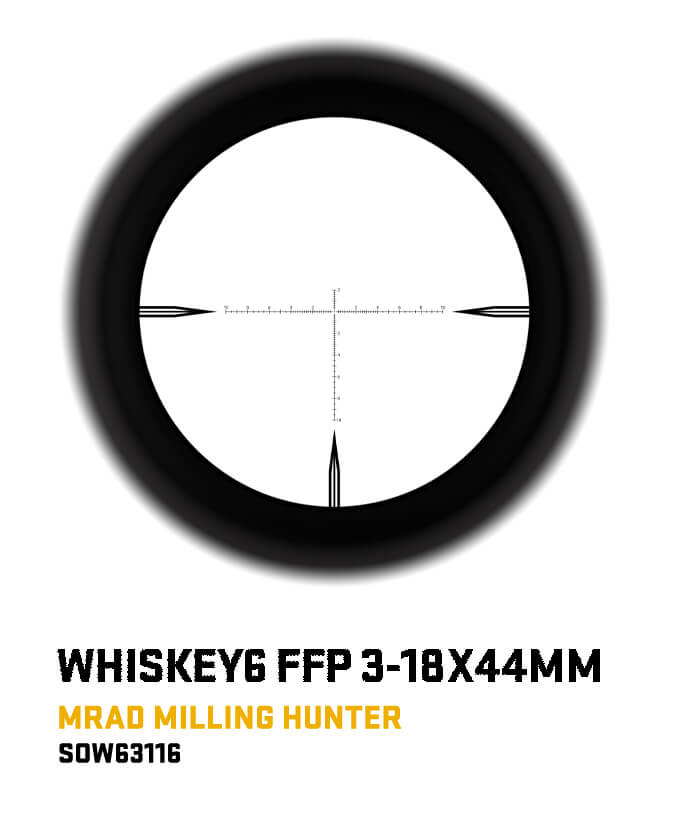
Reticle design deserves as much attention as the turret markings. A scope can have MOA adjustments without an MOA-marked reticle, so the adjustment system and reticle description are separate specifications worth checking. For shooters who prefer consistent angular references, matching MOA turrets with MOA reticle graduations keeps both systems in the same unit. A simpler crosshair may appeal to someone who values an uncluttered view, while a graduated reticle provides additional reference points without requiring every change to involve a turret. Focal-plane placement also affects how those markings behave. In a first focal plane scope, the reticle changes apparent size as magnification changes, and its angular measurements remain consistent throughout the magnification range. In a second focal plane scope, the reticle maintains the same apparent size, but its stated angular measurements are accurate only at the designated magnification. Neither arrangement is universally better; the useful choice depends on whether consistent reticle measurements or a consistently sized aiming pattern matters more. Magnification should complement that preference. Lower settings generally provide a wider field of view, while higher settings can reveal finer target detail but also make movement more noticeable and narrow the visible area. A large magnification range is not a substitute for a clear, comfortable image. Lens quality, optical design, and antireflective coatings all influence contrast and detail. A larger objective can provide a larger exit pupil at a given magnification, but objective diameter alone does not determine image quality. Adjustable parallax, where present, addresses the apparent movement between the reticle and target when eye position changes; it is distinct from the eyepiece adjustment that sharpens the reticle. Illumination is another separate consideration. It can help a reticle remain visible against certain backgrounds, but useful brightness control matters more than maximum brightness alone. At a paper target with fine scoring rings, a restrained center aiming point may feel more practical than a dense pattern that obscures the detail being observed.
Physical compatibility brings those optical and mechanical preferences into a workable setup. Scope tube diameter must match the mounting rings, and the objective housing needs suitable clearance without forcing an uncomfortable viewing position. Overall length, mounting space, eye relief, and the firearm’s action layout can affect fit, so a familiar tube diameter does not guarantee that every scope will suit the same arrangement. A compact hunting rifle and a dedicated bench rifle can place very different demands on weight and balance. Aluminum scope bodies are common because they combine relatively low weight with structural strength, while anodized finishes help resist surface wear. Sealed construction helps protect internal components from contaminants, and a scope intended for firearm use should have an appropriate recoil-resistance specification. Construction details and testing claims should be evaluated alongside the intended application rather than treated as interchangeable promises. Care is straightforward but important: protective lens covers limit contact with grit, and loose debris should be removed before an appropriate lens cloth touches the glass. Manufacturer-approved cleaning methods help preserve coatings, while mounting hardware should follow the relevant manufacturer’s specifications. A padded case also helps protect exposed controls and lenses during transport. For frequent range visitors, readable controls and repeatable adjustments may carry more value than additional magnification. Hunters may place greater emphasis on manageable weight, generous eye relief, and a reticle that remains easy to distinguish. Competition participants may prioritize fine graduations, tracking consistency, and clearly indexed turret travel. These preferences also matter when considering an optic as a gift: knowing the recipient’s mounting requirements and preferred reticle system is more useful than choosing solely by appearance. Within the broader category of Adjustable Scopes, MOA configurations offer a familiar measurement system for people accustomed to yards and inches. A well-matched scope combines that familiarity with suitable optics, dependable controls, and a physical fit that feels comfortable through repeated use.