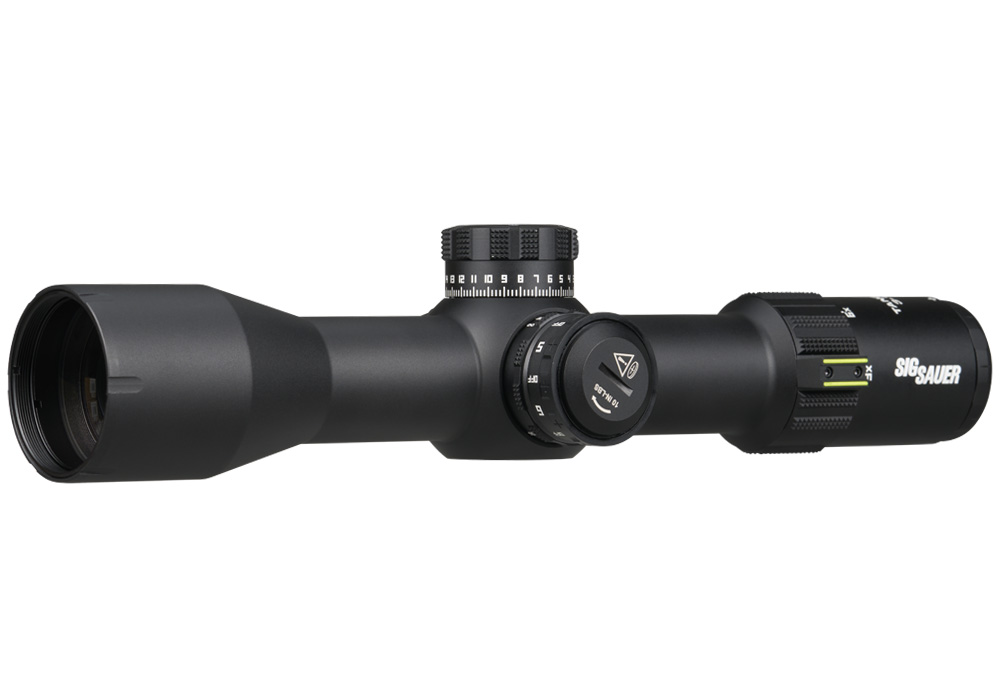
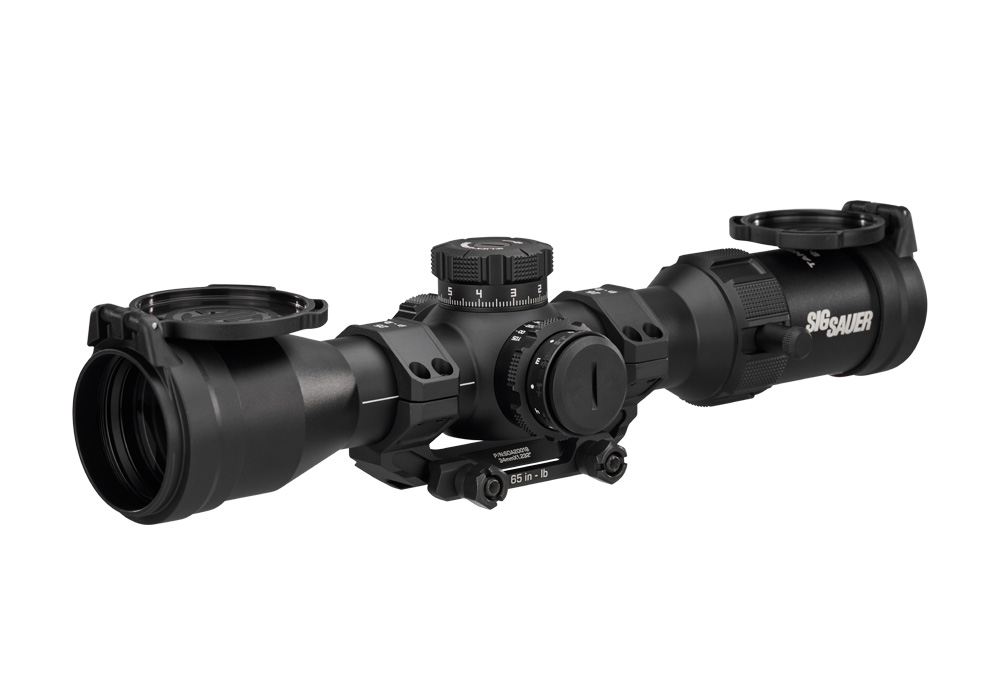
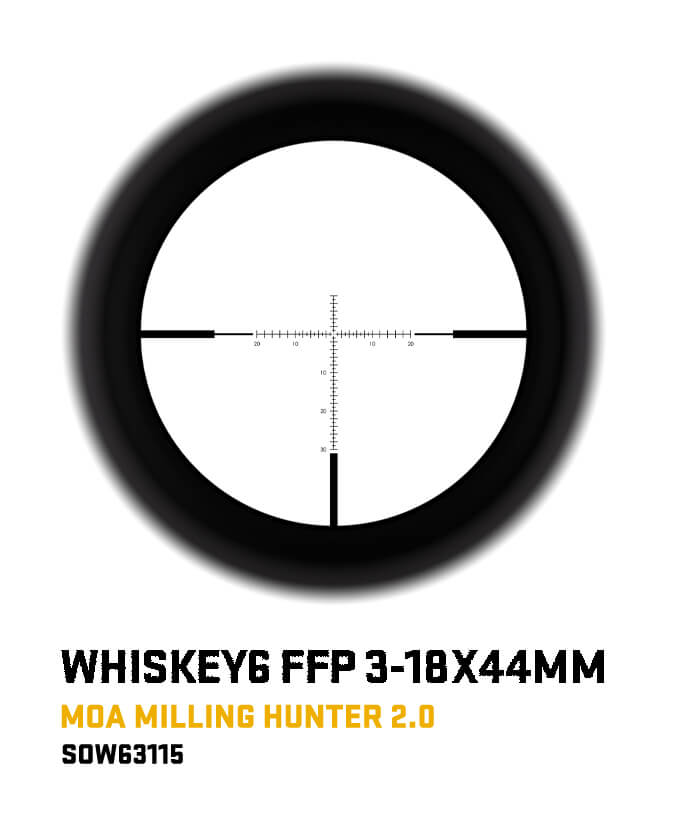
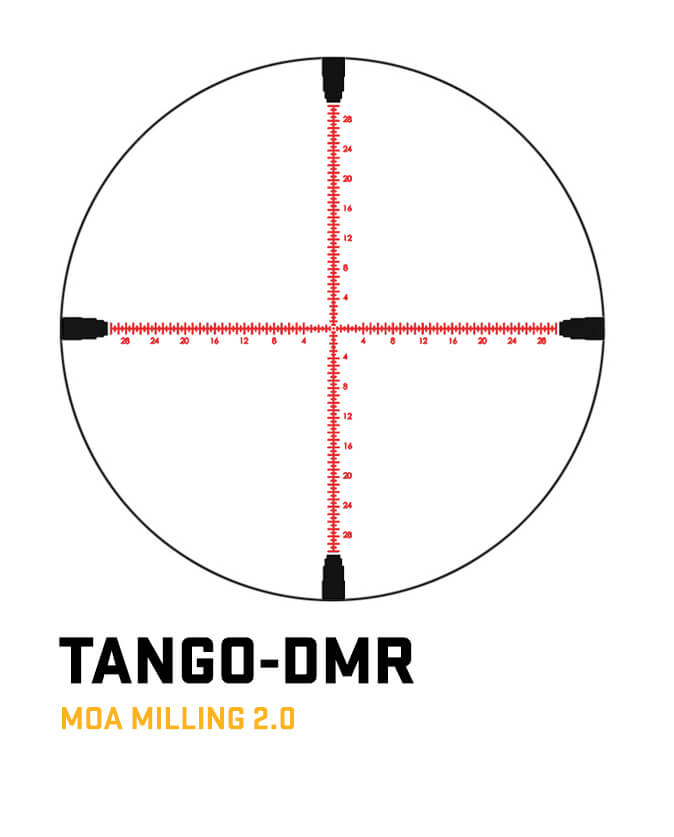
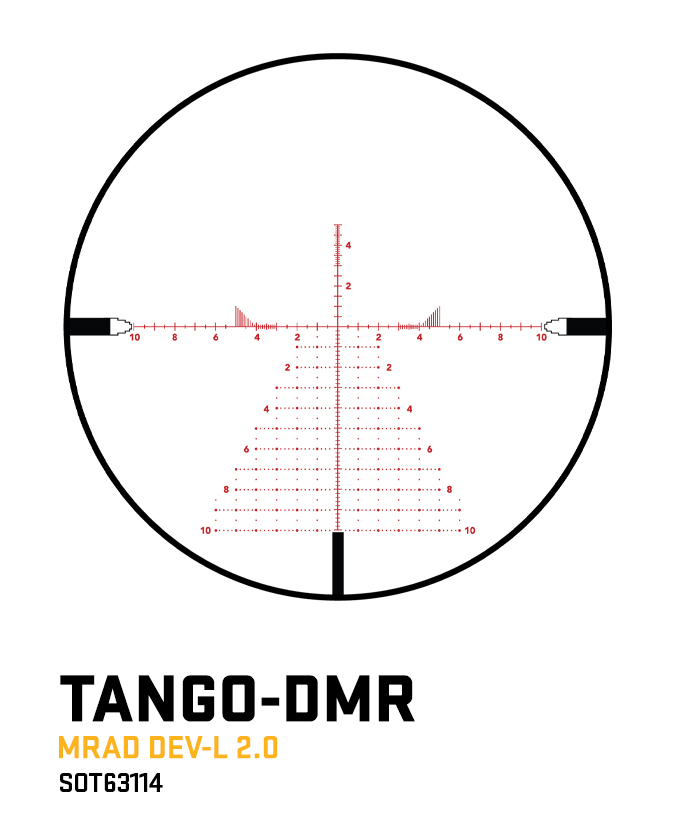
MOA reticles use markings measured in minutes of angle to provide an angular reference inside a riflescope. One MOA equals one-sixtieth of a degree and spans approximately 1.047 inches at 100 yards, 2.094 inches at 200 yards, and 3.141 inches at 300 yards. The familiar shorthand of one inch per hundred yards is an approximation, not the exact measurement. Because MOA describes an angle rather than a fixed length, the distance represented by a reticle’s markings increases with the distance to the target. Those markings may appear as evenly spaced hash marks, dots, numbered reference lines, or a more detailed grid beneath the central crosshair. Each layout offers a different balance between measurement detail and an unobstructed view. A restrained crosshair can feel comfortable to someone who values a clean sight picture, while a graduated pattern provides more visual references for precision target shooting and organized competition. Hunters may favor a design with a readily visible center and enough supporting detail to suit their intended use without crowding the image. The important distinction is that an MOA reticle identifies a measurement system, not one particular pattern, magnification range, or level of optical quality. It also does not mean that the entire center aiming point measures one MOA; the reticle diagram supplies the actual dimensions of individual features. Line thickness, the space between marks, and the size of an illuminated center can differ substantially between designs. A fine center may preserve a clear view of a small paper bullseye, while heavier outer lines can help the eye locate the middle of the image. When comparing MOA riflescopes, a detailed reticle illustration is often more informative than a photograph of the scope’s exterior. It shows whether the design’s visual language feels intuitive and whether the amount of detail matches the shooting activities for which the optic is intended.
Focal-plane placement is another meaningful distinction among scopes with MOA reticles. In a first focal plane riflescope, the reticle changes apparent size as magnification changes, maintaining the same angular relationship to the target image throughout the magnification range. In a second focal plane riflescope, the reticle appears to remain the same size, and its marked angular values are accurate at the manufacturer’s designated magnification setting. Neither arrangement is automatically the better choice for every application. First focal plane designs offer consistent angular references across magnification settings, though fine details can appear small at the lower end. Second focal plane designs maintain a familiar-looking crosshair as the image enlarges, which some shooters find easier to see. Looking at reticle illustrations at both low and high magnification helps reveal differences that a single enlarged diagram can hide. Illumination deserves the same attention: some designs illuminate only the center, while others light a larger portion of the pattern. Brightness settings, control placement, and the visibility of the unlit reticle all affect everyday usability. Matching the reticle’s measurement system to the turret markings also keeps the scope’s references consistent. Many MOA scopes have quarter-MOA adjustment increments, but click values vary and should be confirmed in the specifications rather than assumed. Beyond the reticle itself, magnification range, field of view, eye relief, and the ease of maintaining a full sight picture influence how comfortable an optic feels during a range session. At a bench, a clear view of fine target markings may matter more than minimum weight; for a rifle carried over distance, overall bulk can become a larger consideration. Higher magnification alone is not a complete measure of suitability. Image clarity, contrast, and accessible controls can matter just as much. Tube diameter, objective size, mounting-ring compatibility, and clearance must also work with the intended rifle and mounting system. An optic that looks suitable on paper still needs appropriate eye positioning and a secure, manufacturer-approved mounting arrangement.
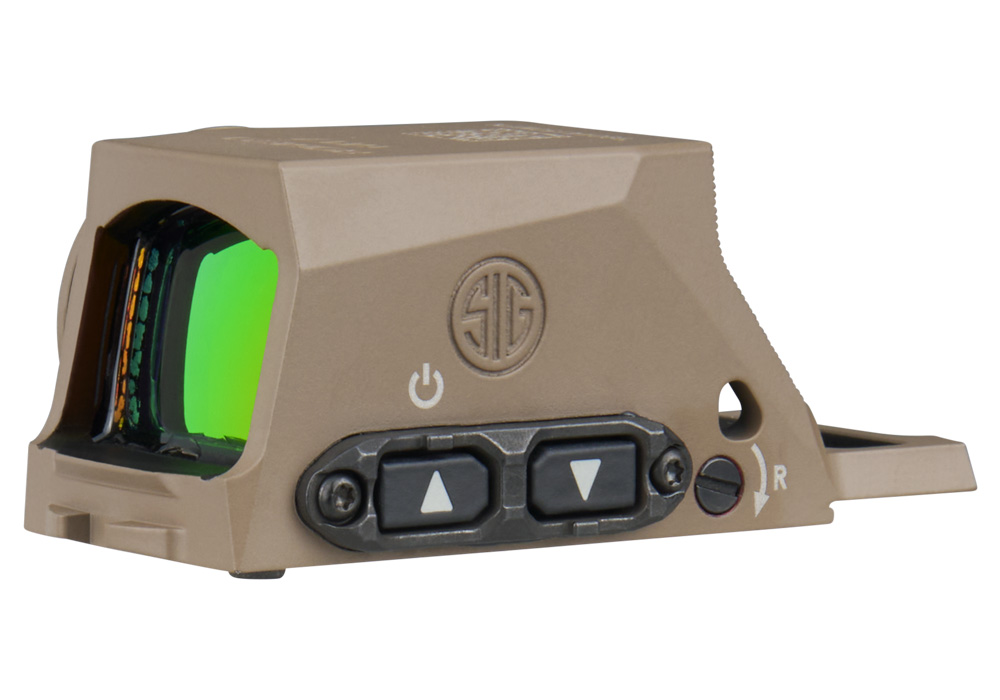
Construction and care help determine how well an MOA riflescope holds up to regular use. Common features include aluminum main tubes, protective exterior finishes, coated glass surfaces, and sealed optical assemblies, although the materials and protective treatments vary by model. A larger tube does not automatically guarantee a brighter image, and an elaborate reticle cannot compensate for poor optical clarity. The useful details are often more practical: adjustment controls with readable markings, a magnification ring that is comfortable to operate, lens covers that fit properly, and an exterior that can tolerate routine handling. Recoil suitability should be verified for the intended firearm, along with any mounting requirements and service guidance. Protective features are valuable, but they do not eliminate the need for sensible storage and careful lens maintenance. Loose grit should be removed before glass is wiped, and cleaning tools and solutions should be appropriate for coated optics. A sleeve or lens cover helps limit contact with dust and other debris between uses. Avoid treating the lenses like ordinary household glass, and follow the optic manufacturer’s instructions for cleaning, storage, and battery care when illumination is included. For someone buying a gift, the recipient’s existing equipment and preferences matter more than choosing the most intricate reticle. Familiarity with MOA measurements, a preference for a particular focal plane, and compatibility with an existing mounting setup can narrow the choices considerably. Angular terminology also appears in other optic categories, but its meaning needs context. The measurement in 1 MOA Red Dot Optics describes the apparent angular size of the illuminated aiming dot, rather than a graduated riflescope reticle. That distinction is useful when comparing sight pictures across different types of optics. For an MOA riflescope, the strongest fit brings together a readable pattern, suitable magnification, compatible dimensions, and dependable construction. The result is an optic selected around its intended use rather than around a single specification.