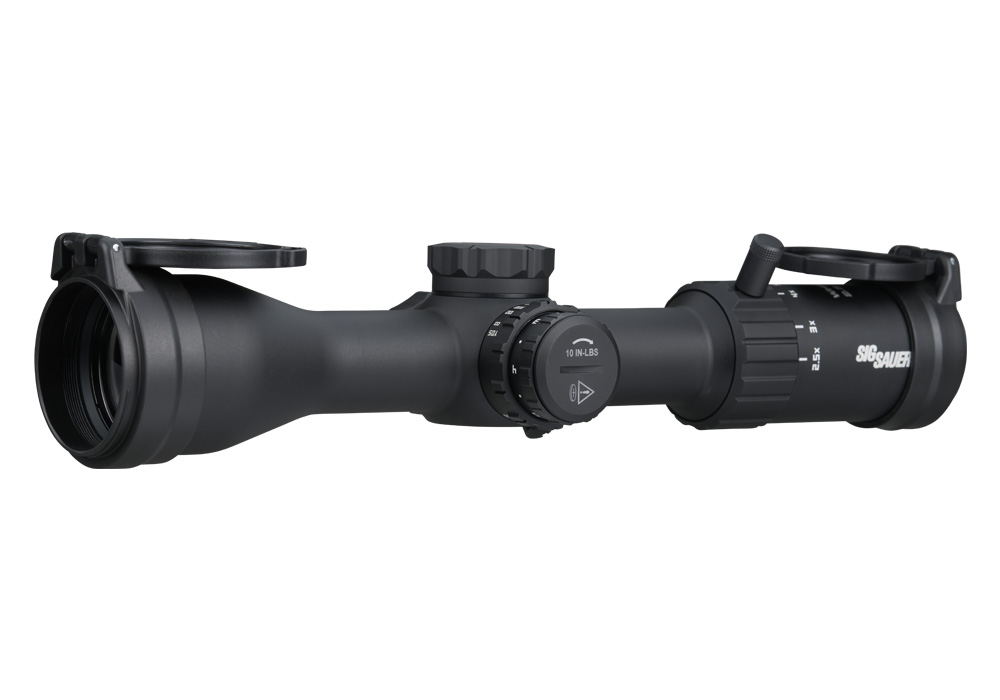
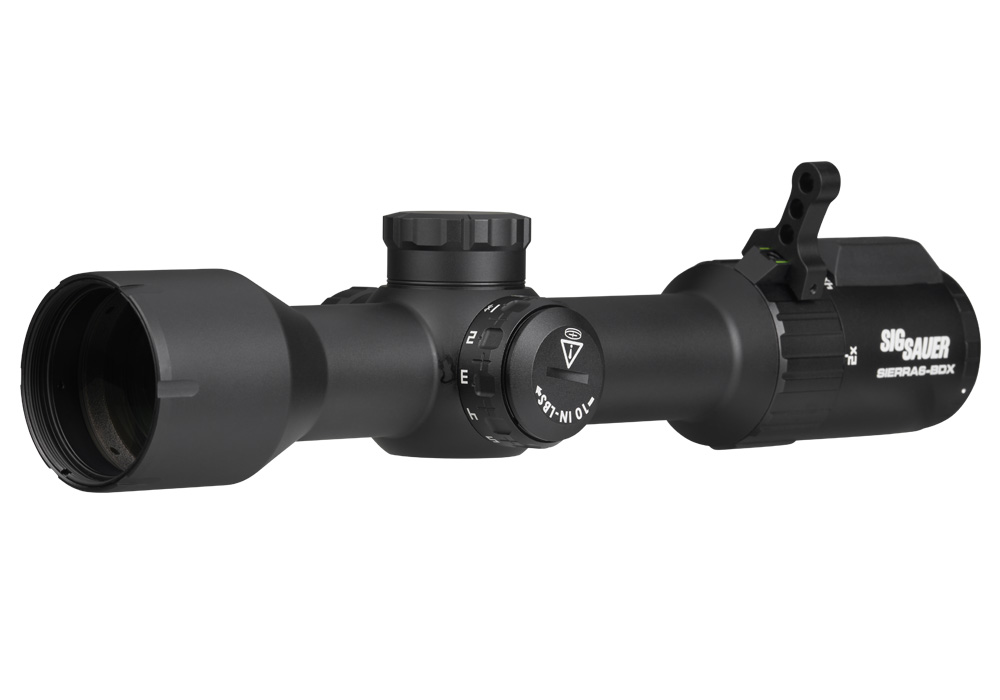
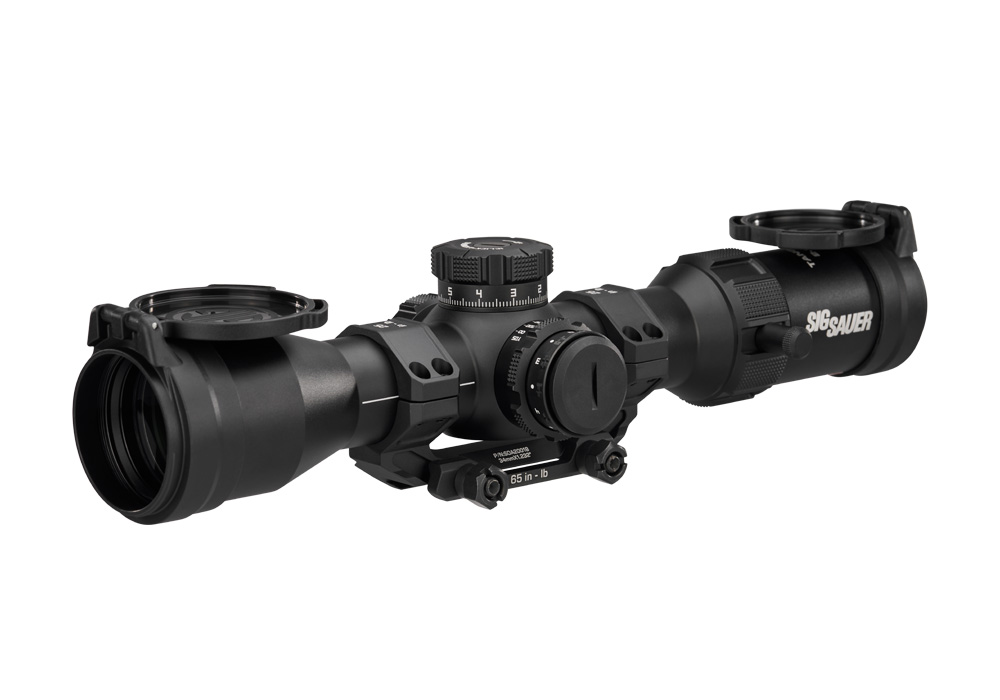
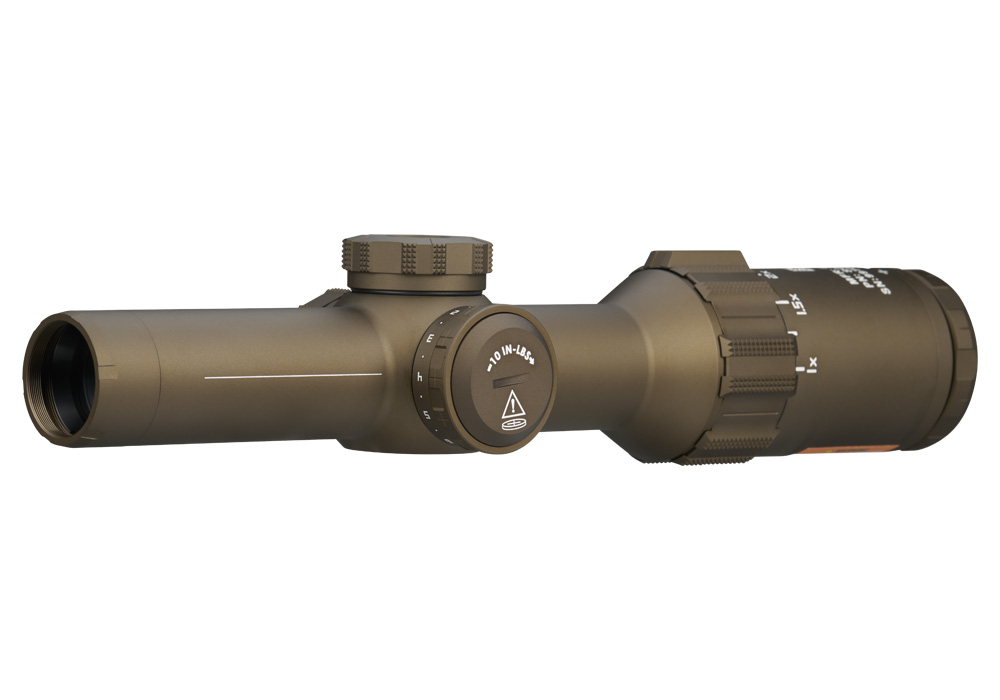
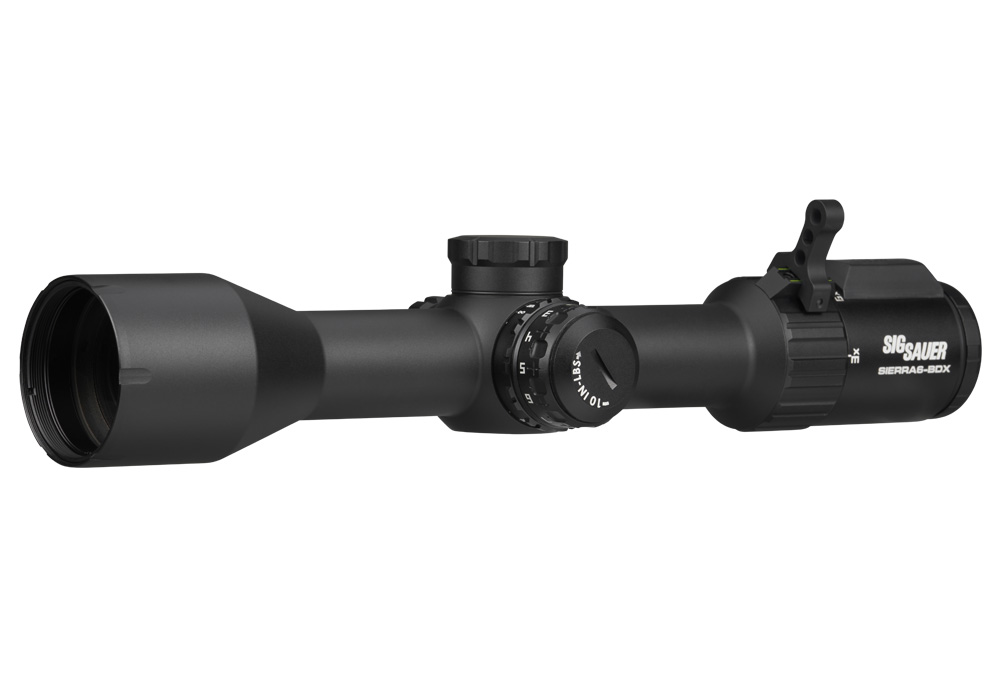
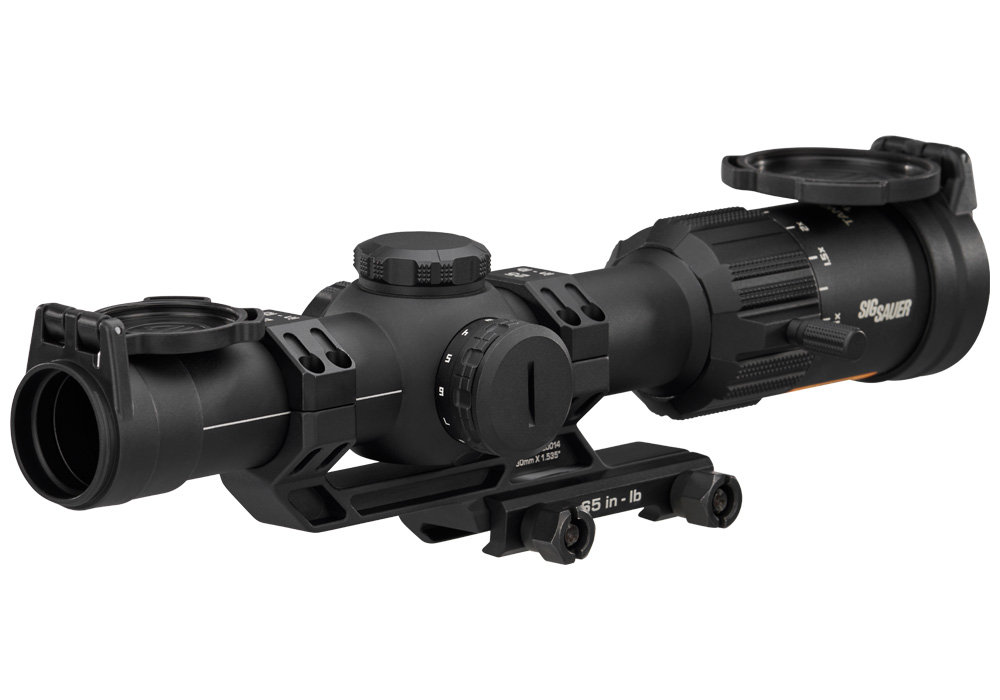
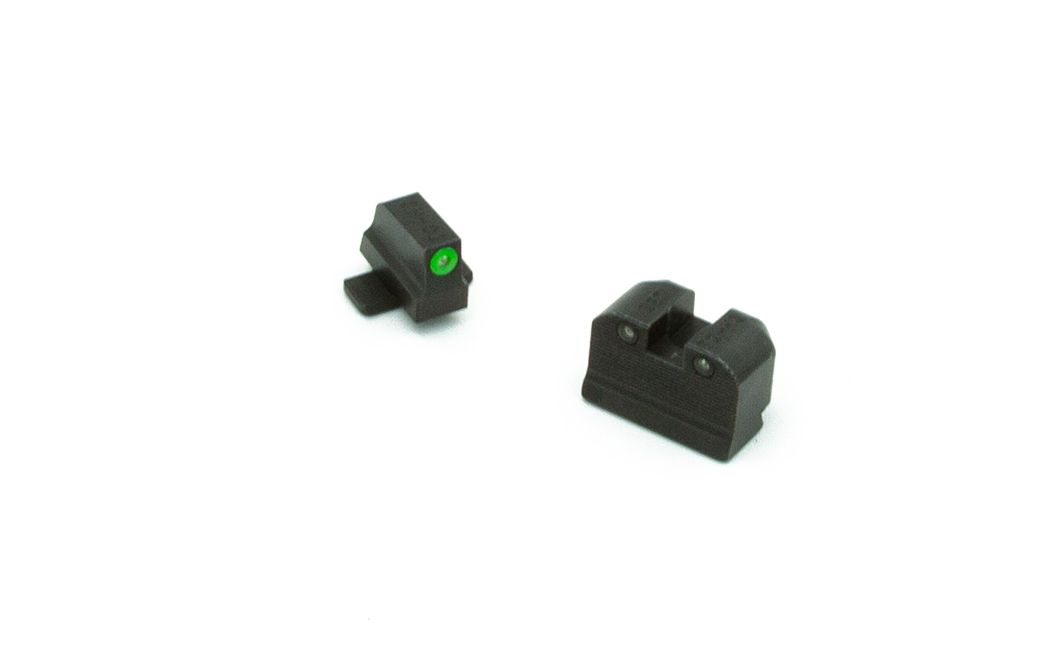
Adjustable ring scopes provide a versatile way to fine-tune the relationship between a rifle, its optic, and the shooter behind it. Rather than treating scope height and alignment as fixed decisions, an adjustable ring system can help refine the sight picture for a particular firearm, rail, optic, and shooting position. Height adjustment is especially useful when a large objective lens needs additional clearance above the rail, or when a shooter wants the stock and optic to meet more naturally for a repeatable cheek weld. A well-positioned scope can place the eye behind the center of the ocular lens with less head movement, which helps the shooter find a clear sight picture quickly from a supported position. Adjustable rings may also help accommodate differences in stock dimensions, rail height, and personal fit. These details are easy to overlook when comparing product listings, yet they often have a noticeable effect at the range. When browsing adjustable ring scopes, begin by confirming the optic tube diameter, such as 1 inch or 30mm, and verify that the ring interface suits the rail on the firearm. Many options are designed for Picatinny-style rails, while other mounting systems use different spacing or attachment methods. Checking these measurements before purchase helps avoid mismatched components and makes installation more straightforward. It is also worth reviewing the ring height range, adjustment method, clamping hardware, and stated compatibility with the intended setup. Removable inserts or shims may support certain tube sizes, but they should be selected only when the manufacturer lists them for that application.
Some adjustable rings focus primarily on vertical height, while others introduce a planned angle along the scope’s mounting line. An angled setup, often described through MOA values, can reserve more of the optic’s elevation adjustment for extended-range zeroing and trajectory correction. This can be useful for shooters who work with longer distances, carefully recorded ballistic data, or rifles and cartridges that require a broader elevation range than a neutral mount provides. Windage-adjustable rings offer another type of refinement by allowing limited side-to-side alignment at the mount. That feature may help compensate for small differences between the rifle’s rail, receiver, and optic centerline, though it should not replace careful inspection of the mounting surfaces. The goal is not simply to add as many adjustment points as possible; it is to create a secure, repeatable interface that matches the way the rifle will be used. Multi-piece adjustable systems can offer welcome flexibility, but every additional joint and fastener deserves attention during setup. Clean contact surfaces, even ring spacing, proper screw engagement, and a consistent tightening sequence all contribute to reliable performance. Use the torque values supplied by the ring or optic manufacturer, and avoid relying on feel alone when securing the hardware. After installation, confirm that the optic sits level, the reticle tracks as expected, and the rifle returns to a consistent zero after normal handling. A qualified gunsmith can be especially helpful when the rail, receiver, stock, or optic presents an unusual fit issue. For a coordinated look across different rifles and mounting configurations, shoppers can also browse Black Scope Rings.
Adjustable ring scopes can suit a wide range of shooters, from someone setting up a first hunting rifle to an experienced range user refining an established platform. They can be a thoughtful gift for a hunter preparing a rifle before the cooler months, a recreational shooter who enjoys testing different optics, or a family member upgrading a trusted setup with a more personalized fit. Gift shoppers should confirm the recipient’s optic tube size, rail type, preferred ring height, and intended shooting distance before choosing a set; a ring that fits one scope may not fit another, and a height that works well on one stock may feel awkward on a different rifle. For hunting, a low and comfortable mounting position can support a natural head position while preserving clearance between the scope and barrel or handguard. For bench or precision use, an angled ring configuration may provide useful elevation range when the shooter is working with carefully measured distances and a known ballistic profile. For general range practice, height adjustment can make it easier to find a comfortable position behind the optic and repeat it from session to session. As temperatures shift and outdoor conditions become less predictable, inspect the mount after transport, storage, and extended use. Look for loosened fasteners, shifted inserts, damaged threads, or marks that suggest movement between the rings and rail. Reconfirm zero whenever the optic is installed on a different rifle or removed for storage, and follow all local laws, range rules, and safe-handling practices. With the correct tube diameter, rail interface, height, angle, and installation procedure, an adjustable ring system can provide a practical path toward a cleaner sight picture, a more comfortable shooting position, and a setup that feels deliberately fitted rather than merely attached.