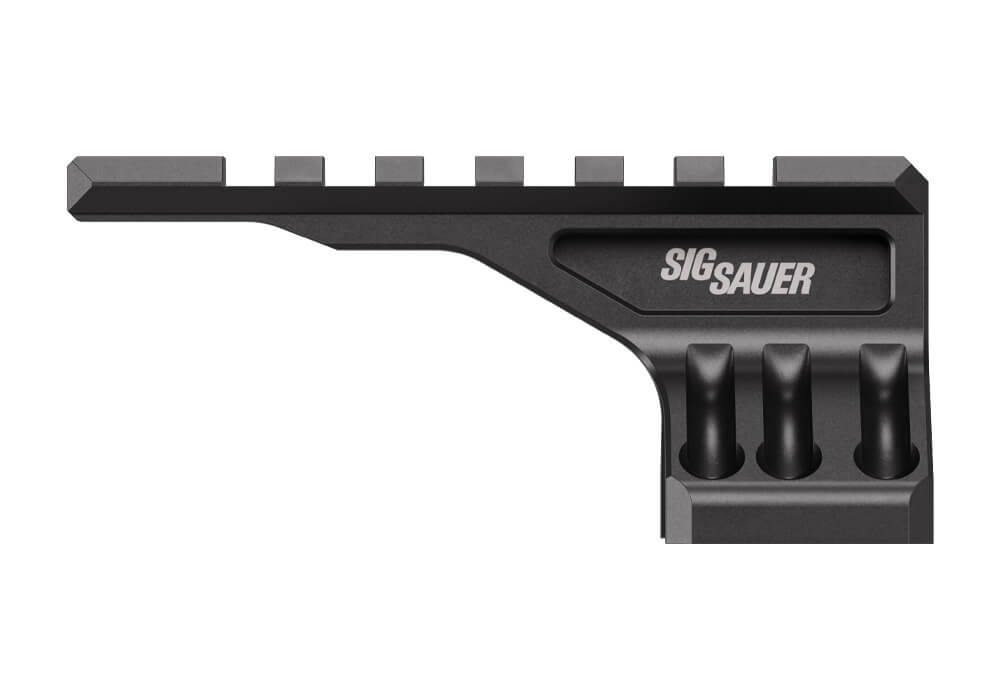
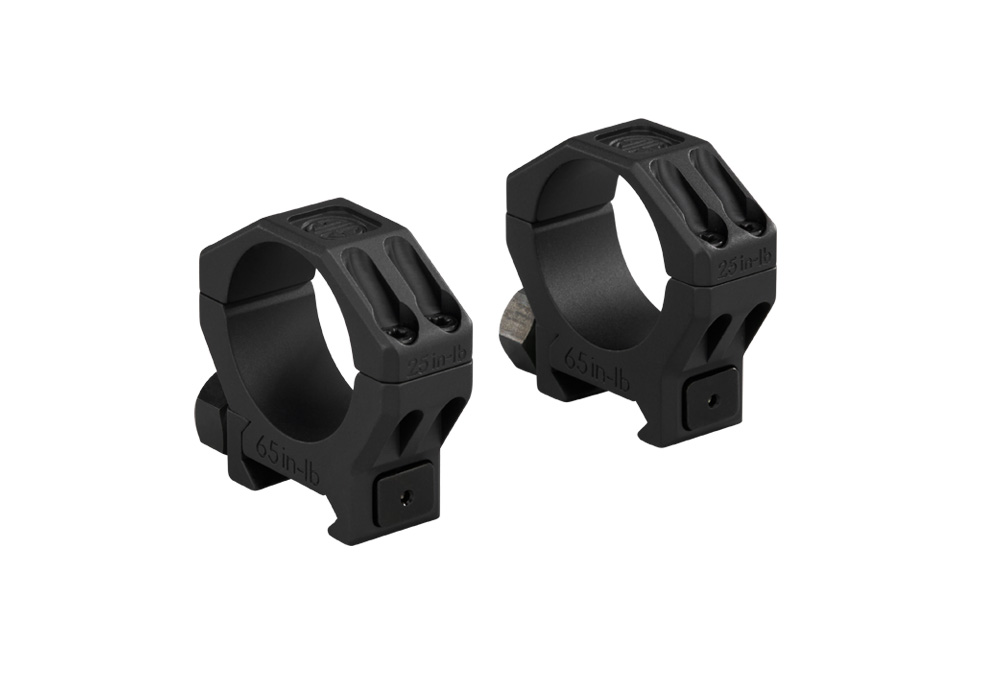
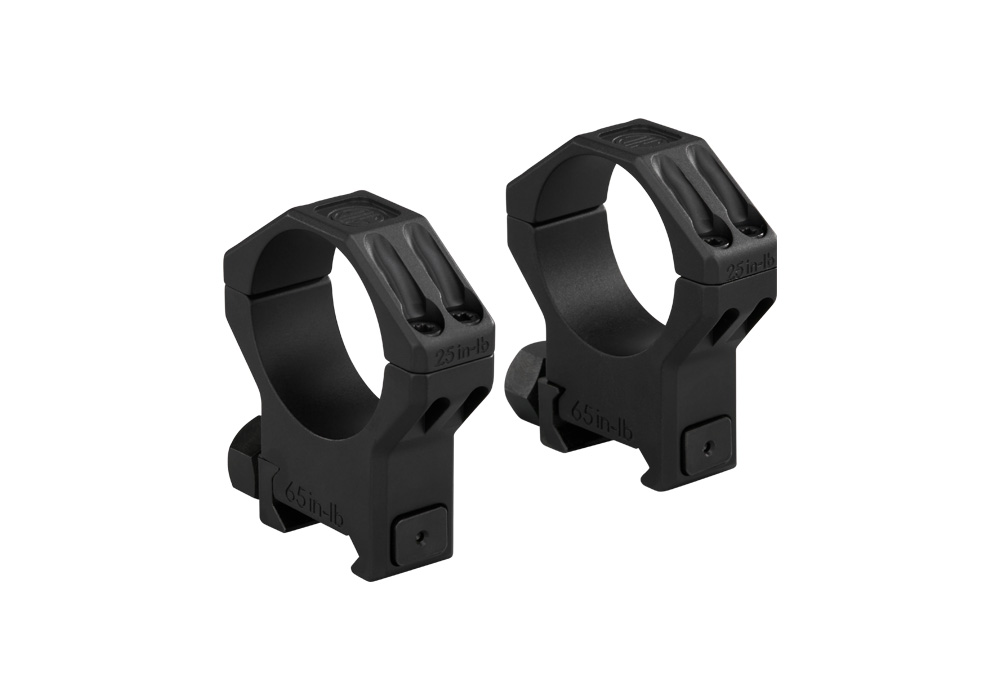
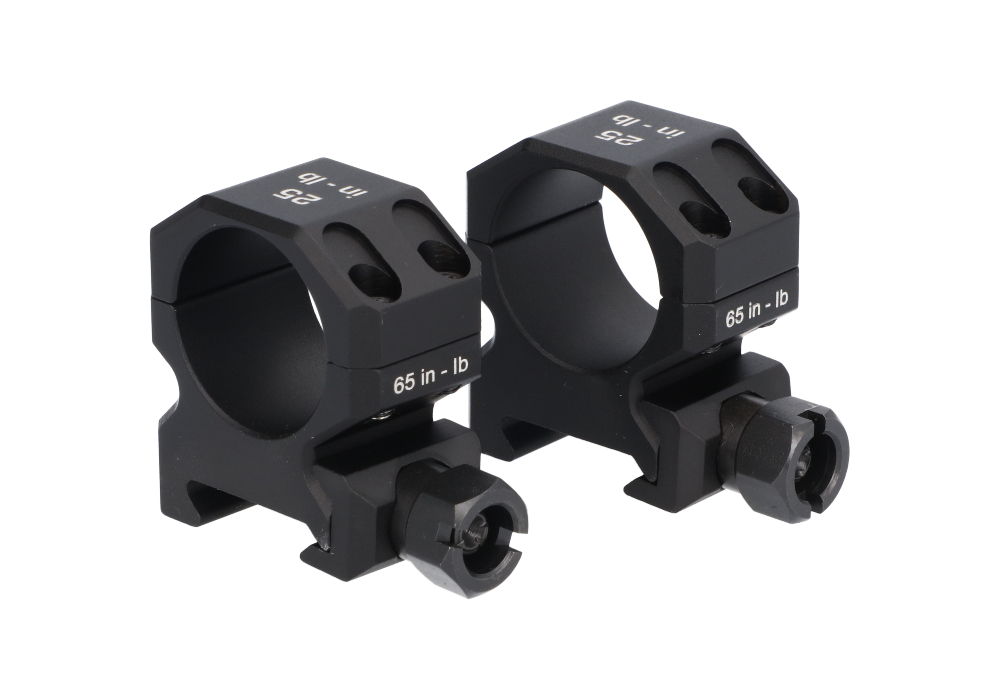
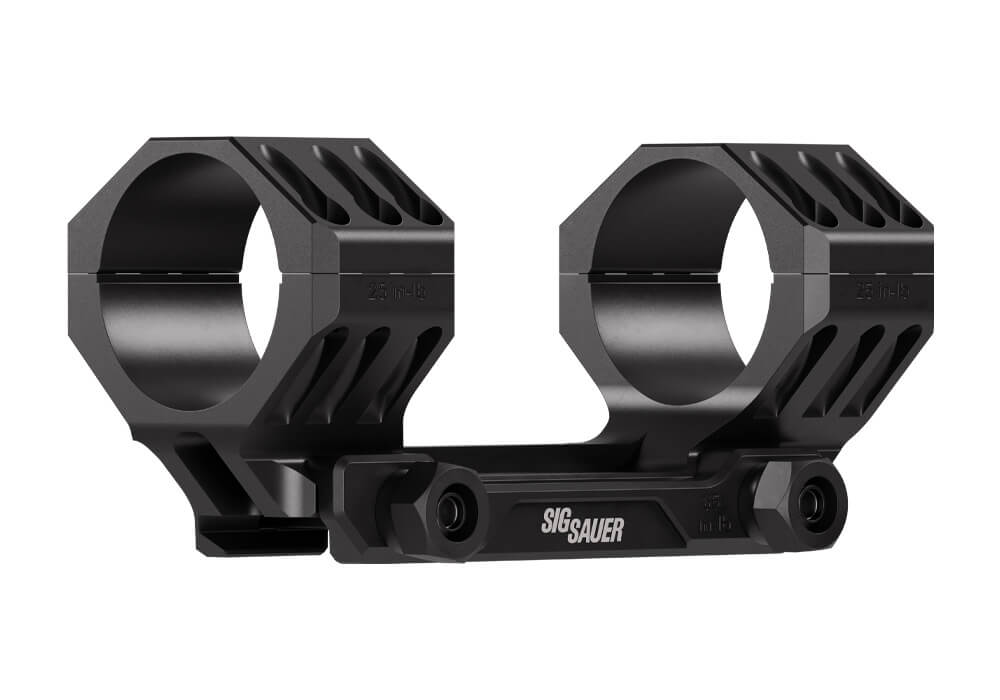
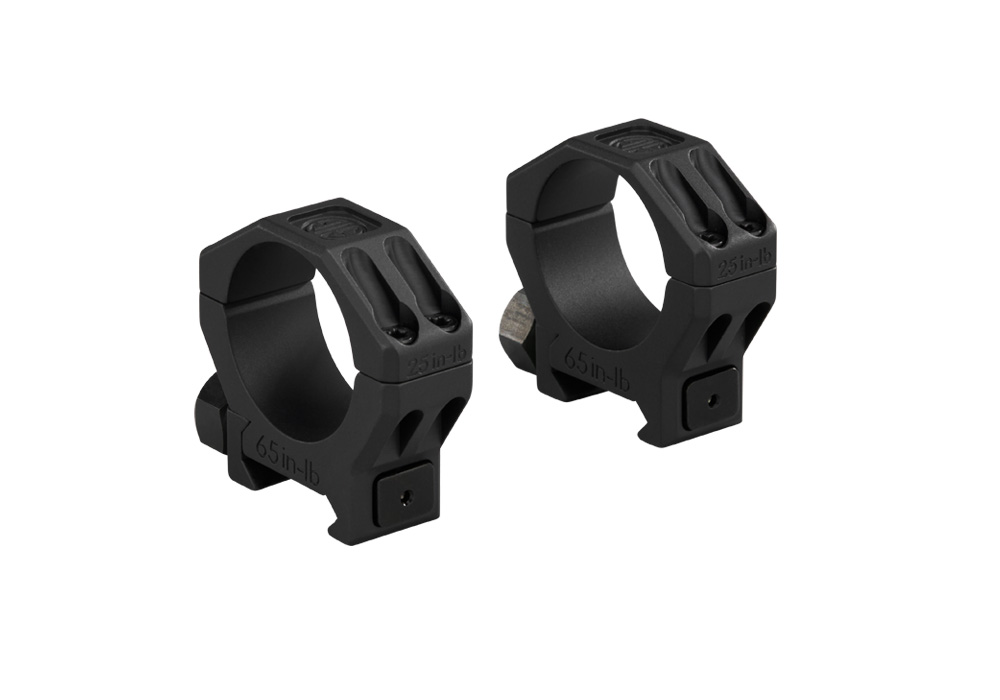
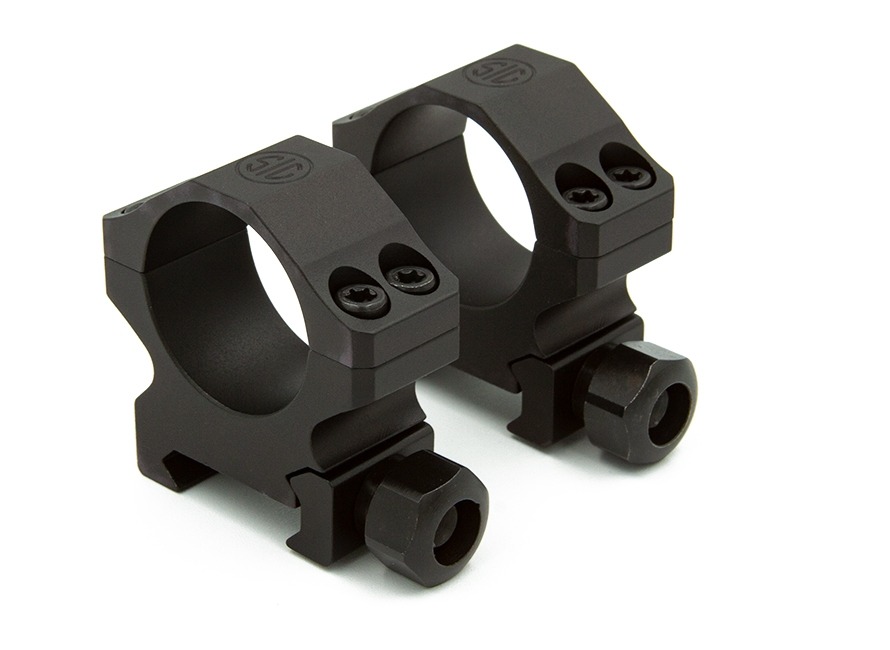
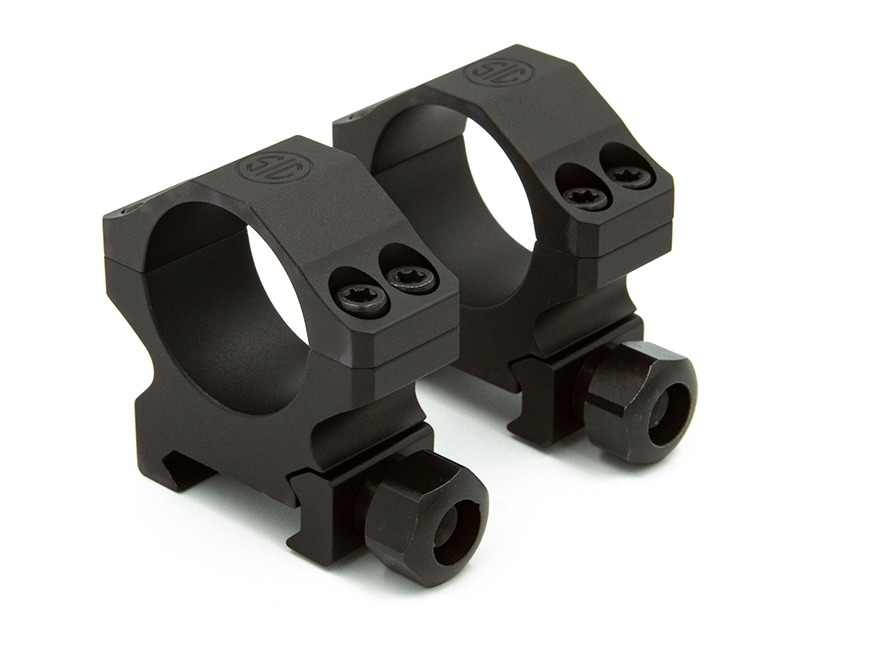
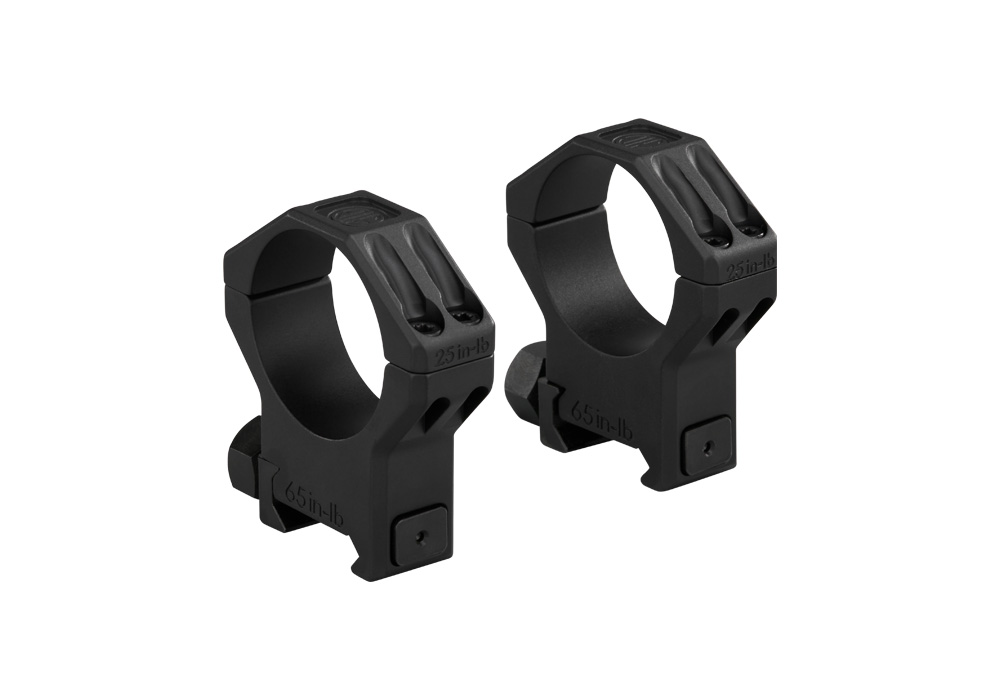
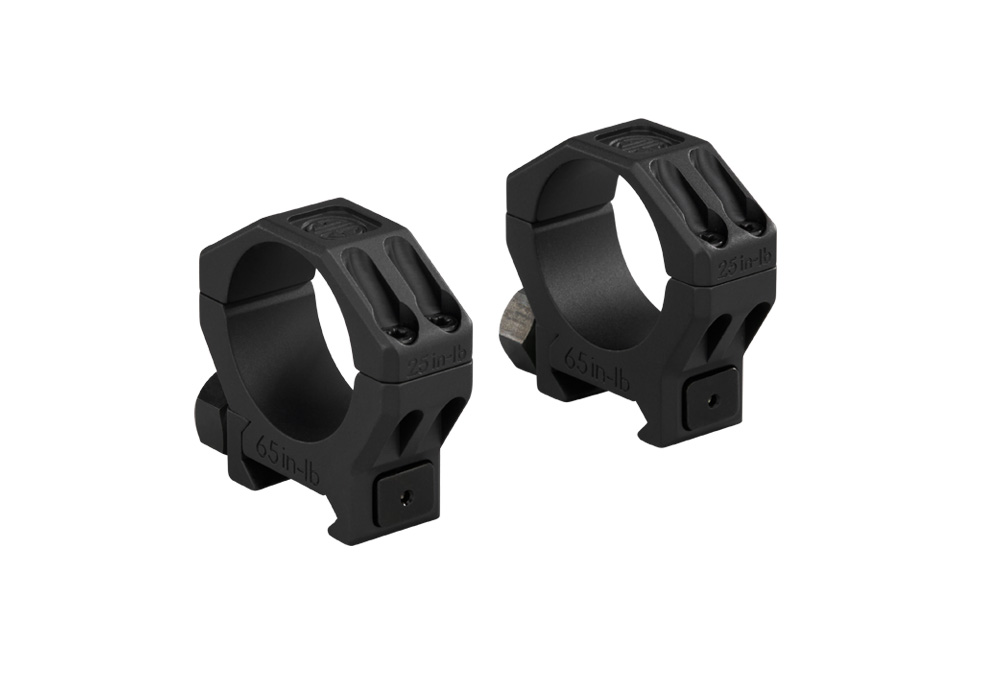
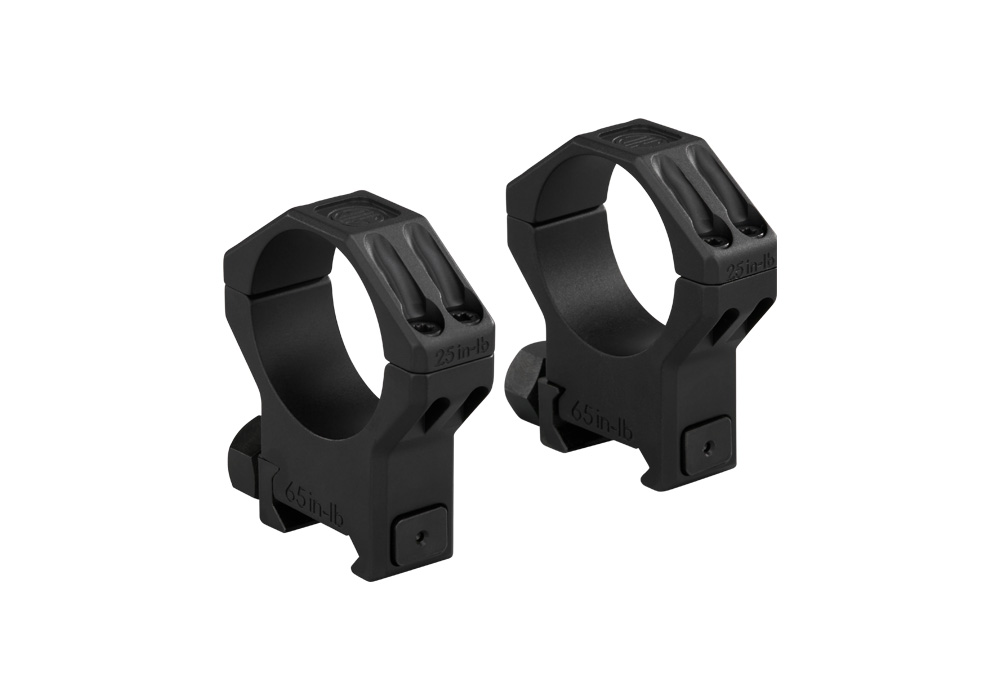
Complete scope ring sets secure a riflescope’s main tube to compatible firearm bases or rails, providing paired supports that hold the optic in position. A complete set typically includes two rings and the fastening hardware specified for that design, although the included components vary by mounting system. Common tube diameters include 1 inch, 30 mm, and 34 mm, with low, medium, and high ring options accommodating different rifle and optic combinations. The correct diameter matches the scope’s main tube, not its objective lens, and an exact match matters: rings intended for one tube size are not substitutes for another. Height is equally important because the objective housing needs clearance above the barrel or rail while the eyepiece remains positioned for comfortable viewing. A scope with a large objective housing, a rifle with a raised rail, and a stock with a fixed comb can each influence the appropriate configuration. Height labels are not universal measurements, so the stated dimensions and their measurement reference provide a more useful comparison than the words low or high alone. Rail or base compatibility also deserves attention, since similar-looking attachment systems can differ in cross-slot dimensions, clamp geometry, and engagement surfaces. The right combination provides secure attachment without relying on improvised spacing or mismatched hardware. Ring width and spacing affect how the scope fits, particularly when a short main tube leaves limited room around the adjustment turret housing. There also needs to be suitable clearance for the bolt handle, eyepiece, magnification control, and any lens covers that will remain fitted. These details distinguish a compatible ring set from one that merely shares the correct tube diameter. For a hunting rifle carried on foot or a target rifle used from a bench, a well-matched set supports a comfortable relationship between the stock, the shooter’s eye, and the optic, with room to establish the eye relief specified for the scope.
Materials and construction influence weight, durability, and the way a ring set fits into the overall rifle setup. Aluminum is a common choice when keeping weight manageable matters, while steel offers strength in compact sections, generally with a greater weight contribution. Neither material removes the need for accurate dimensions, appropriate fasteners, and compatibility with the mounting surface. Precisely machined contact areas help the ring halves seat around the scope tube, while properly fitted clamps establish firm engagement with the rail or base. Protective finishes can help resist surface wear and corrosion, but finish color alone does not establish structural quality or suitability for a particular firearm. For setups where weight is a central consideration, Complete Aluminum Scope Ring Sets provide a material-focused category to explore alongside the required tube diameter, height, and mounting interface. The practical value of a complete set lies in having compatible ring components intended to function together, rather than combining unrelated halves or substituting screws that only appear similar. Cap design, screw placement, and clamp arrangement vary, and those differences can affect access during installation and the space around nearby controls. Some designs emphasize a streamlined profile; others use broader contact surfaces or additional fasteners. Those features should be considered in the context of the entire mounting system rather than treated as automatic proof of better performance. A scope tube is a precision housing, so greater clamping force is not a substitute for proper fit. Manufacturer-specified torque values and installation requirements help protect the optic and mounting hardware from unnecessary stress. Consistent machining, sound thread engagement, and clearly specified dimensions are useful qualities for rifle owners who want a secure, repeatable setup. A durable ring set should complement the optic without creating interference, adding unnecessary bulk, or requiring a compromised head position simply to see a full sight picture.
Intended use gives these fit and material considerations a practical setting. On a rifle carried over distance, ring weight contributes to the total load, and a compact profile can keep the area around the optic less cluttered. On a rifle used for deliberate target practice, comfortable scope positioning and reliable attachment may take precedence over saving a small amount of weight. A shooter settling behind a bench should be able to find the sight picture without stretching forward or lifting away from the stock, while someone practicing from several supported positions benefits from a setup that remains comfortable beyond a single stance. Rings contribute to that arrangement, but they work alongside stock dimensions, scope eye relief, and the geometry of the firearm. They do not correct an incompatible optic or guarantee accuracy on their own. Long-term care is straightforward when it follows the requirements of the specific ring set and scope. Clean exterior surfaces help reveal wear, damaged fasteners, or residue around contact points, and cleaning products should be compatible with the finishes involved. Attention to perspiration, handling residue, and accumulated dust helps preserve the exterior without aggressive abrasion. Periodic inspection is particularly relevant after extended transportation, repeated range sessions, or changes elsewhere in the rifle setup. Visible movement, damaged screw heads, or interference with controls warrants attention before further use, and mounting work that exceeds the owner’s experience is best handled by a qualified professional. Ring sets can also be a thoughtful gift for an experienced hunter, recreational shooter, or precision shooting enthusiast when the recipient’s scope diameter, mounting interface, and required height are known. Those measurements matter more than appearance alone. Across different uses, the most suitable complete scope ring sets are the ones that bring the rifle and optic together cleanly: the correct dimensions, appropriate materials, dependable hardware, and enough clearance for comfortable operation and routine care.