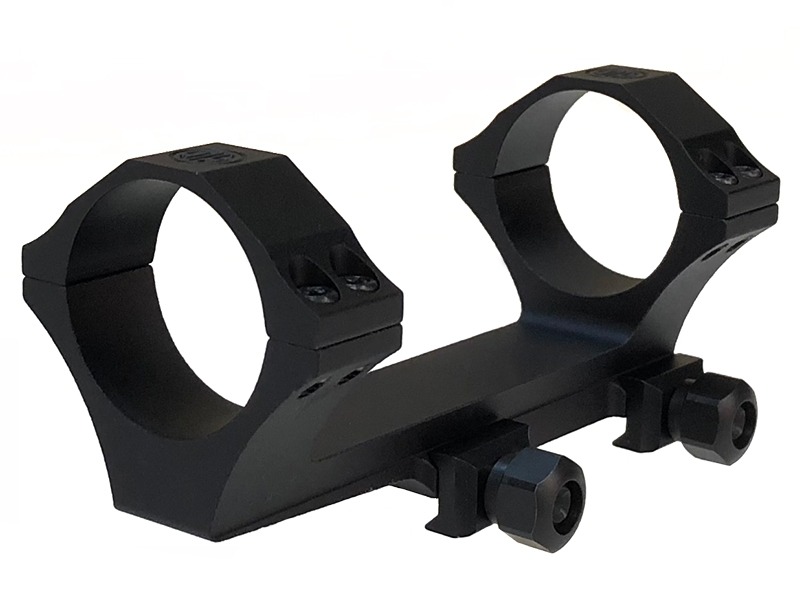
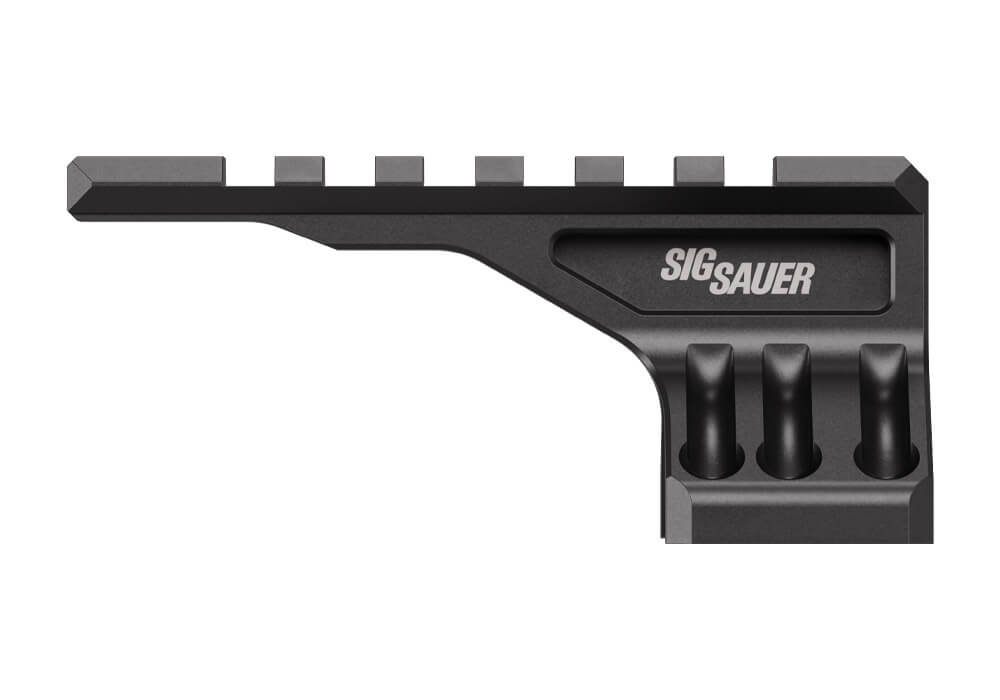
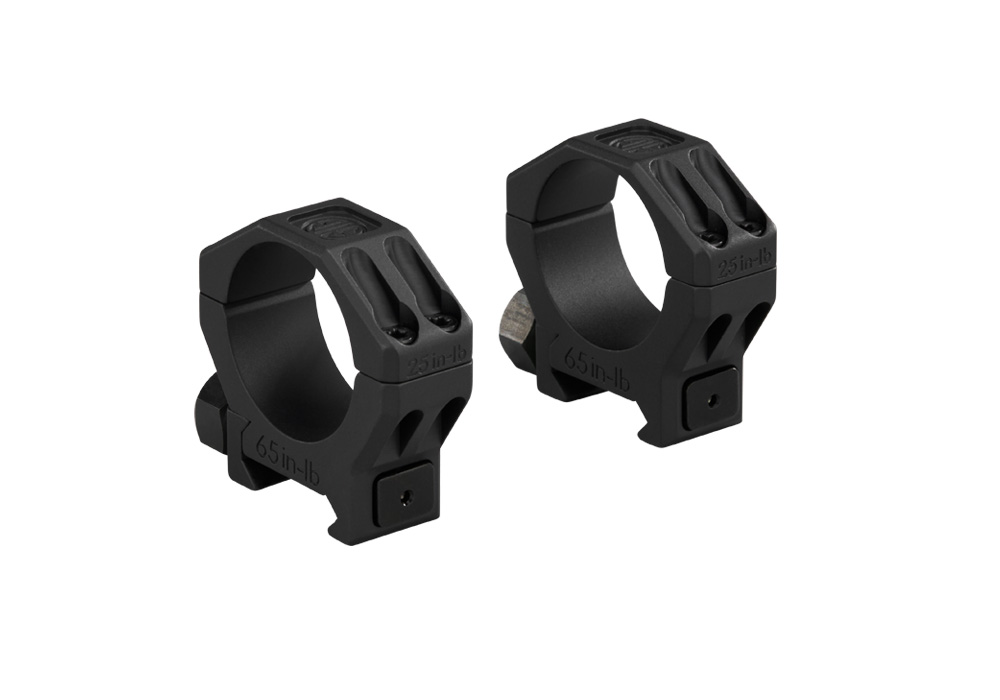
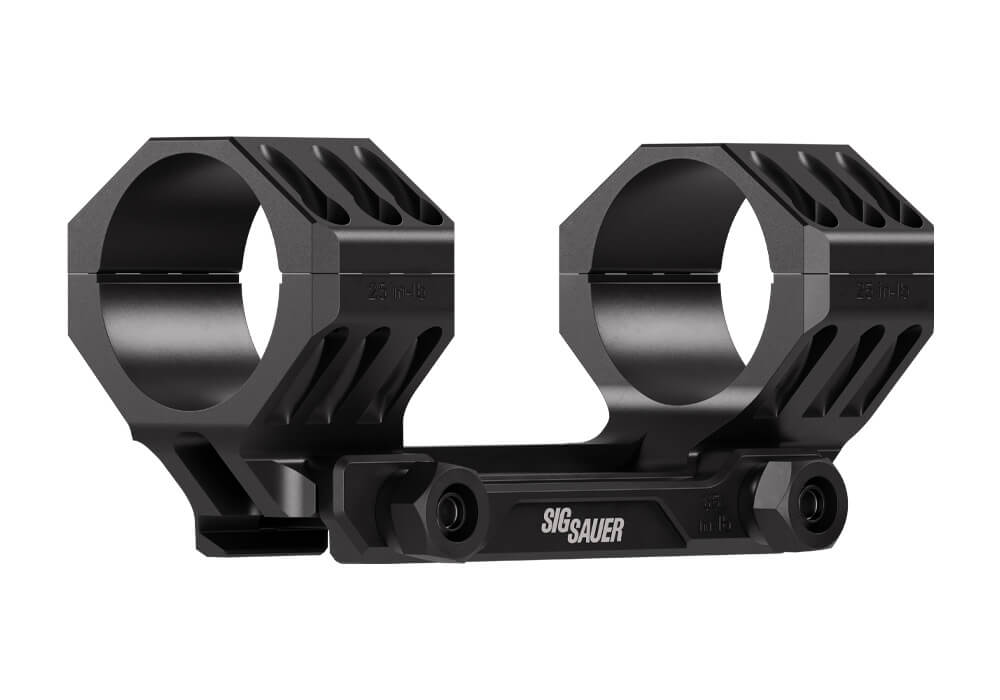
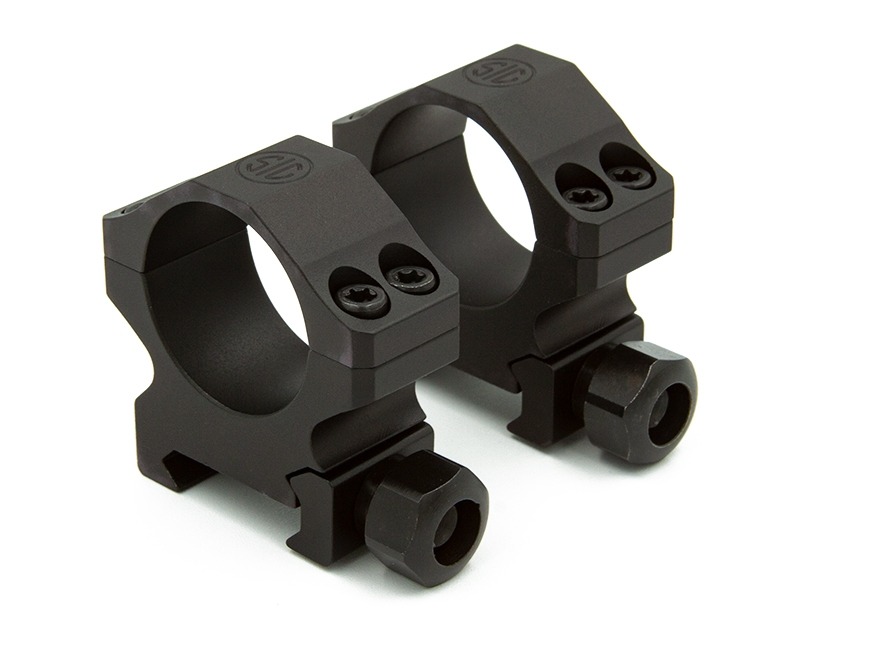
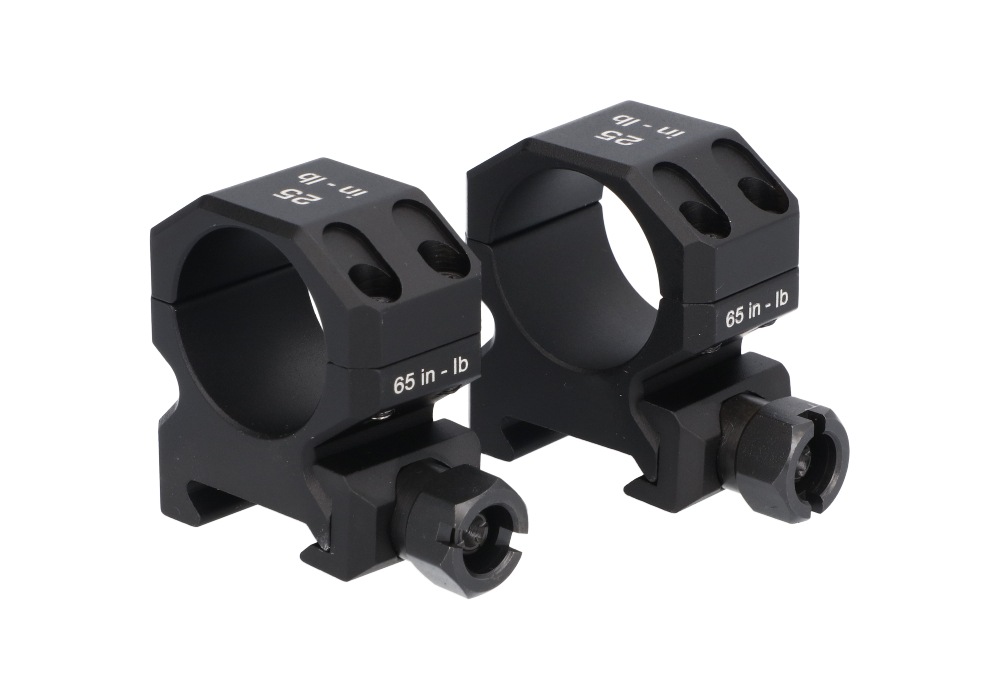
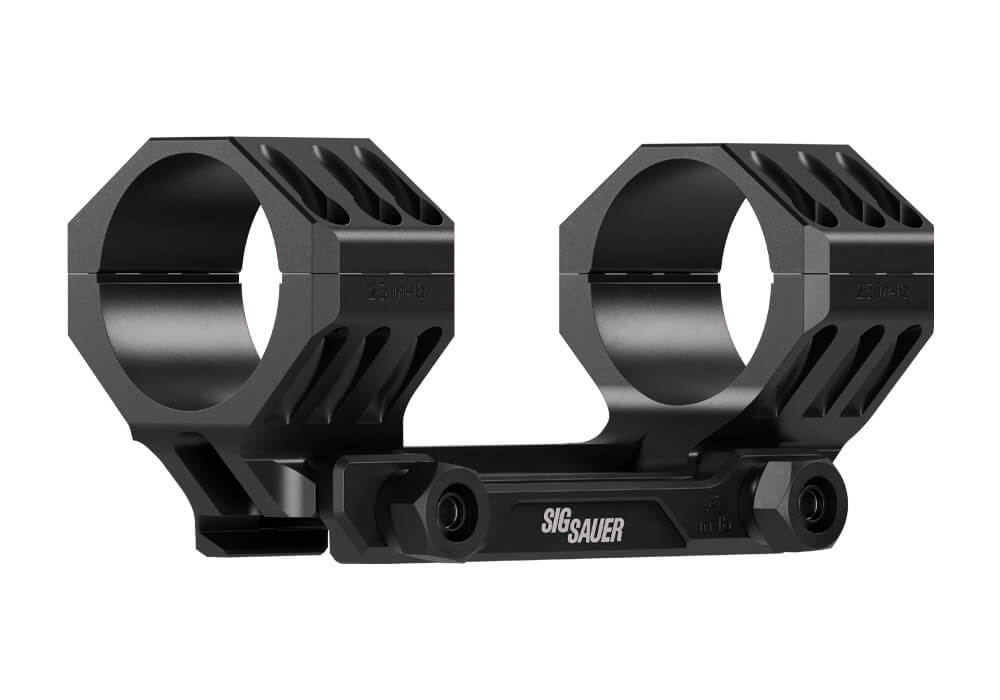
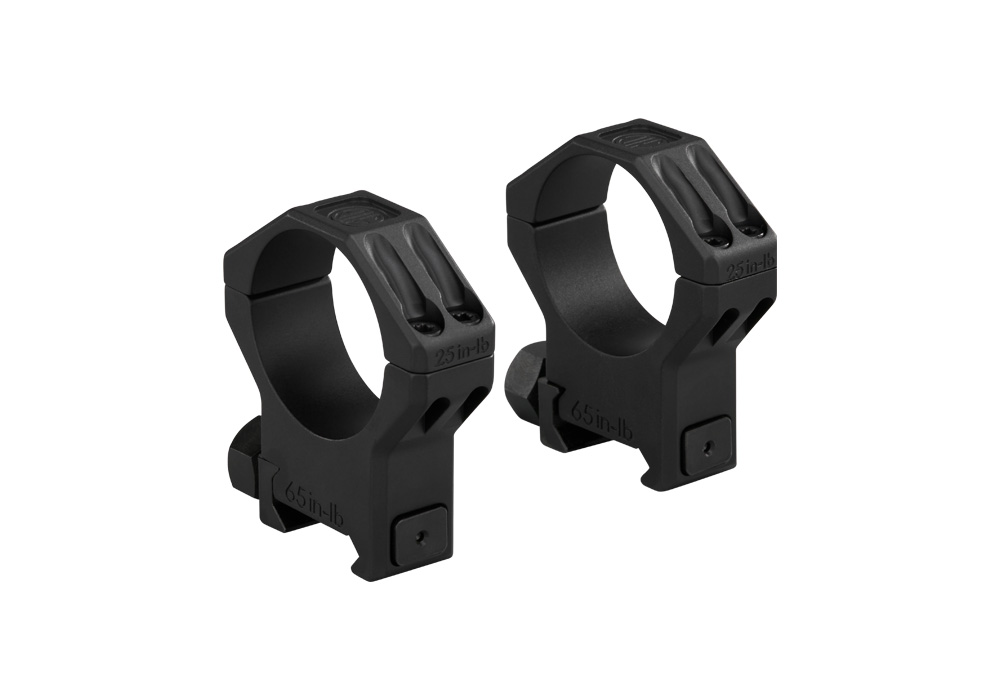
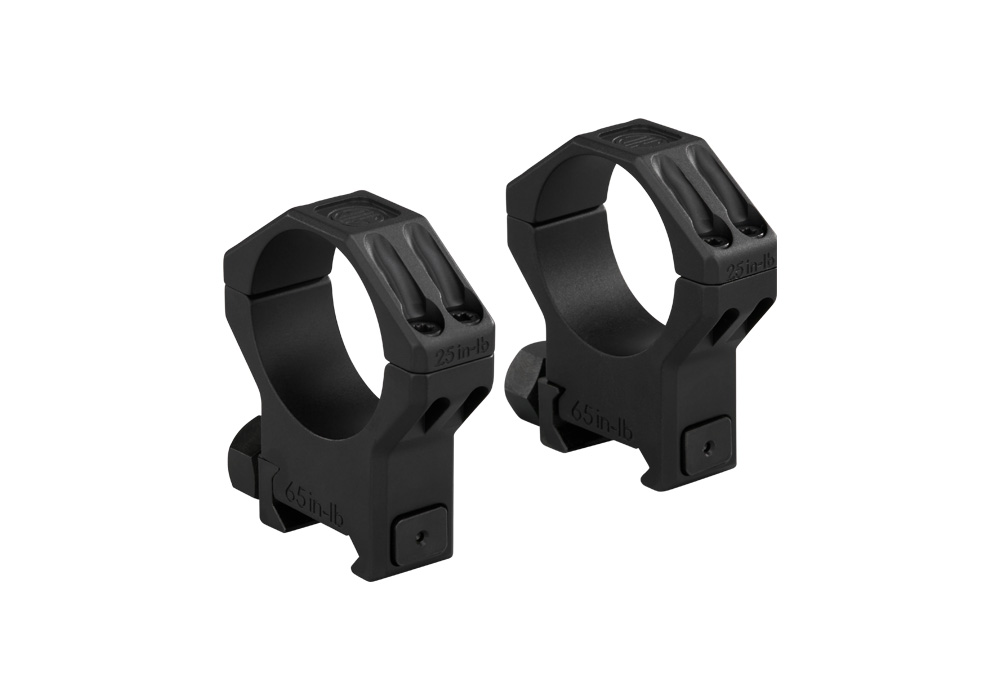
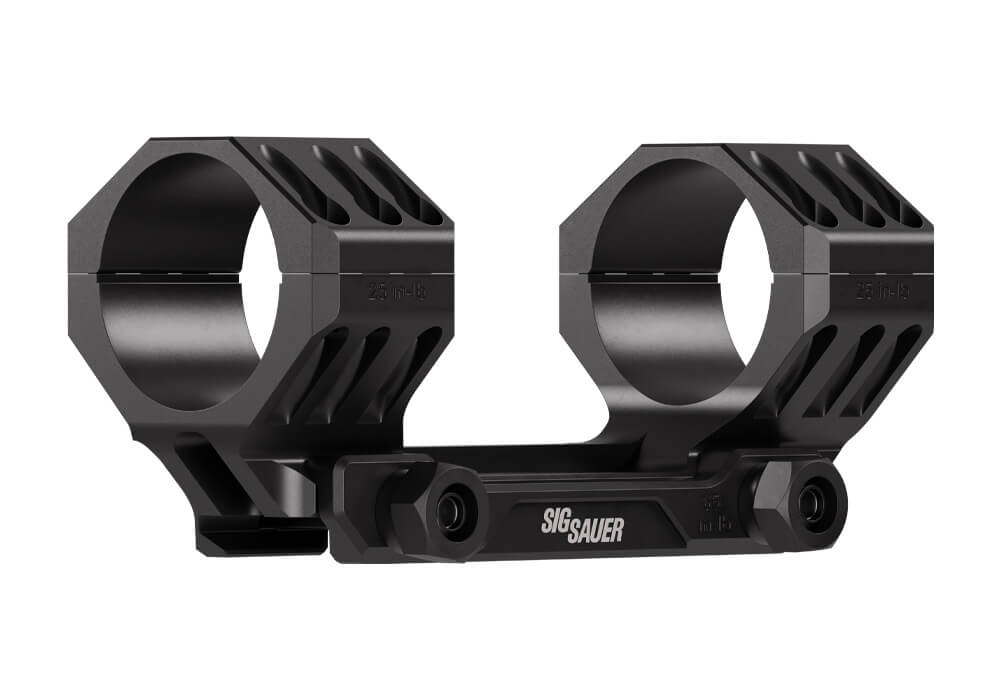
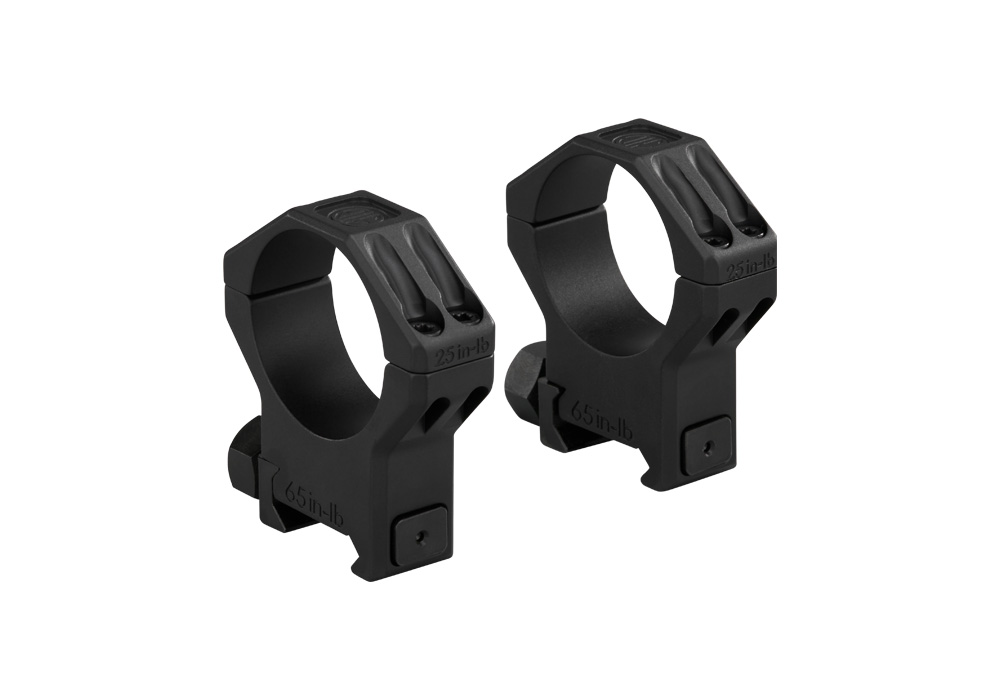
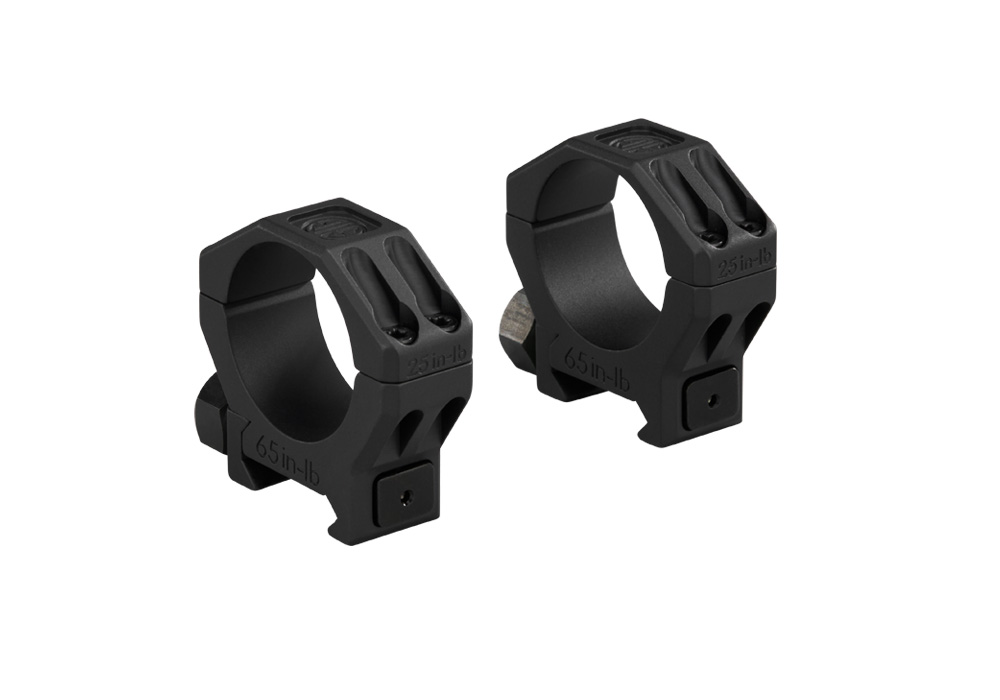
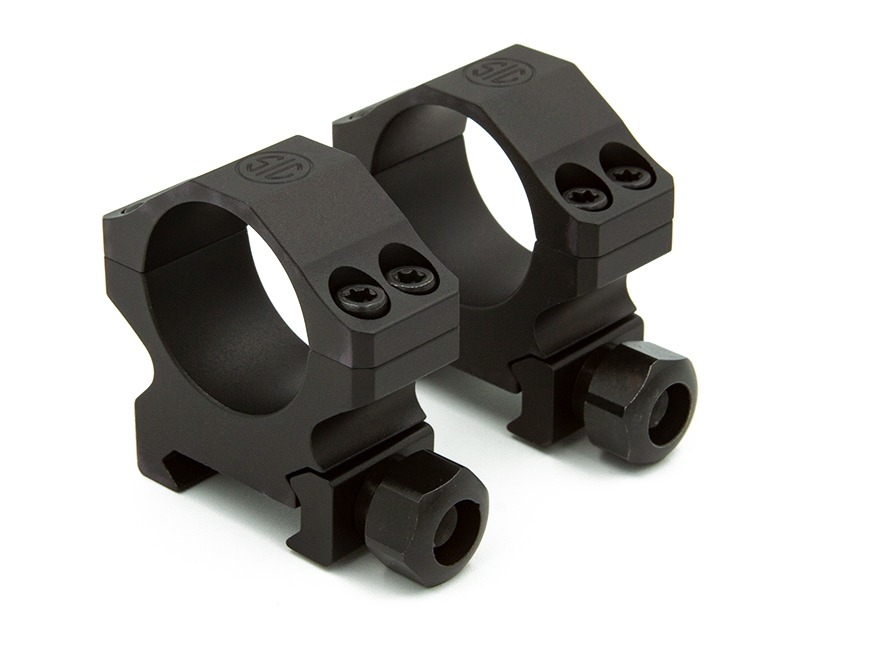
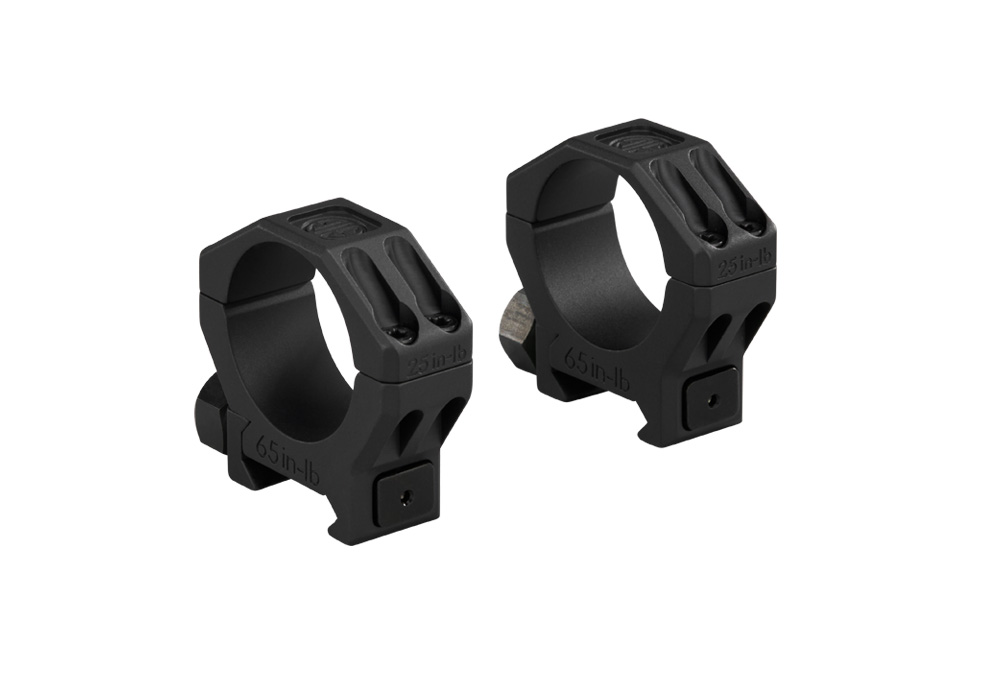
Black scope rings provide the secure connection between a riflescope and the firearm’s mounting system, helping establish a stable, repeatable optic setup while adding a clean, understated appearance. Their dark matte or anodized finishes can help limit distracting glare in bright conditions, which is especially useful when a rifle is carried through open terrain or positioned in a sunny blind. Although appearance is often the first detail shoppers notice, the most important considerations are fit, height, material, and compatibility with the rifle and optic. Begin by matching the rings to the scope’s main tube diameter. Common sizes include 1 inch, 30mm, 34mm, and 35mm, and the ring size must correspond exactly to the tube for a proper installation. Rings that are too small will not fit, while rings that are too large cannot clamp the optic securely without the correct sizing solution. It is also important to match the mounting interface to the rifle’s rail or base, such as a Picatinny or Weaver-style system. A proper match helps the rings seat consistently and reduces the chance of movement under recoil. For shoppers comparing mounting solutions, Complete Aluminum Scope Ring Sets can be a practical way to find compatible components together rather than assembling a setup piece by piece.
Ring height should be selected with the full rifle and optic combination in mind. Low rings may offer a more natural cheek weld and a streamlined profile, but they must leave enough space for the objective bell to clear the barrel, handguard, or other components. Medium rings are often a versatile choice for scopes with moderate objective lenses, while high or extra-high rings may be needed when a larger objective lens, elevated rail, or other firearm features require additional clearance. The goal is not simply to position the scope as close to the bore as possible; it is to create a comfortable, functional setup that allows the shooter to establish a consistent sight picture without forcing the head into an awkward position. Before ordering, measure the scope’s objective diameter, check the rail height, and account for the contour of the rifle beneath the optic. A few minutes with a ruler or calipers can prevent the frustration of discovering that the scope bell touches the barrel or that the ocular end interferes with the charging handle, bolt movement, or rear sight. Material is another meaningful consideration. Aluminum rings are lightweight and well suited to hunters, range shooters, and anyone who carries a rifle over long distances, while steel rings may appeal to users who prioritize a particularly rugged mounting solution. The finish should be examined as well: black rings with a low-glare surface can complement a dark rifle and optic while helping keep reflections subdued. Once the correct rings are selected, installation should be deliberate. Place the rifle in a stable position, confirm the optic’s eye relief from the intended shooting position, level the reticle, and tighten fasteners gradually in an alternating pattern. Use the torque specifications supplied by the ring or optic manufacturer and a calibrated inch-pound torque wrench rather than relying on feel. Even pressure helps the cap sit evenly around the scope tube and supports a secure, centered installation.
Black scope rings are useful for a wide range of applications, from a hunting rifle carried through cool, damp woods to a precision-oriented setup used from a bench or shooting mat. Hunters often appreciate a compact mounting arrangement that keeps the optic protected within the rifle’s overall profile as they move through brush, climb into a stand, or settle behind a pack on uneven ground. At the range, properly matched rings make it easier to maintain a consistent relationship between the rifle and optic as adjustments are made and groups are checked at different distances. They can also be a thoughtful gift for a new rifle owner, a family member preparing for a first hunting season, or an experienced shooter refreshing an older setup. Because fit is so specific, gift buyers should confirm the recipient’s scope tube diameter, rail type, objective lens size, and preferred ring height before purchasing. A gift card or a carefully verified set of rings is generally more useful than choosing based on appearance alone. After installation, inspect the fasteners and mounting points before heading into the field, especially if the rifle has been transported, exposed to heavy vibration, or stored for an extended period. Confirm that the scope remains level, the rings have not shifted, and the optic maintains a clear sight picture from a natural cheek position. It is also wise to follow all firearm safety practices, keep the firearm unloaded during installation, and verify that the rifle is pointed in a safe direction whenever it is handled. During the cooler months, when gloves, heavier clothing, and changing light can affect shooting posture, a well-positioned scope becomes even more valuable. Selecting black scope rings that match the optic’s tube, provide appropriate clearance, and suit the rifle’s mounting system creates a dependable foundation for practice, field use, and careful storage between seasons.