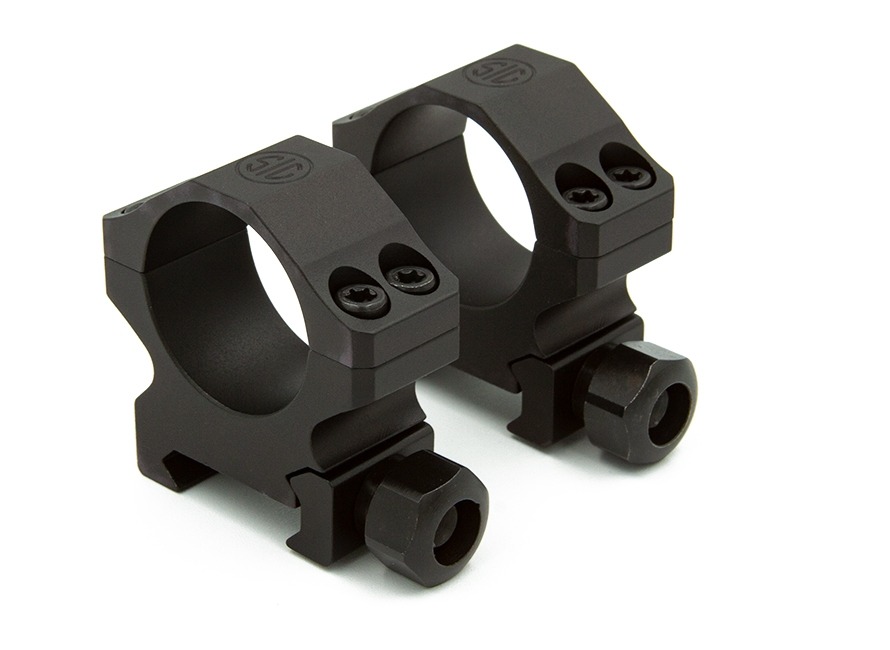
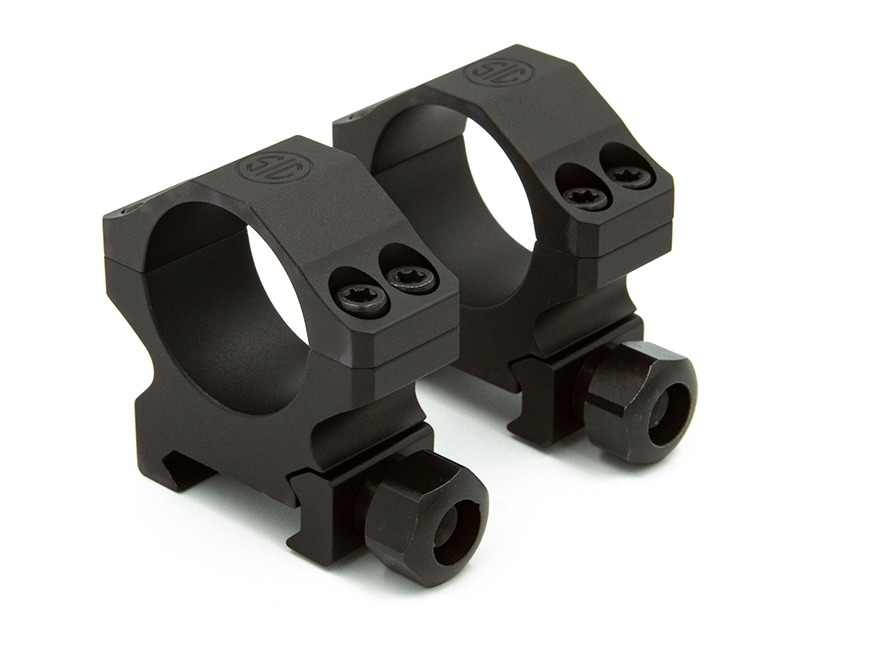
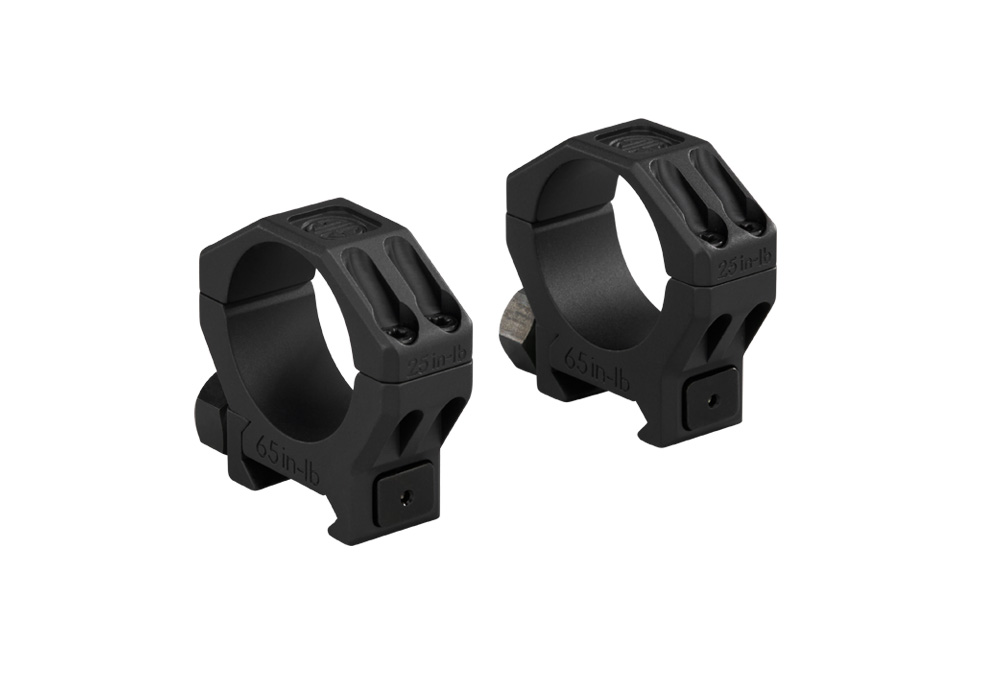
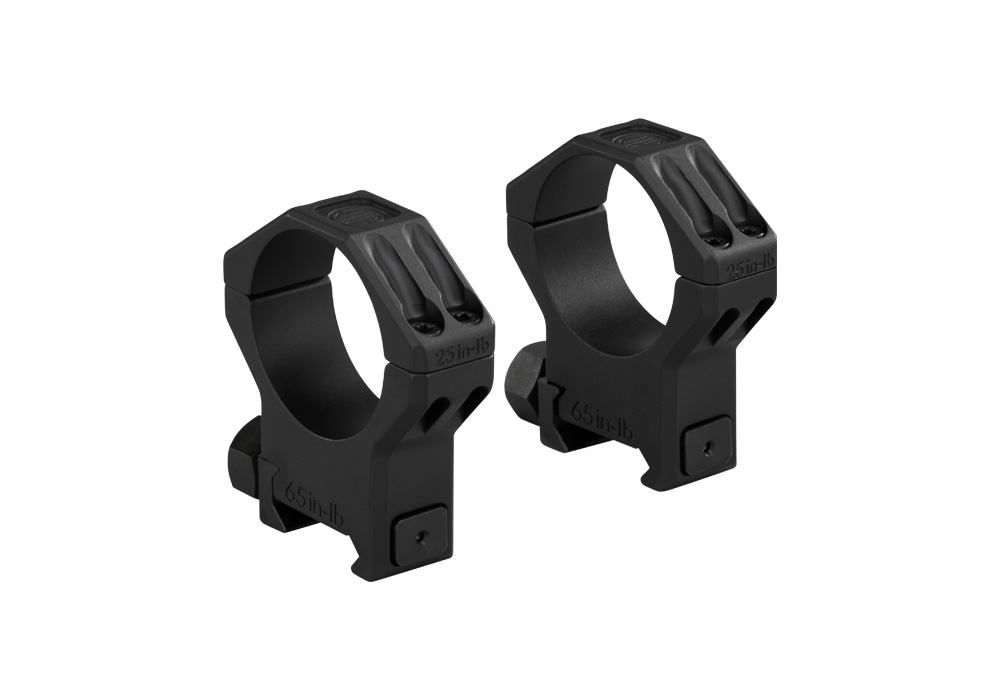
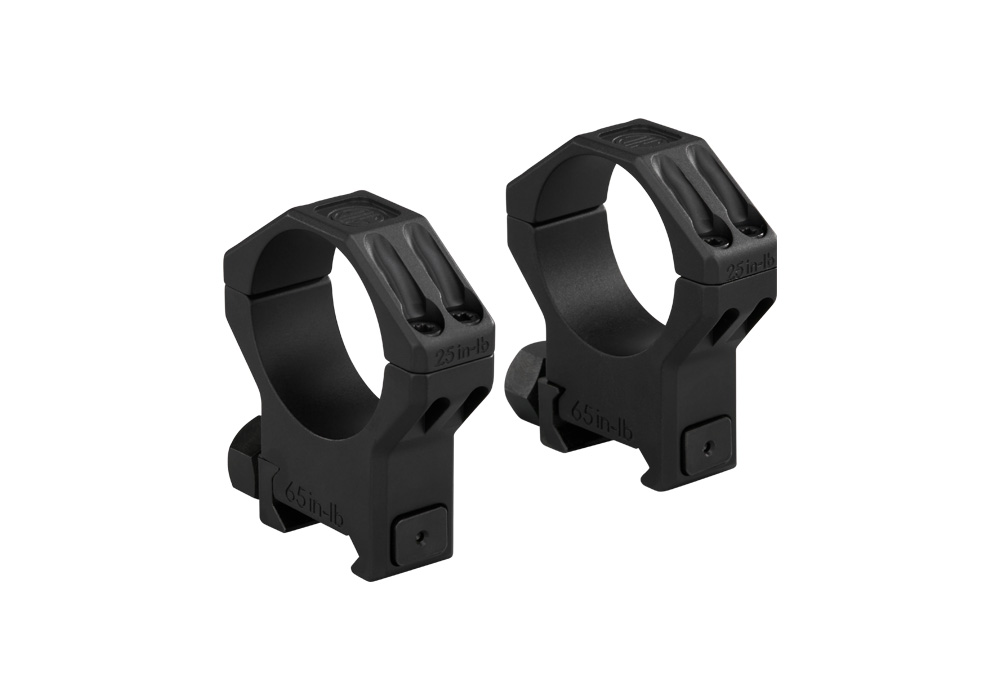
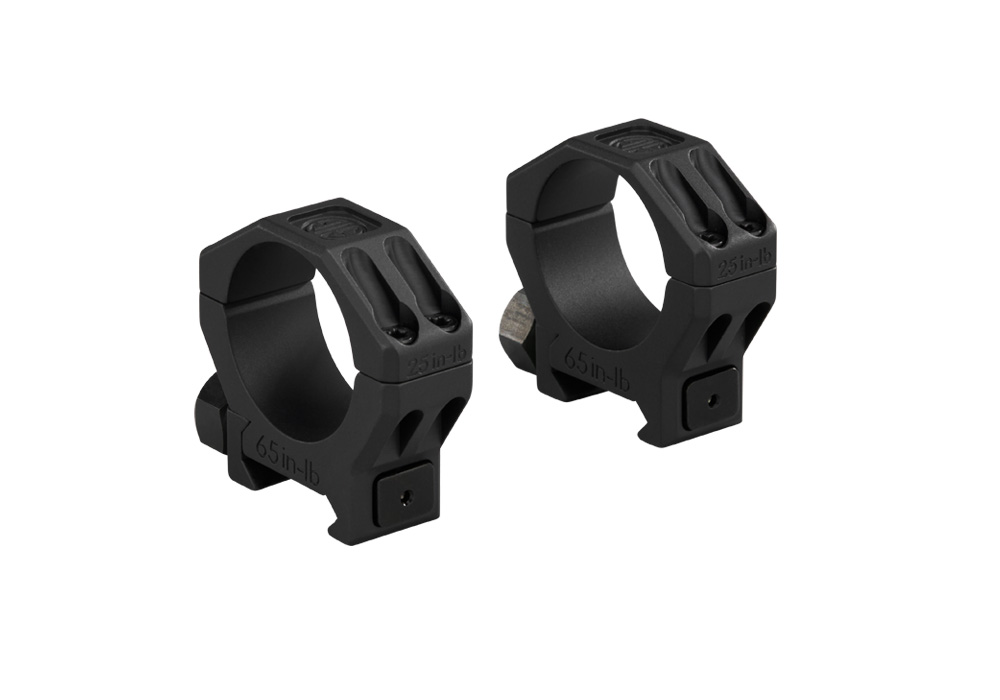
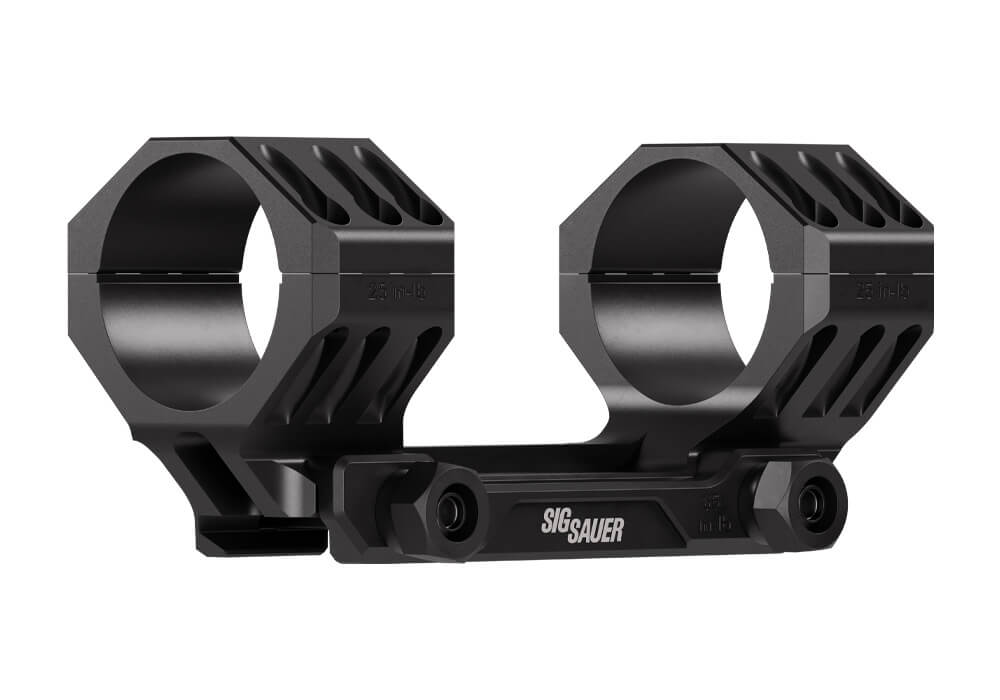
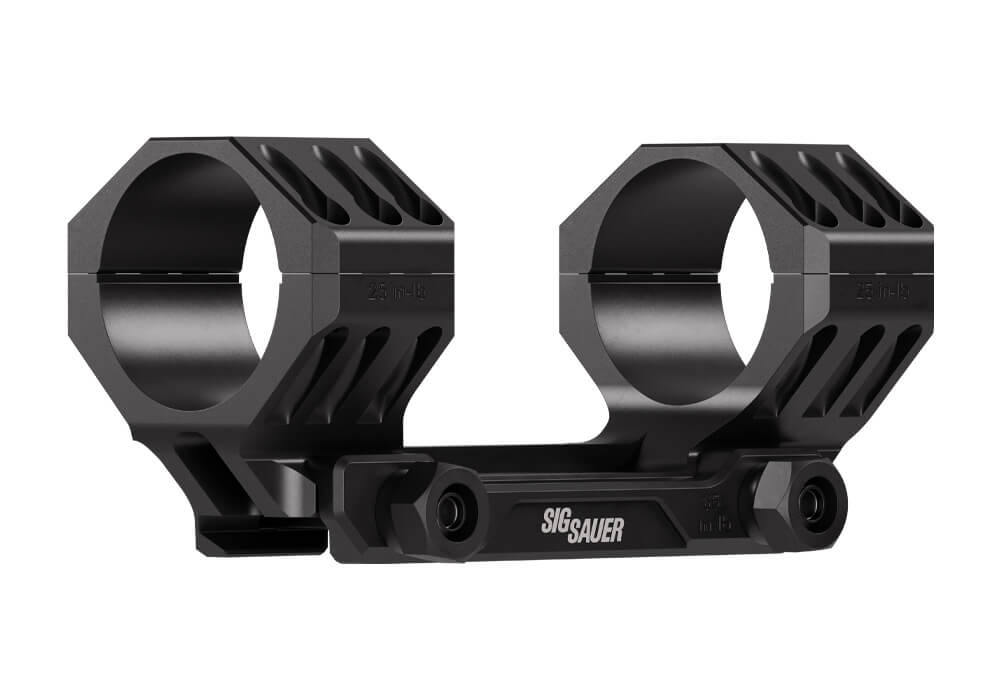
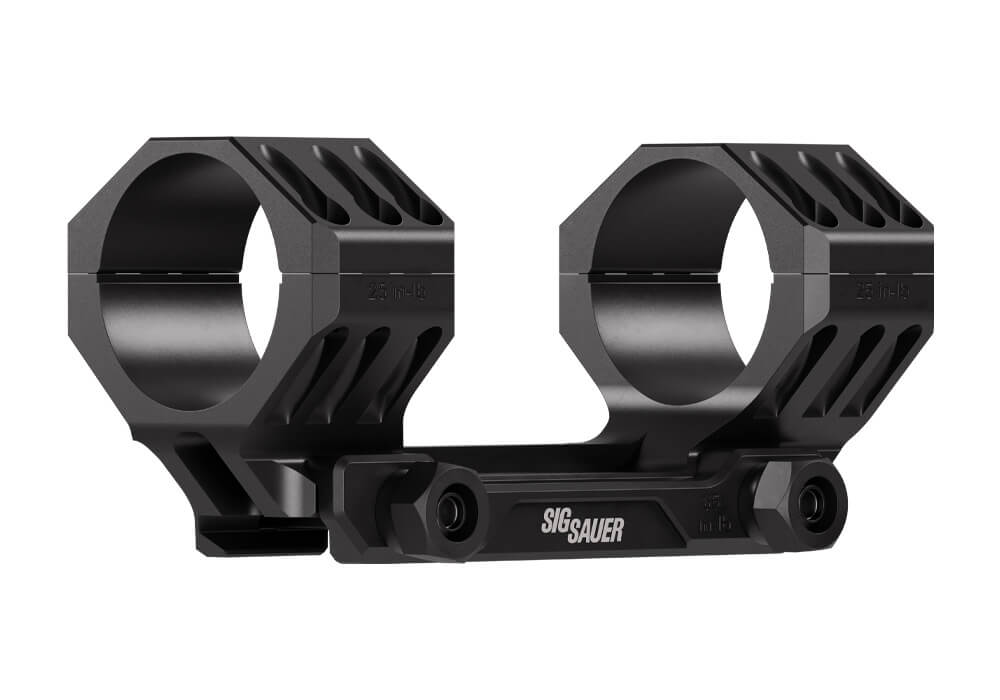
35mm matte black scope rings connect a riflescope with a 35mm main tube to a compatible mounting base, providing the support that helps the optic maintain its position through recoil and regular handling. The 35mm measurement refers to the scope tube diameter, not the objective lens size, and an exact diameter match matters: a ring intended for a different tube size is not an appropriate substitute. Within this category, the most useful differences are ring height, rail compatibility, construction material, clamp design, and the clearance each configuration provides around the rifle and optic. A matte black finish offers a subdued appearance with less surface glare than a polished finish, pairing naturally with many rifle receivers, rails, and scope bodies. The finish alone does not identify the underlying material or protective treatment, so those specifications remain important when comparing options. Aluminum construction can help limit weight on a hunting rifle carried over long distances, while steel construction may appeal to shooters who prioritize strength and resistance to wear over the lightest possible setup. Alloy, machining quality, hardware, and overall design all contribute to durability; material alone does not tell the whole story. Carefully machined mating surfaces and secure clamping hardware help support consistent alignment without relying on excessive tightening force. Ring width and screw placement also influence how the rings fit along the available straight sections of a scope tube. A compact optic with short mounting sections may leave less room for positioning than a longer scope, even when both share the same tube diameter. For hunters, recreational target shooters, and competition participants, these details affect the feel and usability of the complete rifle. The right match supports a comfortable view through the optic while keeping the scope clear of surrounding components. Although a subdued finish contributes to a cohesive appearance, dimensional compatibility and dependable mechanical support are the more important reasons to choose one ring configuration over another.
Fit involves more than matching a 35mm tube. The ring base must also suit the rifle’s rail or mounting system, including the dimensions of its cross slots and the design of the clamping surfaces. Picatinny and Weaver interfaces can look similar, but compatibility is not universal, and a broad cross bolt may not fit a narrower slot. Clearly stated interface specifications are more reliable than appearance alone. Height deserves equally close attention because labels such as low, medium, and high are not standardized across all ring designs. One height measurement may describe the distance from the mounting surface to the scope centerline, while another may use a different reference point. Comparing the same measurement convention helps clarify how a ring will position the optic. Objective clearance depends on the outside diameter of the scope’s objective housing, the height of the mounting base, and the contour of the barrel or handguard beneath it; the advertised objective lens diameter does not provide every dimension needed. Lens covers can require additional space, too. A scope that clears the barrel may still sit too close to a bolt handle, rear sight, or another nearby component. At the same time, unnecessary height can make a natural cheek position harder to maintain, particularly on a stock with a fixed comb. A comfortable setup lets the shooter settle behind the rifle and see a full, clear image without stretching upward or pressing awkwardly into the stock. For configurations that require additional clearance, 35MM High Profile Hunting Rings provide a related category to consider alongside the rifle’s dimensions and the optic’s requirements. Higher rings are not automatically better suited to every hunting rifle, just as lower rings are not always the best choice for every target setup. Appropriate height balances clearance, head position, and the adjustment range available along the scope tube, with enough room to establish suitable eye relief without placing a ring against a turret housing or tapered tube section.
Long-term satisfaction with 35mm matte black scope rings depends on both their construction and the attention given to the complete mounting arrangement. A durable surface treatment can help protect the underlying metal from corrosion and routine handling wear, but matte black describes an appearance rather than a single coating process. Anodized aluminum and treated steel can require different care, and cleaning products should be compatible with the finish as well as the surrounding optic. A soft cloth or brush is generally suitable for removing loose dust from accessible surfaces, while abrasive pads and harsh chemicals can mark finishes or affect nearby components. Clean, dry storage and protection from contact with loose tools help preserve the rings and scope during transport. Hardware condition matters as much as the visible finish: damaged screw heads, missing components, or signs of movement warrant attention before further use. Mounting torque is specific to the ring design and the optic, so generic torque figures are not a reliable substitute for the applicable specifications. Excessive force can damage threads or distort a scope tube, while insufficient clamping force can allow movement. Professional installation can be useful when compatibility is uncertain or when suitable tools are not available. For a hunting rifle, a relatively lightweight ring set may complement a streamlined setup; for a rifle used mainly from a bench or at organized target events, additional weight may be less important than a secure fit and convenient access to the scope’s controls. Ring placement should leave magnification and illumination controls usable rather than crowding them. Scope rings can also be a practical gift for an experienced shooter, but they are highly fit-dependent accessories, so the recipient’s tube diameter, mounting interface, and preferred height need to be known. Across these uses, the strongest choice is a compatible set with clearly documented dimensions, suitable materials, and a finish that holds up to ordinary care—a straightforward foundation for an optic that feels properly integrated with the rifle.