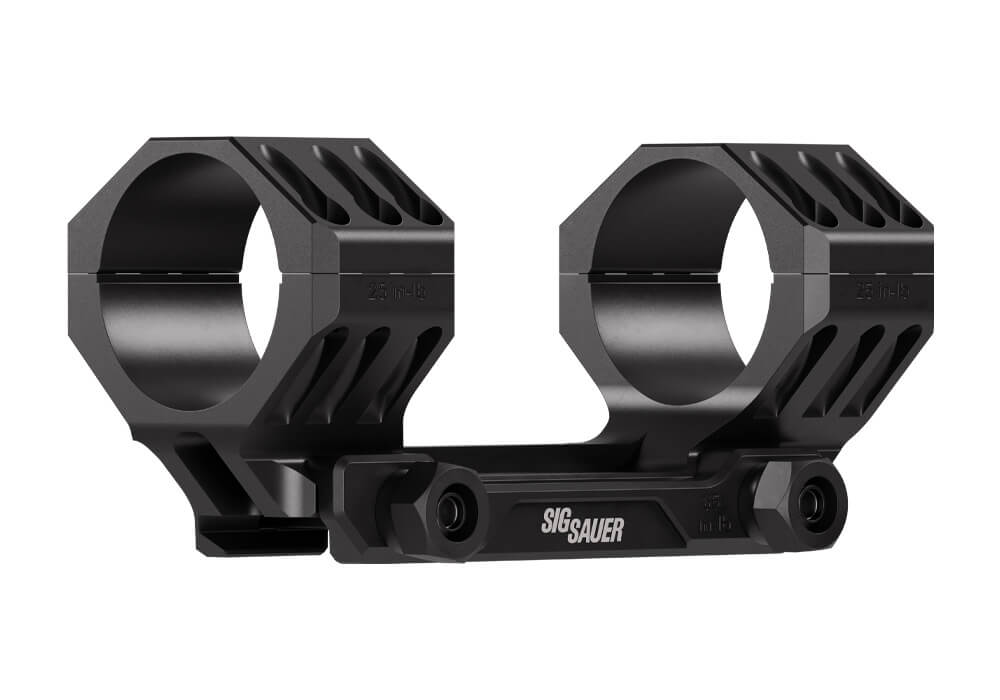
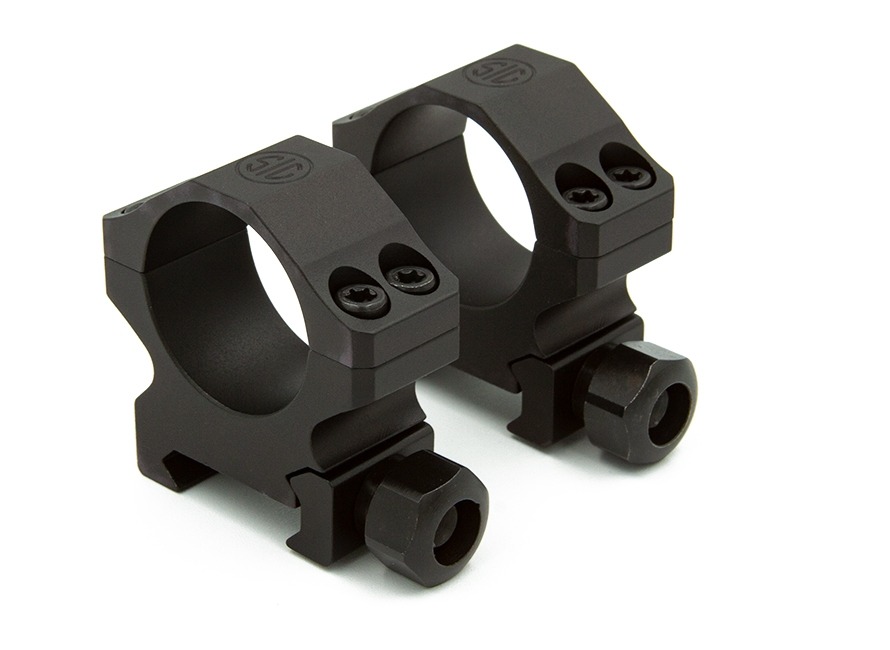
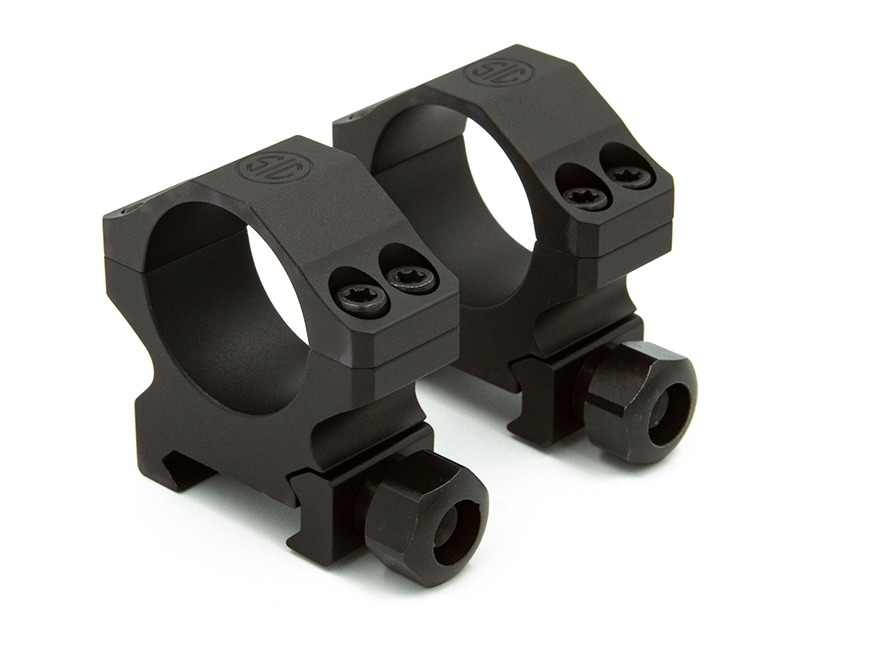
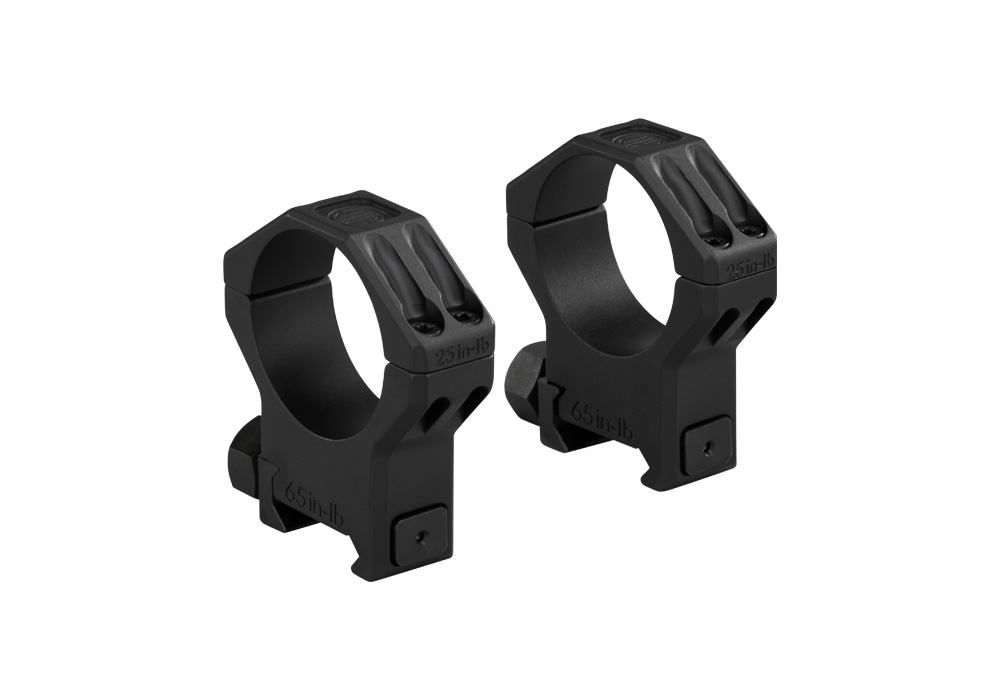
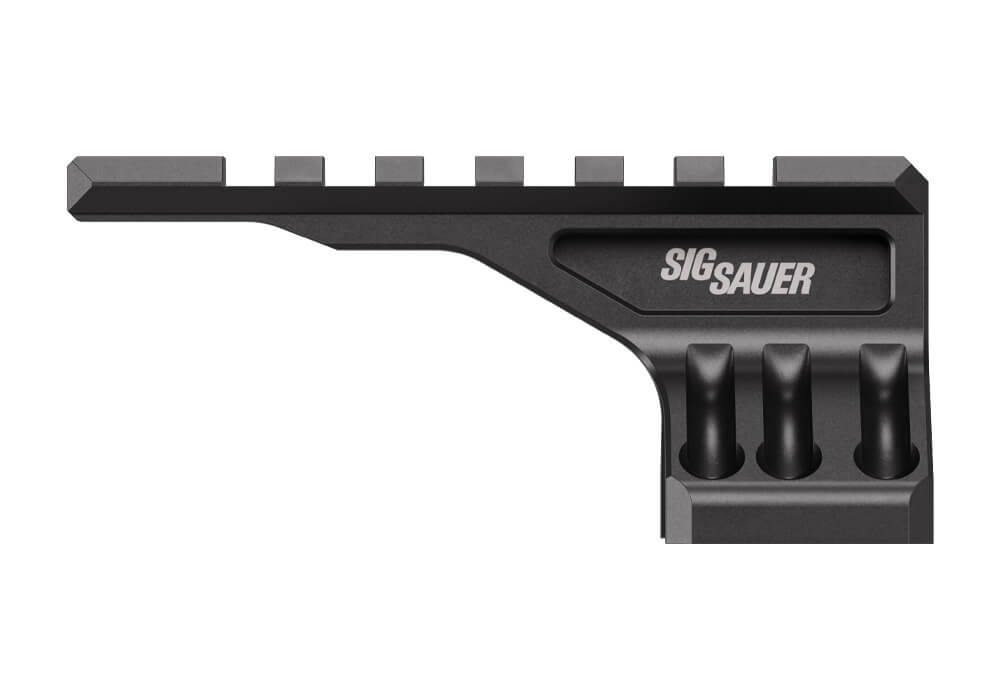
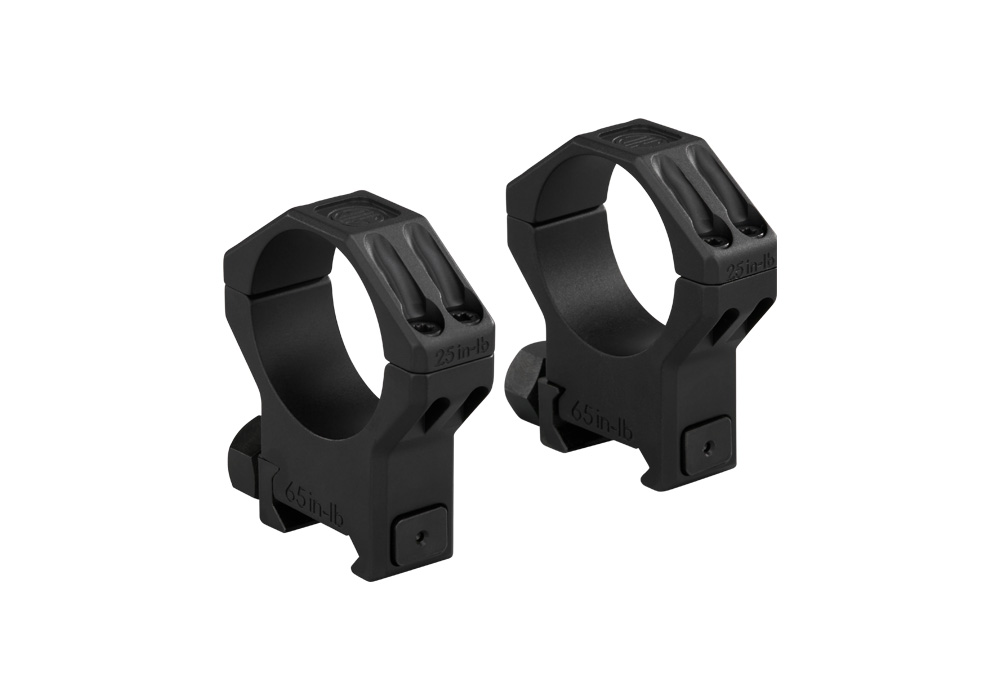
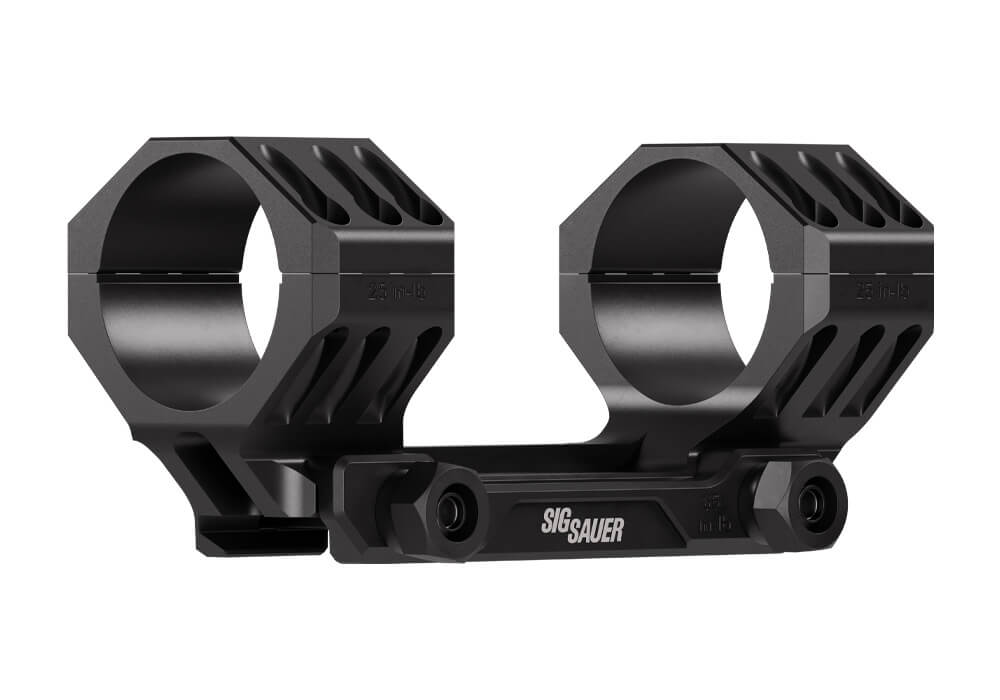
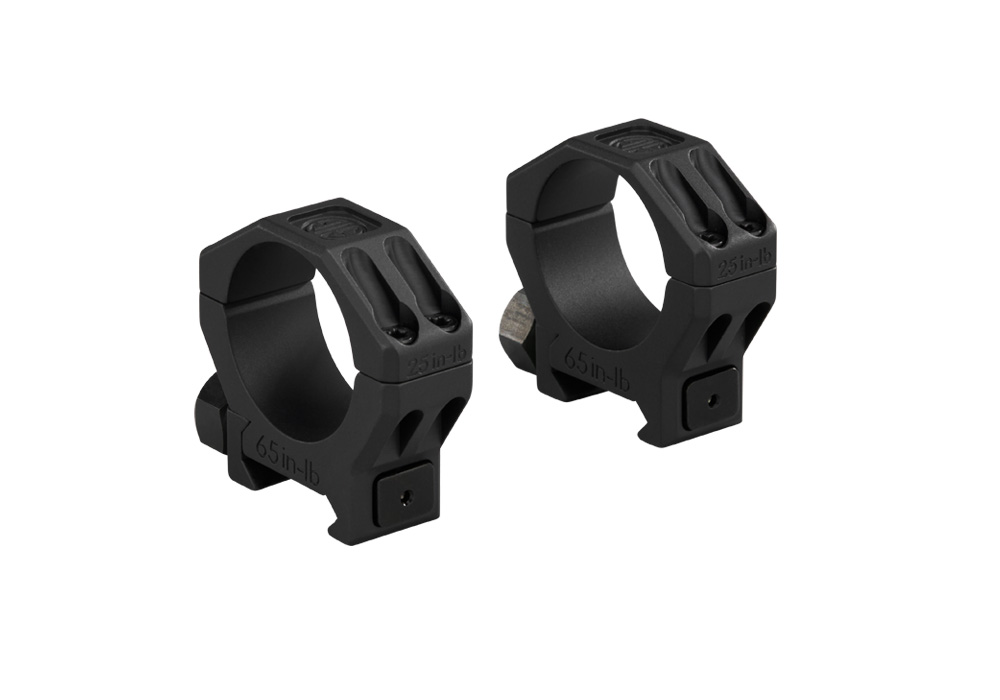
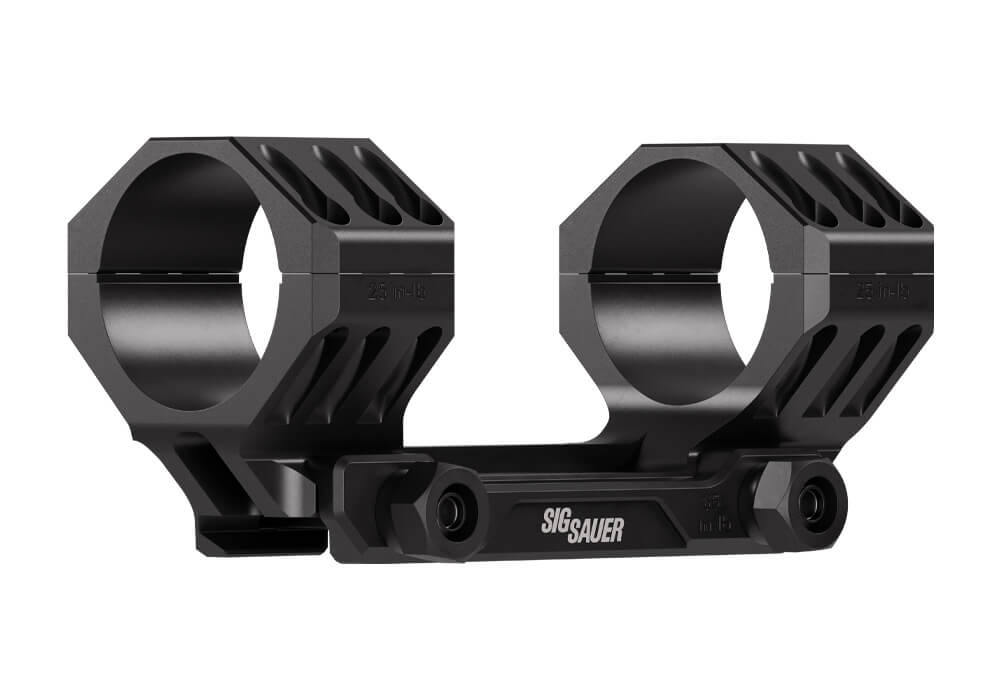
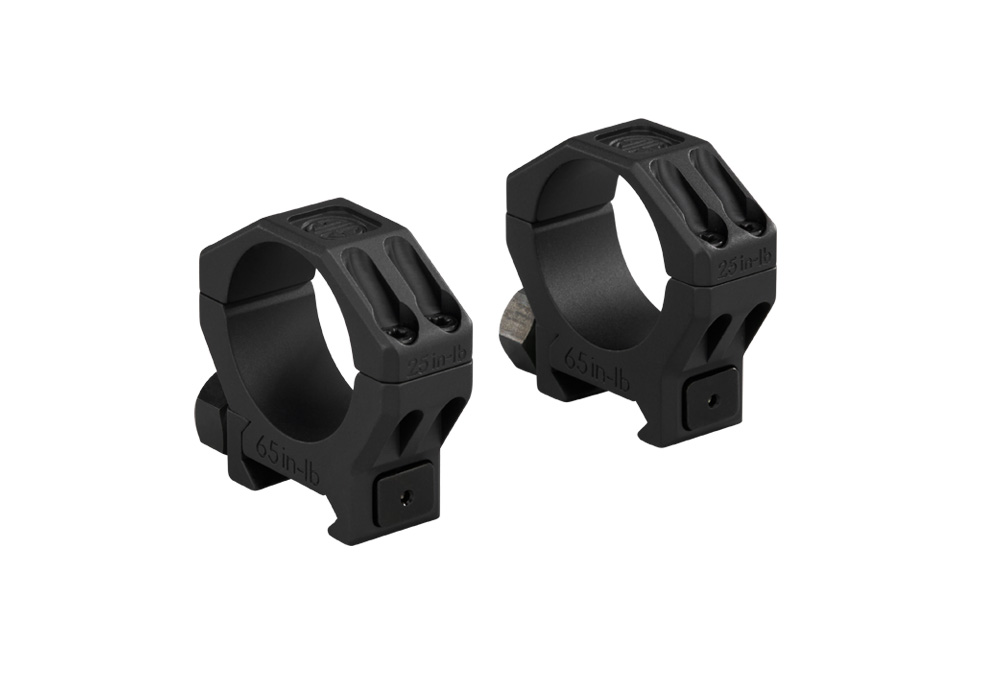
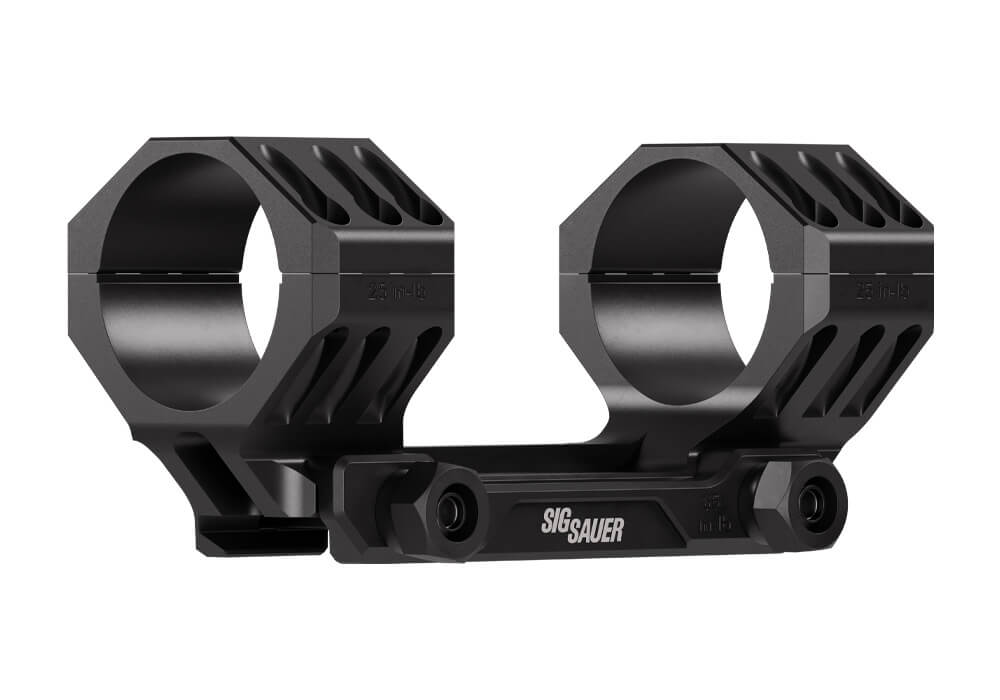
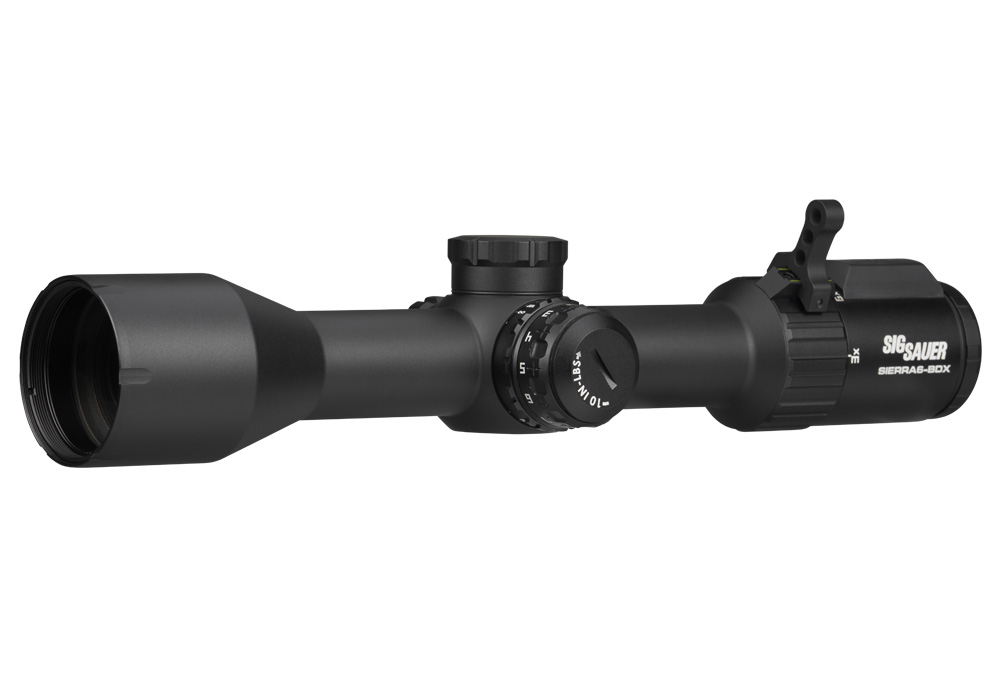
35mm high-profile hunting rings are scope-mounting rings designed to hold a riflescope with a 35mm main tube at an elevated position above the rifle’s mounting surface. That added height can provide clearance for a larger objective housing, protective lens covers, or features of the rifle itself, depending on the complete setup. The 35mm measurement refers to the diameter of the scope tube where the rings clamp, not the diameter of the objective lens. A matching tube diameter is essential: a ring intended for a different tube size is not a suitable substitute, even when the difference appears small. High profile describes mounting height, but it is not a universal measurement. Some height specifications run from the mounting surface to the scope’s centerline, while others refer to a different point on the ring. Comparing those dimensions on the same basis matters more than relying on the word “high” alone. Objective housing diameter, barrel contour, rail height, and lens-cover thickness all influence how much clearance a particular rifle needs. A generous objective lens can require additional room, yet the lens measurement by itself does not describe the outside dimensions of its housing. The relationship between scope height and stock fit deserves equal attention. A higher mounting position may solve a clearance issue while also changing how naturally the shooter’s cheek meets the stock. On a rifle with an adjustable cheekpiece, there may be more flexibility to support that position; a fixed-comb stock can be less forgiving. The goal is adequate clearance with a comfortable, repeatable view through the scope, rather than extra height for its own sake. For a hunter settling behind a rifle from a supported position, the difference is tangible: the sight picture should come into view without an awkward search or a strained neck position. Ring height, scope dimensions, and stock geometry work together, so the most suitable choice reflects the entire rifle-and-optic combination.
Materials and construction help distinguish how hunting scope rings handle repeated use. Aluminum alloys can offer a useful balance of strength and low weight, particularly on a rifle carried over long distances. Steel generally adds weight but can provide substantial strength in compact dimensions. Neither material alone establishes the quality of a ring. Machining consistency, crossbolt design, fastener quality, and the way the base engages the mounting surface all contribute to a stable connection. A protective finish supports resistance to corrosion and surface wear, although no finish eliminates the need for sensible care. Well-fitted ring halves should support the scope tube without relying on excessive clamping force, and the ring manufacturer’s specifications govern fastener torque and installation requirements. More tightening is not a substitute for correct fit; excessive force can damage a scope tube or affect internal operation. The mounting interface is another essential distinction. A ring’s compatibility with a particular rail or base must be confirmed separately from its 35mm tube size and high-profile designation. Similar-looking mounting systems are not automatically interchangeable, and compatibility can depend on cross-slot dimensions, clamp geometry, and the specific base design. Ring placement also depends on the usable straight sections of the scope tube. Turret housings and the transitions toward the objective and eyepiece limit where the rings can sit, while the shooter’s eye relief requirements influence the scope’s position along the rifle. Those details become especially important when a scope has a short mounting section or a rifle offers limited spacing options. Within the broader category of Hunting Rifle Rings, tube diameter, mounting interface, and actual height measurements provide a more useful comparison than appearance alone. A substantial-looking ring is not necessarily the best match, just as a lighter ring is not necessarily less suitable. The practical question is whether its construction and dimensions suit the optic, rifle, and intended use without introducing unnecessary bulk or compromising fit.
For hunters, a scope mount has a quiet but important role: keeping the optic securely positioned through recoil, routine transport, and repeated handling. A rifle carried on a sling, placed in a case, and supported against a pack encounters forces beyond the moment of firing. Properly matched rings help support consistent optic placement, but they cannot compensate for a loose base, an unsuitable mounting surface, or a scope with an unrelated mechanical problem. Heavier optics can place greater demands on the mounting system, making sound attachment and appropriate ring spacing especially relevant. Consistency matters for both experienced hunters refining a familiar rifle and newer owners assembling a compatible setup. A familiar cheek position and an unobstructed view through the eyepiece are often more valuable in practice than choosing the tallest rings or the most substantial design. Care is generally straightforward, with attention centered on keeping contact areas clean, checking for visible movement or damage, and following the care requirements for the ring material and finish. Dust and grit around the mounting interface can interfere with proper seating, while damaged fasteners or worn tool engagement can complicate future service. Exterior cleaning should be gentle enough to preserve protective finishes, and oils or thread treatments should be used only where the relevant manufacturer specifies them. Fastener condition and mounting security deserve attention after service or any impact that raises concern about the setup. Confirmation at the range remains important whenever mounting components have been changed or disturbed; a secure appearance alone does not establish that the rifle’s point of impact is unchanged. As a gift for a hunter, rings are most practical when the scope’s exact tube diameter, the rifle’s mounting interface, and the required height are already known. These are fit-dependent components rather than universal accessories. Thoughtfully selected 35mm high-profile hunting rings bring the necessary clearance, material characteristics, and mounting compatibility together in a connection that supports comfortable use and consistent optic positioning.