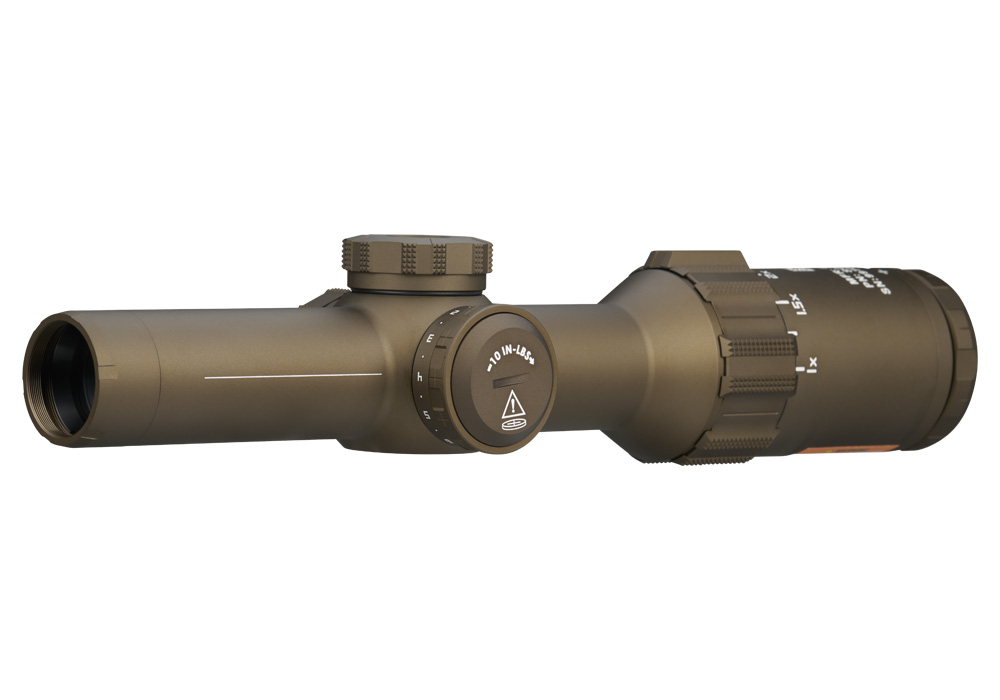
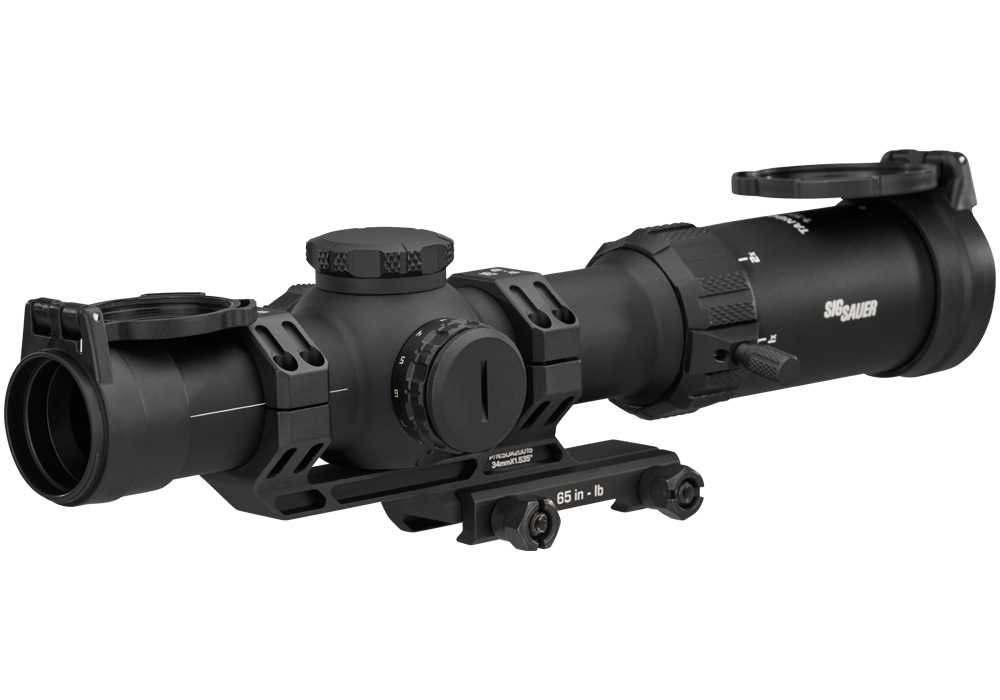
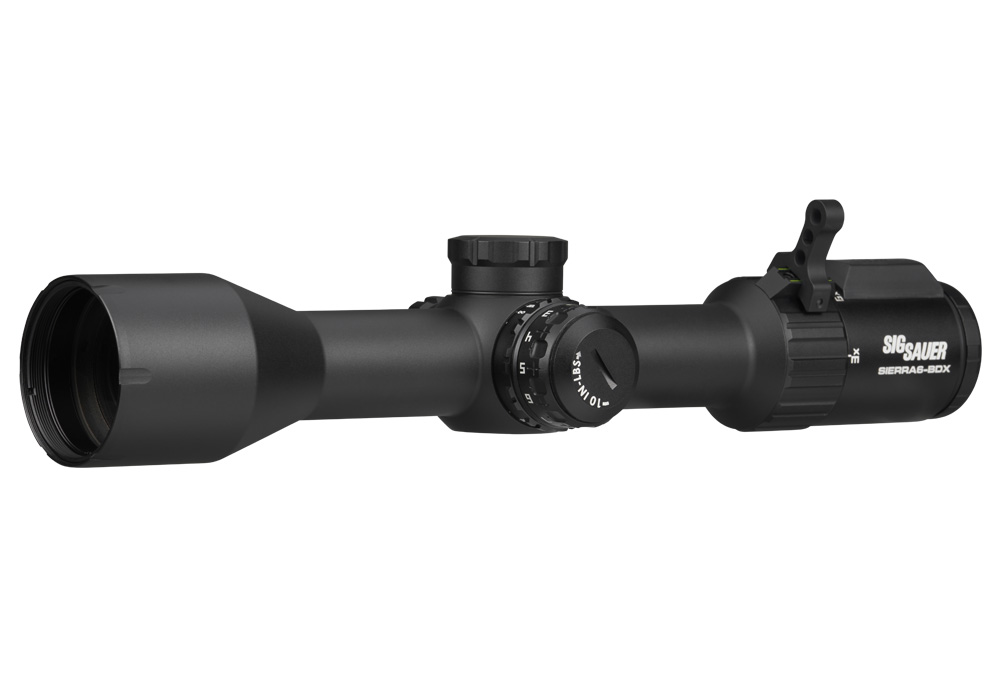
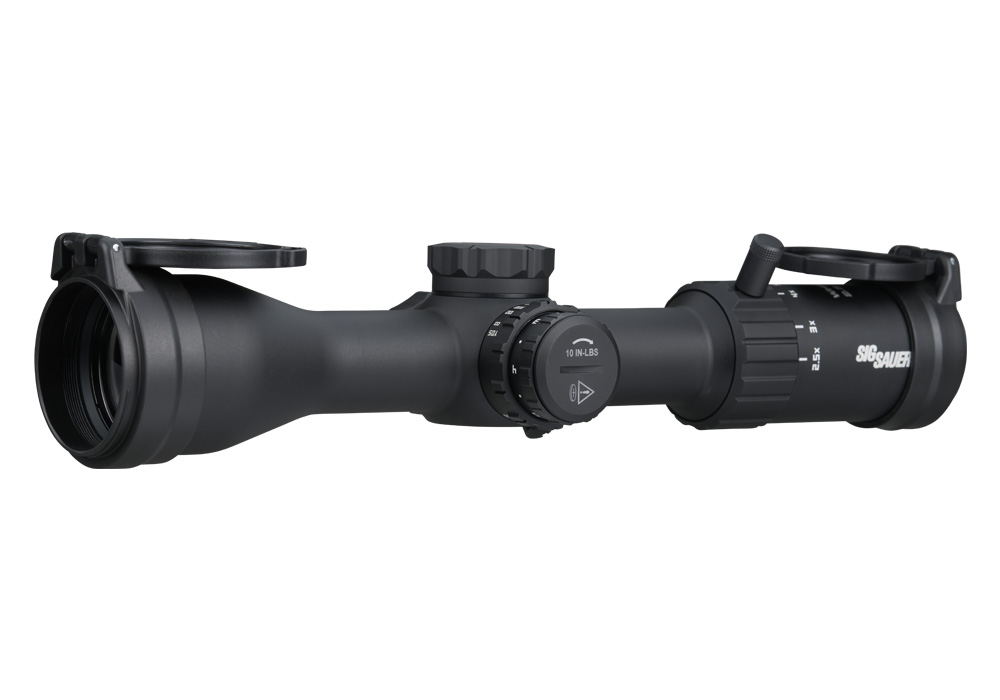
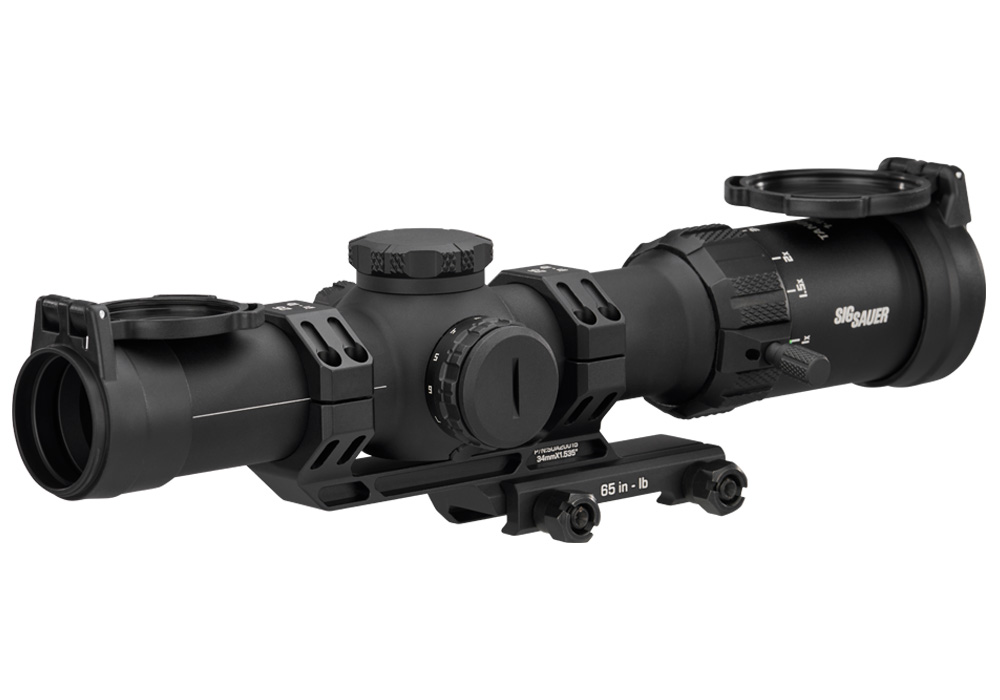
Low profile hunting riflescopes are designed for hunters who value a streamlined setup, quick handling, and dependable performance in the field. Their compact housings, capped adjustment turrets, and modest objective lenses typically sit close to the rifle action, helping reduce the chance of catching on brush, pack straps, heavy clothing, or a soft gun case. That low, clean profile can also help keep the rifle balanced as you carry it through timber, across uneven ground, or up a steep ridge. Many hunters appreciate how naturally a properly mounted low profile scope settles into position: the stock meets the shoulder, the cheek rests against the comb, and the sight picture appears without excessive head movement. Objective lenses in the 32mm to 40mm range are common for this style of hunting optic, with slightly larger options available when additional light-gathering performance is useful without creating an overly bulky setup. Magnification ranges suited to hunting often begin at a practical low setting for close shots in thick cover and extend into moderate power for open fields, rolling country, or longer sight lines. A lower starting magnification provides a wider field of view and makes it easier to locate moving game, while additional power can help with precise shot placement when conditions allow. When comparing low profile hunting riflescopes, consider the terrain where the rifle will spend most of its time, the typical distance to game, and the overall weight you are comfortable carrying for a full day. A compact optic is particularly well suited to woods hunters, mobile mountain hunters, and anyone who prefers a rifle that feels lively rather than top-heavy. It can also be a thoughtful gift for a new hunter or an experienced outdoorsman who is refining an older rifle with a more practical, field-ready configuration.
The details of the optic matter most when the weather turns unpredictable and the hunt stretches from the first gray light of morning into the cooler hours of the afternoon. Clear glass, effective light transmission, and a well-designed reticle can make it easier to distinguish a deer against shadowed timber or hold confidently along the edge of a distant meadow. A reticle should be easy to see without obscuring the target, with markings that support practical aiming rather than adding unnecessary visual clutter. Hunters who spend time in dense cover may favor a simple, uncluttered aiming point and a broad field of view, while those who regularly hunt open country may place greater value on additional magnification and useful hold references. Eye relief deserves close attention, especially on rifles with stronger recoil. Adequate eye relief helps provide a comfortable sight picture and supports a consistent shooting position, while a forgiving eye box makes it easier to acquire the reticle when wearing a jacket, moving into position, or shooting from an improvised rest. Capped turrets are another defining feature of low profile hunting riflescopes. By protecting the windage and elevation controls from accidental movement, capped dials help preserve a carefully established zero while reducing the number of protrusions that can snag on branches. Turret design should still offer positive, repeatable adjustments during sight-in and verification. Look for clearly marked controls, dependable tracking, and a mechanism that can be returned to its original setting after making a correction. Weather-resistant construction, durable exterior finishes, and sealed internal components are valuable in real hunting conditions, where a scope may encounter damp grass, fine dust, sudden temperature changes, or a light rain that grows steadily throughout the day.
Mounting height is just as important as the scope itself. A low profile riflescope performs best when paired with rings or a base that position the optic close to the bore while leaving enough clearance for the objective bell, bolt handle, and rifle configuration. The correct setup supports a natural cheek weld, helps maintain a repeatable head position, and can make the rifle more comfortable to carry and shoulder quickly. Ring height should be selected only after accounting for the rifle action, barrel contour, objective diameter, and any rail or base system already installed. For compatible mounting hardware, explore Low Profile Optic Mounts to help build a compact, properly aligned arrangement. After installation, confirm that the scope is level, the eye relief is comfortable in a normal shooting position, and the reticle remains centered throughout the usable magnification range. Sight-in should be completed with the same ammunition and general shooting position expected in the field, followed by a careful check before heading into the woods or open country. A low profile hunting riflescope is not intended to replace sound marksmanship or responsible firearm handling; it is a practical component of a balanced hunting system. Keep the rifle unloaded while installing or adjusting the optic, follow all applicable laws and regulations, and use a secure case during transport. With the right combination of magnification, objective size, reticle, eye relief, mounting height, and rugged construction, these scopes provide a discreet, easy-carrying solution for hunters who want reliable aiming performance without unnecessary bulk. As the weather warms and later shifts toward cooler hunting conditions, their compact proportions remain useful across changing terrain, from shaded trails and thick cover to open fields touched by the first frost.