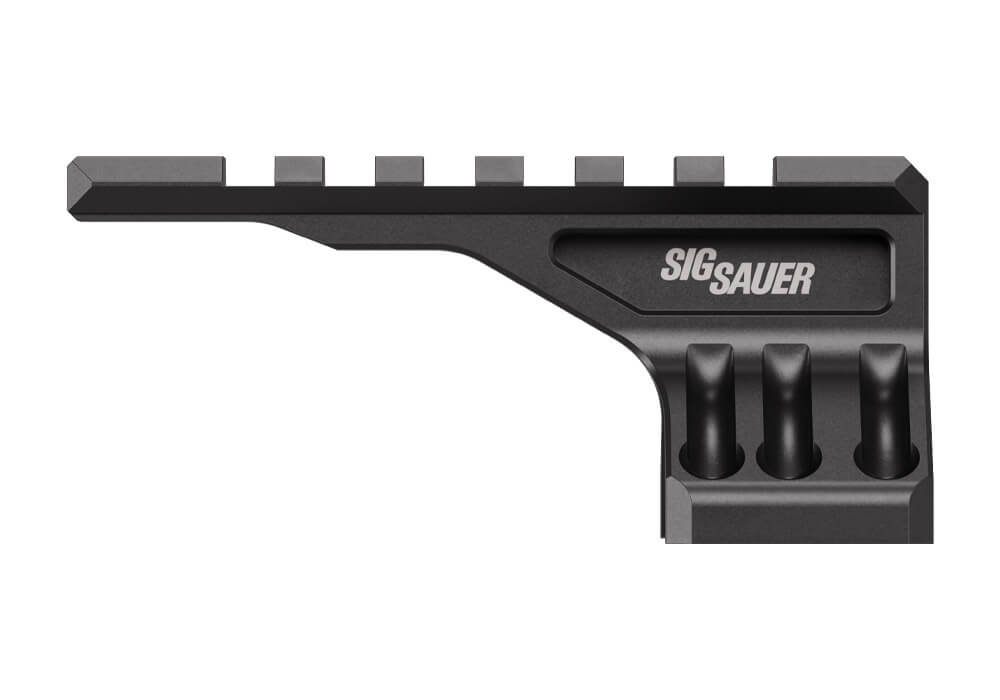
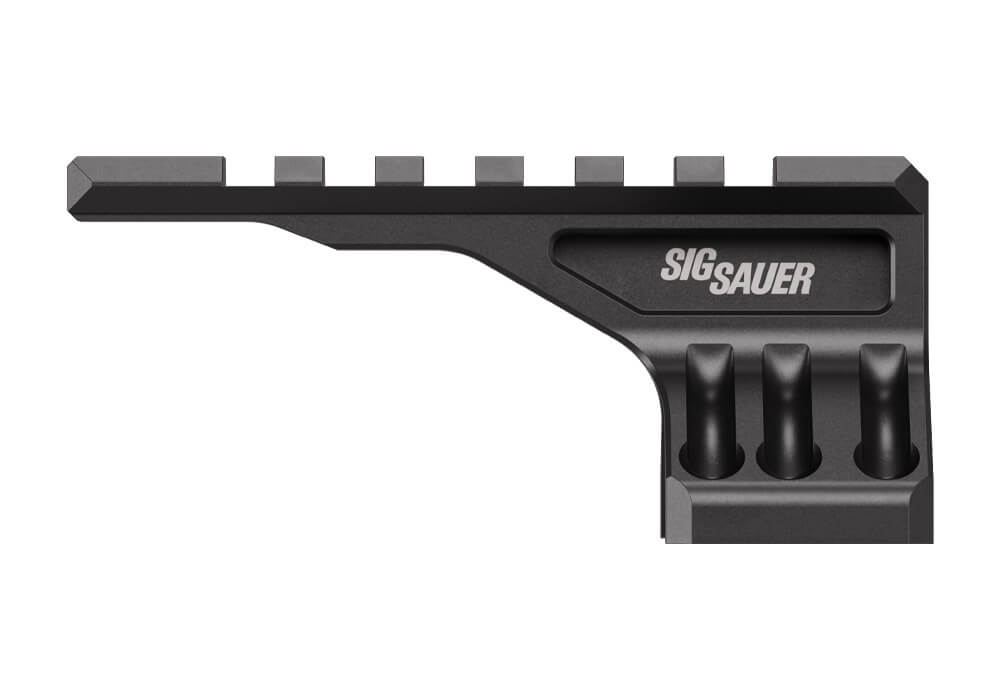
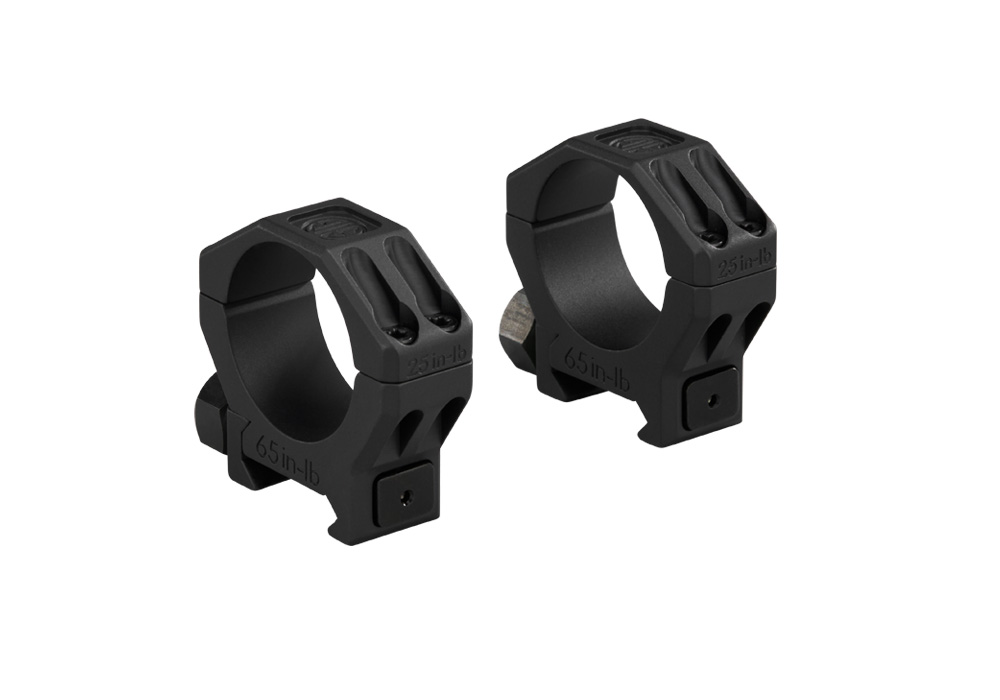
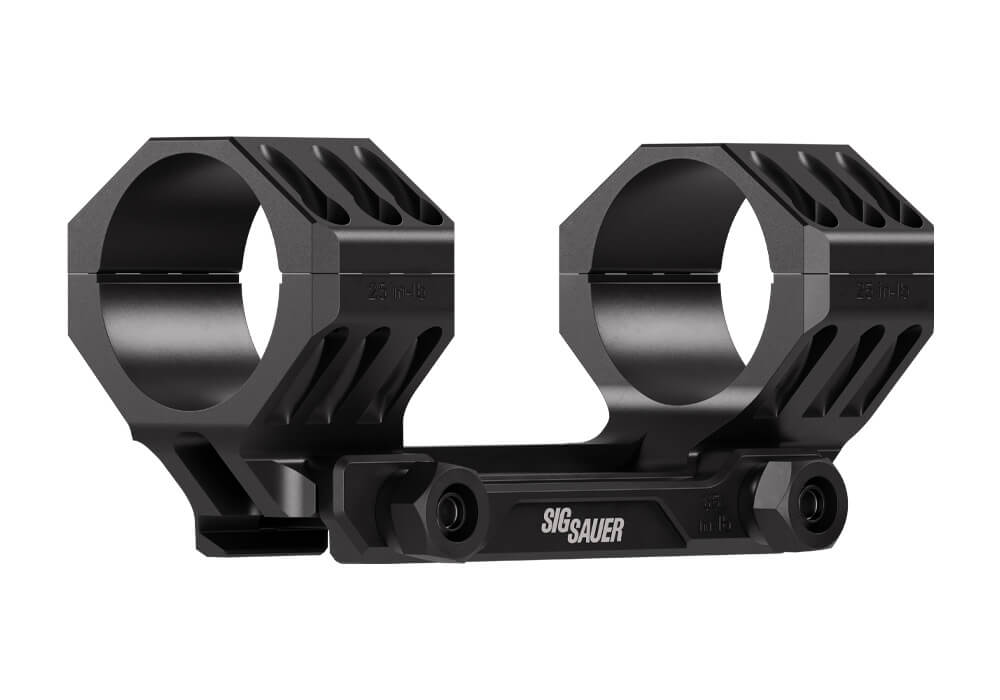
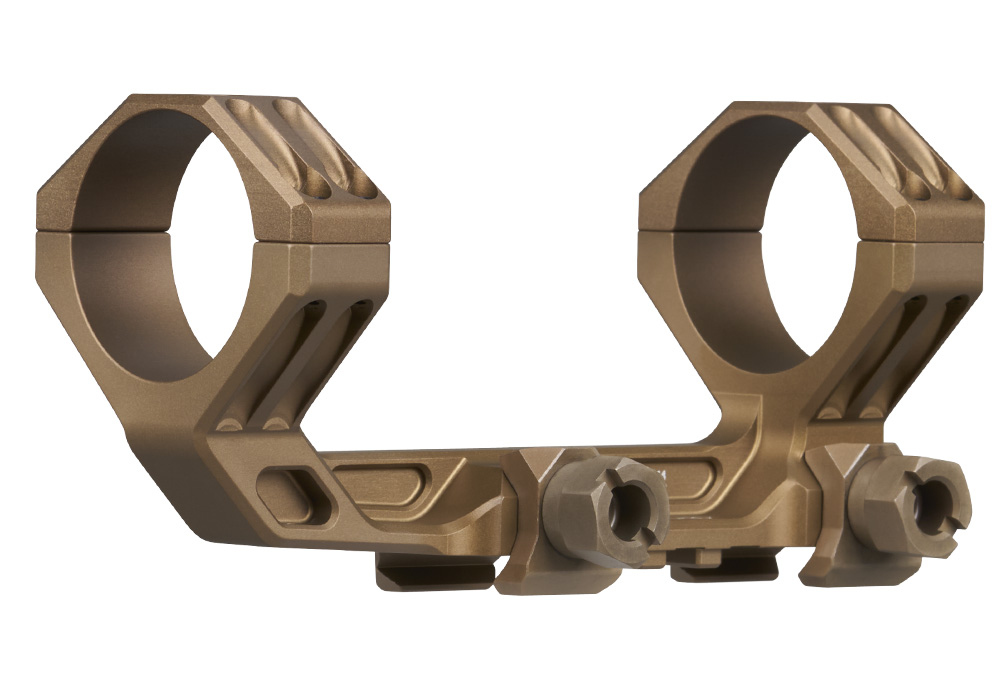
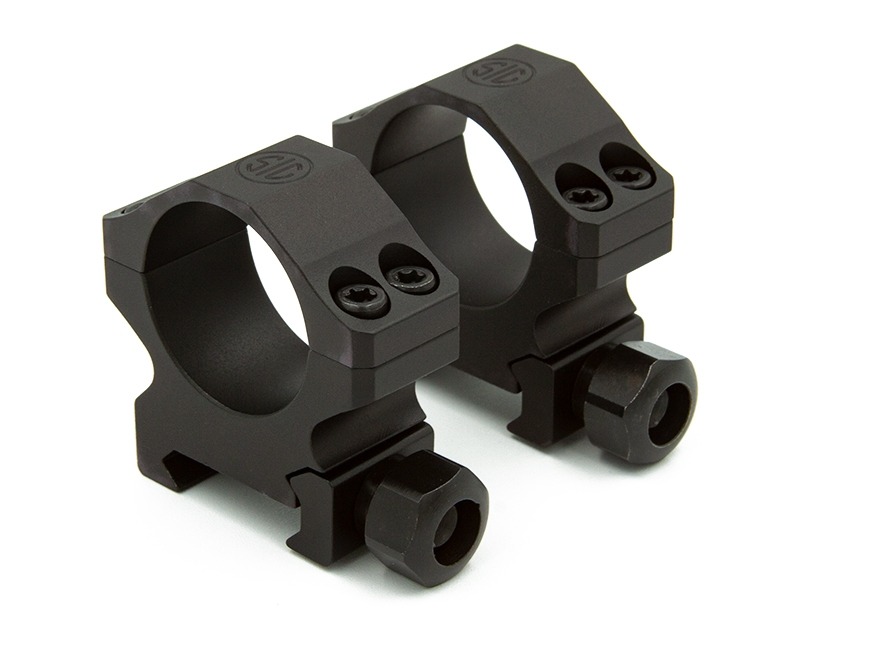
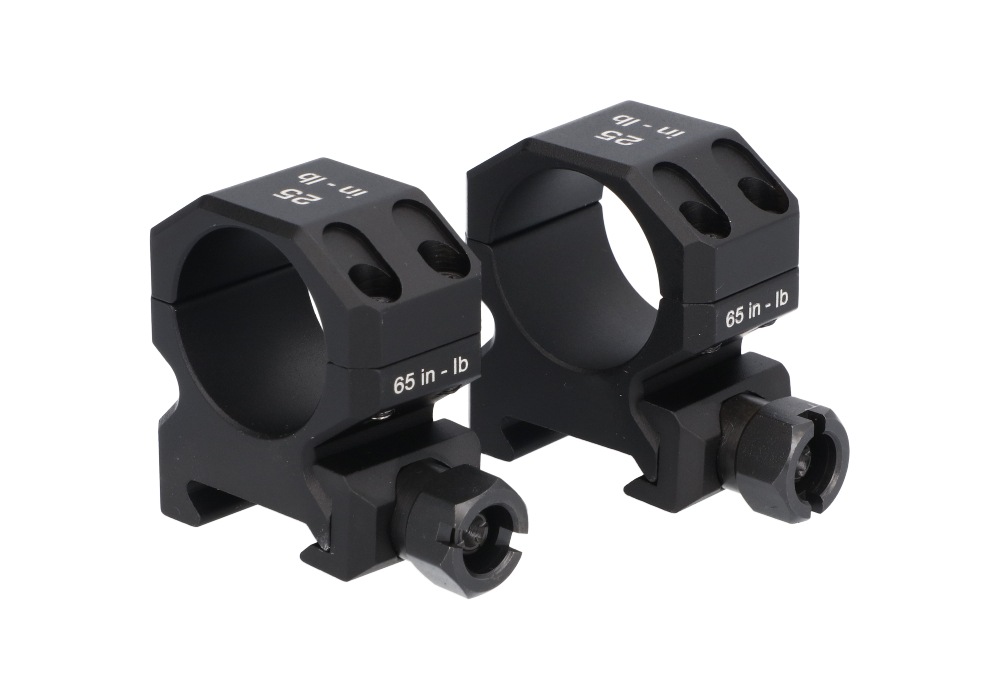
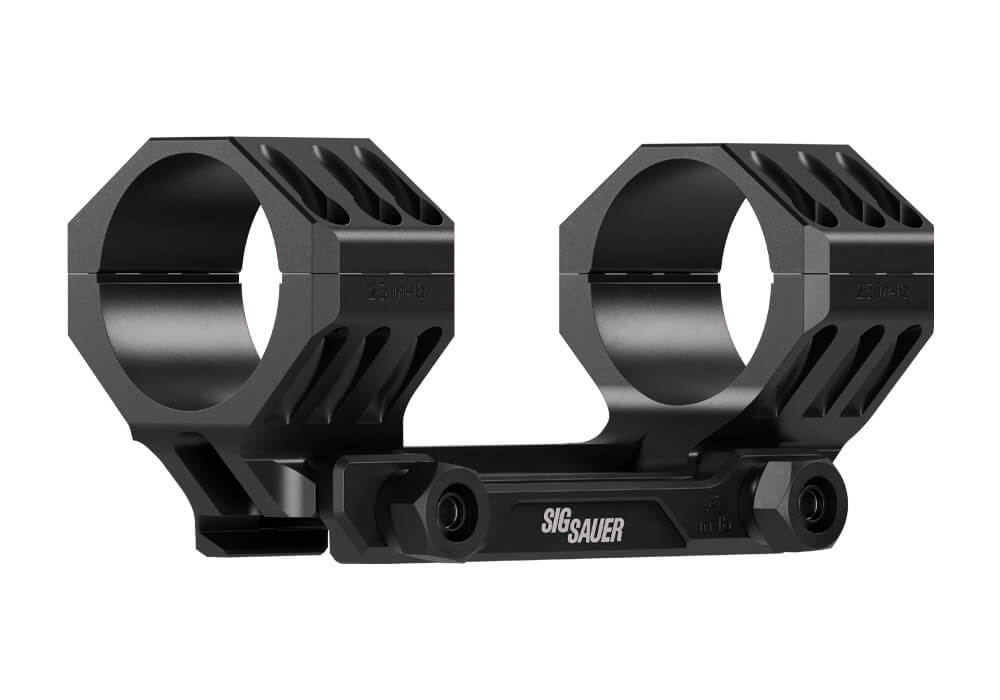
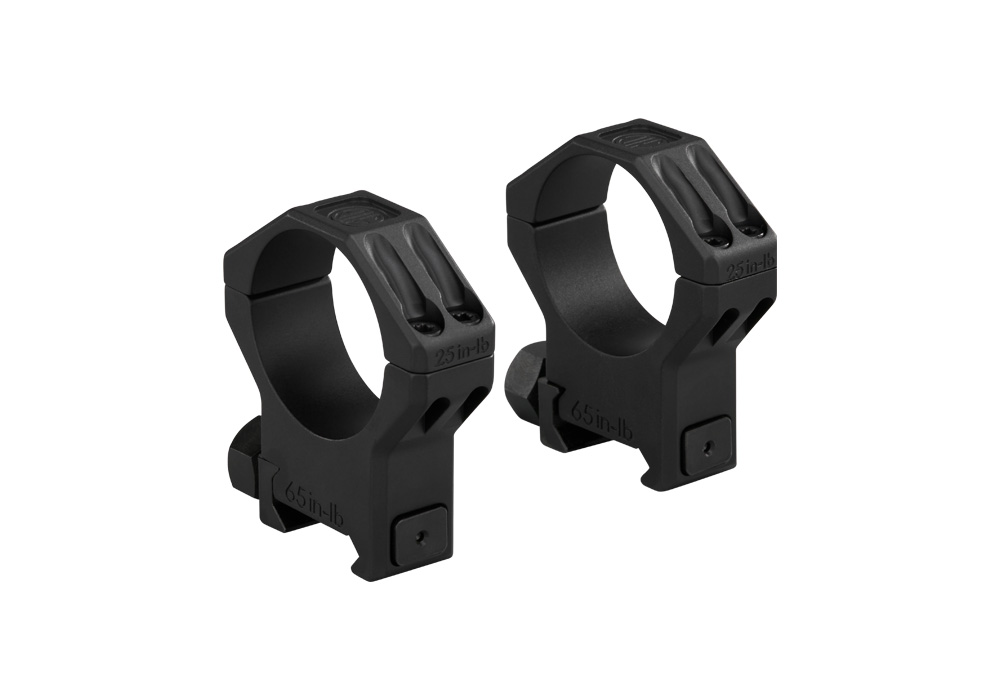
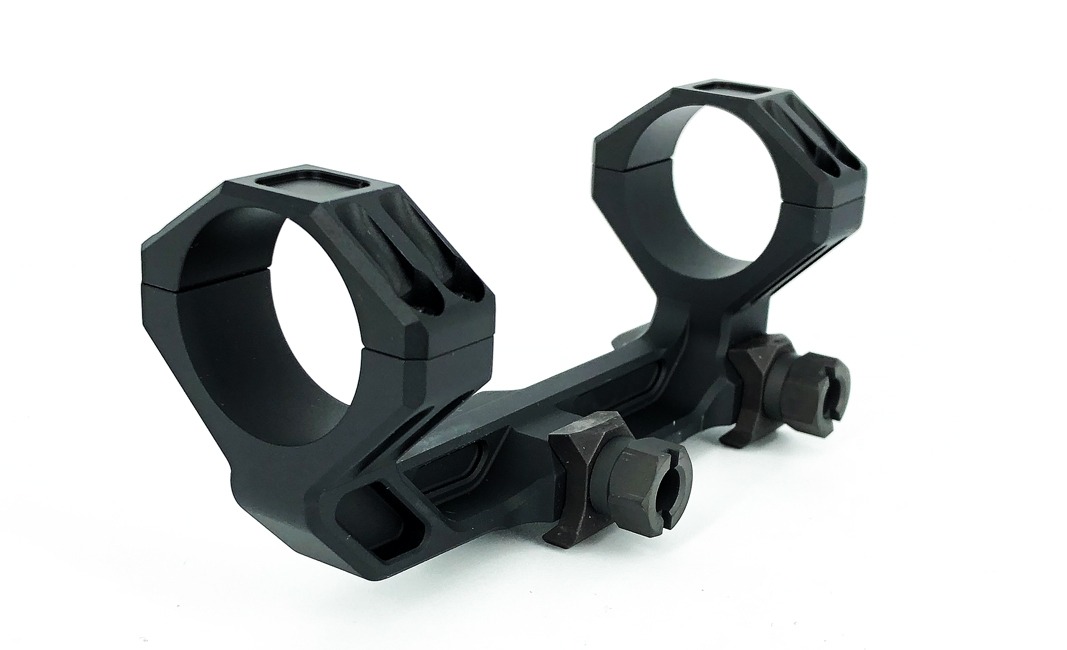
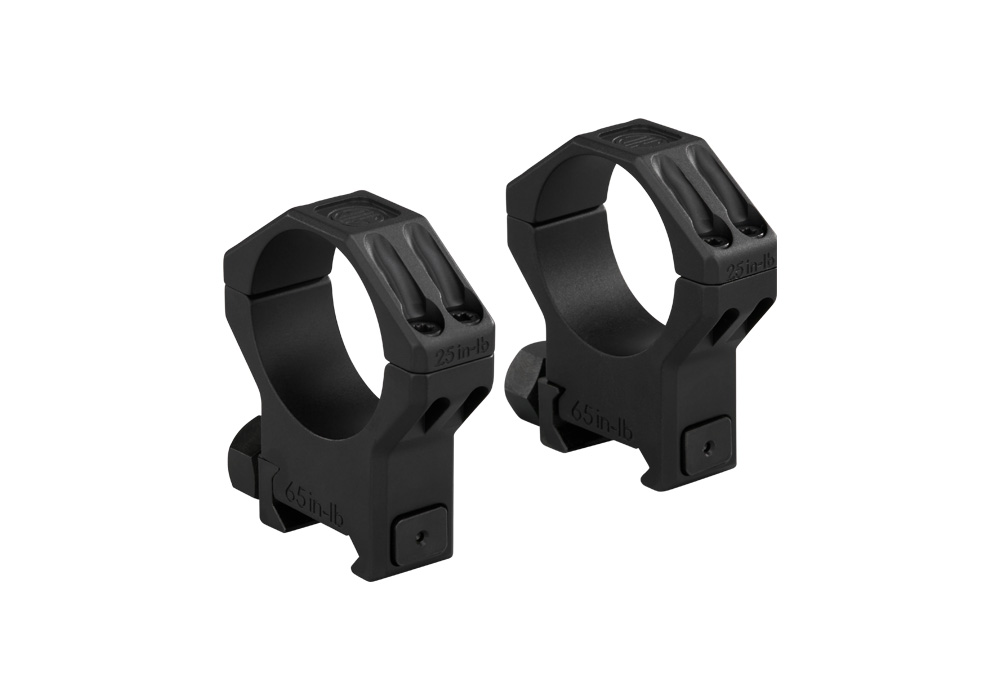
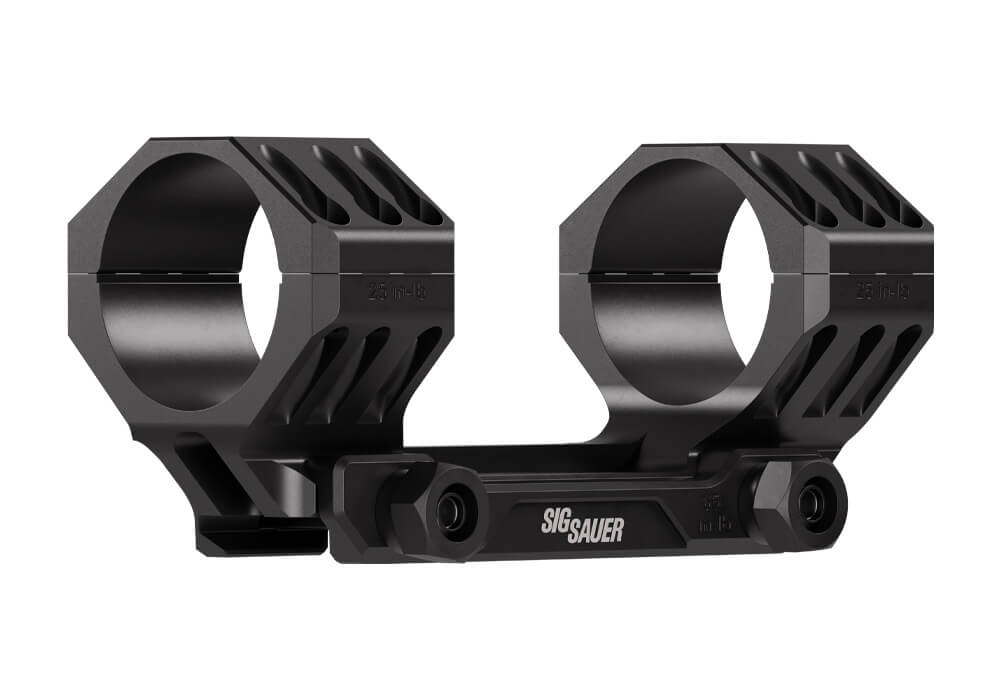
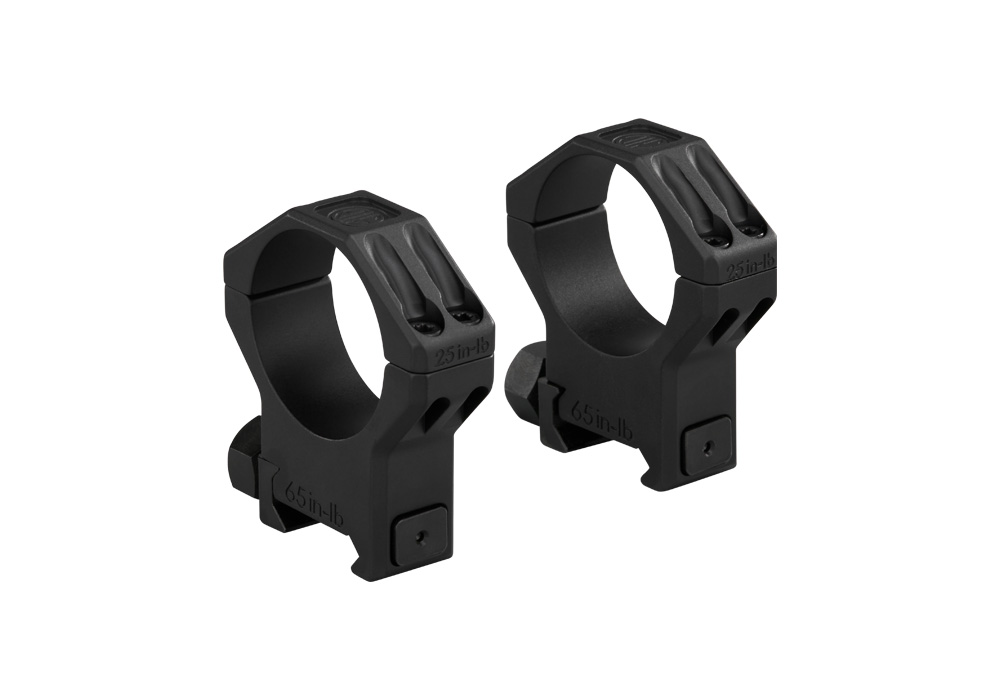
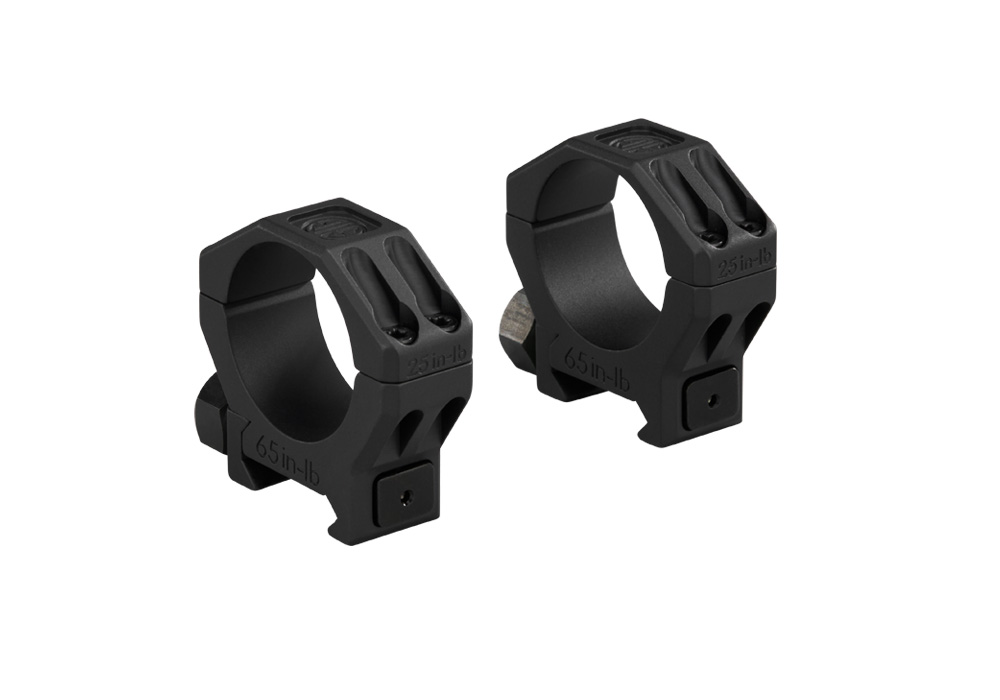
Hunting rifle rings are the connection between a rifle’s mounting system and its riflescope, making them an important part of a dependable field setup. The right rings hold the optic securely, help maintain a consistent zero, and position the scope at a height that supports a comfortable cheek weld and a clear sight picture. Start by matching the ring diameter to the scope tube: common options include 1-inch, 30mm, and 34mm rings. These measurements refer to the diameter of the scope’s main tube, not the objective lens, and the ring size must correspond exactly for a proper fit. Ring height is equally important. Low rings can keep a compact scope close to the bore on rifles with smaller objective lenses, while medium or high rings may be necessary when a larger objective bell needs additional clearance above the barrel. The goal is to use the lowest practical height without allowing the scope, its adjustment turrets, or its front lens housing to contact the rifle. A proper fit can make a noticeable difference when settling behind the rifle on a cold ridge, from a blind, or along a wooded trail where a fast, natural mount matters. Before choosing, compare the rifle’s receiver or rail system with the mounting style of the rings. Some hunting rifle rings are designed for Picatinny or Weaver-style rails, while others use a dedicated base-and-ring arrangement for a compatible rifle pattern. Integrated one-piece mounting systems can provide a clean, streamlined profile and fewer separate components, while standard rings offer flexibility when building around an existing rail or changing optics later. Confirm the rifle model, rail pattern, scope tube diameter, and available clearance before placing an order. A barrel profile can also affect the final fit, so reviewing related options such as Hunting Rifle Barrels may be useful when planning a complete rifle configuration or replacing a barrel with a different contour.
Material and construction should reflect the rifle, optic, and conditions in which they will be used. Lightweight aluminum rings can help keep a mountain rifle easy to carry during long climbs, while steel components may appeal to hunters who prioritize maximum rigidity or use heavier optics and hard-recoiling cartridges. A practical setup balances strength with weight rather than choosing solely by appearance. Pay attention to the ring’s clamping surface, fastener design, base engagement, and compatibility with the scope’s tube. During installation, place the rifle securely, follow the ring manufacturer’s torque specifications, and tighten fasteners evenly so the scope remains aligned without unnecessary pressure on the tube. Proper eye relief should be checked from a natural shooting position, with enough room to maintain a full sight picture while wearing the clothing and gear used in the field. After the rings and optic are installed, confirm that the reticle is level, verify that the action operates freely, and test the rifle at the range before a hunt. It is also wise to recheck fasteners after initial range use and after transporting the rifle over rough ground. Hunting rifle rings can be a thoughtful gift for a new hunter, someone assembling a first centerfire rifle, or an experienced outdoorsperson refreshing an optic setup before the cooler months. They are especially useful for hunters who have changed scopes, moved an optic to another compatible rifle, or upgraded from a basic sighting system to a larger objective or wider tube. A well-matched set of rings contributes to a stable, repeatable setup without adding unnecessary complexity, helping the rifle feel familiar each time it comes to the shoulder. Whether preparing for open-country glassing, a stand hunt near the timberline, or a quiet walk through autumn cover, choosing the correct diameter, height, mounting pattern, and construction gives the scope a solid foundation for responsible use.