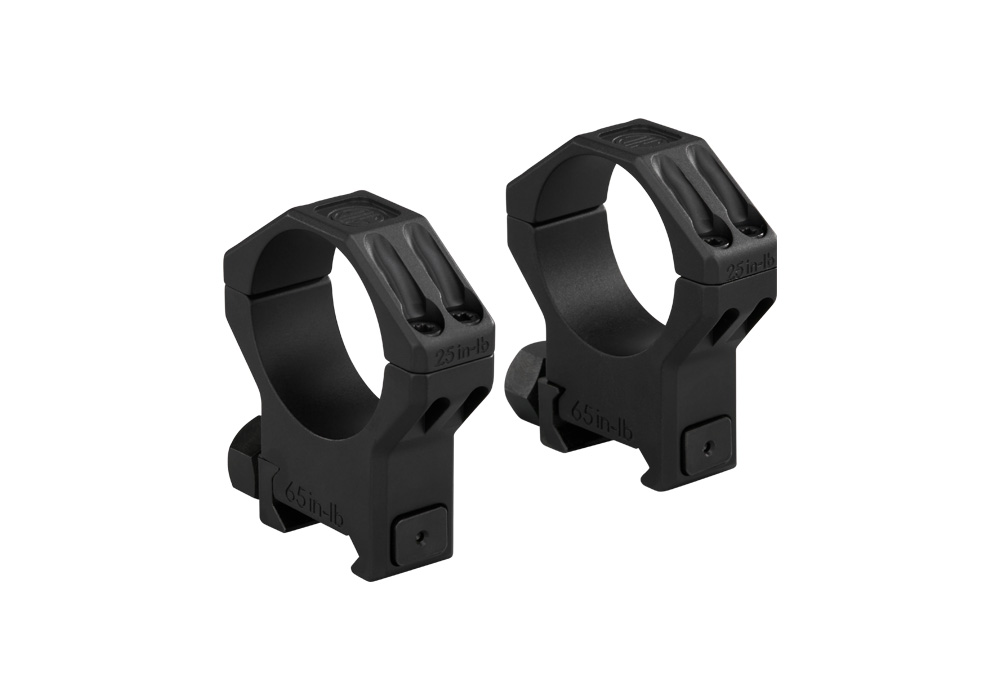
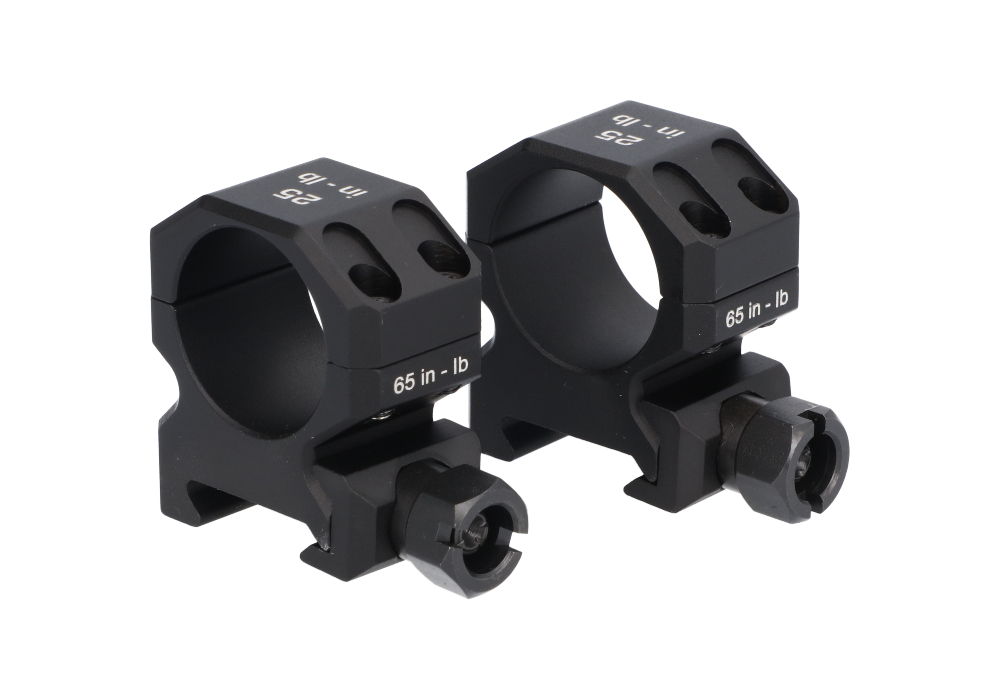
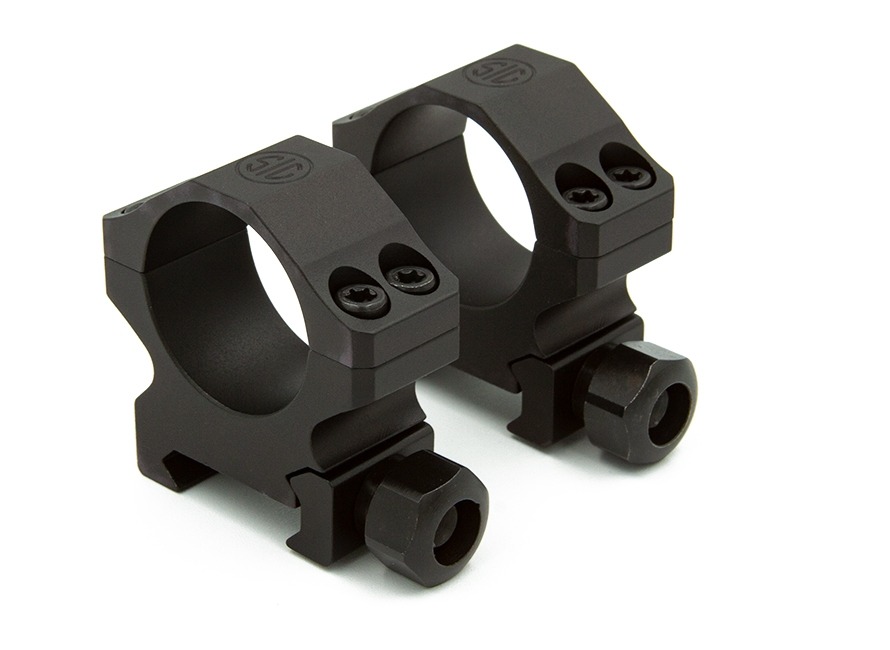
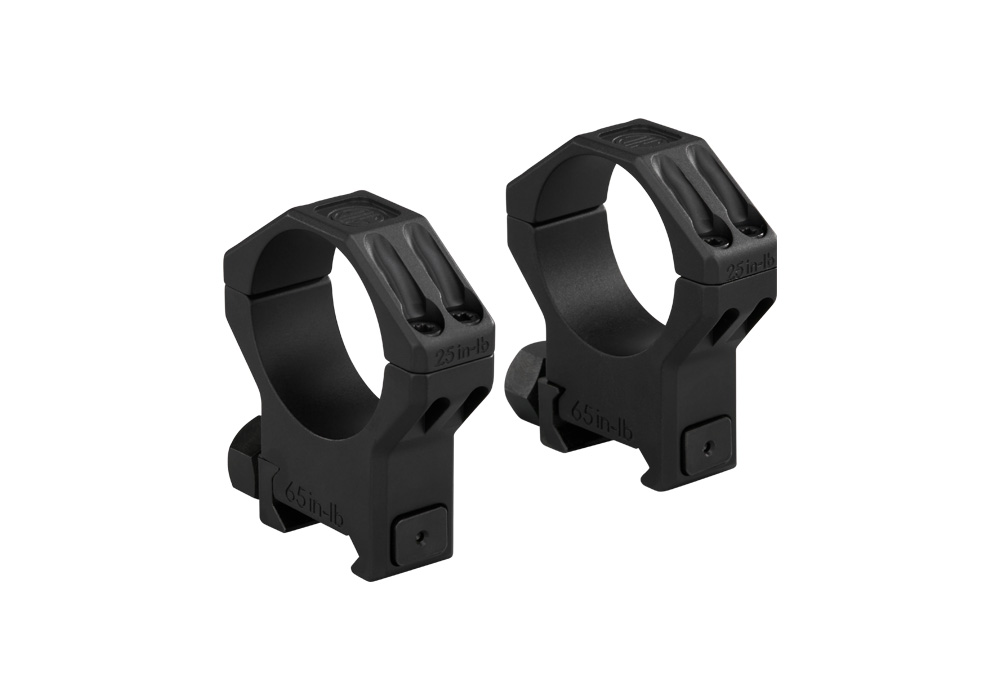
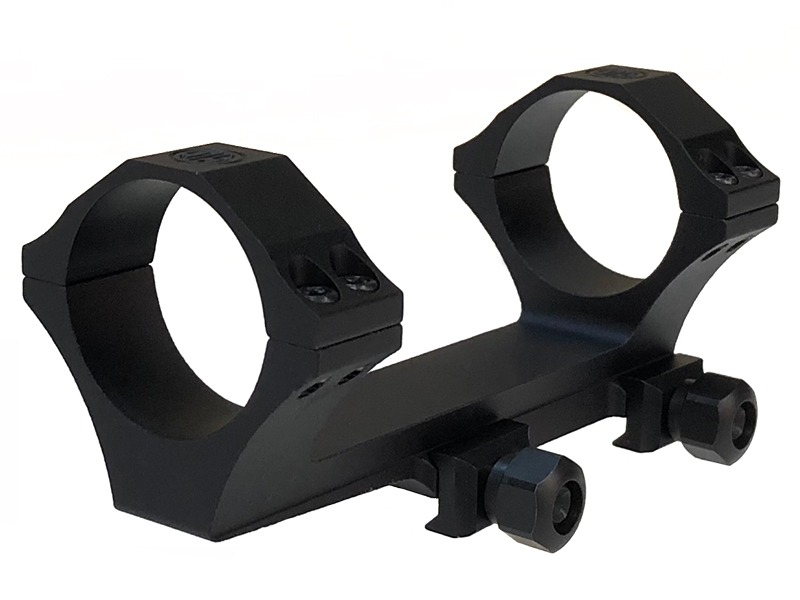
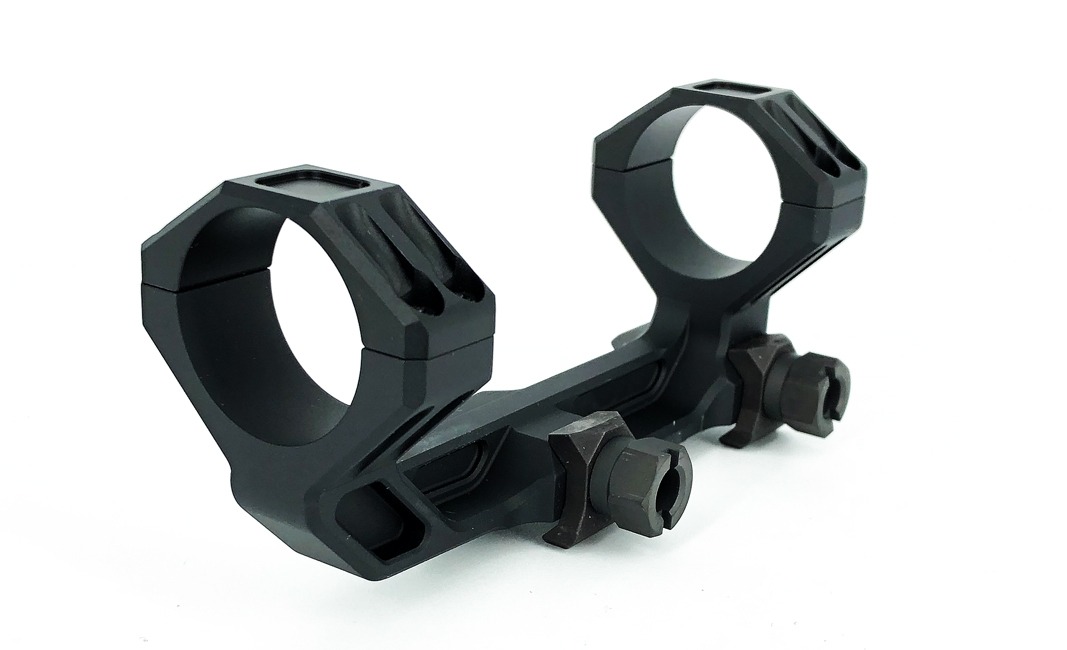
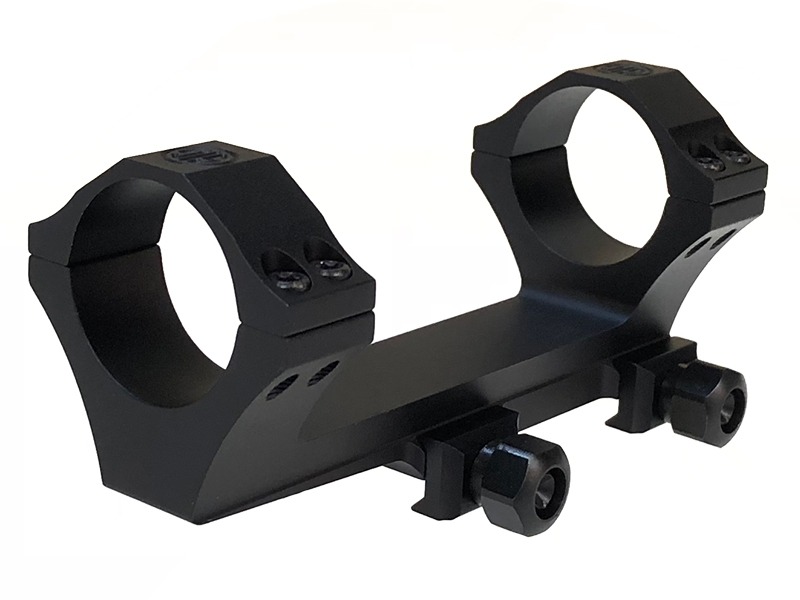
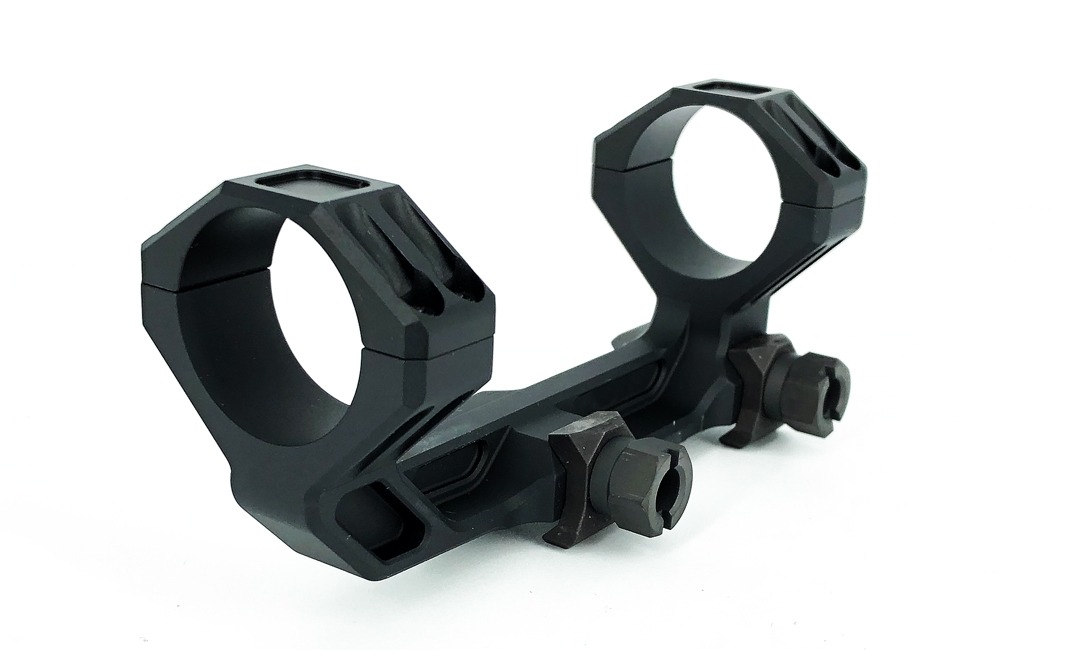
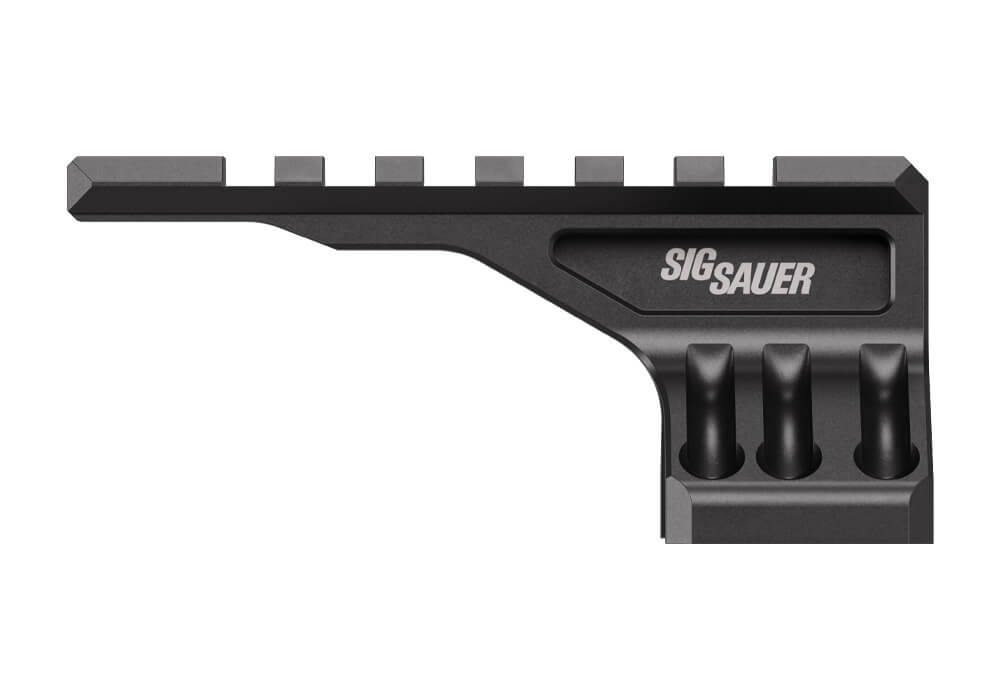
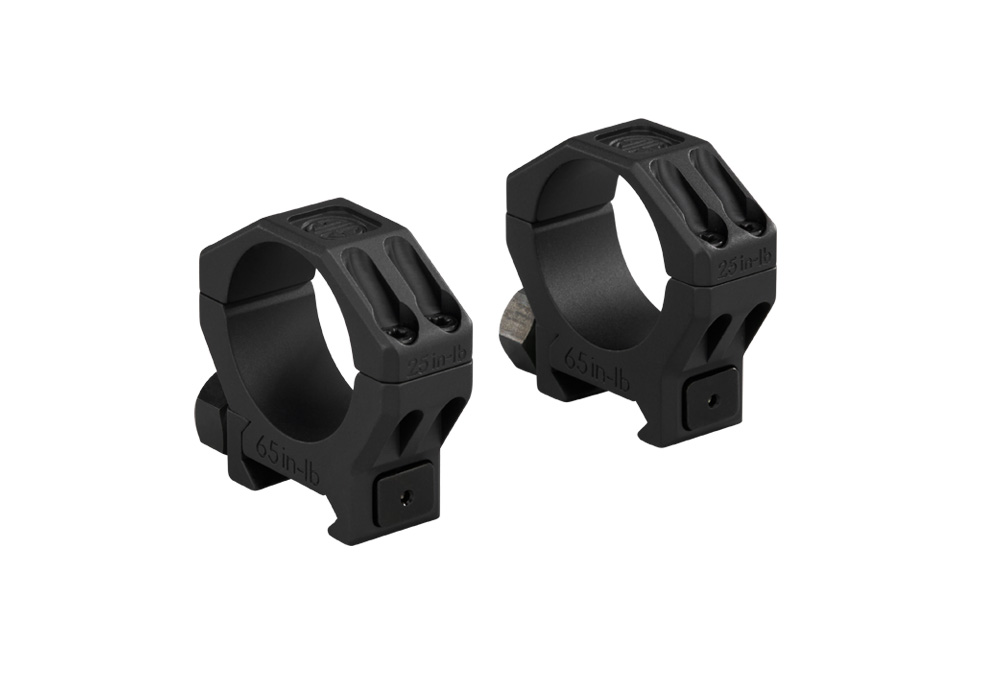
Scope rings for fall rifle upgrades provide the connection between a riflescope and a compatible mounting base, helping keep the optic securely positioned through recoil, travel, and routine field handling. A dependable setup begins with compatibility rather than appearance: the rings need to match the scope’s main tube diameter, the rifle’s mounting interface, and the clearance required by the optic and firearm. The diameter of the objective lens is different from the main tube diameter, so those measurements serve different purposes when evaluating fit. Objective size helps determine clearance, while tube diameter determines which rings can properly surround the scope. Ring height affects both that clearance and the relationship between the eyepiece and the shooter’s natural head position. A comfortable arrangement allows a consistent cheek position without forcing the head upward or crowding the objective housing against the barrel. Space for lens covers, clearance around the bolt handle, and the scope’s usable mounting area also matter. Height descriptions are not universal across manufacturers, and published measurements may use different reference points, making actual dimensions more useful than a low, medium, or high label alone. For a hunting rifle carried along a wooded ridge or a range rifle traveling in a padded case, these small details contribute to a setup that feels settled rather than improvised. Eye relief remains a separate consideration, since the scope needs sufficient placement flexibility to accommodate its specified viewing distance and the shooter’s position. Fall layers can change how a rifle meets the shoulder, so an arrangement that feels natural in a thin shirt may feel different over a jacket. Scope rings should complement the complete rifle and optic combination, not simply fit one measurement in isolation. Properly matched components support repeatable positioning and comfortable use, while leaving practical room for the controls and covers that remain part of the rifle’s everyday setup.
Materials and construction influence how scope rings balance weight, durability, and resistance to everyday wear. Aluminum rings can help limit the weight of a rifle carried over uneven ground, while steel rings may appeal to shooters who prioritize strength and accept additional weight. Neither material alone determines quality; machining accuracy, material grade, protective finish, and compatibility all contribute to performance. Anodized aluminum and appropriately treated steel offer different approaches to surface protection, but neither eliminates the need for care after exposure to moisture. Smooth, accurately fitted contact surfaces and consistent construction are especially relevant where the rings meet the scope tube and mounting base. The mounting interface deserves the same attention as the material. Similar-looking rail systems are not automatically interchangeable, and compatibility depends on the specifications of both the rings and the base. Secure engagement should come from the intended fit, not from forcing components together. Ring design also affects mounting flexibility. Separate rings depend on suitable spacing along the base and enough unobstructed tube length on the optic, while integrated mounting arrangements have their own dimensional requirements. A larger scope housing, a short mounting surface, or controls positioned close to the ring locations can narrow the suitable options. Manufacturer installation requirements remain important because excessive clamping force can damage an optic, while insufficient fastening can allow movement. Professional fitting is useful when compatibility is uncertain or the rifle presents unusual clearance constraints. For fall hunting trips that involve long walks, damp brush, and repeated packing and unpacking, durable construction should work alongside sensible weight and unobtrusive dimensions. A bulky arrangement is not inherently more dependable, and a lightweight arrangement is not automatically less durable. The useful distinction is whether the rings suit the optic, firearm, and expected handling. Those considerations matter for a rifle carried throughout a day in the field just as they do for one used primarily from a bench, where comfort and a stable mounting relationship still deserve attention.
Care for scope rings is generally straightforward, but their location makes small problems easy to overlook. Moisture can collect around fasteners and contact areas after a wet outing, and fine grit can settle along the edges of the mounting hardware. Drying exposed surfaces and removing loose debris with a clean, soft cloth helps preserve the finish without introducing unnecessary abrasion. Cleaning products should be compatible with the rings, the optic, and nearby firearm surfaces; aggressive chemicals and abrasive tools can harm protective coatings. Persistent rust, damaged fasteners, visible movement, or unexplained changes in the rifle’s established zero warrant inspection rather than assumptions about which component is responsible. Rings are part of a larger mounting system, and they cannot compensate for an incompatible base or an improperly fitted optic. A rifle that travels from a damp hunting camp to dry indoor storage benefits from attention to trapped moisture before it stays enclosed in a case. The same care remains relevant for winter range sessions, when snow or condensation may reach exposed hardware. Hunters, recreational target shooters, and rifle owners refreshing an older optic setup may all have reasons to evaluate their scope rings, even when the existing scope still suits its intended use. For someone planning broader Riflescope Upgrades, mounting compatibility belongs in the same conversation as optical preferences, overall weight, and handling. Rings can also be a practical gift for a knowledgeable rifle owner when the scope and mounting specifications are known; guessing at diameter or height is less useful than confirming the intended fit. A fall rifle refresh does not need to involve changing every component. Sometimes the most worthwhile improvement is a mounting arrangement that better suits the rifle’s proportions, provides comfortable viewing, and stands up to ordinary use. Well-chosen scope rings contribute quietly to that result, supporting an optic setup that feels consistent on the range, manageable along a trail, and straightforward to maintain between outings.