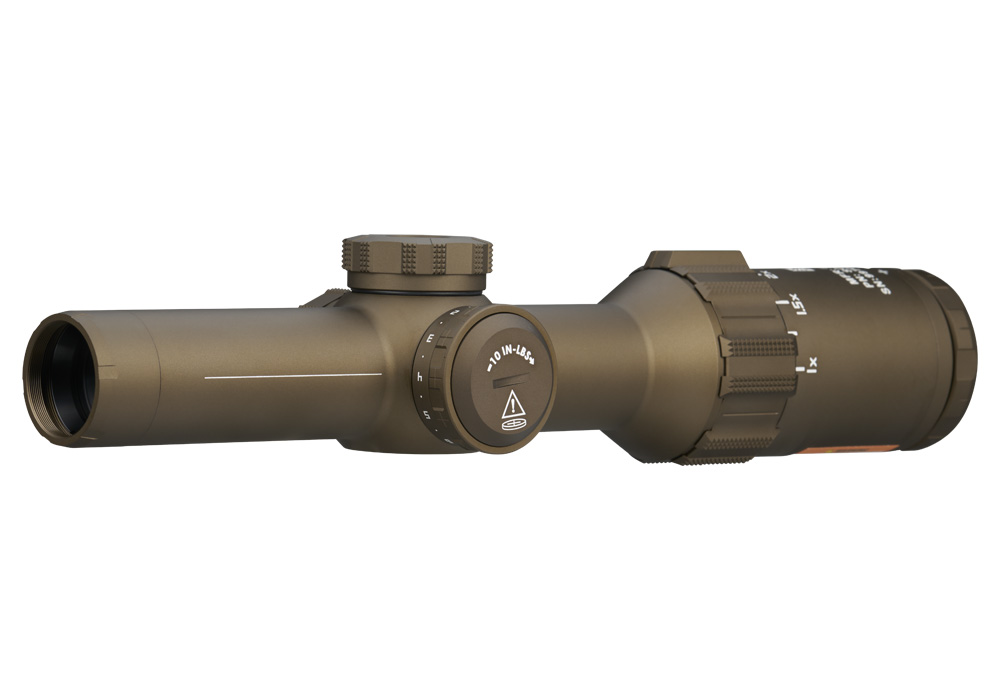
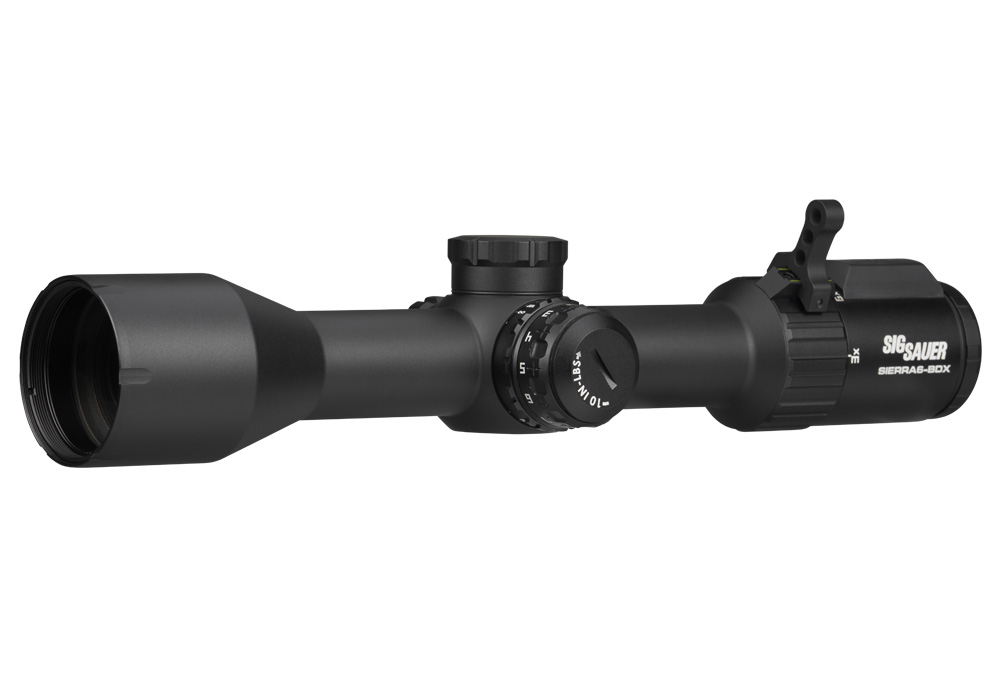
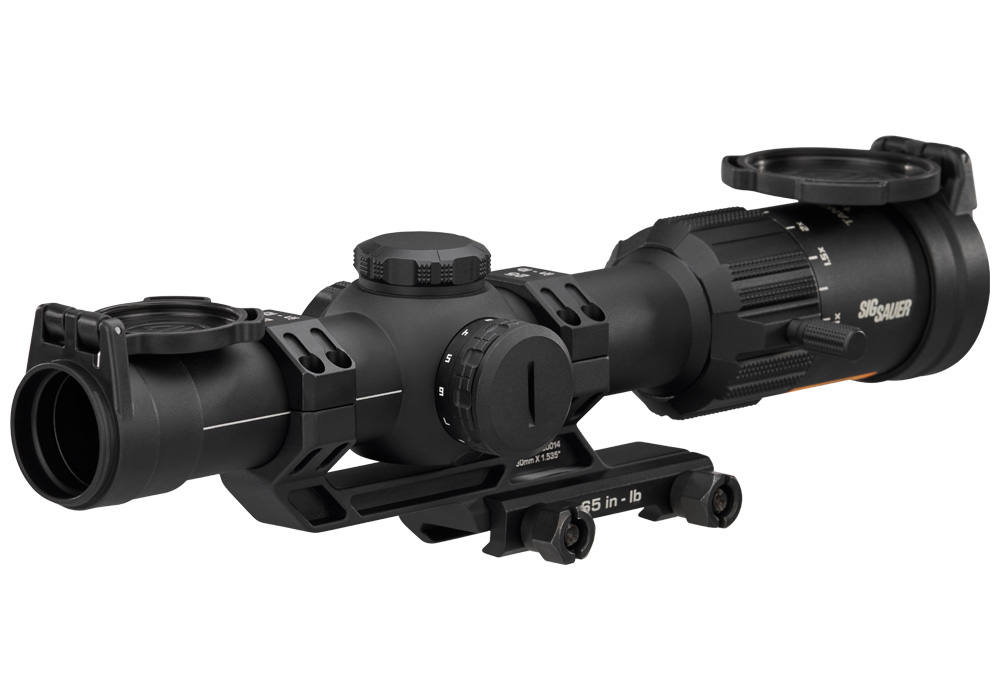
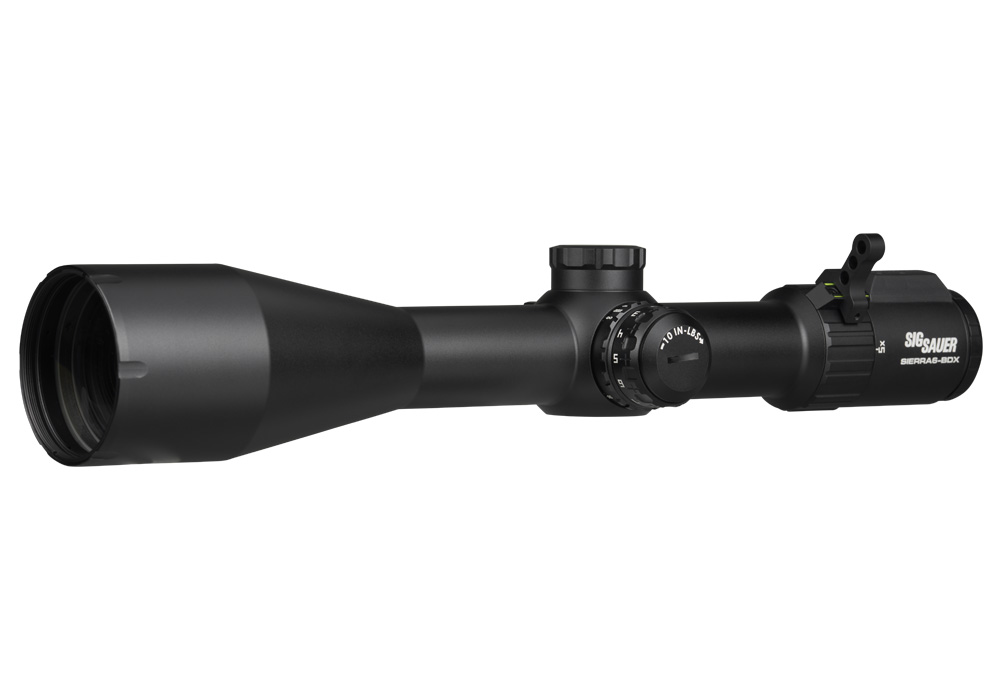
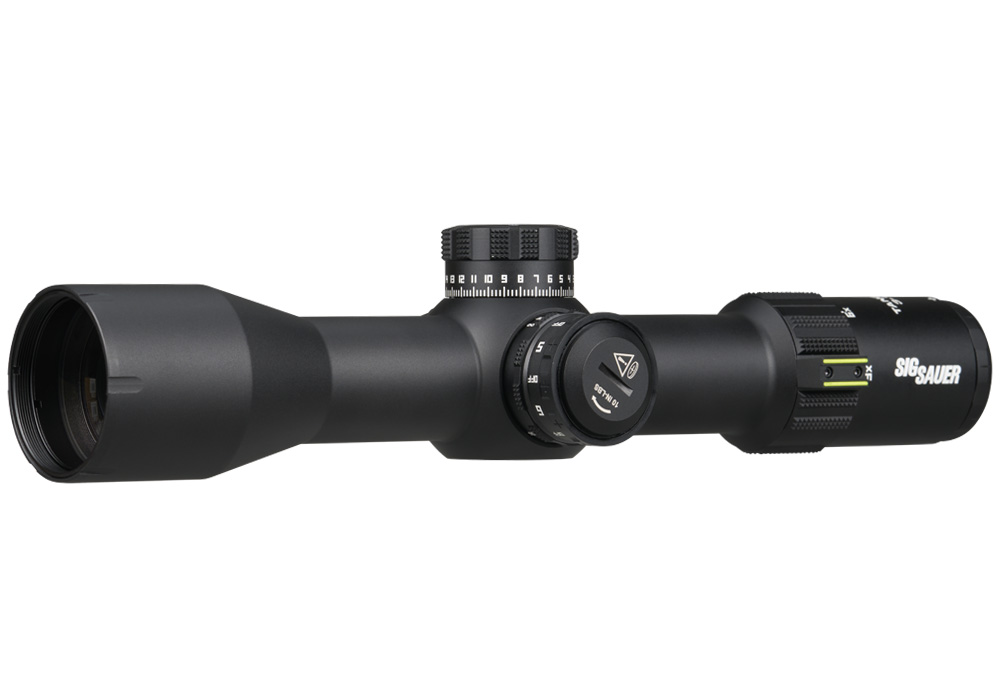
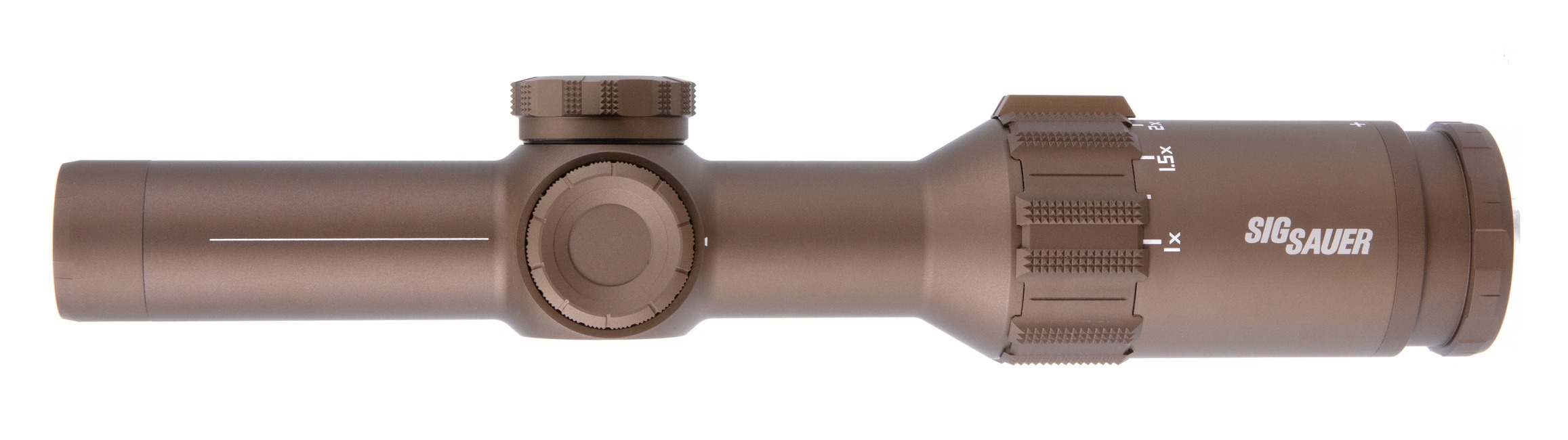
The right rifle optic for a fall range day depends on target distance, available light, and the way the rifle will be used. A low-power variable optic, often called an LPVO, offers flexibility for sessions that move between nearby targets and more distant steel. Magnification ranges such as 1–6x or 1–10x provide a broad view at the lower end and a closer look at target details as magnification increases. For recreational shooters who divide their time between supported bench shooting and supervised range exercises, that versatility can be more useful than choosing the highest magnification possible. Red dot sights offer a different experience: an uncomplicated aiming reference, no magnification, and a sight picture that supports shooting with both eyes open. A compatible magnifier adds target detail while preserving the option of an unmagnified view, although its eye relief and alignment introduce additional fit considerations. Higher-magnification rifle scopes, including configurations such as 5–25x, are better suited to shooters who spend much of their range time examining small aiming points or working at extended distances. More magnification is not automatically better in every situation; a narrower field of view can make finding a target less convenient, and visible movement becomes more noticeable as the image grows. Autumn range conditions add another layer to these choices. Low-angle sunlight, shaded firing lines, and dark tree lines behind pale targets can create substantial differences in contrast within a single session. Clear glass, useful reticle design, and adjustable illumination help address those differences without requiring a complicated setup. An optic that feels comfortable during a full afternoon of shooting is often a better match than one selected for a single impressive specification. For a rifle that regularly visits several distances, balanced features matter. For a rifle dedicated to one type of target shooting, a more specialized optic may suit the routine better. Neither approach requires a season-specific sight, but fall range days provide a useful setting for considering how an optic performs beyond bright, uniform light.
Optical performance involves more than the numbers printed beside the magnification range. Lens coatings can help improve light transmission and control reflections, while resolution and contrast influence how clearly a shooter can distinguish a fine aiming point against a busy background. A larger objective lens may offer advantages in certain conditions, but it also affects size, weight, and mounting clearance. Objective diameter alone does not establish how bright or clear the view will appear. Reticle design deserves similar attention. A simple aiming pattern can keep the view uncluttered, while a reticle with reference marks may appeal to experienced target shooters who want additional information in the sight picture. With a first focal plane reticle, the relationship between those marks and the target remains consistent across the magnification range. With a second focal plane reticle, marked measurements typically correspond to a specified magnification setting. That distinction concerns reticle scaling, not a change in light, and it matters most when the reference marks are part of the intended use. Illumination can help an aiming point remain visible against shadowed backgrounds, but excessive brightness may obscure fine details rather than improve them. Accessible brightness controls and a suitable adjustment range are useful when a bright afternoon gives way to a shaded firing position. Physical fit is just as important as the view through the glass. Scope tube diameter, compatible rings or mounts, rail interface, objective clearance, and eye relief all influence whether an optic works comfortably with a particular rifle. Stock shape, cheek position, and the location of other accessories can also affect that fit. A lightweight optic may complement a rifle carried between range stations, while a larger scope can feel at home on a supported precision setup. Aluminum housings are common because they combine manageable weight with useful structural strength, and protective finishes help resist everyday wear. Sealed construction and specified recoil resistance are worth considering for repeated outdoor use, but weather resistance varies by optic. The most relevant specifications are those that support the rifle’s actual purpose, rather than features unlikely to see use.
Fall range days often involve damp benches, windblown dust, and the familiar transition between a warm vehicle and an outdoor firing line. Durable rifle optics should tolerate ordinary handling within their stated limits, but sensible care helps preserve both the finish and the view. Lens covers offer protection during transport, and a padded case helps keep the optic from rubbing against other equipment. Dust or grit on exposed glass calls for care rather than a quick scrub with a sleeve. A lens-safe brush, air blower, and manufacturer-approved cleaning materials are better suited to removing debris without grinding it across a coated surface. Clean microfiber belongs with clean glass; a cloth that has collected range dust can do more harm than good. Exterior moisture can be gently removed before storage, with attention to the manufacturer’s care directions. Internal fog resistance does not prevent condensation from forming on the outside of a lens, so a fog-resistant optic may still need time to adjust after a substantial temperature change. Battery-powered sights and illuminated scopes also bring practical considerations such as battery type, compartment access, and power-management features. Familiar controls are especially valuable when gloves make small buttons or adjustment rings harder to handle. Mounting hardware and protective accessories should match the optic and rifle, and any inspection or adjustment belongs in a safe setting with an unloaded firearm. These details matter to newer recreational shooters building a comfortable setup, experienced enthusiasts refining a familiar rifle, and anyone who enjoys an unhurried afternoon comparing groups on paper. An optic can also be a thoughtful gift for a dedicated range visitor when the recipient’s rifle, preferred shooting style, and mounting requirements are known. For shooters whose fall plans include field use, Fall Hunting Tactical Rifle Scopes provides a related collection to consider alongside range-focused needs. The strongest choice is an optic that fits the rifle, presents a clear and useful sight picture, and remains comfortable through the kind of shooting its owner enjoys.