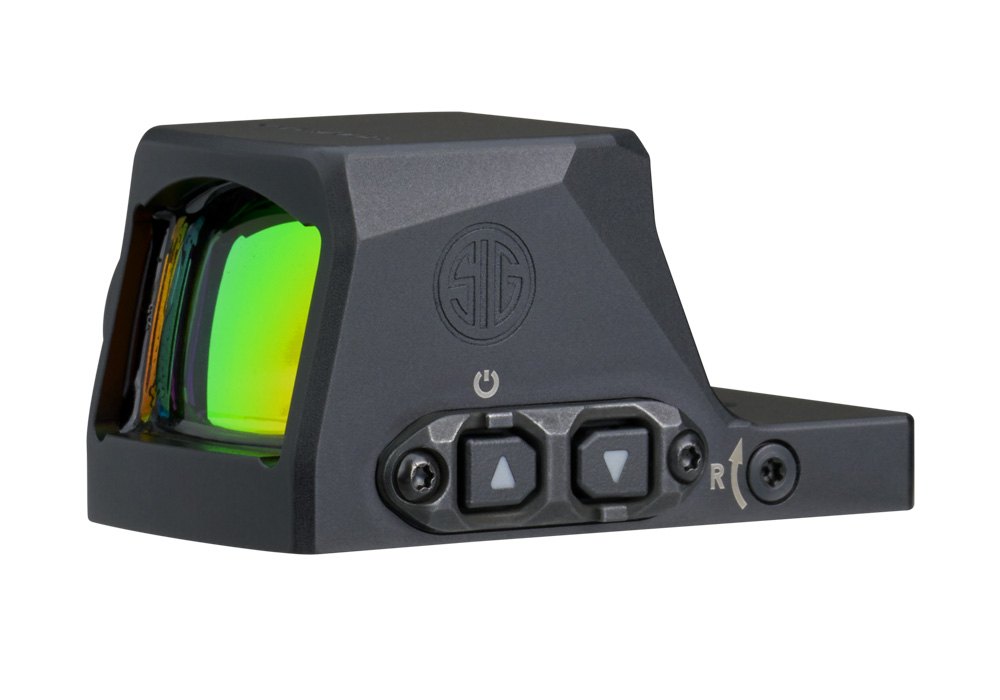
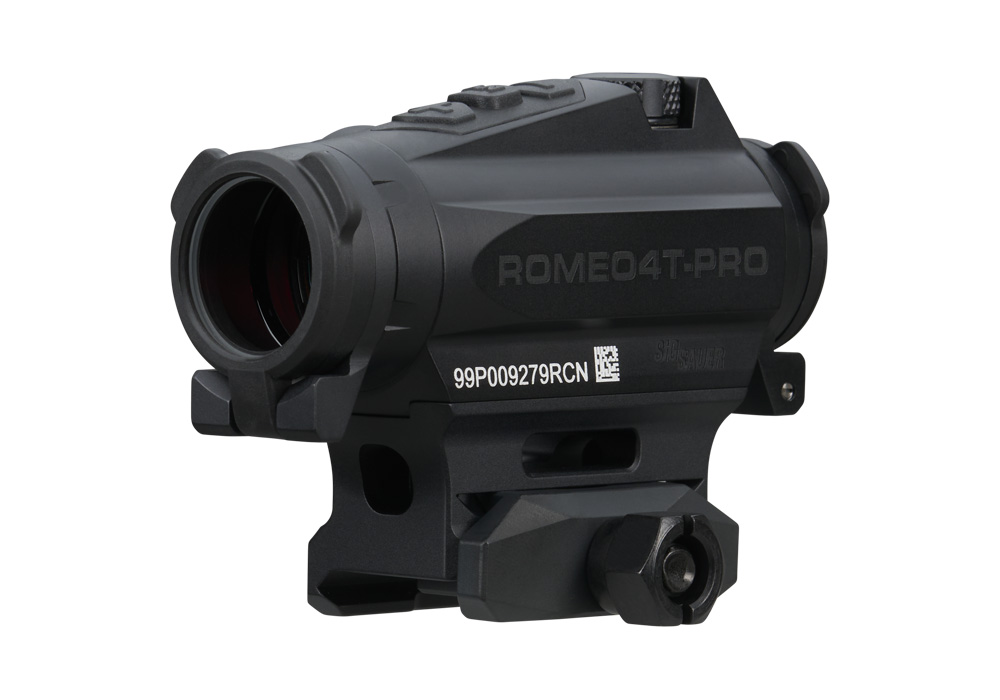
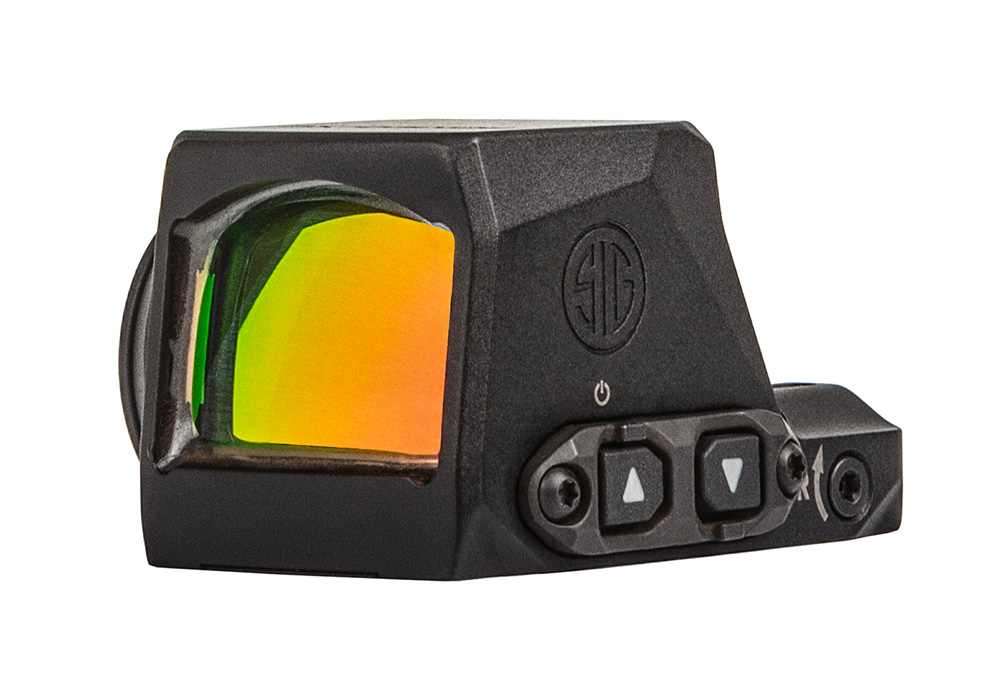
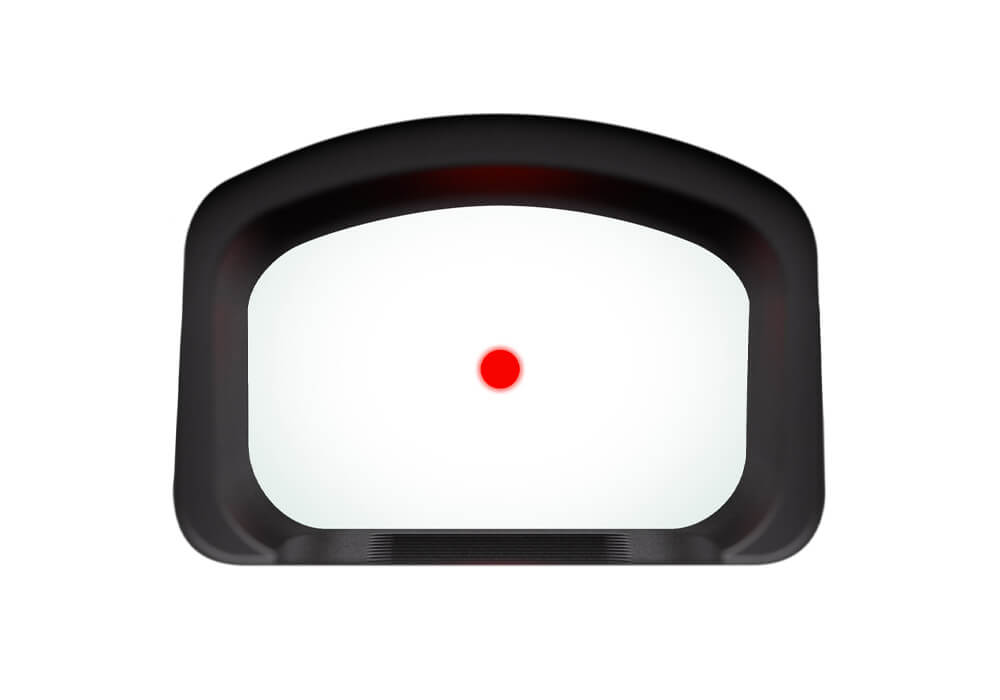
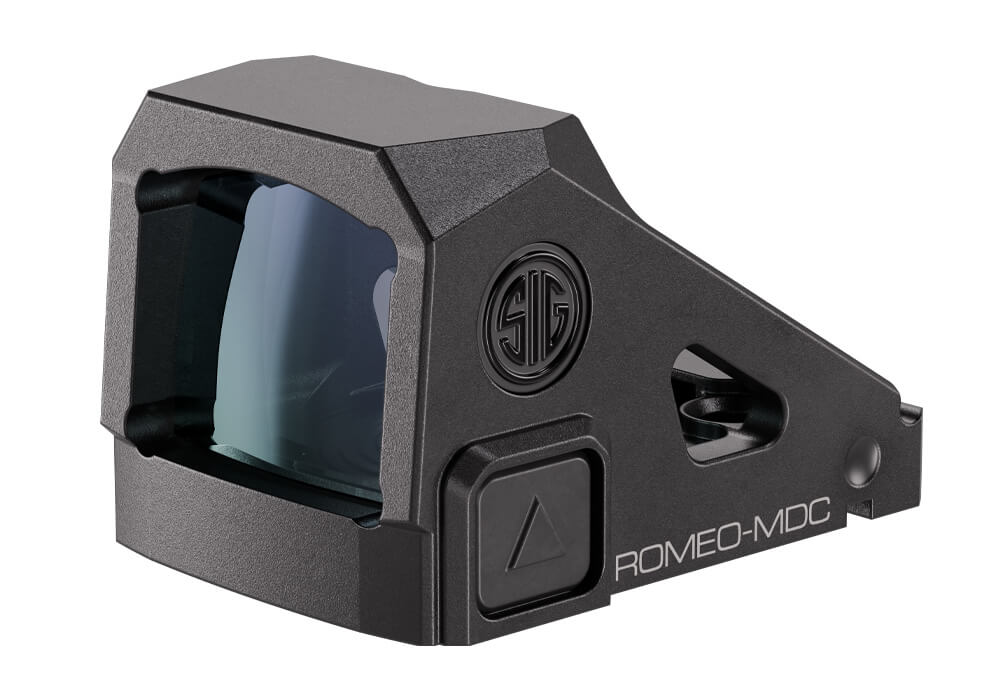
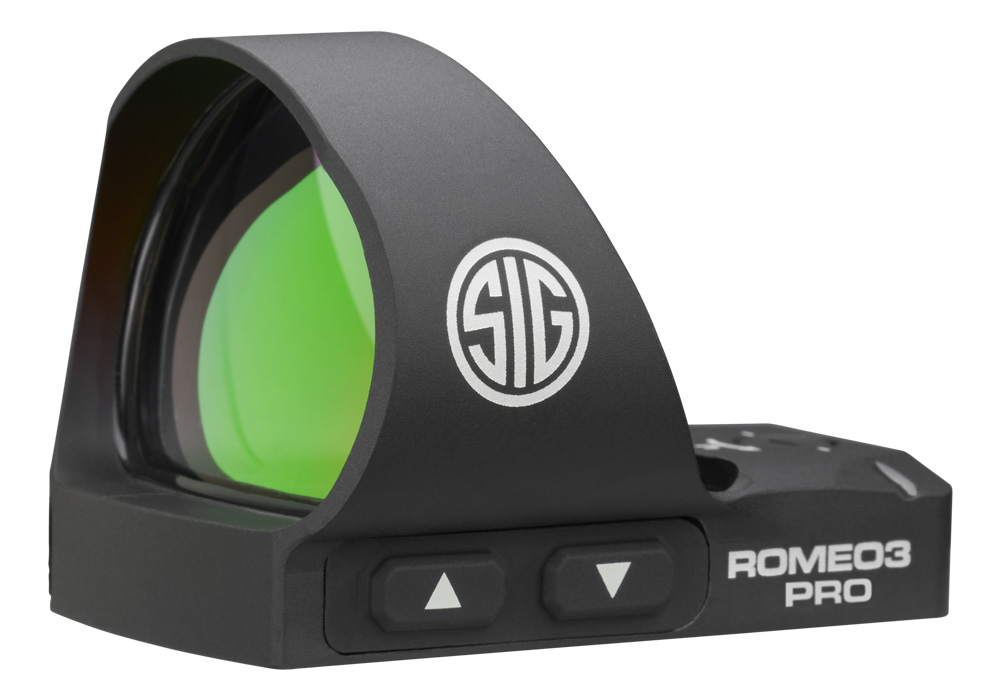
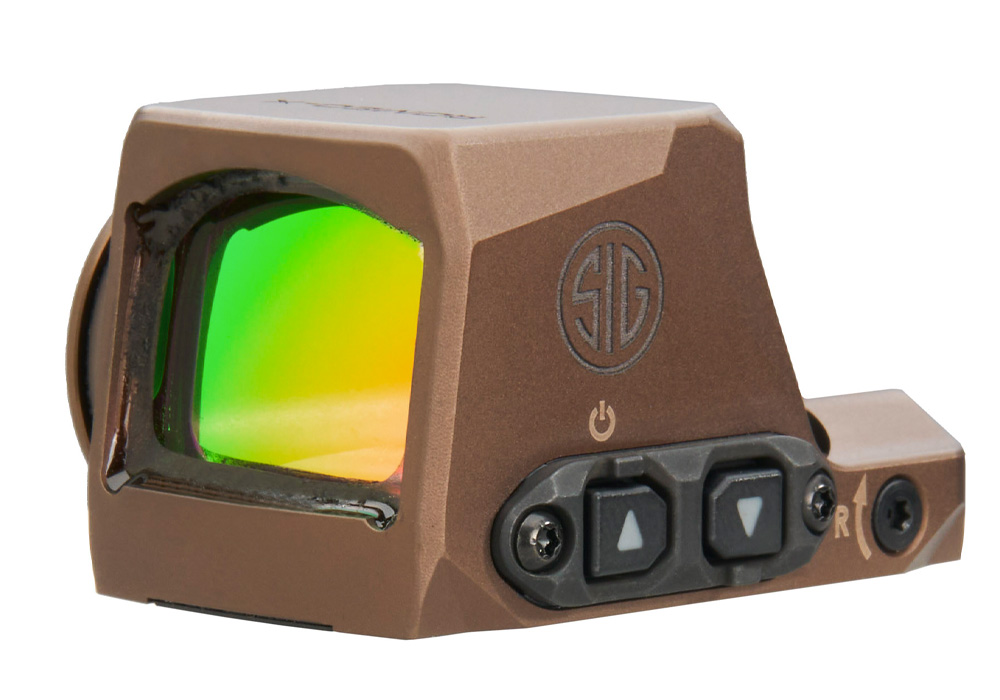
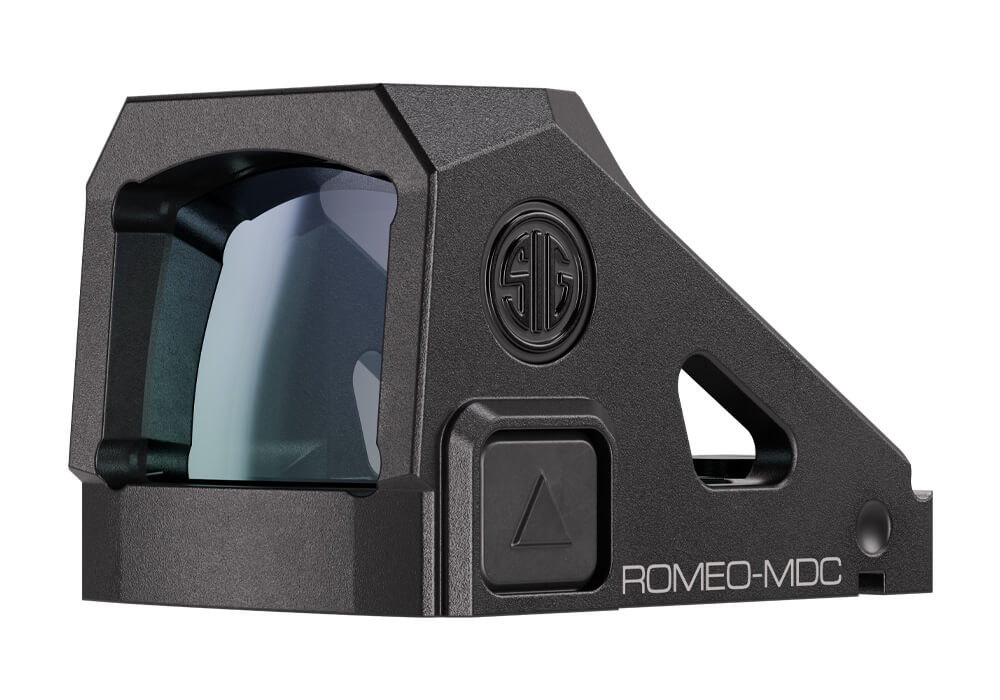
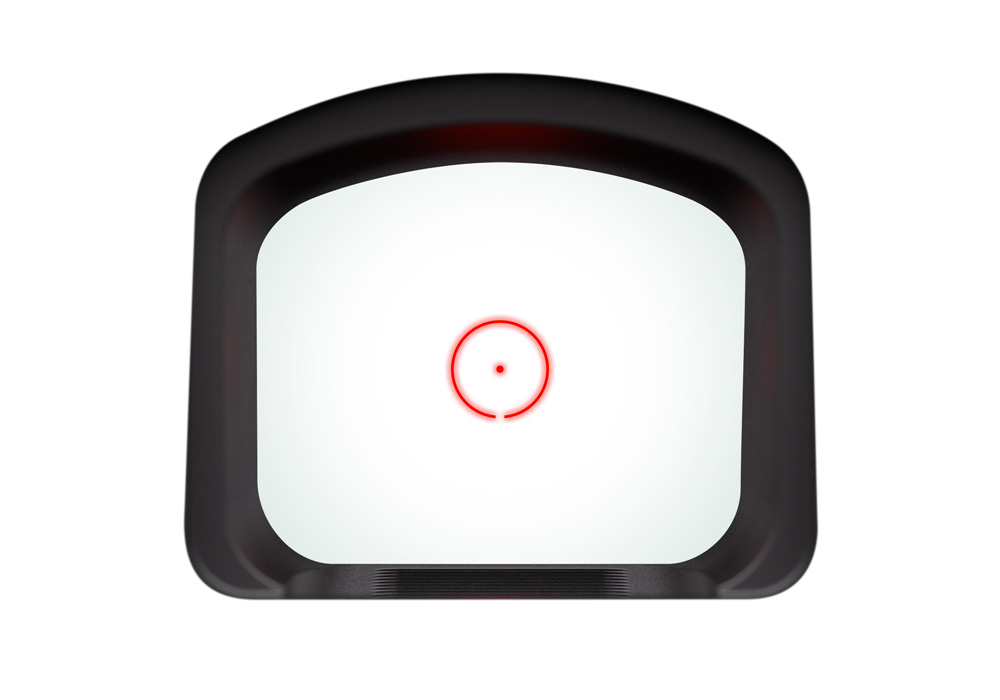
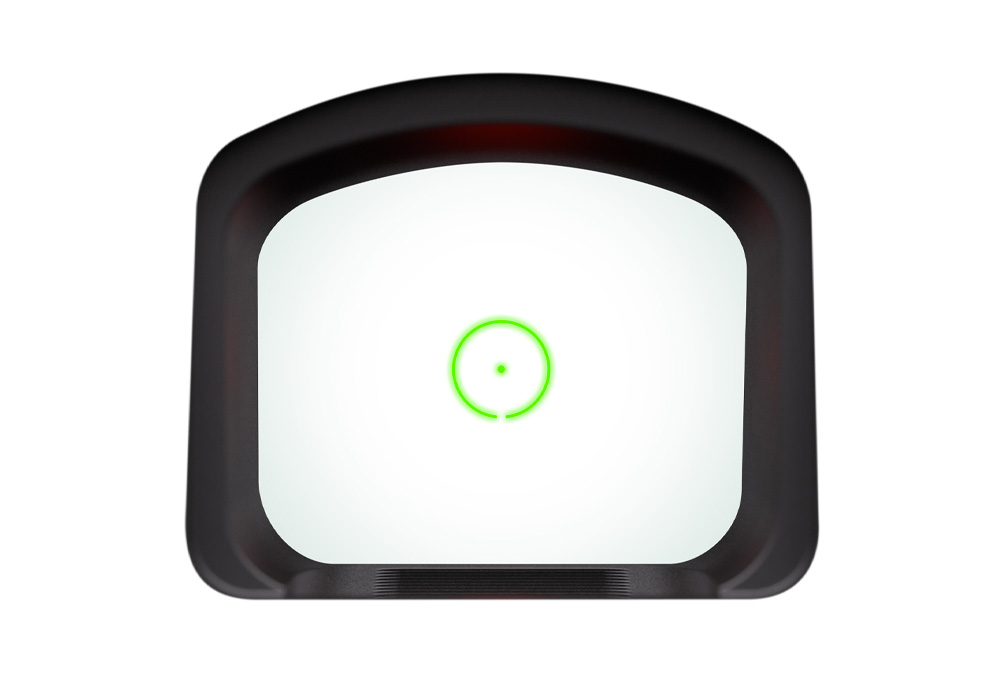
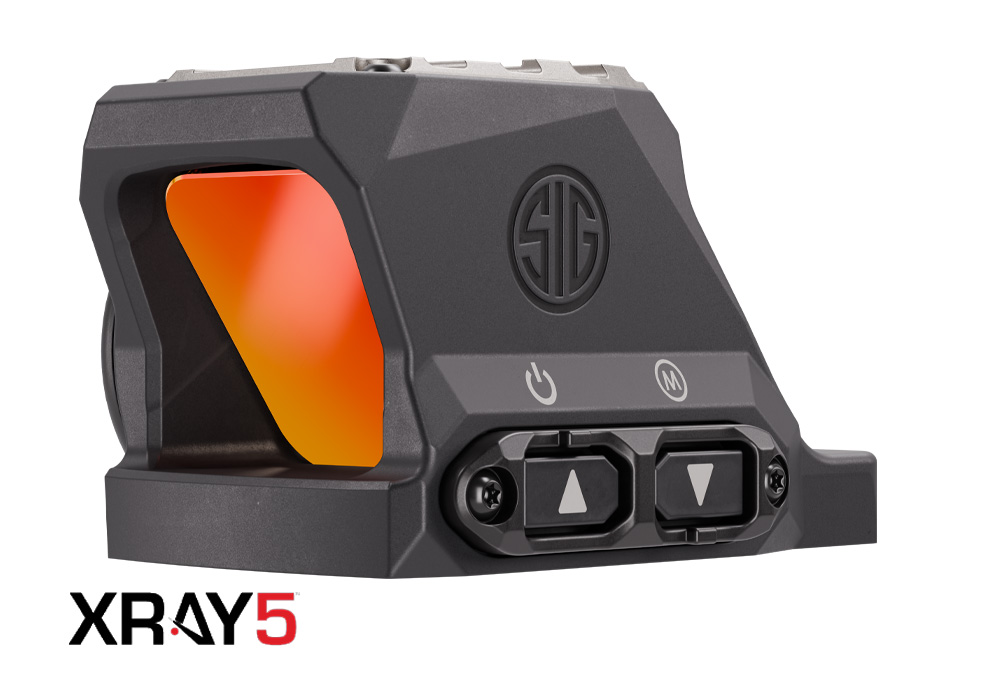
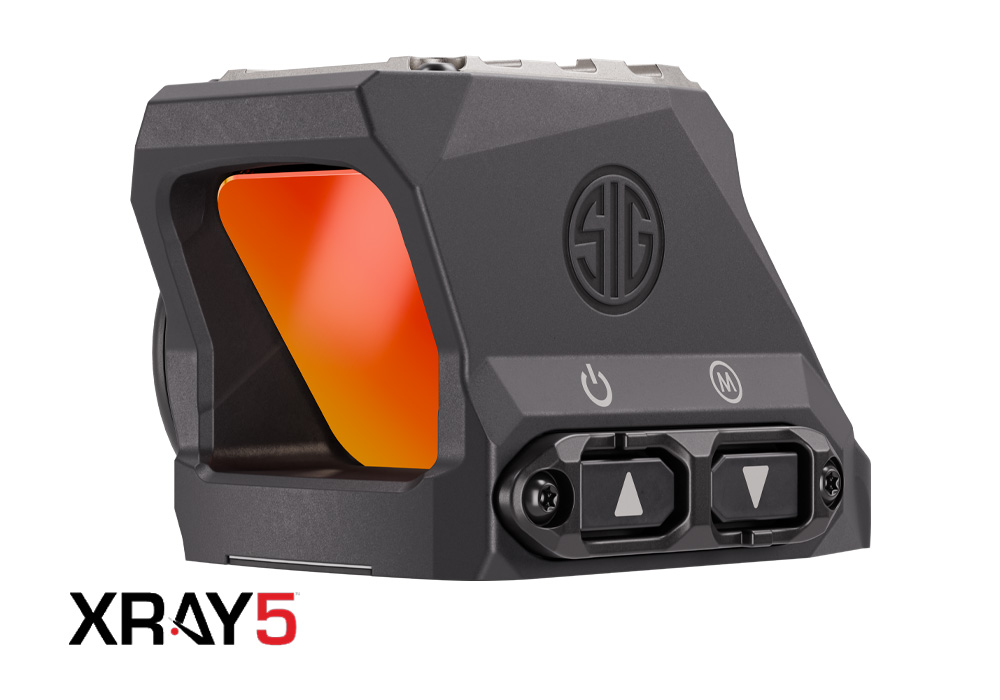
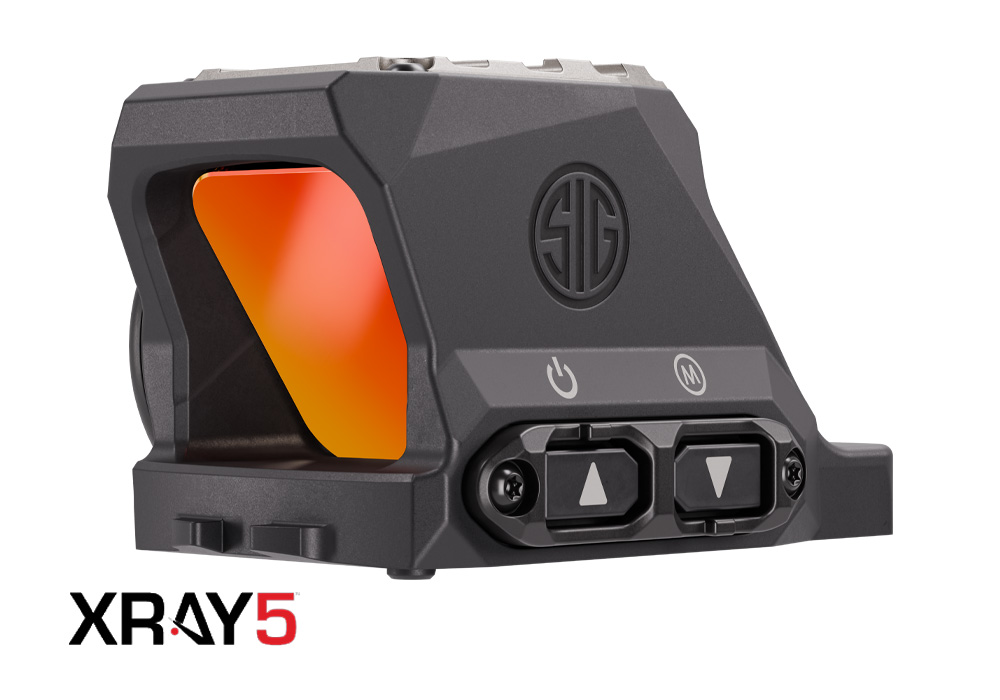
Fall range day pistol optics suit practice sessions where bright skies, shaded firing lines, and changing backgrounds can all be part of the same afternoon. A paper target against a dark berm presents a different visual setting from a steel plate catching low autumn sunlight, and an optic’s window, reticle, and brightness controls help shape the viewing experience. These compact sights provide an illuminated aiming reference for compatible pistols, with designs suited to recreational target shooting, organized competition, and regular practice. When comparing Pistol Optics, the most useful distinctions are often practical ones: how clearly the reticle appears, how comfortably the controls operate, and how well the sight fits the pistol and its intended use. A smaller aiming point can leave more of a distant paper target visible, while a larger point may be easier for some shooters to distinguish quickly. Neither choice is universally better; eyesight, target style, and personal preference all matter. Reticle appearance can also vary with corrective lenses or astigmatism, so an apparently crisp point for one person may look different to another. Window size deserves similar attention. A generous viewing area can feel less restrictive, while a compact housing may better suit a smaller pistol or a preference for a lighter setup. Manual brightness adjustment offers direct control over illumination, and automatic adjustment can be convenient when moving between different lighting conditions. The important distinction is whether the available settings remain comfortable and visible without an unnecessarily bright reticle obscuring the target. A fall range outing may include a covered bench, an open firing line, or protective eyewear with a different lens tint than usual. Thinking about those ordinary details helps connect optical features to the actual setting rather than relying on specifications alone. A useful sight is one that supports a consistent, comfortable practice routine without distracting from safe handling and sound fundamentals.
Fit comes before finish when choosing an optic for a pistol. An optic-ready slide does not necessarily accept every mounting footprint, and a similar-looking screw pattern does not establish compatibility. The pistol’s documentation and the optic manufacturer’s specifications should confirm the appropriate interface, any required plate, and installation requirements. Professional installation is worth considering when compatibility is uncertain. Overall dimensions matter beyond the mounting surface: housing width, sight height, and the location of controls can affect holster clearance, access to slide features, and whether existing iron sights remain visible. For competition use, the applicable equipment rules may also influence the right size and configuration. Materials and construction deserve attention because a slide-mounted optic experiences repeated recoil and regular handling. Aluminum housings offer a familiar balance of strength and weight, while protective shrouds and recessed lenses can help shield vulnerable surfaces from everyday contact. Durability is best evaluated through published specifications and testing rather than appearance alone. Water-resistance ratings, operating-temperature ranges, and the manufacturer’s stated recoil compatibility provide more meaningful context than a rugged-looking exterior. Fall range conditions can involve windblown dust, light rain, or moisture on an uncovered bench, making lens protection and sealing relevant considerations. Open-emitter designs generally leave the light source more exposed to the surrounding environment, while enclosed-emitter designs place it within a protective housing. That distinction can affect how much attention the optical path needs when debris or moisture is present, although neither design eliminates routine inspection and cleaning. Lens coatings may help manage reflections and support a clearer view, but glass quality, window geometry, and lighting still influence the overall picture. Battery access is another detail that becomes important over time. Depending on the design, replacement may involve a side compartment, a top compartment, or access beneath the optic. Understanding that arrangement before choosing a sight helps set realistic expectations for maintenance, especially when battery replacement could require removal and a subsequent check of the sight’s alignment.
Care for pistol optics is largely about protecting the glass, keeping accessible surfaces clean, and following the manufacturer’s maintenance directions. Fine grit should not be rubbed across a lens, and household cleaners or rough fabric can be unsuitable for optical coatings. A clean lens cloth and an approved cleaning solution are more appropriate companions for a range bag than the corner of a dusty jacket. Protective covers, where compatible, can help keep fingerprints and debris off the window between outings, while a padded compartment limits contact with loose tools and other gear. Moving between a warm vehicle and a cold outdoor firing line can produce temporary condensation on exposed glass; allowing equipment to adjust to the surrounding temperature can help keep that inconvenience from dominating the session. Moisture should be addressed before storage, with attention to battery compartments and other areas identified in the owner’s manual. Power management also deserves a place in a regular equipment check. Battery-life claims depend on settings and operating conditions, so a sensible replacement routine is more useful than assuming every sight will run equally long in every situation. Controls that feel simple with bare hands may be less convenient with range gloves, making button size, placement, and feedback relevant to fall practice. For a recreational shooter, the priority may be uncomplicated operation and a clear view of familiar paper targets. A frequent competitor may place greater emphasis on viewing area, predictable controls, and compatibility with the rest of an established setup. An optic can also be a thoughtful gift for a dedicated range enthusiast, provided the recipient’s pistol fit, visual preferences, and intended use are confirmed beforehand. Personal preference plays a substantial role in satisfaction, particularly when reticle appearance and housing size are involved. Alongside suitable eye and hearing protection, careful handling, and proper storage, a well-chosen pistol optic can become a dependable part of a range routine, ready for autumn practice and the outings that follow.