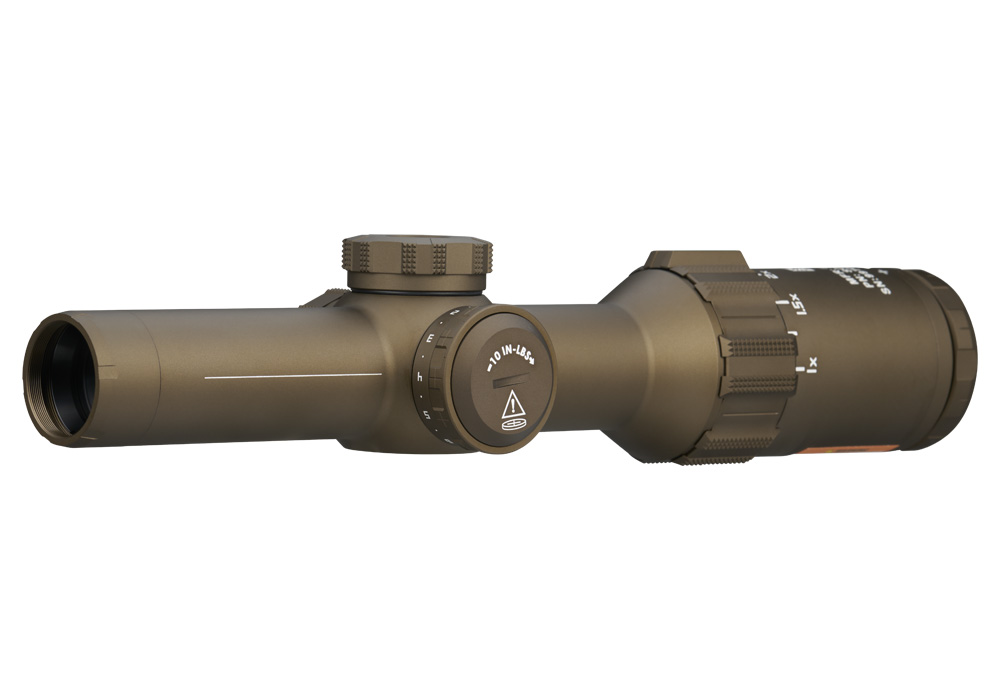
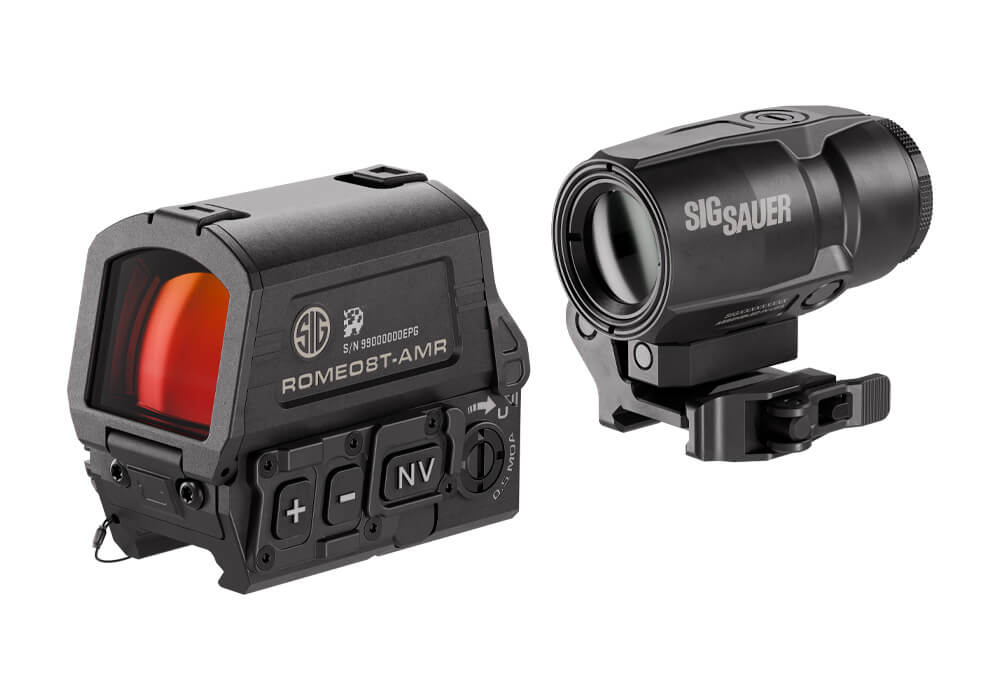
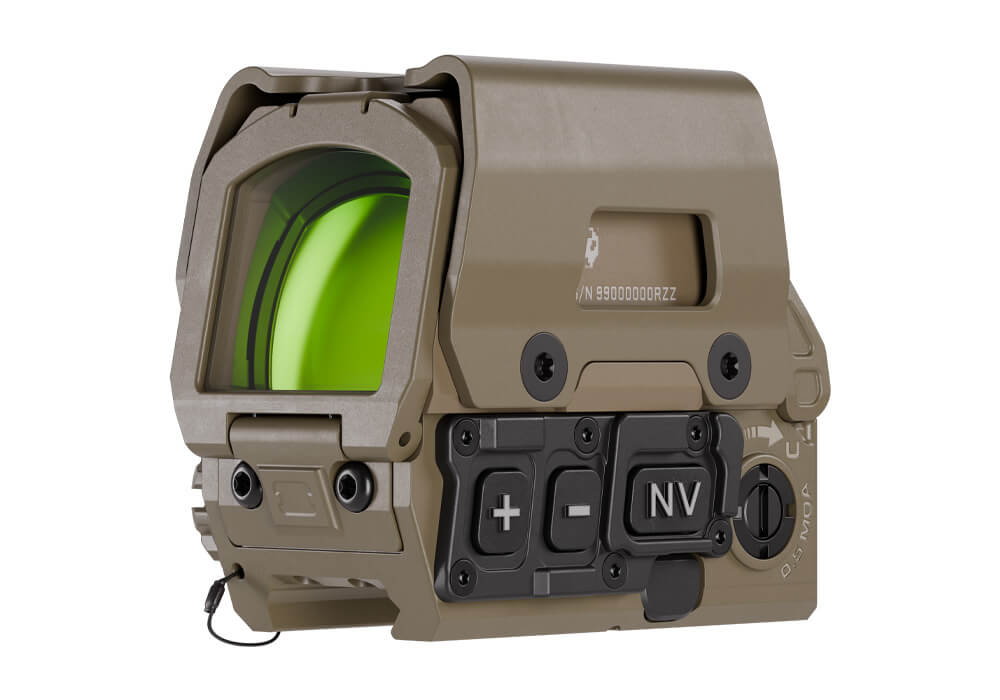
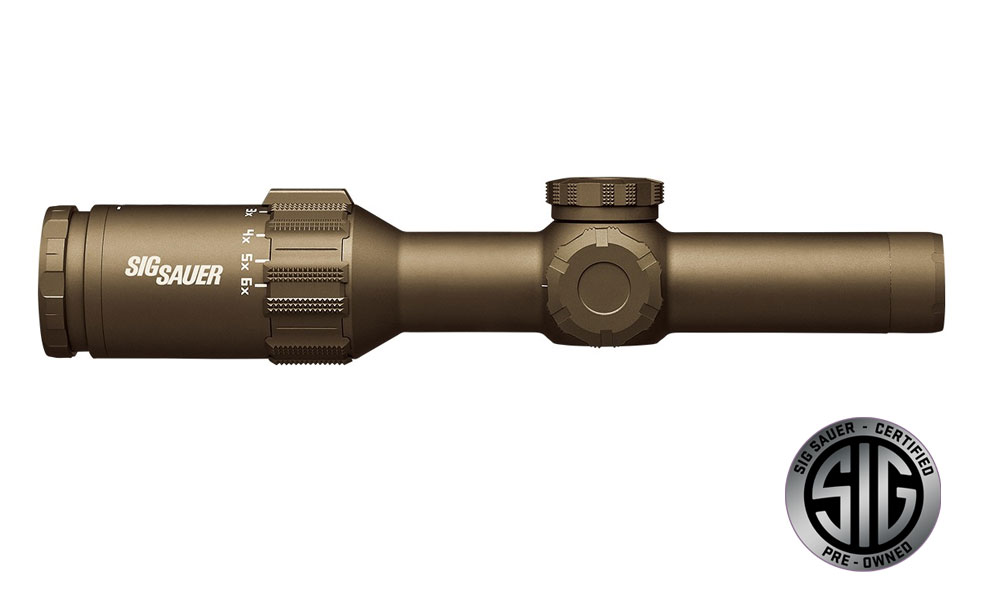
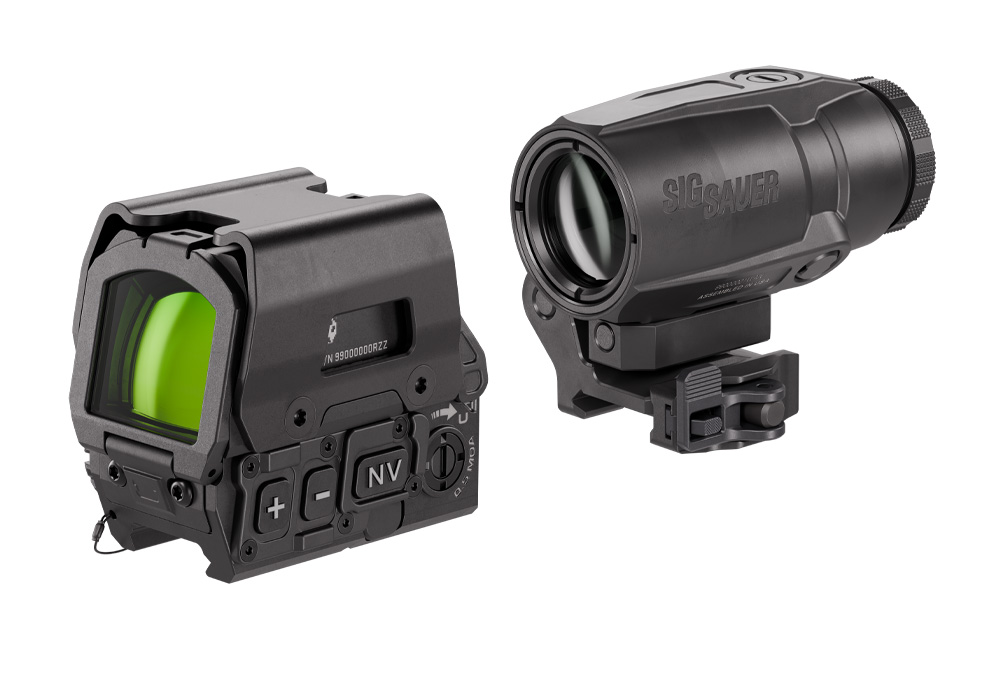
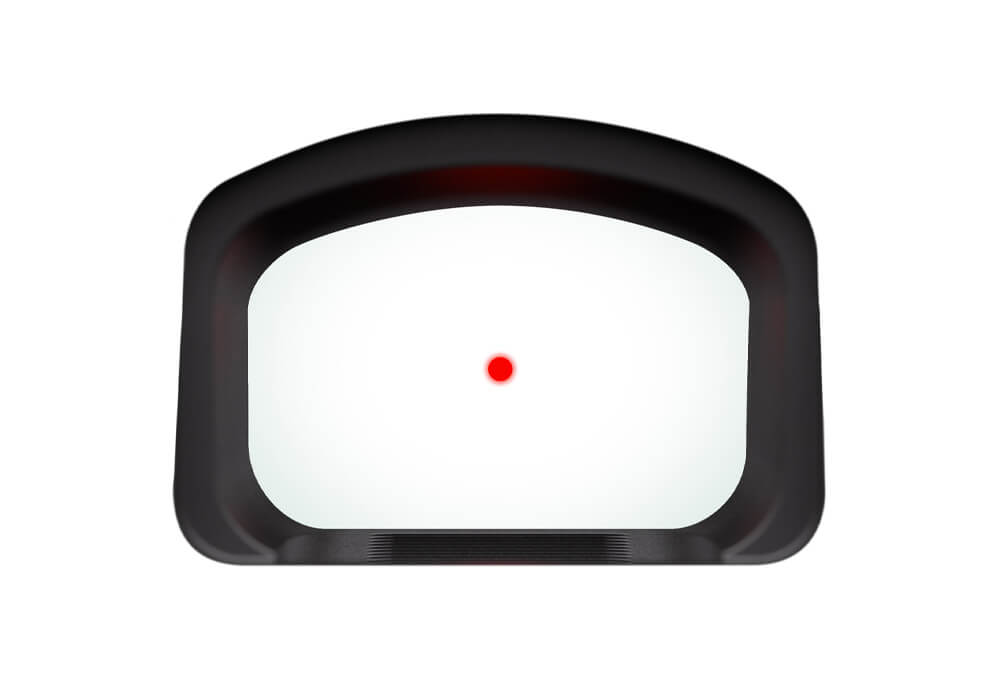
Fall tactical shooting optics bring together clear glass, dependable aiming references, and rugged construction for range sessions shaped by autumn light and variable conditions. A pale target against brown grass, a shaded firing line, or glare across a damp shooting bench can reveal differences in contrast that are less noticeable under bright, even illumination. For these settings, optical clarity means more than a sharp image at the center of the lens. Edge definition, color fidelity, glare control, and a usable view in subdued light all contribute to how comfortably a shooter can observe a target. Red dot sights generally prioritize an uncluttered view and rapid visual alignment at shorter distances, while magnified rifle scopes provide more detail for smaller or more distant targets. Low-power variable optics, often in 1–6x or 1–8x configurations, bridge those roles with a broad view at low magnification and additional detail at higher settings. Higher-magnification ranges, such as 4–16x or 5–25x, are commonly associated with precision target shooting, although useful magnification depends on target size, distance, atmospheric conditions, and the firearm’s intended role. More magnification is not automatically better: it usually narrows the field of view and can make movement in the sight picture more apparent. Reticle design matters just as much. A first focal plane reticle changes apparent size with magnification, keeping its angular measurements consistent throughout the zoom range. A second focal plane reticle maintains a consistent apparent size, while its measurement marks typically correspond to their stated values at one designated magnification. The better match depends on how the shooter uses those references and how visible the reticle remains against the target. Illuminated aiming points can help distinguish the reticle from a dark background, but overly bright settings may obscure fine detail. Larger objective lenses can support a larger exit pupil at a given magnification, though coatings, glass quality, and the complete optical design also influence the view. Clear optics support observation; they never replace positive target identification and awareness of what lies beyond.
Durability and fit give fall tactical shooting optics their practical value beyond the glass. Autumn range conditions can involve windblown grit, persistent drizzle, and temperature differences between a vehicle, an outdoor bench, and indoor storage. Aluminum housings are common because they balance structural strength with manageable weight, while protective finishes help resist everyday wear and corrosion. Construction details deserve attention: secure adjustment assemblies, well-supported lenses, and a mounting interface suited to the firearm all contribute to dependable performance. Waterproof ratings and internal fog resistance are separate considerations. Seals help limit moisture entry, and gas purging can reduce internal condensation, but neither feature prevents rain or condensation from forming on an exterior lens. Any water-resistance claim should be understood within the manufacturer’s stated testing limits. Recoil resistance and zero retention are equally important, particularly for an optic that moves regularly between transport, practice, and storage. Zero retention means the aiming reference remains consistent relative to the firearm under normal use; it depends on both the optic and the mounting system. A durable housing cannot compensate for an incompatible or improperly secured mount. Rifle scope fit begins with the correct tube diameter, suitable rings or mount, and compatibility with the firearm’s mounting surface. Mount height affects cheek position, sight alignment, and clearance around the objective bell, while adequate eye relief helps keep the viewing position comfortable and appropriate for recoil. For red dot sights, footprint compatibility and mount height are key details rather than interchangeable assumptions. Controls also become more noticeable when hands are cold or gloved. A magnification ring with usable texture, accessible brightness controls, and clearly marked adjustments can be easier to manage than small, closely spaced controls. Protected or locking turrets may suit shooters who prefer established settings, while exposed adjustments can suit regular range corrections. Overall size and weight should complement the complete setup, especially when a larger scope changes the balance of a compact rifle. These considerations help keep equipment comfortable, consistent, and suited to its intended use.
Care, storage, and the everyday shooting routine complete the picture. Fine dust on a lens should be lifted away with an appropriate blower or soft optical brush before wiping, since rubbing grit across glass can damage protective coatings. A clean lens cloth and a cleaner approved for coated optics are better choices than a shirt sleeve or general household spray. Lens covers help protect exposed surfaces during transport and between range sessions, and a padded case limits contact with other equipment. After a wet outing, exterior moisture should be removed and the optic allowed to dry before enclosed storage, following the manufacturer’s care instructions. Battery-powered sights deserve similar attention: battery type, expected runtime, compartment access, and automatic illumination features can affect routine upkeep. Published runtime often reflects a particular brightness setting, so it should not be treated as a universal result. An etched reticle can remain visible without illumination, while a battery-dependent aiming system requires a working power source to display its aiming point. Before returning to the range after storage or transport, checking the optic’s condition and confirming zero in a safe, authorized setting supports a consistent experience. For range enthusiasts, competition shooters, and experienced firearm owners, the right optic is usually the one that fits an established activity rather than the one with the most elaborate feature list. A shooter practicing on modest-distance paper targets may value a wide view and simple aiming point, while someone evaluating small groups farther away may prefer finer reticle detail and greater magnification. Where range practice overlaps with sporting field use, Fall Hunting Tactical Rifle Scopes provides a related category for considering those shared priorities. Optics can also be thoughtful gifts for an experienced shooter when the recipient’s firearm compatibility and preferences are known. Matching the mount, reticle style, and intended distance is more useful than choosing by appearance alone. Dependable construction, comfortable fit, and a clear, readable sight picture remain the qualities that matter long after the first trip to the range.