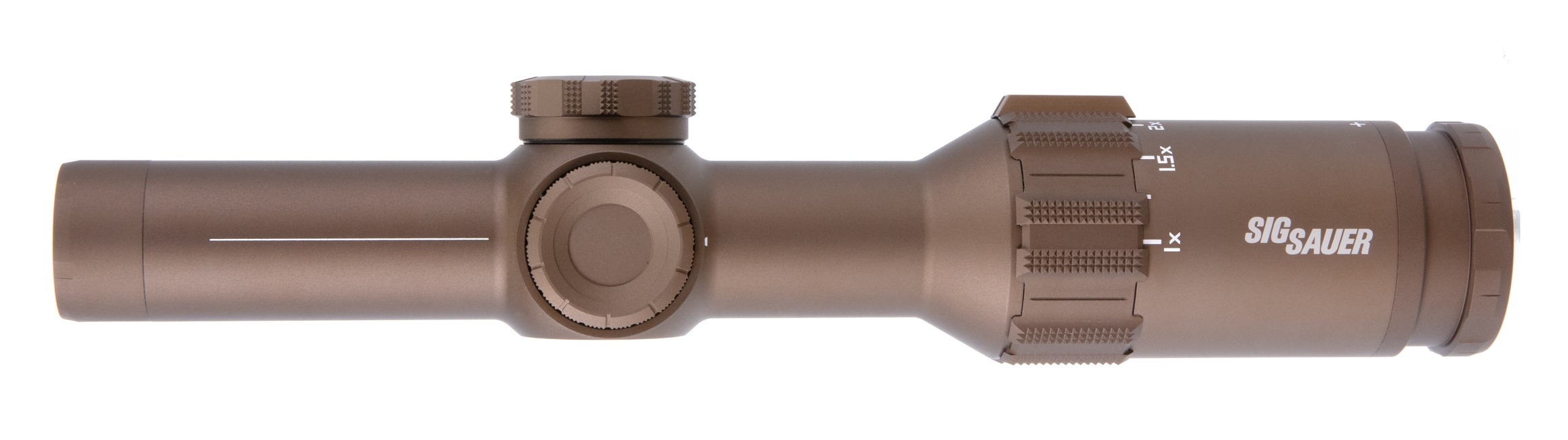
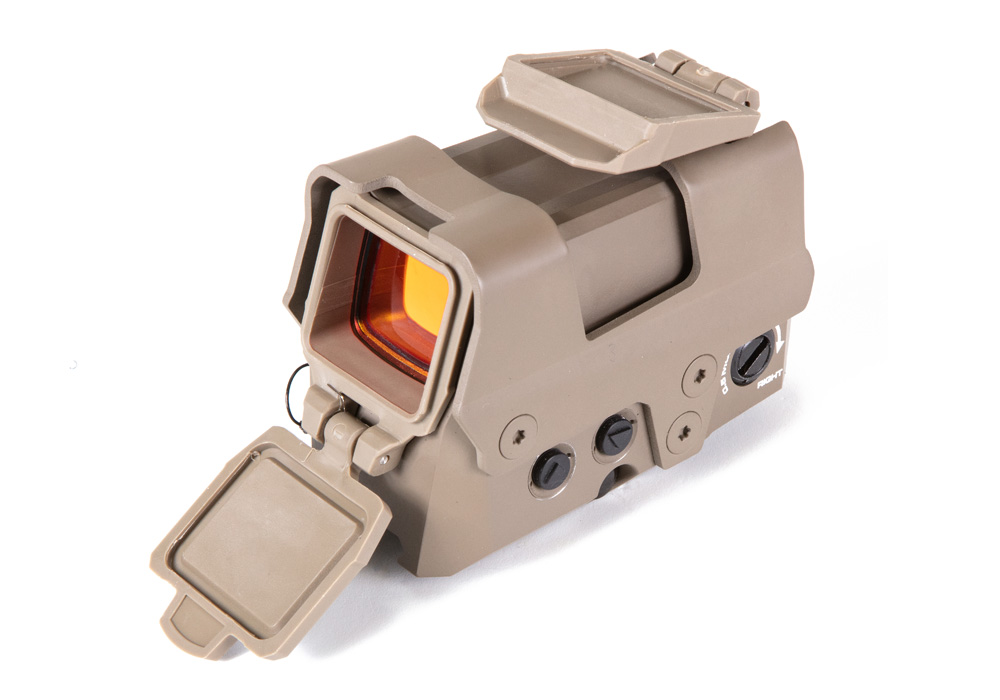
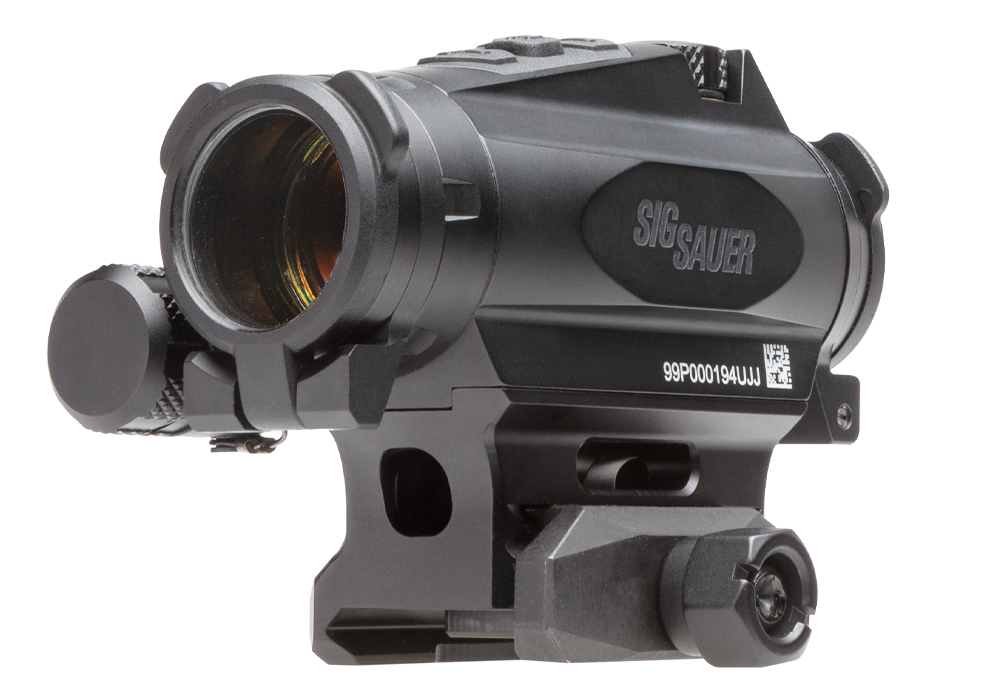
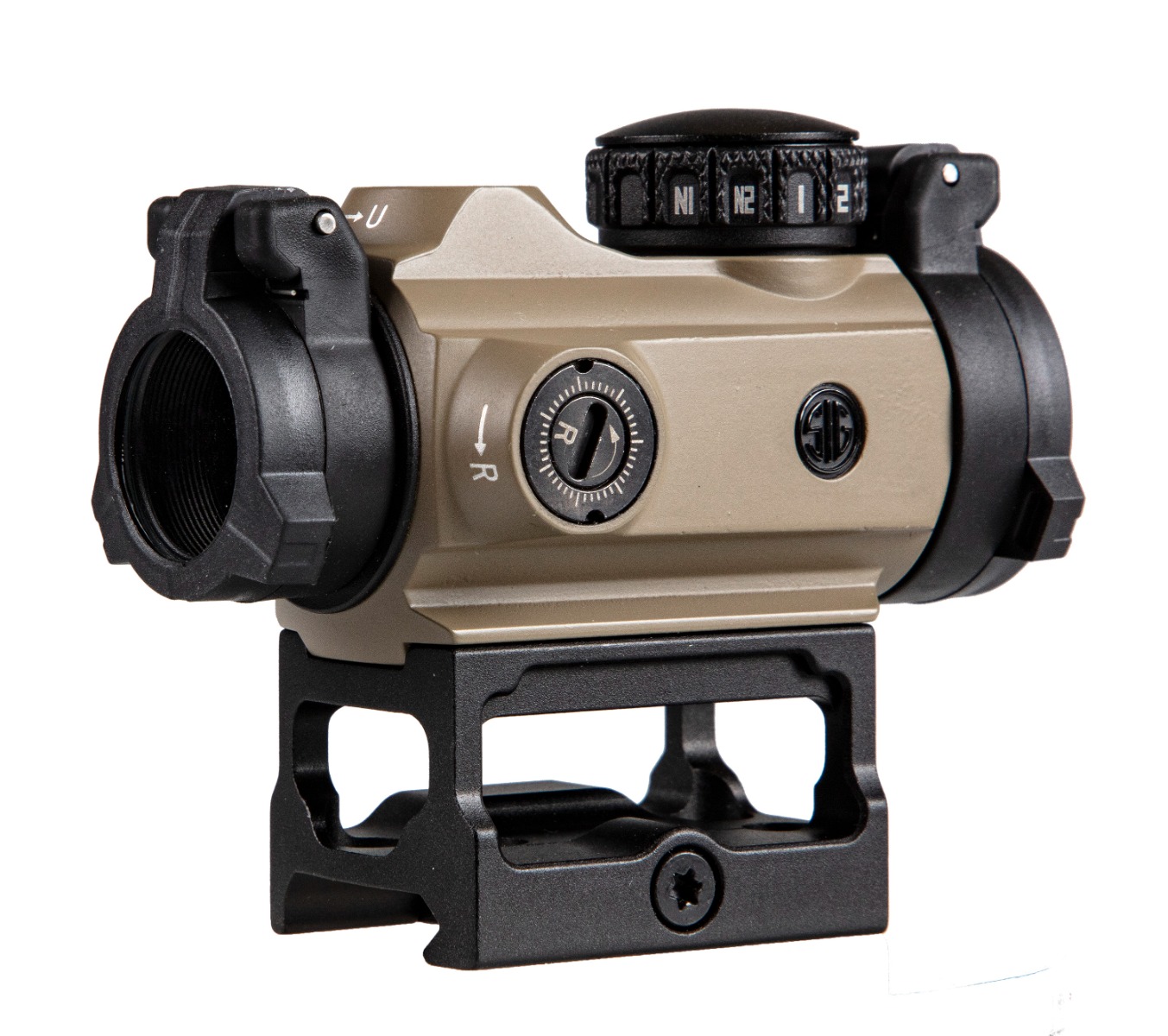
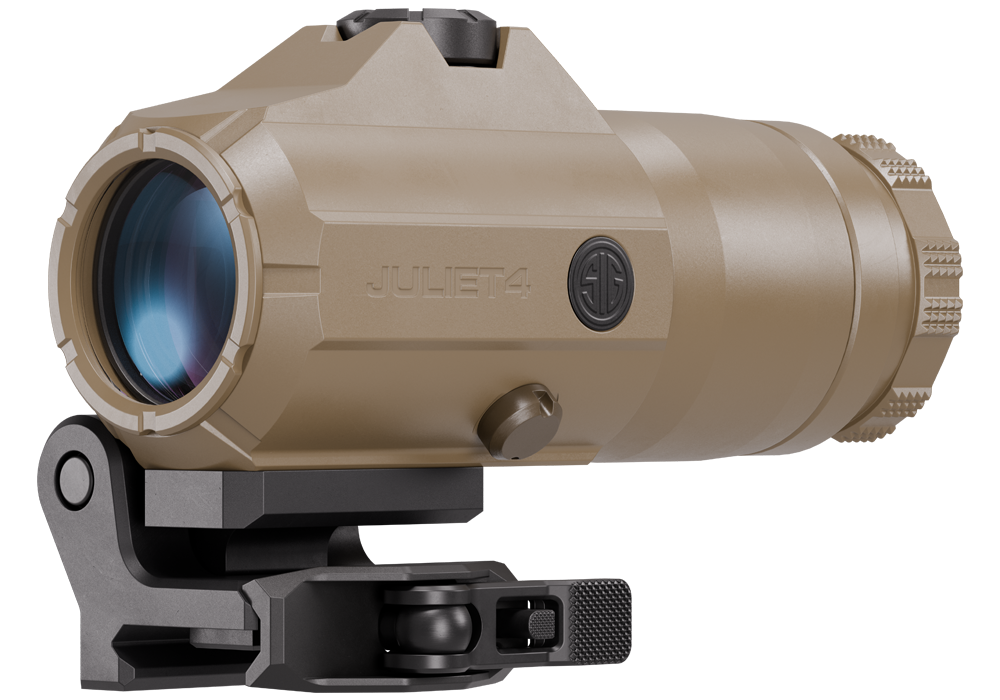
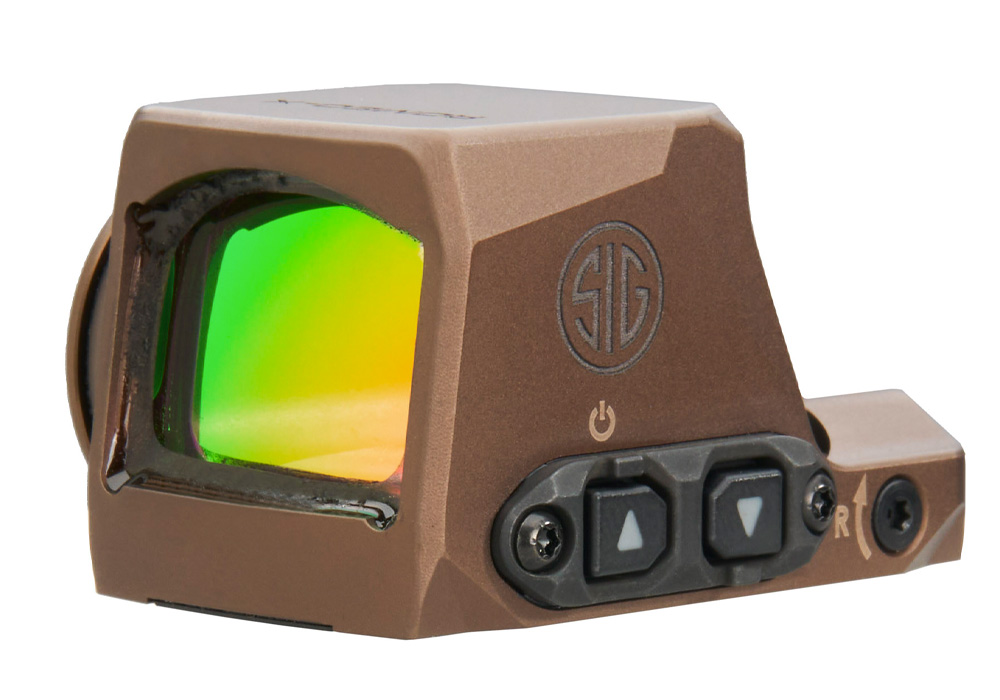
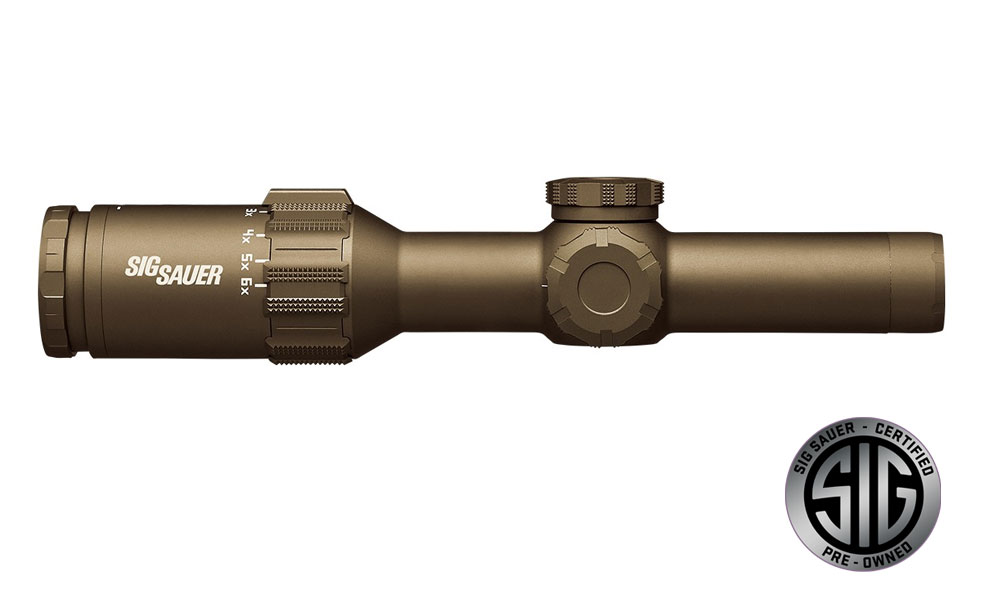
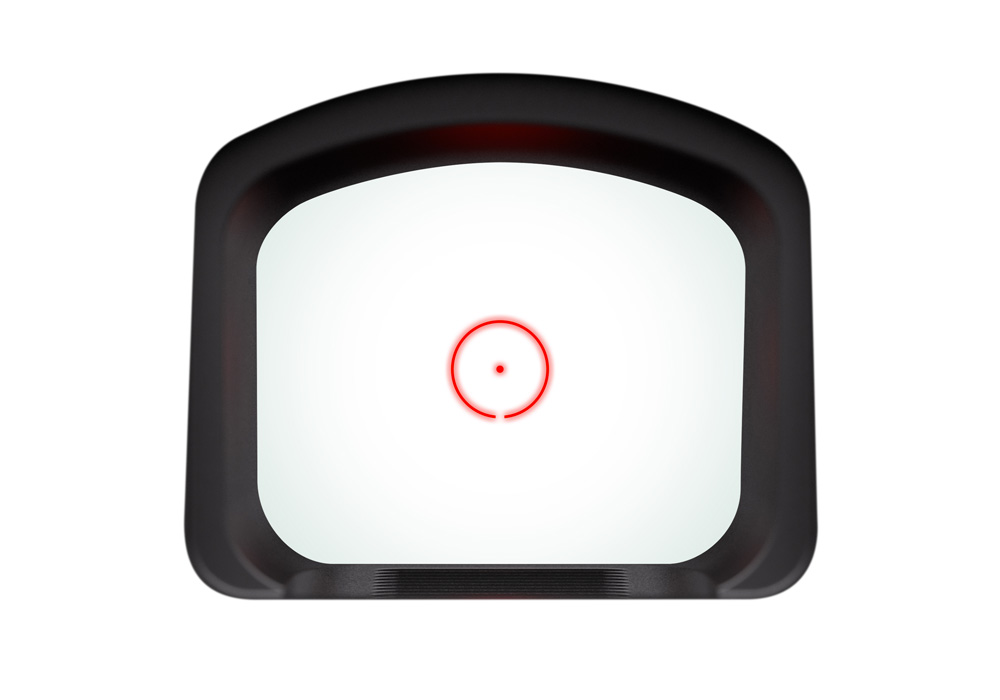
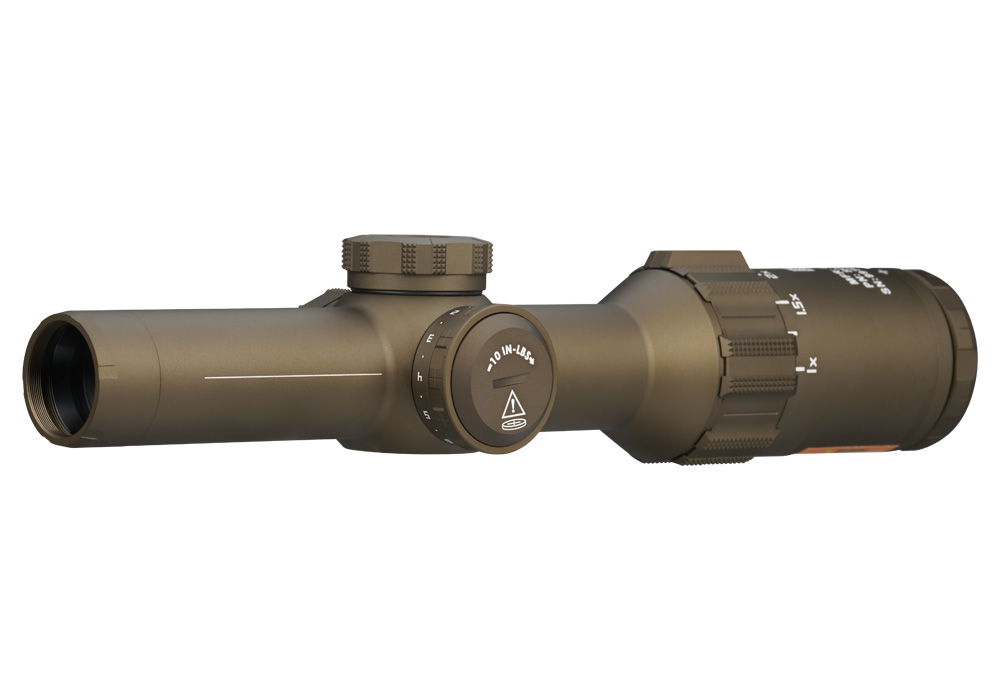
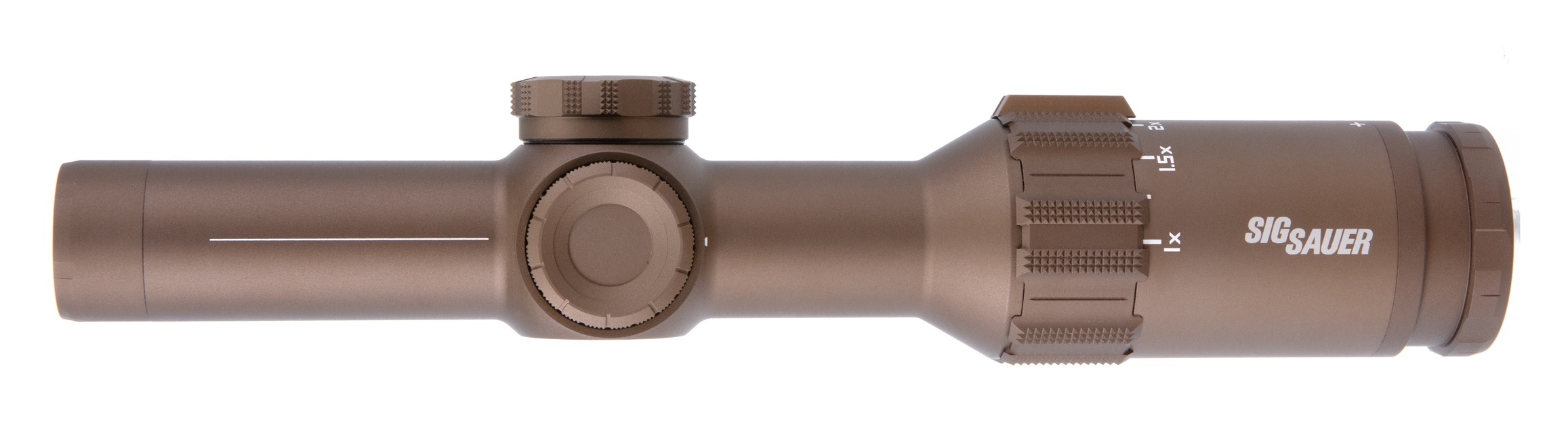
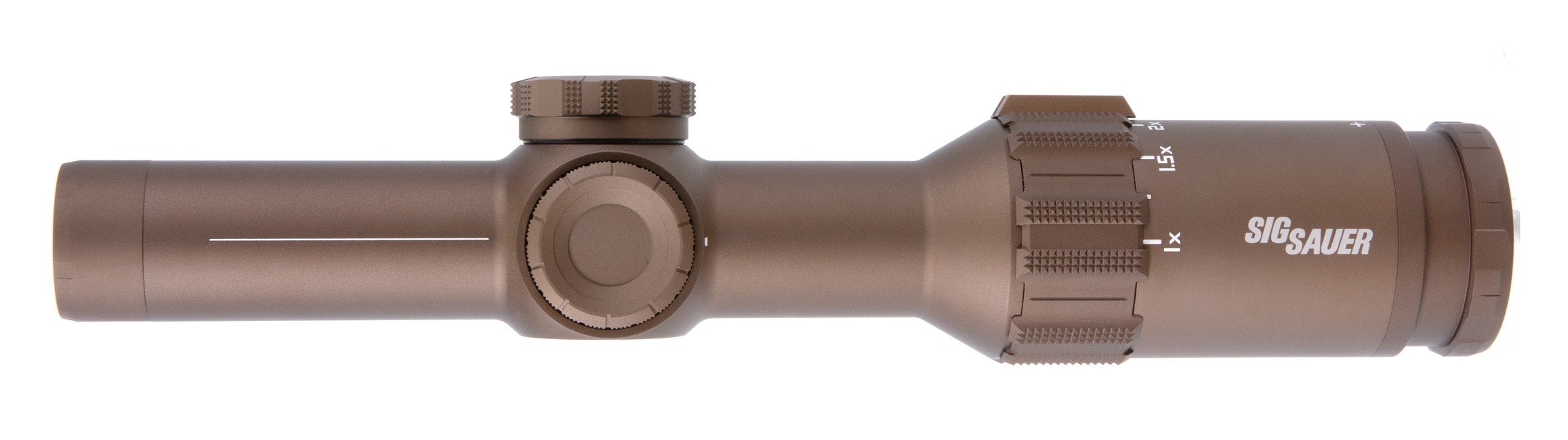
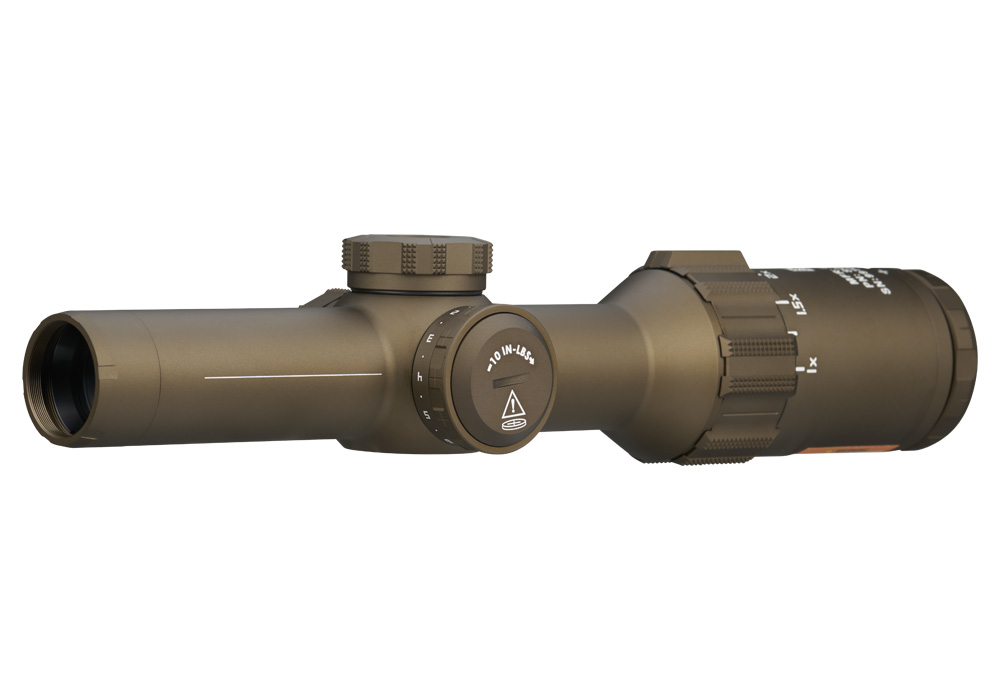
FDE autumn shooting optics bring together a practical finish and the features that matter when outdoor conditions become cooler, wetter, and less predictable. Flat Dark Earth, commonly shortened to FDE, offers a subdued appearance that complements the browns, tans, muted greens, and leaf litter found across many fall environments while helping reduce the visual contrast of a mounted optic. The finish is especially well suited to hunting rifles, sporting platforms, and field setups used around woodland edges, open fields, and mixed terrain. During the cooler months, low-angle sunlight can create sharp glare across exposed equipment, while overcast skies and dark backgrounds can make an unlit reticle harder to distinguish. A quality optic with clear glass, dependable coatings, and an appropriately selected reticle helps maintain a useful sight picture through these changing conditions. Illuminated reticles can be valuable when the aiming point must remain visible against shadowed timber, dense foliage, or a background of falling leaves, and adjustable brightness allows the reticle to remain visible without becoming distracting. Sealed, weather-resistant construction is also worth prioritizing, particularly for anyone who spends time outdoors in light rain, damp grass, or rapidly changing temperatures. Nitrogen-purged or otherwise fog-resistant tubes help protect the internal glass from condensation when moving between a warm vehicle and cool open air. These details may seem minor during a bench session, but they become meaningful after several hours in the field, when wet gloves, fading daylight, and changing weather put every part of a setup to work.
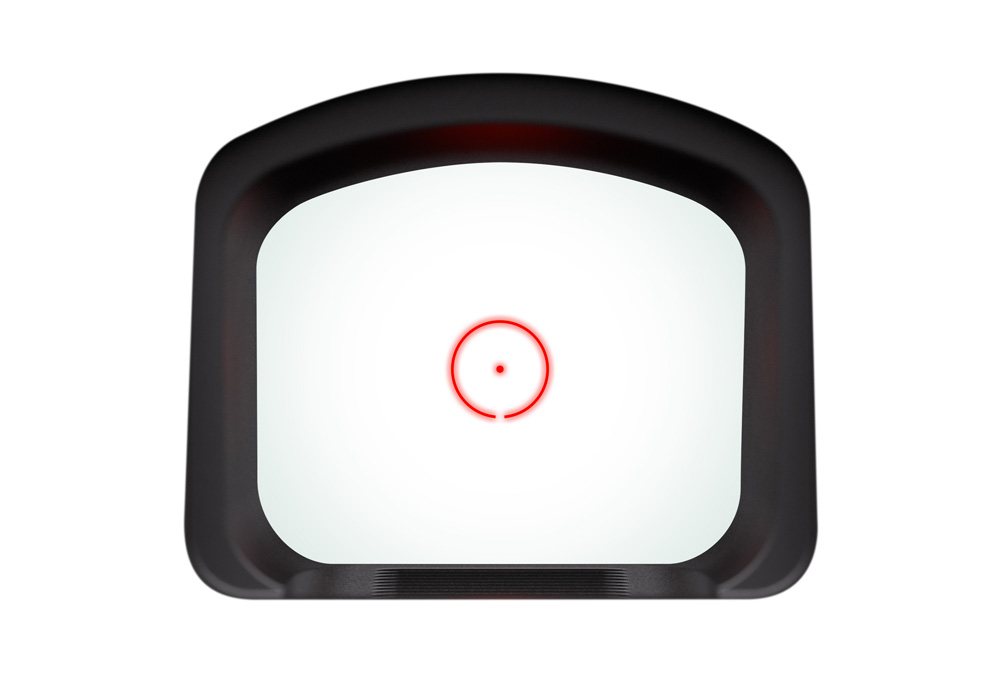
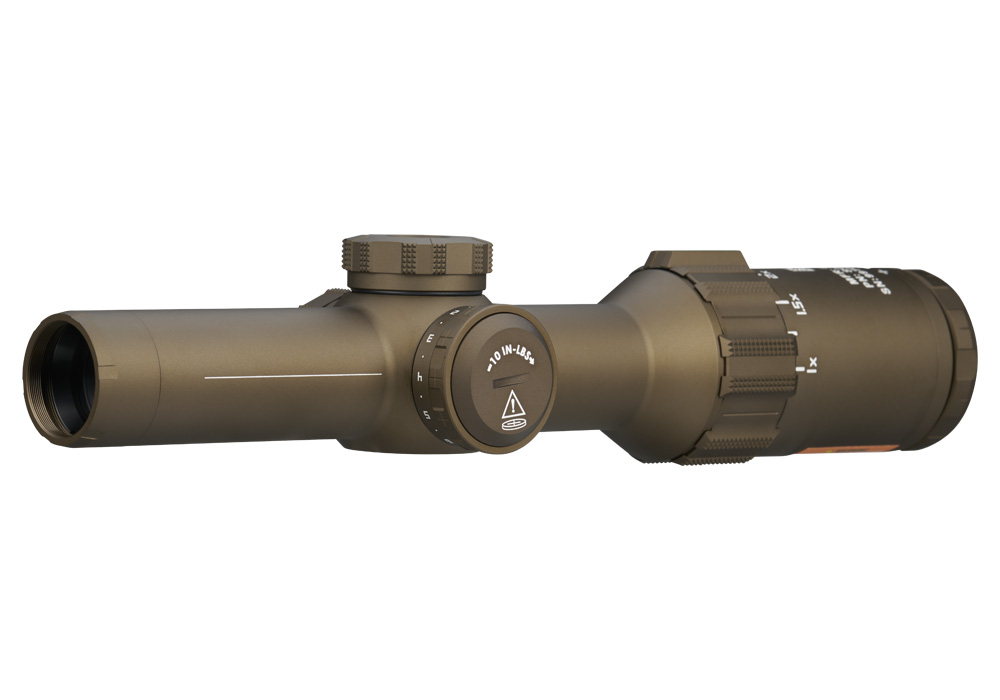
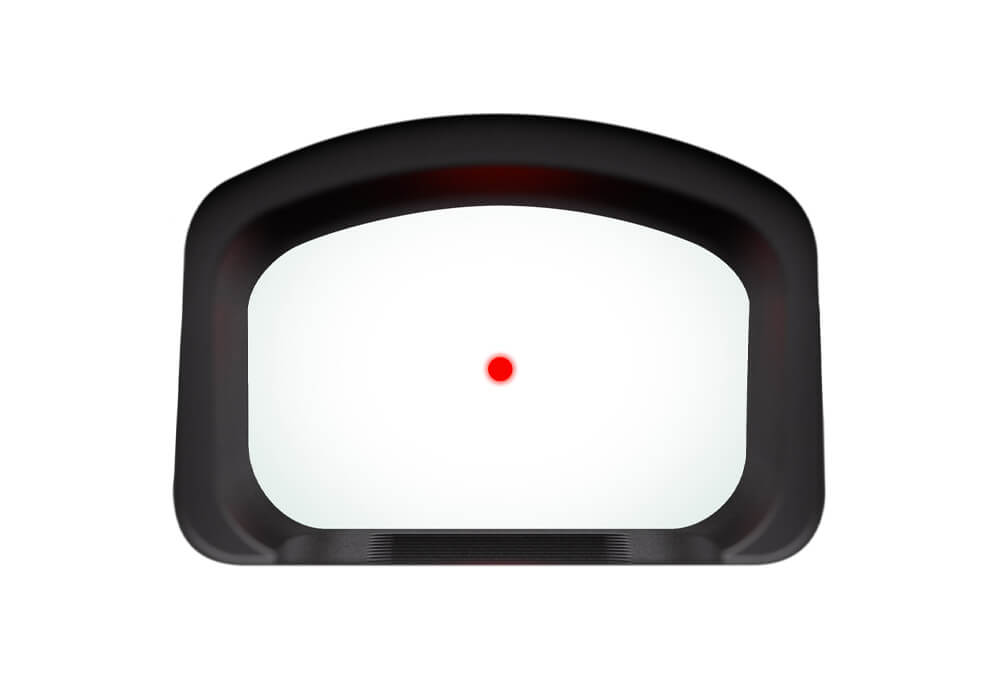
The right FDE shooting optic depends on the firearm, distance, pace, and style of shooting. Red dot sights are a natural choice for fast target acquisition at close to moderate distances, making them useful on compact sporting firearms, defensive setups, and range platforms where keeping both eyes open supports awareness of the surrounding area. A crisp, high-contrast aiming point can stand out against subdued autumn colors, and a robust housing helps a sight remain dependable through transport, repeated range use, and ordinary field handling. Low-power variable optics offer a broader range of capability, combining a low magnification setting for quick shots with increased magnification for more deliberate aiming at longer distances. This format suits shooters who move between wooded cover and open ground, where a target may appear nearby one moment and require more careful identification farther away. For precision-oriented use, a higher-magnification scope can provide the detail needed for supported shooting at extended distances, with turret design, adjustment tracking, parallax control, and reticle style all deserving close attention. First focal plane reticles can maintain their relationship with the target as magnification changes, while second focal plane designs may offer a consistent aiming-point presentation at a preferred setting. Reticle illumination, eye relief, field of view, and exit pupil are equally important; a generous eye box can make an optic easier to use from imperfect positions, while a wider field of view helps with moving targets and quick transitions. Before purchasing, confirm mounting compatibility, tube diameter, rail or ring requirements, available clearance, and the optic’s overall length and weight. A balanced setup should complement the firearm rather than making it unnecessarily cumbersome, especially when carried over uneven ground or held in position during a long glassing session.
FDE autumn shooting optics can also make a thoughtful gift for a hunter, range enthusiast, competition shooter, or prepared outdoorsperson who appreciates equipment chosen with purpose. The most useful gift is one that matches the recipient’s firearm platform and shooting habits, so details such as mounting footprint, rail system, preferred magnification, and typical distance are worth verifying before selecting an optic. Someone who spends crisp mornings moving through timber may value a lightweight red dot or low-power variable optic that presents a bright, uncomplicated aiming reference, while a precision-minded shooter may prefer magnification, refined adjustments, and a reticle suited to measured shots from a stable rest. For a new owner, straightforward controls, forgiving eye relief, reliable illumination, and a durable protective finish can make the learning process more comfortable. For an experienced shooter, refinements such as tactile turrets, a well-defined reticle, night-compatible illumination settings, or a wider adjustment range may be more meaningful than additional visual features. Regardless of format, take time to mount the optic securely, confirm the manufacturer’s recommended torque specifications, establish a consistent zero, and recheck the setup after transport or significant temperature changes. A lens cloth, protective covers, and a sturdy mounting solution can further improve day-to-day use. Browse Field Ready Shooting Optics to compare field-focused options in FDE and related finishes, then select the configuration that fits the firearm, the terrain, and the way it will be used as autumn conditions give way to winter.