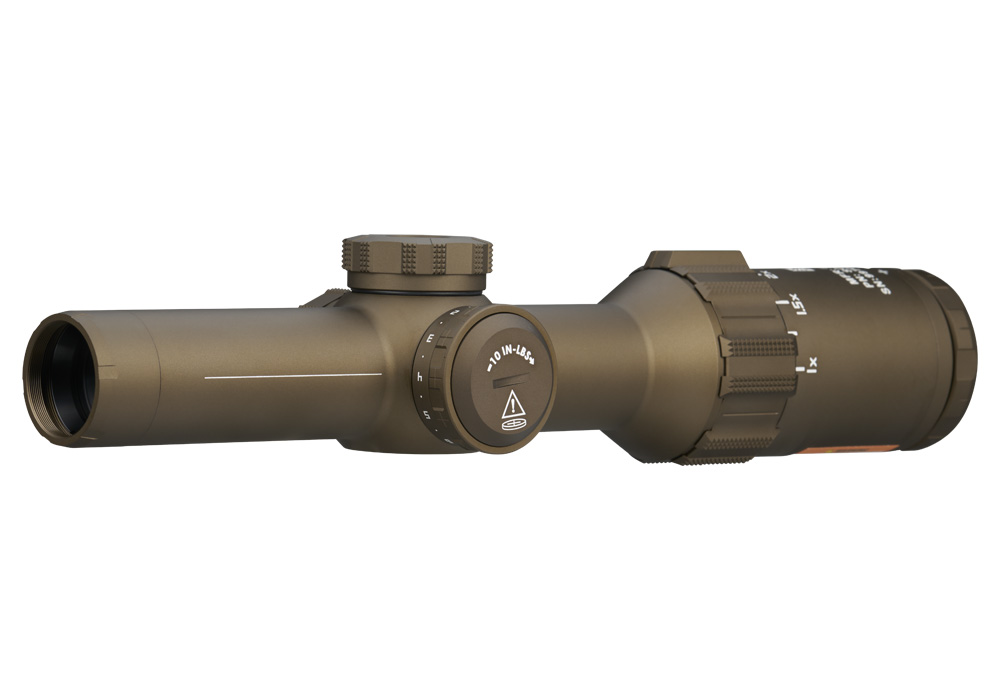
FDE precision optics for rifles pair an earth-toned exterior with the optical clarity, aiming references, and mechanical consistency expected from a precision sighting system. FDE stands for flat dark earth, a family of muted tan and brown finishes rather than one universally identical color. The finish gives a rifle scope a subdued appearance and can complement similarly finished receivers, handguards, stocks, and mounting hardware. Shades may differ between components because coating formulas, surface textures, and underlying materials affect their appearance. A close color match can create a coordinated setup, but exterior color alone does not establish optical quality, recoil resistance, or adjustment repeatability. Those qualities depend on the scope’s design, construction, and documented specifications. Within this category, magnified rifle scopes serve a range of sporting purposes, from hunting and recreational target shooting to organized precision competition. Lower magnification can provide a broader view of the target area, while higher magnification can reveal finer target details at greater distances. Neither extreme is automatically better: an optic that feels comfortable on a supported target rifle may feel bulky on a rifle carried over longer distances. Overall length, weight, viewing comfort, and the balance of the complete firearm all contribute to whether a scope suits its intended role. For shoppers comparing exterior treatments alongside these functional details, FDE Finish Rifle Scopes provide a closely related category centered on the same understated color family. The appeal is both visual and practical, especially for owners who prefer a cohesive rifle setup without a bright or highly reflective exterior. A matte surface can limit distracting reflections from the housing, although the degree of reflectivity depends on the actual coating and texture. The most useful distinction is between what the finish contributes and what the optical system delivers: FDE describes the exterior treatment, while precision performance comes from the glass, reticle, adjustments, and structural integrity beneath it. Keeping those roles separate allows appearance to remain part of the decision without overshadowing fit or function.
Image quality is one of the defining considerations for precision rifle optics, and magnification is only one part of that experience. Good resolution helps distinguish fine lines on a paper target, while contrast helps separate details that share similar tones. Lens coatings can improve light transmission and control internal reflections, but their effectiveness depends on the complete optical design rather than a single specification. Some scopes incorporate extra-low dispersion glass to reduce color fringing around high-contrast edges; that feature should be confirmed in the specifications rather than assumed from the finish or category name. Objective lens diameter also matters, though a larger front lens does not guarantee a clearer image and can add size, weight, and mounting constraints. Viewing comfort comes from the relationship among eye relief, the usable viewing area behind the scope, and the shooter’s natural position on the stock. A scope that presents a clear image without an awkward head position can feel noticeably more comfortable during an extended range session. Reticle design shapes the view as well. A relatively open reticle leaves more of the target unobstructed, while a more detailed pattern supplies additional reference marks. In a first focal plane scope, the reticle changes apparent size with magnification, keeping its markings proportional to the target throughout the zoom range. In a second focal plane scope, the reticle maintains a consistent apparent size, and measurement-based markings are generally calibrated for a specified magnification. Illumination, where included, can improve reticle visibility against certain backgrounds, but brightness control is important because excessive illumination can obscure fine detail. Adjustment systems deserve equal attention: clearly marked turrets, consistent mechanical response, and features that help preserve a chosen setting can support a predictable ownership experience. Not every rifle scope includes illumination, locking controls, or the same reticle options. These are meaningful differences within FDE precision optics, not benefits that automatically accompany the color. A well-matched optic brings its visual information and controls together without adding unnecessary complexity to the owner’s intended activity.
Materials, mounting compatibility, and routine care determine much of how an FDE rifle optic fits into long-term ownership. Aluminum alloy housings are common because they offer a useful balance of strength and weight, while the exterior treatment may involve anodizing, a ceramic-based coating, or another protective finish. Those processes are not interchangeable, and an earth-toned appearance does not identify which one was used. Abrasion resistance, resistance to cleaning chemicals, and the durability of printed markings should be evaluated through the stated construction details and care recommendations. Sealed construction can help protect internal components from dust and moisture, while internal gas purging is commonly used to limit fogging inside the optical system. Water resistance and recoil testing vary, so specific ratings matter more than broad descriptions such as rugged or professional. Fit is equally concrete: the scope’s main tube diameter must match the rings or mount, and the mounting arrangement must be compatible with the rifle’s mounting interface. Objective housing clearance, control access, eye relief, and the position of the scope relative to the stock all influence the finished setup. A qualified professional can confirm compatibility and installation requirements when those details are uncertain. Care is usually straightforward but benefits from restraint. Loose grit should be removed before a lens surface is wiped, and cleaning materials should be suitable for coated optics. Harsh solvents, rough fabrics, and unnecessary rubbing can damage surfaces that otherwise require little attention. Protective lens covers and secure storage help keep glass and controls protected between outings, while illuminated optics also require attention to battery type and storage recommendations. For a recreational target shooter, a comfortable image and uncomplicated controls may matter most; a competition participant may place greater emphasis on reticle detail and adjustment consistency. Hunters may value manageable weight and a clear, uncluttered view. An FDE optic can also be a thoughtful gift for an experienced rifle owner, provided the recipient’s preferred reticle, mounting requirements, and intended use are known. Across those uses, lasting satisfaction comes from a scope whose finish, dimensions, optical characteristics, and care requirements suit the complete rifle rather than color alone.