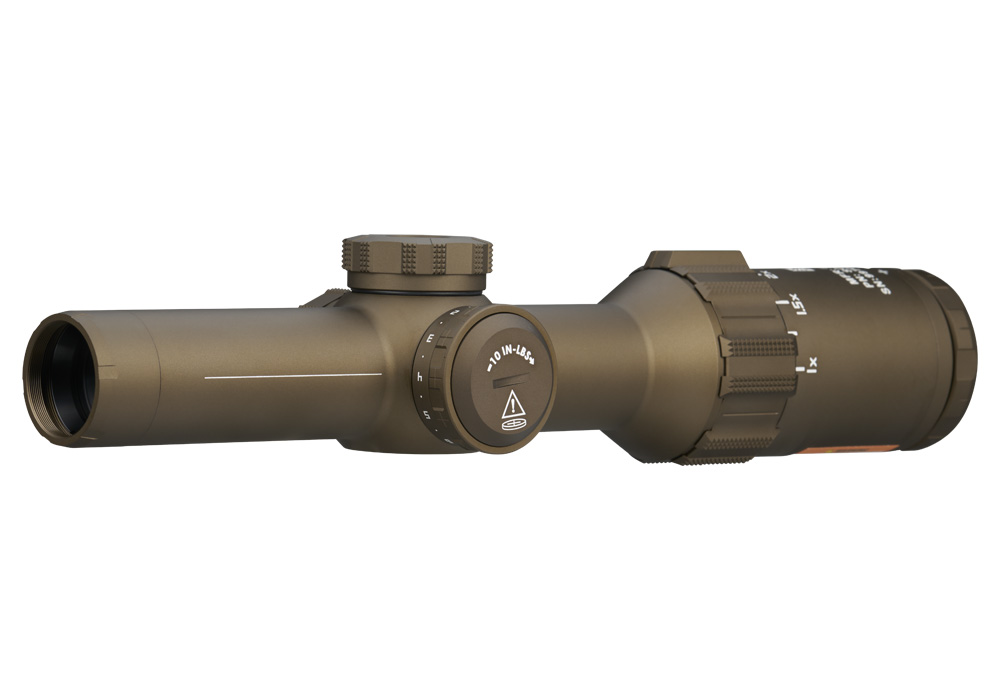
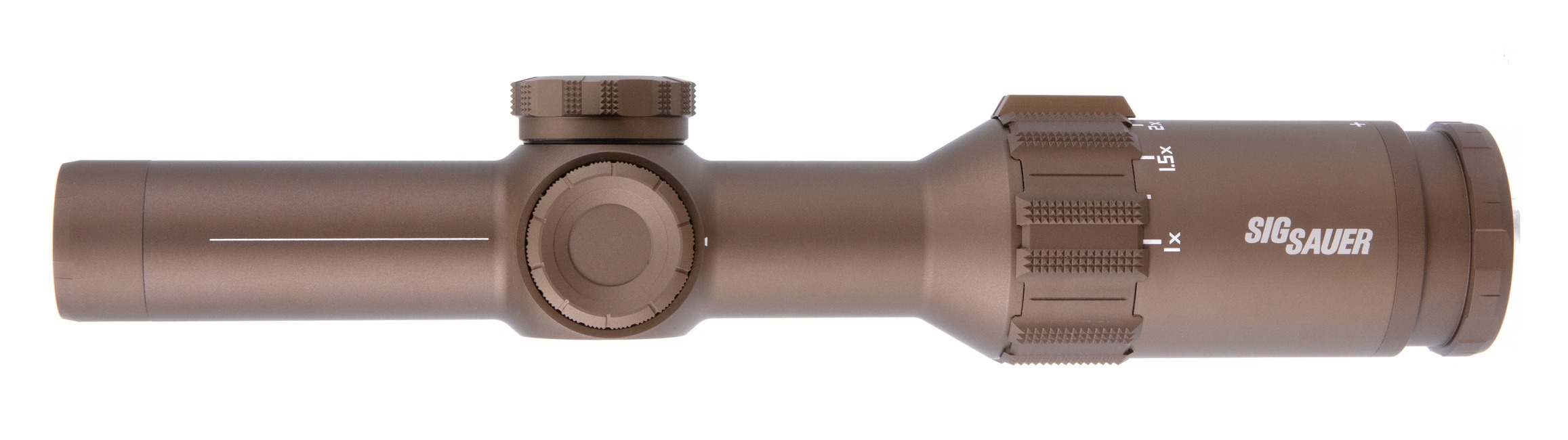
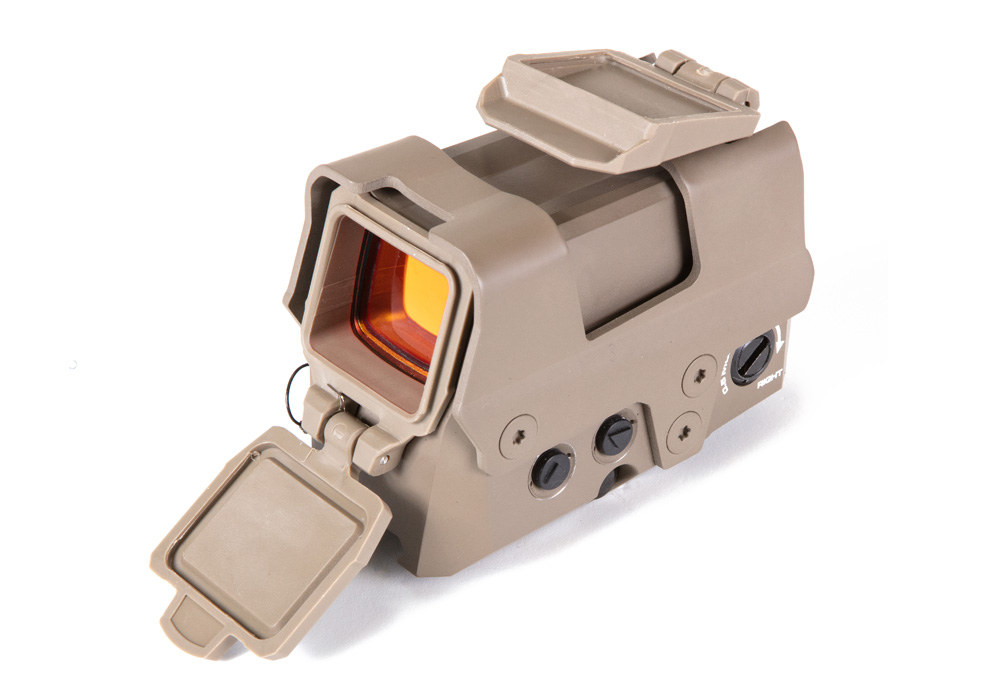
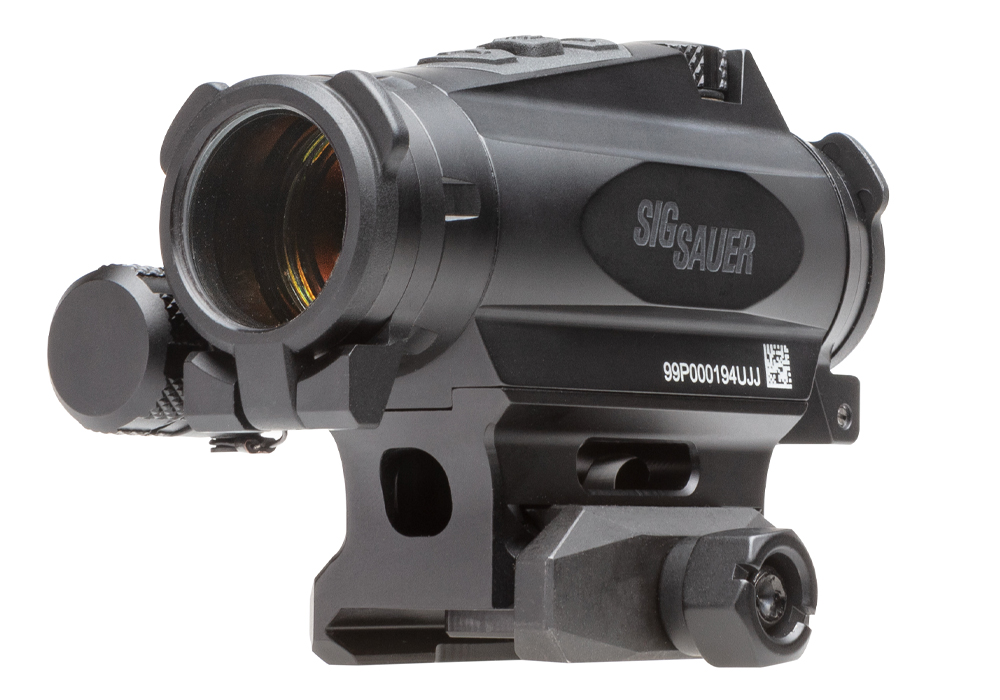
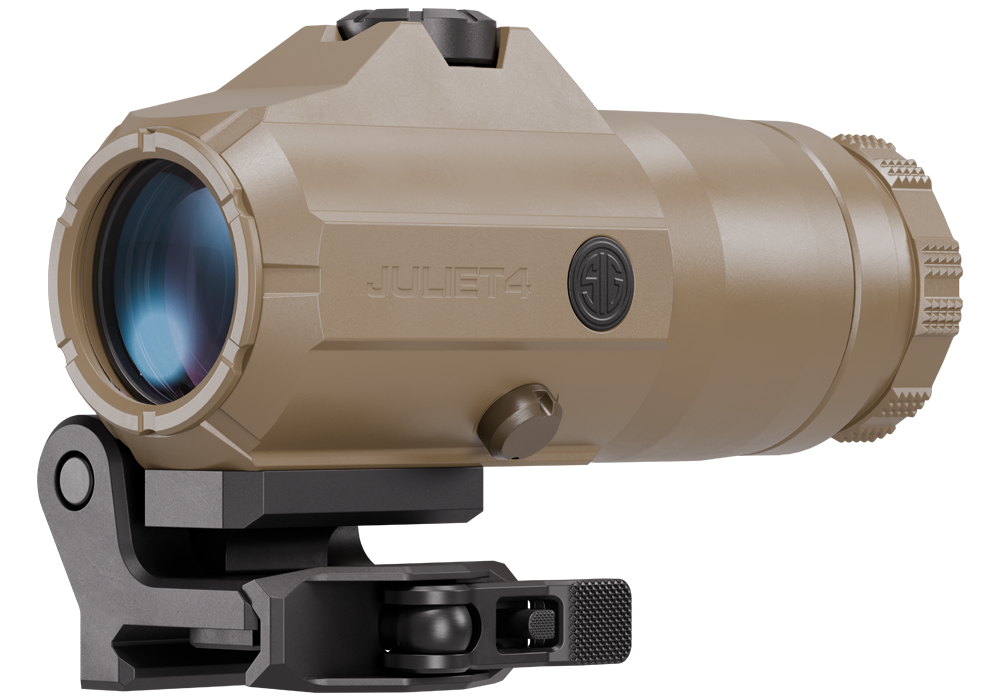
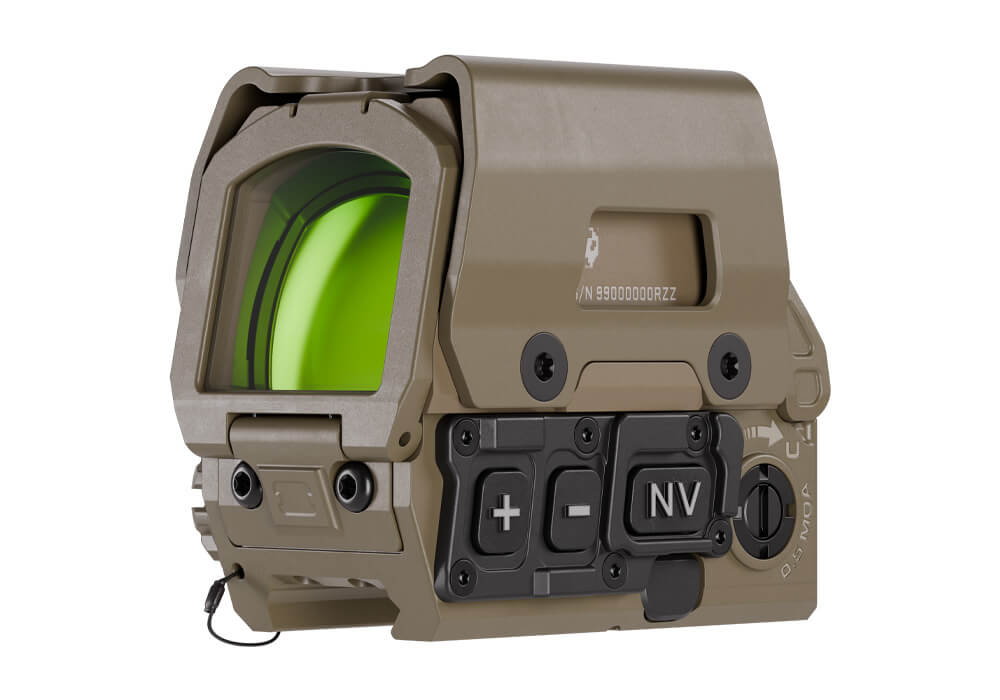
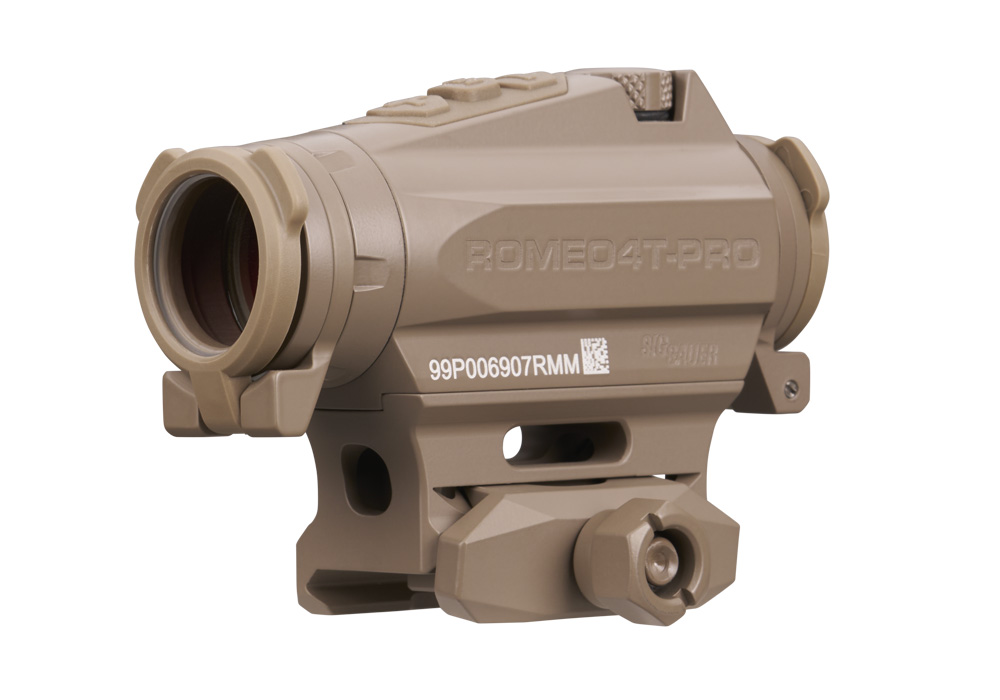
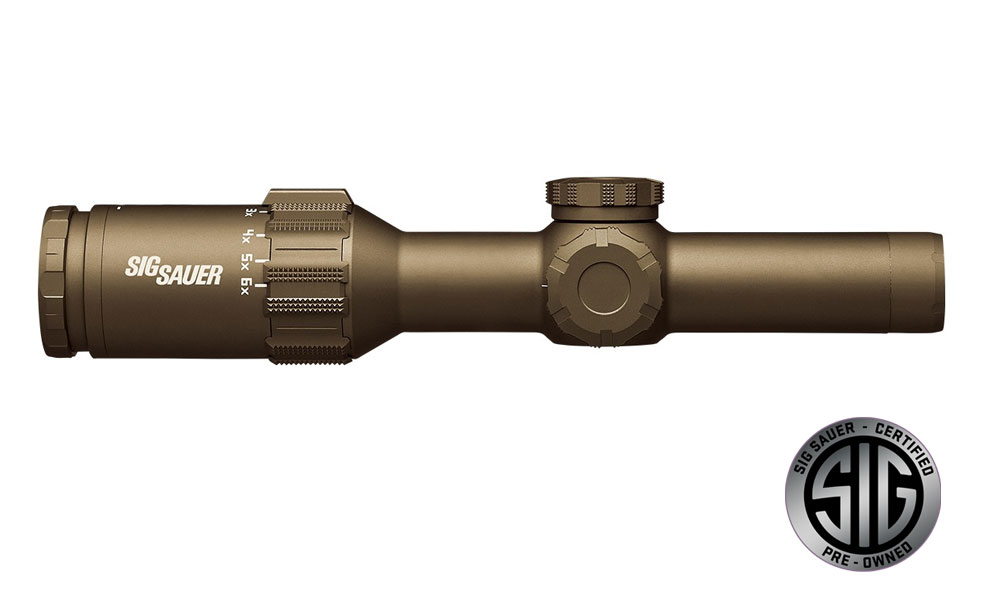
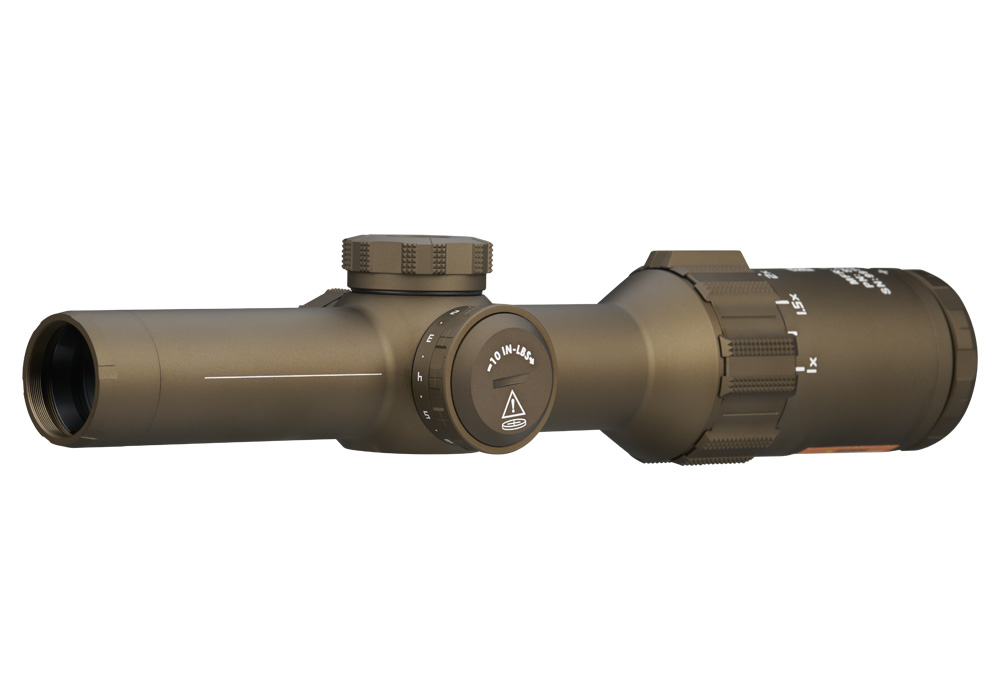
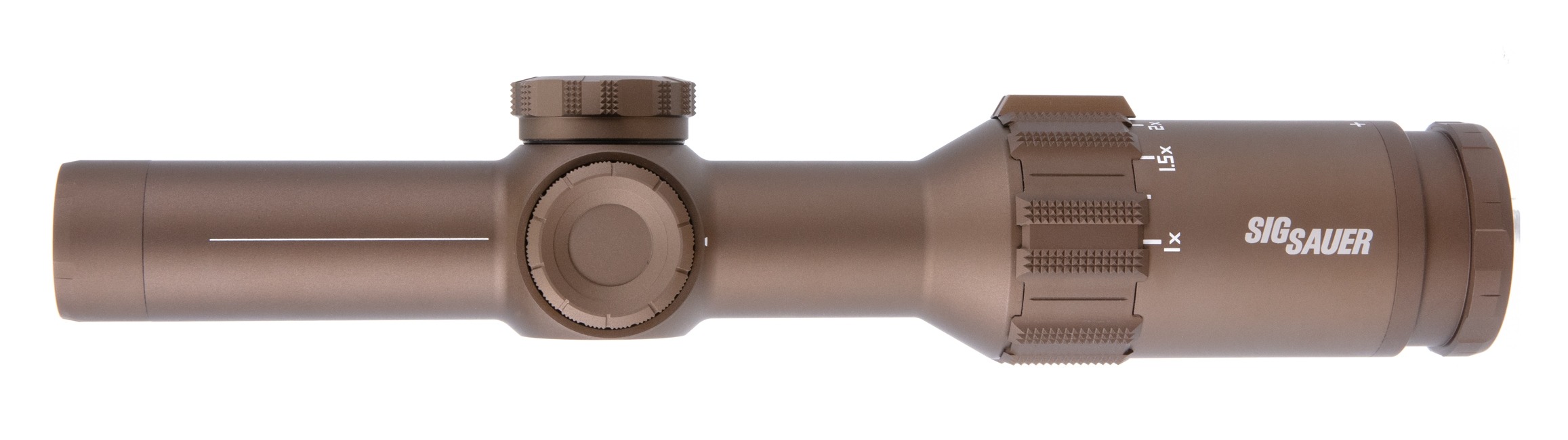
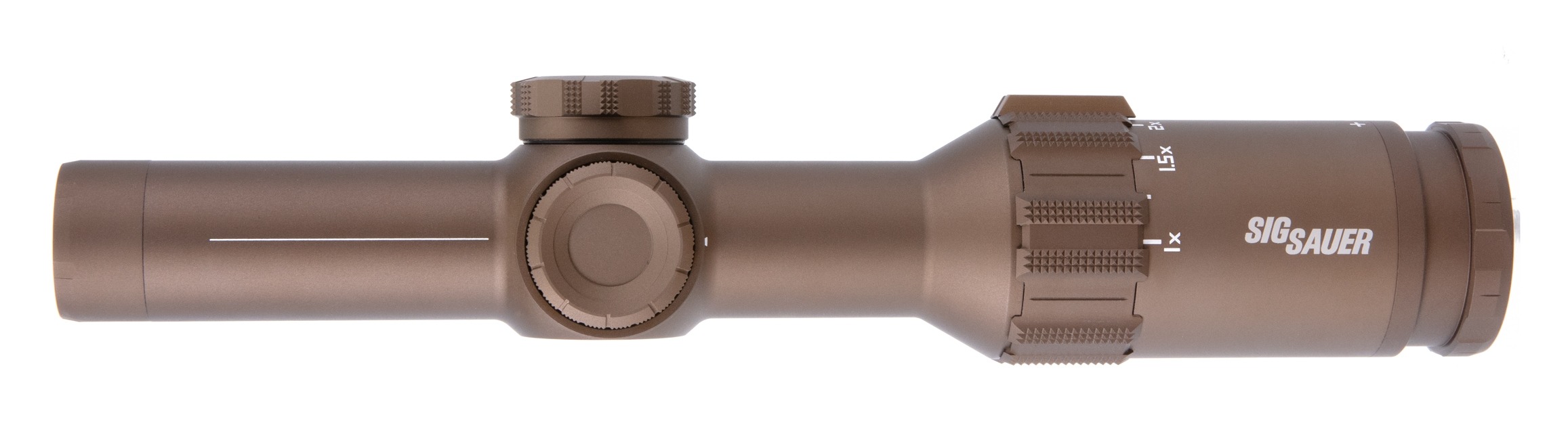
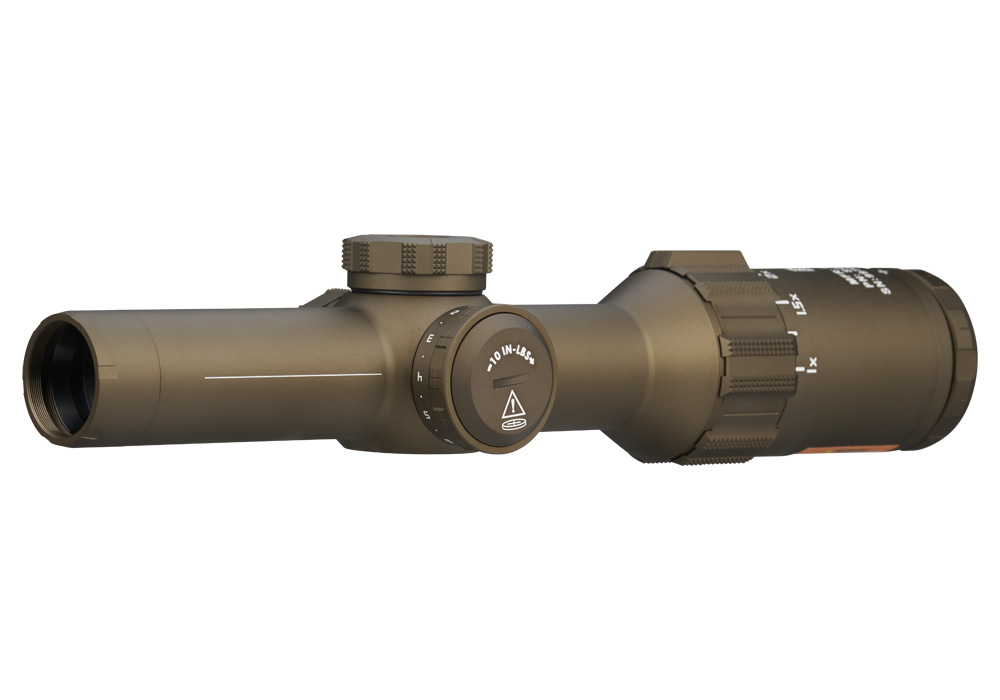
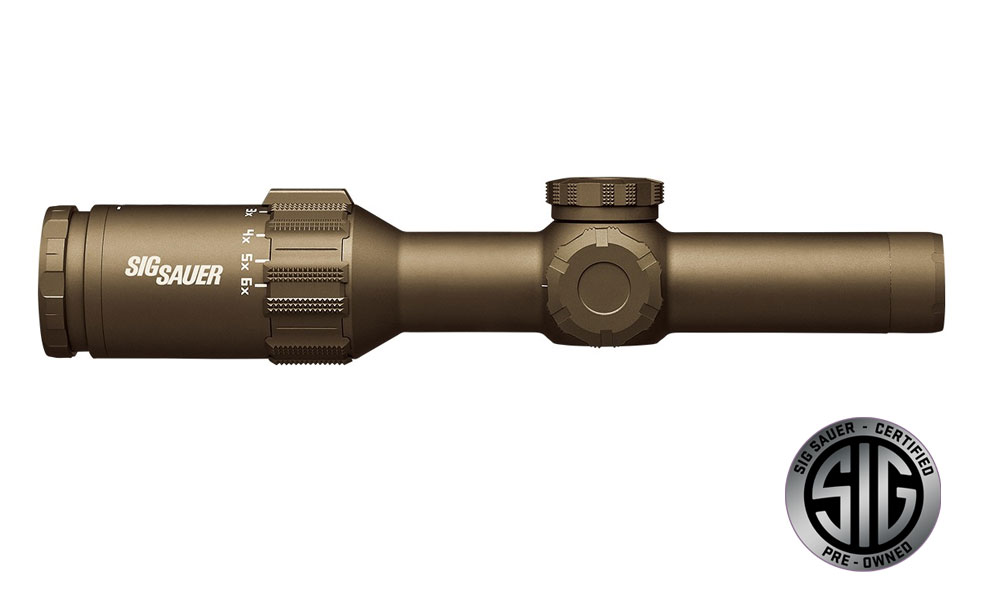
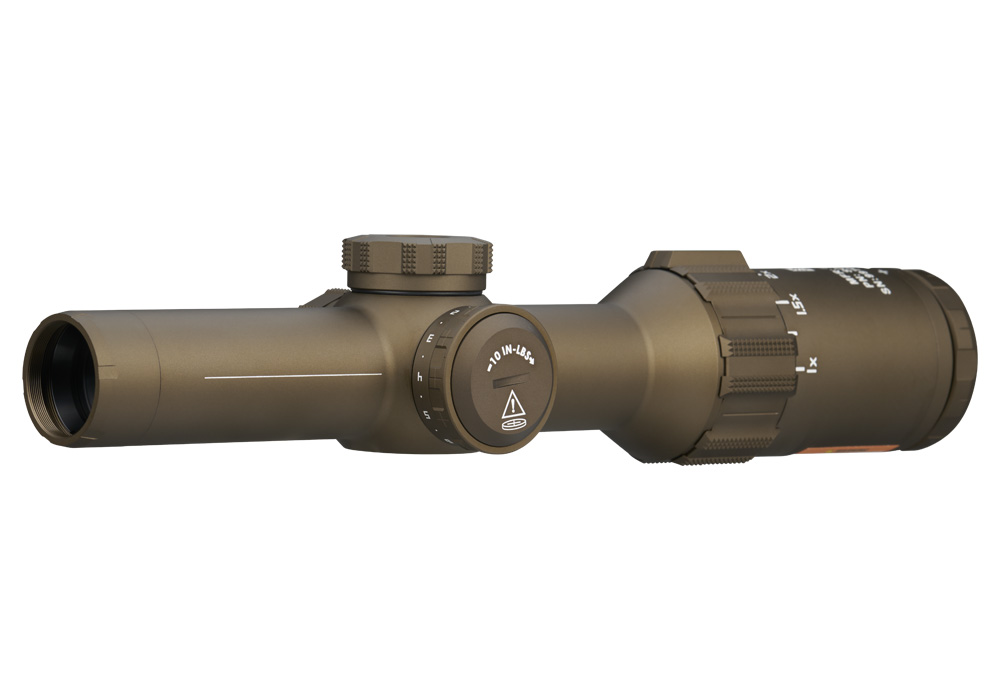
FDE law enforcement rifle scopes combine practical optical performance with a subdued Flat Dark Earth finish suited to patrol rifles, duty carbines, and precision-oriented platforms. The earth-toned exterior helps reduce visual contrast against common field equipment, brush, soil, and other natural surroundings, while a non-reflective coating can help limit distracting glare under bright conditions. For officers, agency personnel, and qualified professionals who rely on a rifle optic in changing environments, the finish is only one part of a larger equipment decision. Optical clarity, reticle design, magnification range, adjustment system, mounting height, and overall durability all influence how effectively a scope performs when conditions become demanding. A compact low-power variable optic is a common choice for dynamic applications because a true low-end setting supports rapid target acquisition at close distances, while moderate magnification provides additional reach across an open lot, roadway, field, or extended line of sight. Models in the approximately 1-4x or 1-6x class offer a useful balance for patrol and general-purpose rifles, allowing the shooter to keep both eyes open at lower power and dial up magnification when more detail is needed. Higher-power configurations may be better suited to designated marksman, rural operations, observation, or precision roles where identifying and engaging a distant target takes priority over ultra-fast transitions. Selecting the right magnification begins with the rifle’s intended role, the distances normally encountered, and the training environment in which the optic will be used.
A dependable law enforcement rifle scope should be built to maintain its zero through recoil, transport, temperature changes, and routine handling. Shock-resistant construction helps protect the internal optical system from the repeated movement of a working rifle, while waterproof and fogproof protection is valuable when equipment moves from a climate-controlled vehicle into cool air, rain, or humid outdoor conditions. Sealed housing and properly protected lenses can help preserve a clear sight picture during long hours on patrol or extended time in the field. Illuminated reticles are especially useful when lighting shifts from bright daylight to deep shade, interior spaces, or the muted conditions of early morning and evening. Illumination should be adjustable enough to support visibility without washing out the target or creating unnecessary glare. Reticle placement also deserves attention. A first focal plane reticle changes size with magnification, keeping its subtensions consistent for ranging and holdovers throughout the optic’s power range. A second focal plane reticle remains visually consistent while the image enlarges, which many users prefer for a familiar aiming reference at a chosen magnification. Neither design is universally better; the most suitable option depends on the shooter’s training, preferred aiming method, and whether holdover references will be used at varying power settings. Matching the reticle’s measurement system to the turrets is another practical consideration. A mil-based reticle paired with mil adjustments, or an MOA reticle paired with MOA adjustments, simplifies corrections and reduces the chance of translating between systems under pressure. Capped turrets can help prevent accidental adjustment during transport and field use, while exposed or locking turrets may be preferred by trained users who make frequent, deliberate elevation and windage changes.
Mounting and rifle compatibility are just as important as the scope itself. Before purchasing, confirm the optic’s tube diameter, rail interface, eye relief, weight, and recommended mounting position. Adequate eye relief helps maintain a consistent sight picture and provides additional comfort during recoil, particularly when the rifle is used from unconventional positions or while wearing protective equipment. A mount should hold the optic securely without interfering with charging handles, backup sights, night-vision equipment, lights, or other accessories. The complete setup should also remain balanced enough for movement through vehicles, doorways, stairwells, and confined work areas. An FDE finish can coordinate naturally with tan or earth-toned equipment, but users should evaluate the entire rifle and gear configuration rather than choosing color alone. A lighter optic may appeal to patrol personnel who carry equipment for long shifts, while a more robust optic with a larger objective lens may be preferable when maximum durability and low-light performance take precedence. Those comparing finish and weight options may also want to explore FDE Lightweight Rifle Scopes for additional context around streamlined configurations. After installation, the optic should be leveled, torqued according to the mount and manufacturer specifications, and confirmed at the intended zero distance. Confirming zero after transport, major temperature changes, or any impact is a sensible part of equipment maintenance. Regular lens care with suitable tools, inspection of mounting hardware, and periodic battery checks for illuminated models help keep the system ready through cooler months and changing field conditions. FDE law enforcement rifle scopes may also be a thoughtful gift for a qualified officer, agency professional, competitive shooter, or responsible rifle owner who has already identified the correct platform and mounting standard. Because optical preferences are personal, gift buyers should verify magnification, reticle style, tube size, and compatibility before purchasing. With the right configuration, an FDE scope can provide a clear, steady aiming reference while complementing a duty rifle’s practical appearance and supporting confident performance across varied distances and light.