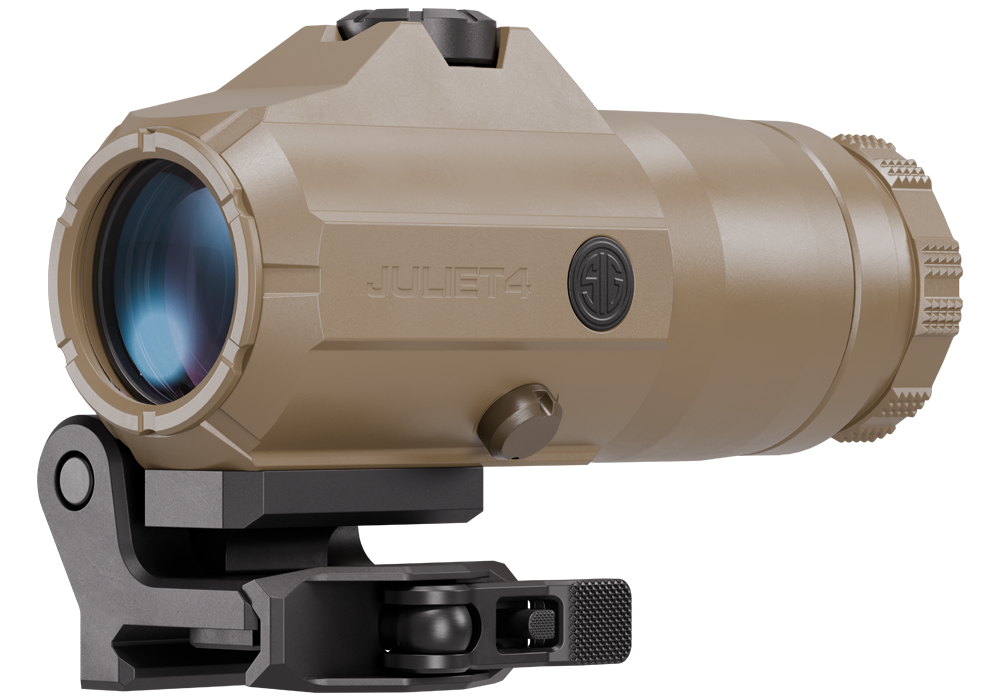
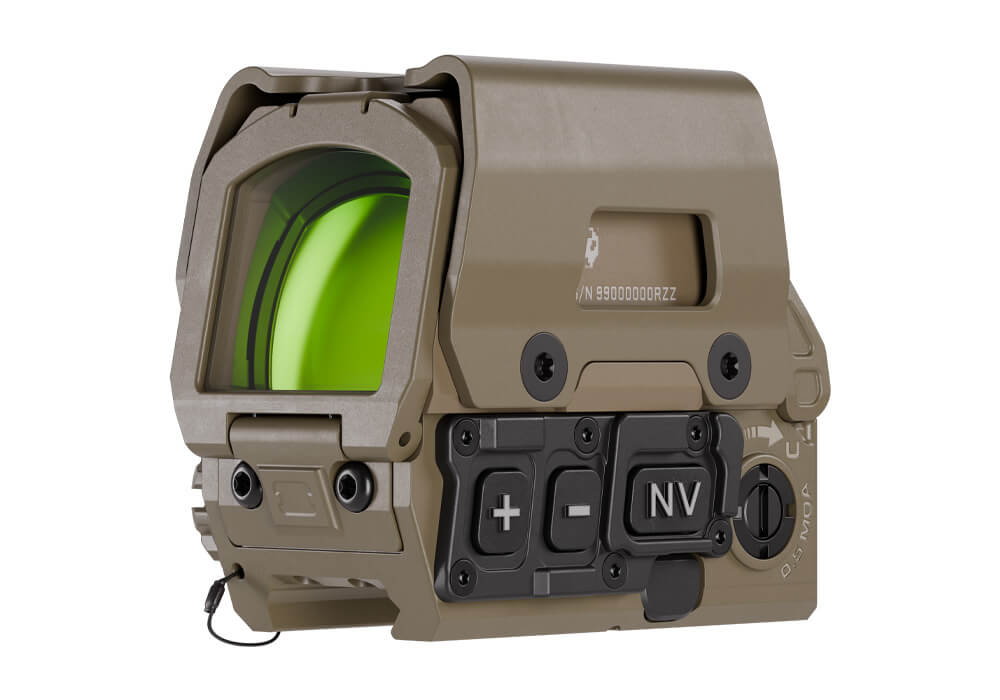
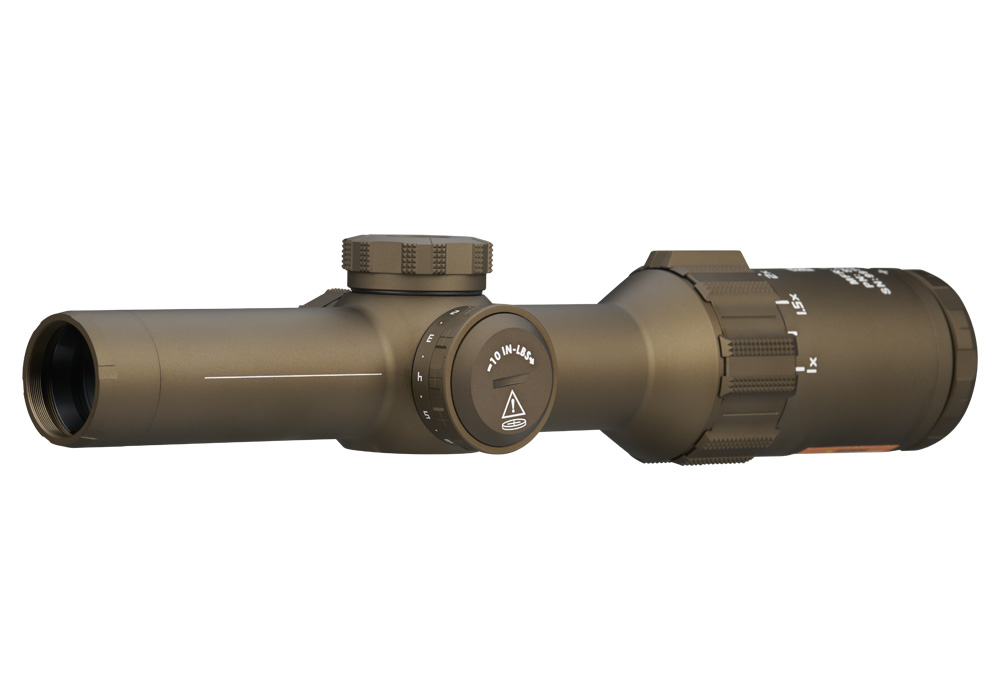
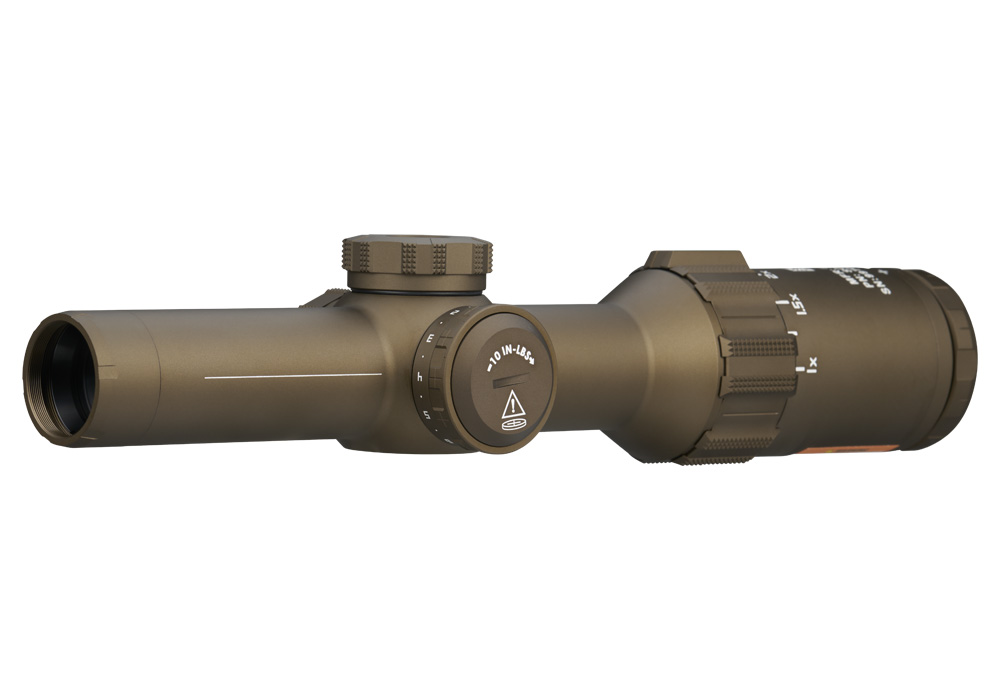
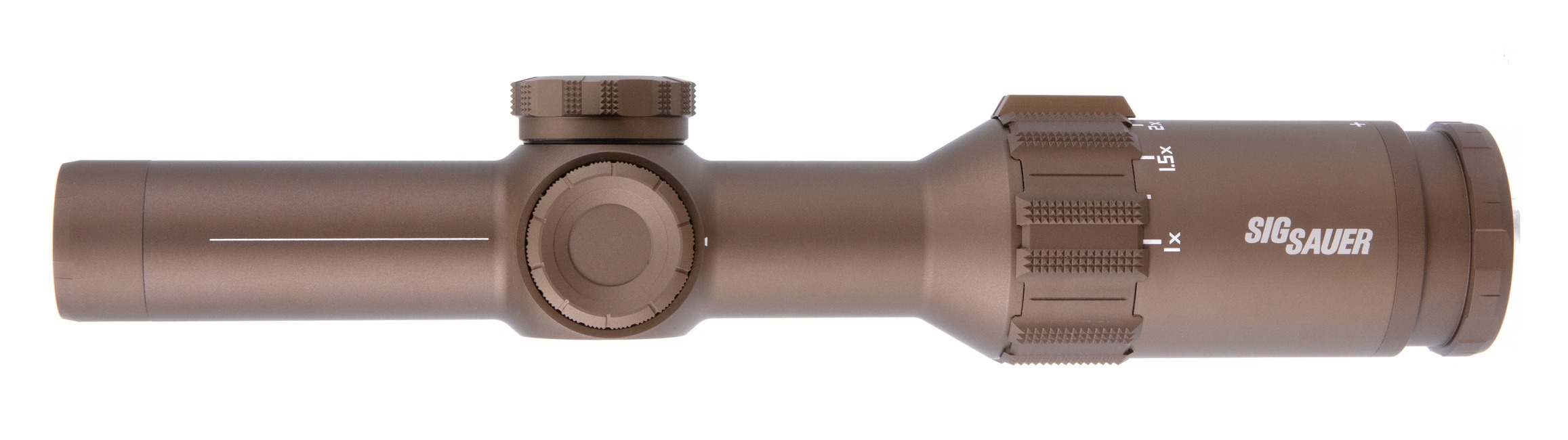
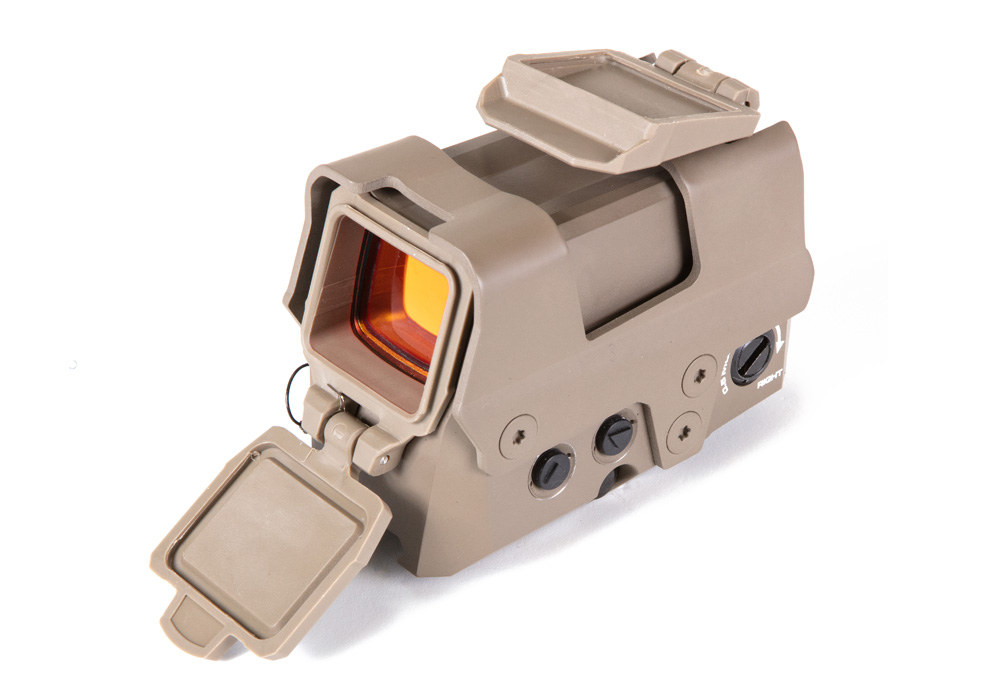
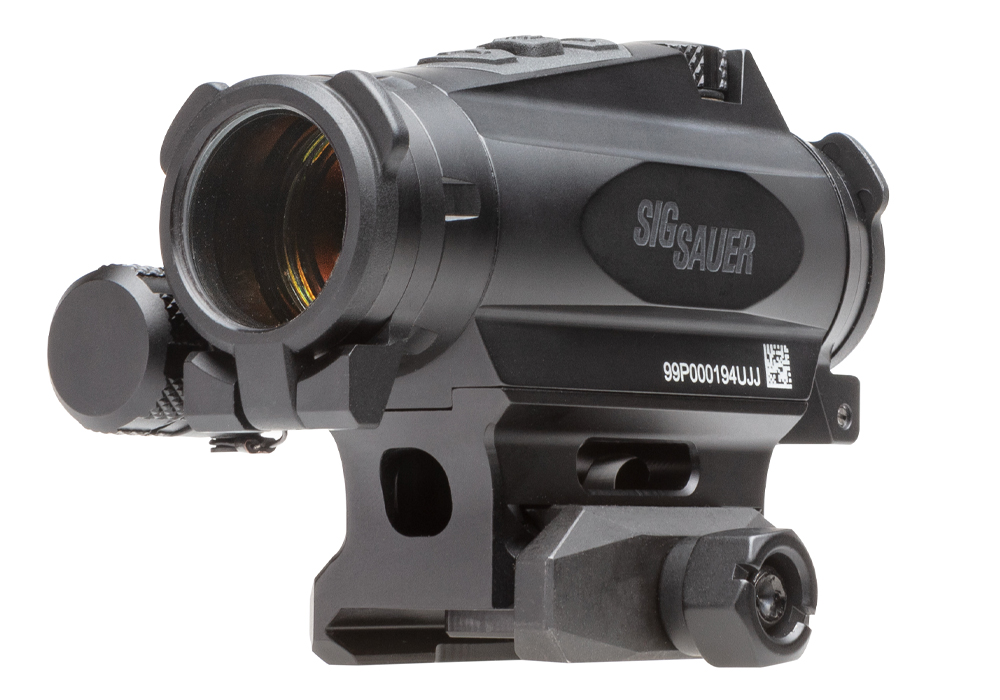
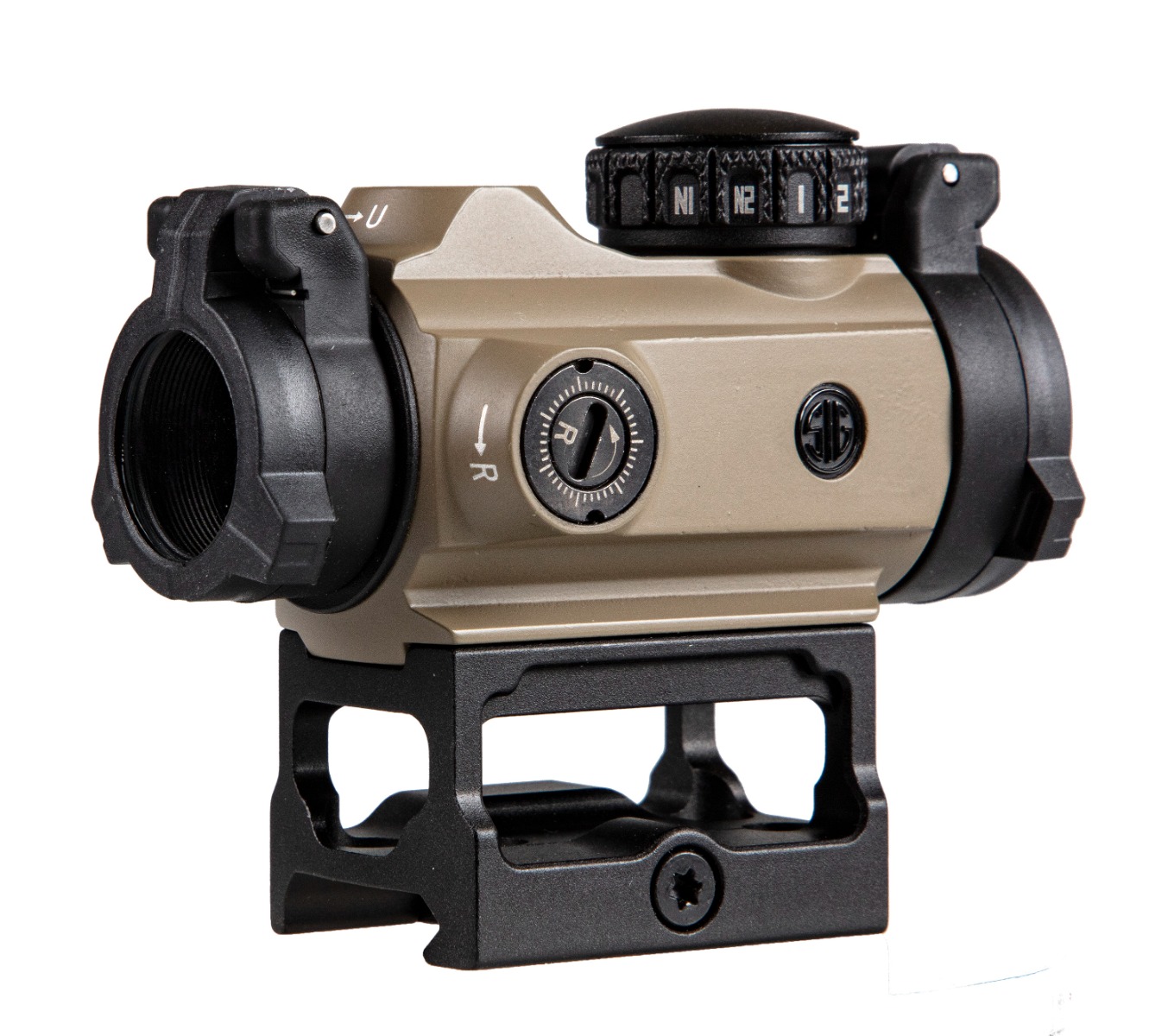
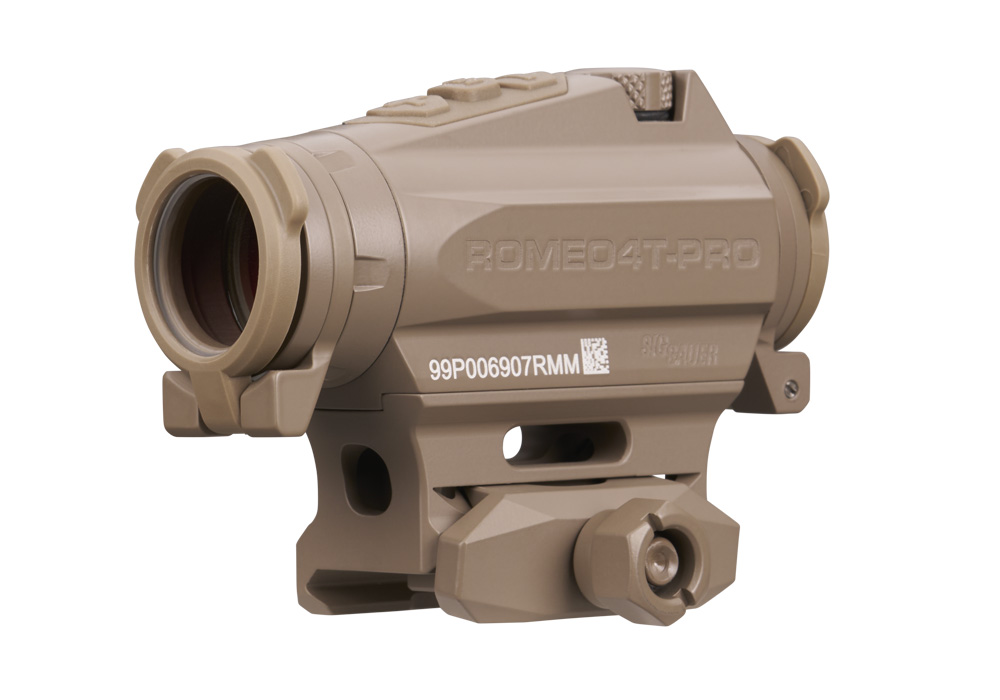
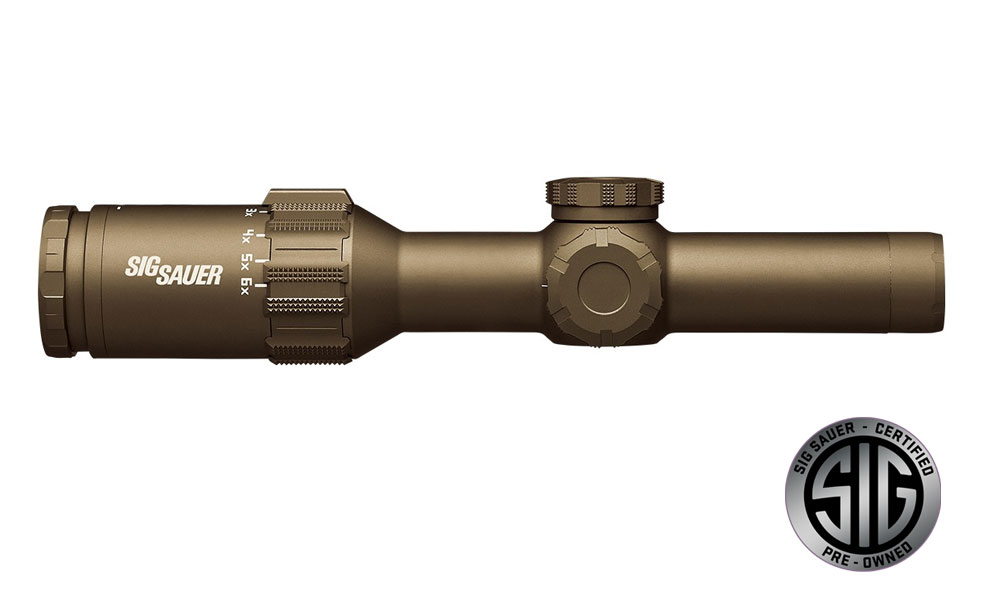
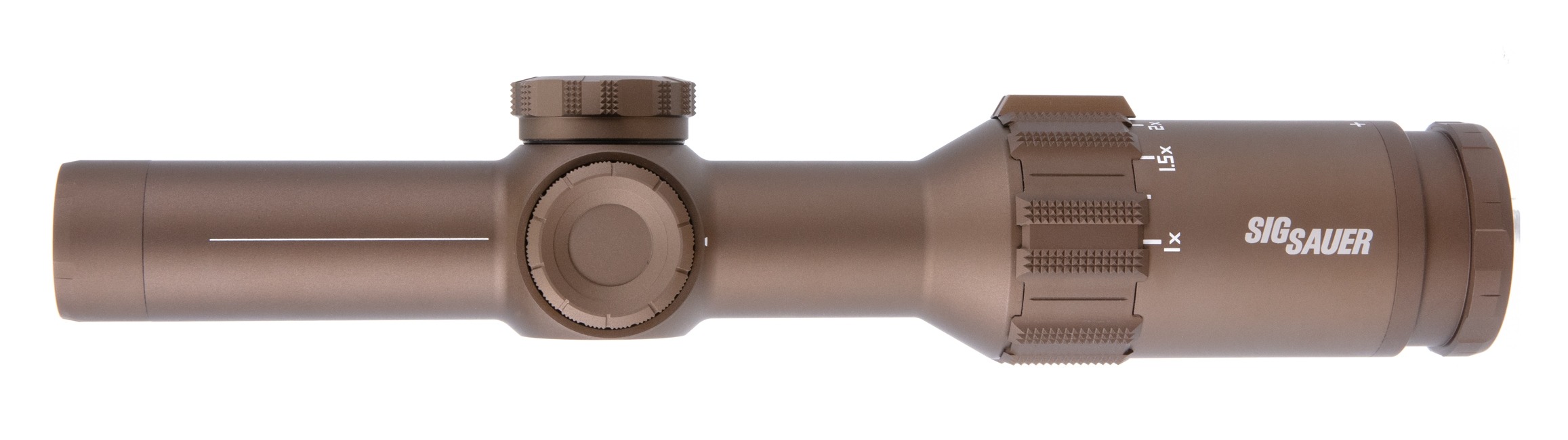
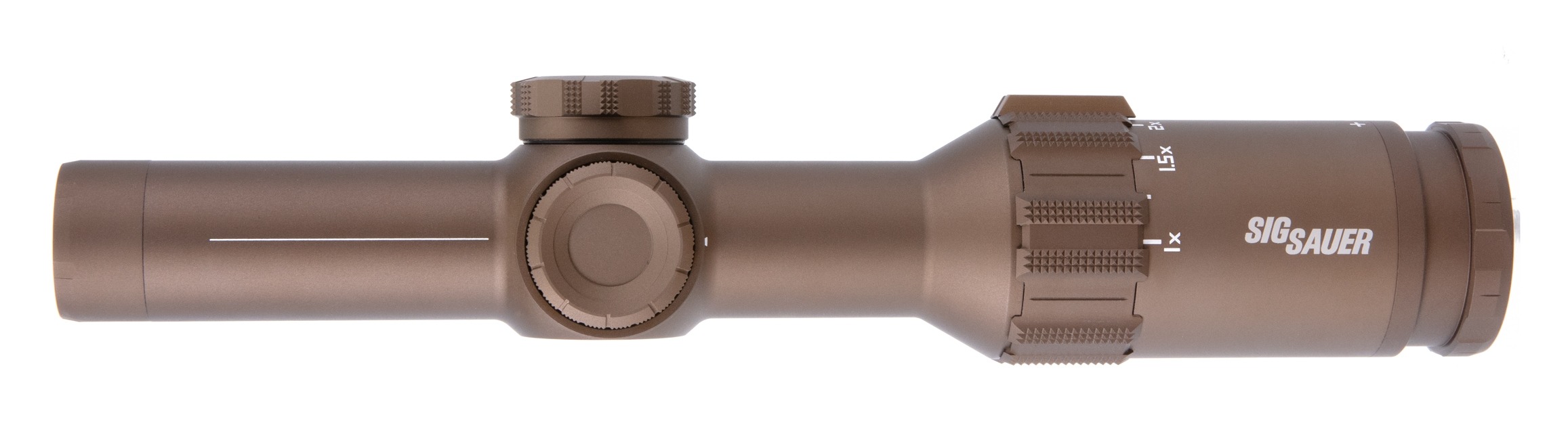
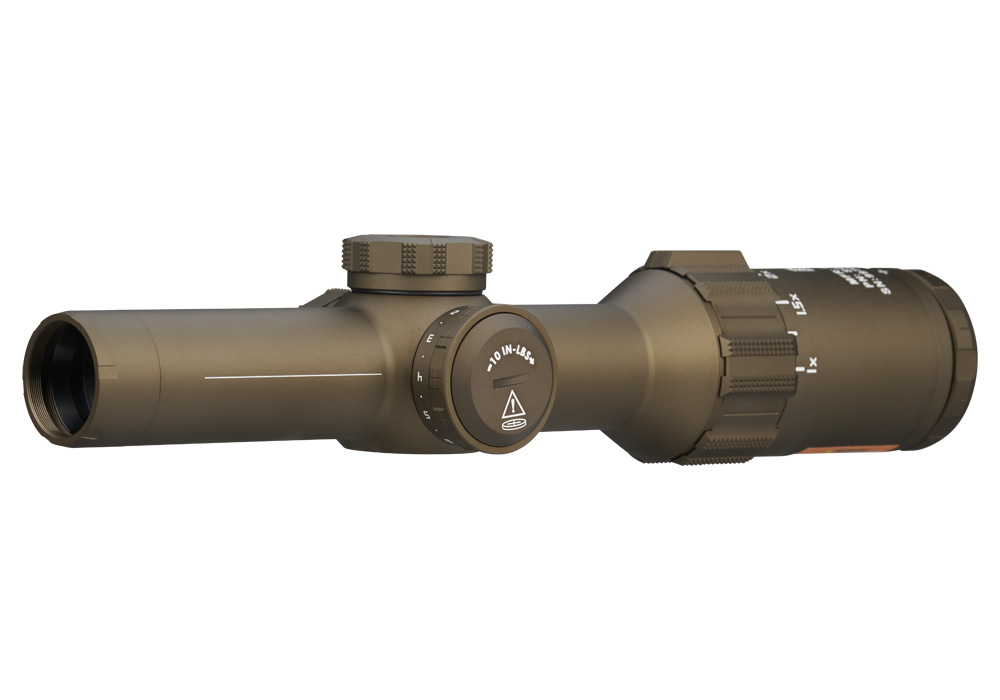
FDE military style rifle scopes combine a practical earth-toned finish with the features many shooters look for in a durable, adaptable optic. Flat Dark Earth, often abbreviated FDE, is designed to complement tan, brown, green, and other subdued equipment colors while reducing the stark visual contrast of a black optic in outdoor settings. The finish is especially at home on modern sporting rifles, designated marksman-style rifles, bolt-action rifles, and other platforms configured for field use. These scopes may appeal to recreational shooters, hunters, collectors, competitors, and professionals who value a restrained appearance alongside dependable optical performance. The right choice depends on the rifle, the intended distance, and the way the firearm will be handled. A compact optic with a lower magnification range can support quick target acquisition at closer distances while still offering enough magnification for practical mid-range shooting. A scope with a broader magnification range may be better suited to shooters who move between varied terrain, changing target sizes, or longer sight lines. During the cooler months, a rifle may move from a warm vehicle into damp woods or a cold range, making rugged construction, reliable adjustments, and clear glass particularly important. FDE finishes can also coordinate naturally with earth-toned slings, stocks, mounts, and protective cases, creating a cohesive setup without relying on bright or reflective colors. For anyone assembling a rifle with a military-inspired configuration, these scopes provide a way to bring the optic into the overall design rather than treating it as an afterthought. Those comparing color options may also want to review FDE Finish Rifle Scopes for additional finish-focused choices.
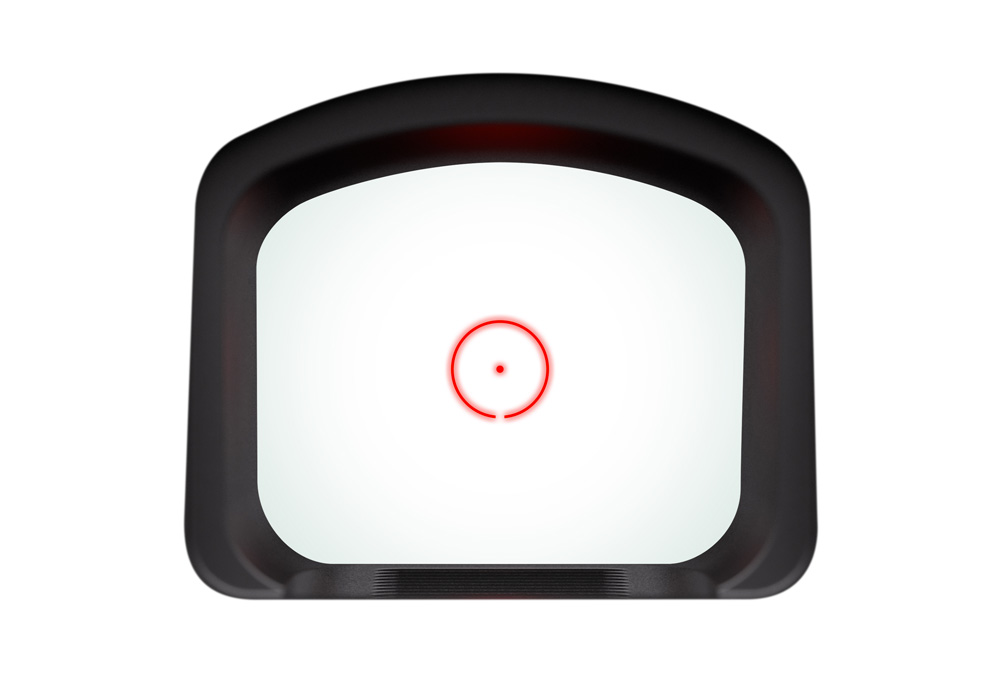
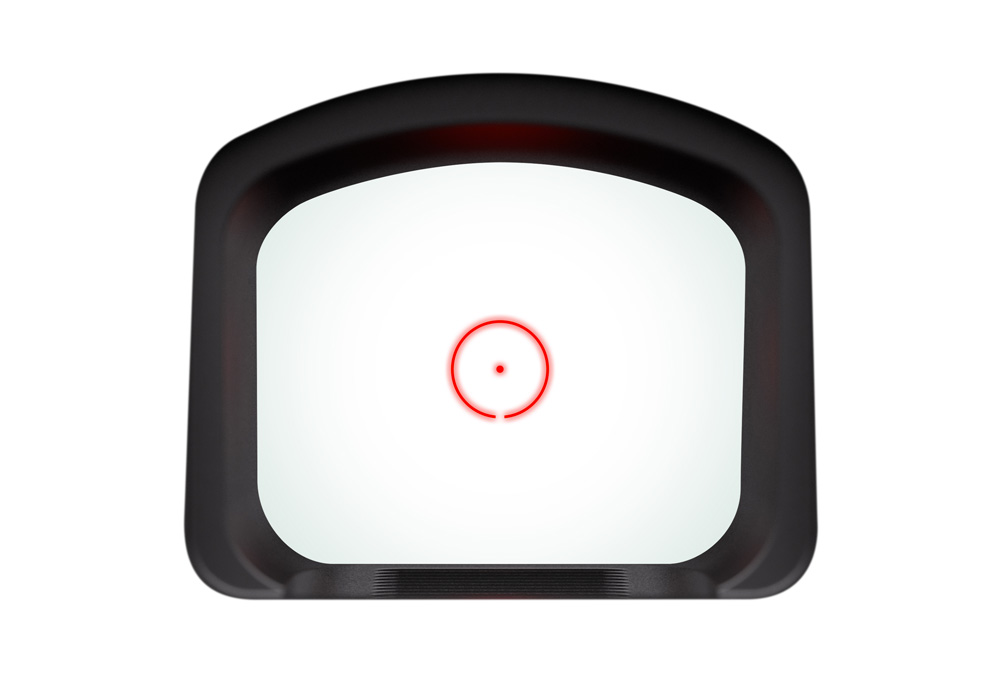
Before selecting an FDE military style rifle scope, match its optical design and mounting requirements to the firearm and the job at hand. Variable-power optics are popular because they can be adjusted for a wide range of shooting positions and distances. At the lower end of the magnification range, a shooter can maintain a wider field of view and acquire a target more naturally; at the upper end, added magnification can help with observation and precise aiming when conditions permit. Fixed-power scopes offer a simpler approach, with a consistent sight picture and fewer controls to manage. First focal plane reticles change size as magnification changes, allowing holdovers and ranging references to remain proportionally useful throughout the scope’s power range. Second focal plane reticles remain the same apparent size, which many shooters prefer for a consistent aiming point, especially when using a familiar magnification setting. Illuminated reticles can improve visibility against dark backgrounds, shaded timber, or uneven light, while adjustable brightness helps prevent an overly bright aiming point from distracting the eye. Consider the reticle shape as carefully as the magnification. Simple hash marks can provide a clean sight picture, while calibrated marks, dots, or segmented patterns may assist with holdovers when the shooter has confirmed the ammunition and trajectory. Eye relief, exit pupil, turret design, parallax adjustment, and the scope’s overall length and weight also deserve attention. A scope that looks ideal on a product page still needs to balance comfortably on the intended rifle. Confirm the optic’s tube diameter and mounting footprint before ordering a mount or rings; common scope tubes include 30mm and 34mm, and the mount must be compatible with the rifle’s Picatinny rail or other approved interface. Correct ring height is equally important, since the optic should clear the firearm while remaining positioned naturally for the shooter’s cheek weld. Secure installation, proper torque, and a careful zeroing process are essential parts of getting consistent performance from any optic.
FDE military style rifle scopes can be a practical addition for shooters who spend time on outdoor ranges, varmint-control properties, hunting land, training areas, or organized competitions. A hunter moving through dry grass and mixed timber may appreciate an optic that blends with the rest of the rifle while providing a bright, usable sight picture in the changing light of early morning or late afternoon. A range user may value an illuminated reticle, tactile adjustments, and repeatable tracking during structured drills. A rifle enthusiast building a coordinated setup may choose an FDE scope as the finishing detail that ties together the receiver, stock, sling, and accessories. These optics can also make thoughtful gifts for a responsible adult who has already identified the correct firearm platform and mounting system, although the recipient’s preferred reticle, magnification range, tube size, and eye-relief requirements should guide the purchase. Durability matters in all of these roles. Hardcoat anodized finishes are commonly selected for resistance to routine wear and scratches, while Cerakote-style finishes can offer a broader range of tan and earth-tone color matching. Neither finish replaces careful handling, but both can help an optic stand up to transport, bench use, and ordinary field contact. Look for sealed construction, dependable adjustment controls, quality lens coatings, and a design suited to the recoil level of the firearm. Keep the lenses capped when the rifle is stored, use a clean lens cloth rather than a shirt sleeve, and check mounting hardware periodically after range sessions or travel. As weather shifts between dry days, wind, rain, and frost, these small habits help preserve a clear view and maintain confidence in the setup. With the right combination of finish, magnification, reticle, mounting compatibility, and rugged construction, an FDE rifle scope can serve as both a functional sighting system and a natural part of a carefully configured military-style rifle.