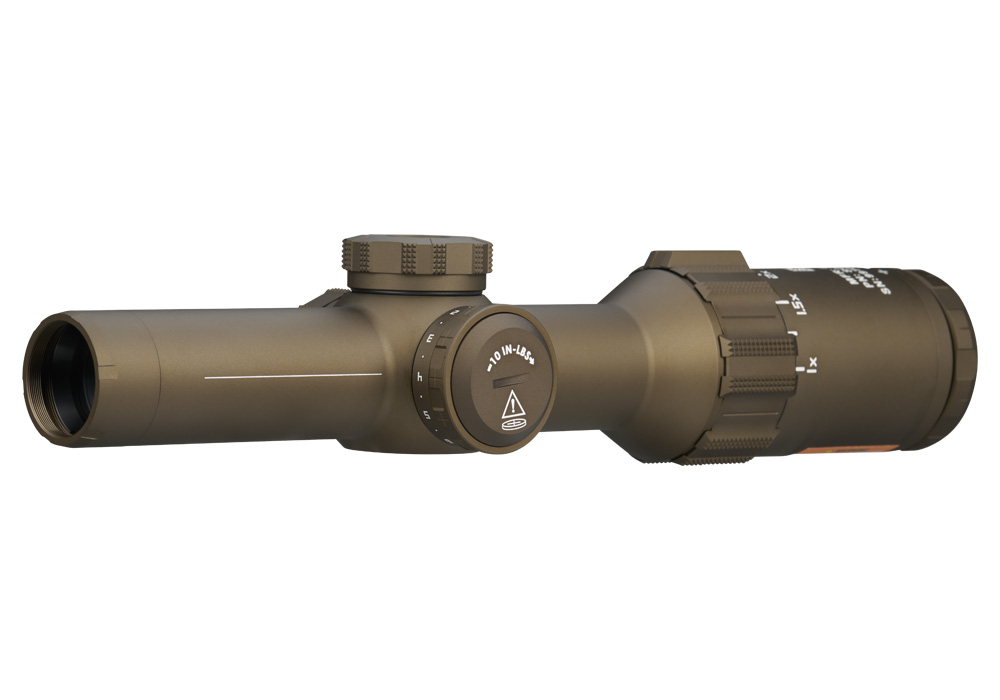
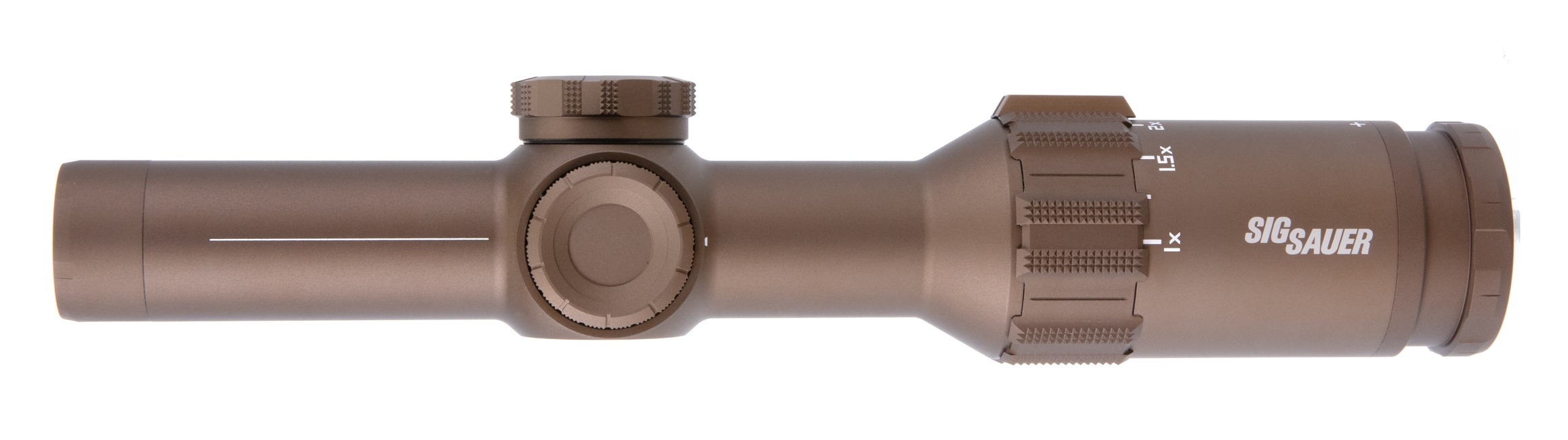
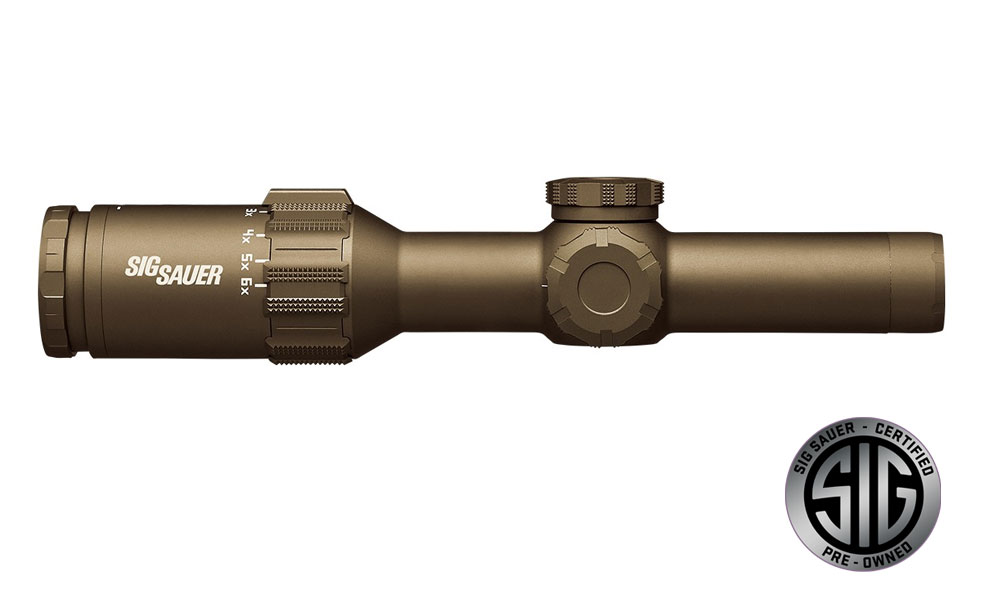
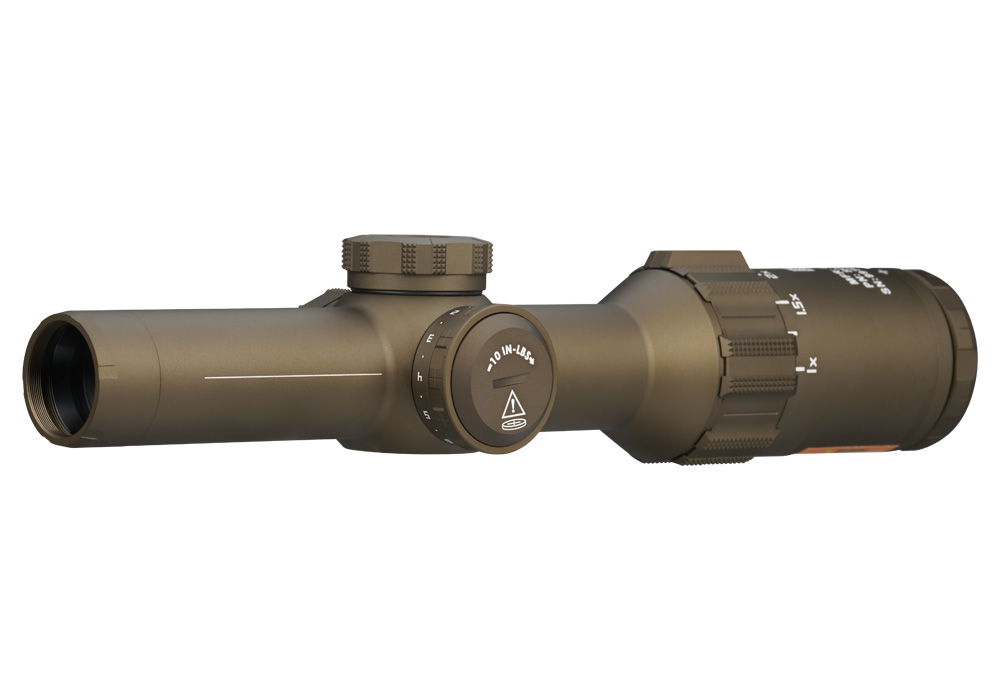
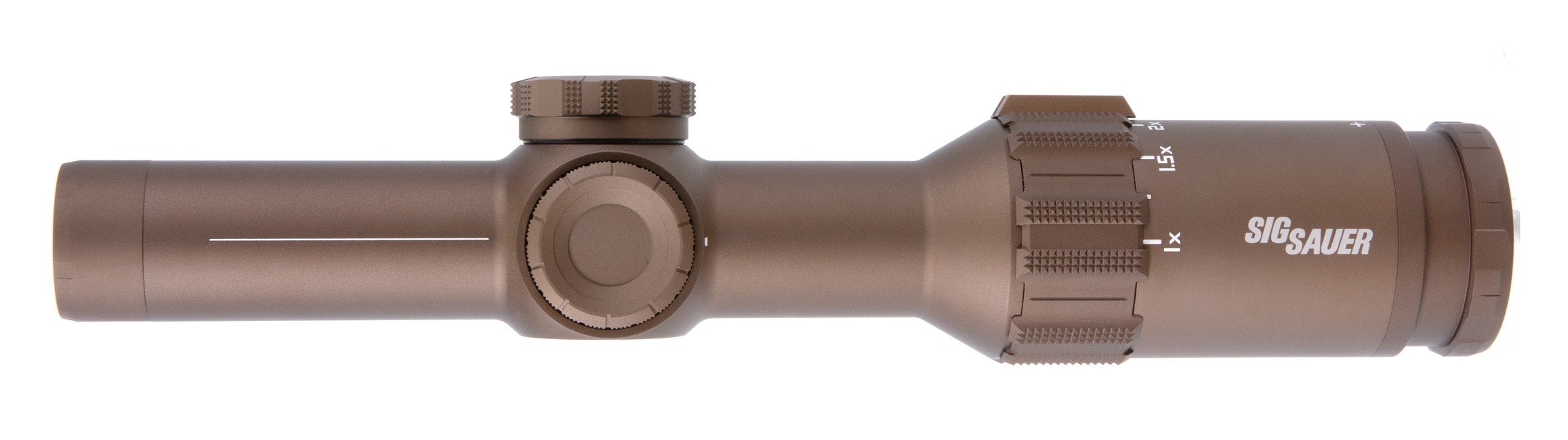
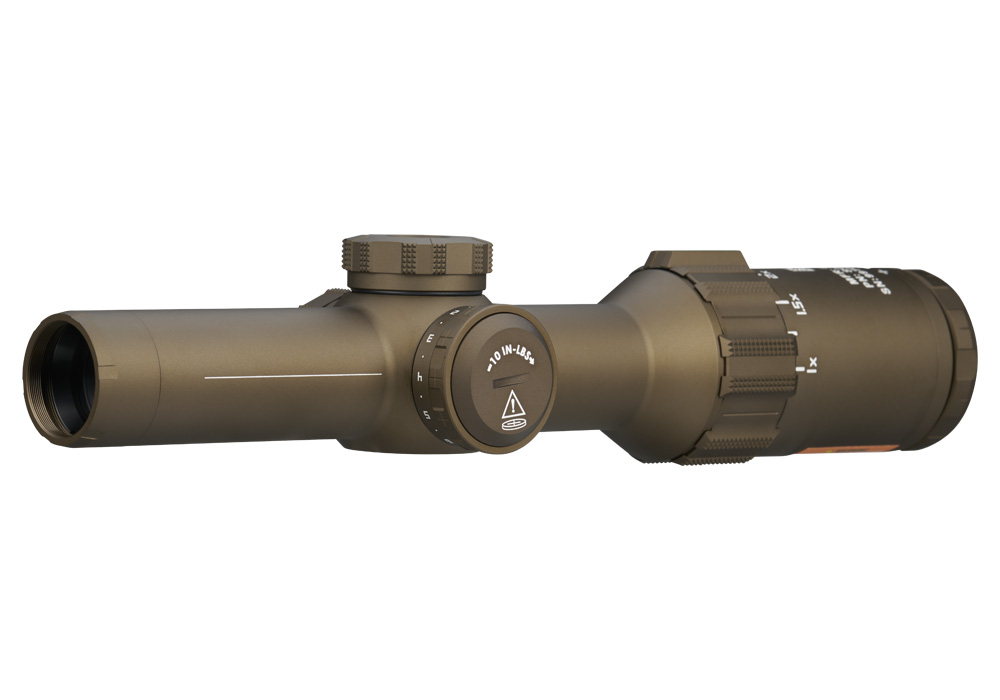
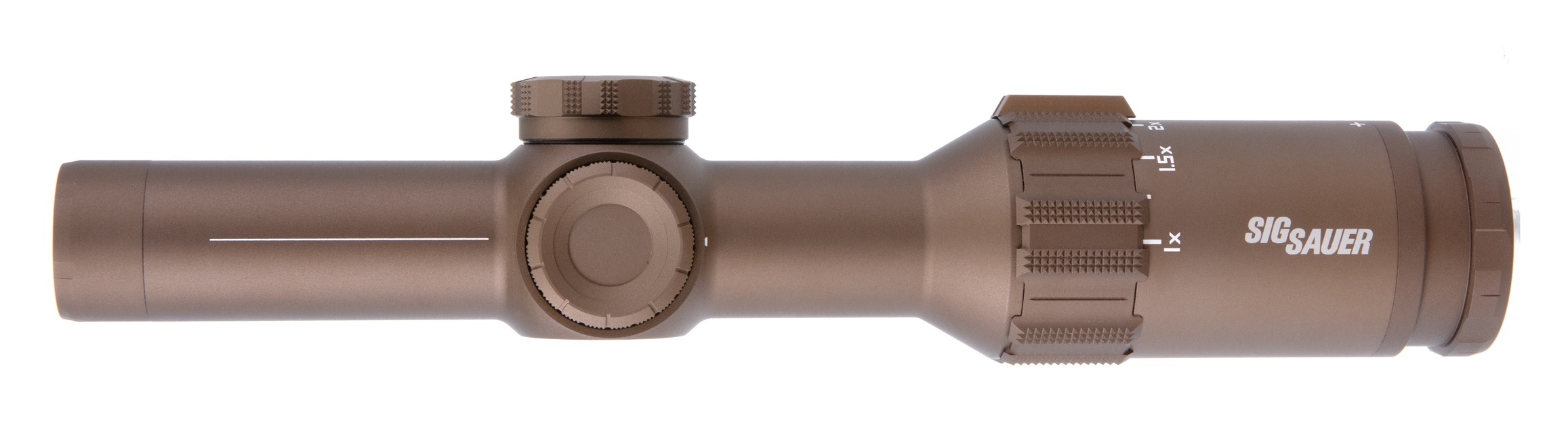
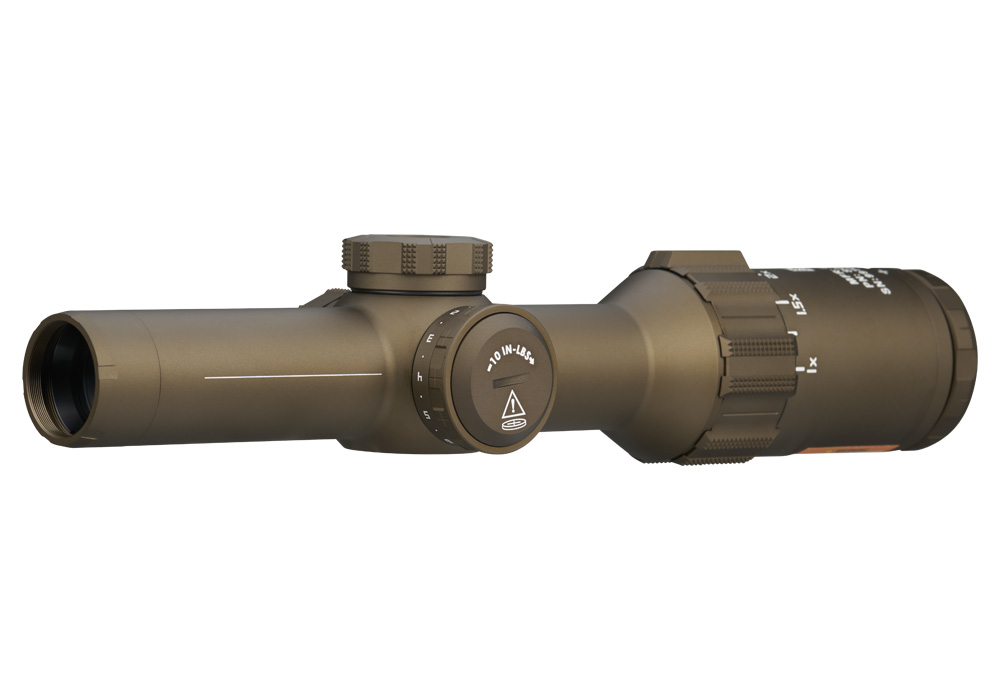
FDE lightweight rifle scopes combine a practical, subdued finish with a compact form that helps keep a rifle balanced and easy to carry. Flat dark earth tones are well suited to arid terrain, open country, woodland edges, and mixed environments where a glossy black optic may appear more noticeable. When paired with a matte finish, the color can also help reduce distracting reflections in bright conditions. The lightweight design is especially appealing on rifles carried over uneven ground, through thick brush, or during long days in the field, where every ounce becomes noticeable by the end of the afternoon. A streamlined scope can preserve the rifle’s natural handling without making it feel front-heavy, while still providing magnification for identifying and engaging targets at practical distances. These optics may appeal to hunters, recreational shooters, preparedness-minded rifle owners, and anyone building a modern sporting or defensive rifle with a coordinated FDE setup. They can also make a thoughtful gift for an experienced shooter who appreciates equipment that serves a clear purpose rather than adding unnecessary bulk. For shoppers comparing this category with other finishes and configurations, FDE Military Style Rifle Scopes offer another way to explore optics with a military-inspired appearance and durable, field-oriented design.
Magnification is one of the most important factors when selecting an FDE lightweight rifle scope. Low-power variable optics, such as a 1-6x configuration, provide a broad field of view and fast target acquisition at the lower setting, then add useful reach for medium-distance shooting when turned up. At low magnification, both-eyes-open shooting and a forgiving sight picture can make it easier to track movement across a clearing or respond quickly when a target appears close. Higher magnification ranges may be more appropriate for rifles used primarily in open terrain, where judging distance and placing accurate shots at extended ranges take priority. A first focal plane reticle keeps its relationship with the target consistent as magnification changes, which can be useful when using subtensions for holdovers or range estimation. A second focal plane reticle remains the same apparent size through the magnification range and may offer a clean, familiar aiming reference, particularly when the optic is commonly used at one preferred power. Illuminated reticles can improve visibility against dark backgrounds, shaded timber, or changing light during the cooler months, while a non-illuminated reticle may appeal to shooters who prefer simplicity and extended battery life. Reticle shape, brightness control, center illumination, and the clarity of the aiming point all deserve attention because small details become important when the light is low or the background is visually complex.
A lightweight scope still needs to be matched carefully to the rifle and its intended use. Confirm the optic’s mounting tube diameter, required ring height, adjustment range, and compatibility with the rifle’s rail or receiver before completing a purchase. Eye relief matters on any rifle, particularly on platforms with noticeable recoil, and a generous eye box can make it easier to achieve a full sight picture from different shooting positions. Shooters who spend time walking with a slung rifle may value a shorter overall length and moderate objective size, while those focused on bench shooting or longer-range work may accept additional dimensions in exchange for more magnification or light-gathering capability. Weight should be considered as part of the complete setup, including rings, mounts, lens covers, and accessories; a light optic can lose much of its handling advantage if paired with an unnecessarily heavy mounting system. Durability is equally important. Look for construction suited to repeated recoil, sealed housing for protection from dust and moisture, reliable adjustment turrets, and lenses with coatings that support a clear image in changing weather. A properly mounted scope should hold zero through ordinary use, but shooters should still verify mounting torque, confirm the rifle’s zero after installation, and recheck it after significant travel or hard handling. During early fall field days, bright sun can shift into cool shade within minutes, while winter outings may bring damp air, frost, or gloves that make small controls harder to operate. Controls that are positive without being overly stiff, magnification rings that remain easy to turn, and illumination settings that can be adjusted without losing a stable shooting position all contribute to a more comfortable experience. Whether the optic is intended for a lightweight hunting rifle, a range setup, or a compact modern sporting platform, the best choice balances finish, optical performance, magnification, durability, and total system weight. A well-matched FDE scope should feel like a natural extension of the rifle—steady on the bench, manageable while moving, and ready to provide a clear aiming reference when the landscape changes from sunlit ridgeline to deep shadow.