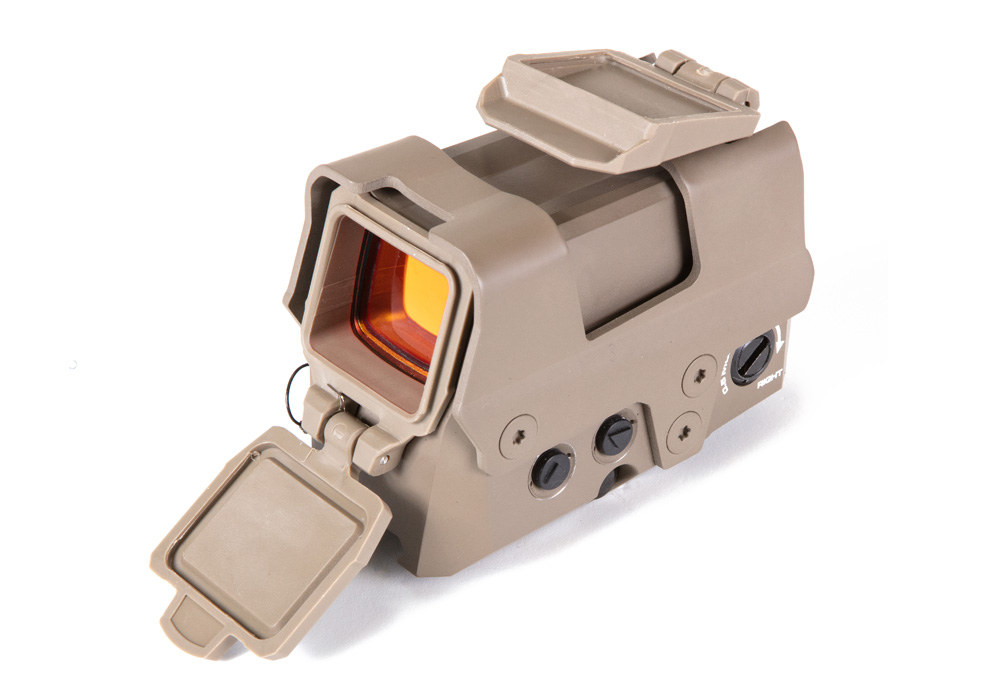
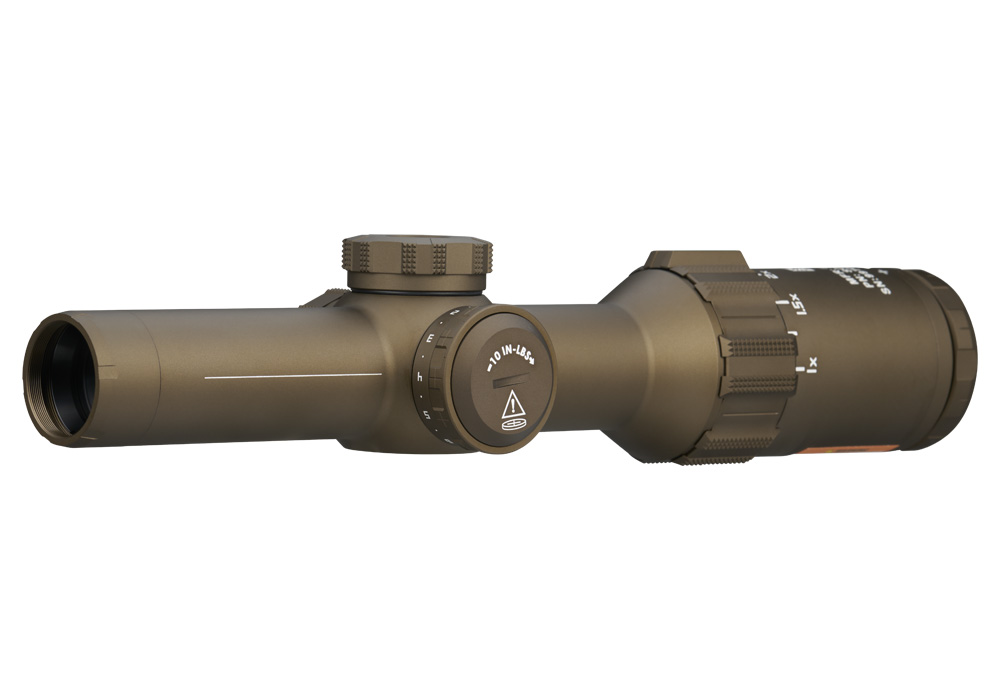
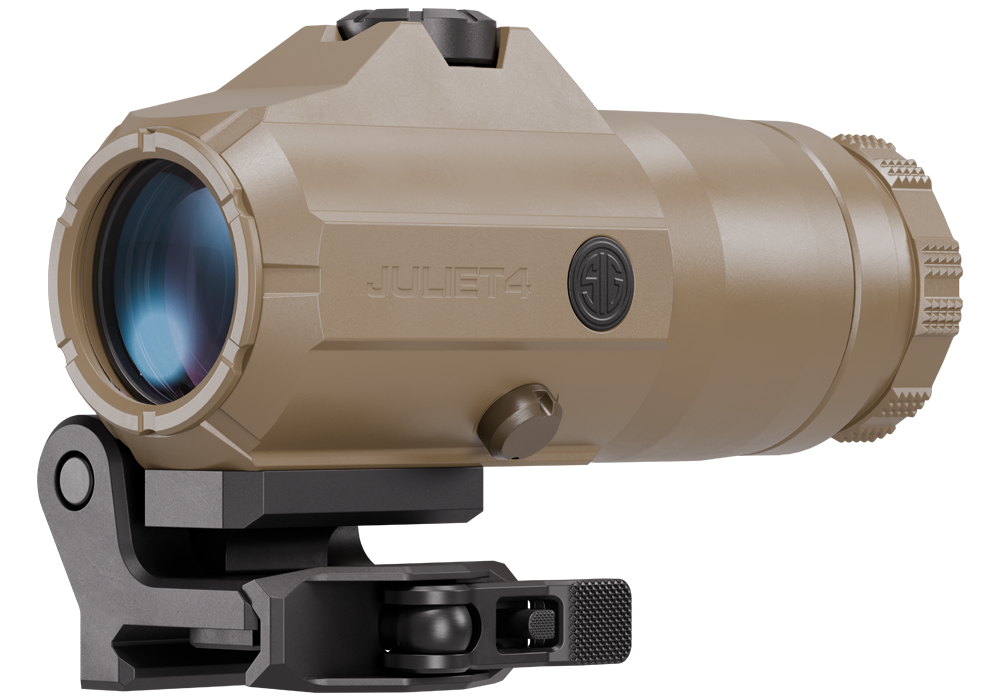
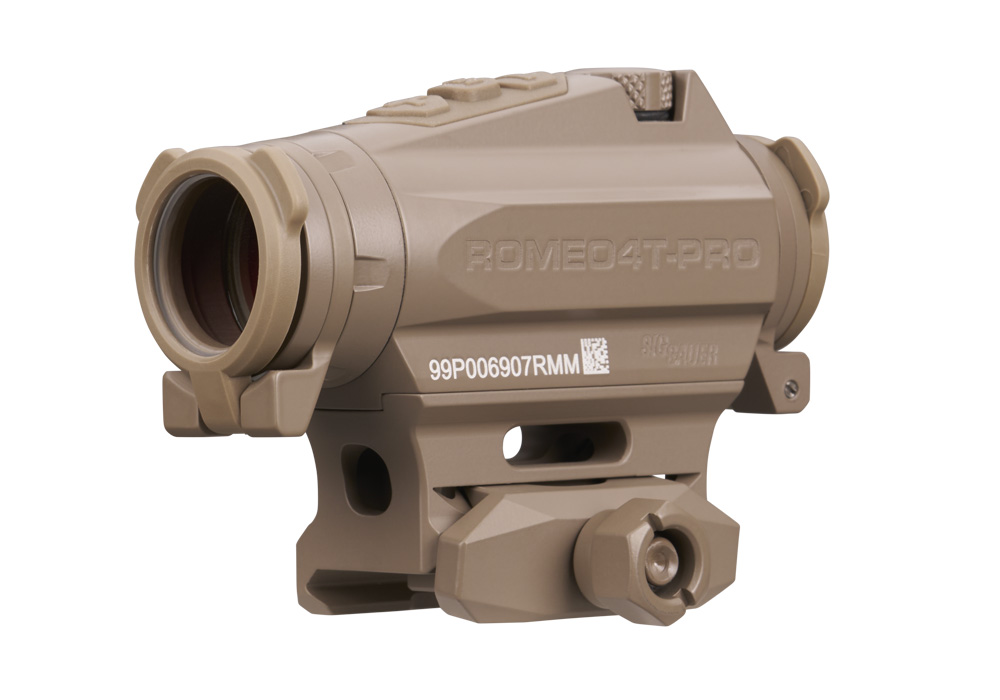
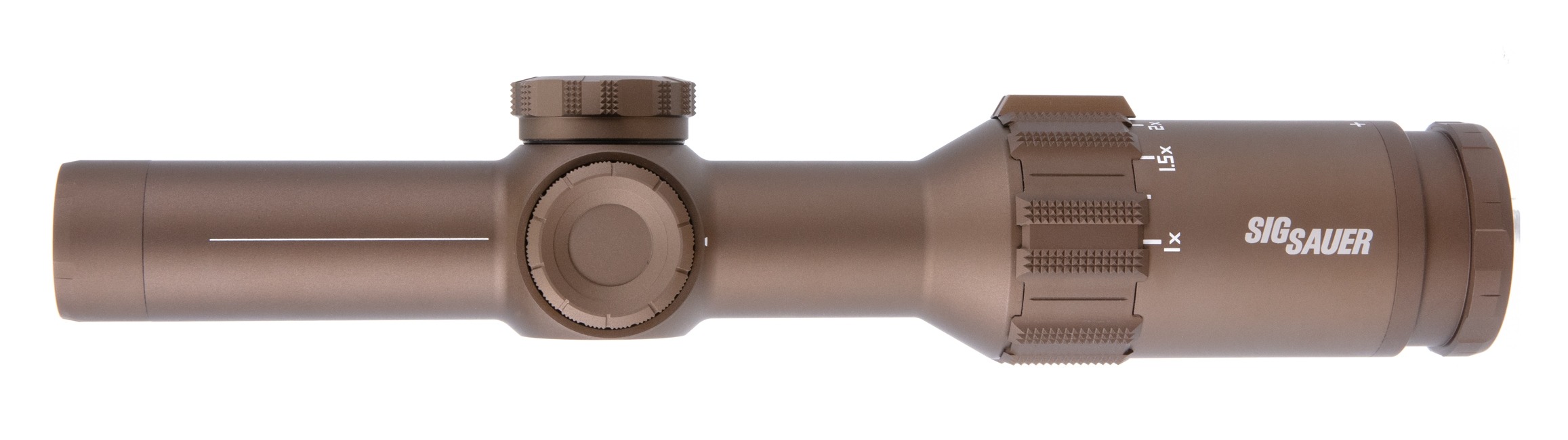
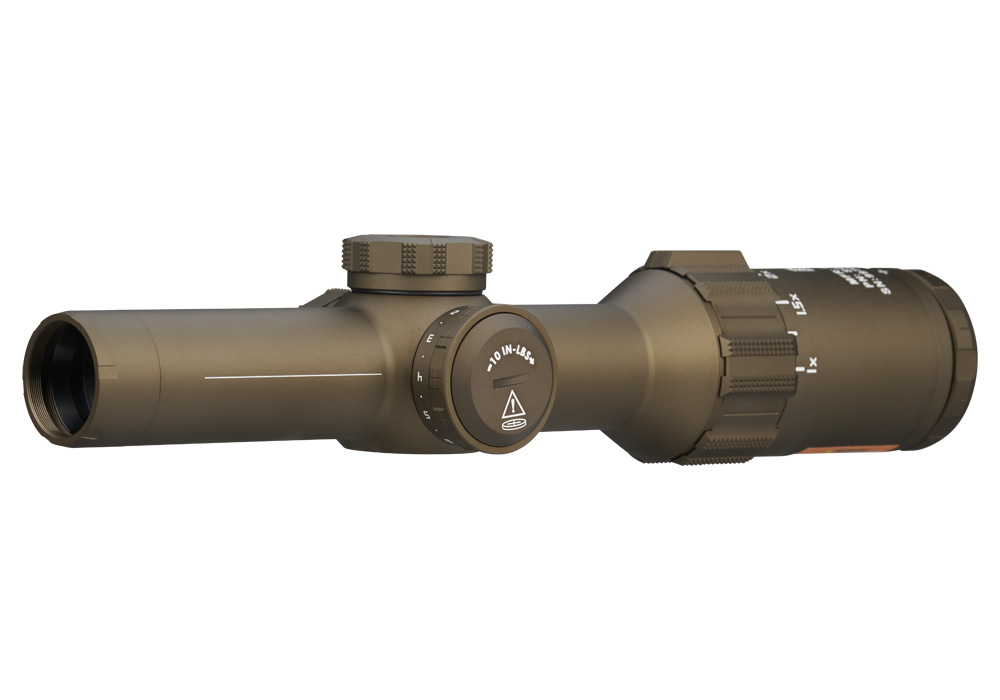
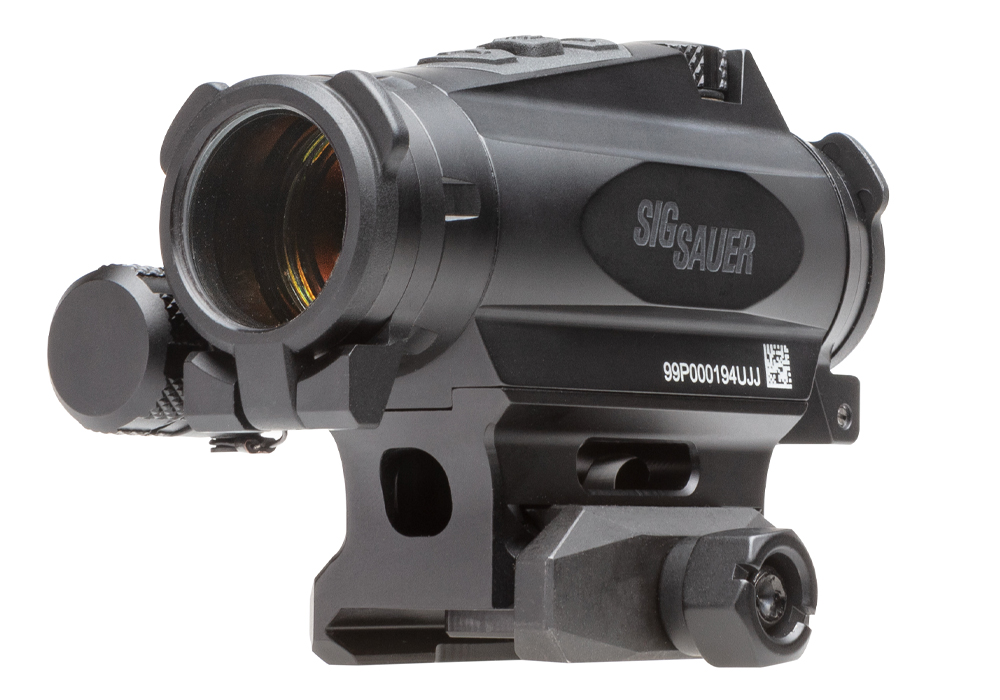
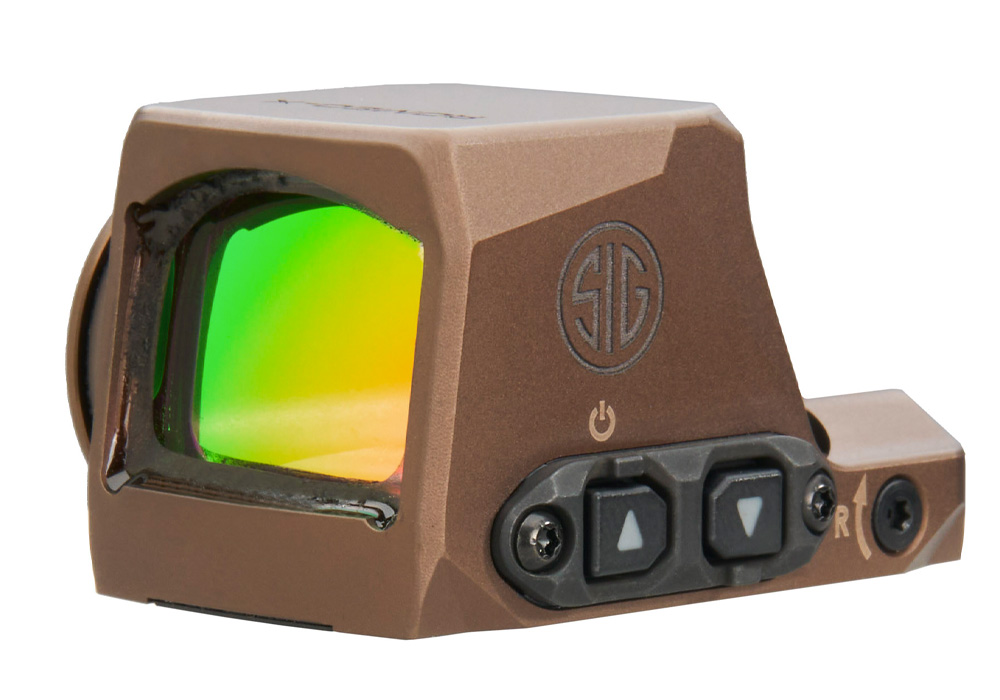
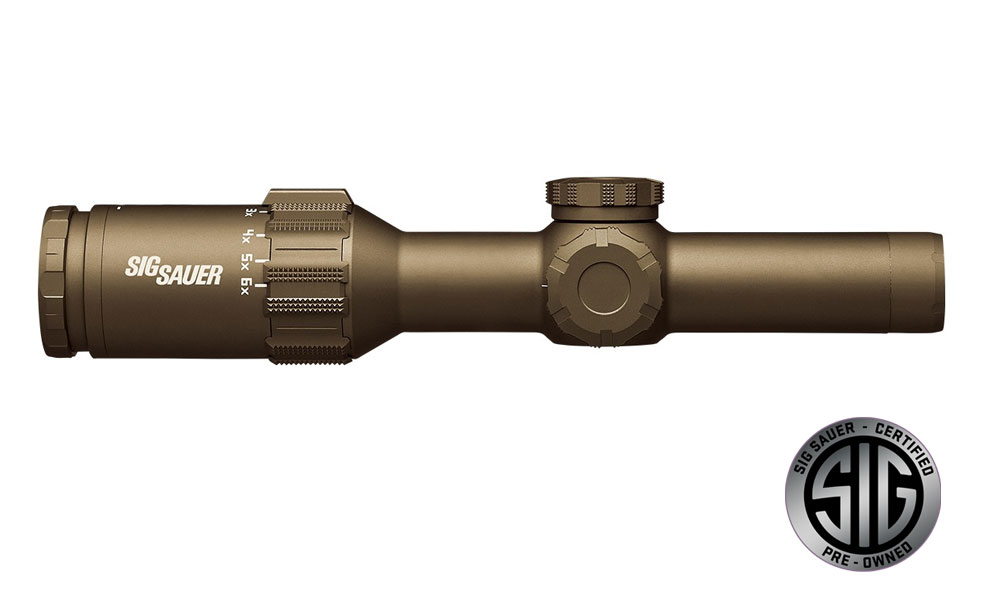
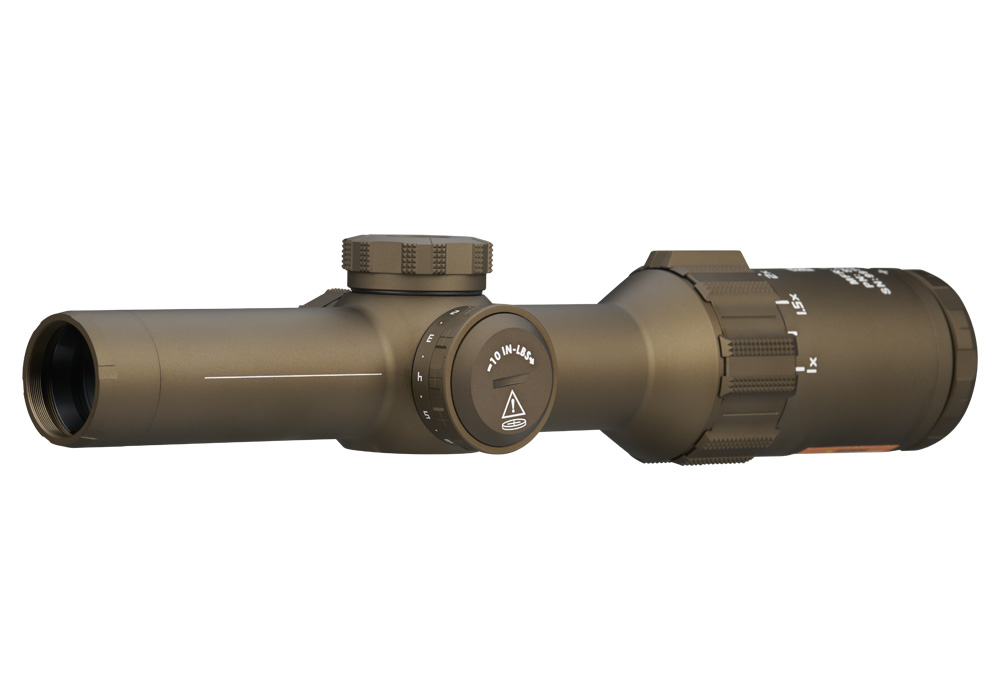
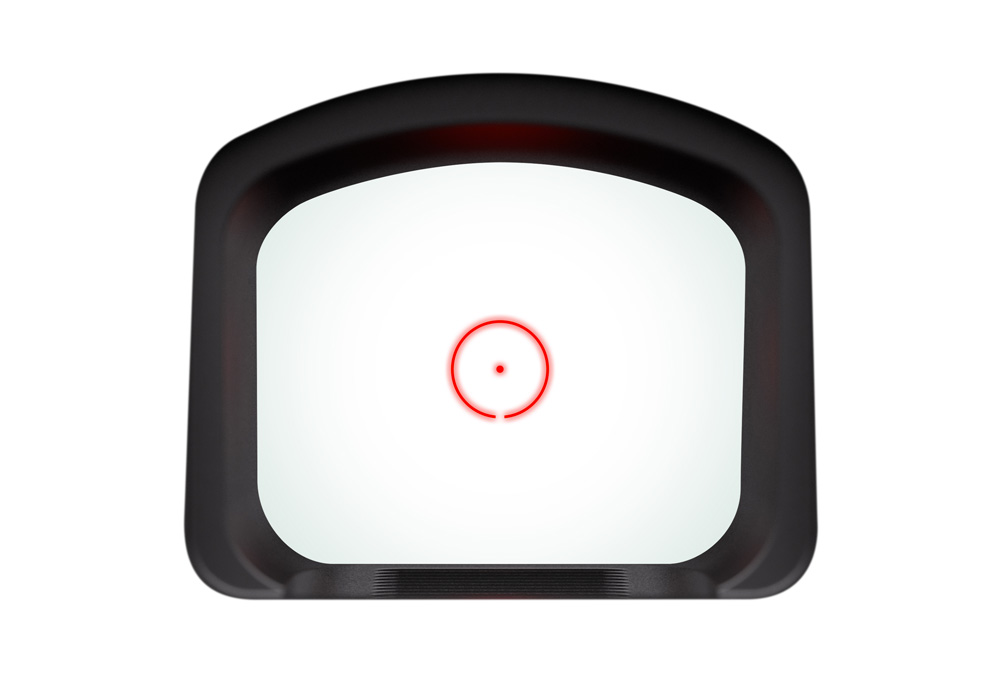
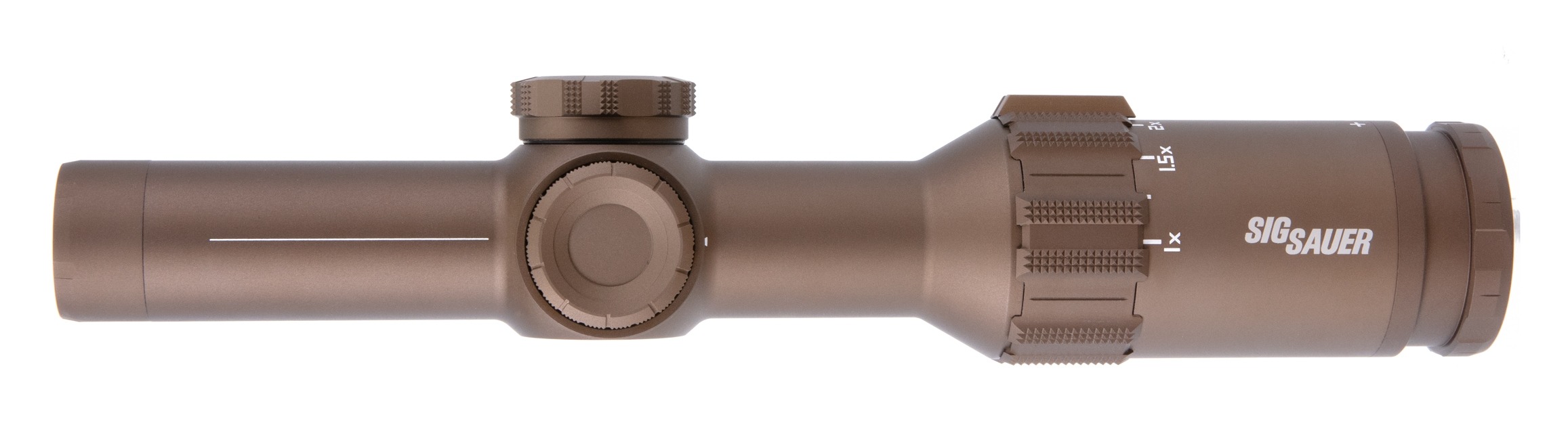
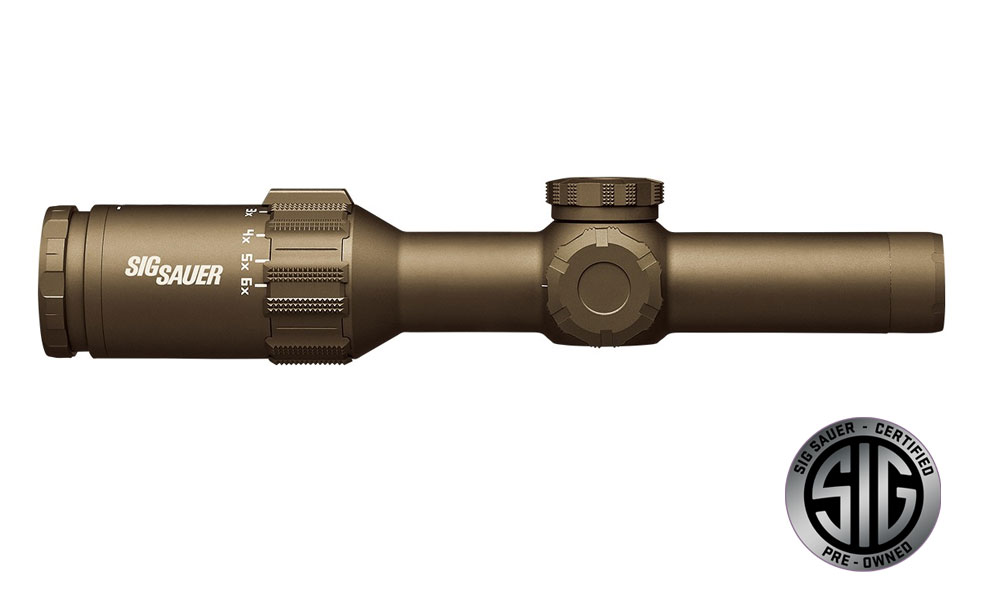
FDE finish rifle scopes combine practical optical performance with a distinctive matte, sandy-tan appearance that complements rifles, mounts, and other equipment in earth-tone colors. The finish is often selected for its subdued appearance and reduced glare, making it a natural fit for field rifles, sporting platforms, precision setups, and military-style configurations. While appearance is an important part of choosing an optic, the scope’s magnification range, reticle design, adjustment system, optical clarity, and compatibility with the rifle should guide the final decision. A low-power variable optic may be well suited to fast target acquisition at closer distances while still providing useful magnification across open ground. A scope with a broader magnification range can provide more flexibility for deliberate shots at extended distances, particularly when paired with a reticle that offers clear aiming references. Fixed-power designs may appeal to shooters who value simplicity, consistent sight pictures, and a streamlined setup. FDE rifle scopes are also a popular choice for those building a coordinated rifle, whether the goal is a cohesive field-ready appearance or a configuration that blends naturally with tan, brown, green, and other muted colors. The matte finish can help minimize distracting reflections in bright conditions, though it does not replace sound fieldcraft, responsible positioning, or careful observation. For shoppers comparing configurations, FDE Military Style Rifle Scopes offer another category to consider when a rugged, mission-oriented appearance and versatile optical layout are priorities.
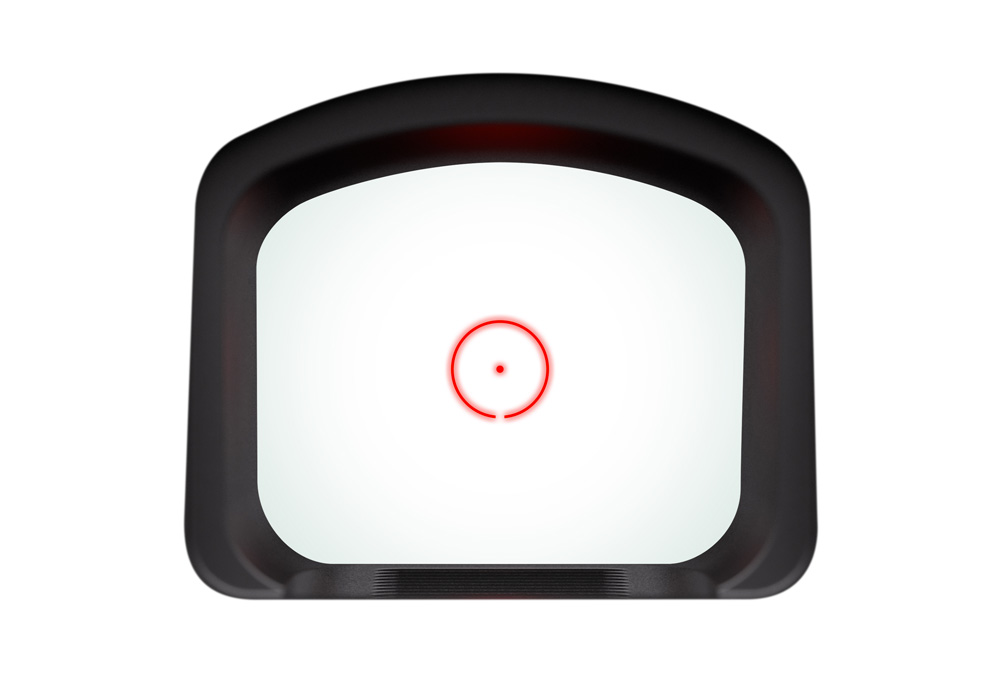
Choosing the right FDE finish rifle scope starts with defining how the rifle will be used. For close and intermediate distances, lower magnification and a generous field of view can make it easier to locate a target, track movement, and maintain awareness around the aiming area. Shooters who spend more time on a bench, at a range, or in open country may prefer additional magnification for examining distant targets and refining their point of aim. Reticles vary widely, from clean designs that keep the sight picture uncluttered to illuminated or graduated patterns that provide holdover and windage references. An illuminated reticle can be useful when the background is dark or uneven, while a finely detailed reticle may be favored for precision work where small aiming corrections matter. Pay close attention to the first-focal-plane or second-focal-plane layout, since reticle size and subtensions behave differently as magnification changes. Tube diameter, objective lens size, eye relief, adjustment travel, and turret style also influence the overall experience. Eye relief deserves particular attention on rifles that generate noticeable recoil; a comfortable, consistent viewing position helps the shooter establish a repeatable cheek weld and maintain a safe distance from the ocular lens. Mounting height should allow the scope to clear the rifle and accessories without placing the optic unnecessarily high above the bore. Before purchasing, confirm the scope’s tube dimensions, mounting system, adjustment units, and intended use with the rifle and rings or mount selected for the setup. A properly leveled optic, secure fasteners, and a careful zeroing process are essential for making the most of any scope, regardless of its finish.
FDE finish rifle scopes can suit a wide range of shooters, including hunters who appreciate a subdued earth-tone setup, recreational range users assembling a coordinated rifle, and experienced enthusiasts refining a versatile optic configuration. They may also make thoughtful gifts for a shooter who has recently completed a rifle build, upgraded to a new platform, or expressed interest in a more capable sighting system. When selecting one as a gift, magnification and mounting compatibility are more important than guessing at personal style alone, so checking the recipient’s rifle specifications or choosing an optics gift alongside a gift receipt can help avoid fitment issues. During the cooler months, a clear morning at the range or a long day in the field can highlight the value of a scope that offers a bright sight picture, intuitive adjustments, and controls that remain manageable with gloved hands. Weather resistance is another practical consideration for outdoor use; sealed construction, durable lens coatings, and a finish that stands up to routine handling can help an optic remain dependable through changing conditions. Even the best scope benefits from sensible care: use protective covers during transport, wipe away moisture and dust with proper lens materials, inspect mounting hardware periodically, and store the rifle and optic in a dry, secure location. FDE rifle scopes are ultimately about matching optical capability to the rifle, the terrain, and the shooter’s habits. Whether the setup is intended for hunting, range practice, field observation, or responsible recreational shooting, comparing magnification, reticle style, eye relief, adjustment controls, durability, and mounting requirements will make it easier to choose an optic that feels natural behind the rifle and remains useful as experience grows.