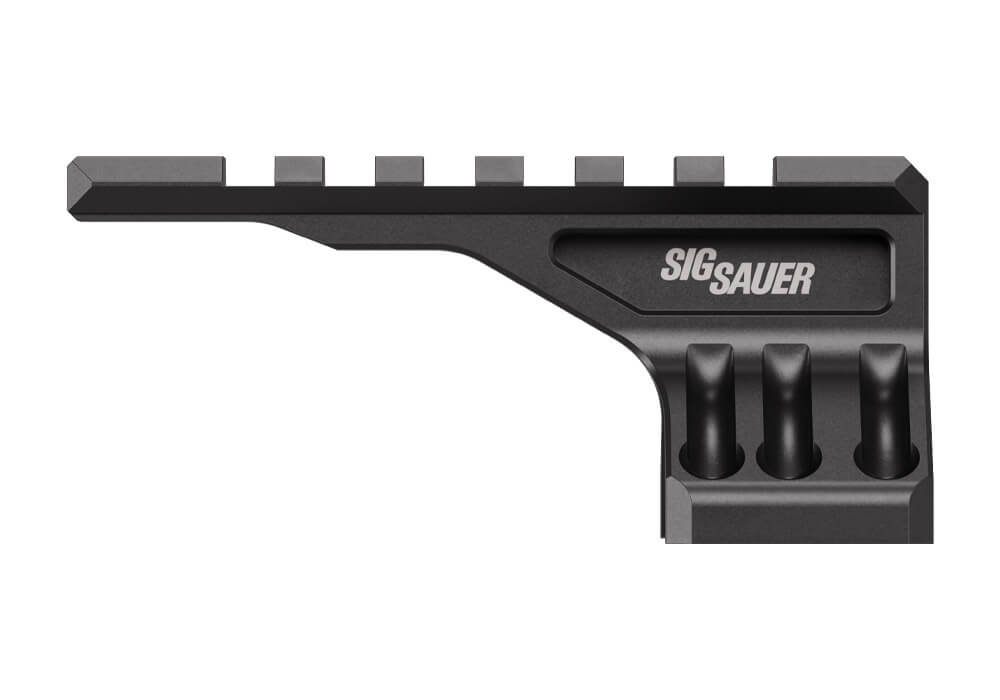
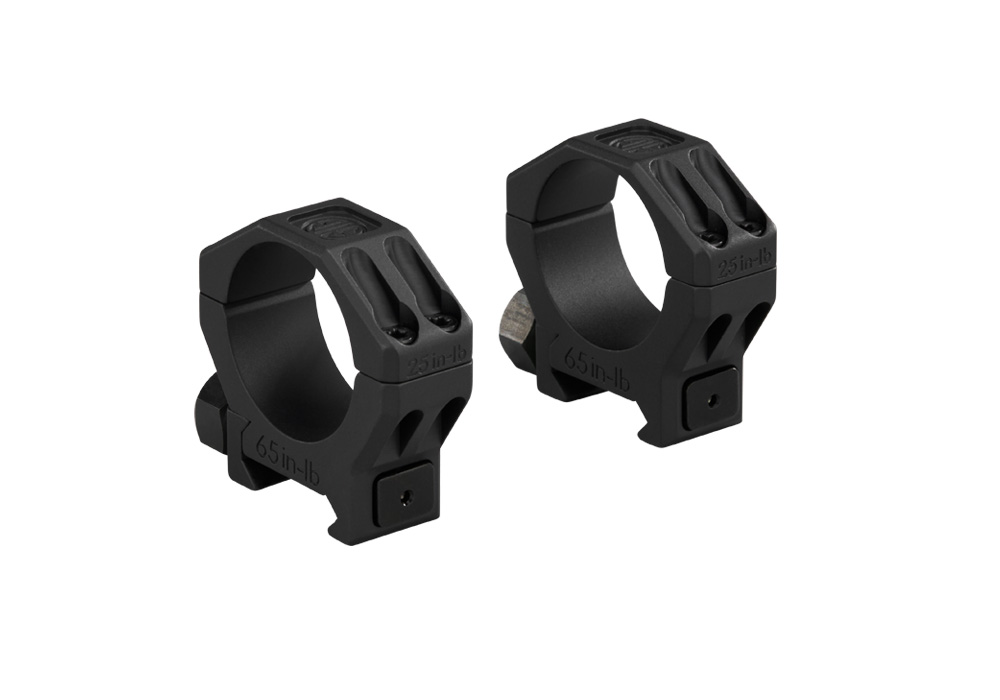
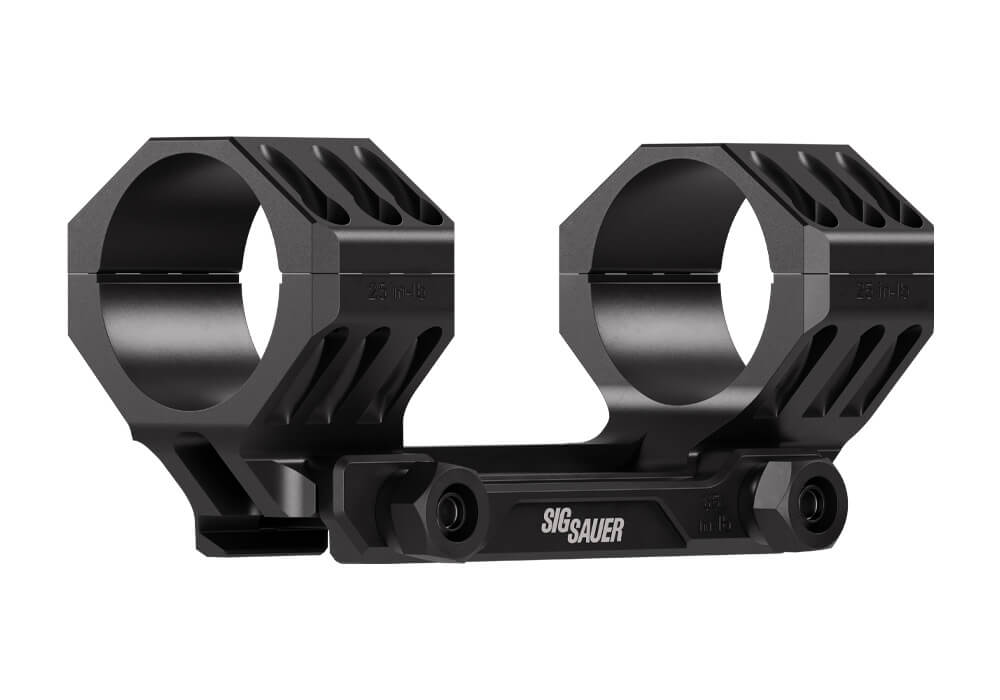
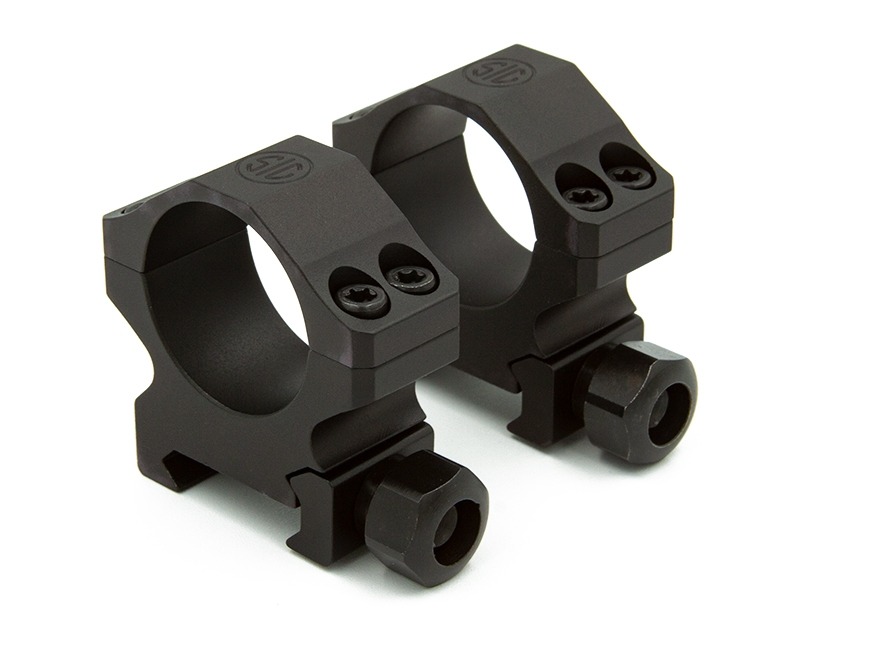
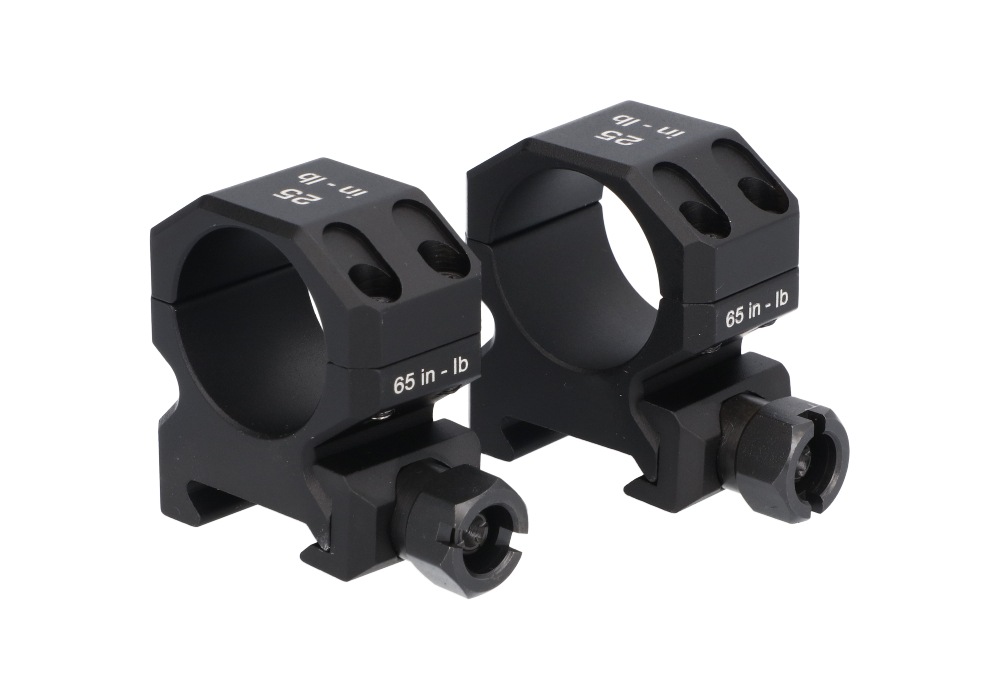
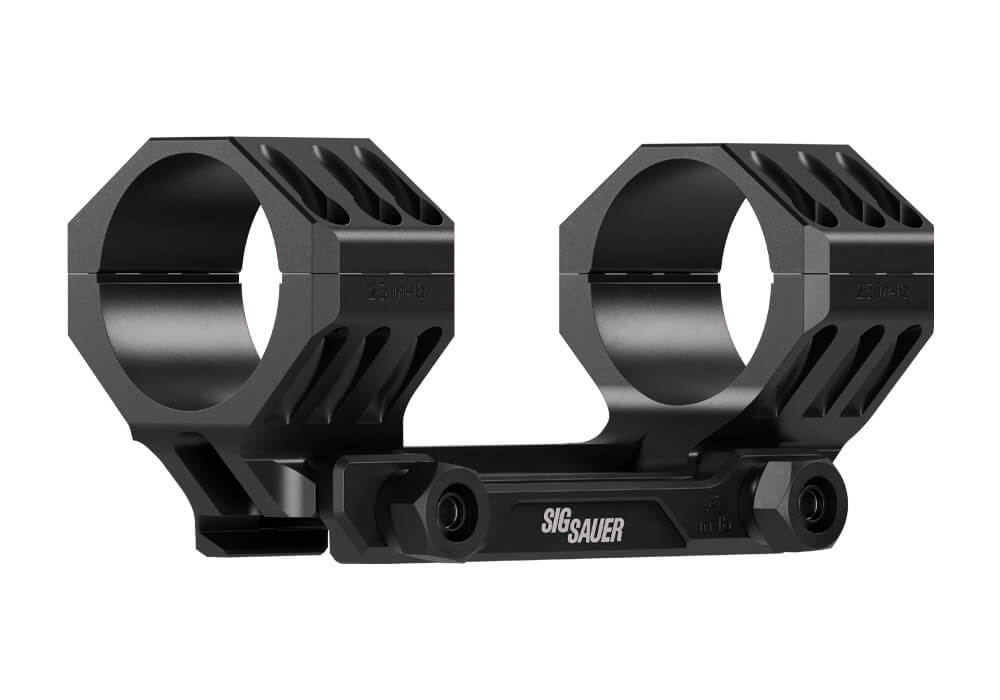
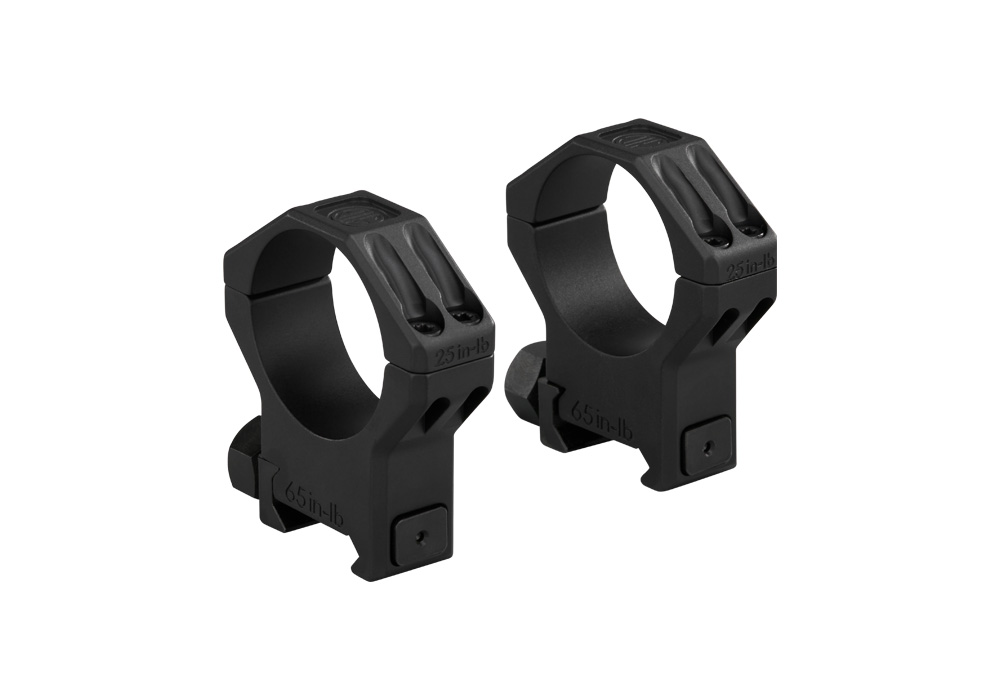
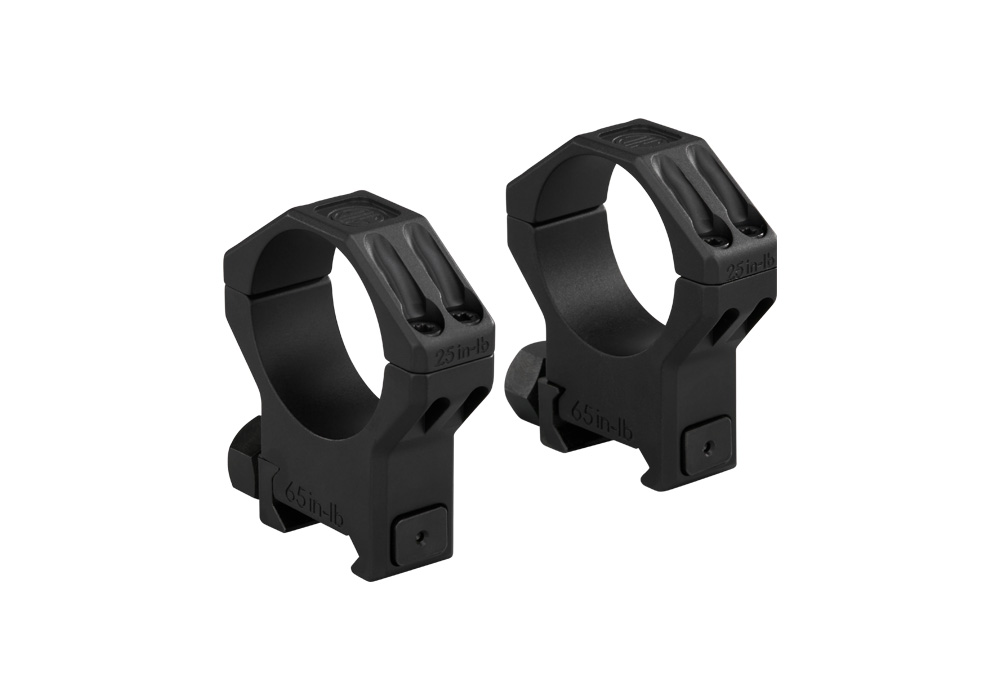
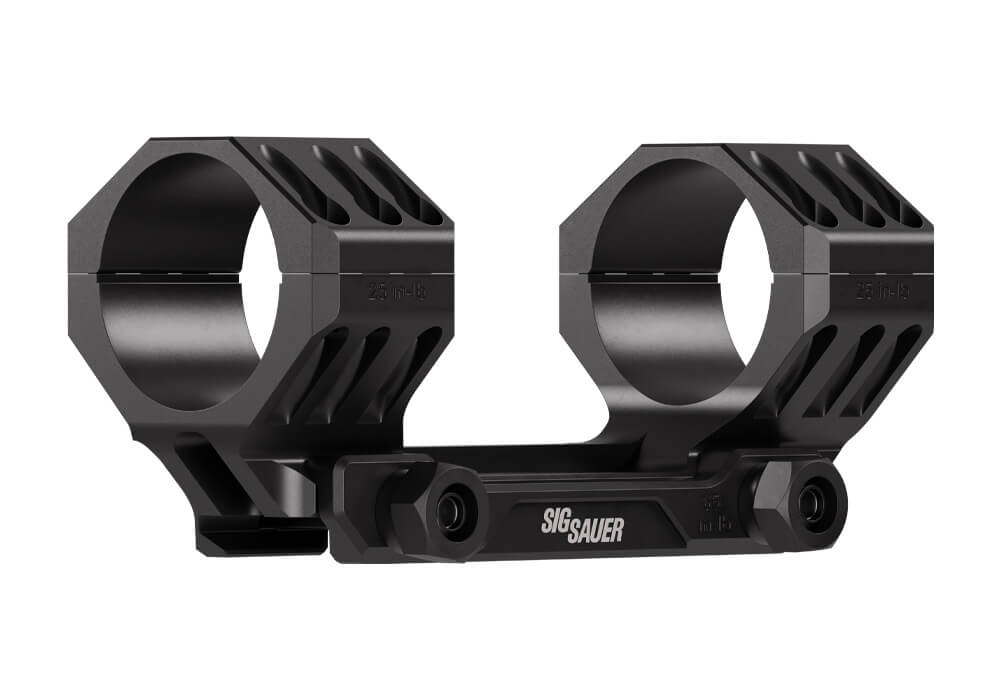
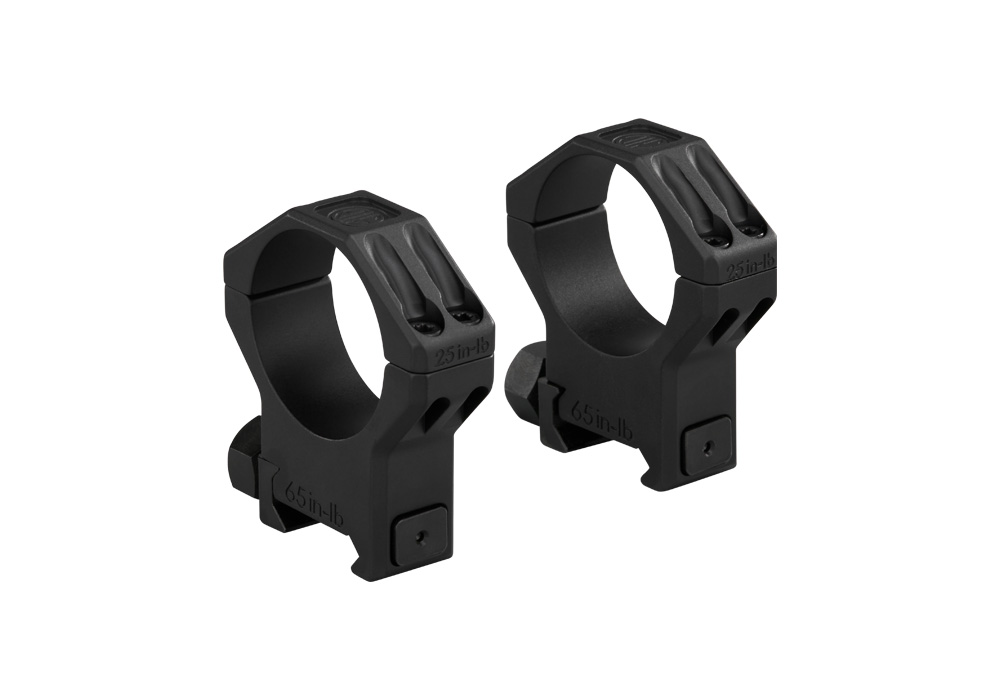
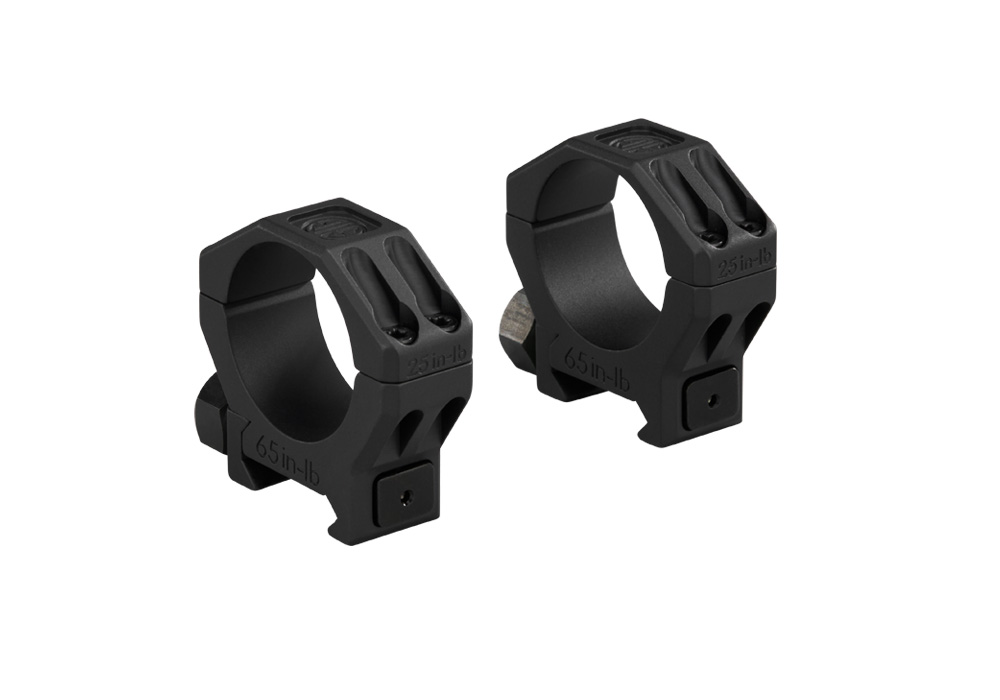
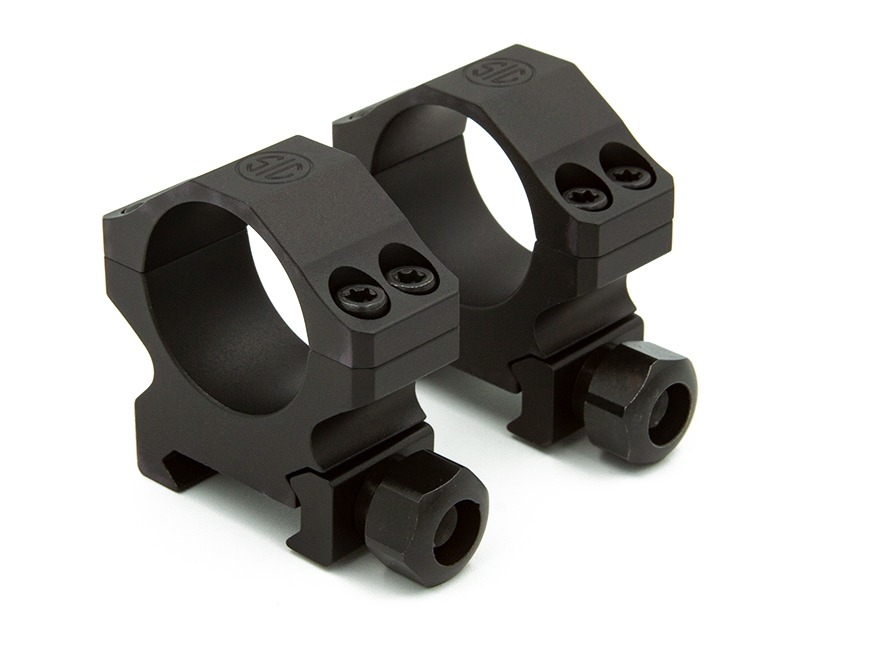
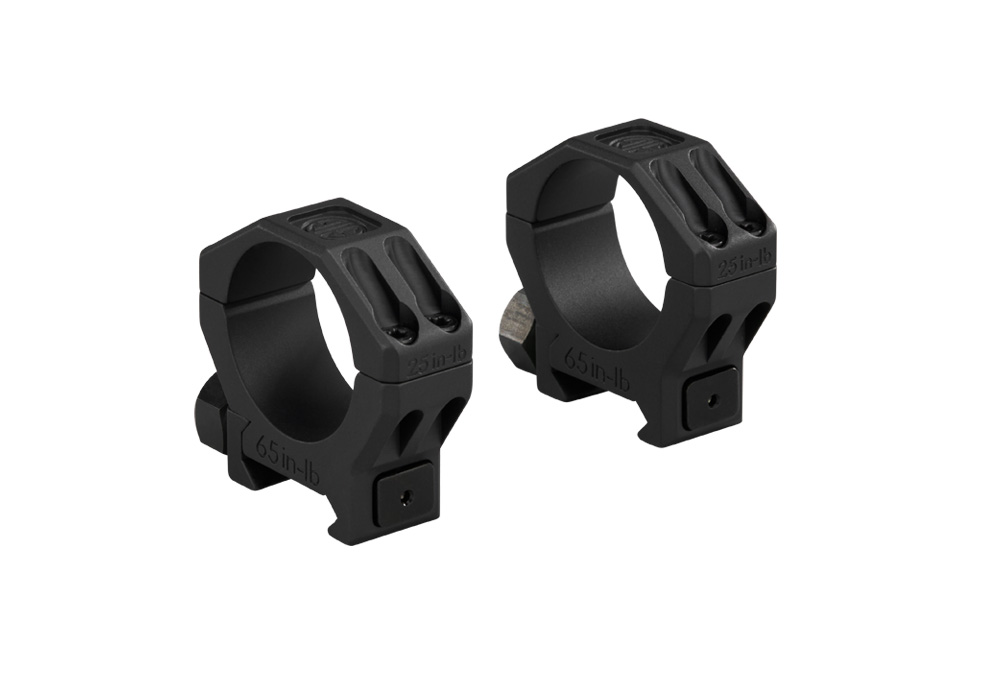
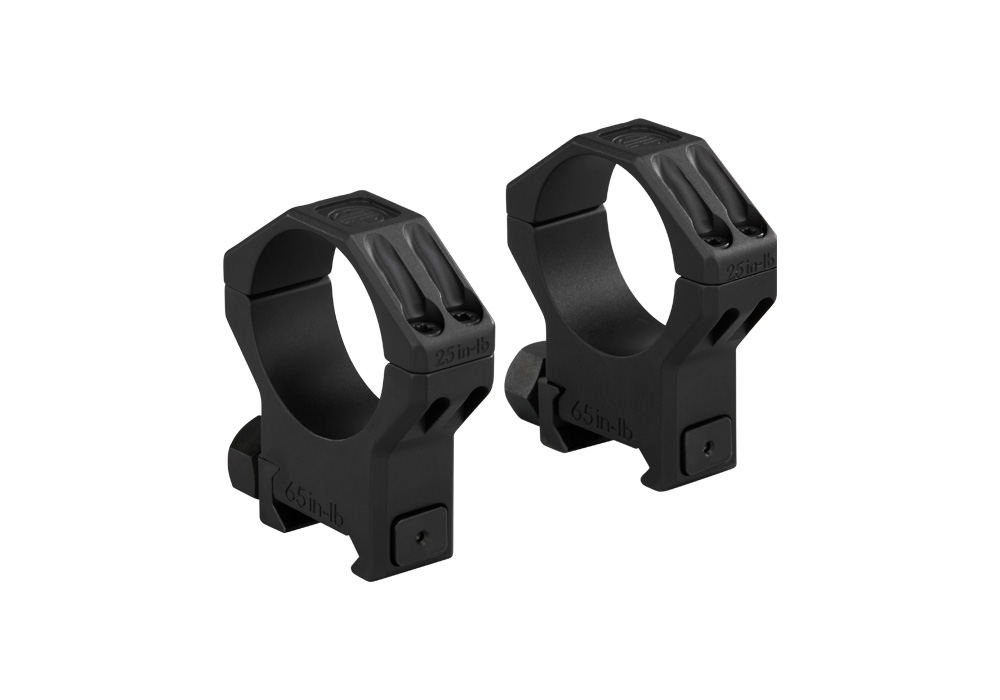
Complete aluminum scope ring sets provide a practical way to secure a rifle scope to a compatible rail while keeping the overall optic setup streamlined and easy to carry. These matched pairs are commonly milled from lightweight aluminum alloys and paired with durable fasteners, offering a useful balance between reduced weight and dependable clamping pressure. For hunters covering long distances through wooded trails, open fields, or steep backcountry terrain, every ounce can matter by the end of the day. Aluminum rings can help keep a rifle comfortable in the hands without sacrificing the solid mounting foundation needed for accurate shooting. They are also well suited to range rifles, sporting setups, and general-purpose platforms where a clean, straightforward installation is preferred. Complete sets are especially convenient because the rings are designed to be used together, helping simplify the process of selecting compatible components. Depending on the design, features may include integrated recoil lugs, cross bolts for Picatinny-style rails, marked reference points, and visible torque specifications that support a more consistent installation. A secure mount begins with choosing a ring set that matches the scope, rail, and rifle, followed by careful positioning and tightening according to the manufacturer’s instructions.
The first consideration is scope tube diameter. Common options include standard 1-inch, 30mm, 34mm, and 35mm tubes, and the rings must match the tube precisely. A ring made for a 30mm scope will not properly secure a 1-inch optic, while forcing an incorrect size can damage the scope or create an unreliable connection. Ring height is equally important. Low rings are often suitable for scopes with smaller objective lenses when the rifle’s action and barrel contour allow the optic to sit close to the bore. Medium rings offer a versatile choice for many standard hunting and sporting configurations, while high or extra-high rings may be needed for larger objective bells, raised rails, or rifles with unusual stock and receiver dimensions. The goal is generally to position the scope as low as practical without allowing the objective housing, adjustment turrets, or power ring to contact the rifle. Eye relief and cheek weld deserve attention as well. With the rifle shouldered naturally, the shooter should be able to see a full sight picture without stretching forward or pulling back. Before tightening anything, confirm that the scope has sufficient clearance, the reticle is level, and the ring locations provide an even grip on the tube. Compatibility with the mounting surface also matters: many aluminum scope ring sets are intended for MIL-STD-1913 Picatinny rails, while others fit Weaver-style bases or specific multi-fit systems. Checking rail dimensions, cross-slot placement, and the ring’s fastening method can prevent frustrating adjustments at the workbench or in the field. Shooters building around larger optics may also want to explore Aluminum 34mm Scope Mounts when a 34mm tube is part of the setup.
These scope ring sets can serve a wide range of shooting applications. A deer hunter may choose a lightweight configuration to keep a rifle nimble while moving through thick cover, where branches brush against the sling and quick access to a stable shooting position is important. A recreational range shooter may value repeatable mounting hardware when moving an optic between compatible rifles or preparing a new rifle for sight-in. Precision-focused users often pay close attention to ring alignment, fastener quality, clamping surfaces, and the ability to follow a specified torque pattern during installation. Aluminum rings can also make a thoughtful gift for a hunter, new rifle owner, or shooting enthusiast who has recently purchased an optic but still needs the hardware to complete the setup. Gift buyers should confirm the recipient’s scope tube diameter, rail type, and preferred ring height before selecting a set; those details are more useful than choosing based on appearance alone. During the cooler months, a properly mounted optic helps keep preparation focused on the range rather than last-minute equipment corrections before heading outdoors. Store the rings and fasteners in their original packaging until installation, inspect the contact surfaces for debris, and use the correct tools to avoid marring the screws or ring caps. After mounting, verify that all fasteners are secure, confirm the reticle remains level, and recheck the setup after the rifle has been fired. Following safe firearm-handling practices, observing applicable laws, and using the ring set within its intended specifications will help support reliable performance through hunting seasons, range sessions, and changing field conditions.