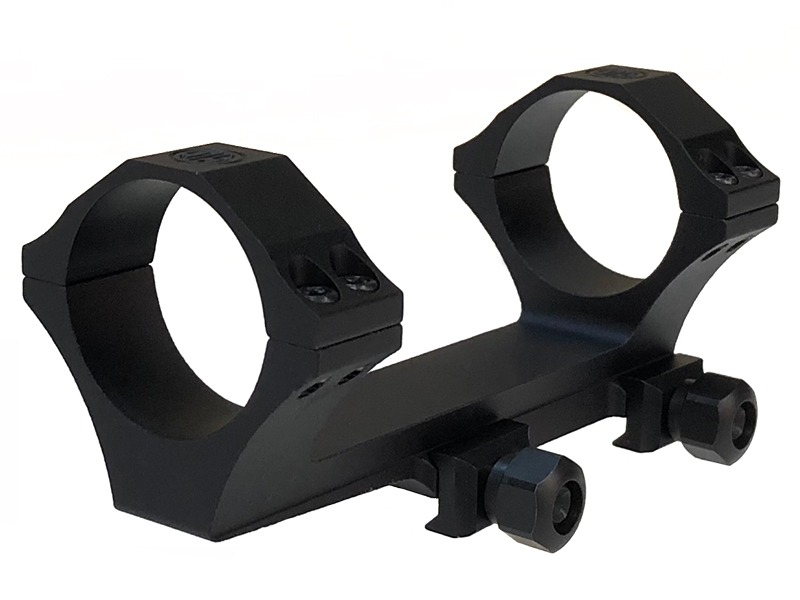
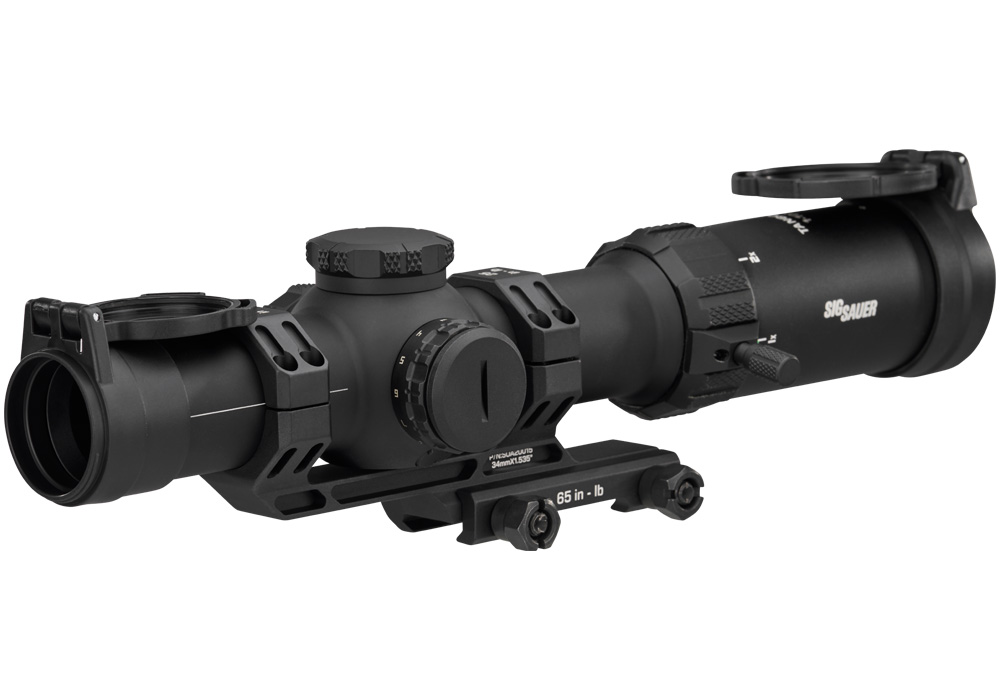
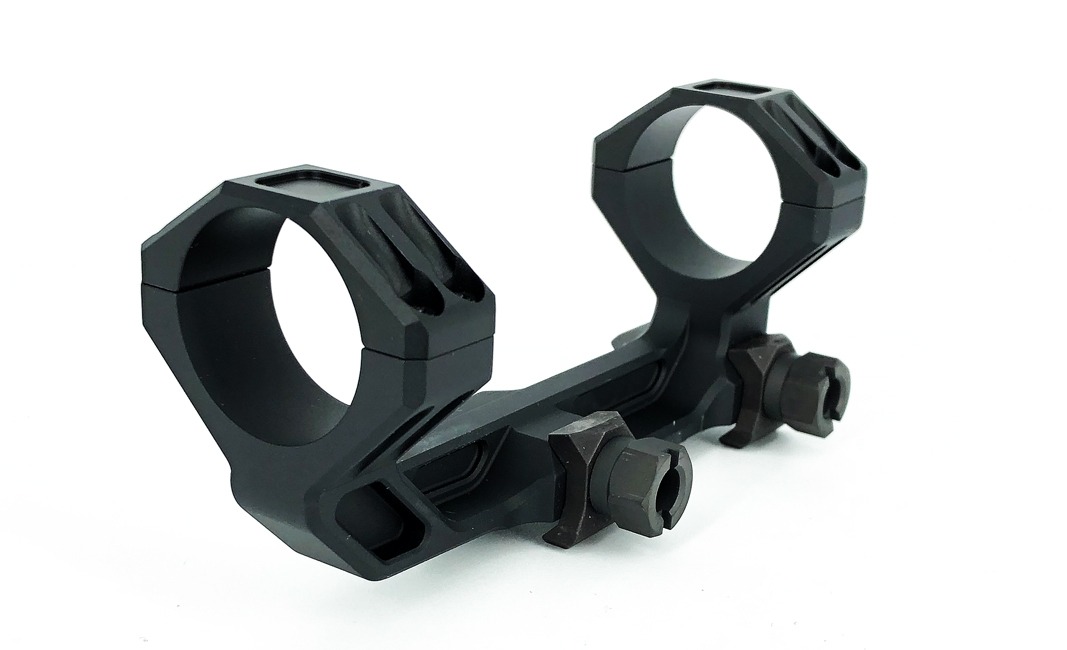
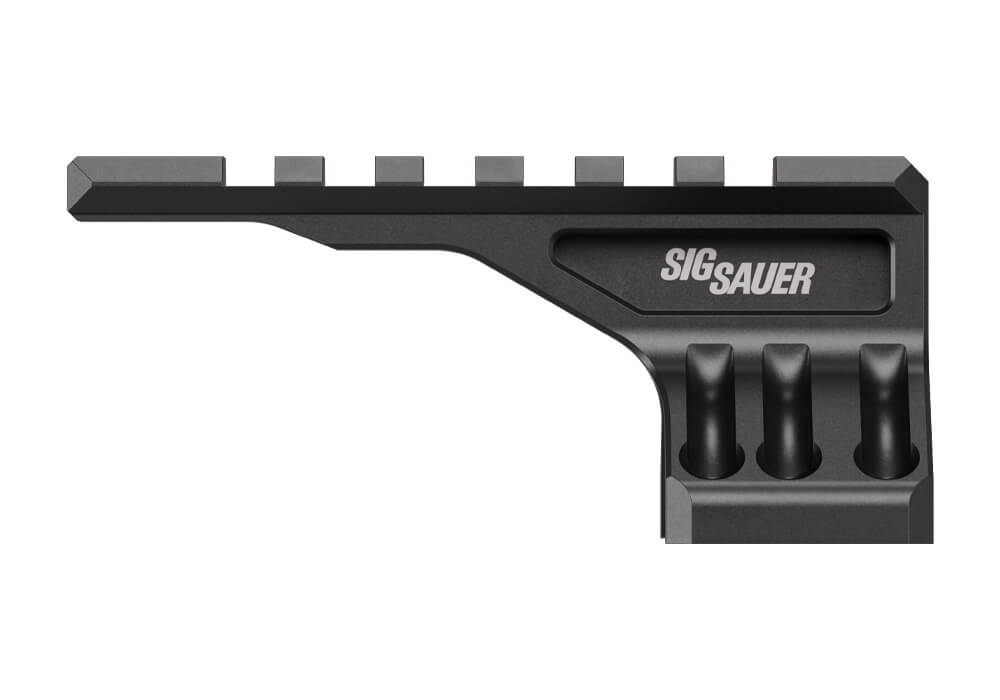
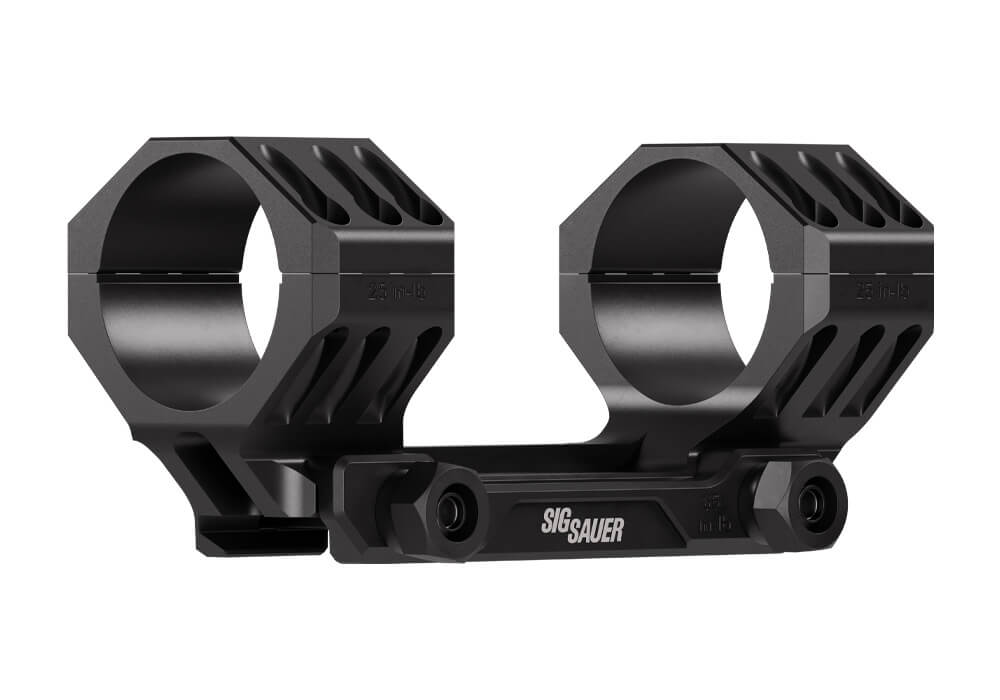
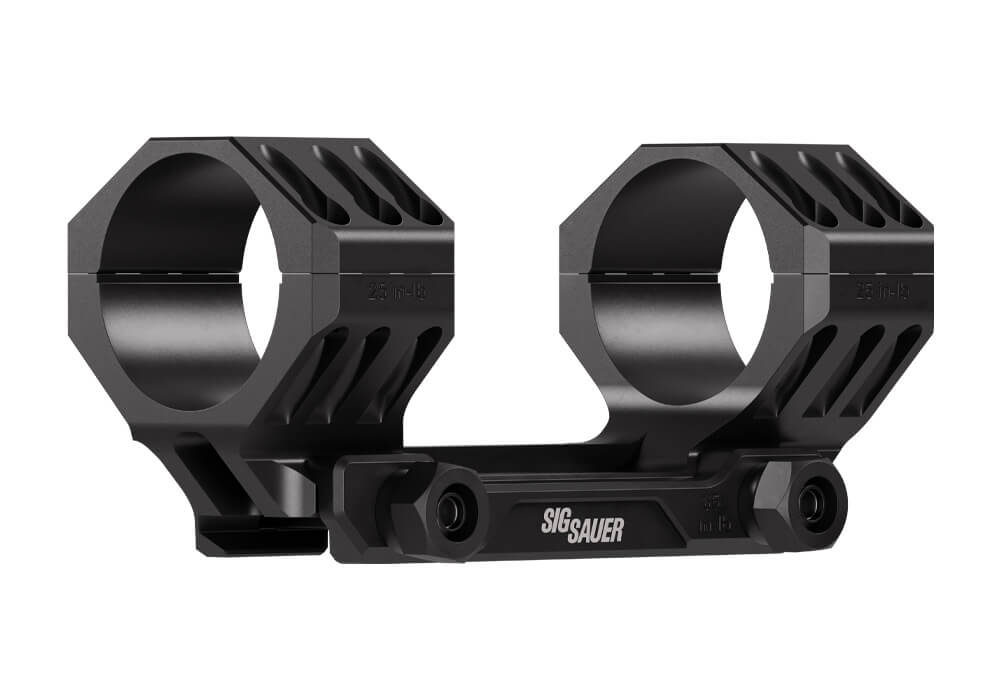
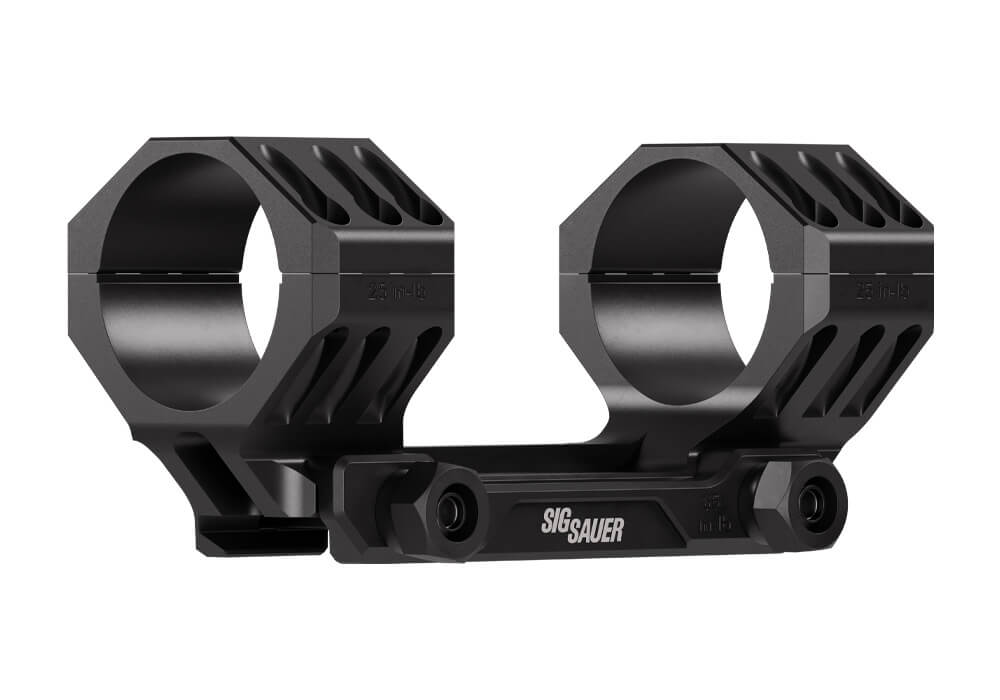
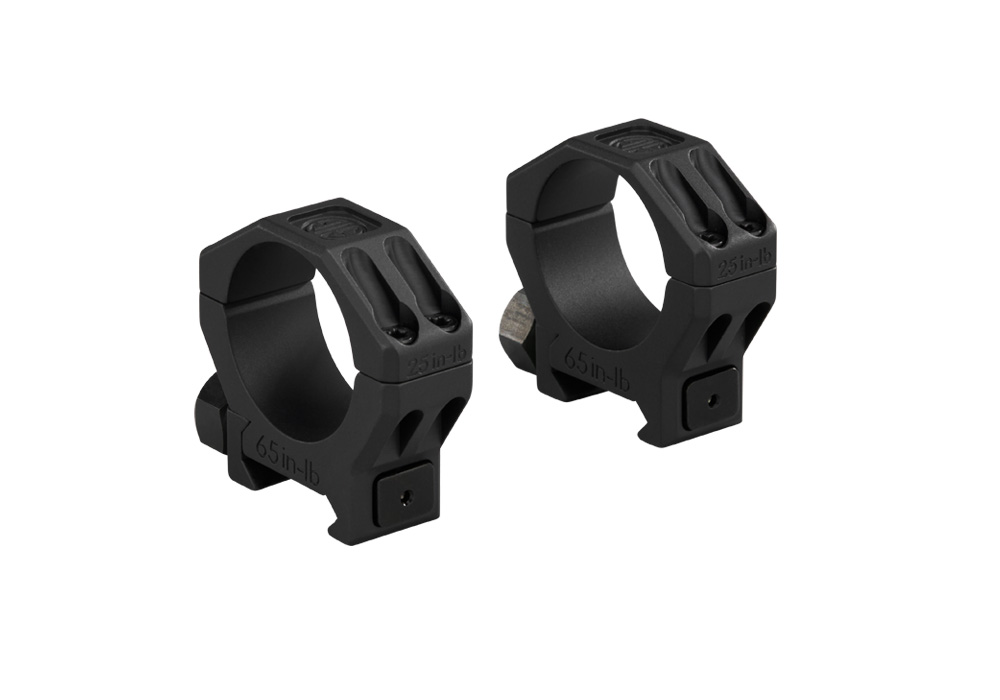
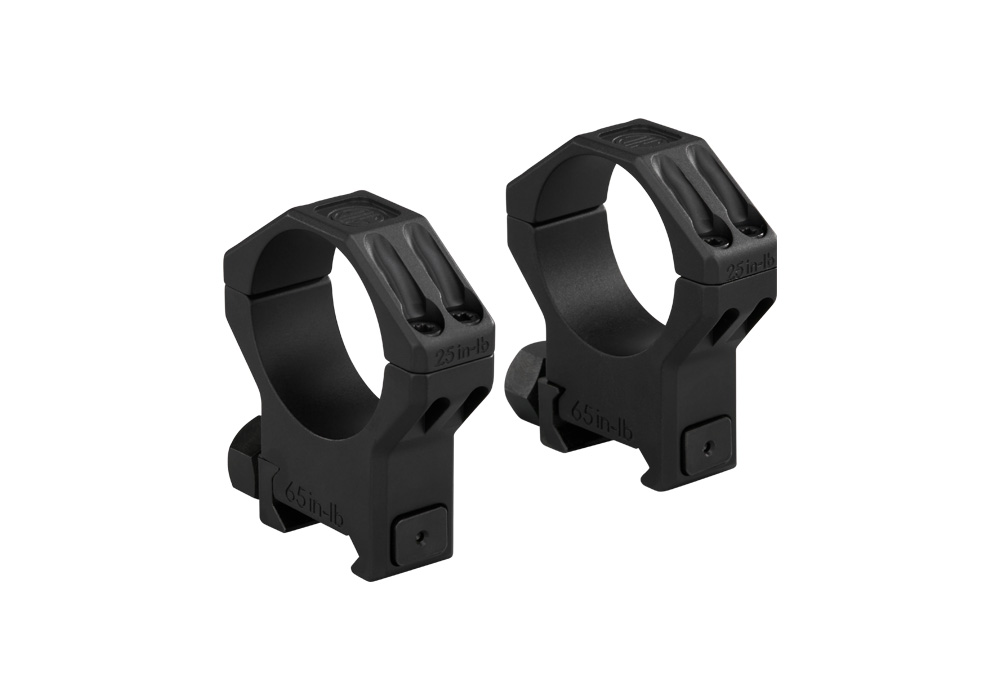
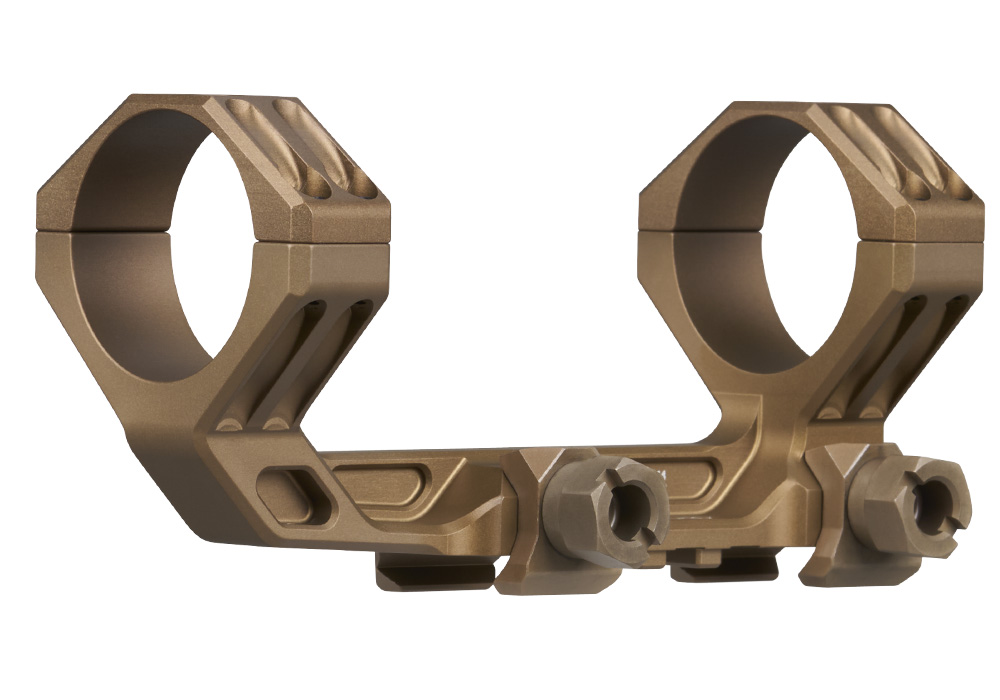
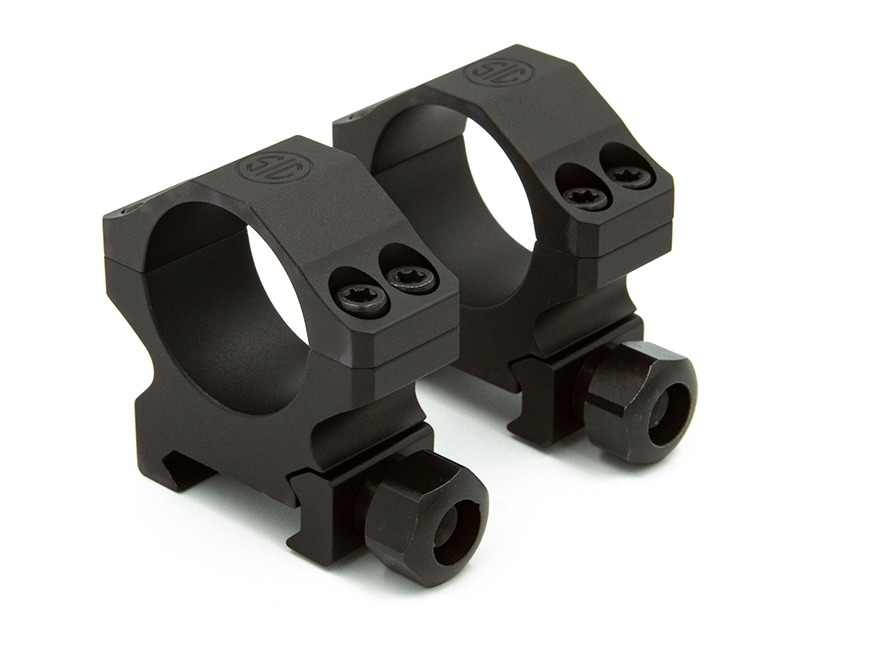
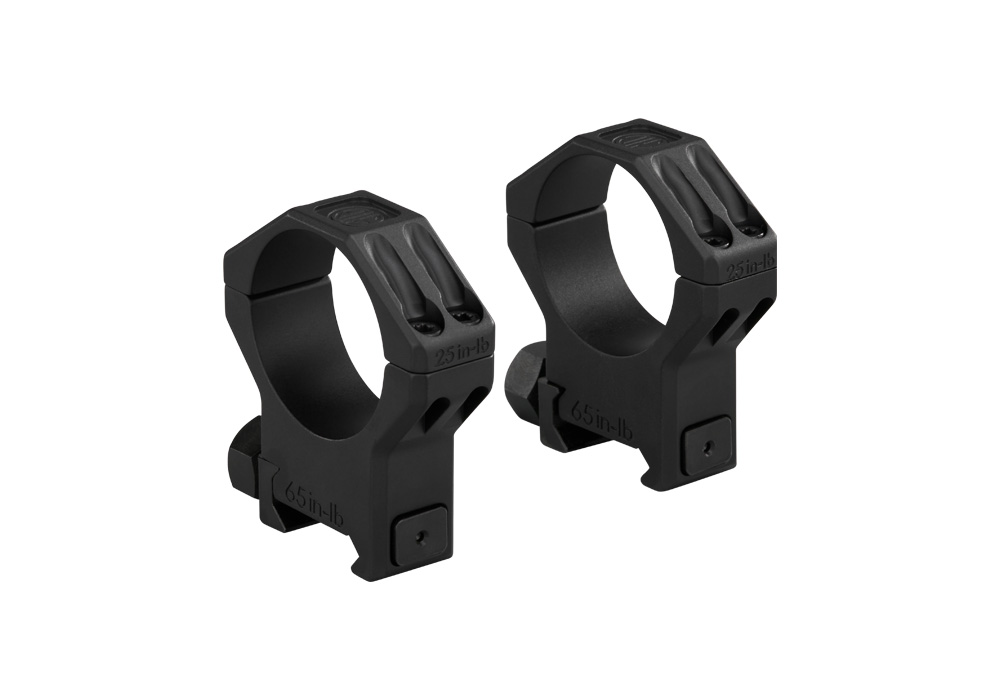
Aluminum 34mm scope mounts provide a lightweight, rigid connection between a large-diameter riflescope and a compatible Picatinny rail. The 34mm measurement refers to the diameter of the scope tube, so these mounts are designed for optics with a larger main tube than common 1-inch or 30mm models. That additional tube space may accommodate more internal adjustment range, illumination components, or other features, but it also requires matching rings or a one-piece mount built specifically for a 34mm optic. Aluminum is a practical choice for many hunting, sporting, tactical, and long-range setups because it keeps overall rifle weight manageable while offering the strength needed for dependable optic support. Mounts machined from 6061-T6 aluminum provide a useful balance of rigidity, durability, and value for general-purpose configurations, while 7075-T6 aluminum offers a higher-strength option for demanding applications and rifles that experience substantial recoil. A hard-coat anodized finish helps protect the mount against handling marks, abrasion, moisture, and glare while preserving a subdued appearance in the field. When comparing options, consider the optic’s actual tube diameter, overall weight, ring height, rail interface, and the space needed for adjustment turrets or accessories. A mount that is too low may leave the objective bell or turret housing close to the receiver, handguard, or barrel, while a mount that is too tall can make a consistent cheek weld more difficult. The right height leaves adequate clearance without raising the optic unnecessarily, helping the shooter establish a repeatable position behind the rifle.
Configuration is another important consideration. One-piece cantilever mounts are commonly selected for modern sporting rifles and flat-top platforms because they position the optic farther forward, helping create proper eye relief while leaving room for a rear-mounted charging handle or other controls. They can also simplify installation by joining the front and rear rings into one rigid assembly. Two-piece rings allow more flexibility when spacing the optic around a receiver, rail slots, or other equipment, and they may be useful for traditional bolt-action rifles or setups where a compact, independent ring arrangement is preferred. Some aluminum 34mm mounts use a 0 MOA configuration for a straightforward sighting setup, while others include 20 MOA or greater built-in cant to reserve additional elevation adjustment for extended-distance shooting. Cant should match the optic’s available adjustment range, the rifle’s intended use, and the distance at which it will be zeroed. Integrated recoil lugs or cross-bolts that engage the Picatinny rail slots help resist movement during firing, especially when the rifle is carried through rough terrain or subjected to repeated recoil. Installation deserves the same care as the purchase decision. The scope should sit level in the mount, the rings should make even contact without forcing the tube into position, and all fasteners should be tightened according to the mount manufacturer’s specifications. Ring cap screws are often tightened in the 15 to 25 inch-pound range, while base cross-bolts may call for approximately 45 to 65 inch-pounds, but the supplied instructions always take priority. Tightening gradually in a crisscross pattern helps distribute pressure evenly. A calibrated inch-pound torque wrench, proper driver bits, and a stable work surface can prevent stripped fasteners, uneven ring pressure, and avoidable shifts in zero.
These mounts appeal to precision-minded rifle owners who want a capable optic platform without adding unnecessary bulk. A hunter moving through timber, climbing a ridgeline, or carrying a rifle across open ground may appreciate the difference a lighter aluminum mount makes over the course of a long day, particularly when the scope itself is already substantial. A recreational shooter preparing a rifle for steel targets or longer-range practice may value the repeatable positioning and cant options available for a 34mm optic. They can also be a thoughtful gift for someone assembling a new rifle, upgrading from a smaller scope tube, or refining a range setup, provided the recipient’s optic diameter, rail type, desired height, and mounting preference are known. For shoppers who need a coordinated ring solution rather than a complete one-piece platform, Complete Aluminum Scope Ring Sets may offer a convenient way to match ring size and material. Before installation, inspect the rail for damage, confirm that the mount’s cross-bolt or lug fits cleanly into the selected slot, and verify that the optic can achieve comfortable eye relief in the rifle’s normal shooting position. After mounting, check clearance with the action operated and the rifle shouldered, then confirm the zero at the range and recheck the fasteners after the first session. During cooler months and changing weather, a quick inspection for loosened hardware, trapped moisture, or contact marks can help keep the optic secure and ready for the next outing. Properly selected and installed, an aluminum 34mm scope mount creates a stable foundation for a large precision optic while preserving the balance, handling, and practical performance of the rifle.