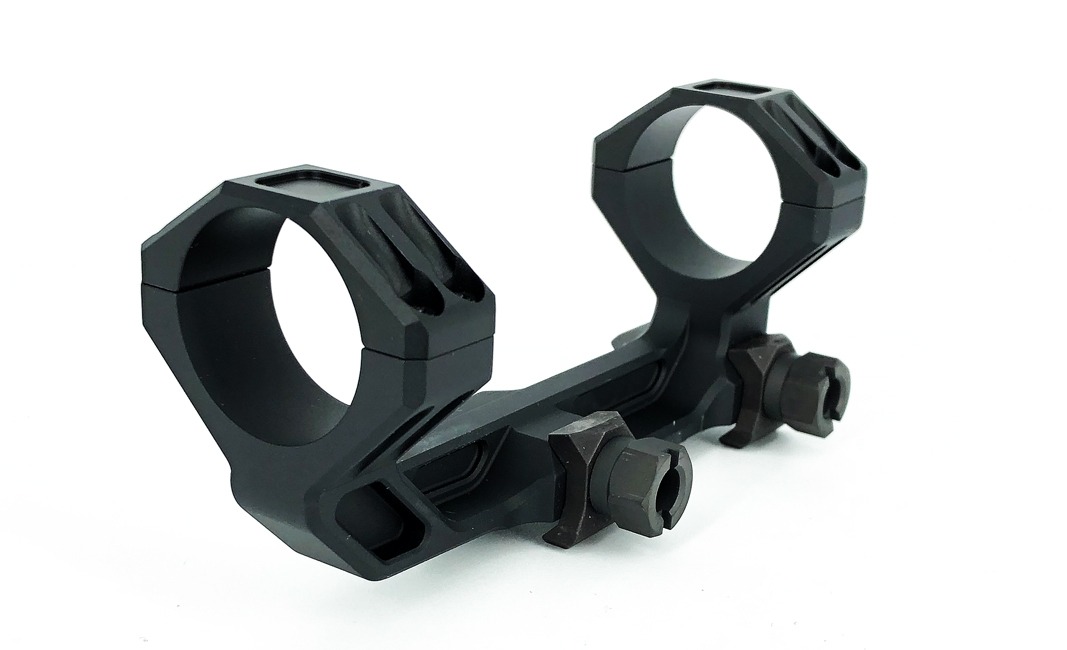
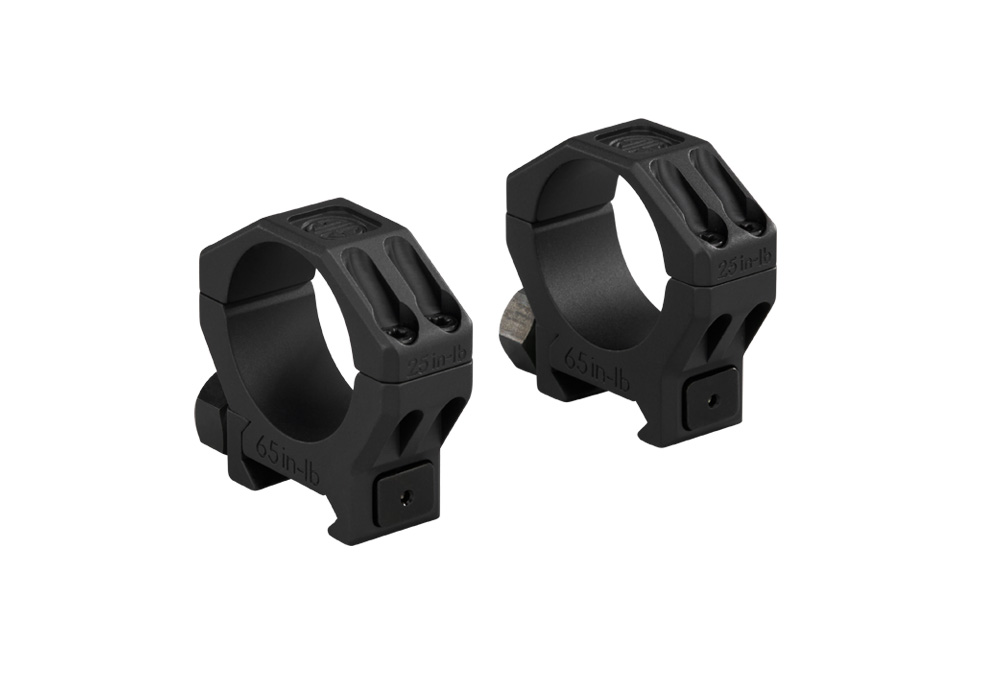
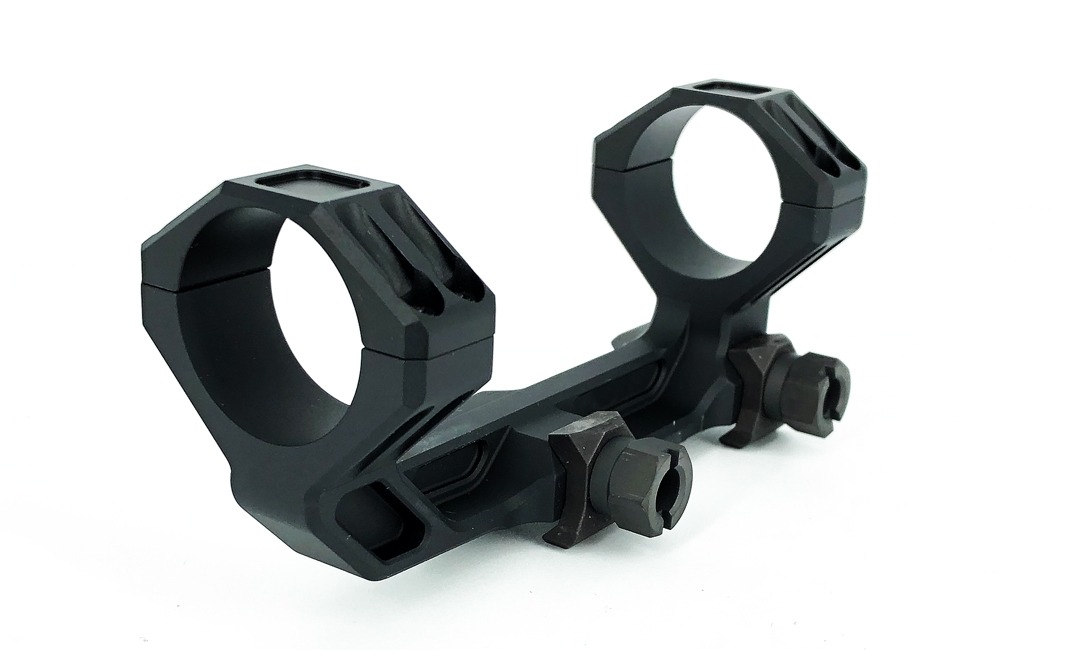
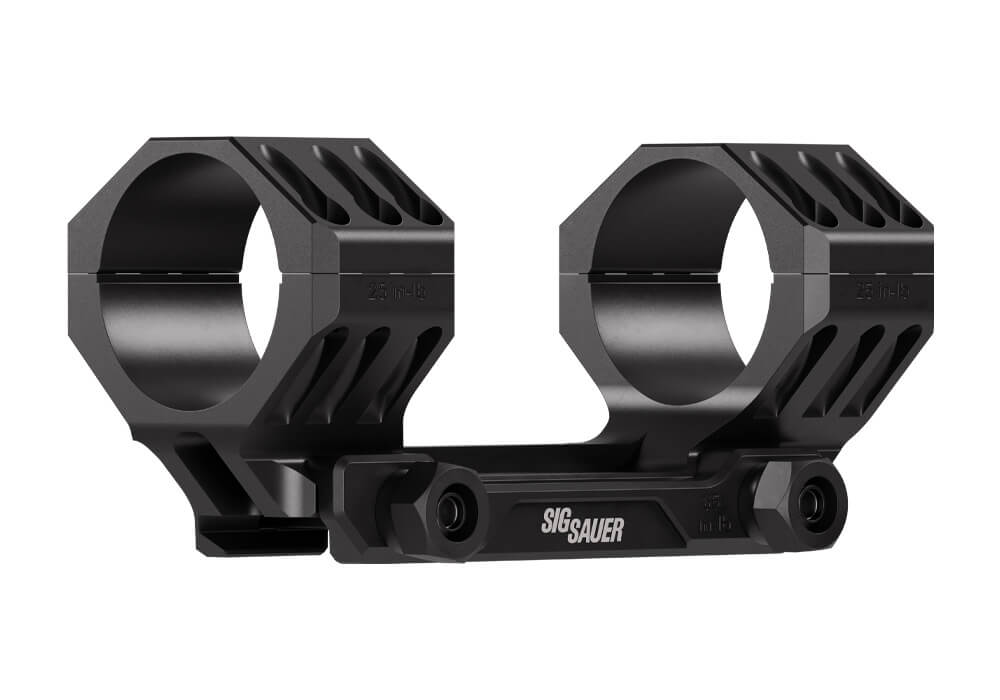
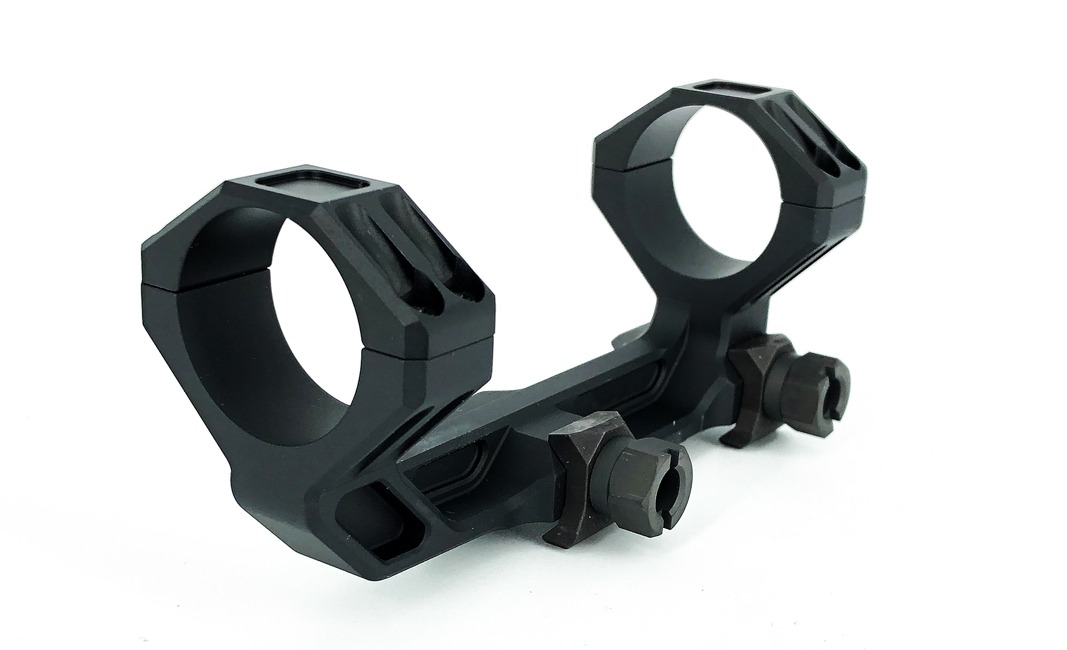
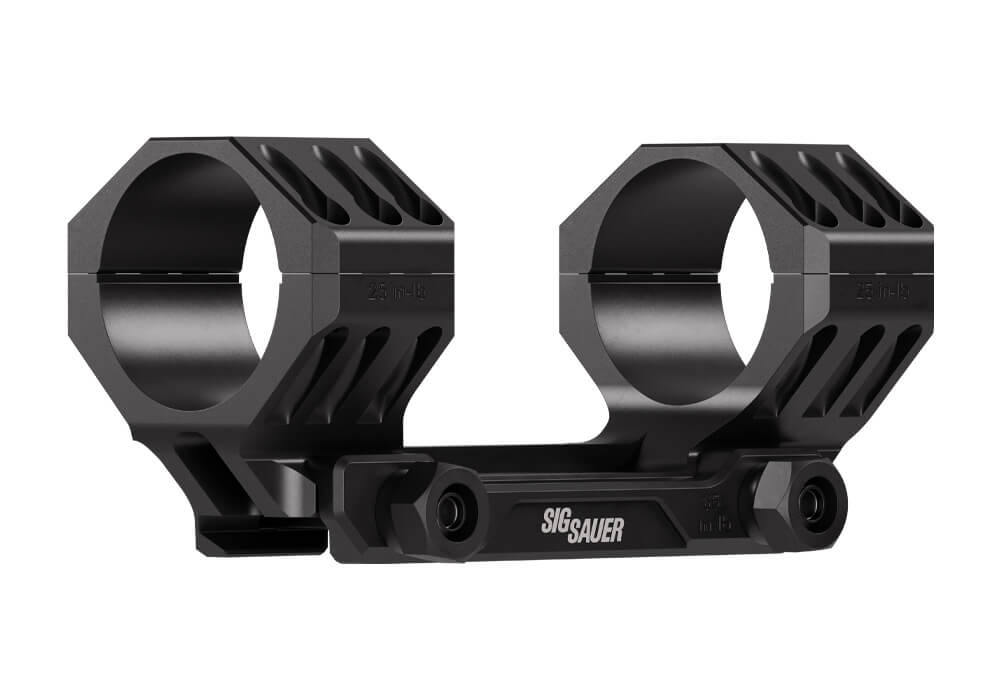
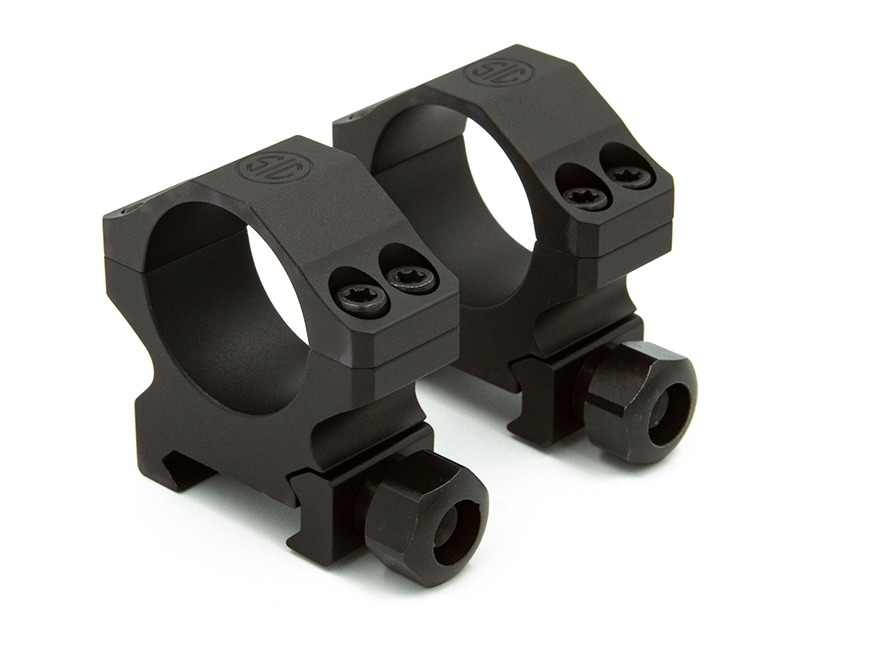
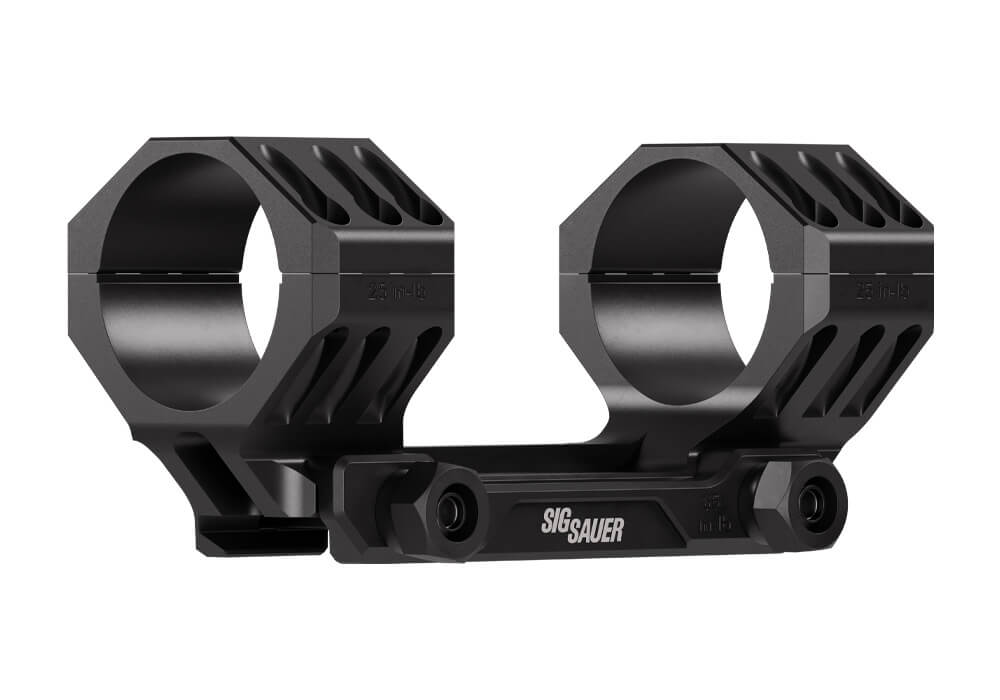
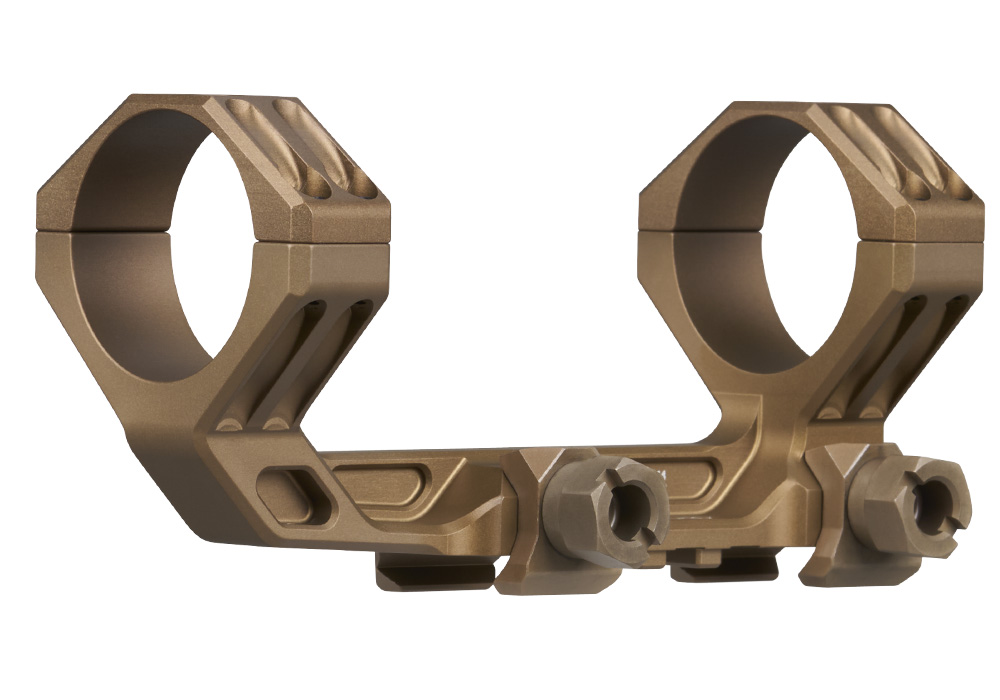
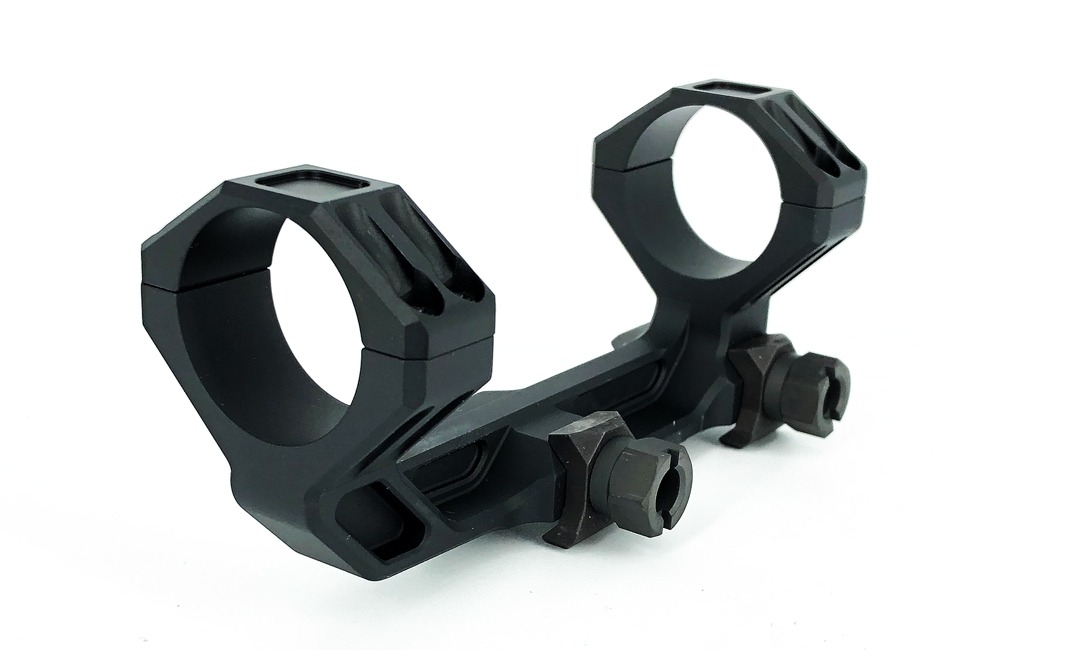
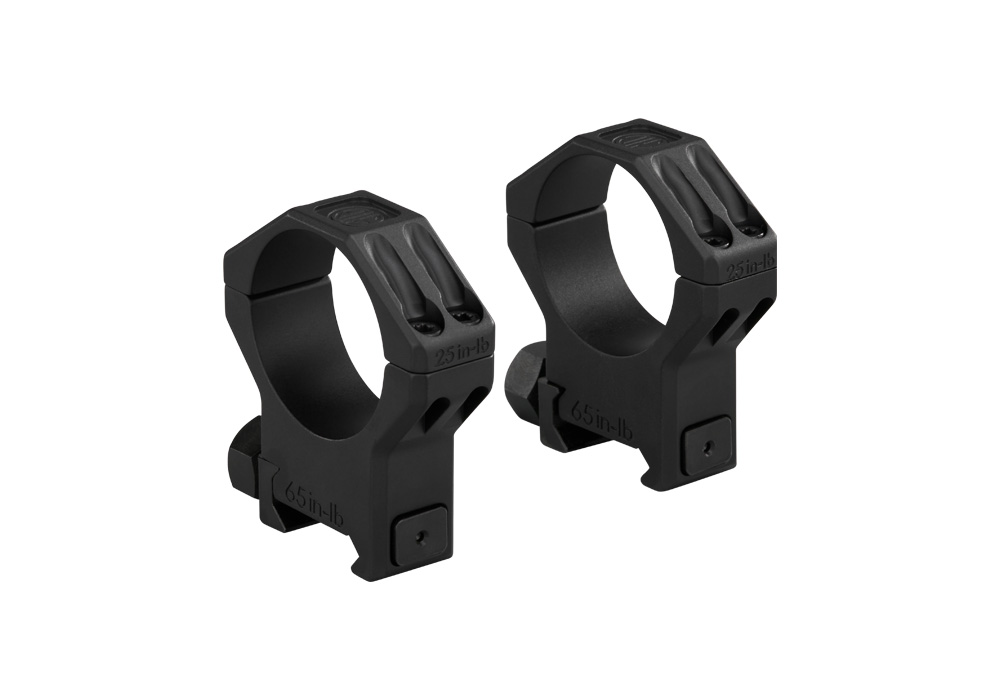
Durable aluminum scope mounts provide a lightweight, rigid connection between a rifle and its optic, helping maintain a consistent relationship between the scope and the firearm through routine handling and recoil. Their appeal comes from balancing strength, weight, and practical dimensions: a mount needs enough structural support for its intended application without adding unnecessary bulk above the receiver. Aluminum alloys such as 6061-T6 and 7075-T6 are common in scope-mount construction, although alloy designation alone does not establish overall durability. The shape of the mount, the thickness of critical sections, the quality of machining, and the design of the fasteners all contribute to performance. Well-finished contact surfaces and accurately formed ring bores help support the scope tube evenly, while a secure rail interface provides a stable foundation. An anodized finish can improve surface hardness and corrosion resistance, but it does not make the mount immune to scratches or wear. A low-glare finish also keeps the assembly visually unobtrusive and complements the understated appearance of many rifle setups. One-piece mounts combine the rings and base into a single structure, offering a unified platform with fixed spacing between the rings. Separate aluminum rings offer more flexibility in positioning when the rifle’s mounting arrangement and the scope’s usable tube length permit it. Neither format is automatically the better choice; suitability depends on the rifle, optic, and intended use. For a hunting rifle carried over long distances, reducing unnecessary weight can matter as much as keeping the assembly compact. For a rifle used primarily at the range, sufficient clearance, comfortable viewing position, and straightforward access to controls may take priority. In either setting, durable construction means more than a substantial appearance. It means a mount whose materials, dimensions, and attachment system suit the demands placed on it, with clear specifications that help shoppers distinguish between options rather than relying on weight or finish alone.
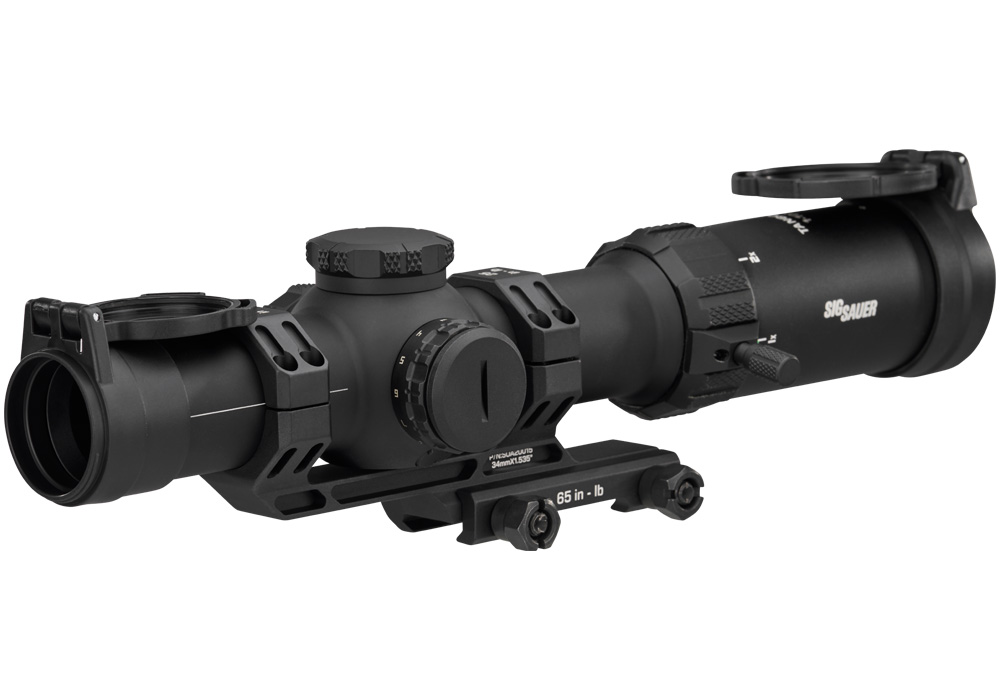
Fit begins with the scope tube diameter and the rifle’s mounting interface. A 1-inch tube, a 30mm tube, and a 34mm tube require corresponding ring dimensions; these measurements are not interchangeable, and the objective lens diameter is a separate specification. For optics with a 34mm main tube, Aluminum 34mm Scope Mounts provide a focused category for comparing compatible mounting options. Rail compatibility deserves the same attention. Picatinny and Weaver-style interfaces can look similar, but differences in slot dimensions and mount hardware mean that compatibility should be confirmed rather than assumed. Some mounts accommodate more than one interface, while others are intended for a particular rail or receiver arrangement. Mount height is another important consideration, especially because manufacturers may measure it from different reference points. The dimensions of the objective housing, clearance above the barrel or handguard, space for protective lens covers, and the shooter’s natural head position all affect whether a mount is suitable. The lowest possible mount is not necessarily the most comfortable one, and a taller mount is not automatically more versatile. On a traditional rifle stock, excessive height can leave the shooter lifting away from the cheekpiece to see through the optic. On a rifle with a different stock and receiver layout, additional height may be appropriate. Fore-and-aft positioning matters as well: the scope should fit within the available mounting space while allowing the viewing position specified for that optic. A cantilever design extends the ring positions forward relative to its attachment area, which can help accommodate certain rifle layouts without treating every platform as identical. Ring spacing must also suit the scope’s straight tube sections without interfering with the adjustment housing or other features. Practical details such as access to the bolt handle, loading area, and scope controls deserve attention before selecting a configuration. Shoppers comparing aluminum scope mounts benefit most from complete dimensional information, including tube size, interface type, height reference, overall length, and intended platform compatibility. Those specifications tell more about fit than broad descriptions such as compact, tactical, or lightweight.
Long-term durability also depends on how the mount is handled and maintained after purchase. Aluminum is well suited to equipment that needs to remain manageable during transport, but its surface finish and threaded connections still deserve care. Dust, grit, and residue can collect around ring edges, fastener recesses, and rail contact areas, so routine cleaning should follow the mount manufacturer’s recommendations and avoid abrasive tools or incompatible chemicals. A finish that looks clean is not a substitute for checking the condition of the attachment hardware. Manufacturer-specified installation practices and torque requirements help protect both the mount and the scope tube; excessive tightening is not a dependable shortcut to a stronger assembly. If compatibility or installation is uncertain, a qualified professional can evaluate the components together. Periodic inspection is especially sensible after extensive transport, repeated use, or a noticeable impact, with attention to movement, damaged hardware, and changes in the fit of the assembly. Protective cases can limit contact with other equipment, and storage arrangements should avoid placing unnecessary pressure on the optic or mount. These habits are relevant whether the rifle spends most of its time on a range bench or travels regularly in a vehicle to a permitted hunting area. Recreational target shooters may value an aluminum mount that keeps their setup straightforward and comfortable during a full practice session. Hunters often appreciate a balance of manageable weight, secure attachment, and proportions that do not complicate carrying the rifle. Experienced enthusiasts assembling a new setup may focus on precise dimensional compatibility, while someone replacing an older mounting arrangement may prioritize a simpler interface or better clearance. Aluminum scope mounts can also be a thoughtful gift for a shooting-sports enthusiast, provided the recipient’s rifle interface, scope tube size, and preferred configuration are known in advance. The most useful choice is rarely the one with the most imposing profile or the longest list of descriptive claims. It is the mount that fits the actual equipment, supports the intended use, and remains practical to inspect and care for over time. Clear specifications, sound construction, and an appropriate fit give durable aluminum scope mounts their lasting value as a foundational part of a compatible rifle-and-optic setup.