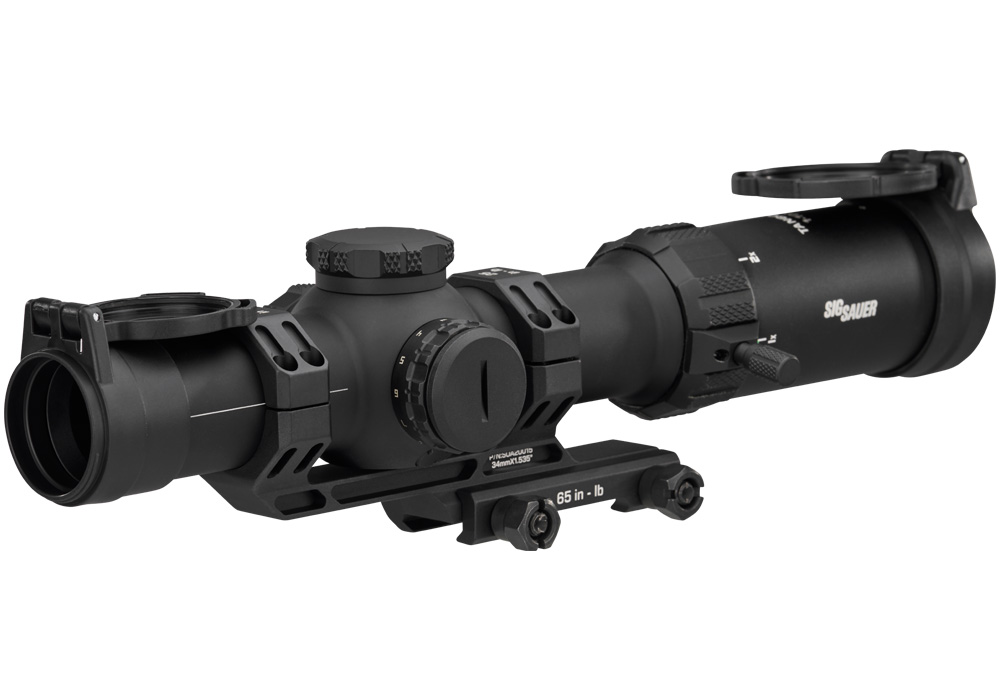
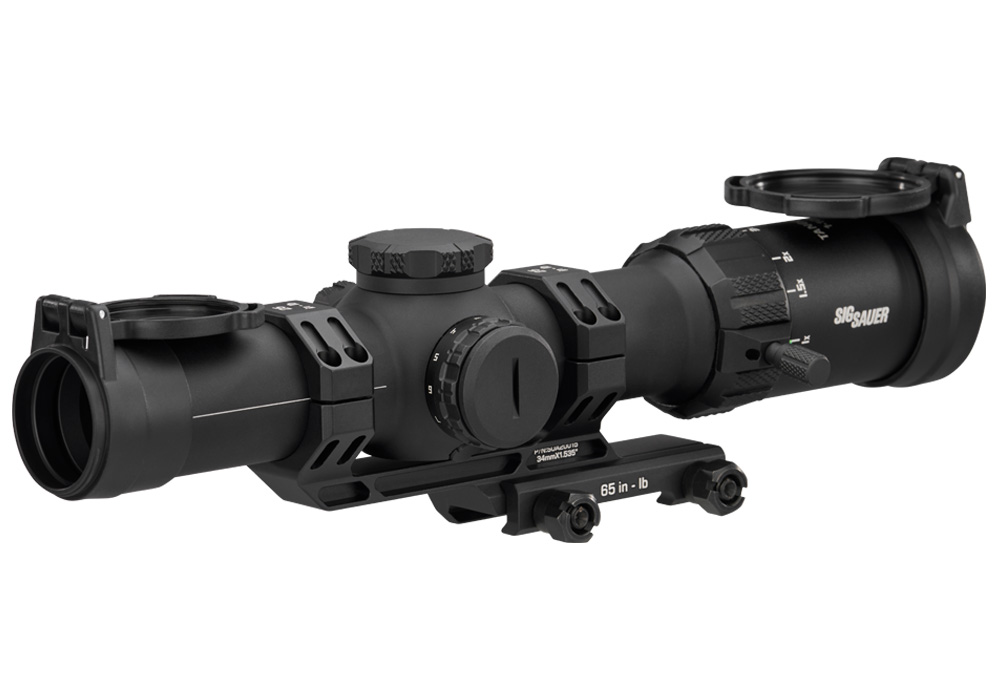
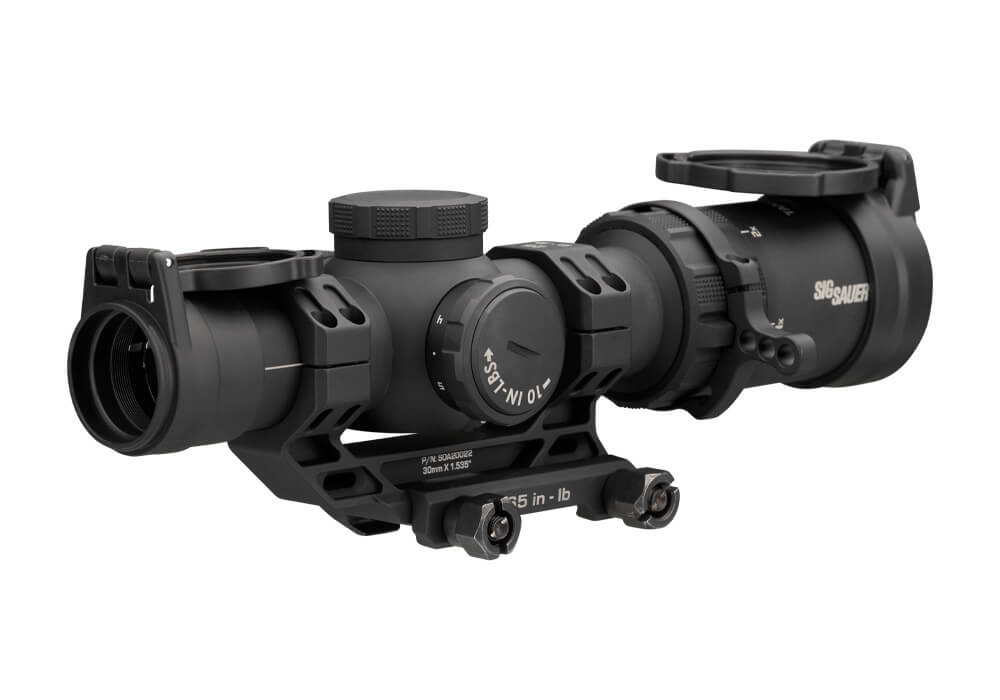
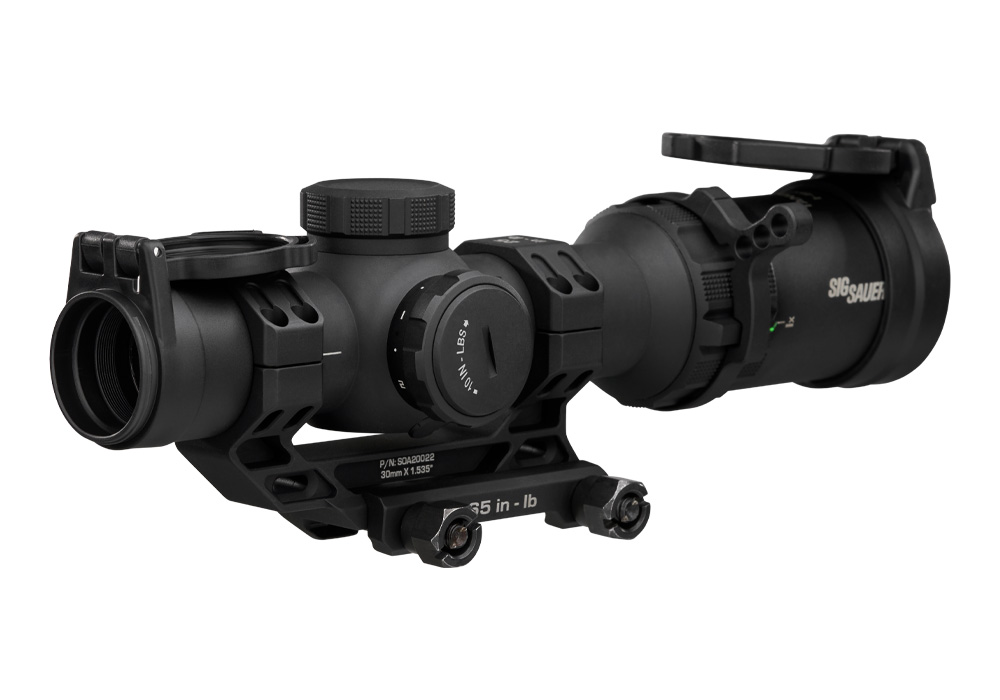
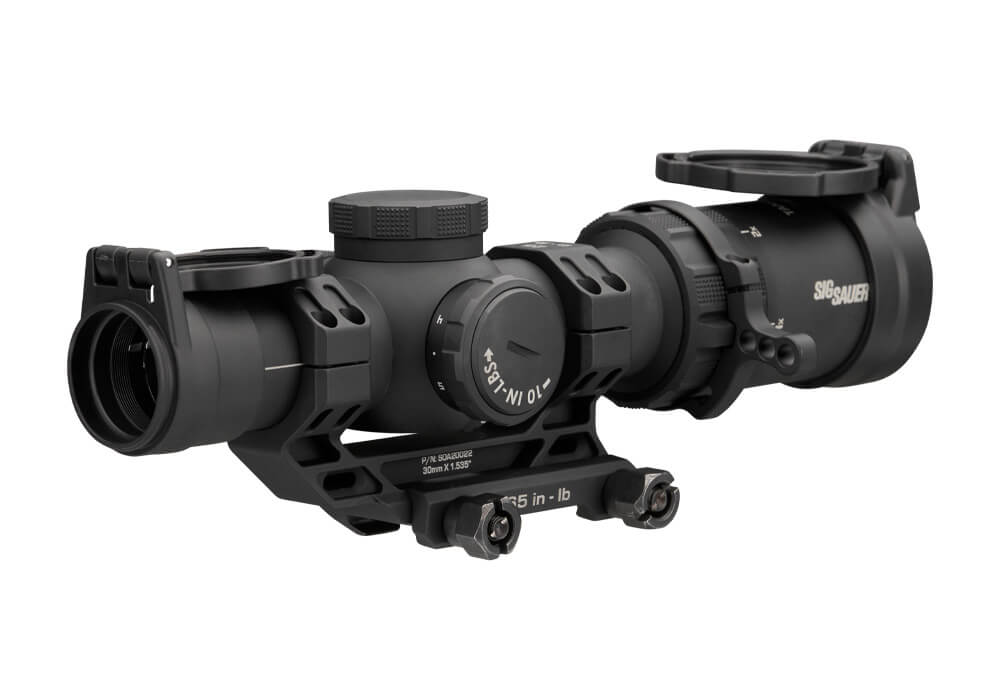
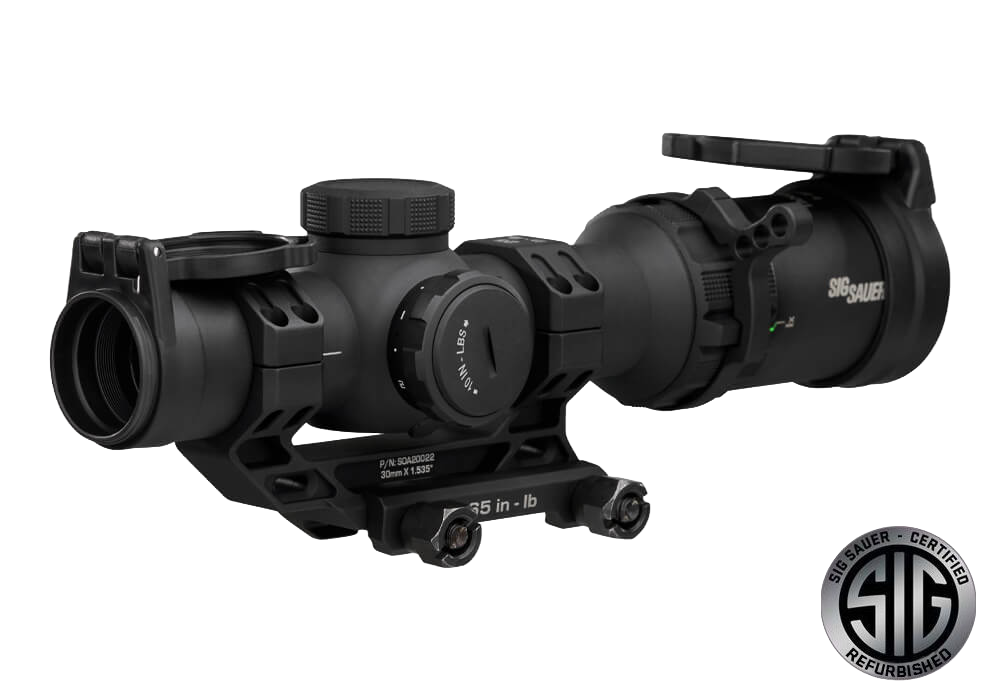
Rifle scopes with aluminum mounts pair an optical sight with lightweight hardware that secures it to a compatible firearm. The scope supplies the magnified view and aiming reference, while the mount establishes the connection between the optic and the rifle. Aluminum is a common choice for this hardware because it offers a useful balance of strength, weight, and corrosion resistance. Compared with steel hardware of similar dimensions, an aluminum rifle scope mount can reduce the weight carried above the receiver, an advantage on a hunting rifle carried over long distances or a target rifle handled through repeated practice sessions. That benefit depends on the complete setup: the scope, mount, rifle, and accessories all contribute to balance. High-strength aluminum alloys, precise machining, and protective finishes can support durable performance, but material alone does not determine how securely an optic stays positioned. Ring alignment, base design, fastener quality, and compatibility with the firearm also matter. Anodized surfaces help protect the underlying aluminum from wear and corrosion, while smooth contact surfaces and consistent dimensions contribute to a secure fit. For a hunter carrying a rifle on a sling, reduced bulk can make the equipment less cumbersome without sacrificing the magnification needed for careful observation. For a recreational target shooter, a well-matched scope and mount can create a comfortable, repeatable sight picture from the bench or a supported shooting position. The optic itself deserves equal attention. Magnification range, objective lens size, reticle design, eye relief, and adjustment features influence how naturally the scope fits its intended use. Lower magnification generally offers a wider view, while higher magnification can help reveal finer target detail. Neither is automatically better; the useful choice depends on typical distances, target size, and shooting conditions. A balanced rifle scope setup brings those optical characteristics together with mounting hardware that supports the scope without unnecessary weight or interference.
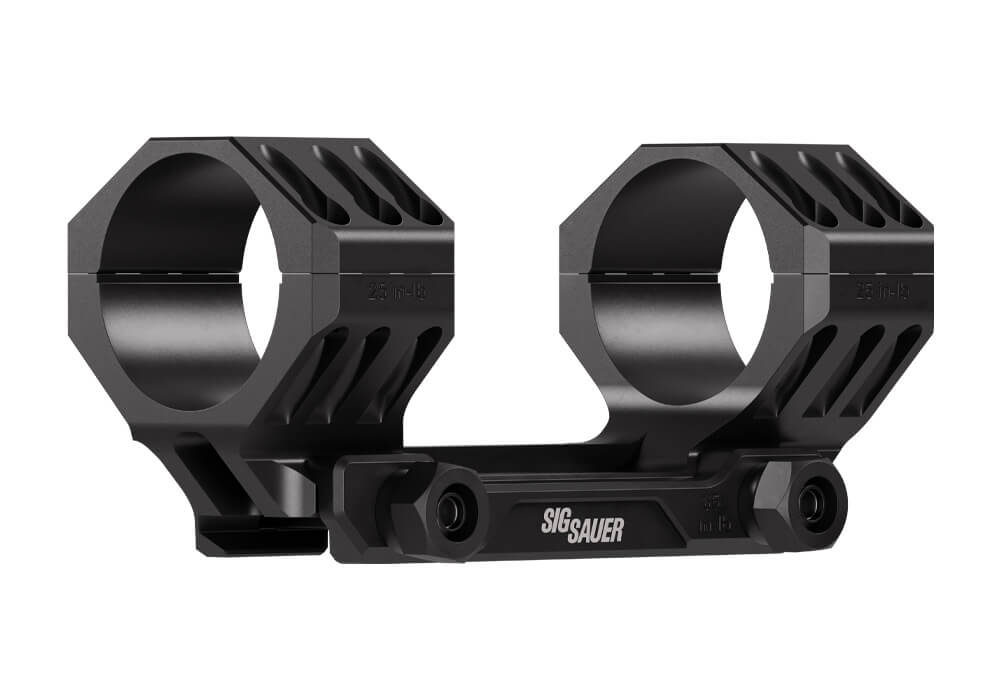
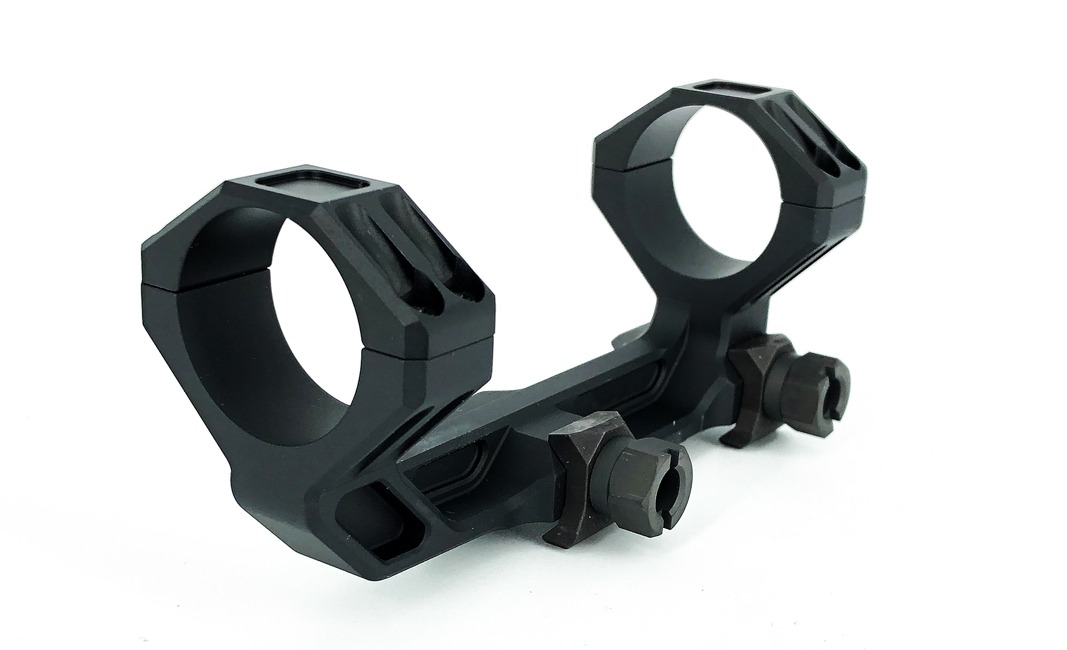
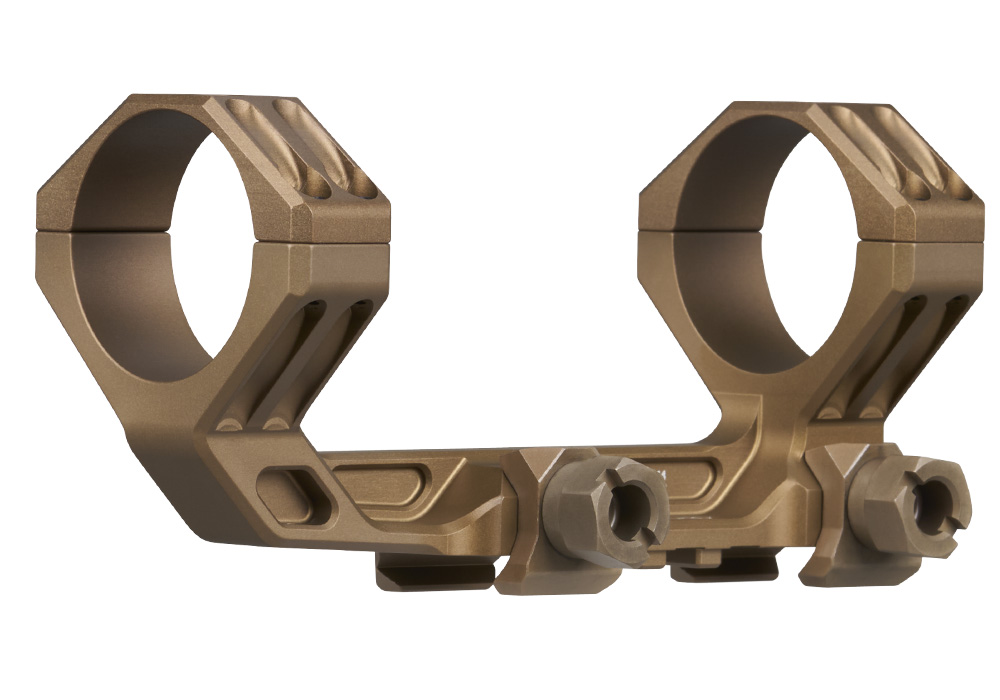
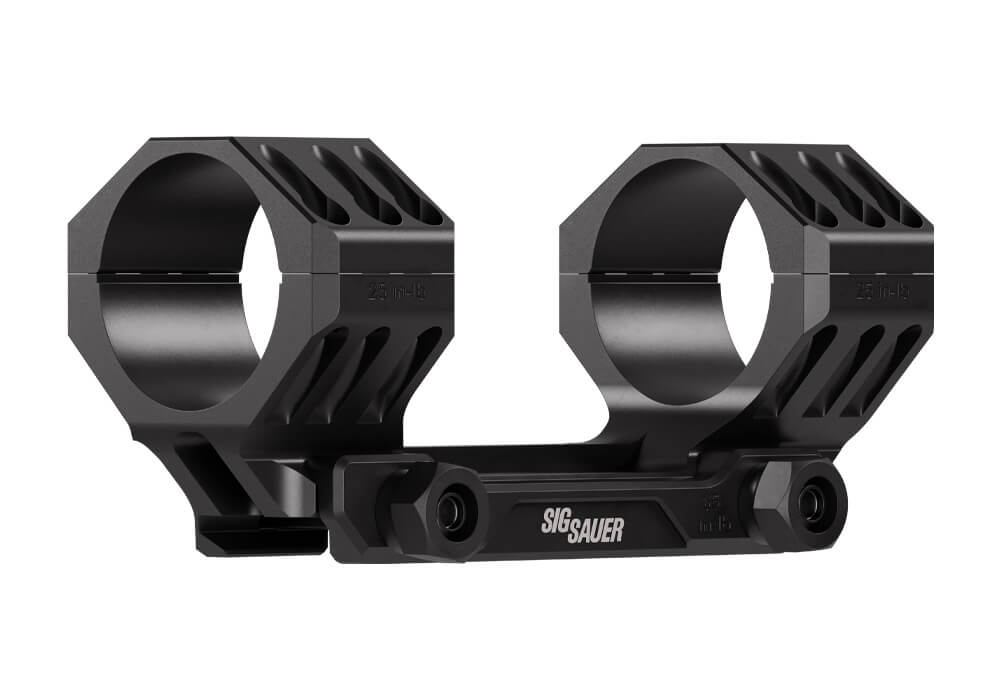
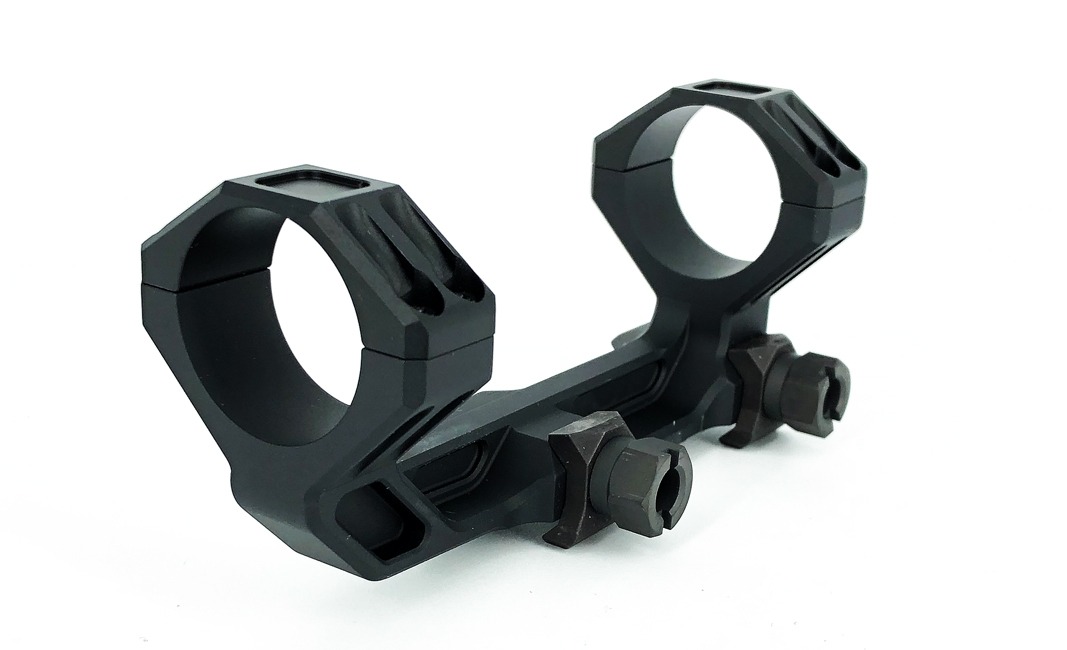
Fit is the defining consideration for aluminum scope mounts, even when two designs look nearly identical at a glance. Scope tube diameter and ring diameter must match, and the mounting interface must be compatible with the rifle’s rail or base. Picatinny-style interfaces are common, but visually similar attachment systems should not be assumed interchangeable without checking their specifications. Mounting height also affects more than appearance. The objective housing needs adequate clearance above the barrel or handguard, while the scope’s position should allow a natural cheek placement on the stock. A mount that positions the optic too high can leave the shooter lifting the head away from the stock; one that sits too low may create clearance problems or an uncomfortable viewing position. Eye relief, the distance between the eye and the eyepiece that allows a full sight picture, is another part of that relationship. The right fore-and-aft position helps the shooter see through the scope comfortably without stretching toward it or crowding the eyepiece. One-piece mounts keep both rings on a shared base, and cantilever designs extend the scope’s position forward when the receiver layout calls for additional positioning room. Separate rings offer a different arrangement and can suit rifles with compatible bases spaced along the receiver. Neither format is universally superior. The rifle’s dimensions, the scope’s tube length, and the available mounting surface determine which arrangement makes sense. Clearance around the bolt handle, controls, and other components remains important, especially on a rifle that already has accessories installed. A stable mounting system should hold the optic consistently under the recoil associated with its intended firearm, with suitability established by the hardware manufacturer rather than assumed from appearance. Return-to-zero performance on removable mounts likewise depends on the design and installation; removing and reinstalling an optic should not be treated as a guarantee of unchanged alignment. For shoppers comparing rifle scopes with aluminum mounting hardware, compatibility specifications are more useful than a rugged-looking profile alone. A compact mount can be appropriate for one setup and unsuitable for another, even when both scopes share the same tube diameter.
Long-term satisfaction with an aluminum-mounted rifle scope comes from how well the complete system suits the person using it and how consistently it is cared for. Hunting applications often favor manageable weight, a practical magnification range, and controls that remain easy to reach without disrupting a comfortable hold. Target shooters may place greater emphasis on reticle visibility, repeatable adjustments, and a mounting height that works with their preferred shooting position. Someone who spends most range sessions at a bench may value a different configuration from someone who carries a rifle extensively, even if both want clear optics and dependable alignment. A matching set of Aluminum Firearm Mounts can support a scope chosen separately, provided the tube diameter, rail interface, and mounting height align with the rifle. Routine care helps preserve both the finish and the mechanical connection. Grit around mounting surfaces can contribute to wear, and residue from handling can collect around rings, clamps, and fasteners. Cleaning methods should suit the optic’s coatings and the mount’s finish, with lens-safe materials reserved for glass and manufacturer-approved products used where appropriate. Abrasive tools and aggressive solvents can damage protective surfaces, so care recommendations deserve the same attention as fit specifications. Fastener checks and any necessary servicing should follow the manufacturer’s guidance; excessive tightening is not a substitute for correct installation and can harm the scope tube or hardware. Protective storage and transport also help limit unnecessary contact with other equipment. An aluminum-mounted scope can be a thoughtful gift for an experienced hunter or target shooter when the recipient’s rifle interface, preferred optic dimensions, and intended use are already known. Without that information, compatibility is difficult to judge from looks alone. The most useful setup is not simply the lightest or the most substantial-looking option. It is the one that combines suitable optics, correctly matched hardware, comfortable positioning, and durable construction in a system the shooter can use confidently over repeated outings.