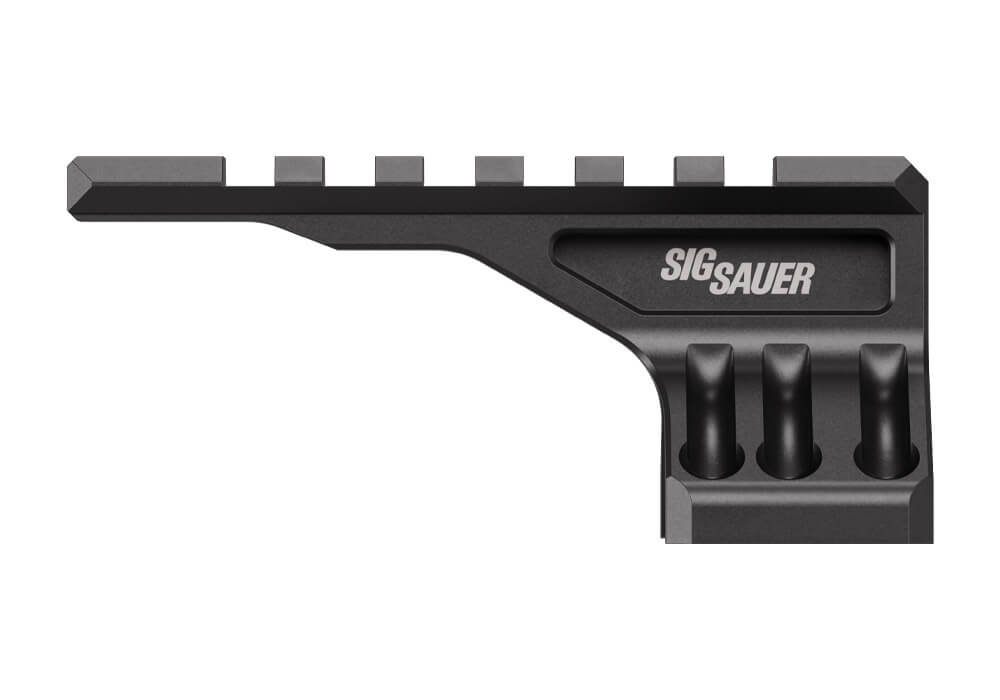
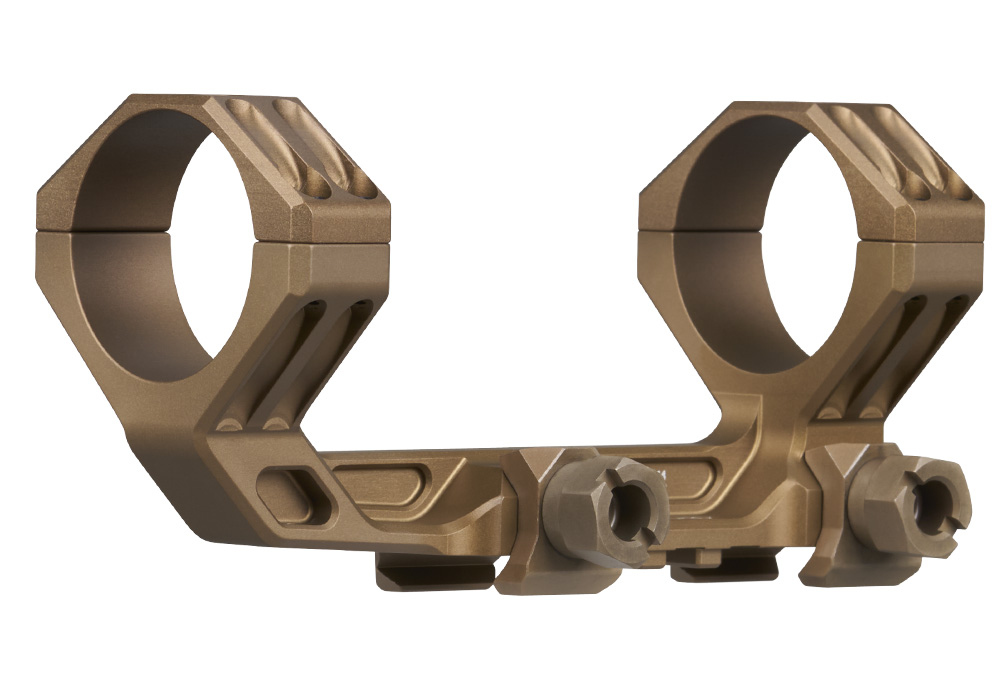
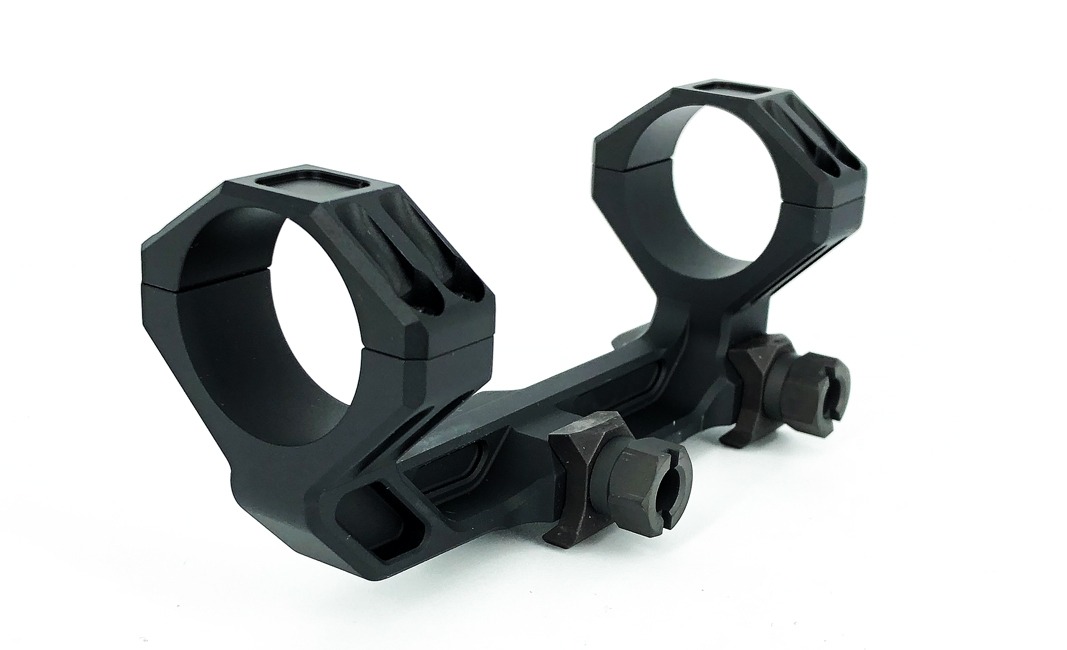
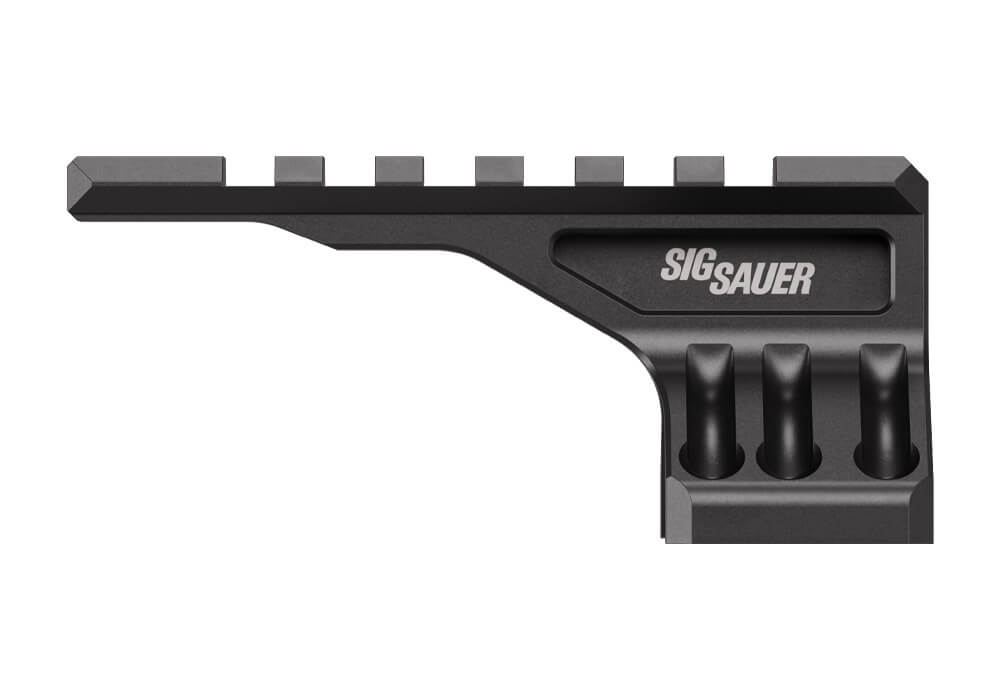
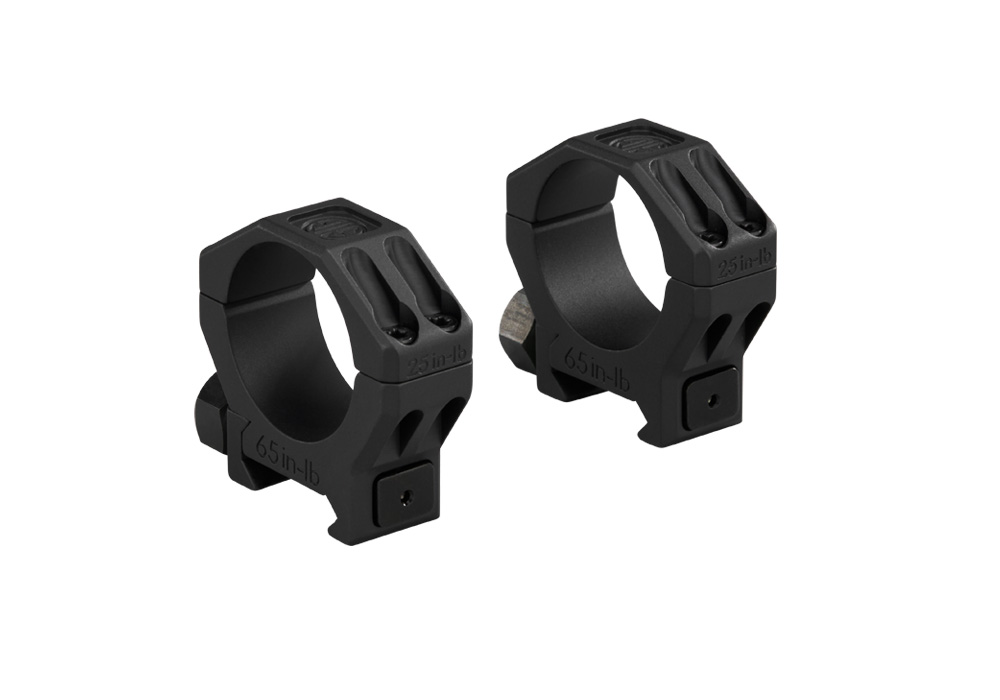
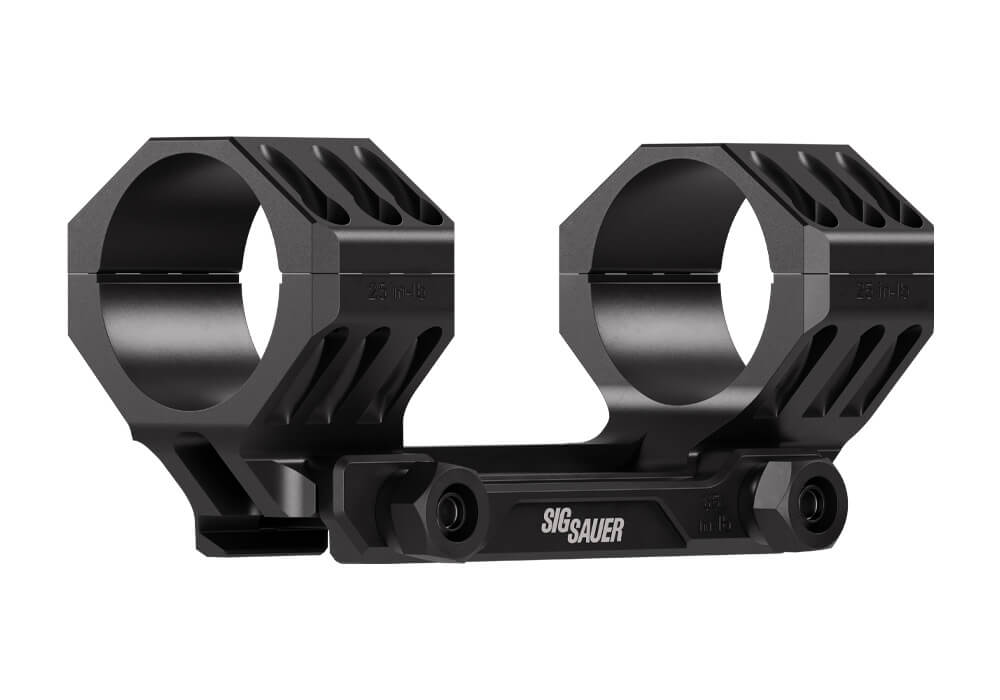
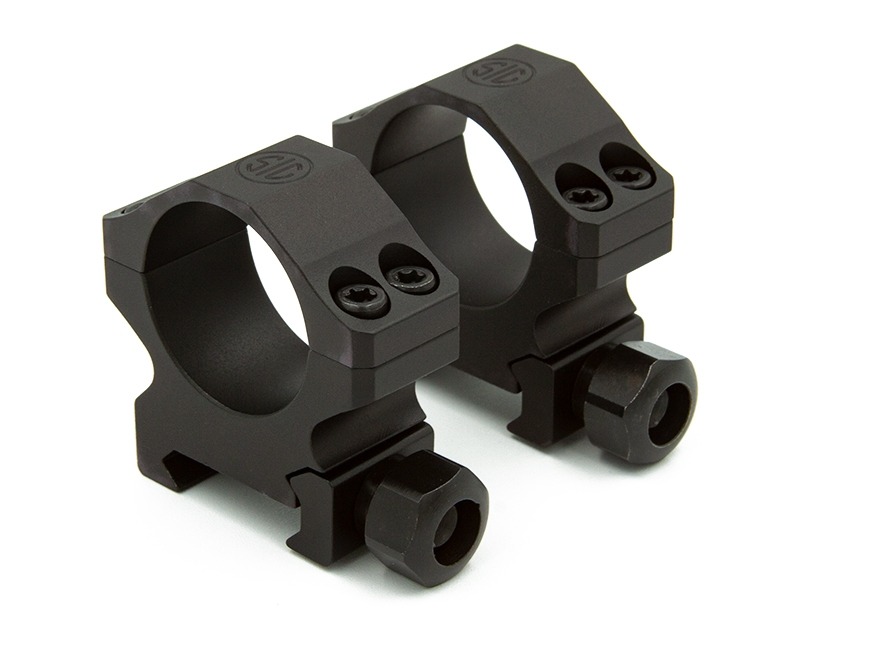
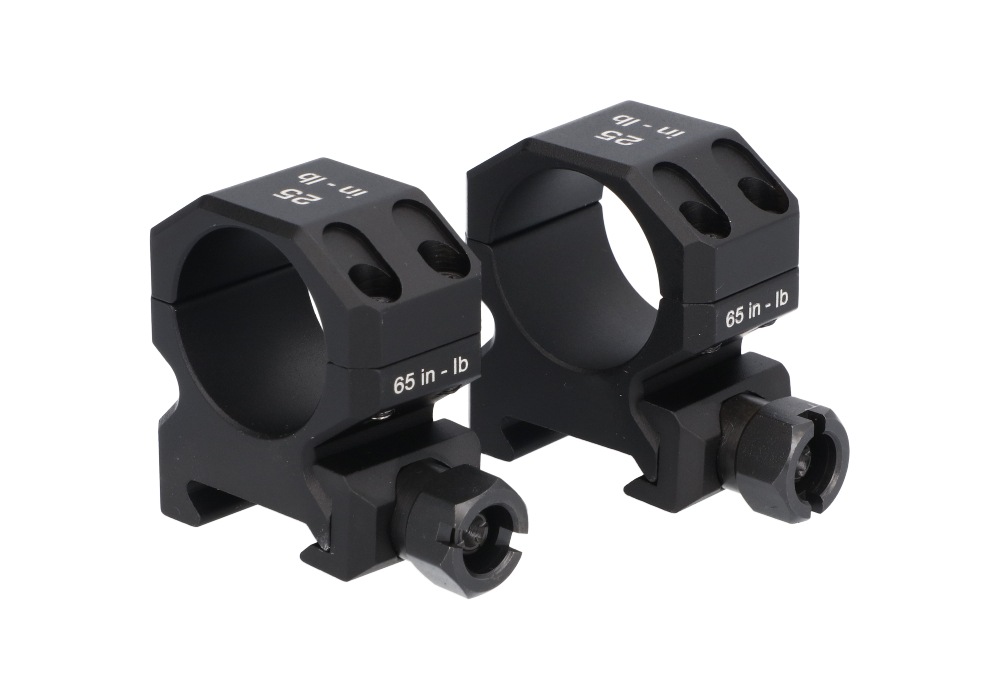
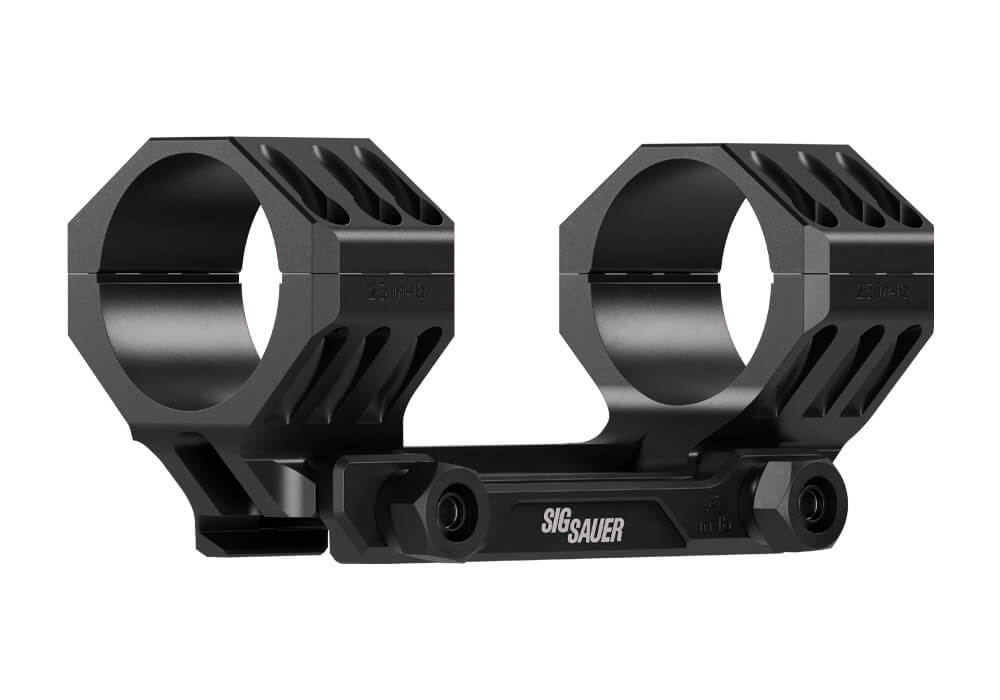
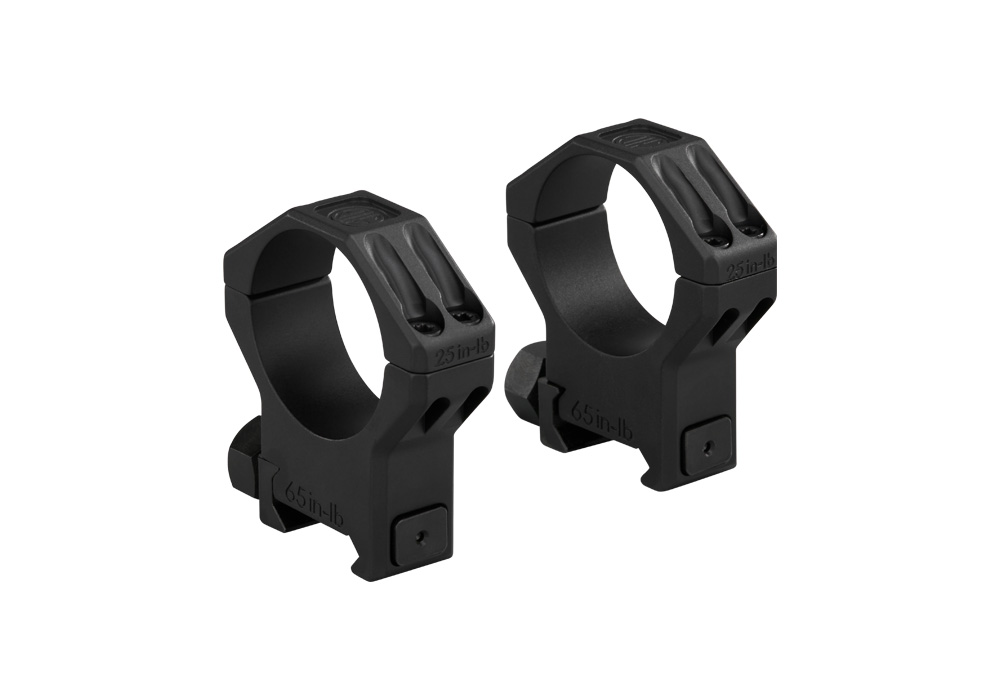
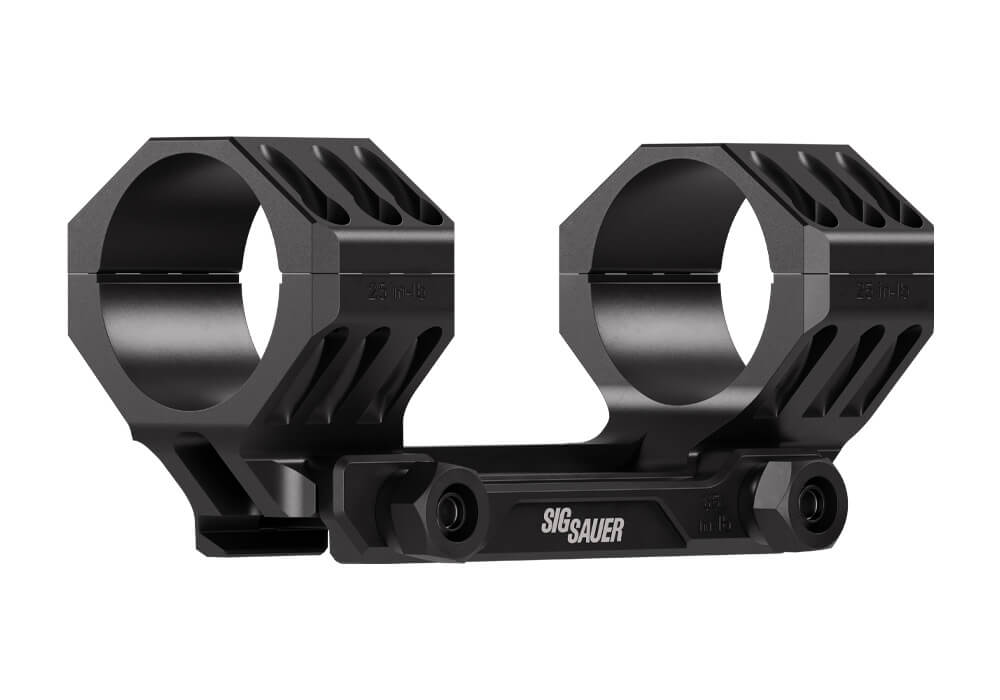
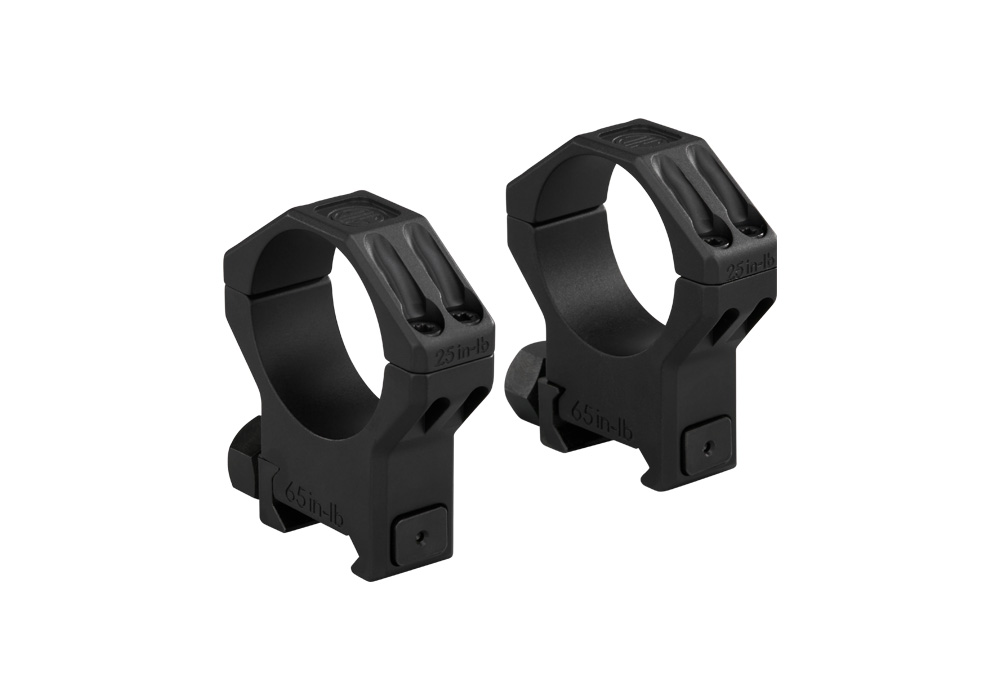
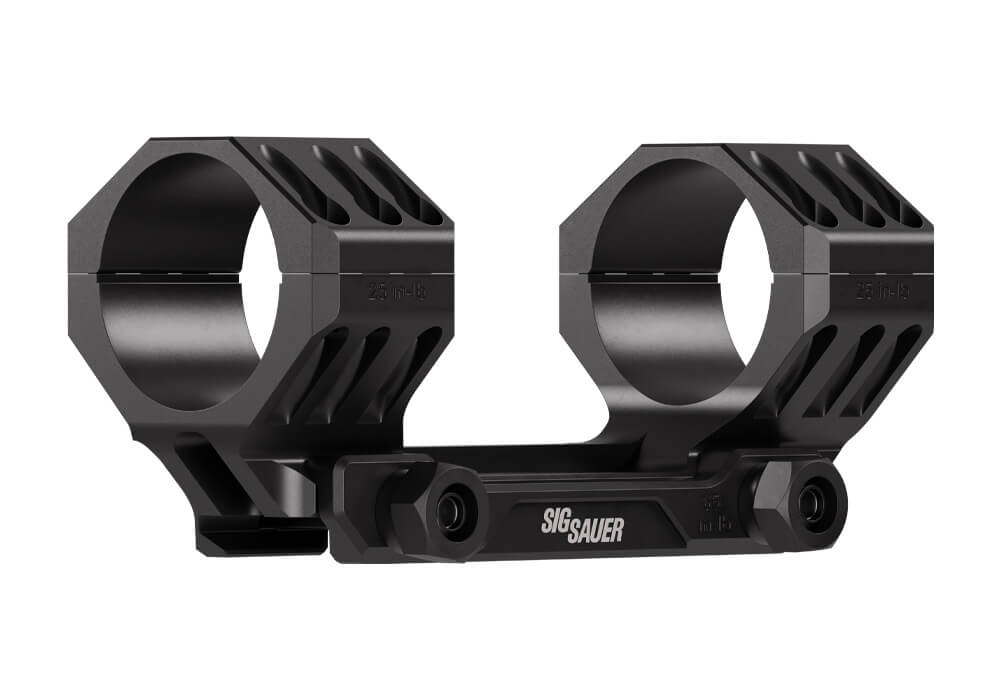
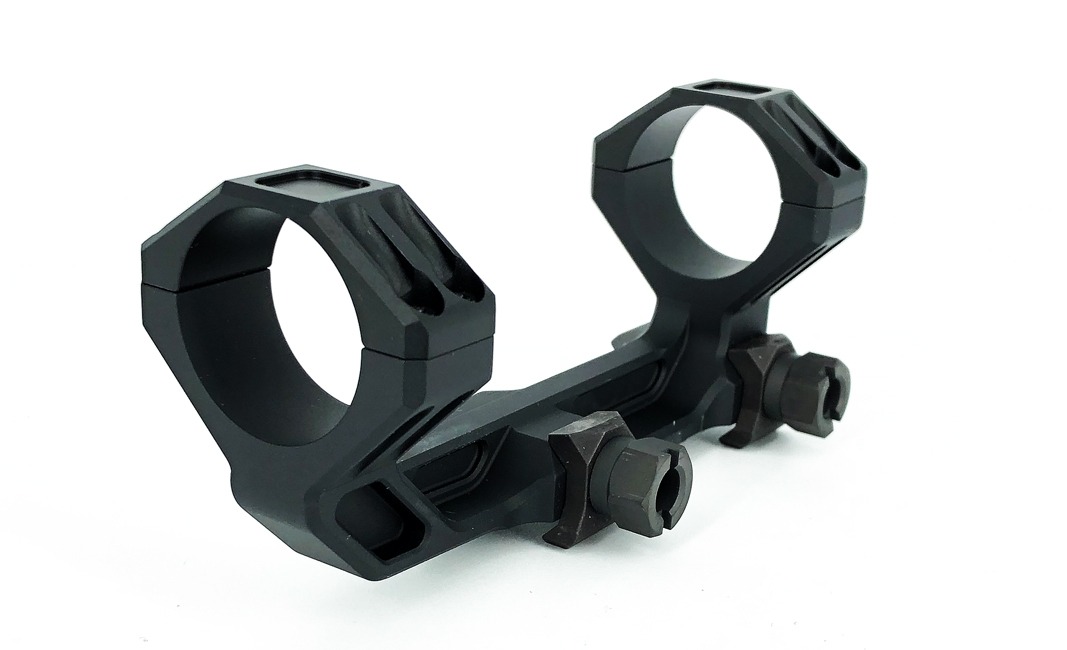
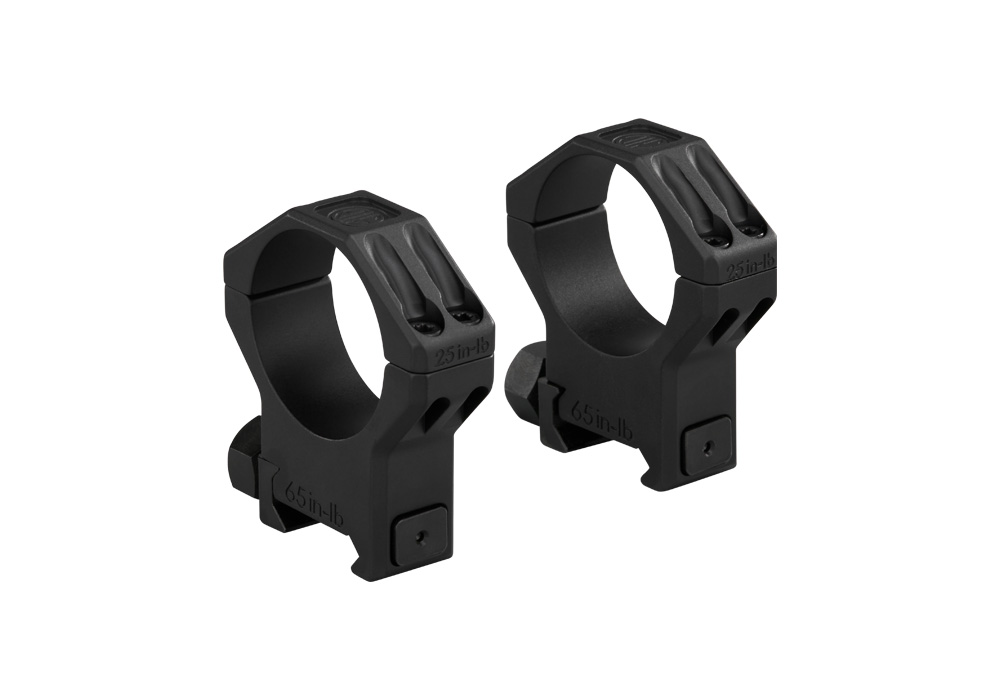
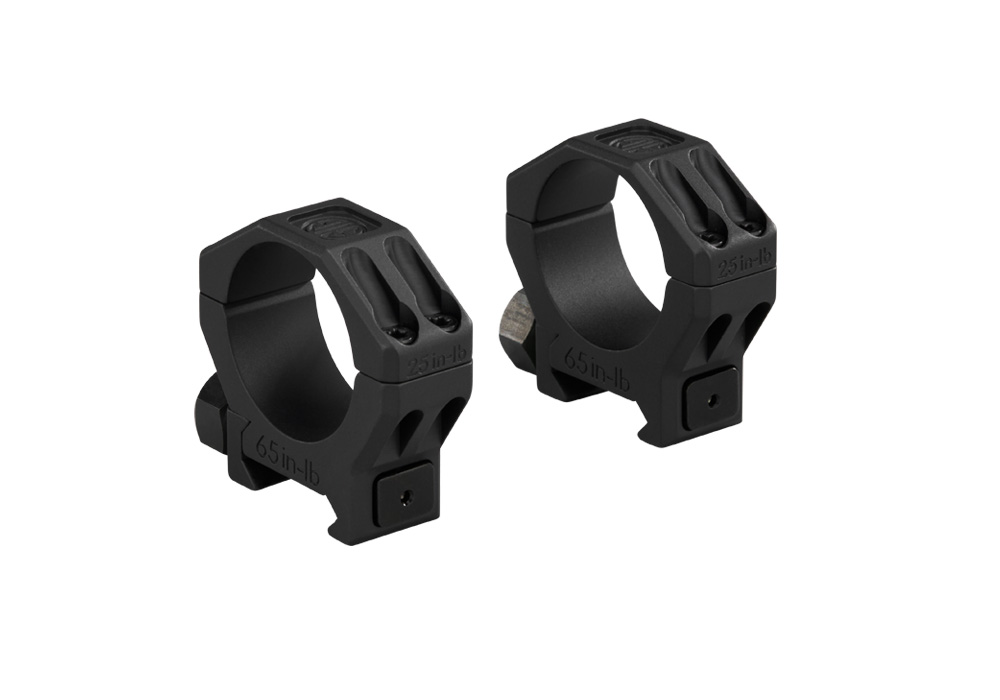
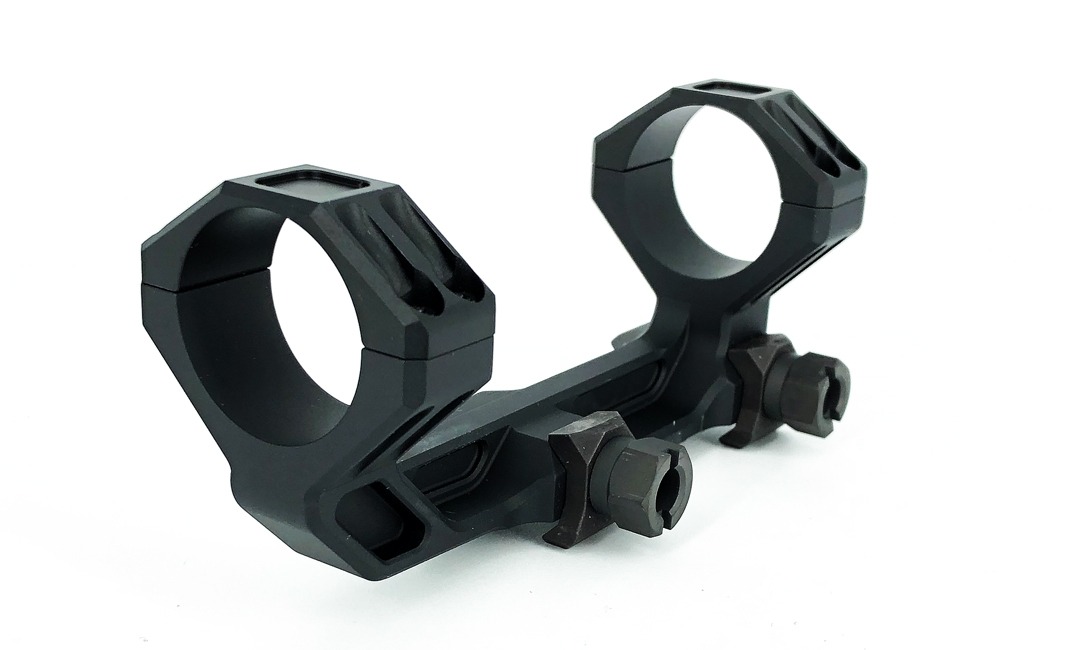
Aluminum tactical scope ring sets provide a practical way to secure a rifle scope to a compatible rail while keeping the overall optic setup streamlined and manageable. Built for use with common Picatinny or Weaver-style mounting systems, these rings are typically machined from lightweight aluminum alloys such as 6061-T6 or 7075-T6 and paired with durable steel fasteners for dependable clamping strength. The result is a mounting solution that can reduce unnecessary weight without sacrificing the stability needed for a properly installed optic. That balance matters in the field, where a rifle may be carried over uneven ground, positioned from a pack or shooting rest, and handled repeatedly during transport. A well-matched ring set helps keep the scope aligned with the rifle and supports consistent performance when the setup is used for range practice, hunting, competition, or responsible recreational shooting. Aluminum tactical scope ring sets are especially useful for shooters who want a clean, purpose-built appearance and a secure connection between the optic and firearm. They can also be a thoughtful gift for a rifle owner who has upgraded to a new scope, assembled a new platform, or is refining an existing setup. Since ring sets are available in several tube diameters and heights, checking the intended scope and rail before purchasing is essential. Common scope tube sizes include 1 inch, 30mm, and 34mm, and the ring diameter must match the scope tube exactly. A ring that is too small will not fit, while one that is too large cannot provide the correct grip. Matching the mounting system is equally important: rings intended for a Picatinny rail may not be the right choice for every base or receiver, and Weaver-style interfaces can differ in dimensions and cross-slot geometry. Confirming compatibility before ordering helps avoid delays and makes installation more straightforward.
Ring height is another important consideration because it determines how the scope sits above the rifle and how comfortably the shooter can establish a consistent cheek weld. Low-profile rings are often suitable for scopes with smaller objective lenses and rifles with ample clearance around the barrel, while medium and extended-height options may be needed for larger objective lenses, heavier barrels, or rifles with additional accessories near the receiver. The goal is generally to position the scope as close to the bore as practical while leaving enough room for the objective bell, adjustment turrets, lens covers, and any other components. A scope that sits too low may contact the barrel or prevent proper operation of the rifle, while one mounted unnecessarily high can make the stock feel less natural against the shoulder. Before selecting a set, compare the scope’s objective diameter, the rifle’s receiver and barrel profile, the rail configuration, and the height of any installed accessories. It is also worth considering how the rifle will be used. A lightweight aluminum set may appeal to hunters and backcountry users who count every ounce, while a competition shooter may prioritize repeatable installation, clean machining, and hardware designed for regular inspection. For a general-purpose range rifle, a durable set in the correct height can offer a balanced combination of weight, strength, and ease of use. During the cooler months, when rifles may move between a warm vehicle, a cold range, and a padded case, careful attention to fastener condition and mounting security remains valuable. Temperature changes, repeated handling, and vibration from transport can make routine checks a worthwhile part of responsible equipment care. Always follow the ring manufacturer’s recommended torque specifications, use the correct tools, and verify that the scope is firmly seated without over-tightening the fasteners. Proper installation protects the scope tube, helps maintain alignment, and gives the shooter greater confidence in the complete optic system. For shoppers comparing complete optic setups, exploring Aluminum Mount Rifle Scopes can also provide useful context when considering how a scope and mounting solution work together.
The best aluminum tactical scope ring set is the one that fits the scope, rail, rifle, and intended use without forcing compromises. Start with the scope tube diameter, then confirm the rail style and select a height that provides safe clearance for the objective bell and barrel. Pay attention to the ring’s clamping design, cross-bolt dimensions, fastener arrangement, finish, and the manufacturer’s stated installation guidance. Precision-machined surfaces can help promote consistent contact, while a robust cross-bolt and properly secured hardware help keep the rings anchored to the rail. A matte finish is often chosen for a subdued appearance that complements a practical rifle setup, and a compact design can help preserve access to the rifle’s controls and nearby accessories. Shooters who frequently change optics may value a ring set that is simple to remove and reinstall, while those who keep one optic dedicated to one rifle may focus more heavily on long-term durability and a secure, repeatable fit. An aluminum set can also be appealing when a rifle already carries a sling, bipod, backup sight, illumination device, or other equipment and the owner wants to avoid adding unnecessary bulk. As with any firearm accessory, these products should be selected and installed with careful attention to the firearm’s manual, the optic manufacturer’s specifications, and all applicable laws and safety practices. After installation, confirm that the action is clear, inspect the mounting surfaces, check that the scope is level and properly positioned, and verify the setup at a safe range before relying on it for field use. Whether purchased as part of a new rifle build, added after an optic upgrade, or given as a practical gift to an experienced shooter, aluminum tactical scope ring sets offer a focused solution for attaching a scope with less weight and a clean, durable profile. With the correct diameter, height, rail compatibility, and installation procedure, they can help create a stable optic platform suited to range days, outdoor pursuits, and careful seasonal maintenance.