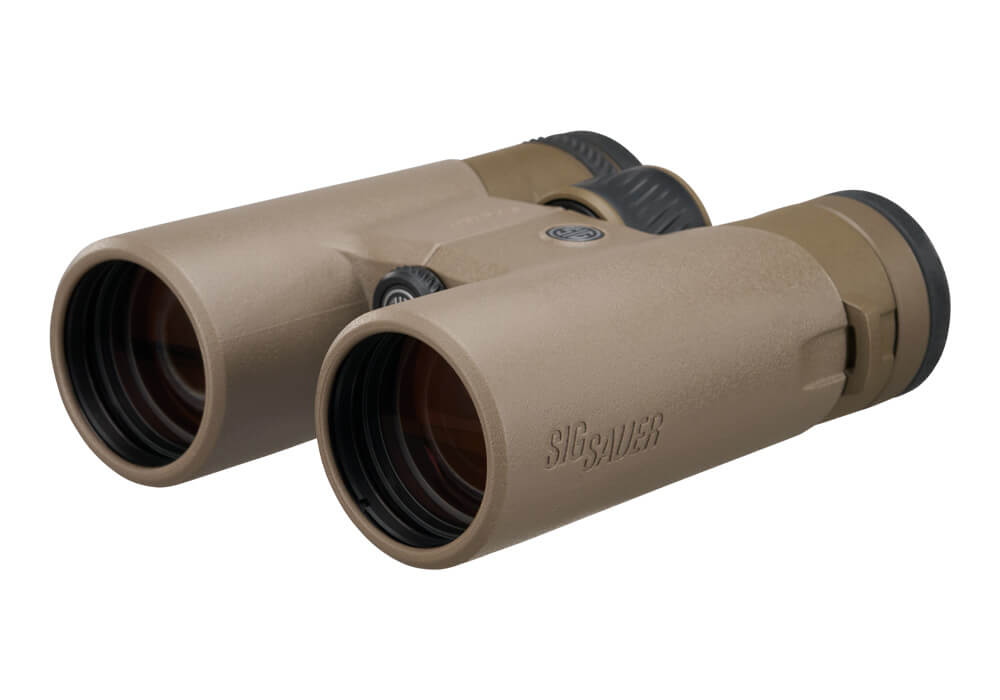
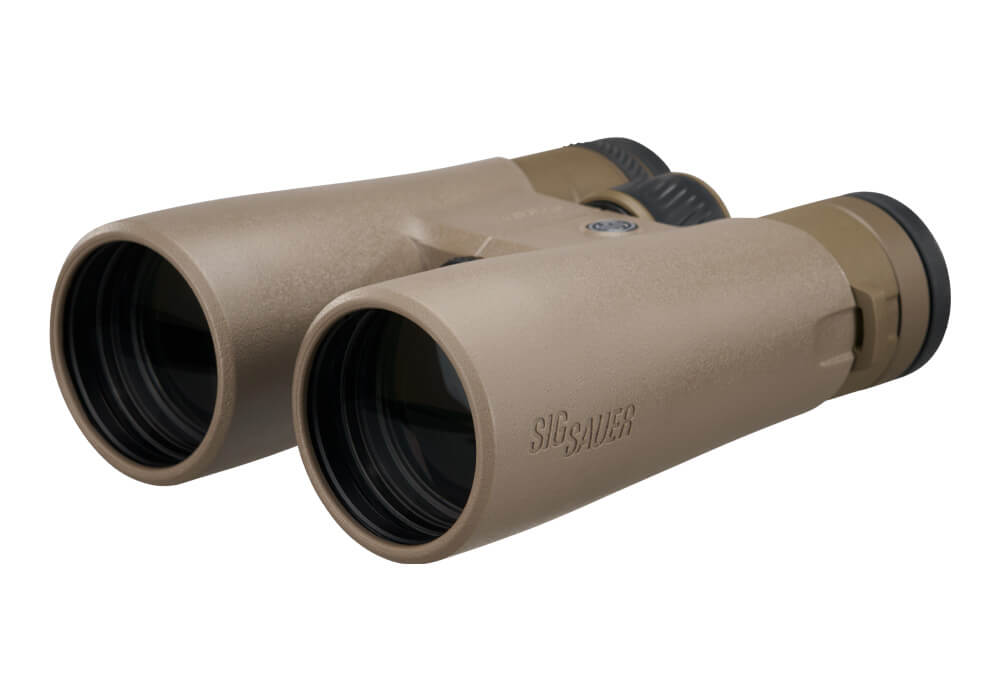
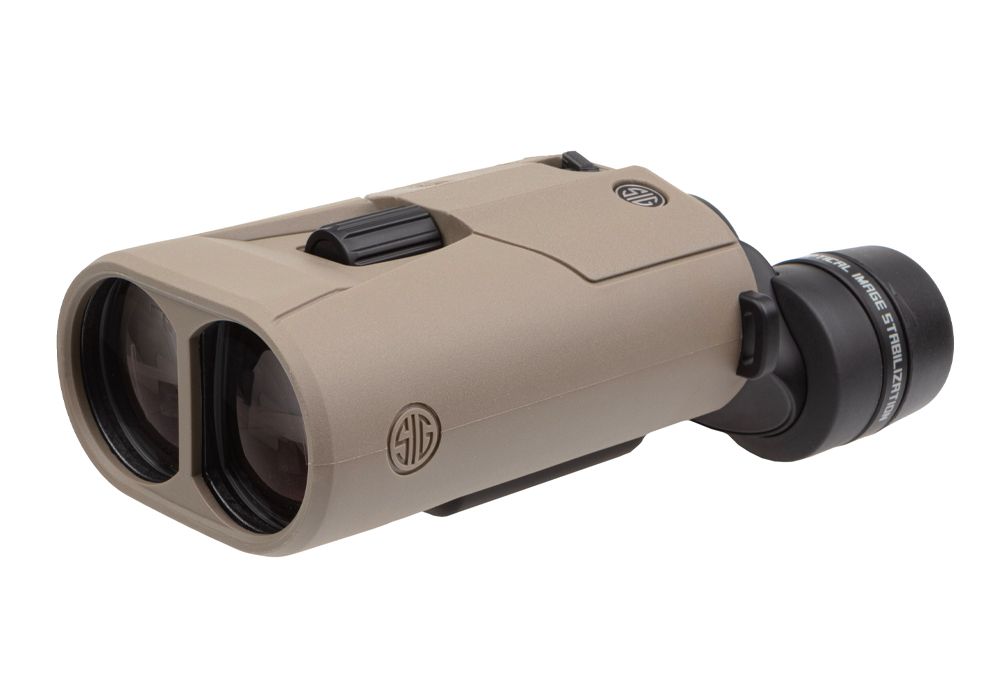
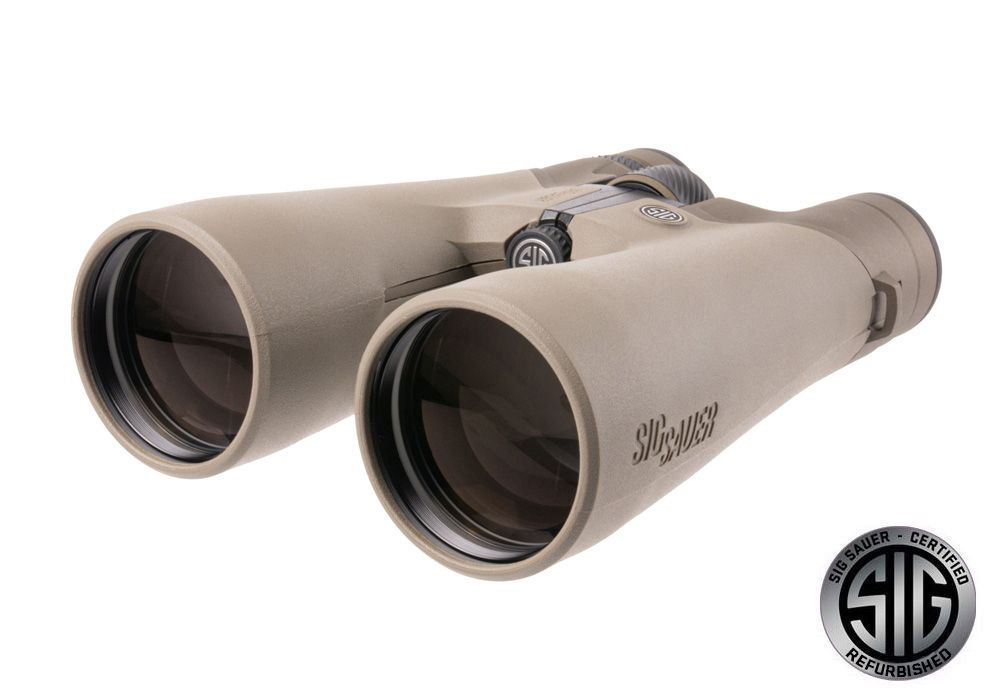
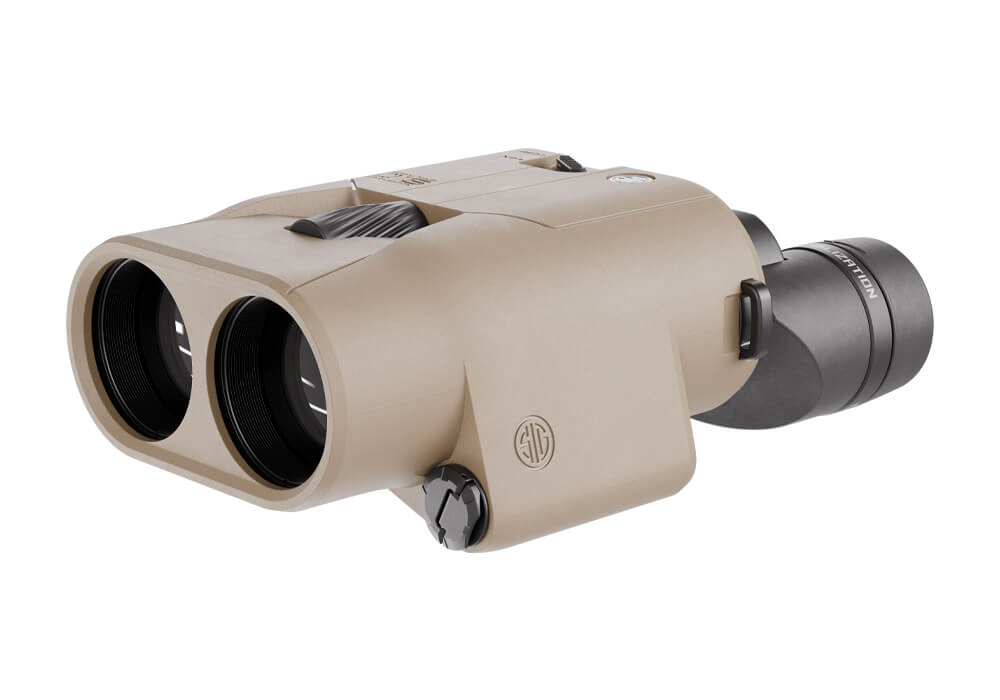
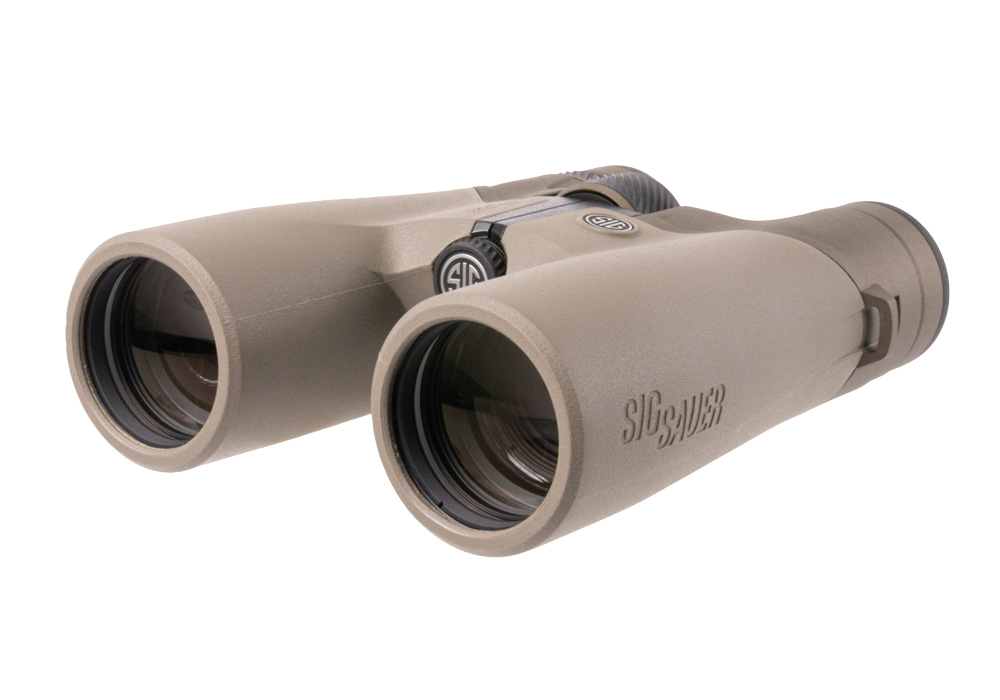
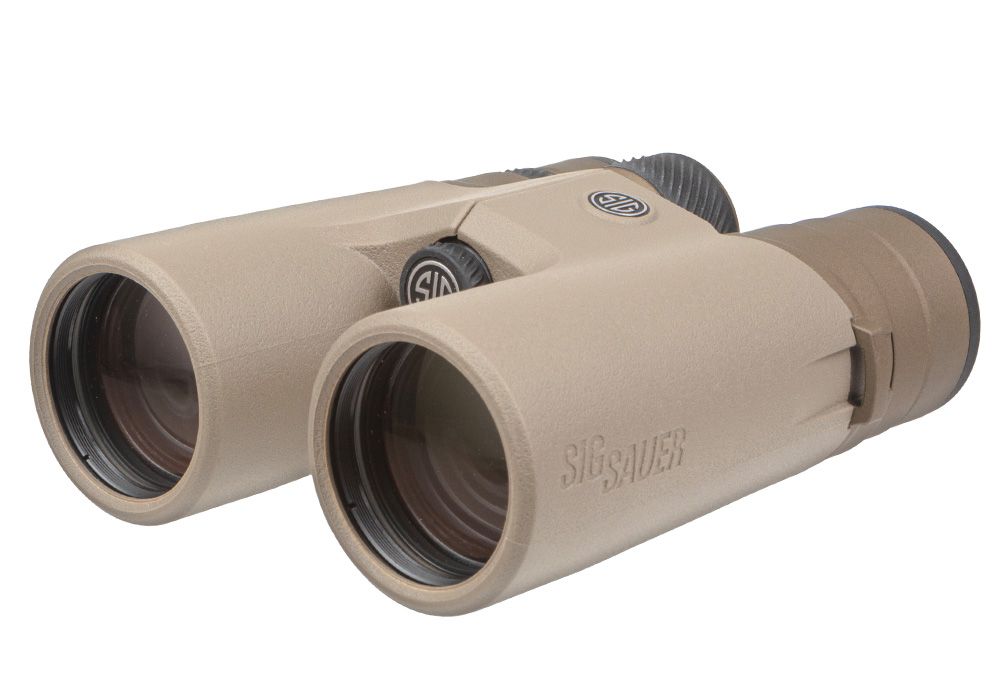
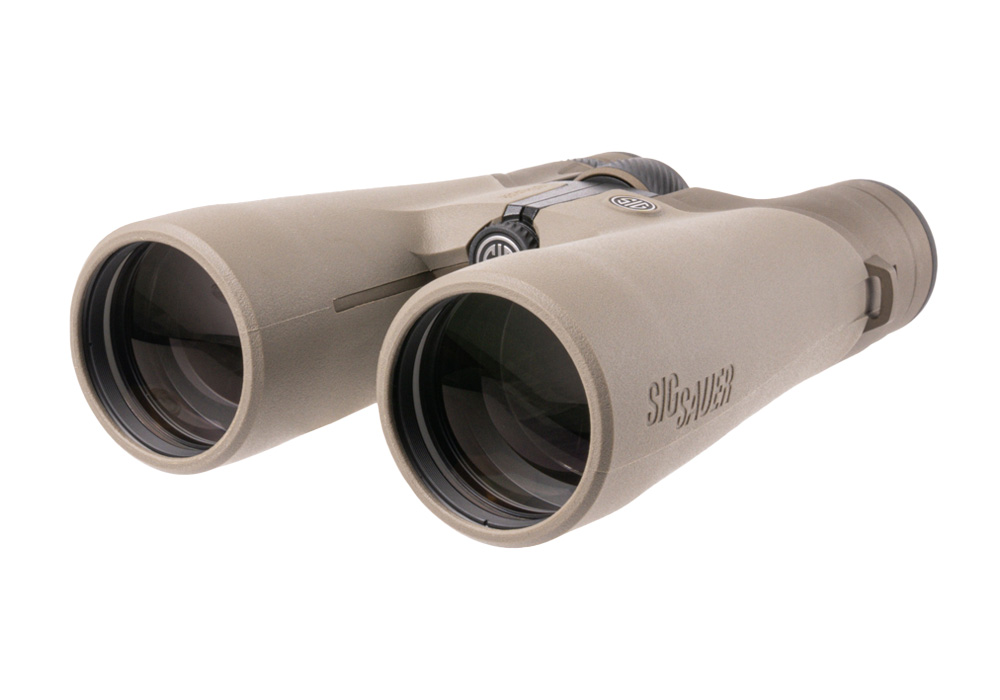
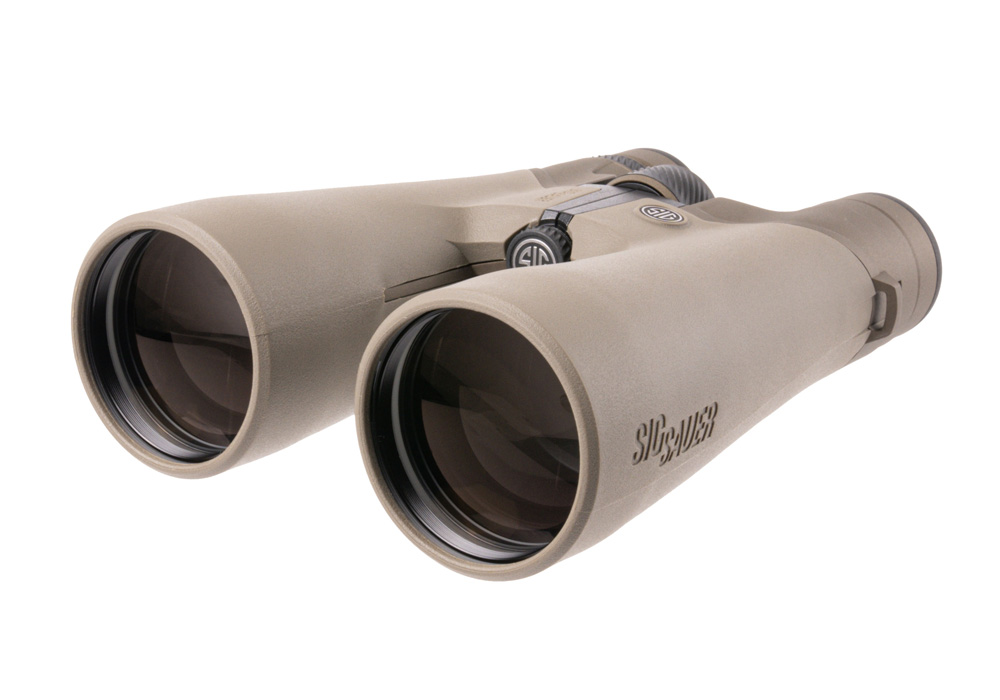
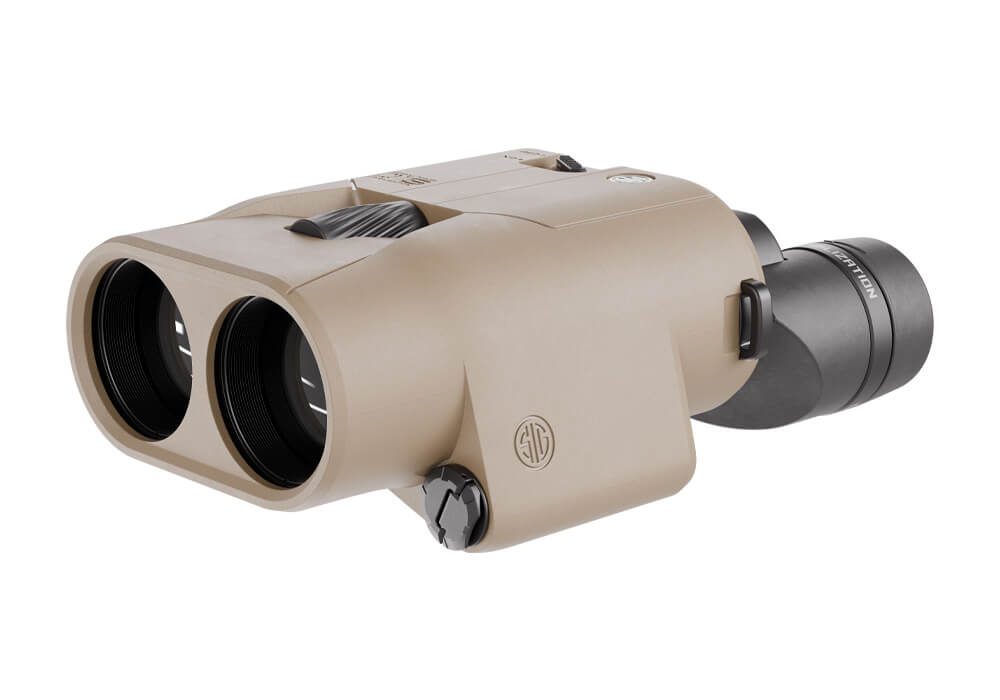
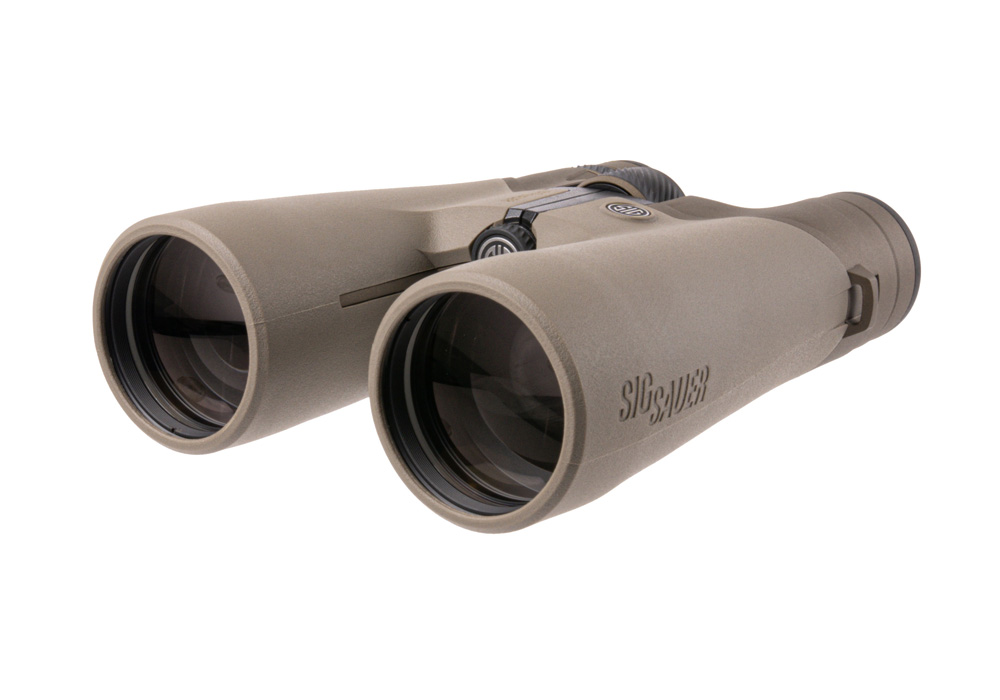
Binoculars for adults bring distant detail into comfortable focus, whether the view is a songbird working through branches, a trail winding across a hillside, or a performer on an outdoor stage. The best match depends on the activity, the distance to the subject, and how much weight feels comfortable to carry. Magnification and objective lens diameter provide a useful starting point: an 8x42 configuration enlarges the view eight times and uses objective lenses measuring 42 millimeters across. Eight-power binoculars often offer a steady handheld image and a broad view that helps observers locate moving subjects. Ten-power configurations reveal more distant detail, although hand movement becomes more noticeable and the field of view may be narrower. Larger objective lenses can support a brighter view in limited light, but they also add bulk; compact binoculars favor easy packing and convenient use during walks, sightseeing, and spectator events. Neither size nor magnification alone determines image quality. Optical design, glass quality, coatings, and alignment all influence how clearly fine textures and subtle colors appear. Antireflective lens coatings help light pass through the optical system, while well-controlled color fringing helps preserve clean edges around branches, feathers, and other high-contrast subjects. A wide field of view is especially useful when following a bird across an opening or scanning a broad landscape before settling on one point of interest. Close-focus distance matters for nearby subjects, including butterflies, flowering plants, and birds visiting a feeder. For general recreation, balanced performance usually matters more than maximum magnification. A binocular that settles naturally in the hands, focuses smoothly, and reveals detail without constant adjustment encourages longer, more rewarding observation. The difference becomes clear when trying to distinguish markings on a small bird: useful detail comes from a stable, sharp image, not simply a larger one. Published field-of-view measurements and close-focus specifications help clarify those differences when comparing binoculars with similar magnification.
Comfort is particularly important with adult binoculars because viewing sessions can last far longer than a quick glance across a clearing. The distance between the two barrels should adjust to match the distance between the viewer’s eyes, allowing both circular views to merge into one complete image. Eyecups help establish the proper viewing position, while adequate eye relief gives eyeglass wearers room to see the full field without pressing their lenses against the binoculars. Adjustable eyecups are useful for households where different people share the same pair, and a diopter adjustment compensates for differences in focus between the eyes. A broad, accessible focus wheel can be easier to operate while keeping the subject in view, especially when attention moves from a nearby tree to a distant ridgeline. Balance matters alongside listed weight: a well-shaped housing can feel secure without requiring a tight grip, and a comfortable neck strap or harness distributes the load during extended outings. Roof-prism binoculars generally have a streamlined profile, while traditional Porro-prism designs use offset barrels that create a wider shape. Housing materials may include aluminum, magnesium alloy, or reinforced polymers, with the overall construction determining the balance of weight and rigidity. Rubber armor improves grip and helps protect exterior surfaces from everyday bumps, but armor alone does not establish a binocular’s resistance to water or impact. Sealed construction and clearly stated protection ratings provide more meaningful durability information. Internal nitrogen or argon purging, where specified, helps limit moisture-related fogging inside the optical system. Exterior lenses still need protection from fingerprints, grit, and abrasion. A case, secure lens covers, and dependable strap attachment points are practical details for binoculars that travel in a daypack or move repeatedly between storage and use. These features support everyday handling without replacing careful storage or routine cleaning.
Intended use gives these details a practical purpose. Birdwatchers often appreciate a generous field of view, accurate color, and a close-focus range that accommodates subjects along the trail as well as across a pond. Hikers and travelers may place greater value on compact dimensions and manageable weight, especially when binoculars share space with water, a camera, and other essentials. At a stadium or theater, a comfortable viewing position and a broad view can matter more than powerful magnification. For trips built around trails, wildlife watching, and time at a campsite, binoculars for camping offer a natural way to explore distant rock formations or watch animals without approaching them. Wildlife viewing is most rewarding when animals have space to behave naturally; optical reach supports observation from a respectful distance. Adults interested in casual astronomy can use binoculars to explore lunar features and broad star fields, with larger objectives and stable support becoming useful considerations. A tripod adapter connection, where provided, can help reduce fatigue during prolonged viewing, although compatibility should be confirmed before pairing accessories. Binoculars should never be used to look directly at the sun. For gifting, the recipient’s habits are often more helpful than an impressive specification: a frequent traveler may use a compact pair regularly, while a dedicated backyard birdwatcher may prefer a larger, comfortable configuration that stays close at hand. Easy adjustments and clear controls also make a thoughtful difference for someone beginning a new hobby. Ongoing care helps preserve that experience. Loose dust and grit should be removed before wiping optical surfaces, followed by a clean lens cloth and a cleaning solution appropriate for coated optics. Household cleaners and rough fabrics can damage delicate surfaces. Dry storage, protective covers, and periodic checks of straps and fittings help keep binoculars ready for the next outing. With suitable optics, a comfortable fit, and practical protection, binoculars become useful companions for both familiar views and places still waiting to be explored.