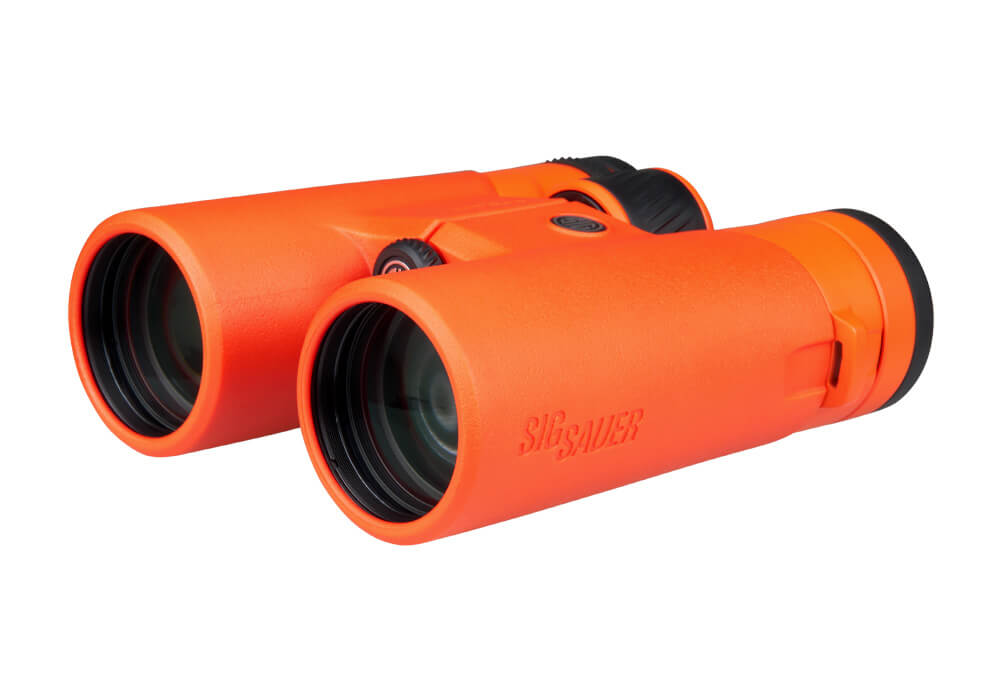
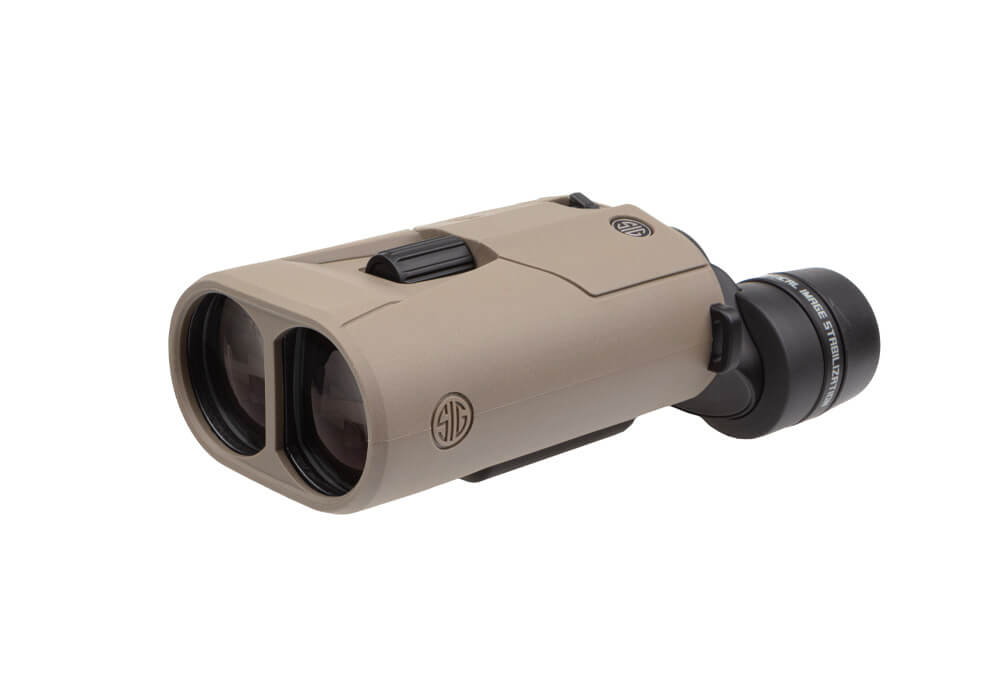
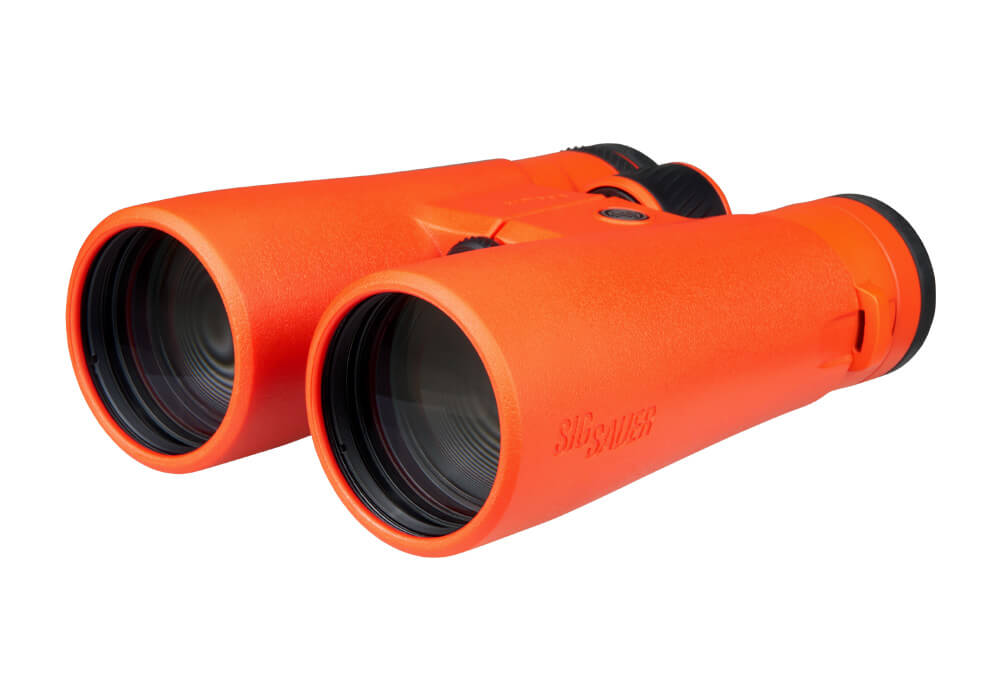
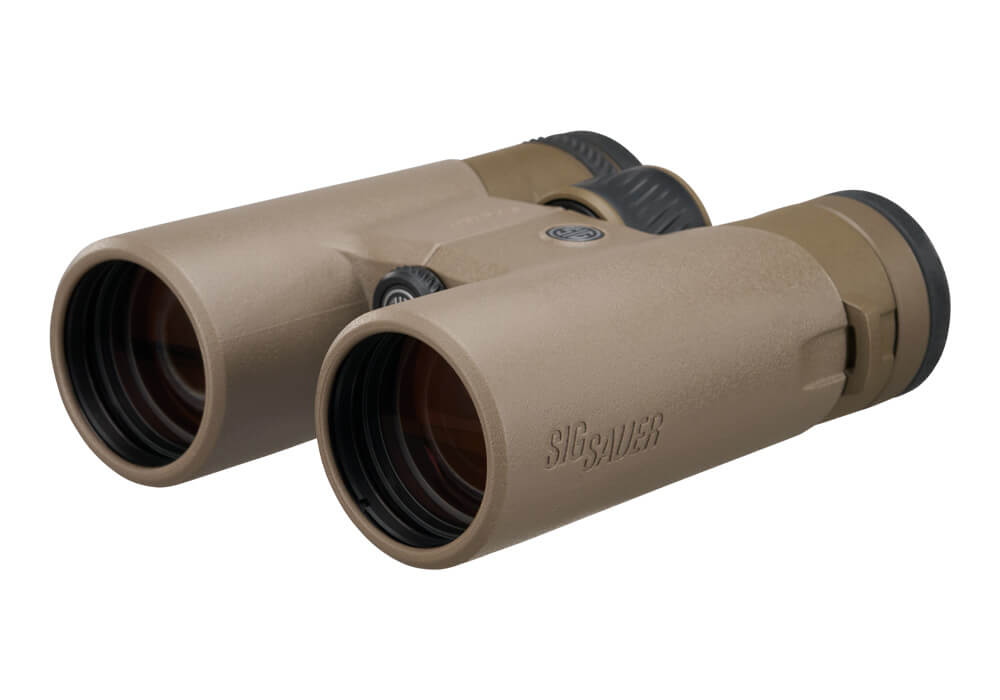
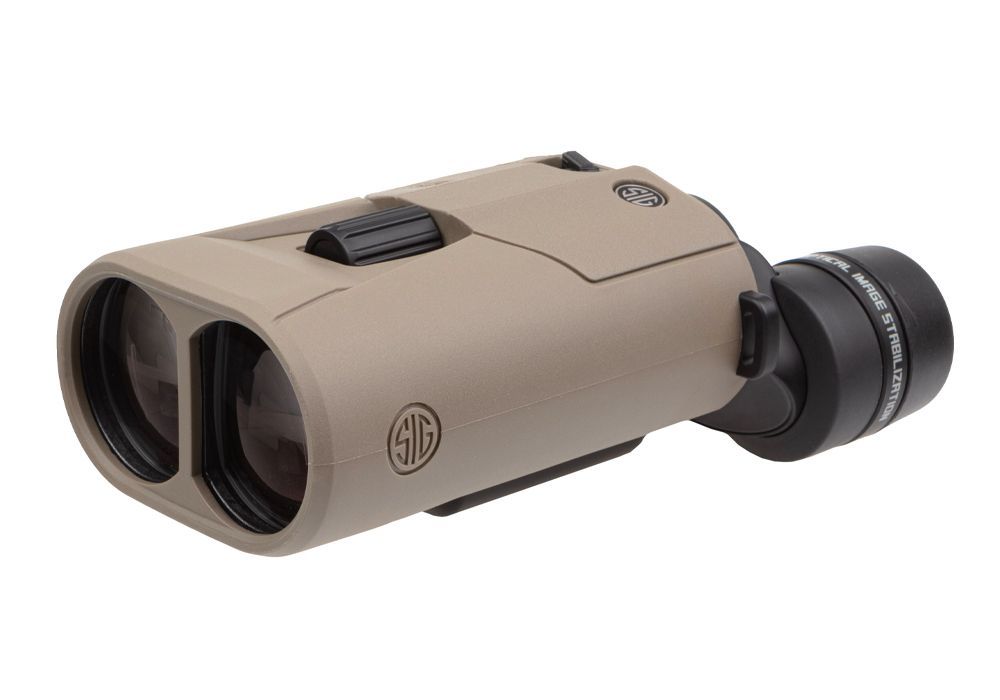
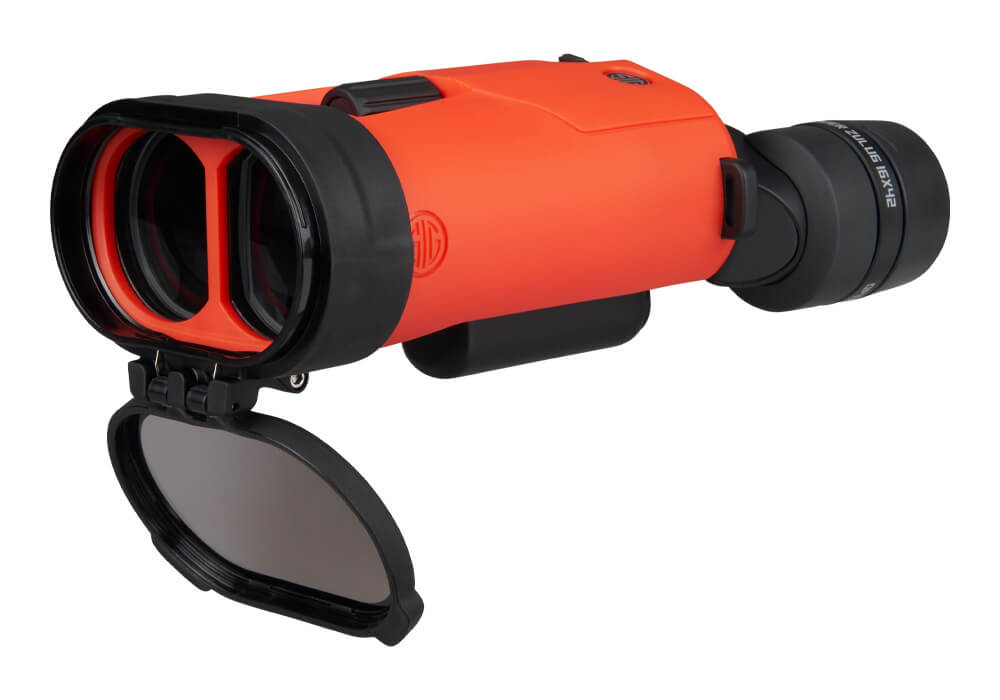
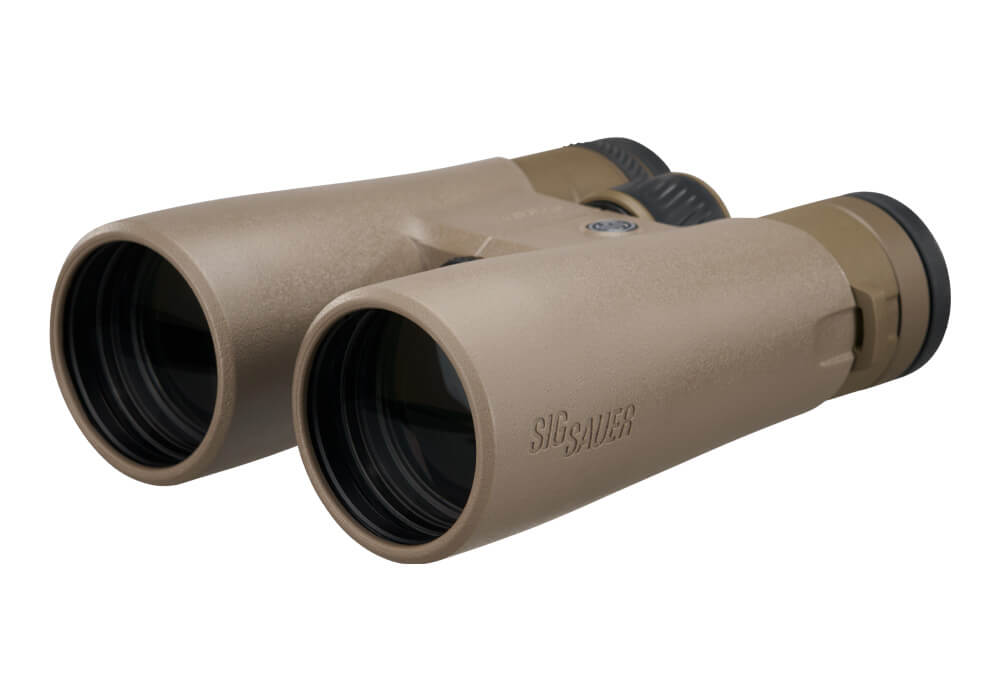
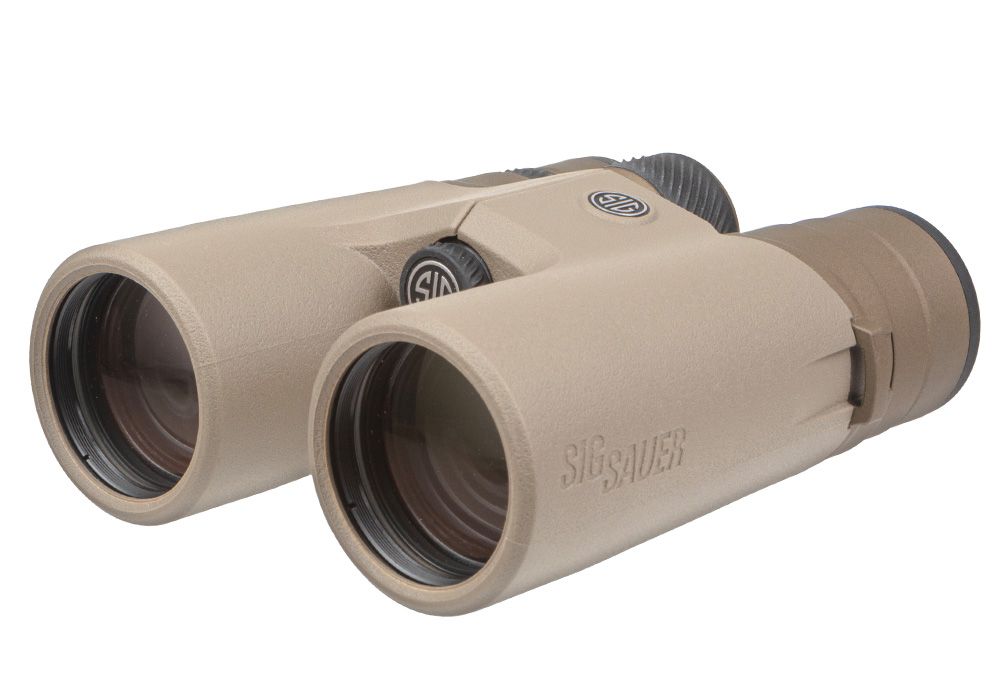
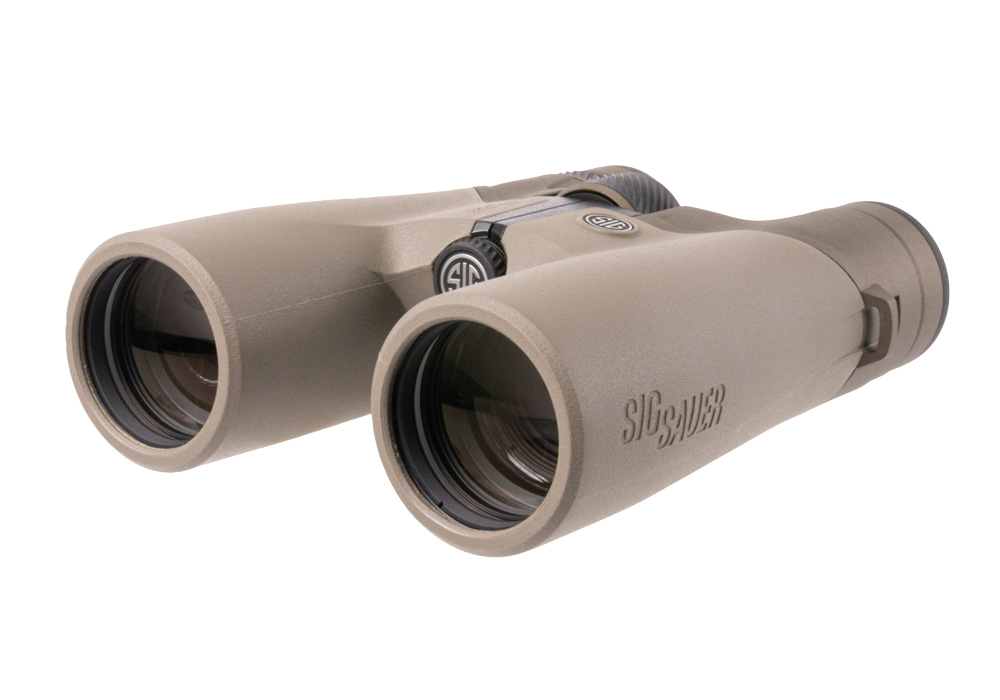
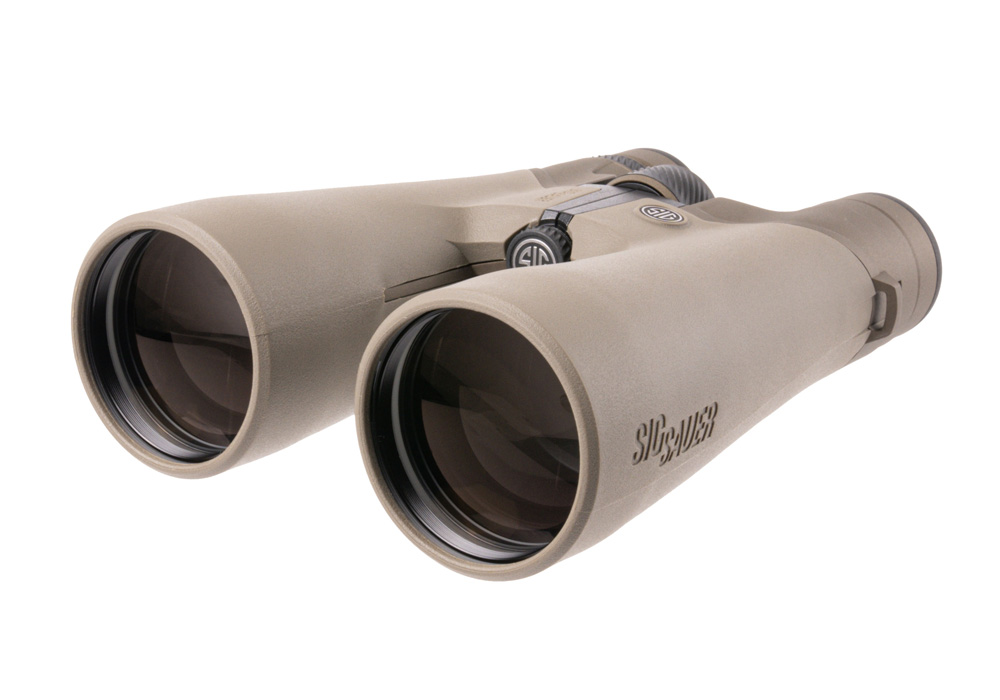
Waterproof binoculars are built for outdoor viewing when changing weather, spray, damp ground, and sudden temperature shifts are part of the experience. They are a practical choice for boating, hiking, hunting, wildlife observation, travel, sporting events, and general outdoor use because their sealed construction helps protect the internal optical system from moisture and debris. Many waterproof models use internal O-rings to create a barrier against water and dust, while nitrogen or argon purging helps reduce internal fogging when binoculars move between different temperatures. That distinction matters on a cool morning when warm breath meets a cold eyepiece, or when a pair comes out of a dry vehicle into misty air near a lake. External lens fog can usually be wiped away, but internal condensation is far more disruptive and may affect the view for the rest of an outing. A rubber-armored exterior can add another layer of protection by improving grip with wet hands and helping the housing withstand the ordinary bumps that come with being carried along a trail or stored in a gear bag. Waterproof does not mean indestructible, so it is still wise to follow the manufacturer’s care instructions, keep lenses capped when the binoculars are not in use, and rinse away salt or grit with clean water rather than rubbing particles across the glass. For a more portable option suited to trips, day hikes, and sightseeing, explore Travel Binoculars.
Magnification and objective lens size are two of the most important specifications to compare when choosing waterproof binoculars. A 7x or 8x model generally provides a steady, comfortable image and a wider field of view, making it well suited to moving boats, shoreline observation, birding, stadium seating, and scanning a broad landscape. Lower magnification can be easier to hold naturally, especially when the user is standing on uneven ground or viewing from a moving deck. A 10x model offers more reach for distant subjects and can be useful for looking across open fields, ridgelines, or expansive bodies of water, though the increased magnification also makes hand movement more noticeable. A tripod adapter may be useful for extended viewing at higher power. Objective lens diameter affects how much light the binoculars can gather and also influences overall size and weight. A compact configuration is easier to carry all day and slips conveniently into a jacket pocket or small pack, while larger objectives can provide a brighter view in the softer light of dawn, dusk, or overcast conditions. There is no single specification that suits every outing; the right balance depends on whether portability, steadiness, low-light performance, or reach is the priority. Check the focusing system, eye relief, diopter adjustment, and field of view as well. Eyeglass wearers often appreciate generous eye relief, while a smooth center focus and easy-to-reach diopter can make it faster to move from a nearby subject to a distant one. Good ergonomics are particularly valuable when binoculars are shared among family members or passed between people during a long day outdoors.
Waterproof binoculars can be useful for anyone who spends time outside, from a hunter checking a far edge of cover to a nature enthusiast following a bird through branches, a sailor watching markers along a channel, or a family looking for wildlife from a campground overlook. They also make a thoughtful gift for travelers, boat owners, hikers, birders, sports fans, and people who enjoy keeping a closer view of the world around them. During the cooler months, a sealed, fog-resistant design can be reassuring when a pair moves from a heated cabin or vehicle into crisp outdoor air. Near water, waterproof construction offers additional confidence when spray rises from a wake, rain begins during a shore excursion, or binoculars are set down briefly on a damp surface. For boating, a stable 7x or 8x view is often easier to manage than stronger magnification, while a floating design, tether point, or bright exterior may offer useful handling advantages depending on the environment. For land-based observation, 8x or 10x magnification can provide a helpful mix of detail and usability. Before purchasing, consider how the binoculars will be carried, whether they need to fit in a compact daypack, how often they may be exposed to rain or spray, and whether the user values a wide view or additional distance. Look for clear, fully multi-coated optics, a durable housing, comfortable eyecups, and a protective case or neck strap where included. Proper storage also extends service life: allow wet binoculars to dry before placing them in a closed case, use a lens-safe cloth, and avoid household cleaners. With the right combination of sealing, optical performance, handling comfort, and size, waterproof binoculars can become dependable gear for observing distant details through changing conditions, from a misty overlook to a bright open-water horizon.