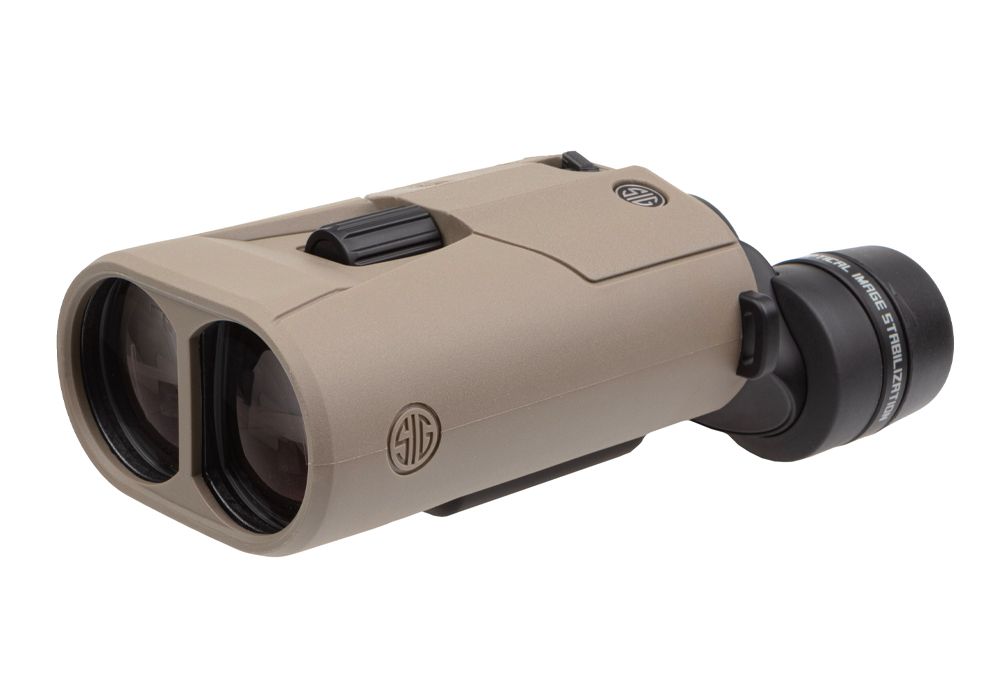
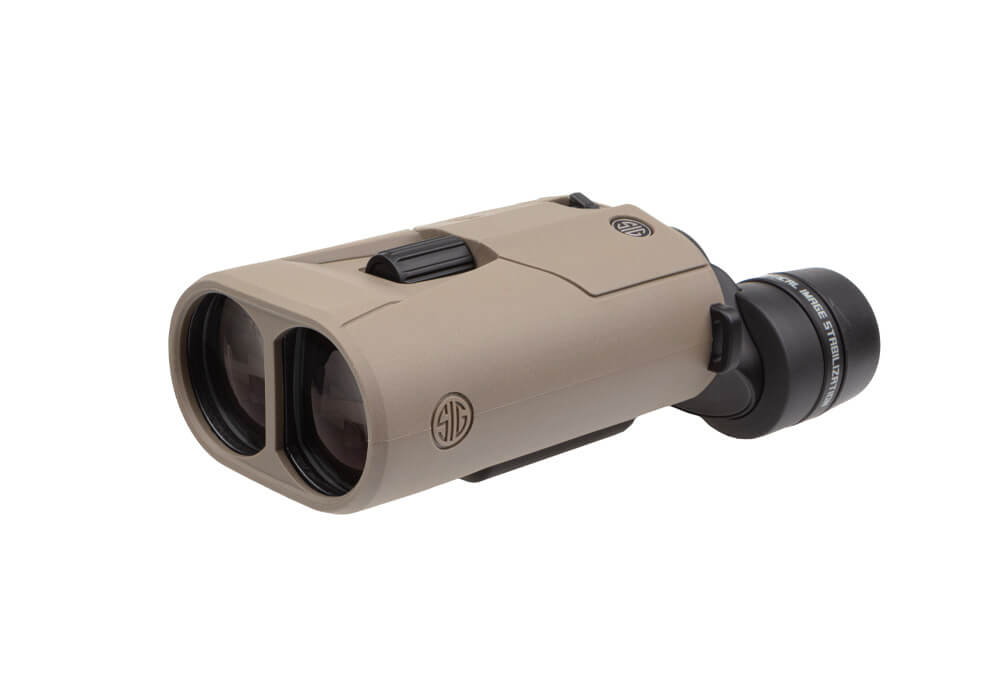
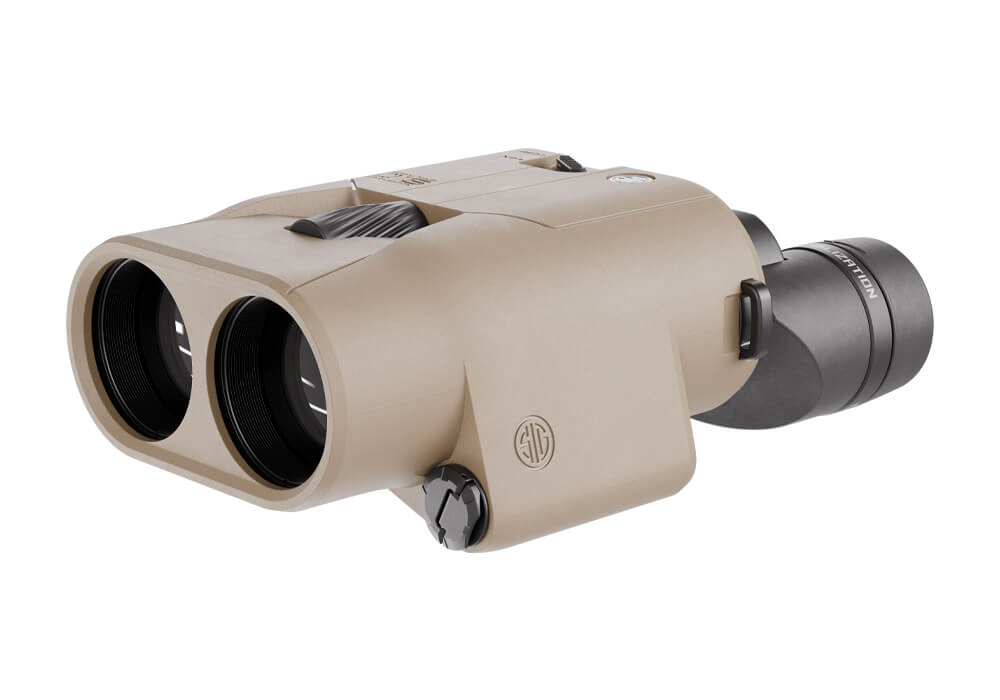
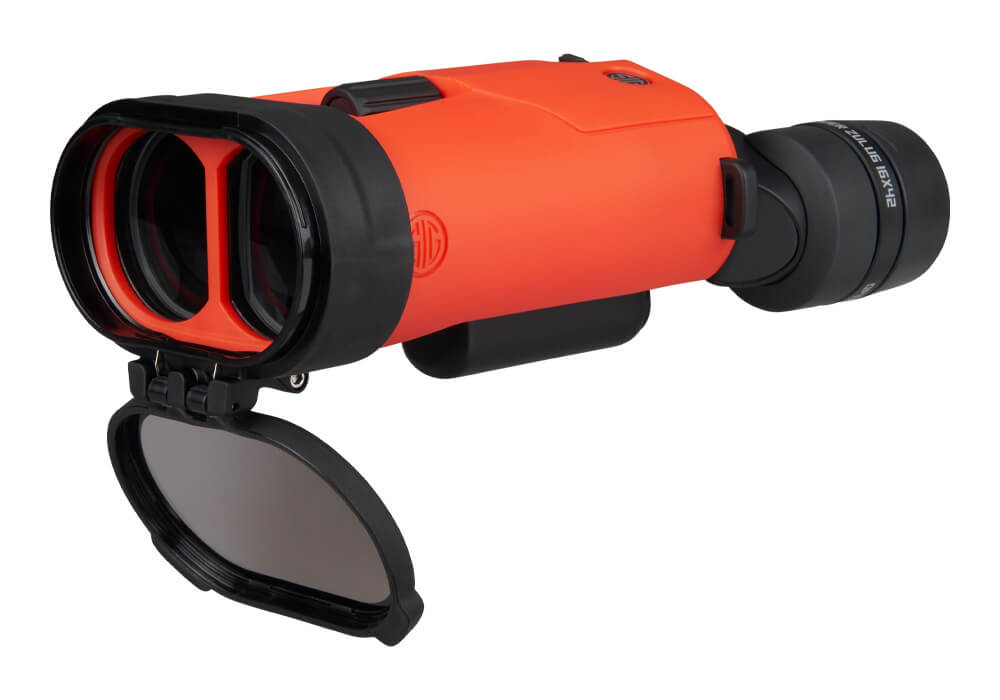
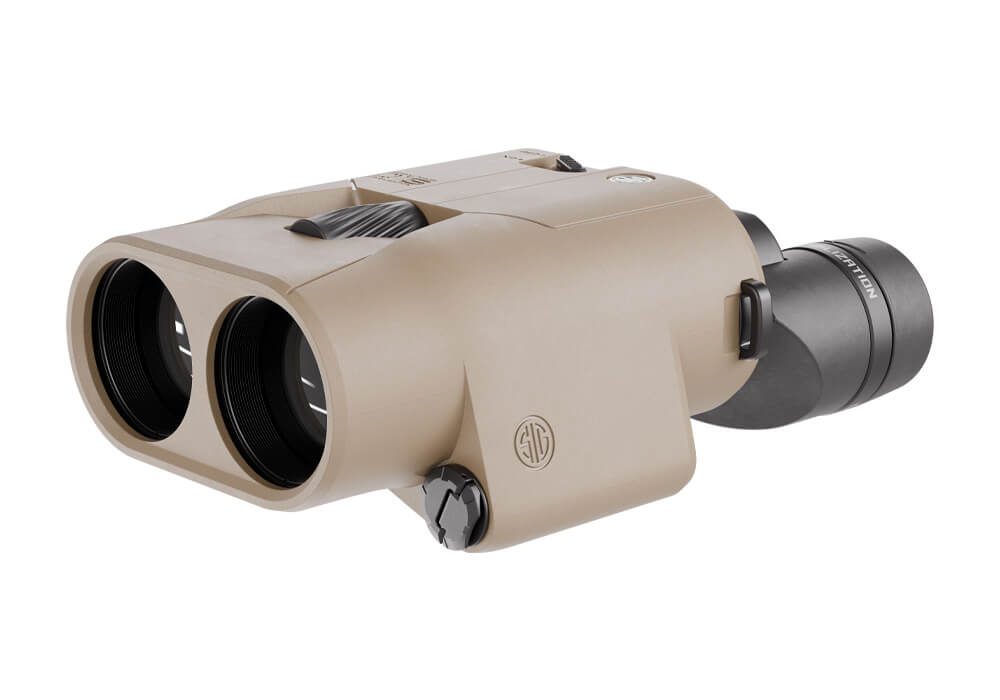
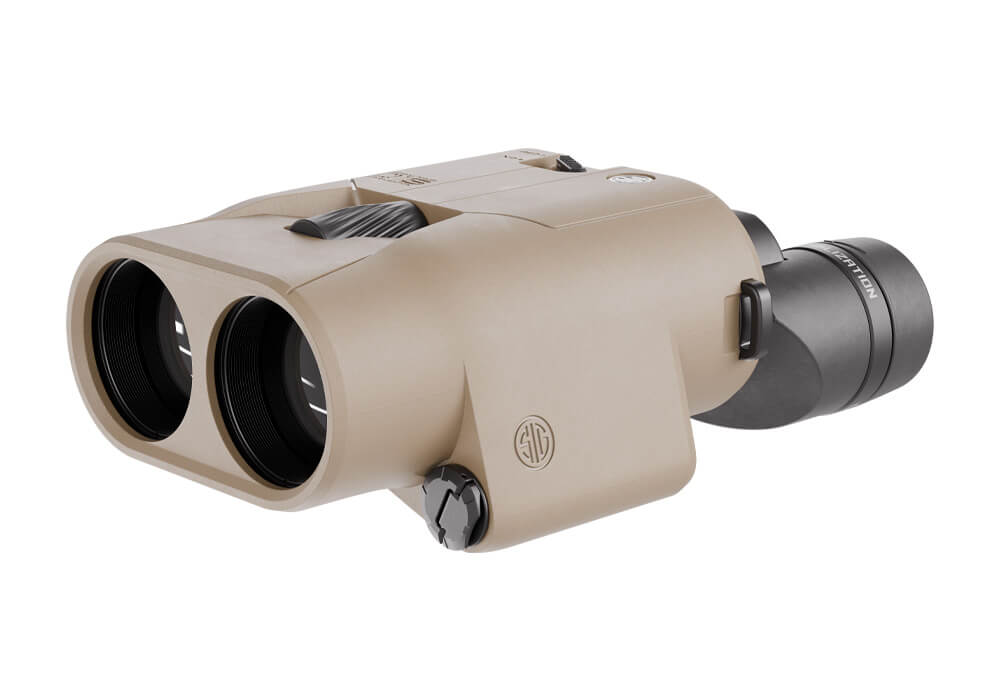
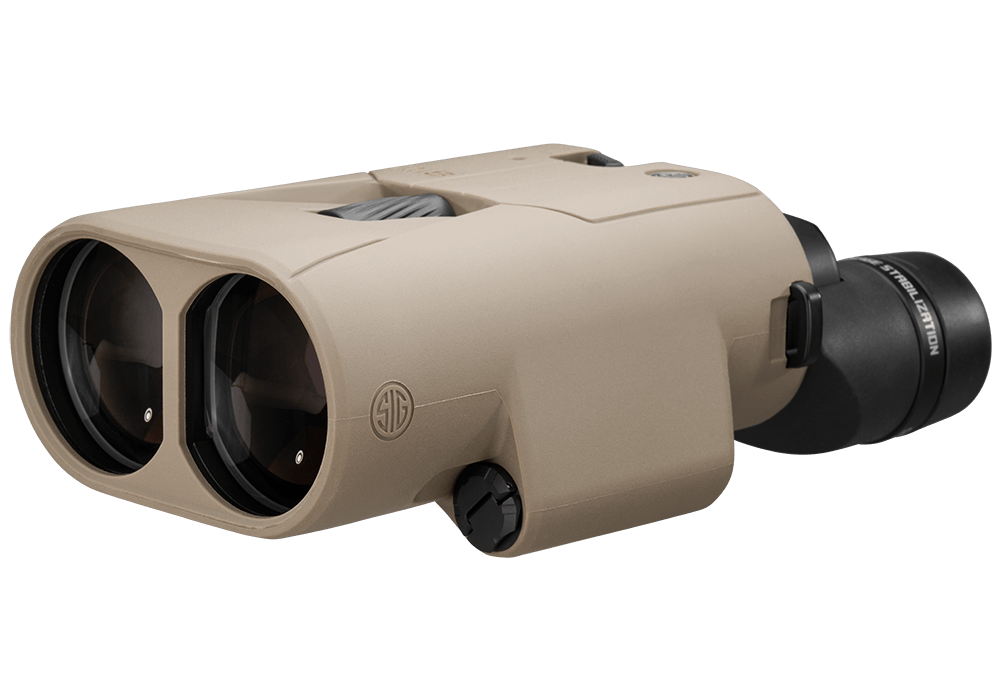
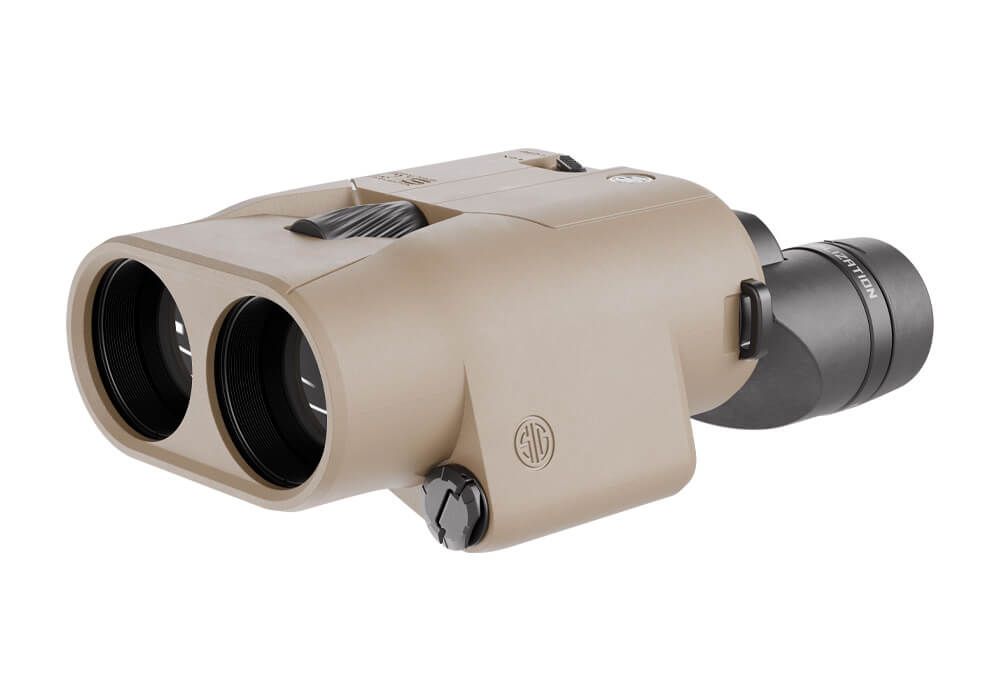
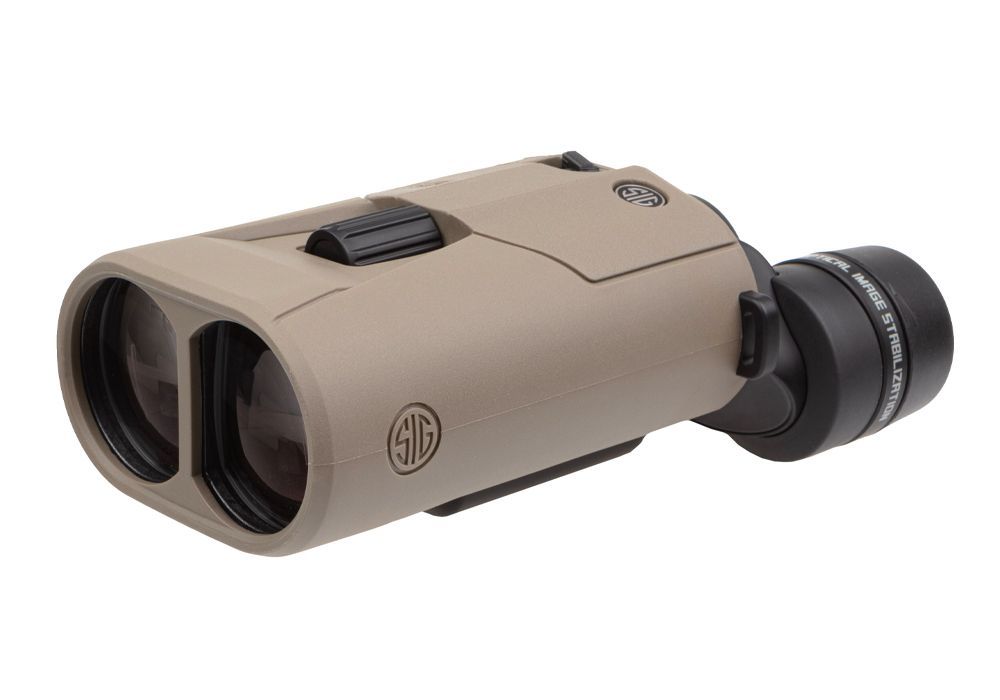
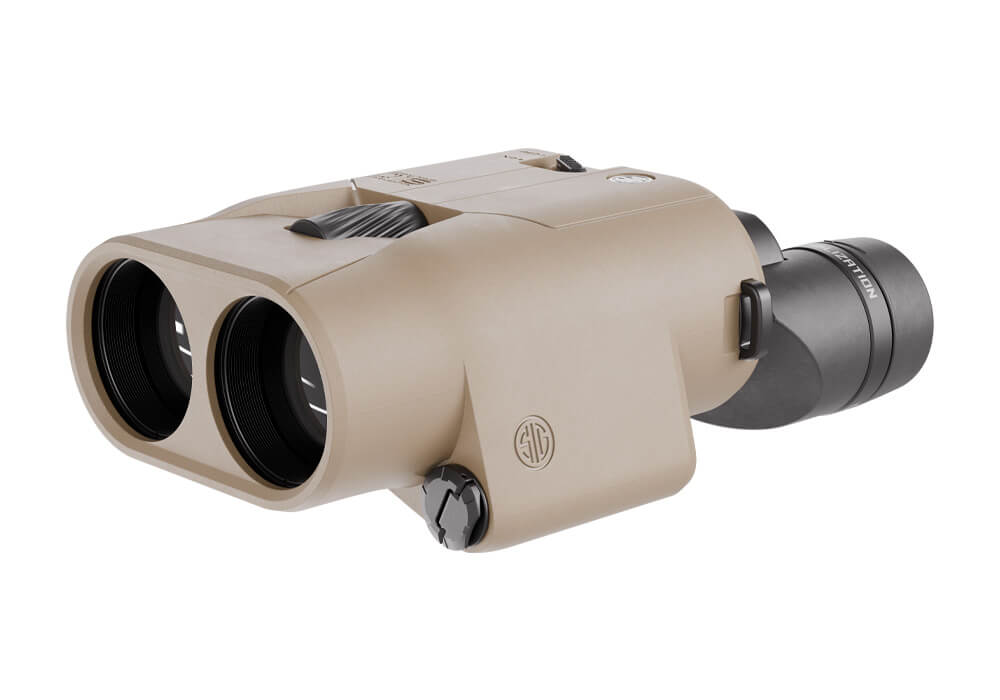
Image-stabilized binoculars reduce the visible effects of hand tremor and small vibrations, helping distant subjects appear steadier during handheld viewing. Depending on the design, internal sensors and corrective optical elements compensate for movement that would otherwise shift the image across the field of view. The result is less distracting shake and a better opportunity to distinguish fine details, such as a bird’s wing markings, the outline of an animal against brush, or lettering on a distant sign. Stabilization is especially useful at higher magnifications, where even slight hand movement becomes more noticeable. It does not increase the stated magnification or replace optical clarity; instead, it helps the viewer make better use of the detail the binoculars can resolve. For hunters surveying an open hillside, birders studying a perched raptor, and spectators following activity across a large venue, a steadier image can make extended observation more comfortable. It can also reduce dependence on a tripod for many everyday viewing situations, although supported optics still have advantages during prolonged observation or at particularly high magnifications. Magnification and objective lens diameter remain important parts of the experience. In a specification such as 12x42, the first number indicates twelve-power magnification, while the second identifies a 42-millimeter objective lens diameter. Higher power brings a subject closer in appearance but generally narrows the field of view and makes locating a moving subject more demanding. Larger objectives can support a brighter view under comparable conditions, but they also add bulk. Exit pupil, calculated by dividing objective diameter by magnification, helps explain how much light reaches the eye, though perceived brightness also depends on glass, coatings, and the viewer’s pupil size. A balanced combination of magnification, objective size, and stabilization suits observers who want useful detail without turning every outing into a tripod setup. The most satisfying view is not necessarily the most powerful one; it is the one that keeps the subject easy to find, comfortable to follow, and clear enough for the task.
Optical quality and physical fit matter just as much as the stabilization system. Lens coatings help control reflections and improve light transmission, while effective internal baffling can reduce stray light that washes out contrast. Good contrast is valuable when an animal stands partly concealed in vegetation or a small bird sits against a busy background. Sharpness across the image, color fidelity, and control of color fringing also contribute to how naturally a scene appears. Field of view describes the width of the visible scene at a stated distance, and a wider view can make tracking movement easier. Close-focus distance deserves attention for anyone who enjoys observing butterflies, nearby birds, or other subjects along a trail. Comfortable viewing begins with an interpupillary adjustment that aligns the eyepieces with the user’s eyes. Adjustable eyecups and suitable eye relief help position the eyes correctly, particularly for people who wear glasses. A diopter adjustment compensates for differences between the eyes, allowing the central focus control to bring the subject into focus without repeated correction. Controls should feel easy to locate while the binoculars remain at eye level, and a stabilization button should be accessible without forcing an awkward grip. Weight distribution is equally important: an instrument that feels balanced in both hands may be easier to hold steadily than one with a similar listed weight but less comfortable proportions. Housings may use materials such as reinforced polymers, aluminum, or magnesium alloy to balance strength and weight. Protective exterior armor can improve grip and buffer everyday bumps, but it does not make precision optics immune to hard impacts. Sealed construction can help protect internal components from dust and moisture, while any stated water-resistance rating should be understood according to its specified limits. For hiking, wildlife observation, travel, or viewing from a boat, durability works best alongside manageable size, secure handling, and a comfortable carrying system.
Living with image-stabilized binoculars also means considering how their controls, power requirements, and care fit into regular use. Many electronically controlled designs rely on batteries, and operating time varies with the system, power source, and stabilization mode. An accessible battery compartment, a clear power indicator, and an automatic shutoff feature can simplify ownership when those features are included. Some systems offer different settings for relatively stationary viewing and more active observation; their behavior during deliberate panning can vary, so the operating instructions are useful for understanding what to expect. Stabilization can compensate for certain movements, but it cannot freeze a moving subject, correct poor focus, or overcome every motion encountered on an unsteady platform. For a long look across open terrain, resting the elbows against the body or a stable surface can still improve comfort. A padded neck strap or compatible harness helps distribute weight between viewing sessions, while a fitted case protects the binoculars during transport. Lens care should begin with removing loose grit using a suitable blower or soft optical brush before applying an approved lens-cleaning method. Wiping a dusty lens directly can drag particles across its surface. Exterior surfaces should be cleaned according to the manufacturer’s directions, and the binoculars should be stored clean and dry with protective covers in place. Battery handling and extended-storage procedures should follow the instructions for the particular design. For travelers and walkers whose main priority is a smaller carrying footprint, Compact Binoculars provide a related category to consider alongside stabilized designs. Image stabilization is particularly appealing to observers who value handheld detail, including experienced birders, hunters who spend time glassing, and anyone who finds image shake distracting. As a gift, binoculars are most personal when their size, viewing comfort, and controls match the recipient’s habits. A pair that accompanies someone on familiar trails or helps reveal wildlife beyond the backyard can become a practical part of everyday observation rather than equipment reserved for a special trip.