Marine Image-Stabilized Binoculars

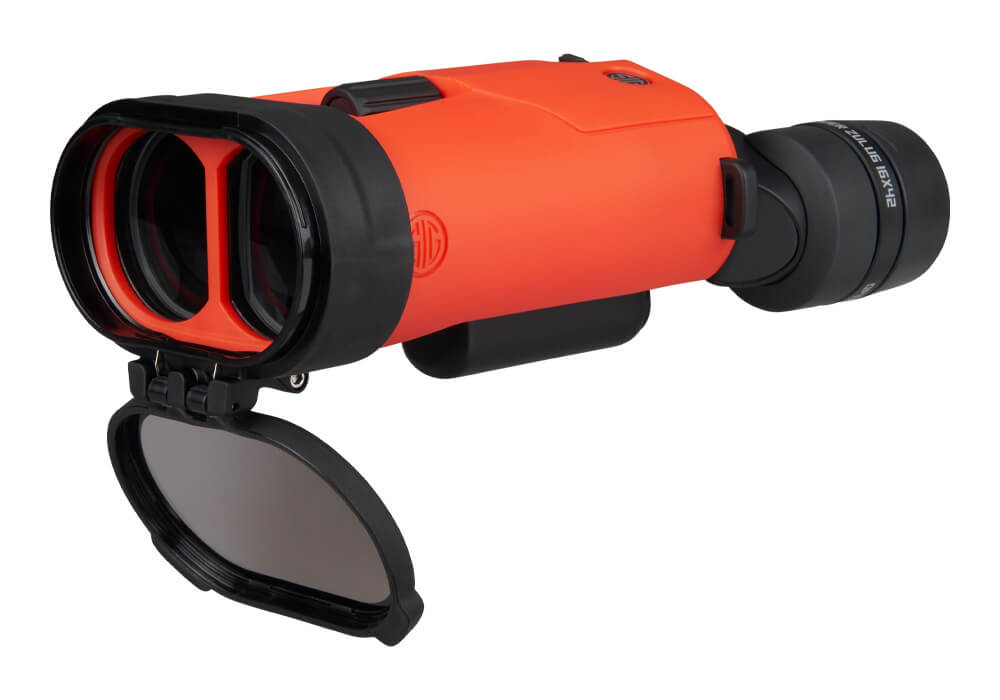
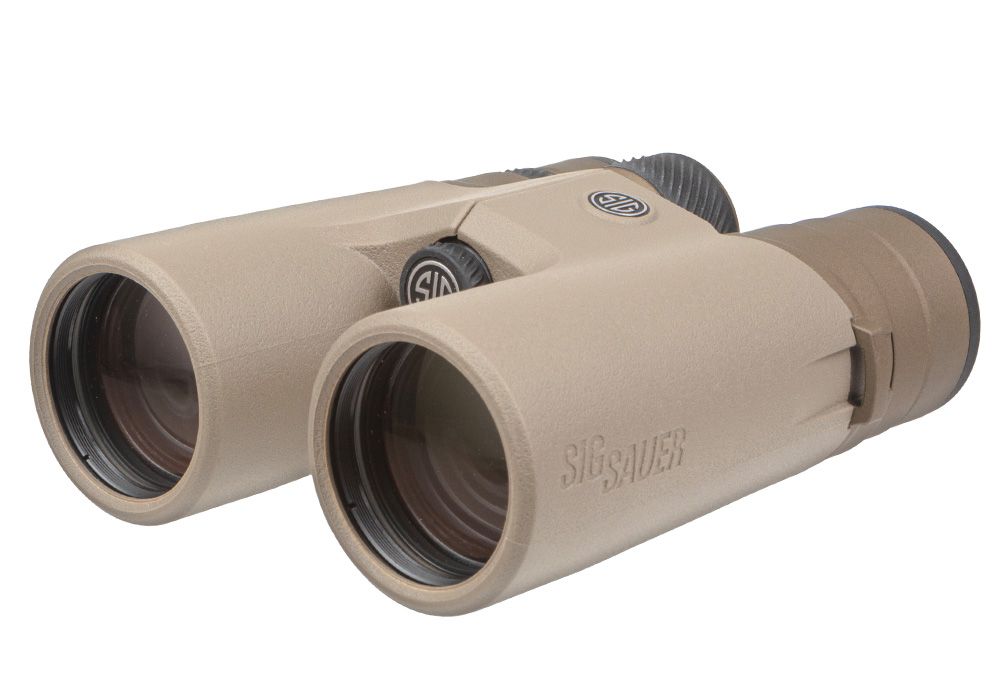
Marine image-stabilized binoculars combine magnified viewing with electronic stabilization for observation on the water. Compare magnification, waterproof and fogproof specifications, and viewing controls for scanning shorelines or observing distant boats. Review battery requirements and included accessories to help choose binoculars or a kit suited to your outings.

per page
Marine image-stabilized binoculars help bring distant details into view when the deck beneath the observer won’t hold still. From the cockpit of a sailboat, the number on a channel marker can slip in and out of view as the bow rises over a wake. Aboard a wildlife tour boat, a seabird that seems easy to follow with the naked eye can be surprisingly hard to keep in a magnified view. Stabilization compensates for some of the movement that would otherwise send the image drifting or jumping across the field of view. It doesn’t cancel every roll or pitch, but it can give the eye more time to pick out small details, from the shape of a daymark to the markings on a bird’s wing. The benefit is often most apparent at higher magnification, where small movements look larger. More magnification isn’t always the better fit, though. A wide field of view makes it easier to scan a stretch of shoreline, pick up a moving ferry, or find a bird again after looking away. A narrower view can suit longer looks at a distant landmark once it’s in sight. Larger objective lenses can gather more light, but they tend to add bulk, and lens coatings and overall optical design also affect how clearly fine details stand out against bright reflections on the water. The view matters as much as the numbers: a pair that comes up naturally to the eyes and focuses quickly can be more useful during a brief sighting than one that offers more reach but takes longer to settle. Image stabilization is just as useful when the boat isn’t under way. At anchor, gentle rocking can be enough to make distant details hard to read, especially after several minutes of looking. A steady view can help confirm what’s visible, while navigation charts, onboard instruments, and a proper lookout still have their own roles.

The demands of onboard use show up in the housing, grip, and controls as much as in the optics. A textured rubber exterior can give wet hands a firmer hold and cushion ordinary knocks against a rail or console. The housing underneath may use a lightweight composite or a metal alloy, and the balance in hand can matter as much as the listed weight. A larger pair that feels comfortable with elbows braced at the helm may feel bulky when carried around the deck for an afternoon. Sealing is another distinction worth noting: splash resistance and a specified immersion rating describe different levels of water protection, and neither means the binoculars will float. Internal fog resistance addresses condensation inside the optics, not spray or moisture on the outer glass. A secure strap and a consistent place to stow the binoculars between uses are practical considerations on a boat, especially when several people share them. Fit starts at the eyepieces. An adjustable spacing range helps both eyes settle into a single, comfortable view, while sufficient eye relief lets many eyeglass wearers see more of the field without pressing their glasses against the eyecups. A focus wheel that turns smoothly and a stabilization control that’s easy to find by touch are especially useful when a sighting lasts only a few seconds. For powered designs, battery type, operating time, and the way stabilization switches on all affect how the binoculars fit into a day on the water. A control that stays engaged can suit an extended watch, while a momentary control may feel natural for quick checks. How the image looks with stabilization turned off is also worth considering, particularly on longer trips where spare batteries may not be close at hand. These details help distinguish a pair intended for repeated use from one that simply feels comfortable during a quick look through the eyepieces.

Marine image-stabilized binoculars suit boaters who spend long stretches looking across open water, but the reasons for carrying them vary. A sailing crew might use a shared pair to recognize landmarks on approach, while an angler might look for birds gathering beyond a breakwater. From a passenger deck, a steadier view can help a wildlife watcher stay with a surfacing animal long enough to pick out its shape. As a gift, binoculars can be a thoughtful fit for someone who spends weekends on a boat, books wildlife outings, or routinely borrows a pair to see what’s moving near the horizon. The best fit reflects how that person spends time on the water: an eyeglass wearer may appreciate generous eye relief, while someone stepping between the boat and the dock may pay more attention to weight, grip, and how easily the binoculars stow. For outings centered on shore walks or travel, Compact Binoculars are a useful comparison when pack space and easy carry matter more than steadying a view from a moving deck. Routine care helps marine optics keep a clear view through repeated outings. Salt residue and grit are better lifted or rinsed away according to the care directions than rubbed across the lenses with a shirt cuff. A clean lens cloth is useful once loose particles are gone, and a dry case is a better place for storage than a damp cubby under the console. Letting the body and strap dry before packing them away helps keep moisture from lingering, and on powered designs the battery compartment is best opened with dry hands away from spray. Between trips, lens covers help protect the glass from scuffs and keep fingerprints off the eyepieces. With a comfortable fit, a clear view, and a secure spot within reach, binoculars can become a regular part of time afloat, ready for a closer look at a harbor entrance or a bird skimming the water beyond the bow.

FAQ

Related Pages

Compare Products
Items
Launch Compare

Zip Code Verification

Some localities have legal restrictions on products which requires the validation of your ZIP code

Age Verification

Some localities have legal restrictions on products which requires the validation of your age