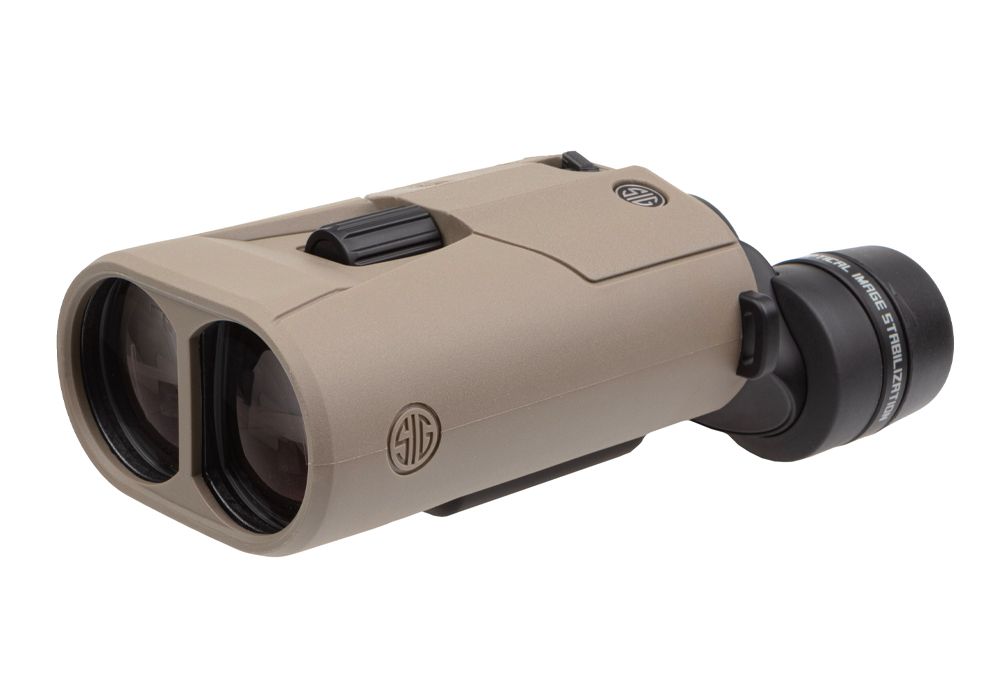
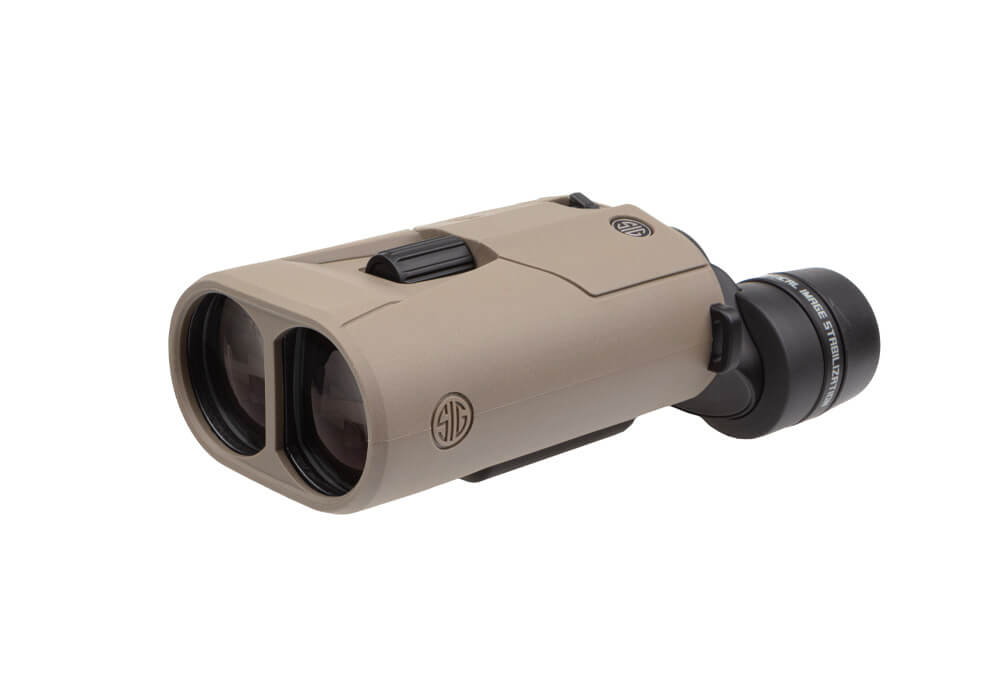
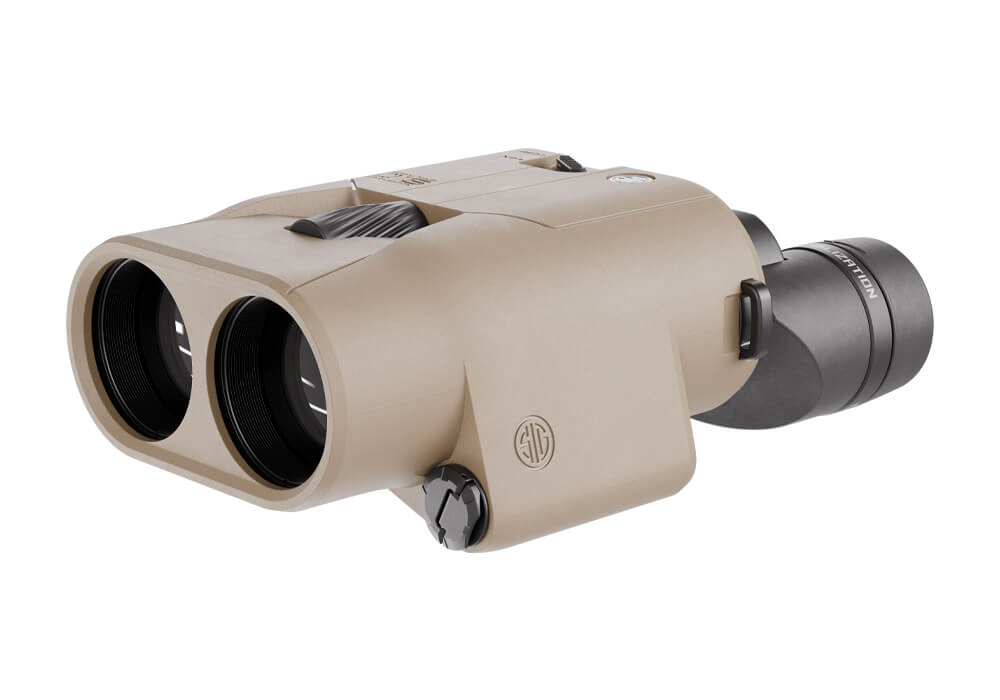
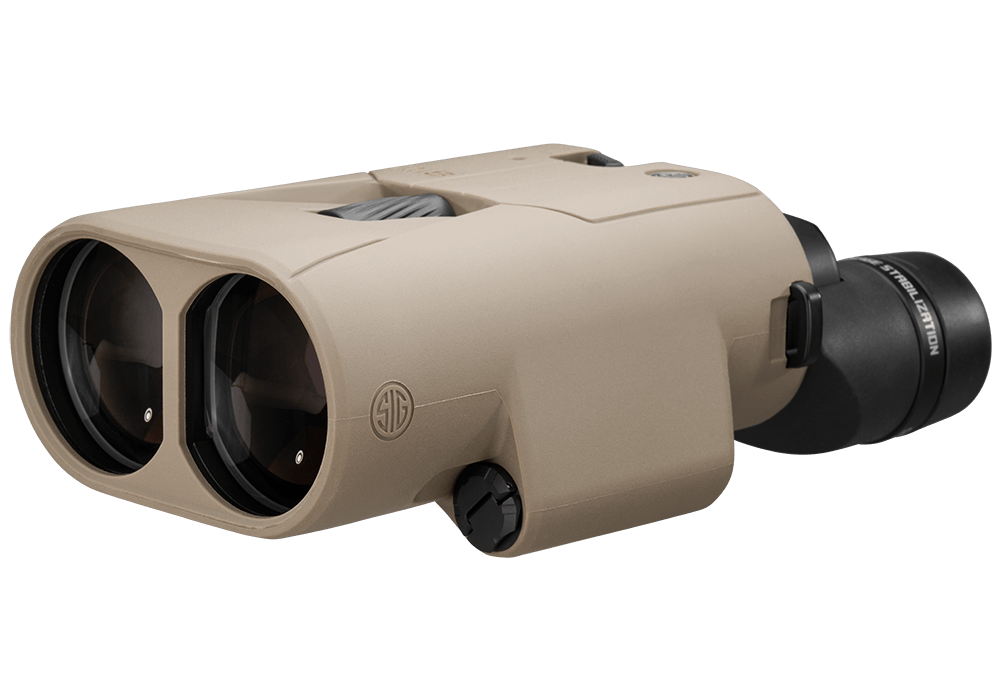
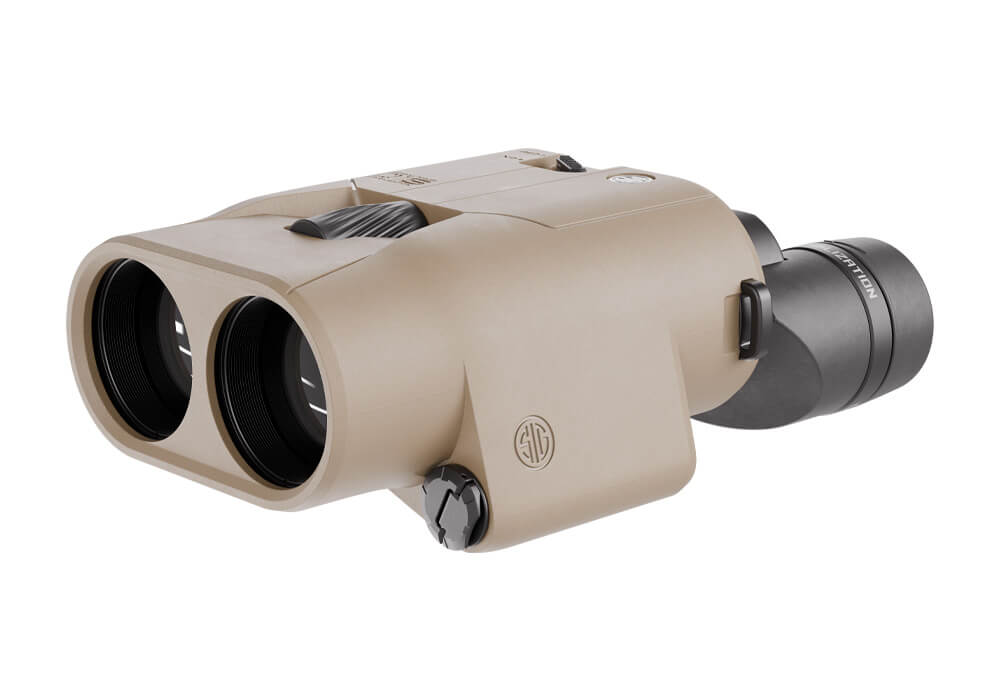
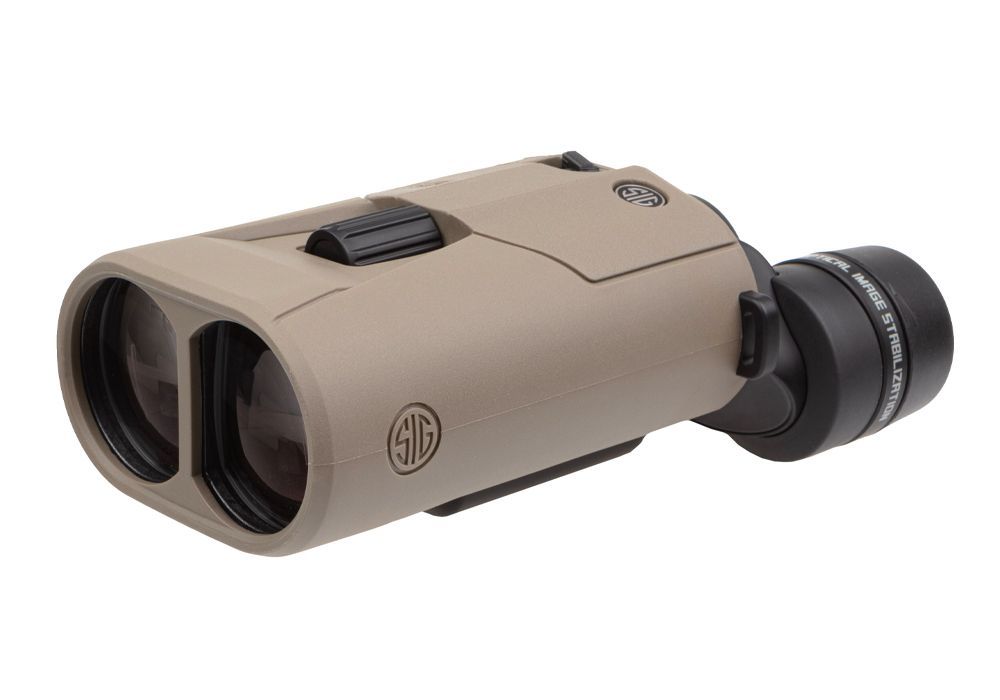
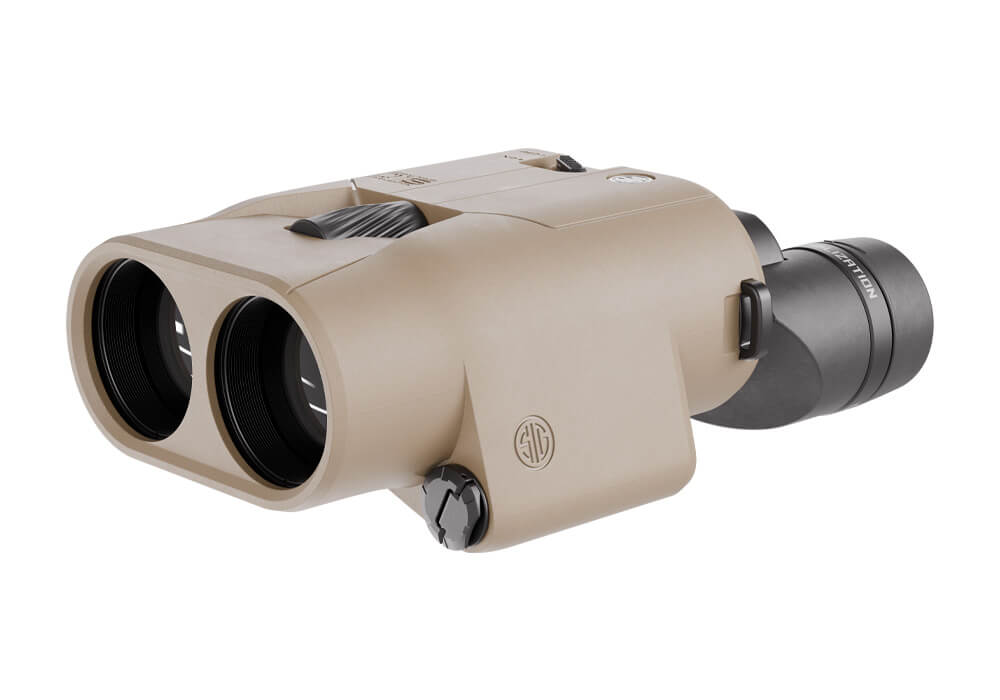
Image-stabilized hunting binoculars bring a steadier handheld view to the small details that matter in the field: the edge of an ear beyond a branch, the outline of an antler against tangled brush, or the movement of an animal along a distant tree line. Even with careful posture, natural hand movement becomes more noticeable as magnification increases. Stabilization technology helps reduce that visible shake, making it easier to study a subject rather than repeatedly recover the same view. Depending on the design, motion sensors and corrective optical components work together to counter movement while the binoculars remain in the hands. The result can be a more comfortable viewing experience during extended observation, especially when a tripod would be inconvenient to carry or slow to position. Stabilization does not stop a moving animal or replace good optical quality; its value comes from helping the eye resolve detail that hand tremor might otherwise obscure. Magnification, objective lens size, lens coatings, and field of view still shape the experience. Greater magnification can reveal finer detail at a distance, while a wider field of view helps with locating animals and following their movement through cover. Larger objective lenses can collect more light, but viewing brightness also depends on magnification, optical transmission, and the relationship between the exit pupil and the viewer’s eye. Well-controlled reflections and consistent sharpness make a difference when dark branches cross a shaded hillside or a pale background surrounds a darker subject. For hunters who spend substantial time glassing from a seated position, standing at an overlook, or pausing along a trail, these characteristics work together rather than in isolation. A steady image is most useful when it also feels natural to acquire, remains comfortable to examine, and provides enough surrounding context to understand what is happening beyond the center of the view. That balance matters whether the task is surveying a broad basin or carefully examining one small opening through dense vegetation.
The physical design of image-stabilized hunting binoculars deserves as much attention as the view through the lenses. Housing materials influence weight, rigidity, and handling, with metal alloys and reinforced polymers offering different approaches to construction. Protective exterior armor can improve grip and cushion routine contact with a pack or harness, but it does not eliminate the need to protect precision optics and internal electronics. Sealing and resistance ratings vary by design, so durability is best understood through the stated specifications rather than appearance alone. Weight distribution is equally important: binoculars that balance comfortably in the hands can be easier to hold through a long observation than a lighter pair with awkward controls or an unsuitable grip. Hinge adjustment should accommodate the distance between the eyes, allowing both views to merge into one clean circle without strain. Eye relief and adjustable eyecups affect how easily that full image remains visible, particularly for hunters wearing prescription glasses. Diopter adjustment helps account for differences between the eyes, while a smooth focus control supports quick transitions from nearby cover to a distant ridge. Stabilization controls should be easy to find by touch without forcing a major change in hand position. For designs that use batteries, power-source type, stated runtime, indicator visibility, and shutoff behavior all influence everyday convenience. Some systems require a button to remain pressed, while others use a different activation arrangement; that distinction can affect comfort during prolonged glassing. A neck strap, chest harness, or compatible support also changes how binoculars ride during a full day afield. A close-fitting harness can limit swinging while walking and keep the binoculars within reach, provided its enclosure leaves enough room for the body and eyecups. For hunters carrying several tools, the overall fit matters more than any single measurement. The best match is a binocular configuration that feels secure, allows natural access to its controls, and remains comfortable enough to come out of the harness whenever a closer look is useful.
Consistent care helps preserve the clarity and handling that make stabilized binoculars useful over years of observation. Dust and grit deserve particular attention because wiping a contaminated lens can drag abrasive particles across its surface. A lens-safe blower or soft brush can clear loose debris before a clean optical cloth and an appropriate cleaning solution address remaining marks, following the manufacturer’s directions. Household cleaners, rough fabrics, and excessive pressure have no place on precision optical surfaces. Lens covers and a protective case help separate the glass from the contents of a pack, while keeping the eyecups and hinge area clean supports smooth adjustment. Battery contacts and compartment seals also benefit from periodic inspection according to the care instructions, especially before an extended trip. Storage practices should follow the recommendations for the particular design, including any guidance on battery removal during long periods without use. These practical details matter because image stabilization adds an electronic system to an instrument that still depends on accurate optical alignment and unobstructed glass. For a hunter who frequently studies distant terrain, the appeal is straightforward: less visible hand movement can make careful observation feel less tiring and more deliberate. The same qualities can suit wildlife watchers, conservation volunteers, and outdoor enthusiasts who enjoy identifying animals without approaching them. As a gift, stabilized binoculars are especially personal because eye spacing, glasses compatibility, hand size, and carrying preferences all affect satisfaction. Familiarity with the recipient’s usual terrain and observation habits helps distinguish a compact carrying preference from a need for more sustained, detail-focused viewing. Hunters assembling a broader optical kit may also consider Hunting Optics With Illuminated Display, with the understanding that an illuminated readout and image stabilization address different needs. One supports the visibility of displayed information; the other helps steady the observed scene. In either case, clear optics, intuitive operation, protective storage, and a comfortable fit remain central to equipment that earns its place on repeated trips into the field.