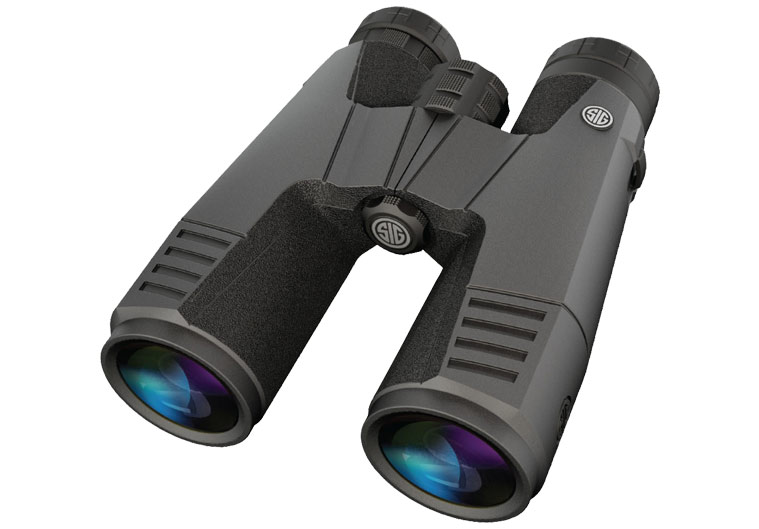
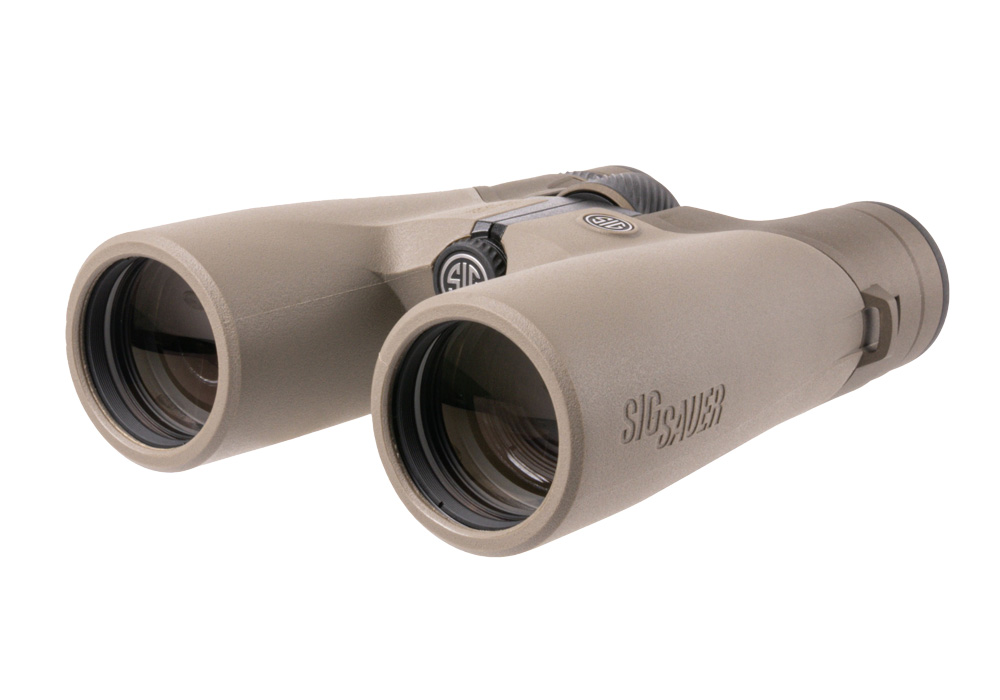
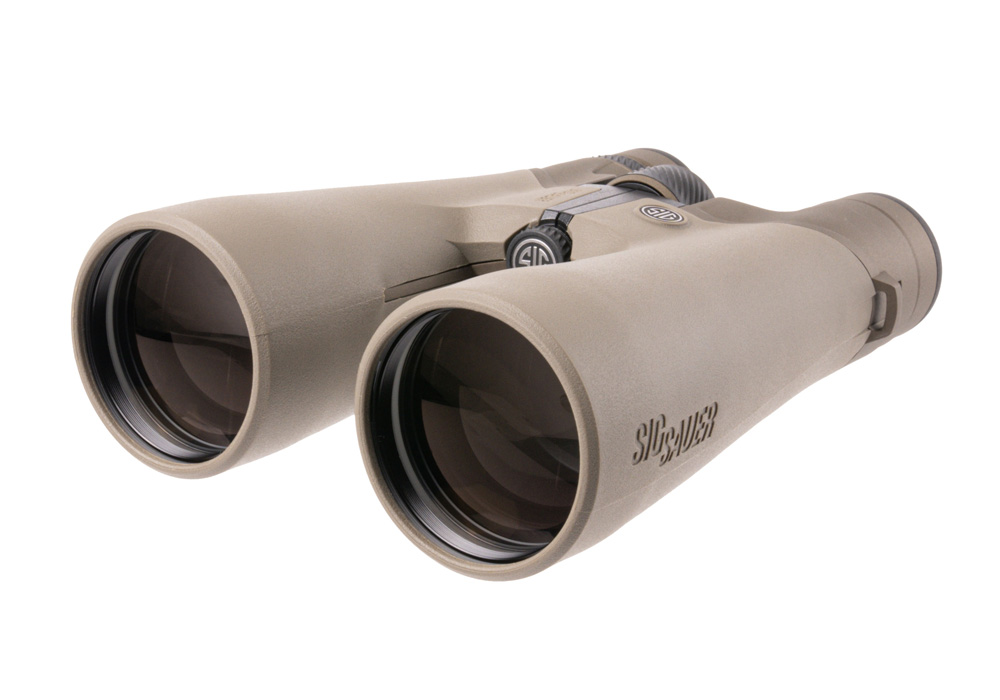
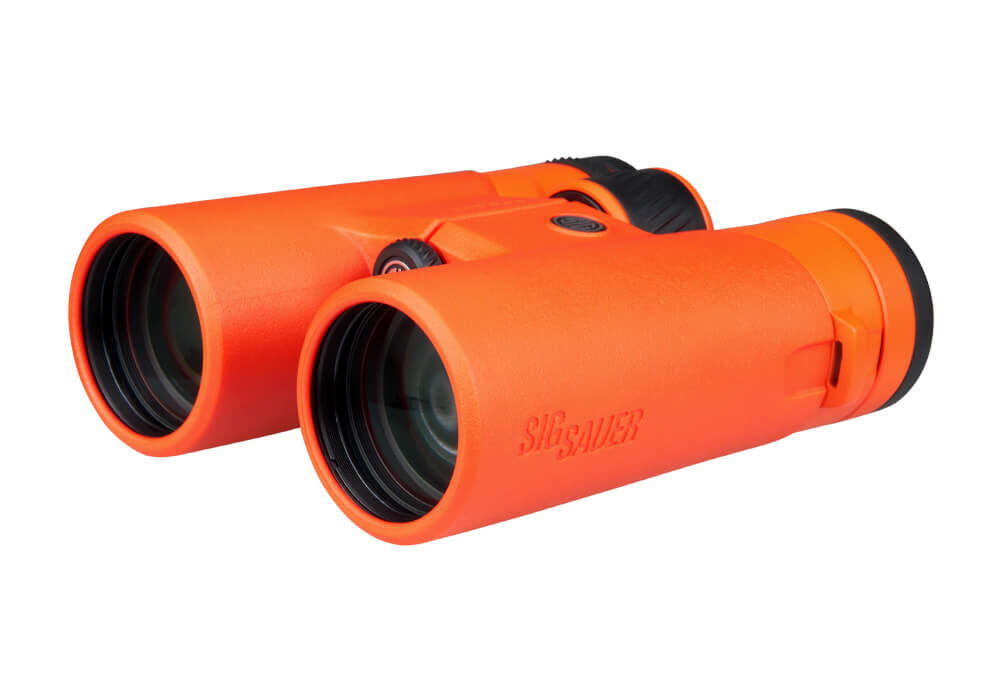
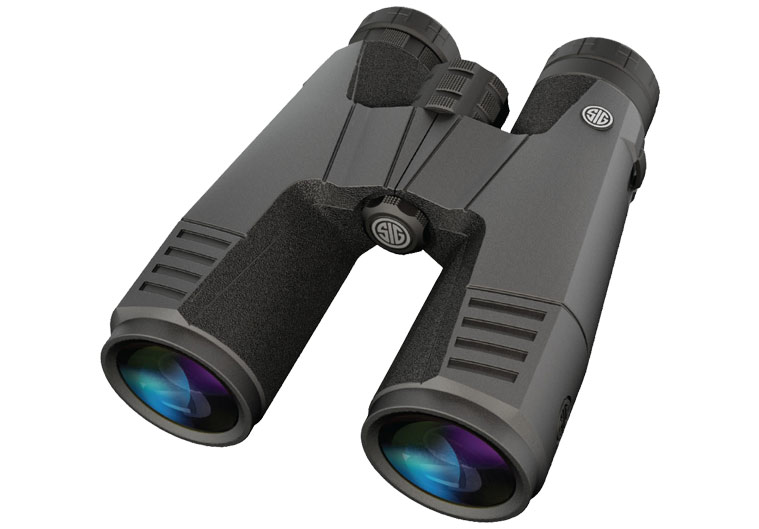
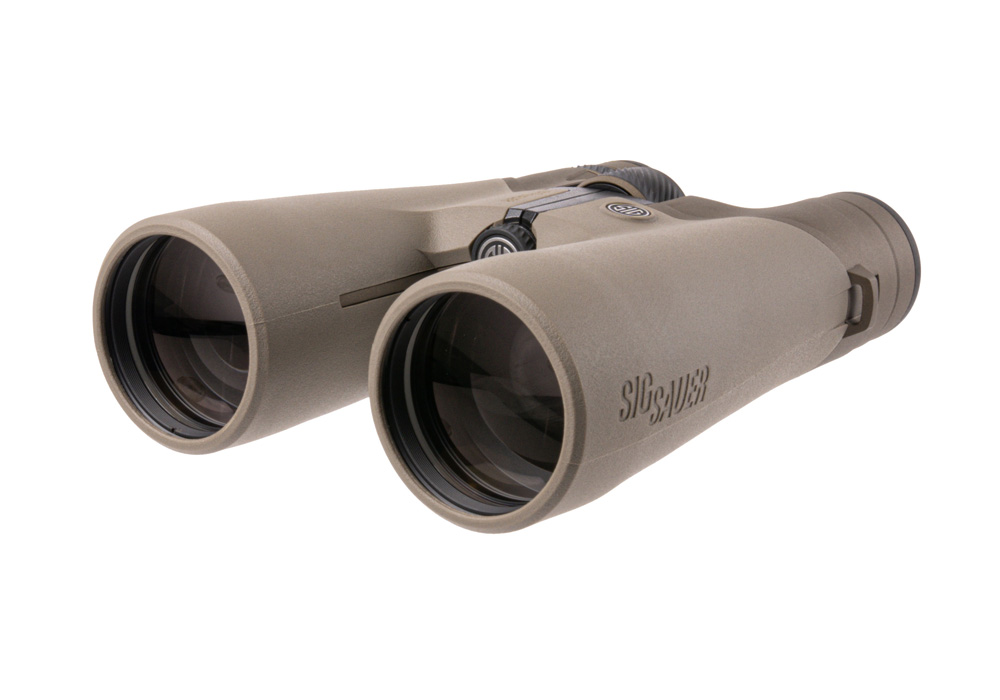
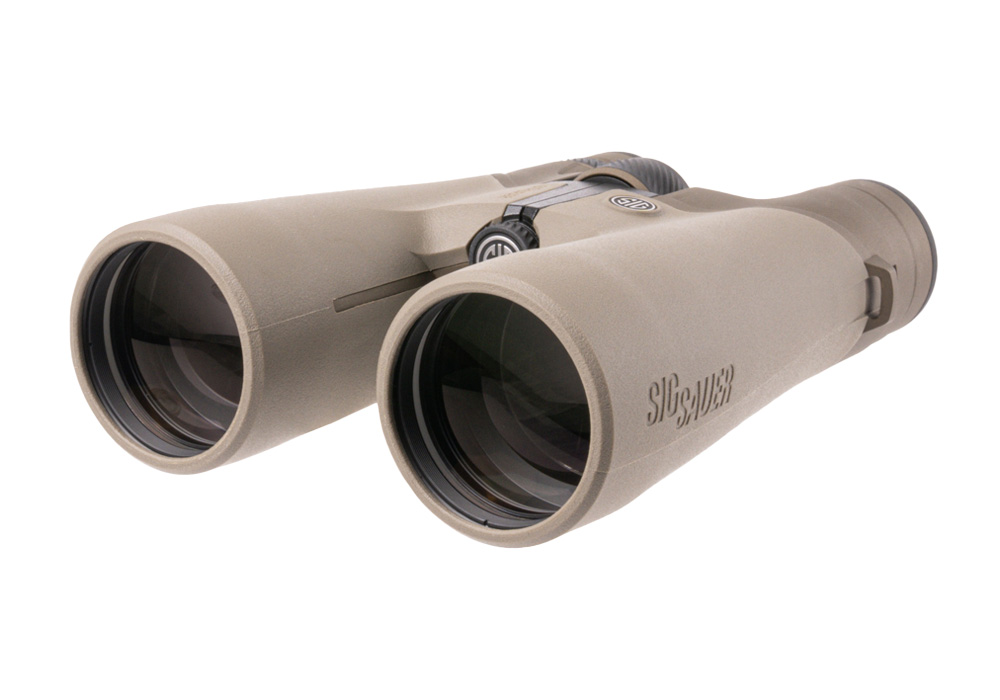
Bird watching gear brings clarity, comfort, and convenience to time spent observing birds in backyards, parks, wetlands, wooded paths, and open fields. The right starting point for many birders is a dependable pair of binoculars, with an 8x42 configuration often offering a well-rounded balance of magnification, brightness, field of view, and manageable weight. The 8x magnification helps keep moving birds within view, while 42mm objective lenses gather useful light during early mornings, overcast afternoons, and the softer light of cooler seasons. Look for comfortable eyecups, smooth focus adjustment, a secure grip, and a design that feels balanced after several minutes of use. A monocular can be a practical alternative for anyone who values a lighter setup, travels frequently, or prefers to observe with one eye. Higher magnification, such as 12x, can help with distant birds across ponds, shorelines, or broad fields, though increased magnification may also make it harder to follow quick movement without a steady hand. A field guide remains a valuable companion, particularly on trails with limited phone service, and regional editions can help narrow identification by habitat, range, size, plumage, and behavior. Bird identification apps add another useful layer by offering visual references and sound recognition, allowing observers to compare a bird’s call with likely species while keeping notes in one place. A small notebook and pencil are worthwhile additions for recording the date, location, weather, habitat, and details such as feeding patterns or wing markings. These simple observations often become just as rewarding as the sighting itself. During a quiet walk through a stand of trees, a birder may first notice a faint tapping sound, then locate a flash of color between branches, and finally confirm the species by comparing its bill shape and posture with a field reference. Reliable optics and accessible identification tools help turn that brief encounter into a lasting memory.
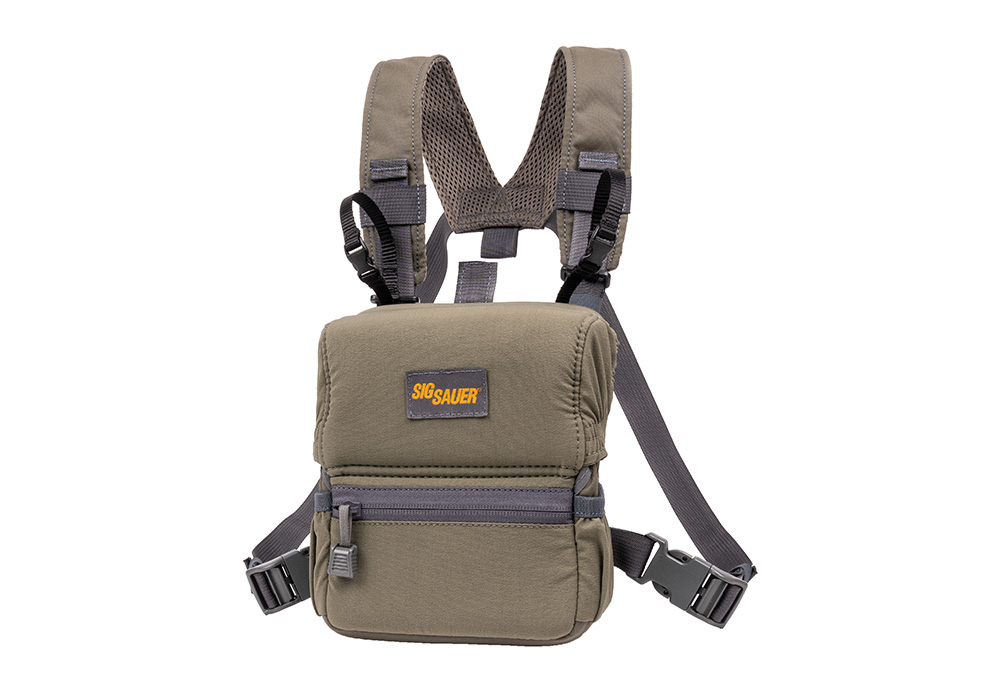
Comfort and organization matter just as much as optical performance, especially when an outing extends from a short backyard session into several hours on a trail. A lightweight daypack or hip pack keeps water, snacks, guides, extra layers, a phone, and personal items within easy reach while leaving both hands available for binoculars. A binocular harness can distribute weight across the shoulders and reduce the neck strain that often develops when binoculars hang from a narrow strap. For longer walks, look for adjustable straps, breathable padding, secure closures, and enough room for essentials without encouraging an overloaded pack. Clothing should support quiet movement and changing conditions. Neutral earth tones can help an observer remain less conspicuous against trees, brush, and grasses, while light layers allow comfortable adjustments as the morning shifts from cool shade to warmer sunlight. A brimmed hat can provide sun protection and reduce glare around the eyes, and sturdy walking shoes with dependable traction are helpful on uneven paths, damp ground, and rocky overlooks. During cooler months, gloves that preserve finger movement can make it easier to adjust focus, use a phone, or turn guidebook pages. A compact seat pad, rain shell, insect protection, and a small lens cloth can also improve comfort without adding much bulk. Keeping optics protected from dust, moisture, and scratches is important, so a padded case or cover can be useful between sightings. Those watching from home may appreciate a window-friendly setup with a nearby chair, stable viewing surface, and easy access to reference materials. In a backyard, a pair of binoculars can reveal details that go unnoticed from the kitchen window: the fine pattern around a wren’s eye, the subtle shift in a finch’s feathers, or the way a hawk circles above the tree line. On a trail, compact equipment is often preferable because every ounce becomes noticeable after several miles.
Bird watching gear suits beginners building a first setup, experienced observers refining a travel kit, families exploring local habitats, and anyone who enjoys a thoughtful outdoor pastime. It can also be a personal and useful gift for a parent, partner, grandparent, teacher, or friend who already pauses to identify birds by sound or keeps a list of sightings near a favorite window. For gift-giving, consider the recipient’s usual setting and habits: compact optics may suit someone who travels or walks frequently, while a comfortable harness, field guide, or organized pack may complement equipment they already own. Those shopping for a bird-loving mother can explore Gifts for Birdwatching Moms for ideas suited to quiet mornings outdoors and shared time in nature. Beginners generally benefit from versatile gear that is easy to carry and simple to adjust rather than specialized equipment intended for one habitat or viewing style. More experienced birders may value refined focus control, improved low-light performance, weather-resistant construction, or accessories that make repeated outings more comfortable. Before choosing, consider the typical distance to the birds, the amount of walking involved, whether the gear will be shared, and how much space is available in a pack. A well-planned setup does not need to be complicated: binoculars, a field guide or identification app, comfortable layers, dependable footwear, and a way to carry water and essentials can support memorable observations in nearly any season. Whether the setting is a familiar garden, a quiet woodland trail, a marsh edge, or a broad overlook, thoughtfully selected bird watching gear helps observers stay focused on movement, color, song, and the small details that make every outing distinct.