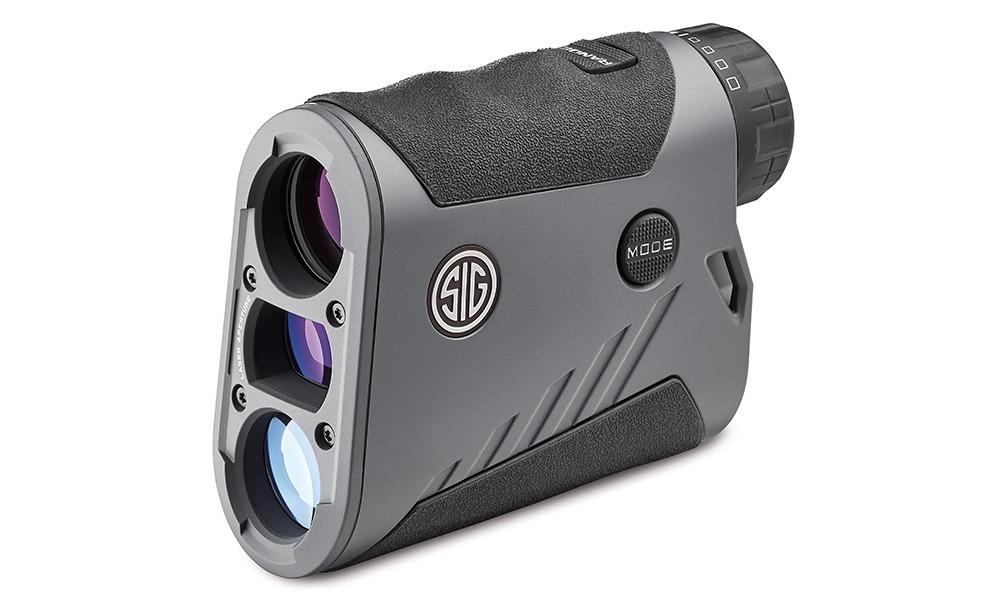
Low-light rangefinders combine laser distance measurement with viewing optics and a readable display for situations where ambient light is limited, such as dawn, dusk, or shaded woodland. Their usefulness depends on two separate qualities: how clearly the optical system presents the scene and how easily the distance reading can be seen against it. An illuminated red OLED display can provide strong contrast against dark trees or a shadowed hillside, while adjustable brightness helps keep the numbers legible without overwhelming the view. Display illumination does not brighten the landscape itself; lens quality, optical coatings, objective size, and magnification all influence the image reaching the eye. High-transmission optics and effective antireflective coatings help preserve available light and reduce distracting reflections, supporting a clearer view of details that can become difficult to distinguish in dim surroundings. Moderate magnification can offer a useful balance between detail, field of view, and handheld steadiness. Higher magnification may reveal a smaller aiming feature, but it can also emphasize hand movement and make locating a subject more demanding. For a hunter looking across a shaded clearing, the practical advantage is being able to locate a recognizable feature, hold the aiming point steady, and read the measurement without repeatedly moving the instrument away from the eye. Display color alone does not establish low-light performance, and a brighter readout is not automatically better. Fine brightness adjustment, uncluttered information, and optics that retain useful contrast work together to create a more comfortable viewing experience. Eye relief and an adjustable eyepiece also matter, particularly for people wearing glasses, because a clearly focused display is easier to interpret than one that appears soft or partially obscured. These instruments still require sufficient ambient light for visual observation. They are not substitutes for night vision or thermal imaging, and a distance reading does not establish the identity of an animal or object. Enough visible detail to positively identify the subject and its surroundings remains essential.
Distance performance in low light also depends on what the laser encounters. A broad, reflective surface can return a stronger signal than a small, dark animal partly concealed by vegetation, so a stated maximum range should not be treated as a promise for every subject. Published ranging distances may distinguish between reflective targets, trees, and animals, and those categories offer more useful context than a single maximum figure. Branches, tall grass, and overlapping terrain can introduce competing returns, especially when a narrow opening separates the viewer from the intended measuring point. Depending on the model, target-priority settings may help favor a nearer or more distant return, while scan mode can provide updated readings as the instrument moves across a scene. Consistent measurements from a clearly visible surface are more useful than an isolated number that cannot be confirmed. For bowhunters and rifle hunters working across uneven ground, angle measurement can add another important layer of information. Line-of-sight distance describes the direct distance to the subject; an angle-compensated value accounts for incline according to the instrument’s calculation method. The display should make those values easy to distinguish, particularly when a quick glance is all that is practical. Some rangefinders also support ballistic calculations or wireless connections to compatible equipment, but those features vary and depend on correct setup and suitable inputs. A ballistic solution is not a universal substitute for verified equipment data or responsible judgment. For target shooters, a stable rest or compatible tripod connection can make repeated measurements easier, especially when observing smaller features at longer distances. For hunters, accessible controls and a useful close-range measuring limit may matter just as much as maximum reach. The broader selection of High Performance Rangefinders provides a related category for considering optical performance, measurement features, and handling together. The most relevant combination is the one that supports the actual distances, terrain, and viewing demands of the intended activity rather than adding information that is difficult to use.
Construction and fit have a direct effect on how comfortably a low-light rangefinder becomes part of a regular field or range routine. A compact housing can fit neatly into a chest pouch or jacket pocket, while a larger body may provide more gripping surface and room for widely spaced controls. Rubber armor and textured panels can improve purchase, but shape, balance, and button placement are equally important when the instrument needs to settle naturally into one hand. Controls that are easy to distinguish by touch reduce the need to look away from the scene, and a clearly defined measuring button can help limit unwanted movement during a reading. Housing materials vary, with reinforced polymers and metal components offering different balances of weight and rigidity. Sealed construction can help protect internal components from dust and moisture, although the relevant resistance rating—not appearance alone—defines the protection claimed. A secure wrist strap, suitable carrying case, and compatible mounting arrangement can protect the instrument during transport and keep it accessible without leaving the lenses exposed. Lens care deserves particular attention because fingerprints, grit, and residue can diminish contrast when available light is already limited. Loose particles should be removed before wiping, and cleaning materials should be suitable for coated optical surfaces. Protective caps and a clean storage compartment help keep abrasive debris away from the glass. Battery type, replacement access, and power-management features are practical considerations as well: an illuminated display and wireless functions can affect battery life differently depending on settings and use. Familiarity with the controls, display brightness, and measurement modes is valuable before relying on the instrument in dim surroundings. For someone receiving a rangefinder as a gift, compatibility with glasses, comfortable handling, and straightforward operation can matter more than an extensive feature list. Experienced hunters, recreational target shooters, and outdoor observers may each value different capabilities, but the common priorities remain consistent: a clear view, readable information, repeatable measurements, and construction suited to regular use. Those qualities give low-light rangefinders their everyday value, helping turn limited visibility into a more manageable observation and distance-measuring task without suggesting that technology can replace adequate light or sound judgment.